7 Late Winter Garden Jobs Michigan Gardeners Should Do And 5 That Can Wait
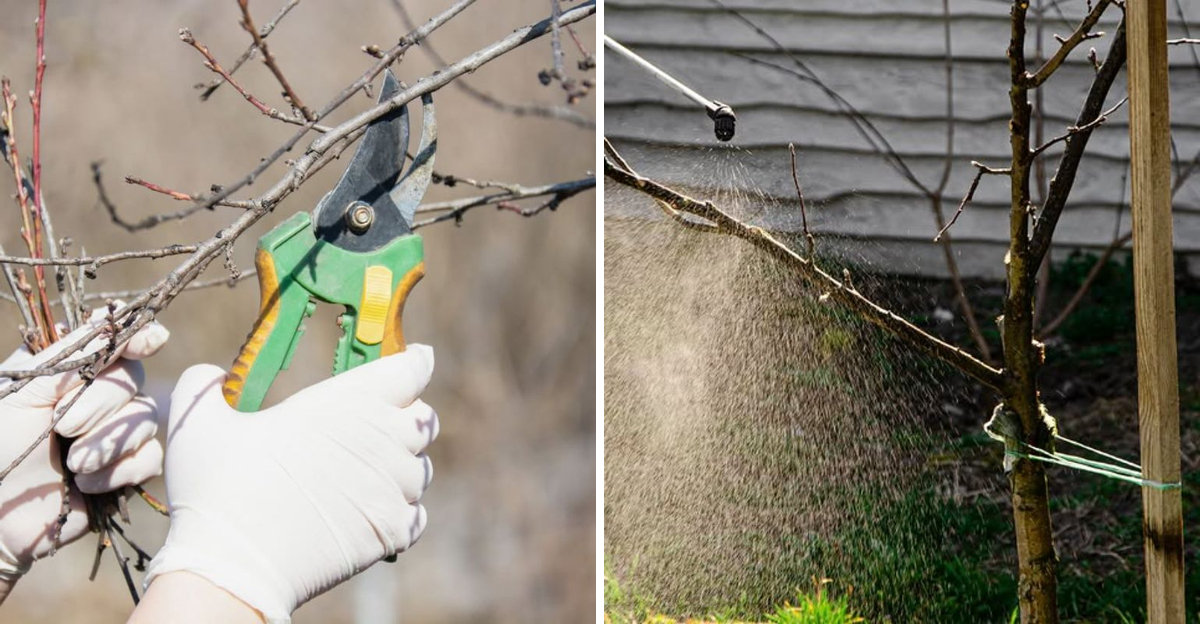
Late winter in Michigan can feel quiet in the garden, but this is actually one of the most important times to set up a successful growing season. While snow may still be on the ground, smart gardeners use these weeks to prepare, protect, and plan ahead.
A few well-timed tasks now can prevent problems, boost plant health, and make spring gardening much easier. At the same time, not every chore needs rushing, and doing certain jobs too early can even harm plants.
Knowing what to tackle now and what to hold off on saves effort and helps your garden wake up strong when warmer weather arrives. From pruning and tool prep to soil care and early planting steps, late winter is full of quiet but valuable work.
Let’s look at the key garden jobs Michigan gardeners should do now, plus the tasks that are better left for later.
1. Clean And Inspect Garden Tools
Your garden tools have been sitting in the shed since fall, likely gathering dust and possibly rust. Now is the perfect moment to bring them back to life.
Grab each tool and give it a thorough inspection for damage or wear. Start by removing dirt and debris with a stiff brush and warm soapy water. Rust spots need attention with steel wool or a wire brush.
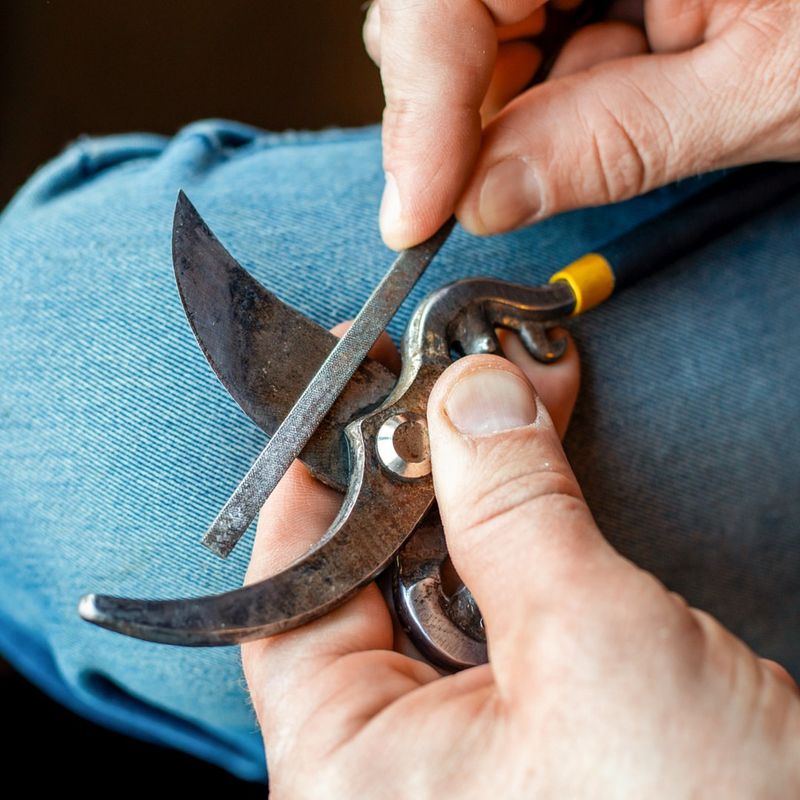
Once clean, dry everything completely to prevent new rust from forming. Sharpening comes next for pruners, shears, and hoe blades. A sharp tool makes cleaner cuts and requires less effort.
You can use a file or sharpening stone for this task. The process takes practice but becomes easier each season.
Disinfecting tools prevents disease spread between plants when spring arrives. Mix one part bleach to nine parts water and wipe down all cutting surfaces.
Let them air dry completely before storing. Oil wooden handles with linseed oil to prevent cracking and splintering. Metal parts benefit from a light coating of machine oil.
This protective layer keeps moisture away during storage. Proper tool maintenance extends their lifespan by years. Well-maintained equipment performs better and makes gardening more enjoyable.
Plus, you’ll avoid last-minute shopping trips when planting season arrives unexpectedly early.
2. Prune Deciduous Trees And Shrubs
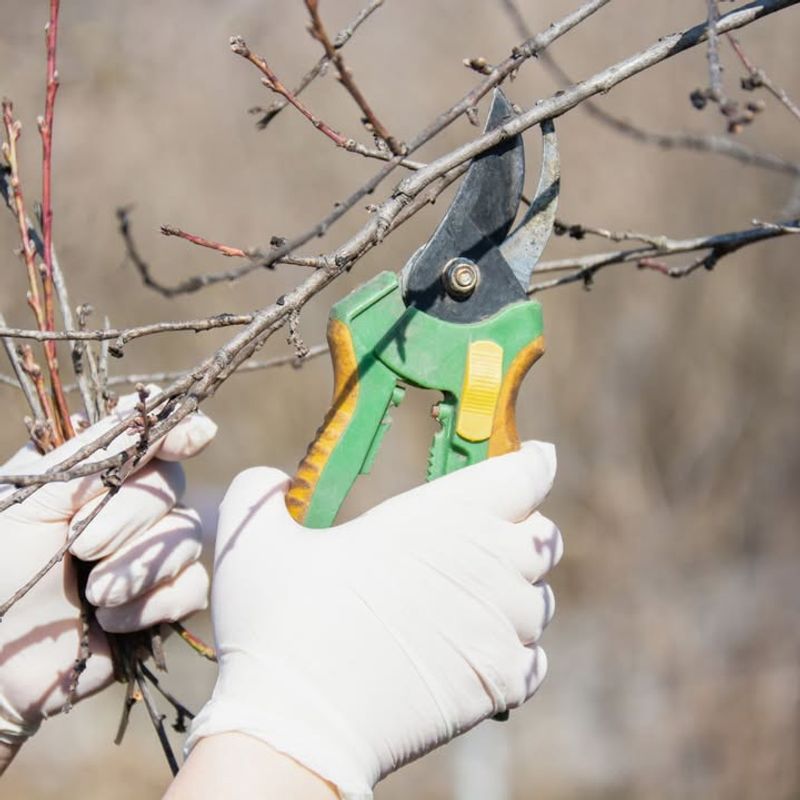
Bare branches make late winter ideal for pruning work. You can see the entire structure of deciduous trees and shrubs without leaves blocking your view.
This visibility helps you make better decisions about which branches to remove. Dormant trees and shrubs experience less stress from pruning cuts now. Sap flow remains minimal during cold weather, reducing the risk of excessive bleeding.
Diseases and pests are also inactive, lowering infection chances. Focus on fruit trees like apples, cherries, and pears first. Remove crossing branches that rub together and create wounds.
Take out any branches growing toward the center, as these reduce airflow and light penetration.
Maples and other shade trees benefit from structural pruning too. Young trees especially need guidance to develop strong frameworks.
Remove competing leaders and weak branch angles that might break under snow or ice. Ornamental shrubs like lilacs and forsythias can be shaped now, but timing matters. Spring-blooming varieties should wait until after flowering to avoid cutting off buds.
Your Michigan Garden Changes Every Week. Your Plan Should Too.
Gardening in Michigan changes quickly throughout the season. Every Friday you’ll receive a simple weekly plan showing exactly what to plant, prune, fertilize, harvest, and protect so you never miss the right timing.
Summer bloomers are safe to prune anytime during dormancy. Always use clean, sharp tools for smooth cuts that heal quickly. Cut just outside the branch collar without leaving stubs.
Step back frequently to assess your progress and avoid over-pruning.
3. Plan Garden Layout And Seed Orders
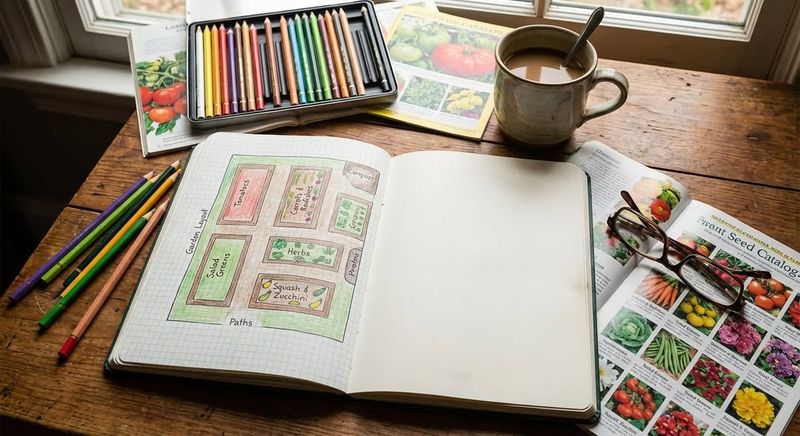
Winter evenings provide perfect planning time when outdoor work is impossible. Spread out your seed catalogs and start dreaming about the growing season ahead.
This planning stage often proves as enjoyable as actual gardening. Begin by reviewing last year’s garden notes if you kept any. What grew well and what struggled?
Which varieties tasted best and which disappointed? These insights guide smarter choices for the coming season.
Sketch your garden layout on paper or use online planning tools. Consider crop rotation to prevent soil depletion and disease buildup.
Group plants with similar water and sunlight needs together for easier maintenance. Michigan’s short growing season requires careful variety selection. Choose cultivars bred for northern climates with appropriate days-to-maturity ratings.
Heirloom varieties offer unique flavors, while hybrids often provide disease resistance and reliability.
Order seeds early before popular varieties sell out. Many small seed companies have limited stock of specialty items. Early ordering also ensures seeds arrive in time for indoor starting schedules.
Calculate how many seeds you actually need to avoid waste. Consider succession planting for crops like lettuce and beans.
Plan space for both tried-and-true favorites and a few experimental varieties to keep things interesting.
4. Start Seeds Indoors
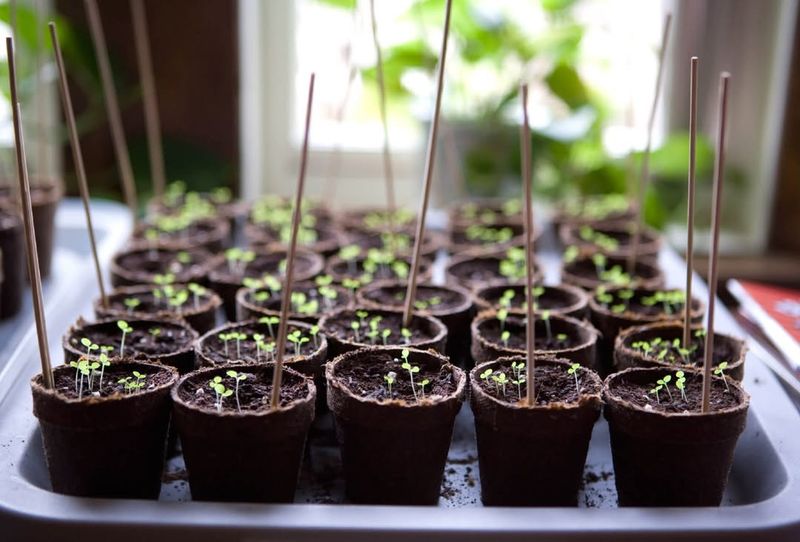
Indoor seed starting gives you a significant head start on the growing season. Michigan’s last frost date typically falls between late April and mid-May depending on your location. Starting seeds indoors allows you to transplant vigorous seedlings once weather permits.
Cool-season crops like broccoli, cabbage, and lettuce need starting six to eight weeks before transplanting outdoors. These hardy vegetables tolerate light frost and can go outside earlier than warm-season crops.
They appreciate Michigan’s cool spring temperatures. Warm-season vegetables require more patience and planning. Tomatoes and peppers need starting eight to ten weeks before the last frost date.
These heat-lovers must wait for consistently warm soil before transplanting outside. Use quality seed-starting mix rather than garden soil. These lightweight mixes provide excellent drainage and are free from diseases and weed seeds.
Fill cells or pots loosely and water thoroughly before planting. Place seeds at the proper depth, usually two to three times their diameter. Tiny seeds barely need covering while larger ones go deeper.
Label everything immediately because seedlings look similar at first. Provide consistent moisture and warmth for germination. Most seeds sprout best between 65 and 75 degrees.
Once seedlings emerge, give them bright light from grow lights or sunny windows to prevent stretching.
5. Apply Dormant Sprays To Fruit Trees
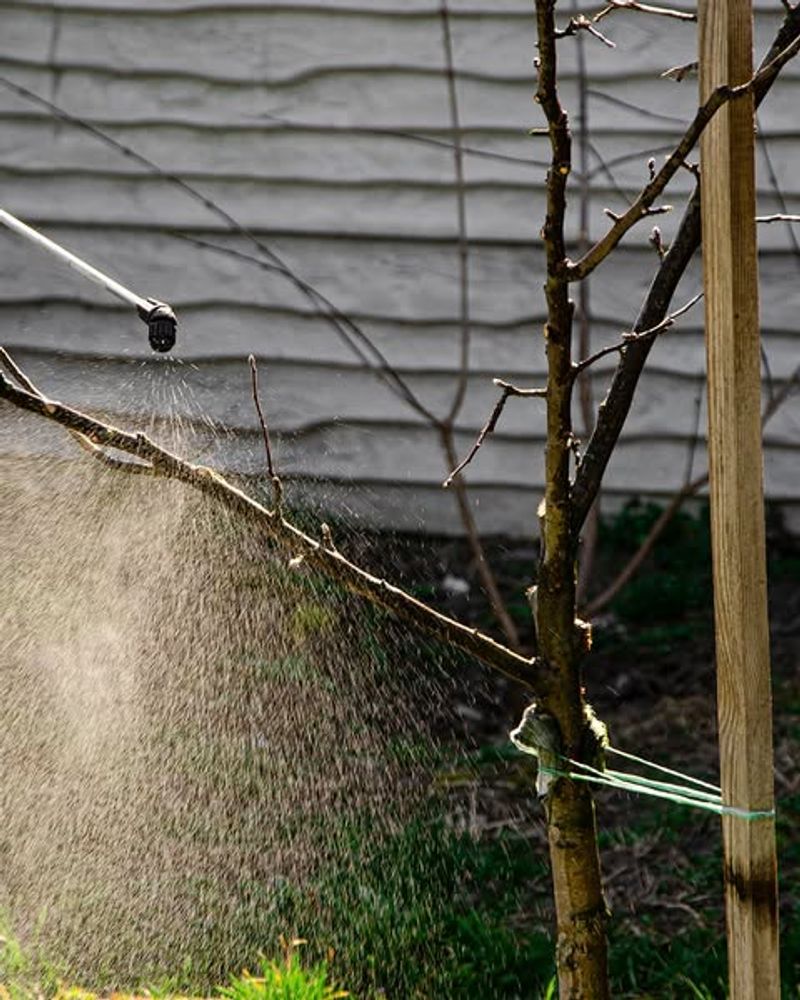
Dormant sprays offer effective pest and disease control when applied at the right time. These treatments work best when trees remain fully dormant but temperatures stay above freezing.
Late winter provides the ideal window in Michigan. Horticultural oils smother overwintering insects like aphids, mites, and scale. These petroleum-based products coat eggs and larvae, preventing them from causing damage later.
Apply on calm days when rain isn’t expected for 24 hours. Fungicides help prevent diseases like apple scab and peach leaf curl. These problems start early in spring as buds begin swelling.
Preventive spraying now stops infections before they establish themselves in new growth. Timing matters greatly for dormant spray effectiveness. Apply too early during deep winter and you waste product.
Wait too long and buds break, making some treatments potentially harmful. Watch your trees carefully for the first signs of bud swell.
Mix sprays according to label directions and never exceed recommended rates. More is not better and can actually harm trees.
Cover all bark surfaces thoroughly, including branch undersides and trunk crevices where pests hide.
Wear protective equipment including gloves, goggles, and appropriate clothing. Even organic treatments can irritate skin and eyes.
Store leftover products properly and dispose of empty containers responsibly.
6. Prepare Compost And Garden Beds
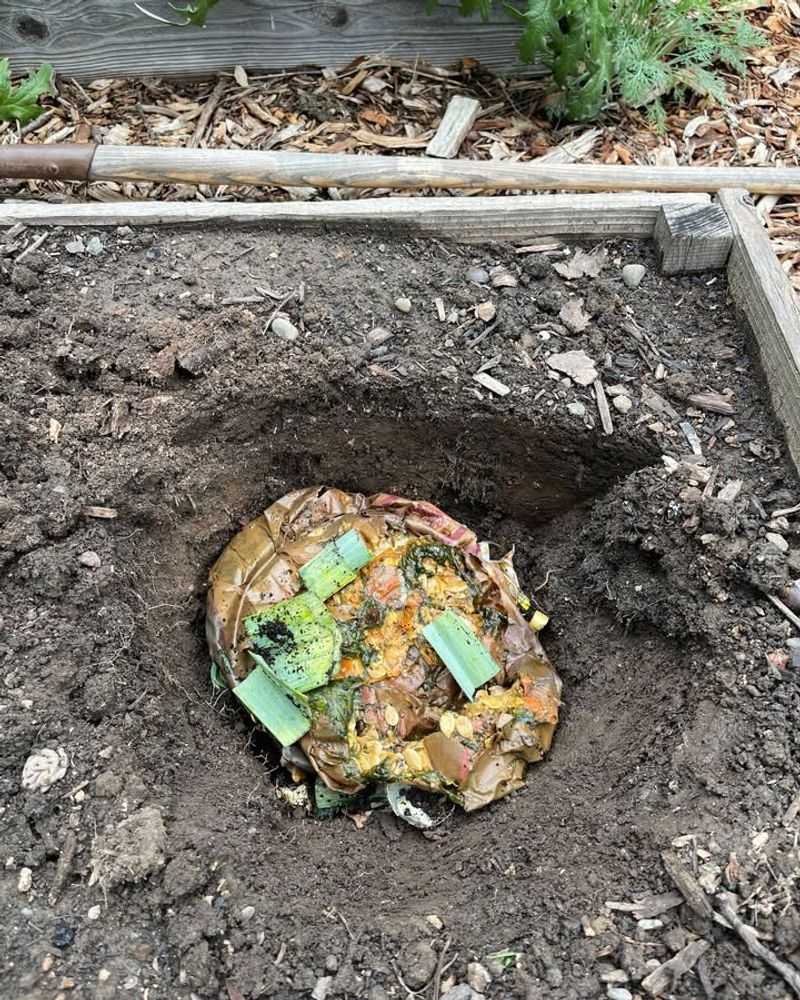
Compost piles need attention after sitting dormant all winter. Turn your pile to introduce oxygen and restart decomposition as temperatures rise. Mixing outer material into the center helps everything break down evenly.
Check moisture levels while turning the pile. Compost should feel like a wrung-out sponge, damp but not dripping. Add water if it’s too dry or mix in dry leaves if it’s too wet.
Late winter is perfect for spreading finished compost on garden beds. This dark, crumbly material enriches soil and improves structure. Spread a two to three-inch layer and work it into the top six inches of soil.
Garden beds benefit from early preparation even when still partially frozen. Remove any remaining plant debris and weeds that emerged during warm spells. This cleanup prevents disease carryover and reduces pest habitat.
Add other organic amendments like aged manure or leaf mold if available. These materials need time to integrate with existing soil. Working them in now lets them settle before planting begins.
Consider covering prepared beds with black plastic or landscape fabric. This covering helps soil warm faster and dry out sooner.
Warm, workable soil means earlier planting of cool-season crops when spring arrives.
7. Protect Perennials And Bulbs
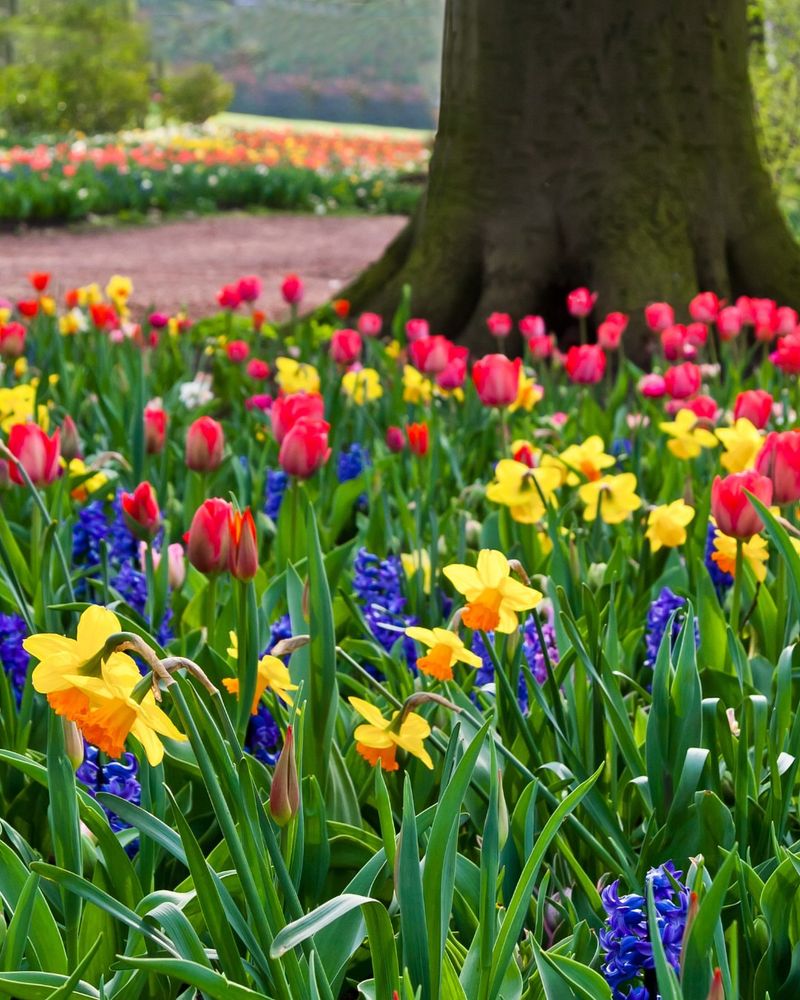
Michigan’s unpredictable late winter weather poses risks to perennials and bulbs. Temperatures can swing dramatically, causing harmful freeze-thaw cycles. These fluctuations heave plants out of the ground and damage roots.
Check existing mulch layers around perennials for adequate coverage. Winter winds and animal activity often displace protective material. Add more mulch if you see exposed crowns or bare soil.
Straw, shredded leaves, or pine needles make excellent insulating mulches. Apply a three to four-inch layer around plants without piling material directly against stems.
Good mulch regulates soil temperature and retains moisture. Spring bulbs like tulips and daffodils have already formed shoots underground. These tender growing points need protection from late hard freezes.
Maintain mulch coverage until consistent spring weather arrives. Watch for early emerging perennials on warm days. Some plants break dormancy prematurely during February or March warm spells.
Be ready to cover these eager growers if hard freezes threaten. Remove winter protection gradually rather than all at once. Strip away mulch in stages as temperatures stabilize.
This gradual approach prevents shock and allows plants to acclimate slowly to spring conditions.
8. Planting Warm-Season Annuals Can Wait
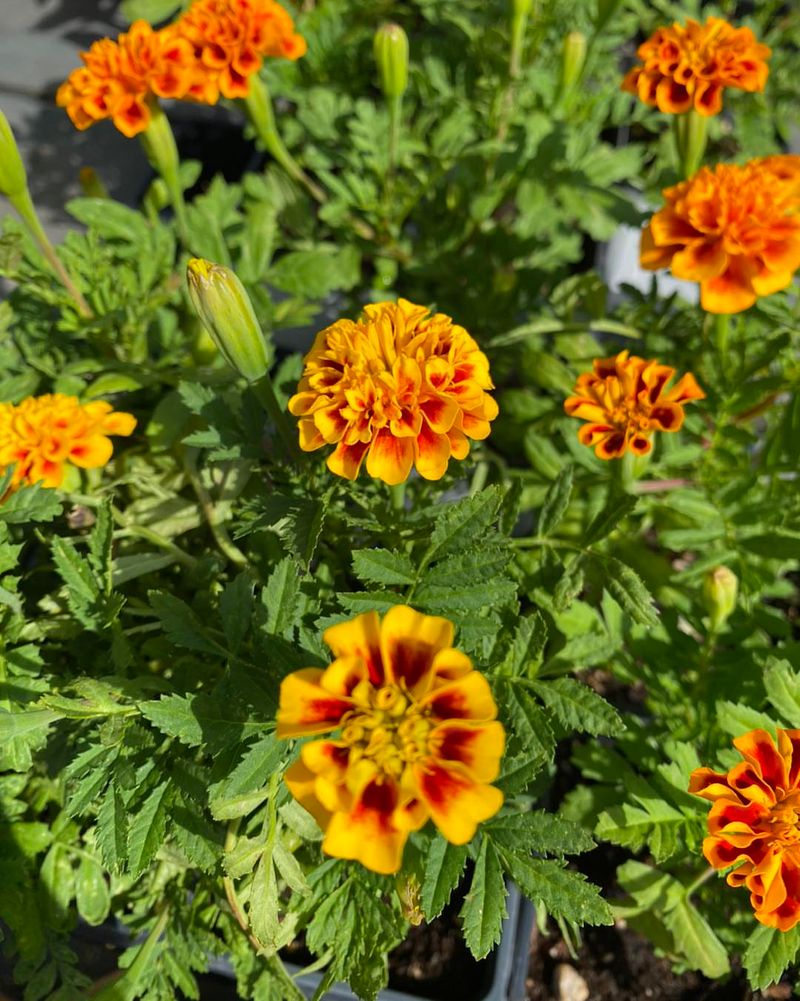
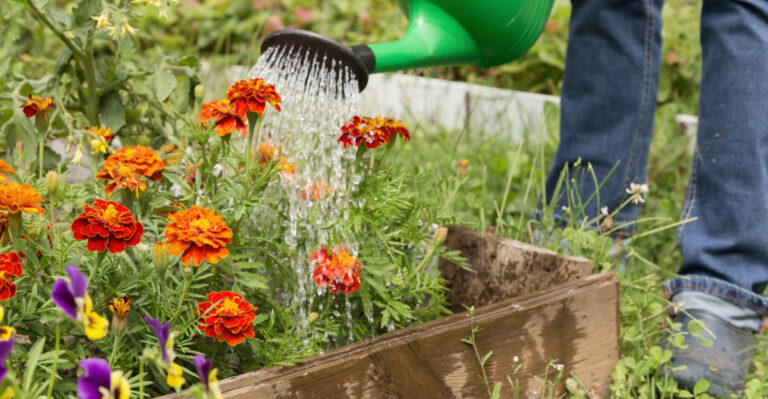
Bright marigolds and cheerful zinnias tempt gardeners at every garden center visit. These warm-season annuals promise vibrant color throughout summer. However, planting them too early leads to disappointment and wasted money.
Frost damages or eliminates tender annuals completely. Even light frost burns foliage and sets plants back significantly. Michigan’s last frost dates range from late April in southern areas to late May up north.
Soil temperature matters as much as air temperature for annual success. Cold soil stunts root growth and encourages rot. Wait until soil consistently reaches 60 degrees before planting warm-season flowers.
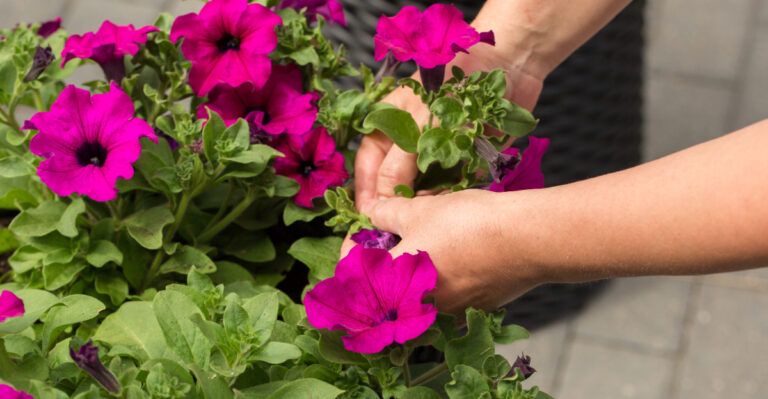
Impatiens, petunias, and geraniums also fall into this wait-and-see category. These popular bedding plants evolved in tropical or subtropical climates.
They simply cannot tolerate the cold temperatures that Michigan experiences well into spring. Use this waiting period to prepare planting areas instead. Amend soil with compost and plan color schemes.
Shopping early lets you secure favorite varieties, but keep them protected until planting time arrives.
Watch local weather forecasts and soil temperature reports. Your county extension office provides valuable planting guidance specific to your area. Patience now results in healthier plants and better displays later.
9. So Can Sowing Outdoor Warm-Season Vegetables
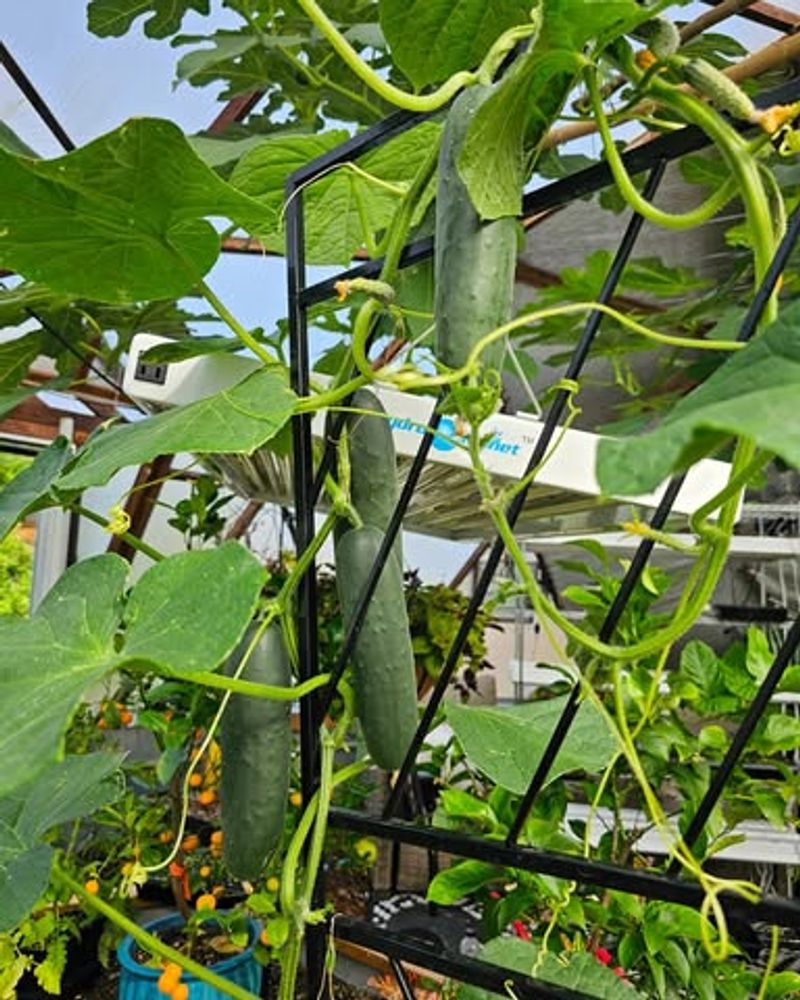
Tomatoes, peppers, and cucumbers top most Michigan vegetable garden wish lists. These warm-season crops provide delicious harvests throughout summer. But direct seeding or transplanting them outdoors too early guarantees failure.
Cold soil prevents germination and rots seeds before they sprout. Warm-season vegetables need soil temperatures of at least 60 degrees, preferably warmer. Most Michigan soils don’t reach these temperatures until late May or early June.
Transplants suffer similar fates when planted prematurely. Cold temperatures stop growth and stress plants severely.
Stressed plants become susceptible to diseases and pest problems that healthy plants resist.
Frost risk extends into May across much of Michigan. A single unexpected freeze can wipe out an entire planting of tender vegetables.
The disappointment of losing plants motivates gardeners to wait for truly safe conditions. Starting seeds indoors now makes sense, but outdoor planting must wait. Grow strong transplants under lights or in sunny windows.
Harden them off gradually when outdoor conditions finally permit planting. Use row covers or cloches to warm soil and protect early plantings if you must push the season.
These protective devices trap heat and shield plants from light frost. However, waiting remains the most reliable strategy for success.
10. You Shouldn’t Fertilize Perennials With Nitrogen Too Early
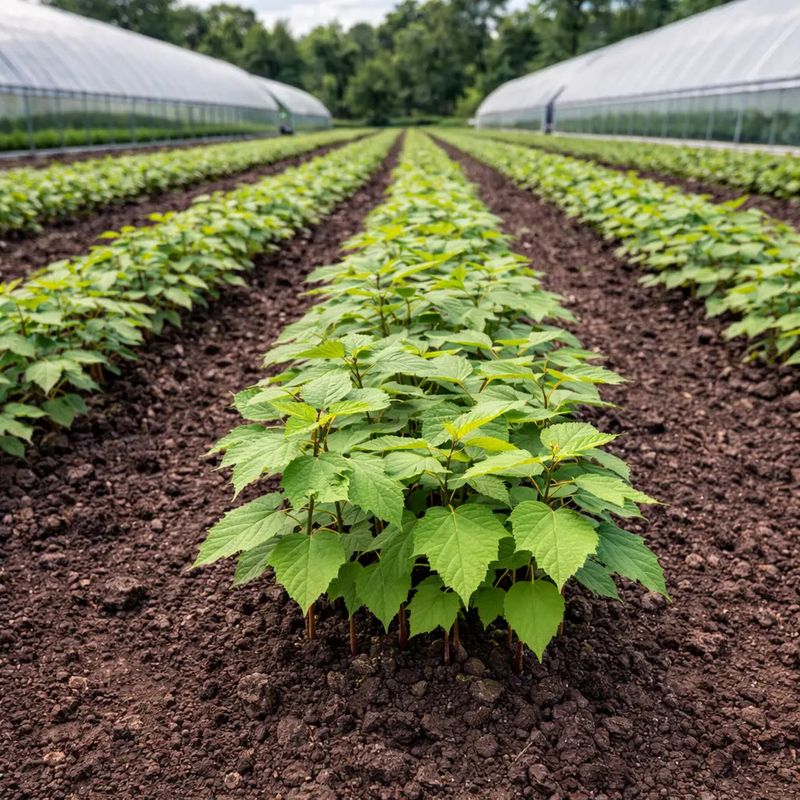
Perennials benefit from fertilizer, but timing affects results significantly. Early nitrogen applications can actually harm plants rather than help them.
Late winter fertilizing encourages weak, frost-susceptible growth that winter weather damages.
Nitrogen stimulates leafy green growth above ground. When applied too early, this nutrient pushes plants to break dormancy prematurely. Tender new shoots emerge only to face freezing temperatures and harsh conditions.
Michigan weather remains unpredictable through March and often into April. Warm spells trick plants into growing, then hard freezes follow. Nitrogen fertilizer amplifies this problem by making plants more responsive to warmth.
Wait until you see active growth beginning naturally before fertilizing. Most perennials start growing in earnest during April as soil warms. This natural timing ensures plants can use nutrients immediately for healthy development.
Slow-release fertilizers offer some protection against early application problems. These products release nutrients gradually over weeks or months.
However, waiting still provides better results than rushing the process. Focus late winter efforts on other garden tasks instead.
Tool maintenance, planning, and cleanup all provide value without risking plant health. Save fertilizer applications for when perennials actively need nutritional support.
11. Or Divide Perennials
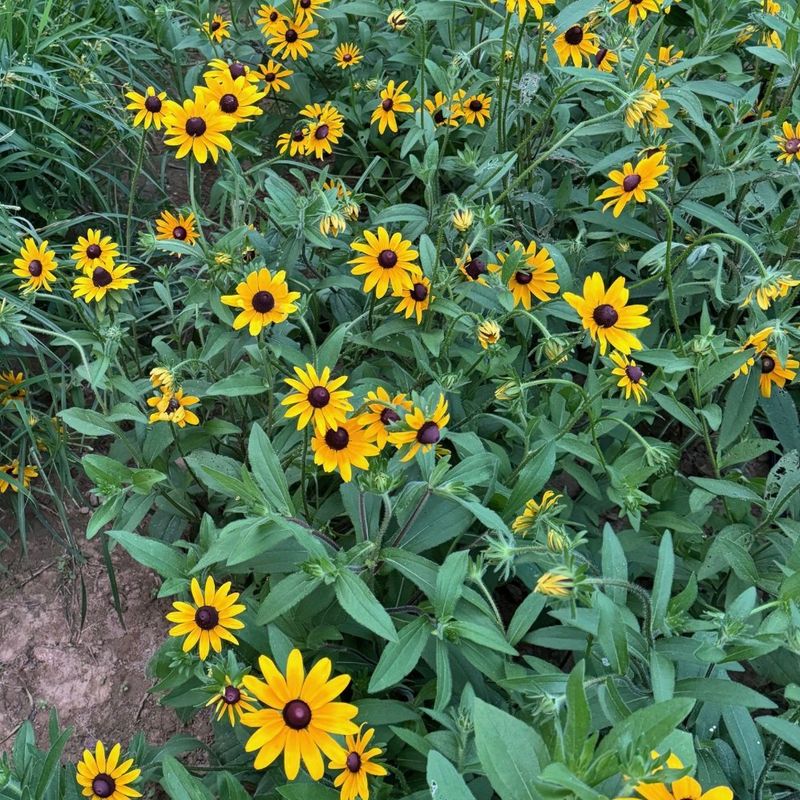
Overgrown perennials benefit from division to maintain vigor and flower production. This process separates large clumps into smaller sections that grow with renewed energy. However, timing determines success or failure with this task.
Late winter division risks root damage from freezing temperatures. Newly divided plants need time to establish roots before facing stress. Cold soil and potential hard freezes prevent proper recovery.
Most perennials divide best in early spring just as growth begins. You’ll see new shoots emerging from the crown at this stage. These visible growth signs indicate the plant is ready for the disturbance of division.
Fall division works well for many perennials too, giving plants months to establish before winter. This timing allows root growth without the stress of supporting active foliage.
Spring-blooming perennials particularly appreciate fall division. Some perennials like peonies and oriental poppies prefer specific division times. Research individual plant requirements before grabbing your shovel.
Following proper timing guidelines ensures success rather than setbacks. Use this waiting period to identify which perennials need dividing.
Look for plants with hollow centers or reduced flowering. Mark these candidates for division when appropriate timing arrives in a few weeks.
12. You Shouldn’t Install Garden Structures Too Soon Either
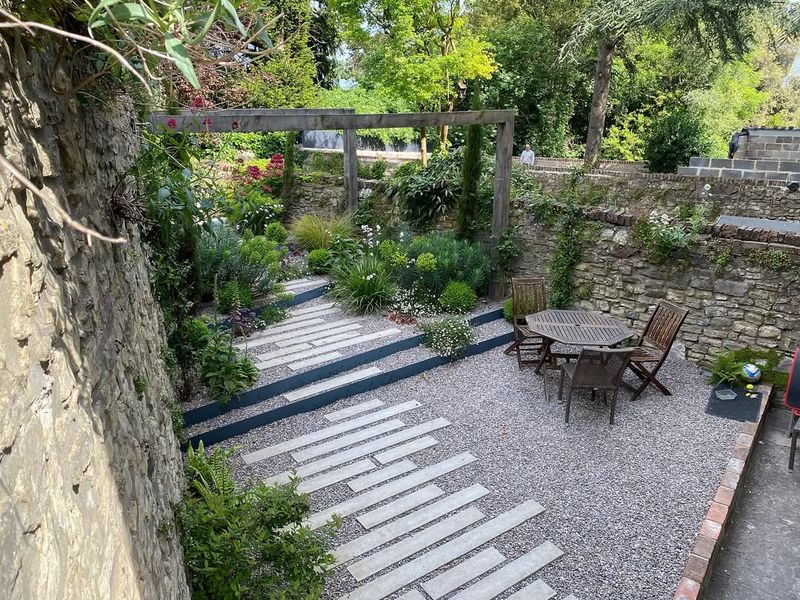
Trellises, raised beds, and decorative fences enhance garden functionality and appearance. Planning these structures during winter makes perfect sense.
However, actual installation works better after soil thaws and frost risk passes. Frozen ground makes digging post holes nearly impossible. Even when soil appears thawed on top, frost often extends deep below the surface.
Fighting frozen soil damages tools and frustrates even experienced gardeners. Wet spring soil also creates installation challenges. Heavy clay soils turn muddy and stick to everything.
Working wet soil compacts it severely, creating hard clods that resist plant roots later. Wait for workable soil conditions before beginning construction projects. Soil should crumble easily in your hand without forming sticky balls.
These conditions typically arrive in April across most of Michigan. Use late winter for planning and material gathering instead. Measure spaces, sketch designs, and order or purchase supplies.
Having everything ready means quick installation once conditions improve. Pre-cut lumber and prepare materials in your garage or shed. Assemble what you can indoors during bad weather.
This preparation lets you complete outdoor installation efficiently when spring finally arrives for good.