Why Michigan Homeowners Are Planting Lavender Near Their Front Doors
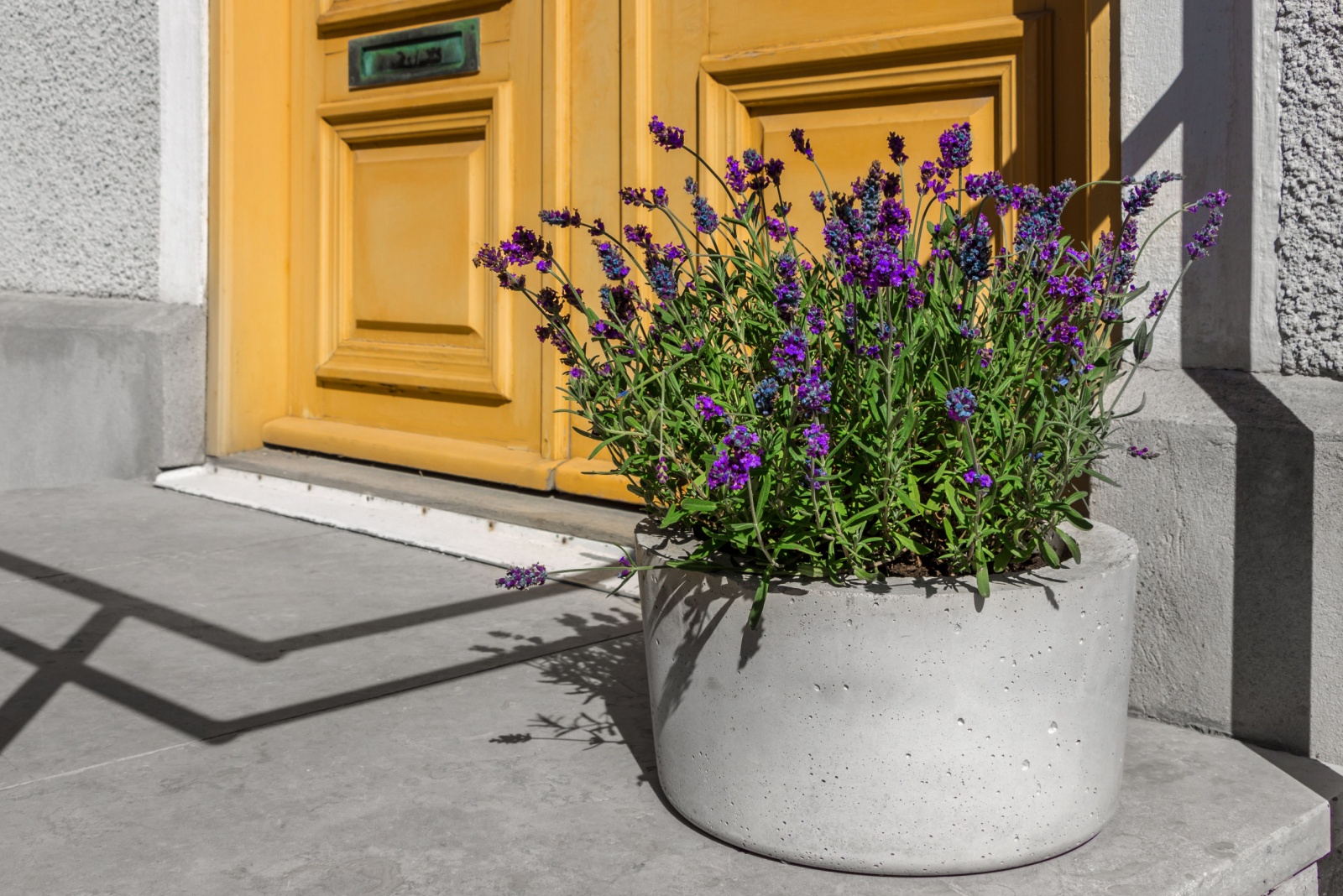
If you have walked past a Michigan home and noticed a soft, calming scent near the front door, lavender might be the reason. More homeowners are planting this fragrant favorite by their entryways, and it is not just for looks.
Lavender brings a clean, welcoming feel, adds a touch of color, and offers several practical benefits that make it perfect for front door planting.
It thrives in sunny spots, handles dry conditions well, and stays attractive through much of the season with very little maintenance.
Even better, brushing past it releases that relaxing aroma many people love. Whether you want to boost curb appeal, attract pollinators, or create a peaceful first impression for guests, lavender checks all the boxes.
Let’s explore why so many Michigan homeowners are choosing lavender for their front doors and how this simple plant adds beauty and charm.
Fragrant Welcome
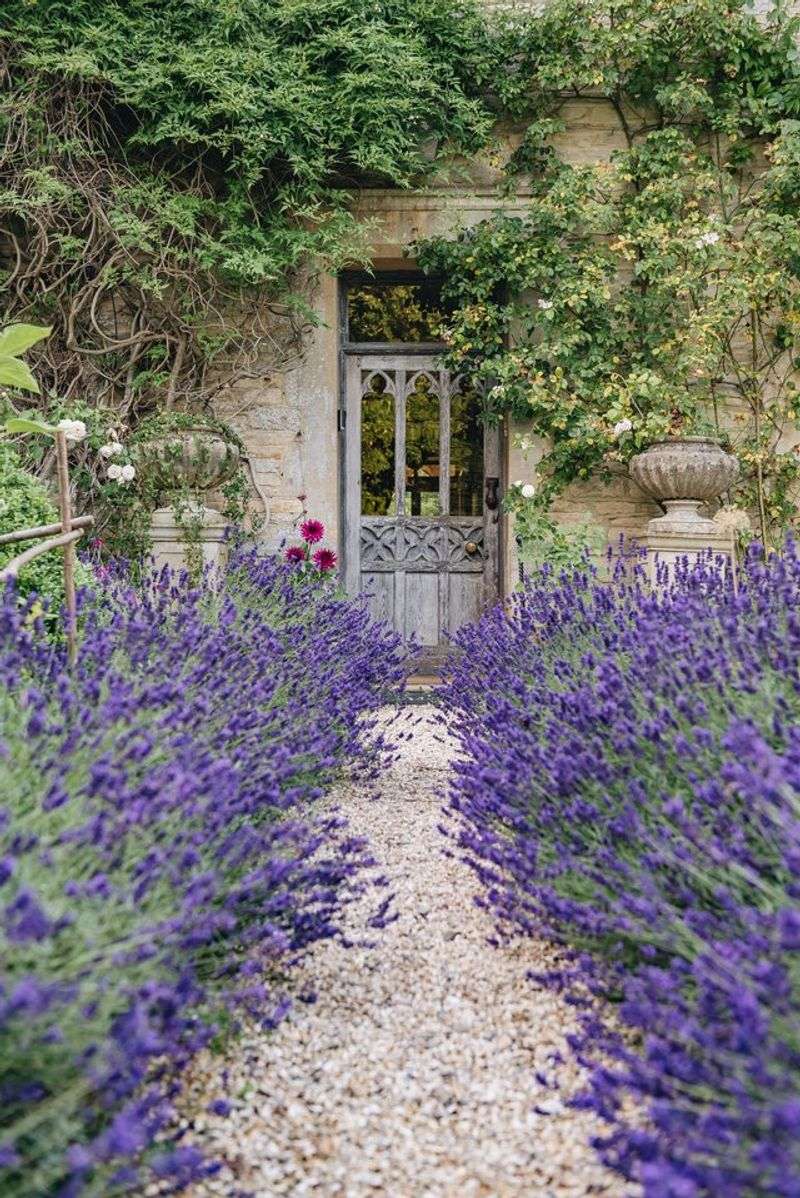
Walking up to a home filled with lavender’s sweet scent creates an unforgettable first impression. The natural fragrance drifts through the air on warm summer days.
Guests immediately feel welcomed before they even knock on the door. Michigan’s climate allows lavender to thrive near entryways during growing season. The plants release their signature aroma when brushed against or warmed by sunshine.
This natural air freshener works better than any artificial option you could buy. Homeowners love how the scent lingers on clothing after passing by. Children enjoy the soft, calming smell when returning from school.
Even mail carriers appreciate the pleasant aroma during their daily rounds. The fragrance also extends into your home when windows stay open. Fresh breezes carry the herbal notes indoors throughout summer months.
This creates a spa-like atmosphere without spending extra money on candles or diffusers. Positioning lavender on both sides of your entrance doubles the aromatic impact. The scent becomes stronger as temperatures rise during afternoon hours.
Evening gatherings become more memorable when guests arrive through this fragrant pathway.
Many families report feeling more relaxed when coming home to lavender’s calming presence. The natural perfume helps wash away workplace stress instantly.
Your front door transforms into a transition zone between the outside world and peaceful home life.
Year-Round Visual Appeal
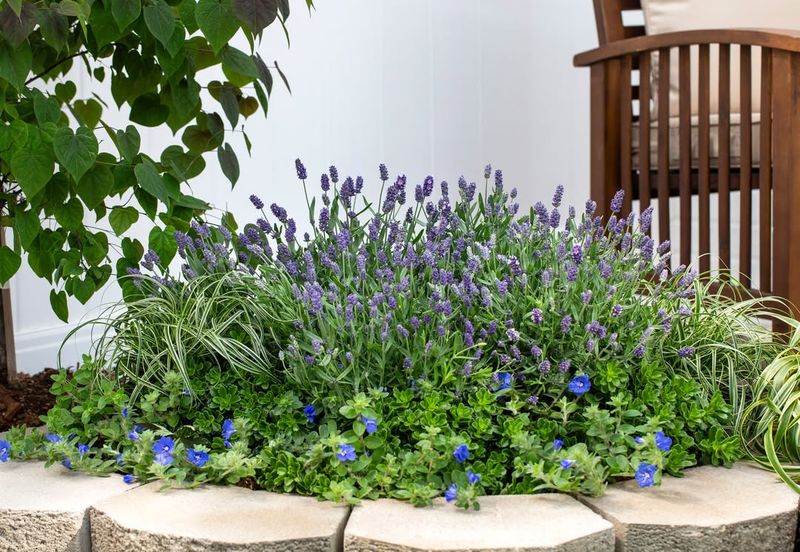
Lavender’s silvery-green foliage stays attractive throughout all four seasons. While many plants look bare and lifeless during winter, lavender maintains its structure.
Michigan homeowners appreciate this reliable beauty when snow blankets the ground. The compact shape creates visual interest even when flowers aren’t blooming. Frost highlights the textured leaves with a delicate sparkle.
Your entrance maintains curb appeal regardless of weather conditions outside. During spring, fresh growth emerges with renewed vigor and brighter color. Summer brings those iconic purple flower spikes that everyone recognizes.
Fall sees the foliage deepen slightly as temperatures begin dropping. Unlike annuals that require replanting each year, lavender returns faithfully. The consistent presence provides a dependable design element for your landscaping.
This permanence helps create a mature, established look much faster than starting over annually.
Snow-covered lavender creates stunning photographic opportunities during Michigan winters. The contrast between white snow and gray-green leaves looks professionally designed.
Your Michigan Garden Changes Every Week. Your Plan Should Too.
Gardening in Michigan changes quickly throughout the season. Every Friday you’ll receive a simple weekly plan showing exactly what to plant, prune, fertilize, harvest, and protect so you never miss the right timing.
Many homeowners share these beautiful seasonal images with friends and family. The plant’s mounded form adds dimension to flat entryway spaces. This three-dimensional quality catches shadows and light throughout the day.
Your front door area gains architectural interest without installing expensive hardscaping features.
Evergreen qualities mean less cleanup work for busy homeowners. You won’t spend autumn raking massive piles of fallen leaves.
The tidy nature keeps your entrance looking polished with minimal effort required.
Attracts Pollinators
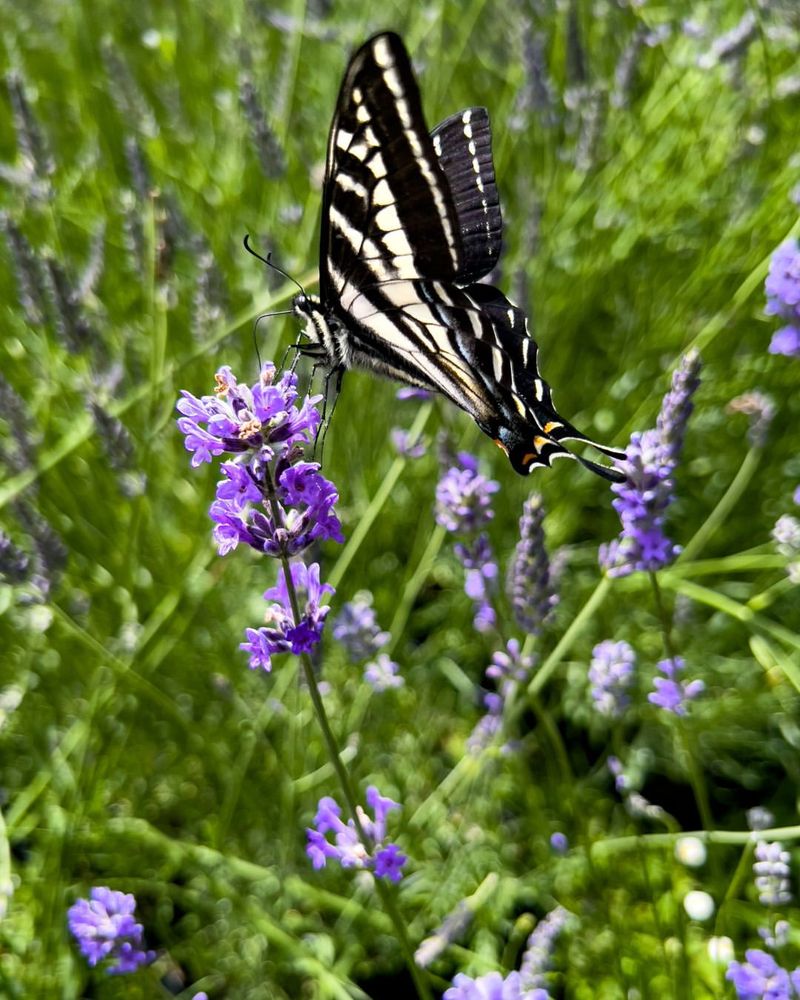
Bees absolutely adore lavender’s nectar-rich flowers during summer months. Watching these helpful insects work creates a lively, educational experience.
Children become fascinated observing nature’s hardworking pollinators up close. Butterflies also frequent lavender blooms, adding colorful movement to your entrance. Michigan’s native species particularly appreciate this reliable food source.
Your front door becomes a mini wildlife sanctuary that benefits the entire neighborhood. Planting lavender near entryways supports declining pollinator populations statewide. These insects face numerous challenges in modern landscapes.
Providing them with quality food sources helps ensure their survival for future generations.
The extended bloom period means pollinators visit throughout the growing season. Unlike plants that flower briefly, lavender keeps producing nectar for weeks. This consistent food supply makes your yard a preferred destination for beneficial insects.
Homeowners enjoy the gentle buzzing sounds that accompany pollinator visits. The activity feels peaceful rather than threatening or overwhelming.
Most bees remain focused on flowers and ignore people passing nearby. Teaching children about pollinator importance becomes natural when they’re visible daily. Kids learn how bees help gardens and crops produce food.
This hands-on education creates environmental awareness that lasts a lifetime. Your vegetable garden benefits from increased pollinator presence around your home. Bees visiting front-door lavender often explore other flowering plants nearby.
Improved pollination leads to better harvests of tomatoes, squash, and cucumbers later in the season.
Deer And Pest Deterrent

Michigan’s abundant deer population often destroys carefully planned landscaping overnight. Lavender’s strong essential oils make it unappealing to these hungry browsers.
Your front entrance plants remain intact while neighbors lose their hostas and tulips.
The aromatic compounds that humans find pleasant actually repel many common pests. Mosquitoes tend to avoid areas where lavender grows densely.
This natural protection makes outdoor time near your entrance more enjoyable during summer evenings.
Rabbits also typically pass by lavender in search of tastier options. The fuzzy texture and strong scent don’t match their preferred food choices.
Your investment in quality plants stays protected without installing unsightly fencing. Some gardeners report fewer aphids and other insects on nearby plants. Lavender’s presence may confuse pests searching for host plants.
This companion planting benefit extends protection beyond the lavender itself.
Unlike chemical repellents that require frequent reapplication, lavender works continuously. The natural defense system operates automatically throughout the growing season.
You save money on sprays while protecting your family from harsh chemicals. Positioning lavender strategically creates a fragrant barrier around vulnerable plants. Deer learn to avoid areas where this aromatic herb grows thick.
Over time, they establish patterns that bypass your front entrance entirely. The deterrent effect remains strong even when flowers aren’t actively blooming. Foliage contains the same protective oils year-round.
Your landscaping stays safer during every season without additional intervention needed.
Low Maintenance
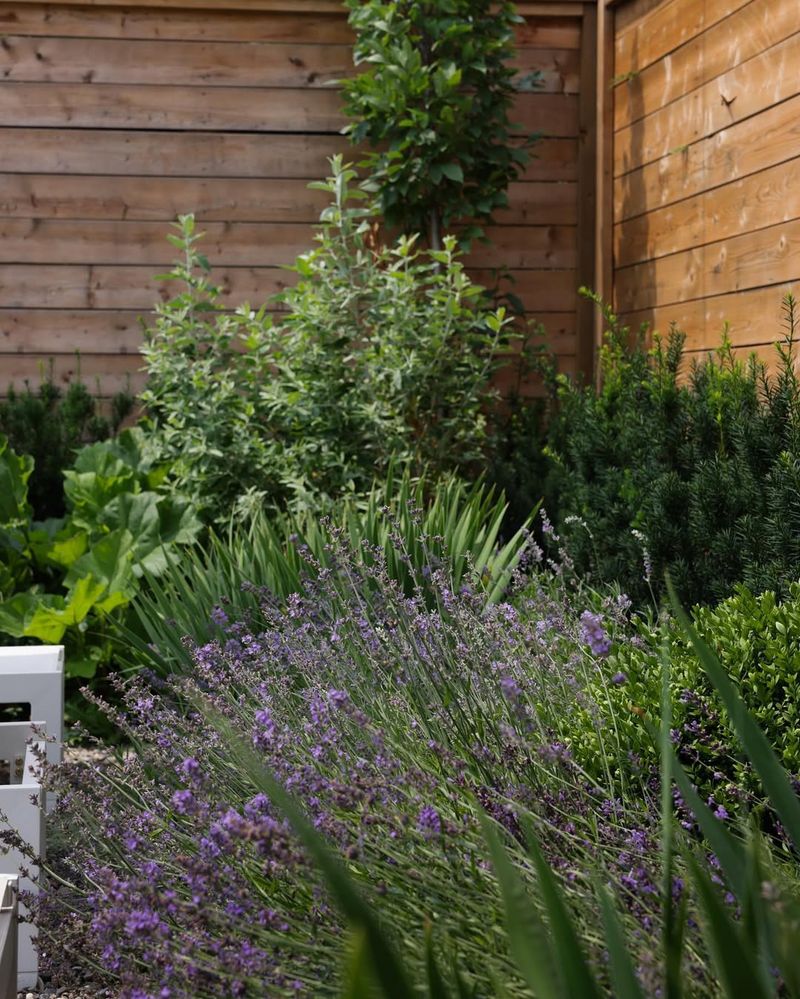
Busy Michigan families appreciate plants that thrive without constant attention. Lavender requires minimal watering once roots establish deeply.
You can skip the daily watering routine that annuals demand throughout summer. Pruning needs remain simple and infrequent compared to many landscape shrubs. A single trim after flowering keeps plants compact and attractive.
This quick task takes just minutes and promotes better growth for next season. Fertilizing requirements stay minimal since lavender prefers lean soil conditions. Rich, heavily amended soil actually reduces flowering and weakens plants.
This preference saves money on soil amendments and fertilizers annually.
Pest problems rarely develop on healthy lavender plants in Michigan. The natural oils that deter deer also protect against most insects.
You won’t spend weekends treating diseases or battling destructive bugs. Winter protection needs vary by variety, but many cultivars handle Michigan cold successfully. Choosing hardy types means no elaborate wrapping or special preparations.
Plants simply rest during winter and resume growth when spring arrives. Weeding around established lavender becomes easier as plants fill in densely. The compact growth shades out many common weeds naturally.
Less time pulling weeds means more time enjoying your beautiful entrance. Drought tolerance improves significantly after the first growing season. Established plants survive hot, dry spells without supplemental watering.
This resilience proves valuable during water restrictions or vacation absences. The longevity of lavender plants provides excellent value over time. Properly cared for specimens live many years without replacement.
Your initial investment continues paying dividends season after season.
Companion Planting Benefits
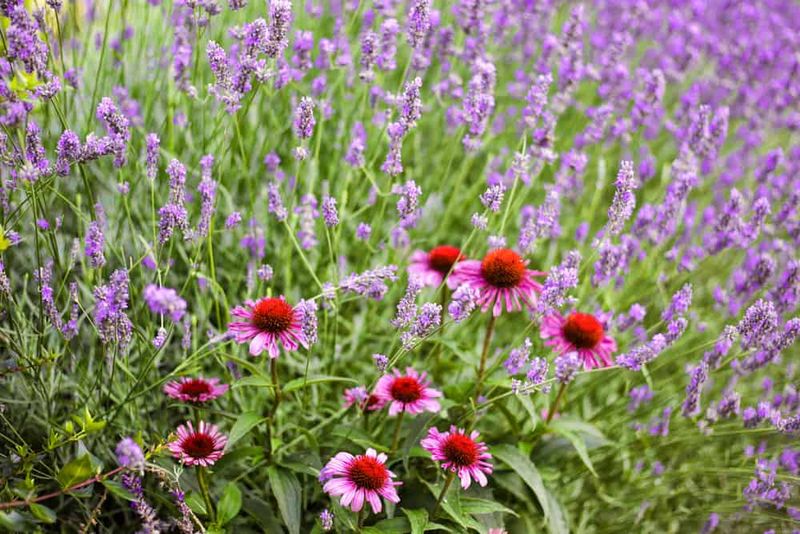
Combining lavender with ornamental grasses creates stunning textural contrasts. The soft, airy grass plumes complement lavender’s dense, structured form.
This pairing looks professionally designed while remaining easy to maintain. Pairing lavender with roses has been a classic garden combination for centuries. The purple blooms enhance rose colors while providing pest protection.
Michigan gardeners report healthier roses when lavender grows nearby. Evergreen shrubs make excellent backdrop plants for lavender borders. Boxwood or dwarf conifers provide winter interest behind summer-blooming lavender.
The layered effect adds depth to flat entrance areas. Colorful perennials like coneflowers and black-eyed Susans bloom alongside lavender beautifully. The purple and yellow color combination creates eye-catching displays.
Pollinators appreciate the diverse food sources these combinations provide. Silver-foliaged plants like artemisia or lamb’s ear echo lavender’s gray-green tones. This monochromatic approach creates sophisticated, cohesive designs.
The varied textures prevent the planting from looking boring or flat. Groundcovers planted between lavender plants suppress weeds while adding interest. Creeping thyme or sedum varieties fill gaps without competing for resources.
These low-growing companions also handle foot traffic near pathways well. Spring bulbs planted among lavender provide early season color. Tulips and daffodils bloom before lavender wakes from winter dormancy.
The succession of flowers keeps your entrance interesting from early spring through fall. Mixing different lavender varieties creates a tapestry of purple shades. English, French, and Spanish types offer varied bloom times and colors.
This diversity extends the flowering season significantly.
Drought Tolerance
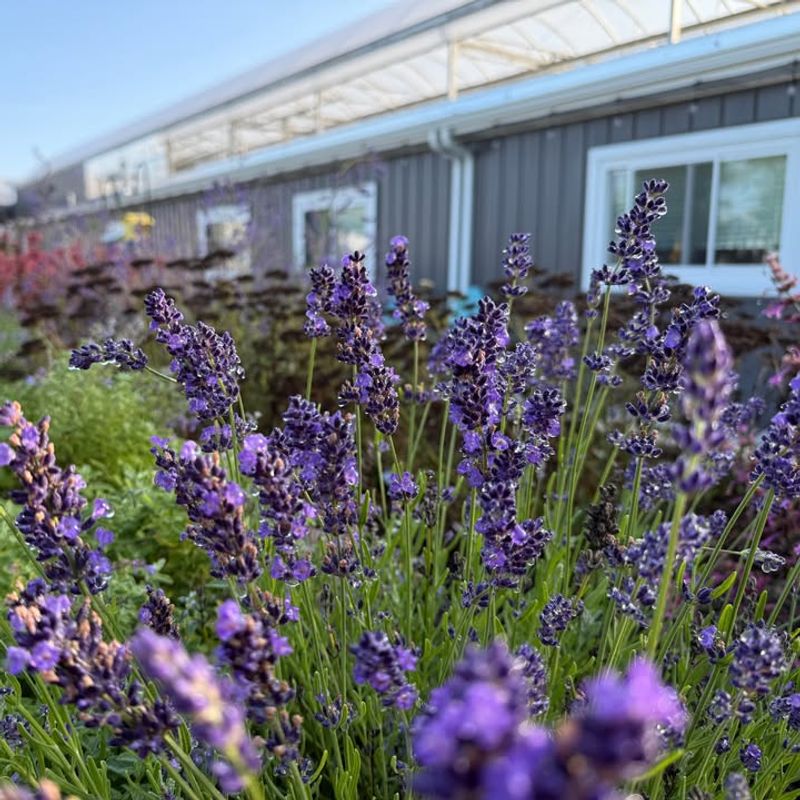
Once established, lavender handles Michigan’s occasional summer dry spells remarkably well. The Mediterranean heritage means these plants evolved in challenging conditions.
Your front entrance stays attractive even when rain becomes scarce.
Deep root systems develop during the first growing season. These extensive roots access moisture far below the surface.
Shallow-rooted plants wilt while lavender remains perky and green. Sunny locations near front doors often create hot, dry microclimates. Many plants struggle in these challenging spots throughout summer.
Lavender actually prefers these conditions and performs better than in shadier, moister areas.
Reduced watering needs mean lower utility bills during summer months. You can focus irrigation efforts on thirstier plants elsewhere. This efficient water use benefits both your budget and the environment.
Sandy or gravelly soils that drain quickly suit lavender perfectly. These challenging soil types frustrate many gardeners trying to grow other plants.
Lavender turns this liability into an asset by thriving where others fail.
The silvery foliage reflects sunlight and reduces water loss through leaves. This natural adaptation helps plants conserve moisture during heat waves.
The same feature that protects against drought also creates attractive color.
Vacation absences no longer threaten your front entrance plantings. Lavender survives weeks without supplemental watering once mature. You return home to healthy plants rather than crispy, brown disappointments.
Climate change brings more variable precipitation patterns to Michigan. Drought-tolerant plants like lavender adapt better to these shifting conditions.
Future-proofing your landscape makes practical sense for long-term success.
Supports Seasonal Décor
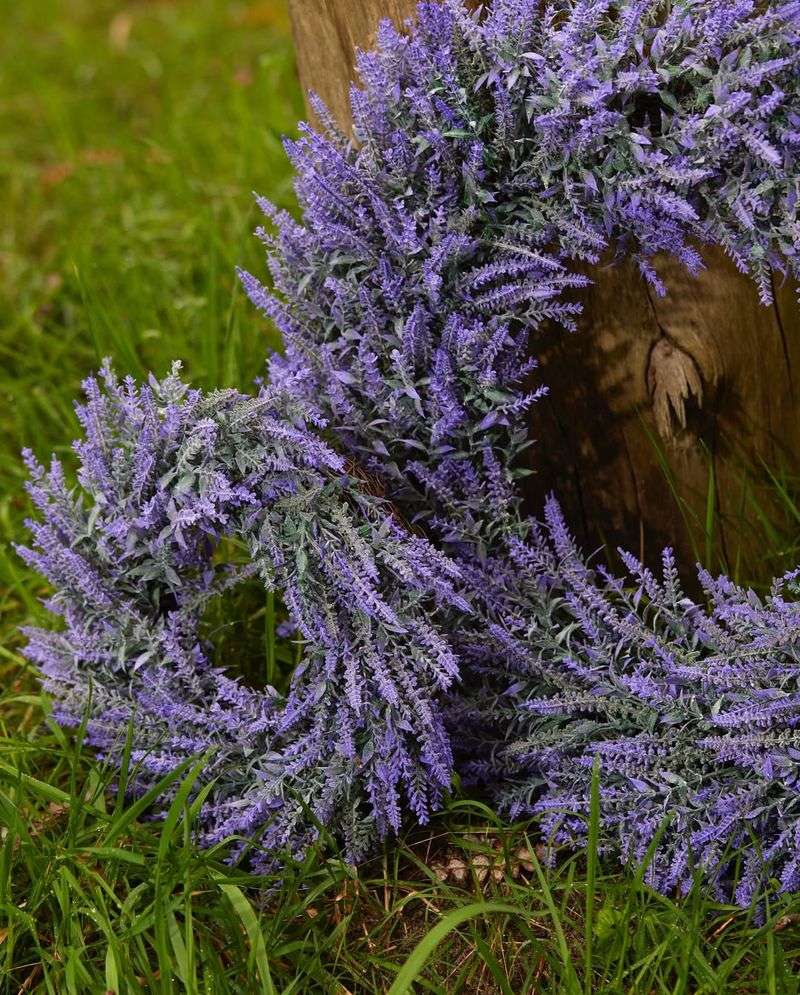
Harvesting lavender from your front entrance provides materials for creative projects. Fresh stems make beautiful arrangements that last weeks in vases.
The fragrance fills your home naturally without artificial air fresheners. Dried lavender bundles tied with ribbon create charming gifts for friends. The process of drying takes minimal effort and preserves both color and scent.
Recipients appreciate handmade presents that show thoughtfulness and care.
Wreaths adorned with dried lavender add farmhouse charm to any door. The purple blooms contrast beautifully with grapevine or twig bases. These decorations work for summer, fall, and even winter holiday displays.
Sachets filled with dried lavender buds freshen drawers and closets naturally. The pleasant scent deters moths while keeping linens smelling wonderful.
Children enjoy helping create these simple, useful craft projects. Wedding planners increasingly request locally grown lavender for ceremonies. Having your own supply means beautiful blooms for special occasions.
The personal connection makes celebrations even more meaningful and memorable.
Homemade soaps and bath products benefit from fresh lavender additions. The natural oils provide skin-soothing properties along with lovely fragrance.
Your front-door plants supply ingredients for self-care routines throughout the year. Cooking with lavender adds sophisticated flavor to baked goods and beverages. The edible flowers create Instagram-worthy shortbread cookies and lemonade.
Culinary experiments become possible when you grow your own chemical-free plants.
Seasonal decorating becomes more sustainable when using homegrown materials. You reduce waste while creating unique, personal touches. Your front entrance literally provides beauty both inside and outside your home.
Compact Growth For Narrow Spaces
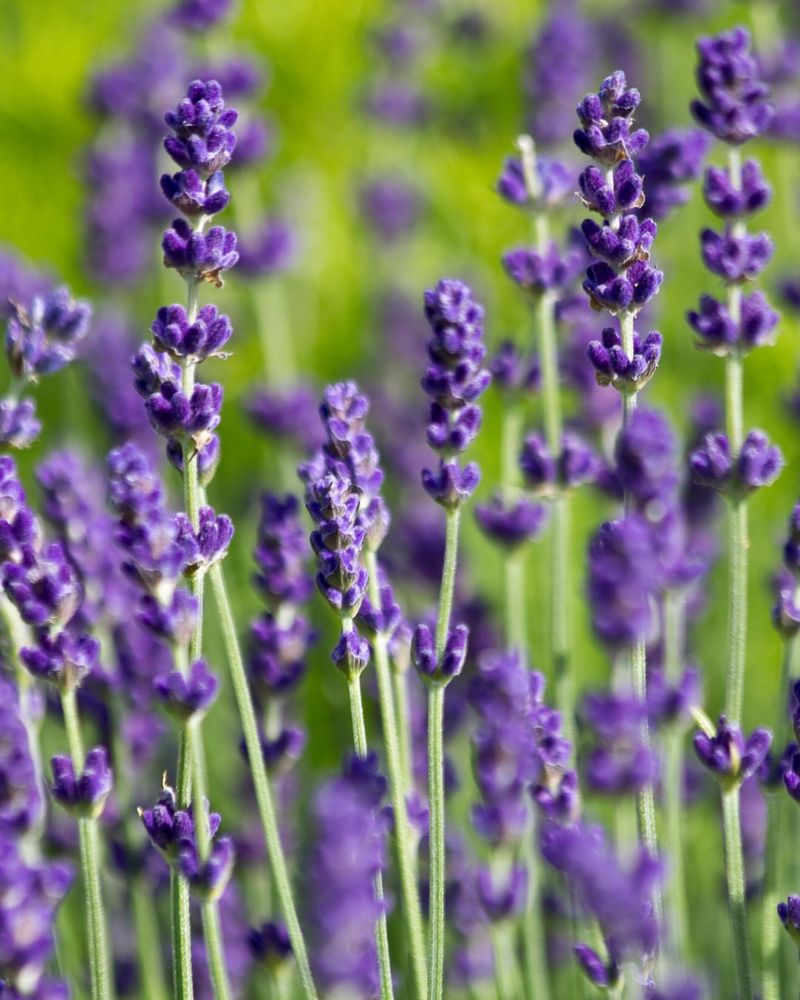
Most lavender varieties mature at manageable sizes perfect for tight spaces. Heights typically range from twelve to twenty-four inches when properly maintained.
This compact habit prevents plants from overwhelming small entrance areas. Narrow pathways leading to front doors often lack planting space. Lavender’s upright, mounded form fits neatly without encroaching on walkways.
Guests can pass by comfortably without brushing against overgrown plants.
Dwarf cultivars work exceptionally well for the smallest spaces. Varieties like Munstead or Hidcote stay particularly compact and tidy.
These selections deliver full lavender benefits in containers or narrow planting strips.
Flanking doorways with symmetrical lavender plantings creates balanced, formal appeal. The matching plants frame your entrance like natural architecture.
This design technique makes homes look more polished and intentional.
Foundation plantings near house walls benefit from lavender’s restrained growth. Unlike shrubs that require constant pruning to stay in bounds, lavender maintains proportion naturally.
Your home’s exterior stays neat without excessive maintenance time.
Container gardening becomes possible when ground space is extremely limited. Large pots filled with lavender sit beautifully on either side of doors.
This flexibility allows renters to enjoy lavender’s benefits without permanent installation.
Urban homes with small front yards maximize every square inch. Lavender delivers big impact despite its modest footprint.
The efficient use of space satisfies both aesthetic and practical gardening goals.
Edging pathways with low-growing lavender creates soft, fragrant borders. The plants define spaces without blocking views or creating barriers. This gentle delineation guides visitors naturally toward your entrance.