This One Flower Can Turn Any California Yard Into A Butterfly Paradise
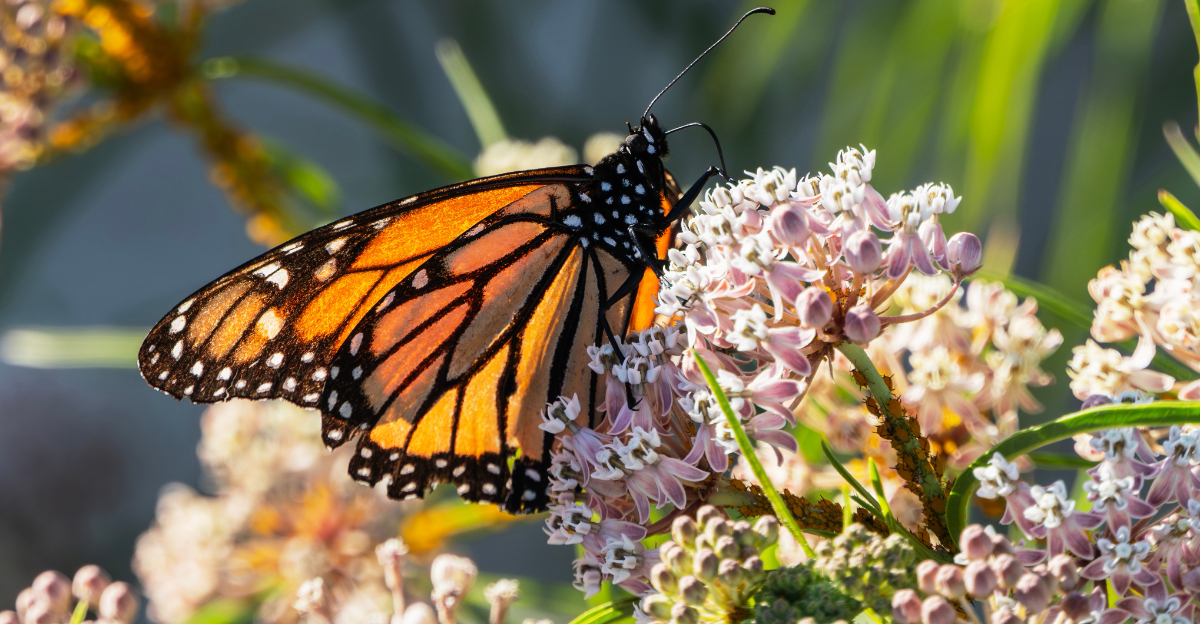
There is one flower that butterflies simply cannot resist, and in California, it is pure garden magic.
Meet milkweed, the bright, nectar rich plant that turns ordinary yards into fluttering butterfly hotspots.
Its colorful blooms draw in pollinators all season, but the real stars are monarch butterflies, who rely on milkweed as the only place to lay their eggs and raise their caterpillars. Plant it once, and suddenly your garden feels alive with movement, color, and purpose.
Even better, many milkweed varieties thrive in California’s sun, heat, and dry conditions with surprisingly little fuss. It is beautiful, tough, and incredibly rewarding to grow.
Add milkweed to your yard, and you are not just planting flowers, you are creating a tiny butterfly sanctuary right outside your door.
1. Why Butterflies Depend On Milkweed To Survive
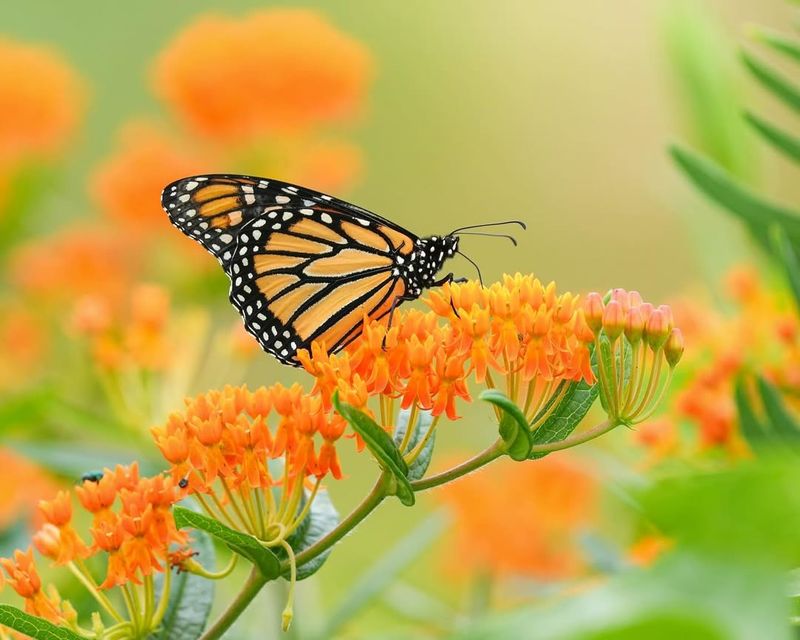
Watch any patch of blooming milkweed in summer and you’ll notice something remarkable, butterflies arrive within hours and rarely leave.
Monarchs and other species have evolved alongside milkweed for millions of years, creating a dependency so complete that without this plant, entire butterfly populations would collapse.
Milkweed produces nectar that’s exceptionally rich in sugars and nutrients butterflies need for energy and reproduction.
Adult butterflies from dozens of species visit milkweed flowers throughout the blooming season, which in California can extend from spring through fall depending on your climate zone.
The nectar provides fuel for their constant flight and migration patterns.
But monarch butterflies have an even deeper connection. Female monarchs will only lay eggs on milkweed plants because the leaves contain specific compounds called cardenolides that monarch caterpillars can digest, but their predators cannot.
This chemical protection makes milkweed essential for monarch survival from egg to adult.
Many California gardeners don’t realize that planting even one milkweed can support dozens of butterflies throughout a single season. Your yard becomes a refueling station along migration routes and a nursery for the next generation of pollinators.
2. Milkweed Supports Monarch Butterfly Life Cycles!
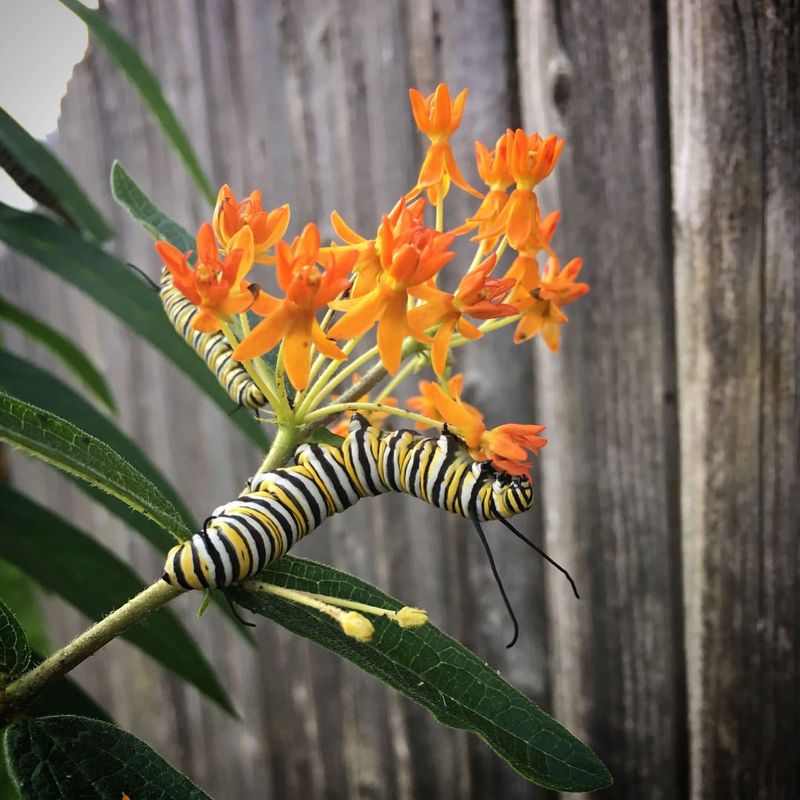
Most homeowners see butterflies as visitors, but milkweed turns your garden into something far more important, a complete breeding ground. Monarch butterflies cannot reproduce successfully without milkweed because their caterpillars eat nothing else.
Female monarchs search specifically for milkweed plants to lay their tiny cream-colored eggs on the undersides of leaves.
Within days, caterpillars emerge and begin feeding exclusively on milkweed foliage. They grow rapidly, molting five times over two weeks while storing the plant’s toxic compounds in their bodies.
These toxins make both caterpillars and adult butterflies distasteful to birds and other predators, providing lifelong protection.
After reaching full size, caterpillars form jade-green chrysalises dotted with gold spots, often attached to milkweed stems or nearby plants. Two weeks later, adult butterflies emerge, dry their wings, and begin the cycle again.
In California’s mild climate, you might see three or four generations complete this entire process in your yard during a single year.
Without milkweed, this cycle stops completely. Monarchs may visit your garden for nectar from other flowers, but they cannot establish breeding populations.
Your California Garden Changes Every Week. Your Plan Should Too.
Gardening in California changes quickly throughout the season. Every Friday you’ll receive a simple weekly plan showing exactly what to plant, prune, fertilize, harvest, and protect so you never miss the right timing.
Planting milkweed means you’re not just feeding butterflies, you’re actively helping them reproduce and sustain their populations through challenging times.
3. Why Milkweed Loves It Here
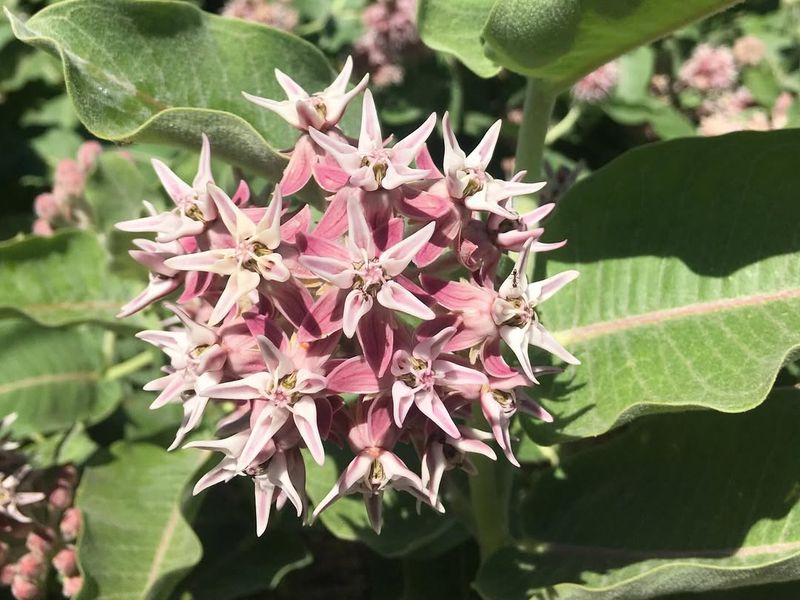
California’s climate presents unique challenges that native milkweed species have spent thousands of years adapting to perfectly.
While tropical milkweed often appears in nurseries, native species like narrow-leaf milkweed, showy milkweed, and California milkweed naturally handle our dry summers, occasional winter rains, and temperature extremes without constant intervention.
Native milkweed goes dormant during California’s dry season, which aligns perfectly with natural monarch migration patterns. This dormancy period prevents monarchs from breeding during times when conditions aren’t optimal for caterpillar survival.
Tropical milkweed stays green year-round, which can confuse monarchs into breeding when they should be migrating, potentially spreading diseases and disrupting natural cycles.
These native plants also require far less water once established. Their deep root systems reach moisture that surface irrigation never touches, making them ideal for California’s increasingly strict water conservation requirements.
You’ll spend less time maintaining them while supporting healthier butterfly populations.
Native milkweed integrates beautifully into drought-tolerant landscapes alongside California poppies, sages, and buckwheat. They handle full sun exposure that would stress tropical varieties and tolerate our alkaline soils without amendment.
Coastal gardeners find narrow-leaf milkweed handles salt spray, while inland gardeners appreciate showy milkweed’s heat tolerance.
4. Where To Plant Milkweed
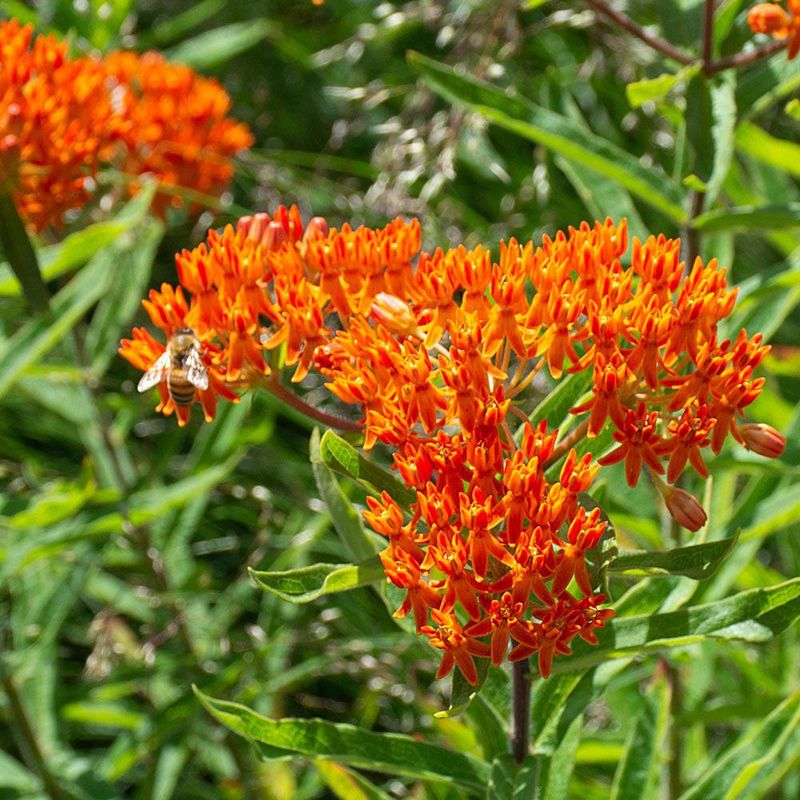
Location determines whether your milkweed becomes a butterfly magnet or sits ignored. Butterflies need specific conditions to feel safe visiting, feeding, and laying eggs, and understanding these preferences helps you create irresistible habitat.
Choose spots receiving at least six hours of direct sunlight daily. Butterflies are cold-blooded and need warmth to fly, so they actively seek sunny areas where they can bask while feeding.
Shaded milkweed produces fewer flowers and attracts fewer visitors. South-facing locations work best in most California yards.
Plant milkweed away from high-traffic areas where people and pets constantly pass through. Butterflies prefer calm, sheltered spots protected from strong winds.
A location near fences, walls, or larger shrubs provides windbreaks while keeping plants visible enough for passing monarchs to spot.
Group at least three to five milkweed plants together rather than scattering single plants around your yard.
Clusters create visual targets butterflies can see from greater distances and provide enough foliage to support multiple caterpillars without completely defoliating plants.
Space plants eighteen to twenty-four inches apart for good air circulation.
Consider planting milkweed in raised beds or areas with excellent drainage. California’s heavy clay soils can stay too wet during winter rains, causing root rot.
Amending soil with compost improves drainage while adding nutrients that support vigorous growth and abundant flowering.
5. The Secret To Healthy Milkweed
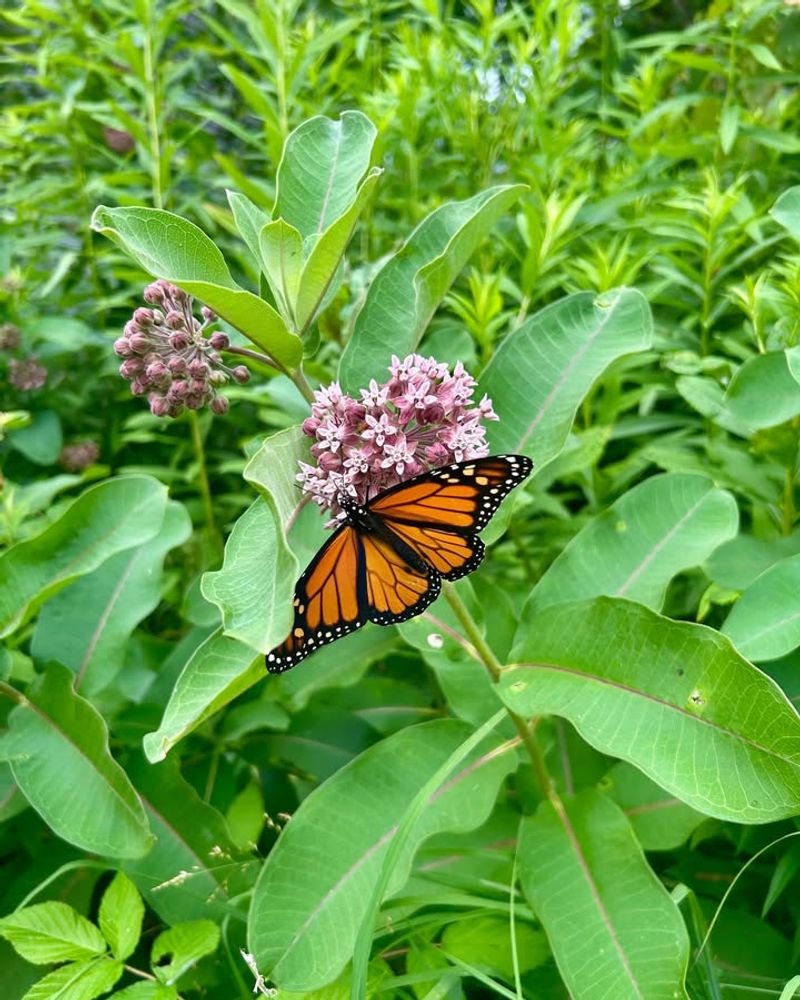
Growing milkweed successfully starts with proper planting timing and technique. In most California regions, fall planting works best because winter rains help establish root systems before summer heat arrives.
Coastal areas can plant year-round, while hot inland valleys should avoid summer planting when heat stress is greatest.
Dig holes twice as wide as root balls but no deeper. Milkweed develops deep taproots that resent disturbance, so proper initial planting prevents future problems.
Backfill with native soil rather than amended mixes, which can create moisture pockets that encourage root rot. Water thoroughly after planting to eliminate air pockets.
New plants need regular watering for their first growing season, about once weekly during dry periods. Once established after six to twelve months, native milkweed survives on rainfall alone in most California regions.
Overwatering established plants causes more problems than underwatering, including fungal diseases and weak growth that attracts aphids.
Apply two to three inches of mulch around plants, keeping it several inches away from stems. Mulch conserves moisture, suppresses weeds, and moderates soil temperature.
Avoid fertilizing milkweed, excess nitrogen produces lush foliage that’s more susceptible to pests and diseases while reducing flower production. Native milkweed thrives in California’s naturally nutrient-poor soils.
6. What Harms Butterflies And Milkweed
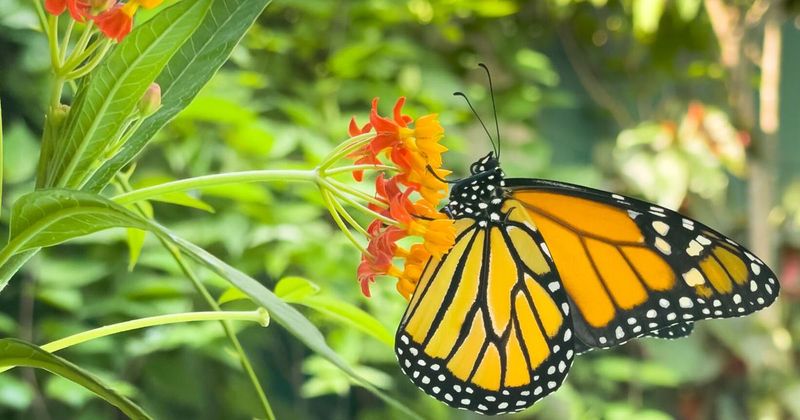
Even well-intentioned gardeners make mistakes that undermine their butterfly conservation efforts. Recognizing these common errors helps you avoid setbacks and create truly beneficial habitat.
Using pesticides anywhere near milkweed harms caterpillars, chrysalises, and adult butterflies. Even organic products like neem oil and insecticidal soaps harm monarchs.
If aphids appear on your milkweed, spray them off with water or tolerate them, they rarely destroy established plants, and ladybugs usually arrive to control populations naturally.
Cutting back milkweed too aggressively or at wrong times disrupts butterfly breeding. Never remove all foliage during growing season when caterpillars might be feeding.
In fall, leave dried stems standing through winter, they often contain chrysalises. Cut back dead growth in late winter before new shoots emerge.
Planting only tropical milkweed creates year-round breeding conditions that prevent monarch migration and increase disease transmission. If you already have tropical milkweed, cut it to ground level in fall to force dormancy.
Better yet, gradually replace it with California native species.
Expecting instant results leads to disappointment. Butterflies may take weeks or even a full season to discover newly planted milkweed.
Building butterfly populations requires patience as word spreads through the insect world that your yard offers valuable resources.
7. Keep Butterflies Visiting All Year
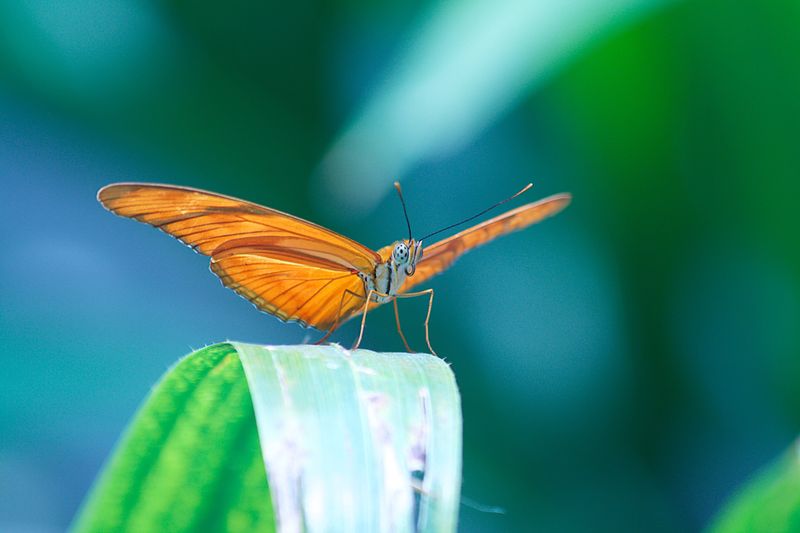
Creating lasting butterfly habitat extends beyond planting milkweed alone. Year-round gardens that support butterflies through all life stages and seasons become true conservation spaces in residential landscapes.
Add nectar sources that bloom when milkweed isn’t flowering. California natives like buckwheat, sages, penstemons, and California fuchsia provide nectar from early spring through late fall.
This succession of blooms keeps adult butterflies visiting your yard constantly, increasing chances they’ll discover your milkweed and lay eggs.
Provide water sources butterflies can safely access. Shallow dishes filled with sand or pebbles and water create landing spots where butterflies drink without drowning.
Change water every few days to prevent mosquito breeding. Position water features in sunny spots where butterflies naturally congregate.
Leave some areas of your yard slightly wild. Butterflies need sheltered spots to roost overnight and wait out bad weather.
Brush piles, dense shrubs, and ornamental grasses provide protection. Avoid excessive tidiness, nature appreciates a bit of messiness.
Stop using all pesticides, including those targeting mosquitoes, ants, or other insects. These products don’t discriminate and harm beneficial insects along with pests.
Healthy gardens with diverse plantings naturally balance pest populations through predator insects, birds, and other wildlife. Your butterfly paradise depends on embracing natural pest management instead of chemical interventions.