Plant These Trees In February To Shape Your Pennsylvnia Garden For Decades
February might still feel like deep winter in Pennsylvania, but it is actually one of the smartest times to think long term about your garden.
Planting the right trees now can shape your landscape for decades, adding beauty, shade, and structure that only improves with time.
Cooler temperatures and dormant conditions help young trees settle in with less stress, giving roots a strong start before spring growth begins. Many Pennsylvania gardeners use this window to plant reliable, climate friendly trees that thrive in local soil and weather.
The choices you make today can influence everything from curb appeal to wildlife support and seasonal color for years to come.
A well placed tree becomes part of your garden’s story, growing stronger and more valuable each season while creating a landscape that feels established, balanced, and full of lasting natural charm.
1. Red Maple
Red maples stand as Pennsylvania’s most adaptable native trees, thriving in nearly every corner of the state. Their ability to grow in various soil types makes them incredibly forgiving for gardeners working with less-than-ideal conditions.
February planting allows these trees to wake up naturally with spring, establishing roots before leaves emerge.
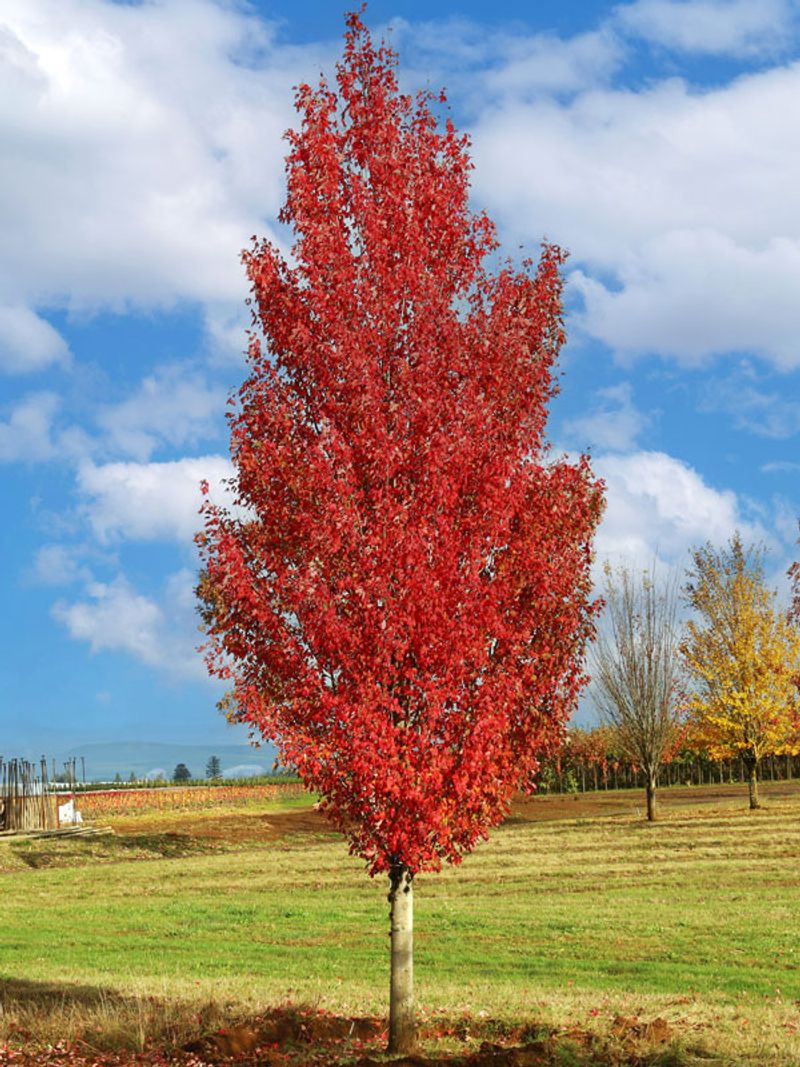
Watching a red maple transition through seasons becomes one of gardening’s greatest pleasures. Spring brings delicate red flowers before leaves appear, creating a subtle crimson haze across branches.
Summer foliage provides dense, cooling shade that makes hot Pennsylvania afternoons more bearable. Fall transforms these trees into blazing torches of orange, red, and yellow that rival any autumn display in the Northeast.
Growth happens relatively quickly with red maples, often adding two feet annually once established. Within ten years, you’ll have substantial shade coverage that noticeably cools your property.
Mature specimens reach 40 to 60 feet, creating impressive focal points without overwhelming average-sized yards. Their moderate size makes them suitable for suburban lots throughout Pennsylvania.
Wildlife benefits extend throughout the year with red maples. Squirrels feast on seeds, songbirds nest in branches, and pollinators visit spring flowers.
The dense canopy provides shelter during storms and nesting sites come breeding season. Pennsylvania’s native creatures have evolved alongside these trees for thousands of years.
Maintenance requirements remain minimal after establishment. Red maples rarely suffer from serious pest problems and tolerate urban pollution better than many alternatives.
Their root systems typically behave well near foundations and sidewalks when given adequate space initially. For Pennsylvania gardeners wanting reliable beauty without constant fussing, red maples deliver consistently.
2. White Oak
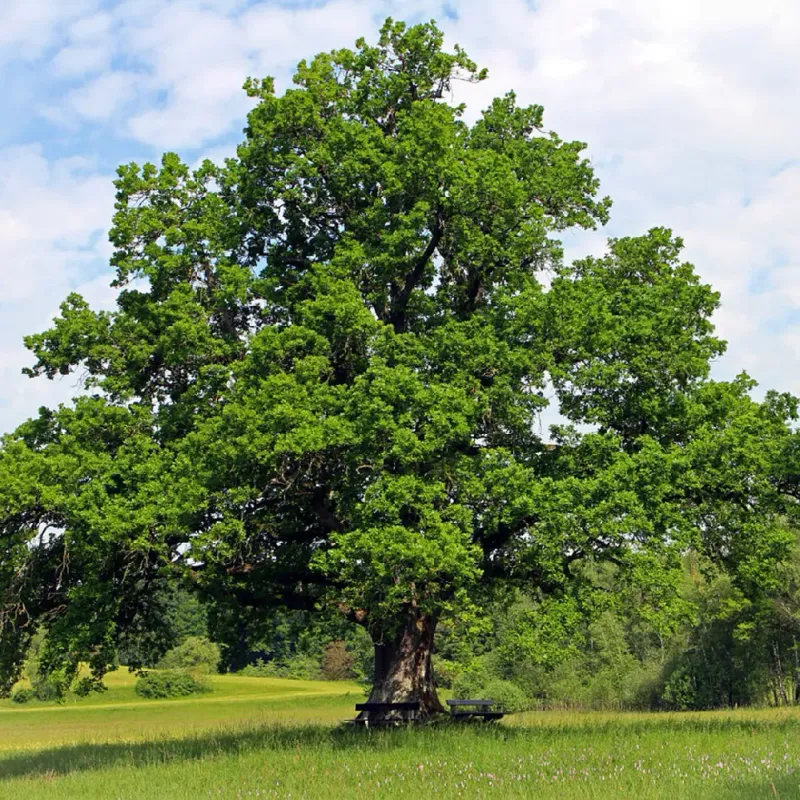
White oaks represent living monuments that will outlive several human generations. Planting one in February means starting a legacy that your great-grandchildren might enjoy.
These Pennsylvania natives develop slowly but surely, creating strength and character that fast-growing trees never achieve. Their eventual majesty makes the patience worthwhile.
Acorns from white oaks provide crucial food for Pennsylvania wildlife. Deer, turkeys, squirrels, and countless other creatures depend on these nutritious seeds.
Unlike red oak acorns, white oak varieties taste sweeter and germinate quickly, making them preferred food sources. Your single tree could feed dozens of animals annually once mature.
Your Pennsylvania Garden Changes Every Week. Your Plan Should Too.
Gardening in Pennsylvania changes quickly throughout the season. Every Friday you’ll receive a simple weekly plan showing exactly what to plant, prune, fertilize, harvest, and protect so you never miss the right timing.
February’s dormant period suits white oak planting perfectly. These trees appreciate getting settled before spring’s demands begin.
Their deep taproot system needs time to establish downward before supporting leafy growth above. Early planting gives them maximum time to anchor properly before summer heat arrives.
Shade quality from white oaks surpasses most alternatives. Their broad, spreading canopy creates dappled light perfect for understory gardens.
Pennsylvania gardeners can grow hostas, ferns, and native wildflowers beneath mature white oaks, creating layered landscapes. The filtered sunlight feels comfortable on hot days without creating complete darkness.
Longevity defines white oak character. Many specimens throughout Pennsylvania have stood for 200 to 300 years, witnessing centuries of history.
Your February planting could still be thriving in 2300, sheltering families you’ll never meet. This perspective transforms tree planting from simple gardening into meaningful environmental stewardship.
Autumn brings subtle beauty as leaves fade to burgundy and brown. While less flashy than maples, white oak fall color possesses understated elegance.
Leaves often persist through winter, rustling softly in cold winds. This winter interest adds another seasonal dimension to Pennsylvania landscapes.
3. Eastern Redbud
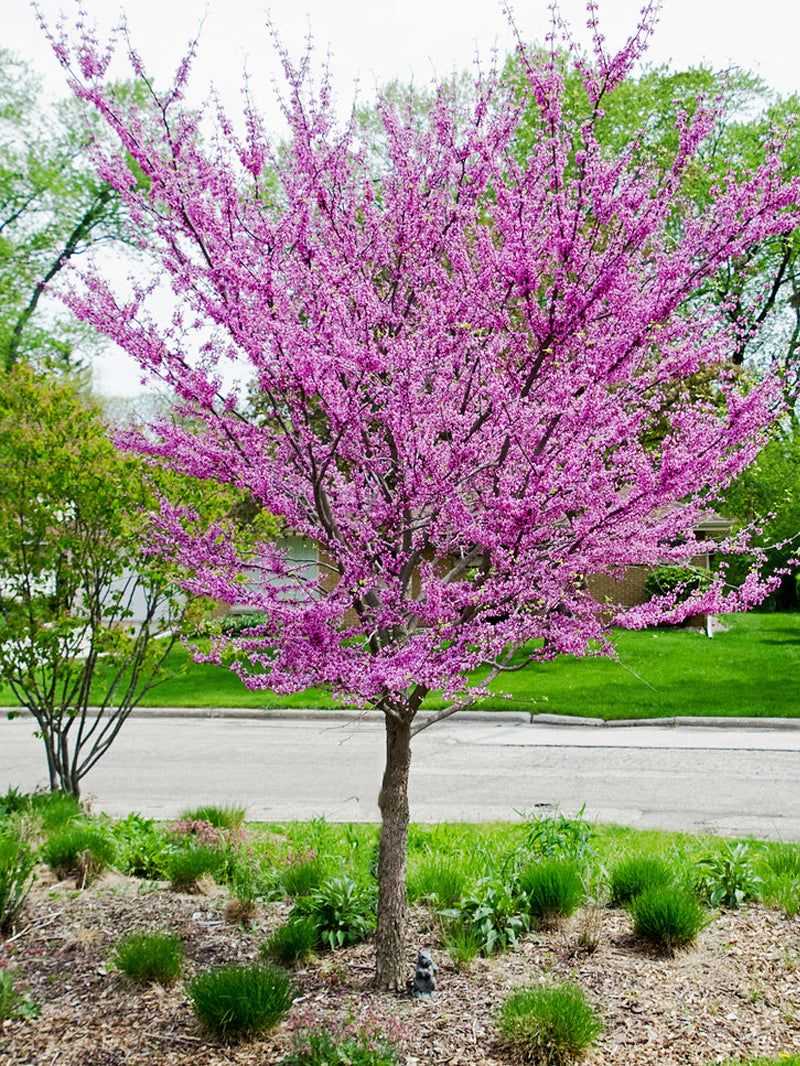
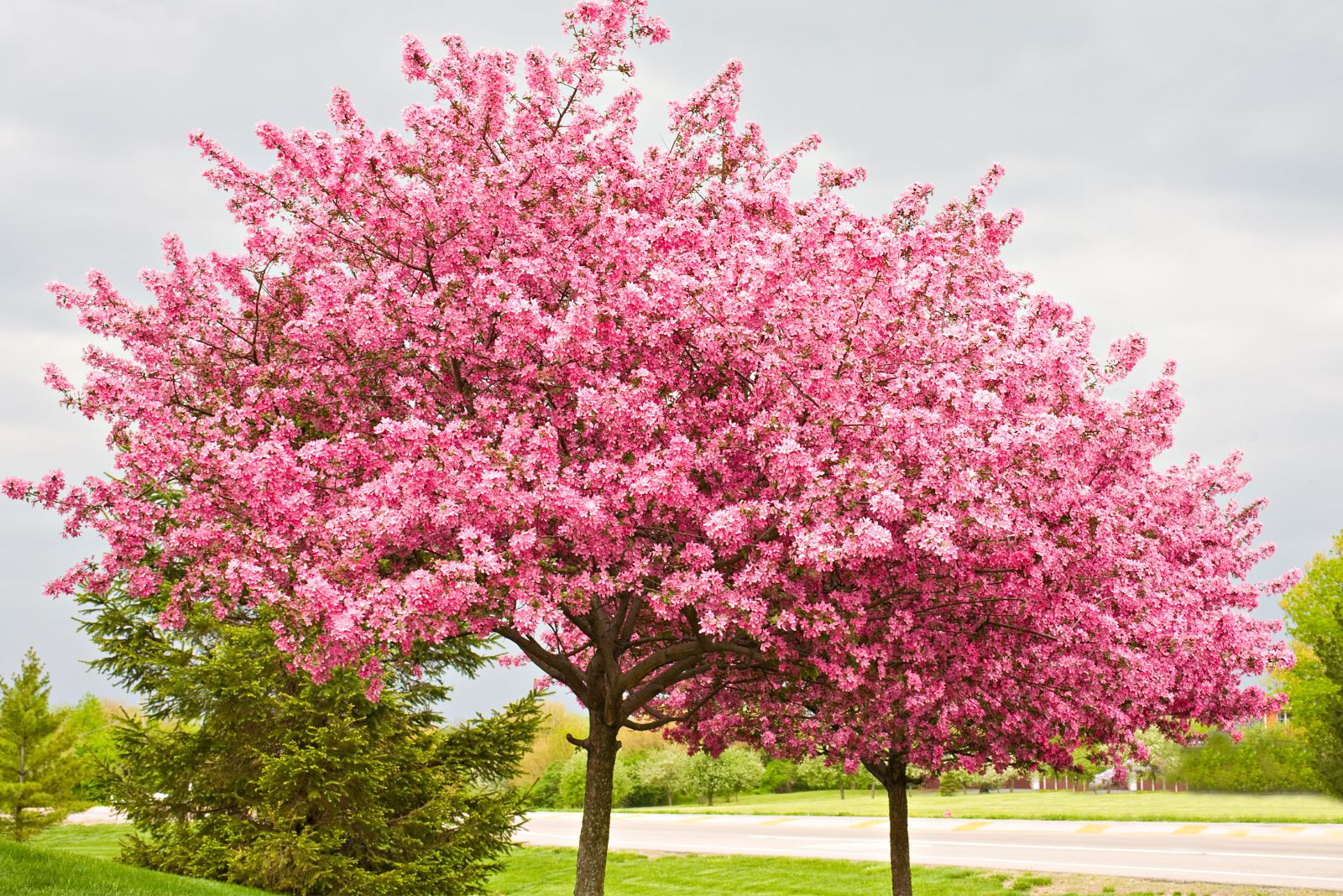
Spring arrives dramatically when eastern redbuds burst into bloom across Pennsylvania. Bare branches suddenly cloak themselves in magenta-pink flowers, creating stunning displays before most trees leaf out.
This early show provides nectar for emerging pollinators when few other food sources exist. February planting ensures your redbud settles in time for next year’s spectacular performance.
Size makes redbuds perfect for smaller Pennsylvania properties. Reaching only 20 to 30 feet tall with similar spread, they fit comfortably near homes without threatening roofs or foundations.
Their modest proportions allow planting closer to patios and walkways, bringing spring color right up to living spaces. Compact gardens throughout Philadelphia, Harrisburg, and smaller Pennsylvania towns benefit from this manageable scale.
Heart-shaped leaves emerge after flowers fade, creating attractive foliage through summer. The leaves possess a subtle blue-green tint that contrasts nicely with deeper green trees nearby.
Fall brings yellow color that brightens Pennsylvania landscapes before winter arrives. Even bare winter branches show character, with zigzagging forms that add visual interest.
Native Pennsylvania understory origins mean redbuds tolerate partial shade beautifully. You can plant them beneath taller trees or on north-facing exposures where many flowering trees struggle.
This adaptability opens planting possibilities throughout your property. They naturally grow as understory trees in Pennsylvania forests, thriving in conditions that challenge sun-loving species.
Edible flowers surprise many gardeners. The blooms taste slightly tangy and add beautiful color to salads and desserts.
Pennsylvania’s growing farm-to-table movement has rediscovered these traditional ingredients. Your redbud could contribute both beauty and culinary interest to your homestead.
Maintenance stays minimal with established redbuds. They rarely need pruning beyond removing occasional dry branches.
Pest problems seldom become serious in Pennsylvania’s climate. These trees reward you handsomely while demanding little attention.
4. Sugar Maple
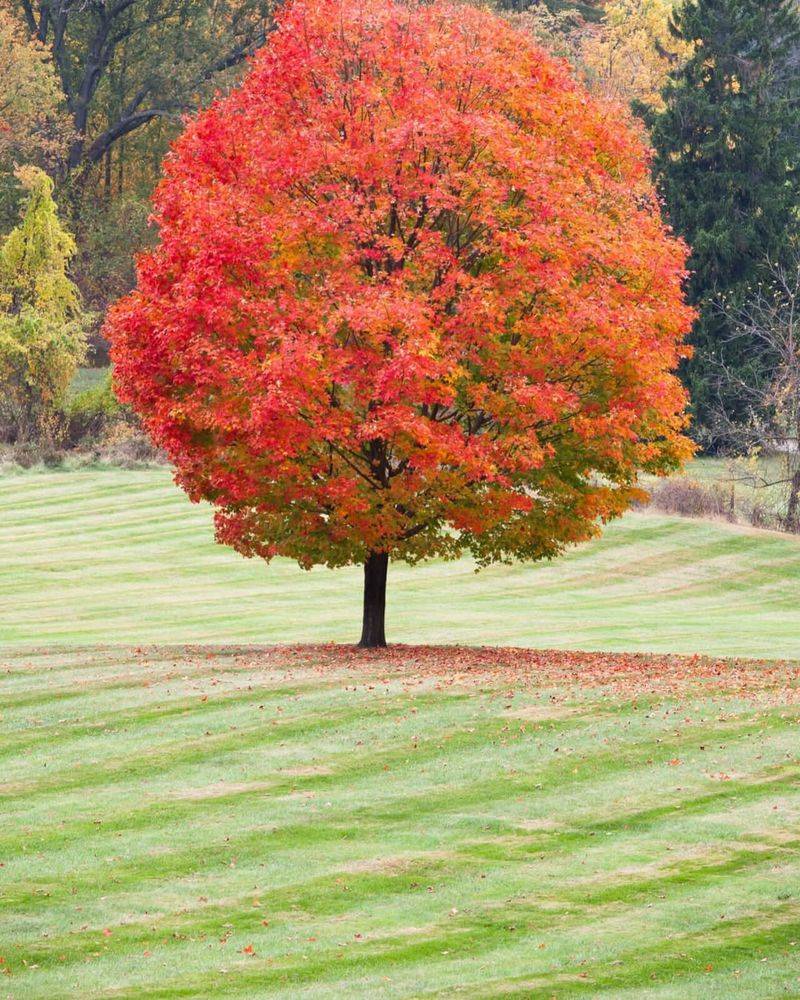
Sugar maples create Pennsylvania’s most breathtaking fall displays. Their autumn transformation into blazing orange, gold, and red stops traffic along country roads throughout the state.
Planting one this February means investing in decades of spectacular seasonal shows. No photograph captures the experience of standing beneath a sugar maple at peak color.
Syrup production adds practical benefits beyond beauty. While commercial operations require many trees, ambitious Pennsylvania homeowners can tap mature sugar maples for delicious homemade syrup.
The process connects families to traditional practices that sustained people for centuries. Children especially love participating in this hands-on seasonal activity.
Growth habits suit larger properties best. Sugar maples eventually reach 60 to 75 feet with substantial spread, needing room to develop properly.
Rural Pennsylvania landscapes and spacious suburban lots provide ideal settings. Their size creates commanding presence that defines properties for generations. Plan accordingly when choosing planting locations.
Shade density makes sugar maples excellent cooling trees. Summer temperatures beneath their canopy drop noticeably compared to open areas.
This natural air conditioning reduces energy costs when trees shade homes strategically. Pennsylvania’s humid summers become more bearable with mature sugar maples nearby.
February planting takes advantage of dormancy. Sugar maples transplant best when completely dormant, making late winter ideal.
Their roots establish during cool months, preparing for vigorous spring growth. This timing reduces transplant shock and improves long-term success rates significantly.
Soil preferences matter with sugar maples. They perform best in well-drained, slightly acidic conditions common throughout much of Pennsylvania.
Avoid planting in compacted or poorly draining spots where root problems might develop. Testing your soil beforehand ensures compatibility with these magnificent trees.
Wildlife habitat value ranks high with sugar maples. Cavities in older trees house owls, woodpeckers, and squirrels.
Seeds feed birds and small mammals throughout winter. Pennsylvania’s ecosystem depends heavily on these native hardwoods.
5. Flowering Dogwood
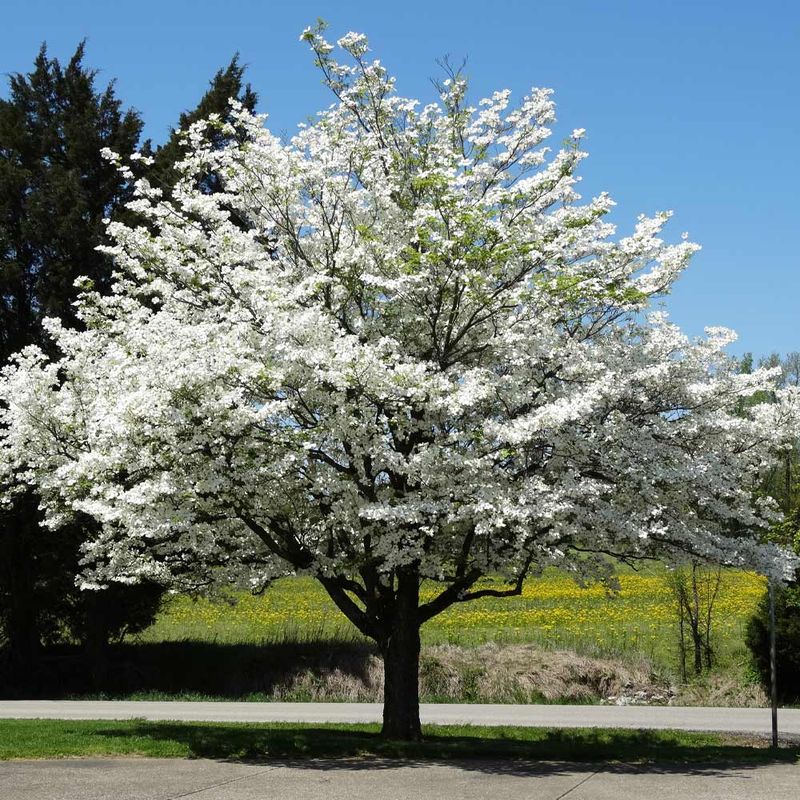
Few spring sights rival flowering dogwoods blooming beneath Pennsylvania’s forest canopy. What appear to be white or pink petals are actually modified leaves called bracts surrounding tiny true flowers.
This botanical quirk creates displays lasting several weeks longer than typical flowers. February planting positions your dogwood to establish before its first bloom cycle begins.
Layered branching creates distinctive winter silhouettes. Horizontal branches stack in tiers that remain attractive even without leaves.
This architectural quality makes dogwoods valuable for year-round interest in Pennsylvania gardens. Snow highlights their branch structure beautifully, creating living sculptures across winter landscapes.
Berry production feeds migrating songbirds each fall. Bright red fruits ripen just as birds need high-energy food for southern journeys.
Pennsylvania sits along major migration routes, making dogwood berries crucial for traveling species. Your tree becomes a vital refueling station for creatures crossing continents.
Understory nature means dogwoods thrive in partial shade. Pennsylvania gardeners can plant them beneath taller trees where many flowering species fail.
This shade tolerance expands planting options throughout your property. They naturally grow as forest understory trees, adapted to filtered light conditions.
Size suits residential landscapes perfectly. Flowering dogwoods typically reach 15 to 30 feet, fitting comfortably in average Pennsylvania yards.
Their modest scale allows planting near homes, patios, and walkways without future clearance problems. Smaller properties throughout the state can accommodate these charming trees.
Fall color provides a second seasonal show. Leaves turn deep burgundy-red before dropping, complementing berry displays.
This autumn transformation extends ornamental value beyond spring flowering. Pennsylvania’s fall landscape gains extra depth with dogwood contributions.
Cultural significance runs deep throughout Pennsylvania. Native Americans and early settlers valued dogwood for various uses.
The dense wood served for tool handles and other applications requiring hardness. Today we appreciate them primarily for beauty, but their historical importance adds meaning to plantings.
6. American Sycamore
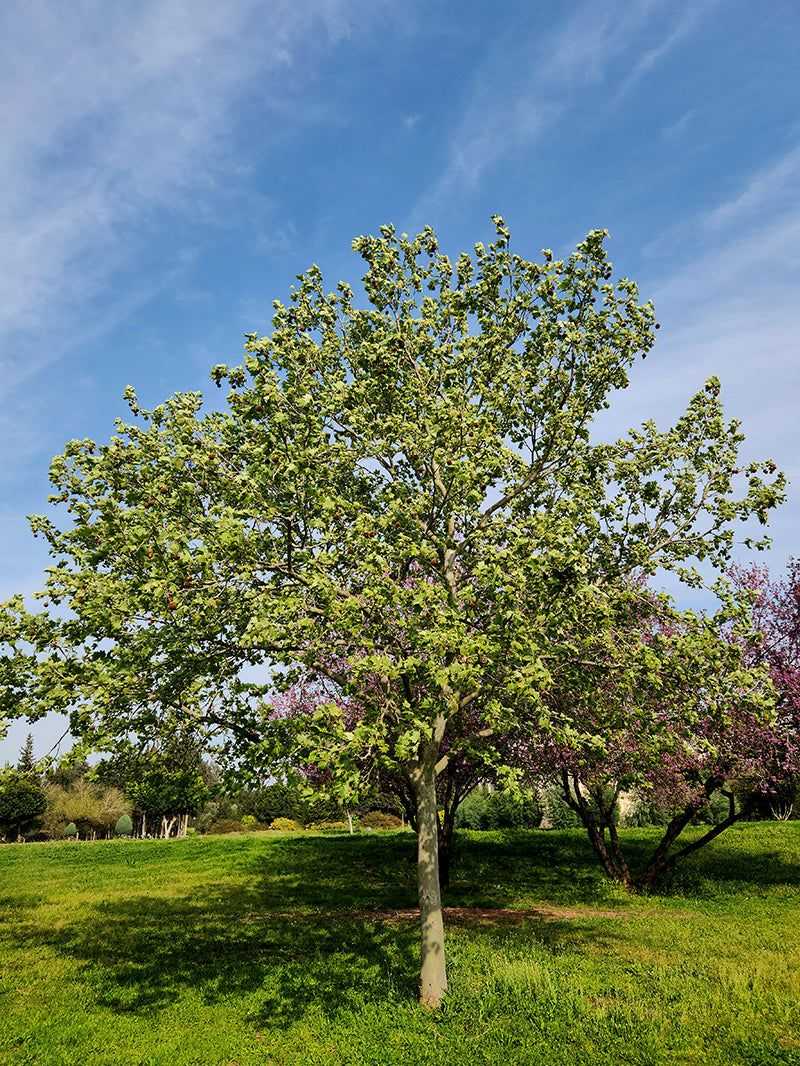
American sycamores grow larger than any other Pennsylvania hardwood. Mature specimens develop truly massive trunks and towering heights exceeding 100 feet.
Their impressive scale creates landmarks visible for miles across rural Pennsylvania landscapes. February planting starts these gentle giants on journeys lasting centuries.
Bark provides year-round visual interest unlike any other tree. As sycamores grow, outer bark flakes away revealing cream, tan, and olive patches beneath.
This mottled pattern becomes more dramatic with age, creating living abstract art. Winter showcases this feature best when leaves don’t obscure the trunk. Pennsylvania gardens gain unique texture from sycamore bark.
Rapid growth delivers results faster than most shade trees. Young sycamores often add three feet annually under good conditions.
Within fifteen years, substantial trees provide significant shade and presence. This quick development appeals to gardeners wanting impact sooner rather than later.
Floodplain origins mean sycamores tolerate wet soils better than most trees. Pennsylvania properties with drainage challenges or seasonal flooding can successfully grow sycamores where other species struggle.
Their natural habitat along streams and rivers prepared them for periodic water excess. This adaptability solves difficult planting situations.
Wildlife value extends throughout seasons. Cavities in older sycamores house wood ducks, owls, and raccoons.
Seeds feed finches and other small birds through winter. Pennsylvania’s riparian ecosystems depend heavily on sycamores for habitat structure. Your planting contributes to broader environmental health.
Space requirements cannot be overstated. Sycamores need substantial room to develop properly without conflicting with structures or utilities.
Rural properties, parks, and large suburban lots provide appropriate settings. Planting too close to buildings or in confined spaces creates future problems. Respect their eventual size when choosing locations.
Leaf litter can be substantial each autumn. Large leaves accumulate quickly, requiring regular cleanup near lawns and gardens.
Pennsylvania gardeners should consider this maintenance aspect before planting. However, the leaves decompose well and make excellent compost material.