These Plants Handle Arizona Heat Without Needing Constant Water
Arizona heat doesn’t mess around, and your plants feel it before you do. One hot stretch hits and suddenly you’re watering nonstop, wondering why nothing looks relaxed or settled.
When that happens, it’s usually not your routine, it’s the plant choice.
In Arizona, the wrong plants turn summer into constant maintenance. They dry out fast, wilt quickly, and always seem one step away from stress.
Other plants handle the same conditions without drama. They grow slower, hold moisture longer, and don’t fall apart when watering isn’t perfect.
That difference changes everything. Watering becomes lighter instead of daily panic.
Miss a day and nothing collapses. When plants are built for Arizona heat, the garden stays steady through summer instead of feeling like something you’re constantly trying to save.
1. Deep Roots Make Desert Marigold Exceptionally Reliable
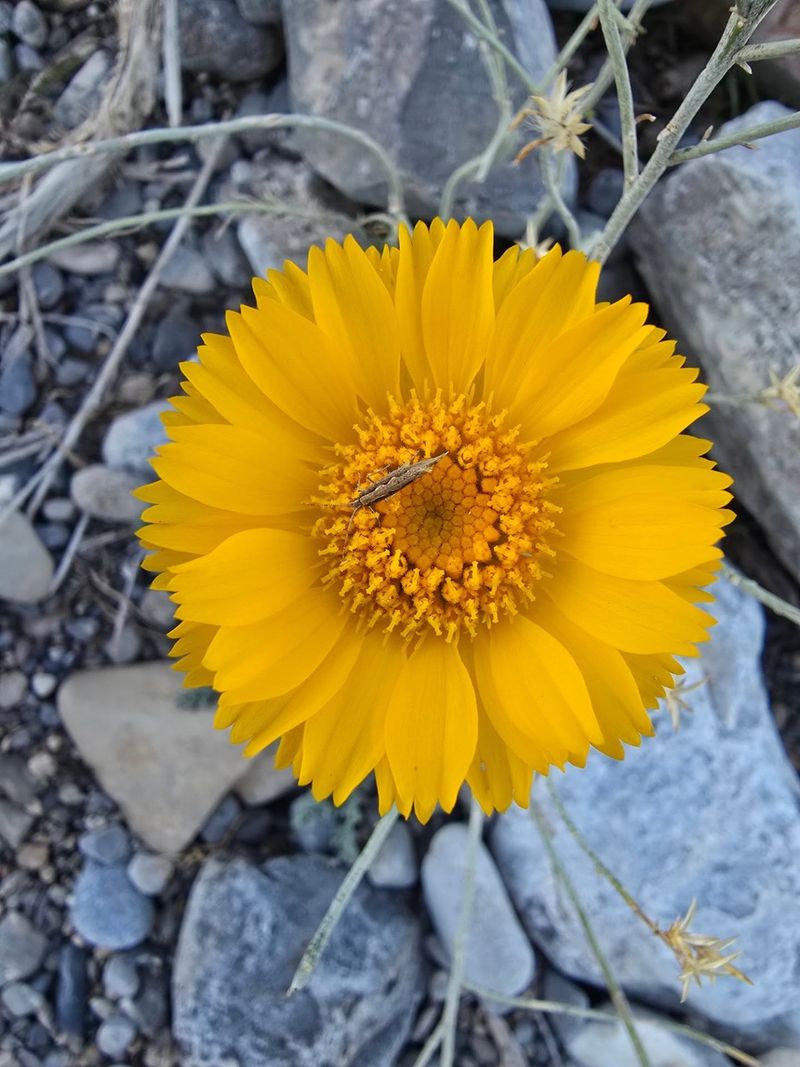
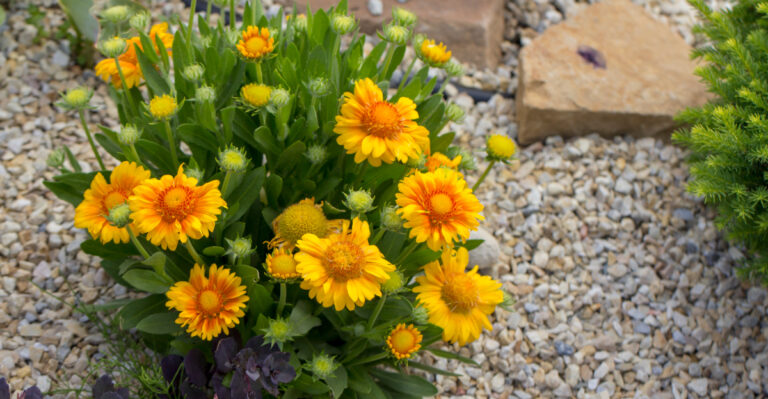
Cheerful yellow blooms cover Desert Marigold plants nearly year-round, bringing sunshine to Arizona gardens even during the hottest months. This native wildflower sends roots deep into the ground, sometimes reaching three feet down to tap moisture that surface-dwelling plants never access.
Those extensive underground networks mean you can plant Desert Marigold in spring and basically forget about it, watering only during establishment and then letting nature take over.
The plant stays compact, usually growing just twelve inches tall and spreading about eighteen inches wide, making it perfect for borders, rock gardens, or filling gaps between larger shrubs. Bright yellow daisy-like flowers appear almost continuously from February through November across most Arizona regions, attracting butterflies and native bees to your yard.
Even in Phoenix and Tucson, where summer temperatures regularly exceed 115 degrees, Desert Marigold keeps producing flowers without demanding constant irrigation.
Gardeners appreciate how this plant reseeds itself naturally, creating drifts of golden color that expand over time without becoming invasive or unmanageable.
The silvery-green foliage stays attractive even when flowers fade, and the plant requires no fertilizer or special soil amendments to thrive. Desert Marigold tolerates reflected heat from walls and pavement beautifully, making it ideal for challenging spots where other plants struggle.
After a good monsoon rain, established plants burst into spectacular bloom, showing off the resilience that makes them Arizona gardening favorites.
2. Silvery Foliage Reflects Heat On Texas Sage
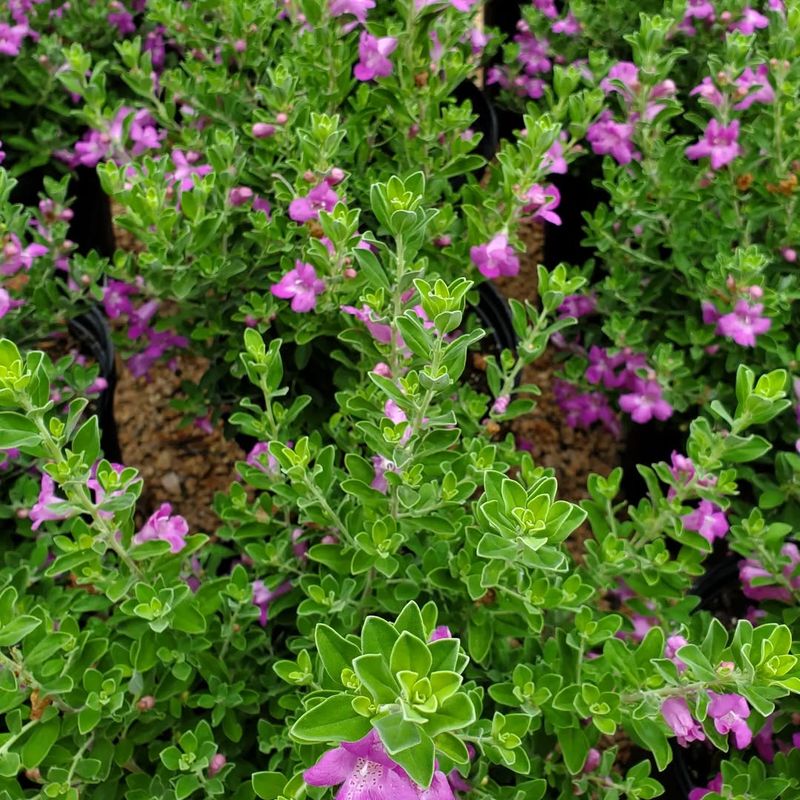
Soft gray leaves cover Texas Sage branches like a protective blanket, bouncing sunlight away and keeping the plant cool even when Arizona temperatures soar above 110 degrees. This adaptable shrub originally comes from Texas and northern Mexico but has become a landscape staple throughout the Southwest, prized for its ability to look lush with minimal water.
The silvery foliage creates beautiful contrast against darker green plants and provides year-round visual interest even between flowering periods.
Purple, pink, or white tubular flowers appear in dramatic flushes after summer monsoon rains sweep across Arizona, transforming ordinary-looking shrubs into spectacular displays almost overnight. The blooms attract hummingbirds and butterflies, adding movement and life to your garden during the hottest season.
Texas Sage typically grows four to six feet tall and wide, though dwarf varieties stay more compact for smaller spaces or container plantings.
Your Arizona Garden Changes Every Week. Your Plan Should Too.
Gardening in Arizona changes quickly throughout the season. Every Friday you’ll receive a simple weekly plan showing exactly what to plant, prune, fertilize, harvest, and protect so you never miss the right timing.
Once established in Phoenix, Tucson, or other Arizona cities, Texas Sage needs supplemental water only every two to three weeks during extended dry spells, and even less during cooler months. The plant tolerates alkaline soil beautifully, which makes it perfect for Arizona yards where pH levels often challenge other species.
Pruning requirements stay minimal, though you can shape plants in early spring if desired.
Texas Sage handles reflected heat from south-facing walls exceptionally well, actually performing better in hot spots than in shaded areas where fungal problems sometimes develop.
3. Minimal Water Supports Long Blooms On Blackfoot Daisy
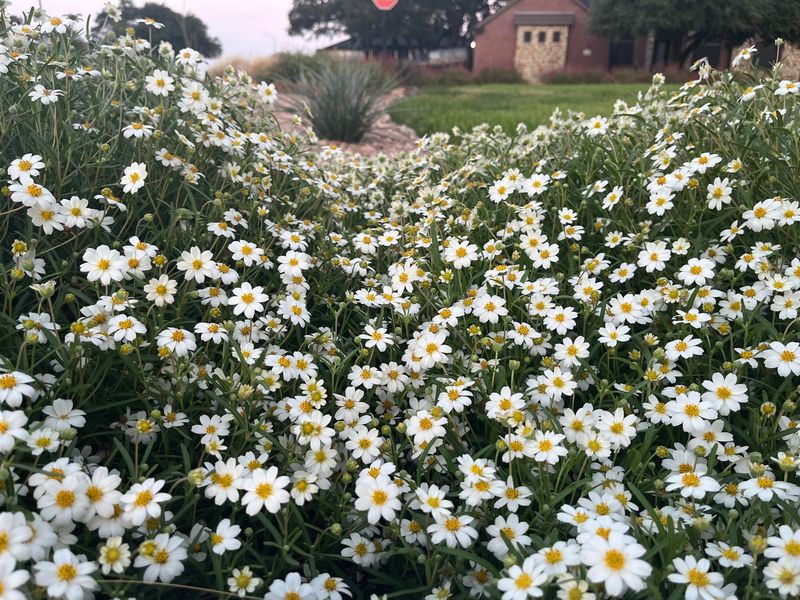
Delicate white petals surrounding bright yellow centers make Blackfoot Daisy look almost too pretty for harsh Arizona conditions, yet this tough little perennial thrives where pampered plants would struggle. Native to the Southwest, it forms low spreading mounds that rarely exceed twelve inches tall but can spread two feet wide, creating carpets of flowers that bloom from March through November.
The extended flowering season means your Arizona garden enjoys color for most of the year without demanding constant attention or resources.
Blackfoot Daisy produces hundreds of small flowers continuously rather than blooming all at once, ensuring your landscape always has fresh flowers opening even as older ones fade. The plant’s fine-textured foliage stays evergreen in most Arizona locations, providing ground cover and visual interest even during brief winter dormancy periods.
Established plants survive on rainfall alone in many parts of Arizona, though occasional deep watering during extreme heat keeps them looking their absolute best.
This adaptable perennial works beautifully cascading over rock walls, tucking into crevices in rock gardens, or edging pathways where its spreading habit softens hard edges. Blackfoot Daisy tolerates foot traffic reasonably well, releasing a pleasant fragrance when brushed.
The plant reseeds moderately, filling in bare spots naturally without becoming aggressive or difficult to control.
In Tucson, Phoenix, and other Arizona cities, Blackfoot Daisy handles reflected heat and alkaline soil with ease, proving itself reliable even for beginning desert gardeners.
4. Natural Drought Tolerance Keeps Red Yucca Thriving
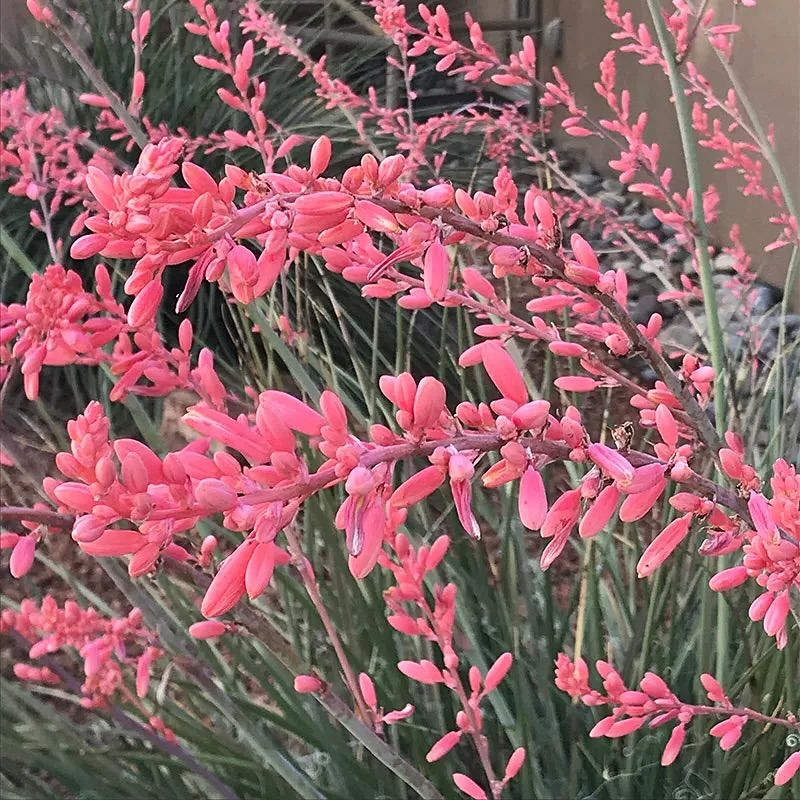
Dramatic coral-pink flower spikes shoot up from Red Yucca plants like natural fireworks, sometimes reaching five feet tall and creating vertical interest that contrasts beautifully with low-growing desert plants. Despite its common name, Red Yucca isn’t actually a true yucca but rather a member of the agave family, combining the best features of both plant groups.
The grass-like evergreen leaves form attractive clumps about three feet wide, staying neat and tidy without constant grooming or maintenance.
Tubular flowers arranged along tall stalks bloom from April through September across most Arizona regions, providing nectar for hummingbirds and creating stunning focal points in xeriscape designs. The plant’s deep root system accesses moisture far below the surface, allowing established Red Yucca to survive Arizona summers with watering just once or twice monthly during the hottest periods.
In Phoenix, Tucson, and other desert cities, Red Yucca handles full sun exposure beautifully, actually producing more flowers in bright locations than in partial shade.
The soft, flexible leaves won’t stab or scratch like some desert plants, making Red Yucca safer around walkways and patios where people pass closely. Plants tolerate rocky, poor soil without amendments, and they never need fertilizer to maintain healthy growth and abundant flowering.
Red Yucca works equally well as a specimen plant, in mass plantings, or mixed with other drought-tolerant species in colorful combinations.
The plant’s architectural form provides structure and interest even when not blooming, earning it a place in low-maintenance Arizona landscapes.
5. Woody Structure Helps Creosote Bush Survive Extreme Heat
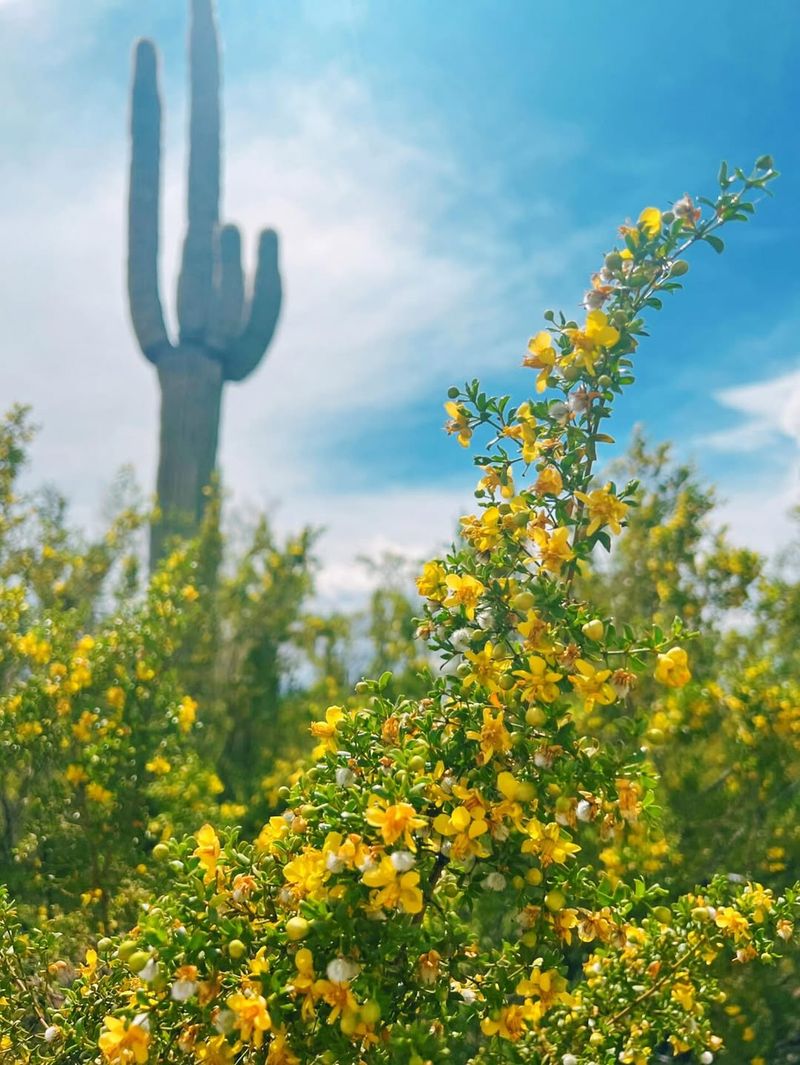
Ancient Creosote Bush plants dot Arizona deserts like living monuments, with some individual clones estimated at over 11,000 years old, making them among Earth’s oldest living organisms. The distinctive creosote scent that fills the air after desert rains comes from resinous compounds coating the small olive-green leaves, a natural adaptation that reduces water loss and deters browsing animals.
These compounds also give the plant its characteristic smell that many people associate with the authentic Southwest desert experience.
Small yellow flowers appear in spring and sometimes again after summer monsoons, followed by fuzzy white seed balls that add textural interest to the shrubs. Creosote Bush typically grows six to ten feet tall and equally wide, creating substantial presence in Arizona landscapes without requiring irrigation once established.
The plant’s deep taproot can extend down twenty feet or more, accessing groundwater that sustains it through months without rain.
In Phoenix, Tucson, and throughout Arizona’s lower elevations, Creosote Bush thrives in the hottest, driest locations where other plants struggle, making it ideal for truly low-maintenance landscapes. The open, airy branch structure casts light shade that allows understory plants to grow beneath while the woody framework provides nesting sites for desert birds.
Creosote Bush needs no pruning, fertilizer, or pest control, representing the ultimate in hands-off desert gardening.
The plant’s ability to shut down growth during extreme stress and quickly resume when conditions improve demonstrates the remarkable survival strategies that make it an Arizona icon.
6. Seasonal Color Holds Up Well On Brittlebush
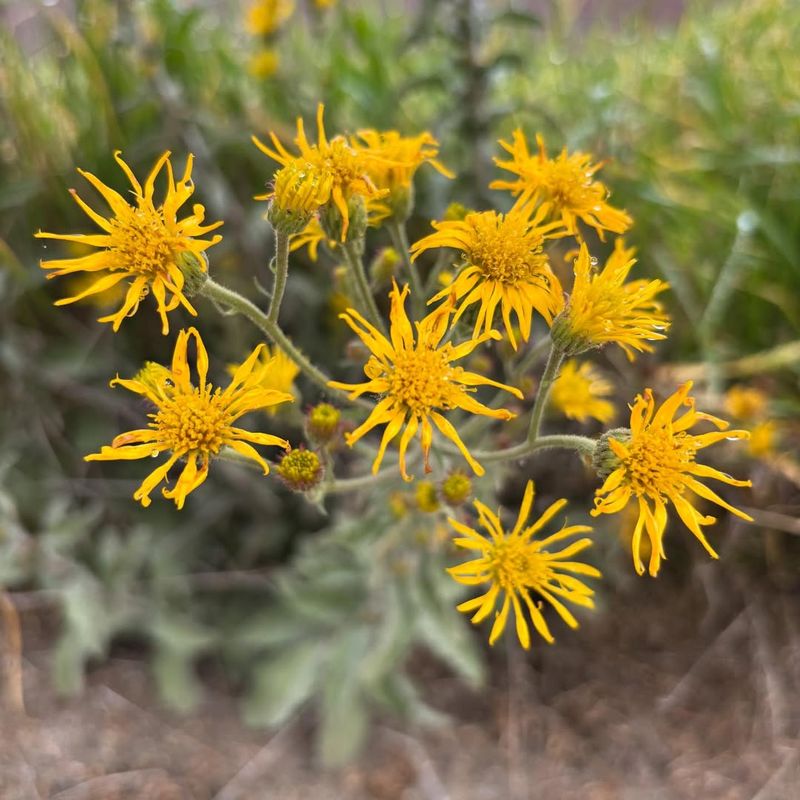
Masses of bright yellow daisy-like flowers rise above silvery foliage on Brittlebush plants each spring, creating spectacular displays that rival any cultivated garden flower. This Arizona native shrub typically grows two to three feet tall and equally wide, forming rounded mounds that fit perfectly into rock gardens, slopes, or mixed desert plantings.
The silvery-gray leaves reflect intense sunlight while minimizing water loss, allowing the plant to maintain attractive foliage even during brutal summer heat.
Brittlebush earned its common name from brittle stems that snap easily, though this characteristic rarely causes problems in home landscapes. The plant blooms prolifically from February through May across most Arizona locations, with flower stalks rising well above the foliage and creating a stunning golden haze.
After blooming finishes, the silvery foliage remains attractive throughout summer and fall, providing color contrast and texture in desert gardens.
Established Brittlebush survives entirely on natural rainfall in many parts of Arizona, though occasional deep watering during extended droughts keeps plants looking their best. The shrub tolerates rocky, poor soil and never needs fertilizer or soil amendments to thrive.
In Phoenix and Tucson, Brittlebush handles reflected heat from walls and pavement beautifully, making it perfect for challenging locations. The plant reseeds moderately, and gardeners can easily remove unwanted seedlings or allow them to naturalize in appropriate areas.
Brittlebush provides important nectar for native bees and butterflies during its spring flowering period, supporting Arizona’s pollinator populations while creating beautiful, low-maintenance landscapes.
7. Low Water Needs Match Harsh Sun With Fairy Duster
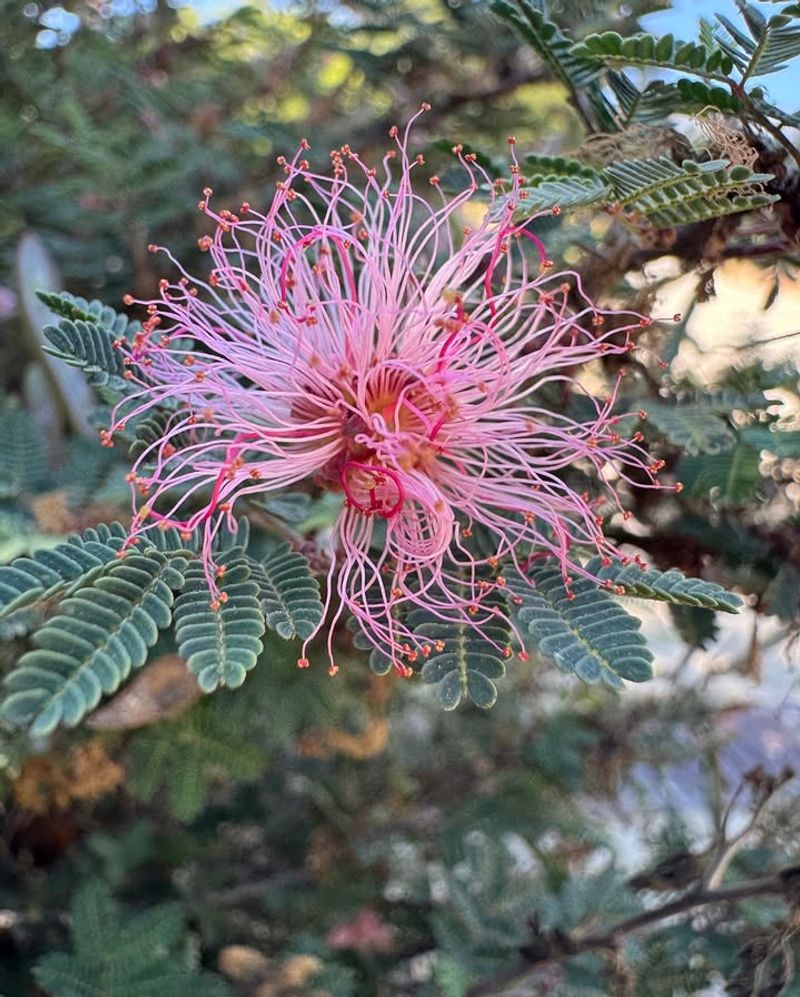
Fluffy pink powder-puff flowers cover Fairy Duster plants from February through May, and often again after summer monsoons, bringing whimsical charm to Arizona gardens. The delicate-looking blooms consist of numerous long stamens that create the characteristic fuzzy appearance, attracting hummingbirds and butterflies throughout the flowering season.
Despite the dainty flowers, Fairy Duster ranks among the toughest desert plants, handling extreme heat and drought with remarkable resilience.
Fine, ferny foliage gives Fairy Duster a soft texture that contrasts beautifully with bold-leaved desert plants like agaves and yuccas. The shrub typically grows three to four feet tall and wide, though occasional pruning after flowering keeps plants more compact if desired.
In Phoenix, Tucson, and other Arizona cities, established Fairy Duster needs supplemental water only once or twice monthly during the hottest summer periods, and even less during cooler seasons.
The plant thrives in full sun exposure and actually produces more flowers in bright locations than in shade. Fairy Duster tolerates alkaline soil and rocky conditions without complaint, never requiring fertilizer or soil amendments.
The shrub’s relatively fast growth rate means it quickly fills spaces in new landscapes, providing color and structure within its first year. Fairy Duster works beautifully as a specimen plant, in mass plantings, or mixed with other drought-tolerant species in colorful desert gardens.
The plant’s ability to bloom multiple times per year gives Arizona gardeners extended color without demanding constant care or resources, making it a favorite for low-maintenance landscapes.
8. Slow Growth Reduces Stress And Care For Agave
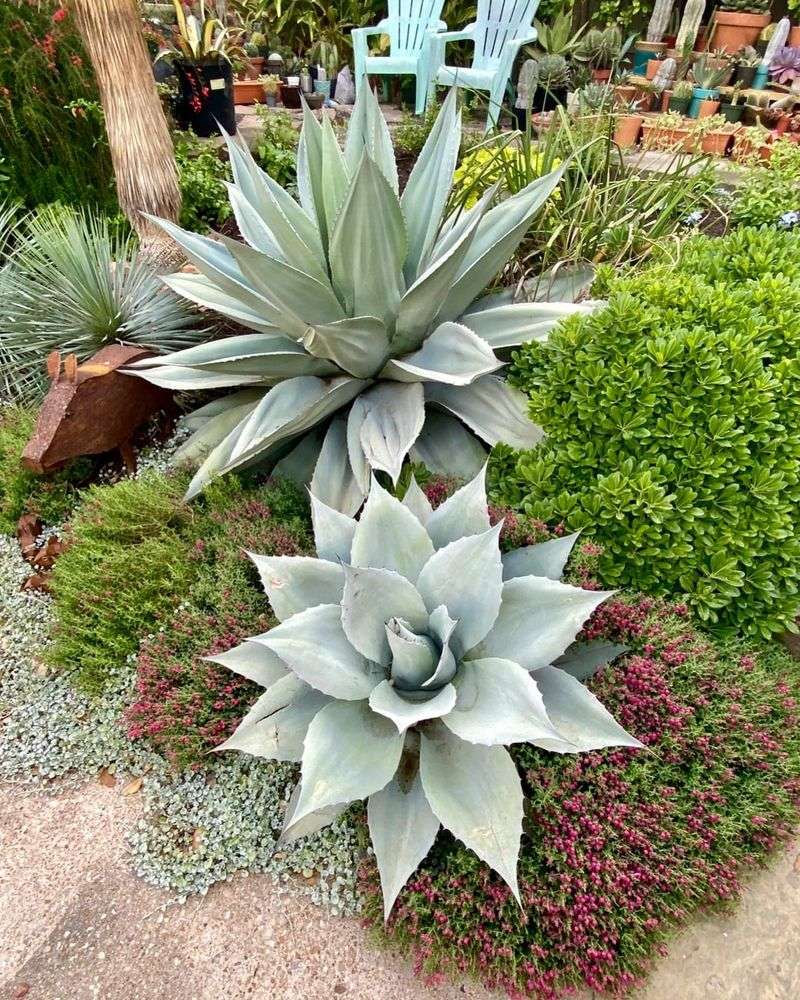
Sculptural rosettes of thick, fleshy leaves make Agave plants living artworks that anchor Arizona landscapes with bold architectural presence. These remarkable succulents store water in their leaves, allowing them to survive months without irrigation while maintaining their striking appearance.
Dozens of Agave species thrive in Arizona, ranging from compact varieties just twelve inches across to massive specimens reaching six feet wide, giving gardeners options for any space.
The plants’ extremely slow growth means they require minimal maintenance once established, never needing pruning, deadheading, or constant reshaping. Blue-gray, green, or variegated foliage provides year-round color and texture that looks equally beautiful in formal designs or naturalistic desert plantings.
Most Agaves eventually produce a dramatic flower stalk that can reach fifteen to thirty feet tall, creating a spectacular once-in-a-lifetime display before the original rosette completes its life cycle.
In Phoenix, Tucson, and throughout Arizona, established Agaves survive on rainfall alone, though occasional deep watering during extreme drought keeps them looking their absolute best. The plants tolerate reflected heat from walls and pavement exceptionally well, actually preferring hot, sunny locations over cool, shaded spots.
Agaves never need fertilizer and thrive in poor, rocky soil that challenges other plants. Their low water requirements and minimal care needs make them perfect for busy homeowners or anyone seeking truly sustainable landscaping.
The plants’ dramatic forms create focal points that draw the eye and provide structure in desert gardens, proving that low-maintenance doesn’t mean boring or unattractive in Arizona landscapes.