7 Plants Ready For February Pruning In Georgia And 4 You Should Avoid
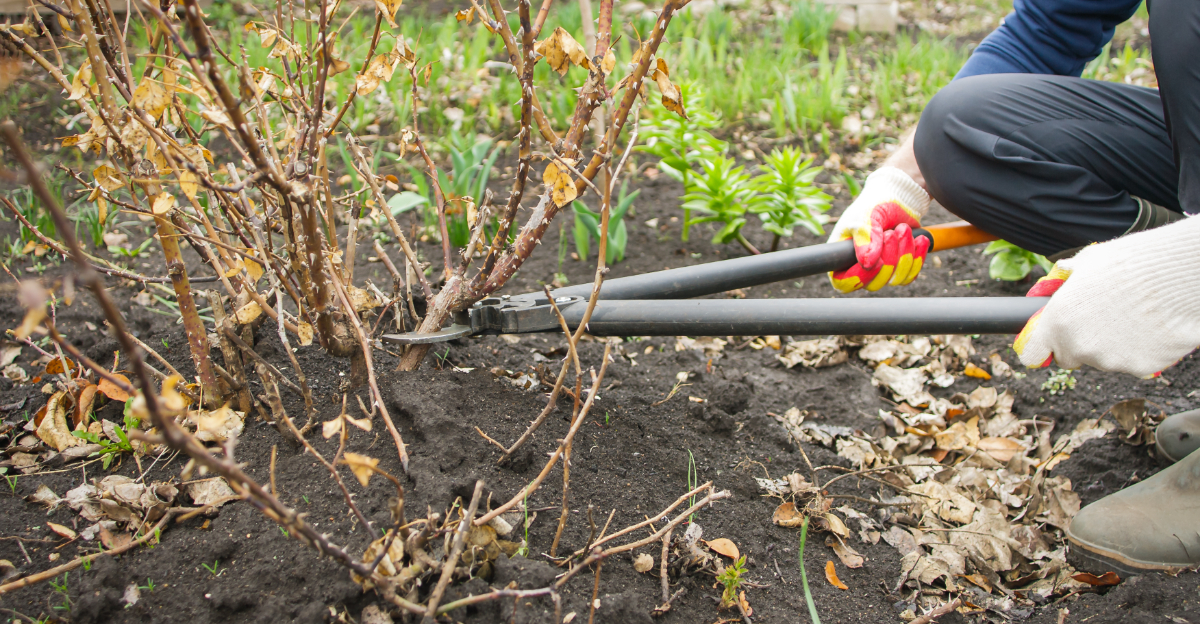
February feels like the moment to grab the pruners and finally get things cleaned up. The yard looks messy, buds are starting to swell, and it’s tempting to cut everything back at once.
In Georgia, though, that instinct can help some plants and seriously hurt others.
Late winter is a smart pruning window here, but only for the right plants. Some benefit from being cut back before spring growth kicks in, while others are already setting buds or preparing to bloom.
Pruning the wrong ones now can mean fewer flowers, weak growth, or unnecessary stress once temperatures warm.
Knowing the difference matters. A few well-timed cuts in February can set plants up for a strong season, while holding off on the wrong ones prevents problems you won’t see until later.
These are the plants Georgia gardeners can safely prune now, and the ones that are better left alone for a little longer.
1. Dormant Growth Makes Crape Myrtle Safe To Prune Now
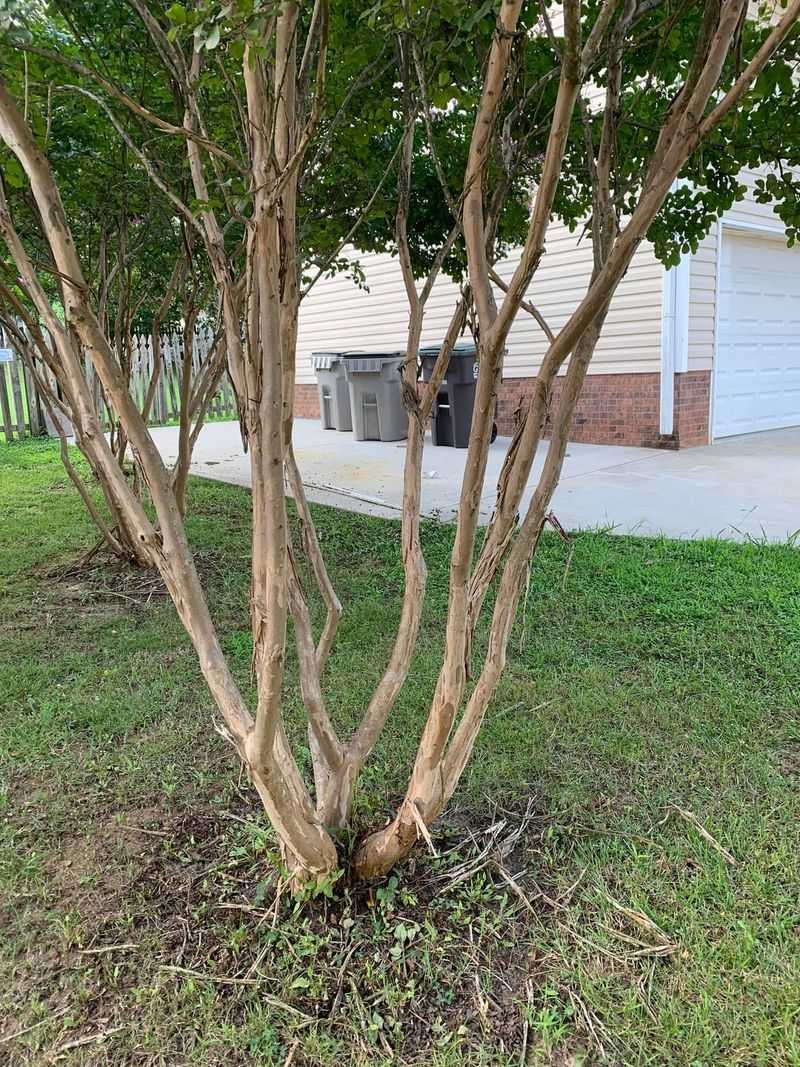
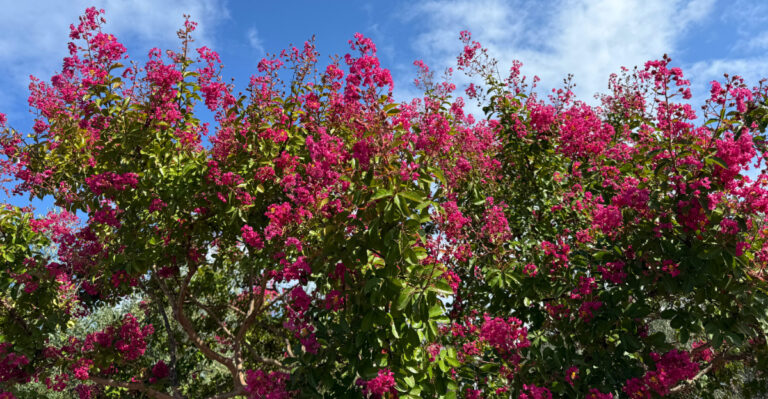
Crape myrtles stand completely bare in February across Georgia, making this the perfect month to reshape these summer-blooming favorites without any guesswork. Branches show their true structure when leaves drop away, revealing crossing limbs, weak growth, and areas that need opening up for better air circulation.
Pruning now gives cuts plenty of time to heal before new growth pushes out in spring.
Many Georgia gardeners make the mistake of topping crape myrtles, creating ugly knobs that weaken the tree over time. Instead, remove entire branches back to the trunk or a main limb, keeping the natural vase shape that makes these trees so attractive.
Focus on taking out branches thinner than a pencil, any growth heading toward the center, and limbs that rub against each other.
February’s cool temperatures mean less stress on the plant during pruning, and there’s no risk of removing flower buds since crape myrtles bloom on new wood that hasn’t grown yet. Cut away any seed pods left from last summer to tidy up the appearance.
Georgia’s extended growing season means crape myrtles have plenty of time to produce strong new branches that will carry heavy flower clusters come July and August.
2. Late-Winter Cuts Help Roses Reset Before Spring Growth
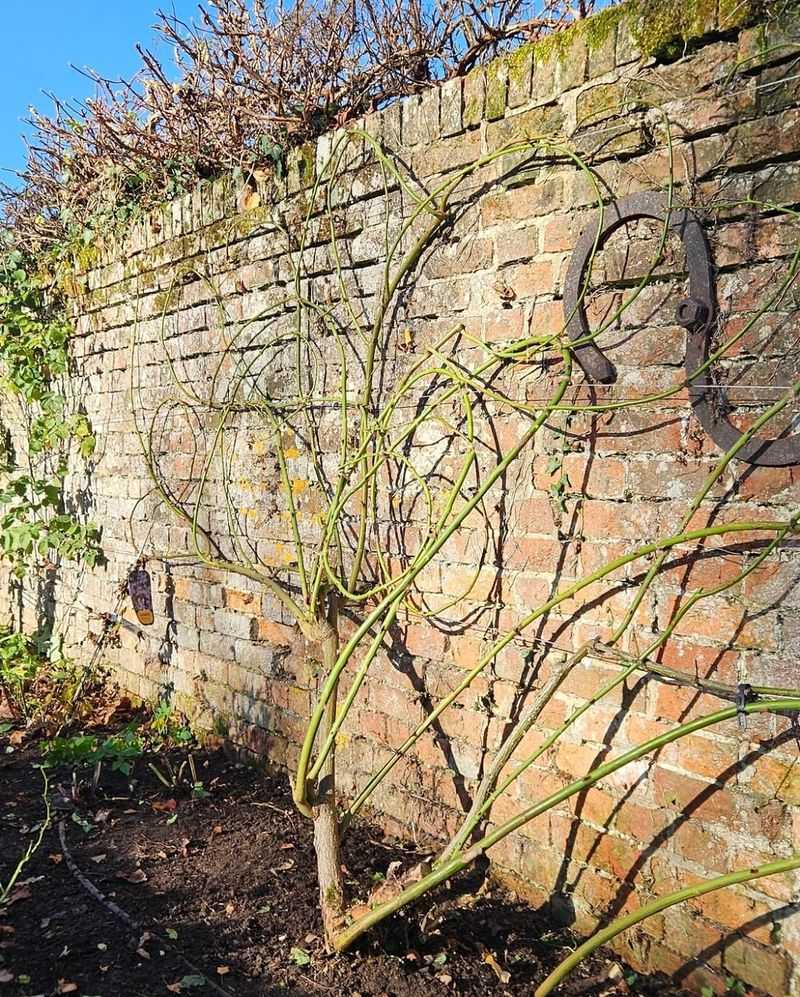
Roses growing throughout Georgia need February pruning to remove damaged or weak wood, shape the plant, and encourage vigorous new canes that produce the best blooms.
Waiting until late winter means you can clearly see which canes are healthy and which failed to recover from cold snaps.
Start by removing any cane that looks shriveled, black, or completely brown since these won’t recover no matter how long you wait. Next, take out spindly growth thinner than a pencil because weak canes rarely produce quality flowers and just crowd the center of the bush.
Make all cuts at a 45-degree angle about a quarter inch above an outward-facing bud, which directs new growth away from the middle of the plant.
Georgia’s climate allows roses to keep some green growth even through winter, but don’t let that stop you from pruning in February. Hybrid teas, grandifloras, and floribundas all benefit from this timing, getting a fresh start before spring warmth triggers rapid growth.
Your Georgia Garden Changes Every Week. Your Plan Should Too.
Gardening in Georgia changes quickly throughout the season. Every Friday you’ll receive a simple weekly plan showing exactly what to plant, prune, fertilize, harvest, and protect so you never miss the right timing.
Clean your pruning shears between cuts to avoid spreading diseases, and gather up all the trimmings to prevent fungal problems from overwintering in your rose bed.
3. Structural Pruning Works Best On Fig Trees This Month
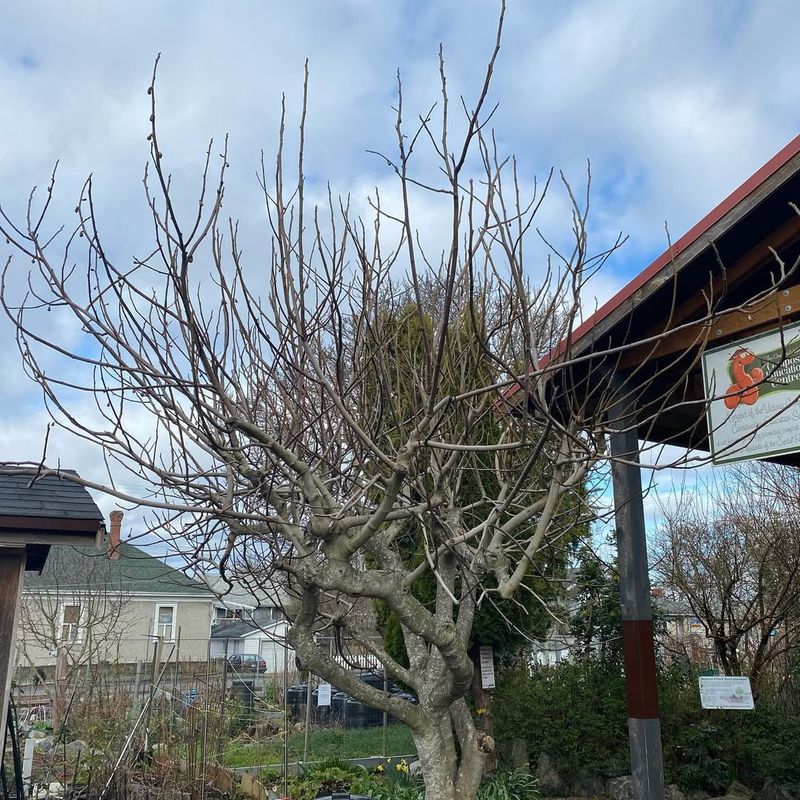
Fig trees growing in Georgia backyards respond beautifully to February pruning when their branches stand naked and their growth pattern becomes easy to read. Most figs here produce two crops, with the first forming on old wood and the second developing on new growth, so strategic pruning now won’t cost you much fruit.
Removing crowded branches opens up the canopy, allowing sunlight to reach ripening figs later in the season.
Focus your cuts on creating an open center that resembles a vase, with main branches spreading outward rather than competing for the same space. Take out any branch that grows straight up or dives back toward the trunk since these rarely produce well and just create shade in the middle.
February pruning also gives you a chance to control the overall height, making harvest easier when figs ripen in summer.
Cut these back to healthy tissue where you can see green under the bark. Georgia’s variable winter weather sometimes causes tip damage on figs, but plants push out new growth vigorously once temperatures warm up.
Pruning now shapes the tree before that spring growth explosion begins, and the dormant season means less sap flow and faster healing at cut sites.
4. Cold-Season Timing Keeps Butterfly Bush From Overgrowing
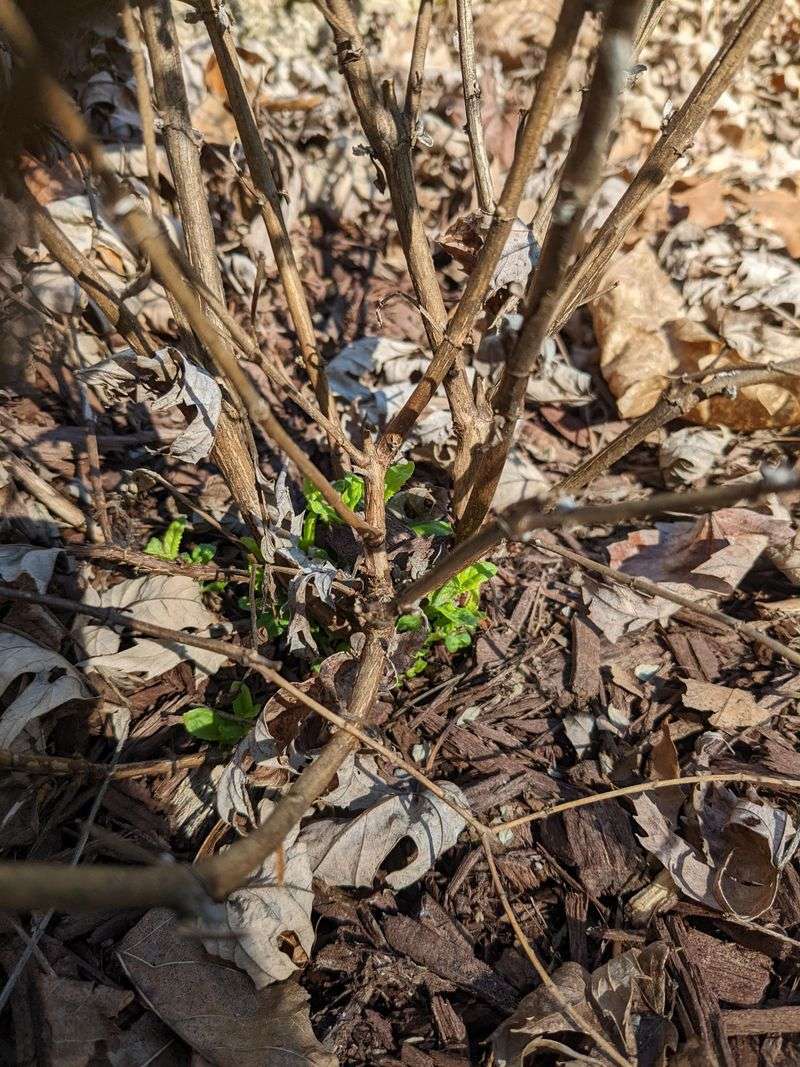
Butterfly bushes can turn into massive tangles if left unpruned, but cutting them back hard in February keeps these pollinator magnets at a manageable size throughout Georgia. These tough shrubs bloom on new wood, so even severe pruning now won’t reduce your summer butterfly show.
In fact, cutting stems down to about 12 inches from the ground encourages stronger branches that hold up better under the weight of flower spikes.
Last year’s growth on butterfly bushes looks ratty by February, with dried flower spikes still clinging to branch tips and leaves long gone. Don’t be afraid to make dramatic cuts since these plants regrow with amazing speed once warm weather arrives.
Remove about two-thirds to three-quarters of the total height, leaving a low framework of main stems that will sprout multiple new branches.
Georgia gardeners who skip February pruning often end up with butterfly bushes that flop over by midsummer, their long stems too weak to stand upright. Cutting back now forces the plant to produce thicker, sturdier growth that supports heavy flower clusters without staking.
Make your cuts just above a set of buds, and don’t worry about making them perfectly neat since new foliage will hide everything. This aggressive approach keeps butterfly bushes blooming from June through frost while maintaining a compact shape that fits better in mixed borders.
5. Clean-Up Pruning Improves Shape On Beautyberry
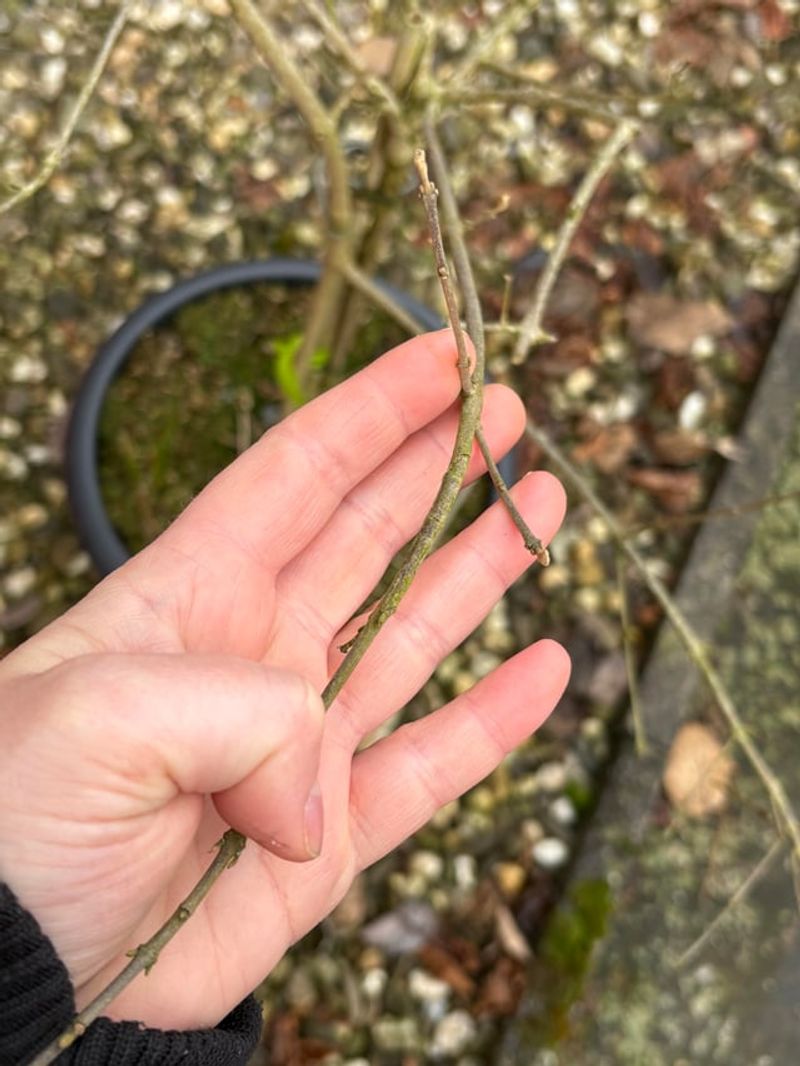
Beautyberry shrubs often hold their striking purple berries well into February across Georgia, but once birds finish feasting, it’s time to shape these native favorites for another season. These plants bloom on new wood, making late winter the ideal moment for renovation pruning that won’t sacrifice summer flowers or fall berries.
Cutting back lanky stems promotes bushier growth that produces more of the colorful fruit clusters that give beautyberry its name.
Most established beautyberries benefit from having their oldest stems removed completely at ground level, opening up space for younger, more vigorous branches to take over. Take out about one-third of the total stems, choosing the thickest, woodiest ones that produce less fruit than newer growth.
You can also shorten remaining stems by half their length to encourage branching and create a fuller, more rounded shape.
Georgia’s mild climate means beautyberries sometimes keep a few leaves through winter, but these will drop naturally as new growth emerges in spring. February pruning gives cuts time to heal before the plant breaks dormancy, reducing stress during the transition to active growth.
Don’t hesitate to prune heavily if your beautyberry has become sparse and leggy, since these tough natives rebound quickly. The result will be a denser shrub with more flowering stems, which translates directly to more berry production when fall arrives and wildlife needs that food source.
6. Thinning Now Encourages Better Blooming On Hydrangea Paniculata
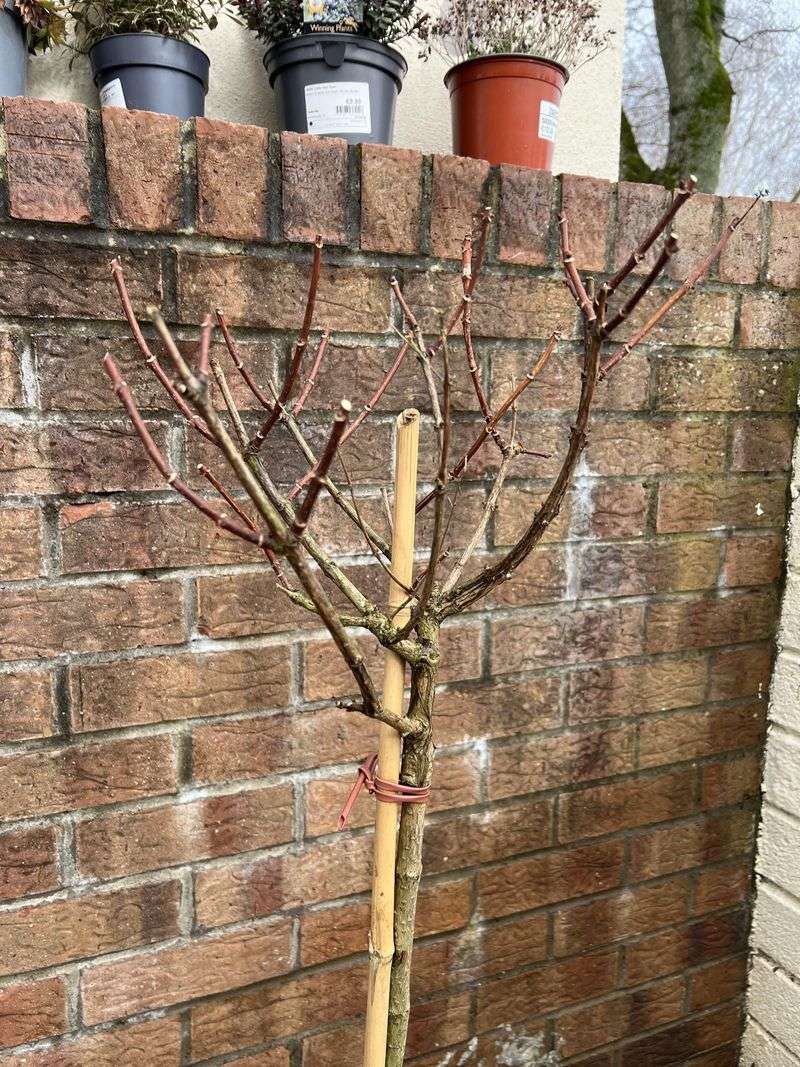
Panicle hydrangeas, the type with cone-shaped flower clusters, bloom on new wood and welcome February pruning throughout Georgia to improve their summer performance. Unlike their mophead cousins that bloom on old wood, these varieties produce flowers on stems that grow during the current season, so cutting now actually increases bloom production.
Removing weak branches and shortening strong ones creates a framework that supports large, showy flower panicles without flopping.
Start by taking out any stems thinner than a pencil since these rarely produce quality blooms and just crowd the plant’s interior. Next, shorten the remaining stems by about one-third, cutting just above a pair of healthy buds.
This encourages each stem to branch, multiplying the number of flowering shoots that develop once growth begins. Georgia’s long growing season gives these hydrangeas plenty of time to grow substantial stems that bloom heavily from midsummer through fall.
February also offers a good opportunity to remove the dried flower heads left from last year if you didn’t cut them for indoor arrangements. While these papery blooms add winter interest, removing them now tidies up the plant and makes it easier to see the branch structure you’re shaping.
Panicle hydrangeas tolerate hard pruning better than most shrubs, so don’t worry about cutting too much. They’ll respond with vigorous growth and larger flowers.
7. Winter Structure Is Easier To Correct On Muscadine Vines
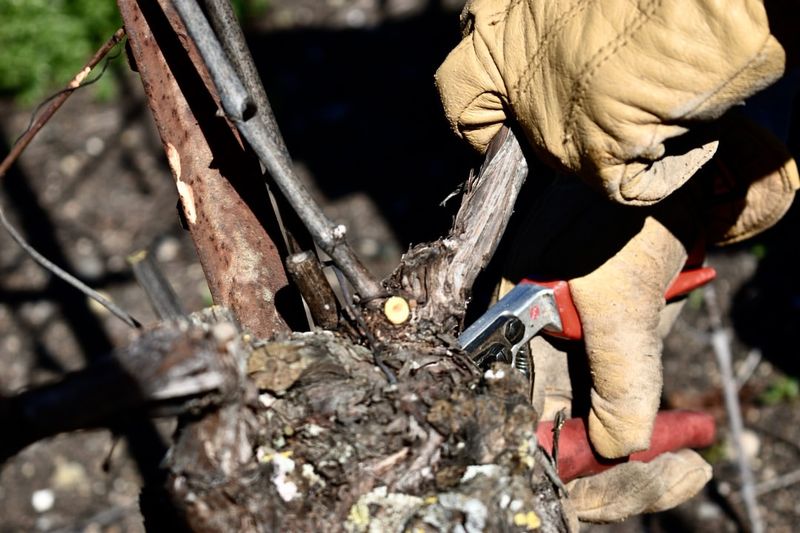
Muscadine vines growing on arbors and fences throughout Georgia show their full skeletal structure in February, revealing exactly which canes need removal and which ones should stay for fruit production. These native grapes fruit on new growth that emerges from one-year-old wood, so pruning now sets up the vine for a productive summer.
Removing excessive growth prevents the tangled mess that shades out fruiting wood and makes harvest nearly impossible.
Select four to six main arms radiating from the trunk, spacing them evenly around your support structure, and remove everything else at the base. Along each arm, keep spurs (short branches) spaced about six inches apart, cutting them back to two or three buds each.
These spurs will produce the shoots that carry fruit clusters in summer. Take out any canes that grew more than a couple of feet last season since these rarely fruit well and just create shade.
Georgia muscadines can produce overwhelming amounts of growth if left unpruned, with vines climbing into trees and covering entire fences in a single season. February pruning channels that energy into fruit production instead of leaf production, resulting in larger grapes with better flavor.
Cut away all the tangled growth from last year, leaving only the structured framework of main arms and evenly spaced spurs. This seems severe, but muscadines regrow vigorously, and controlled growth means easier pest management and better air circulation that prevents fungal diseases.
8. Early Cuts Remove Spring Blooms From Azaleas
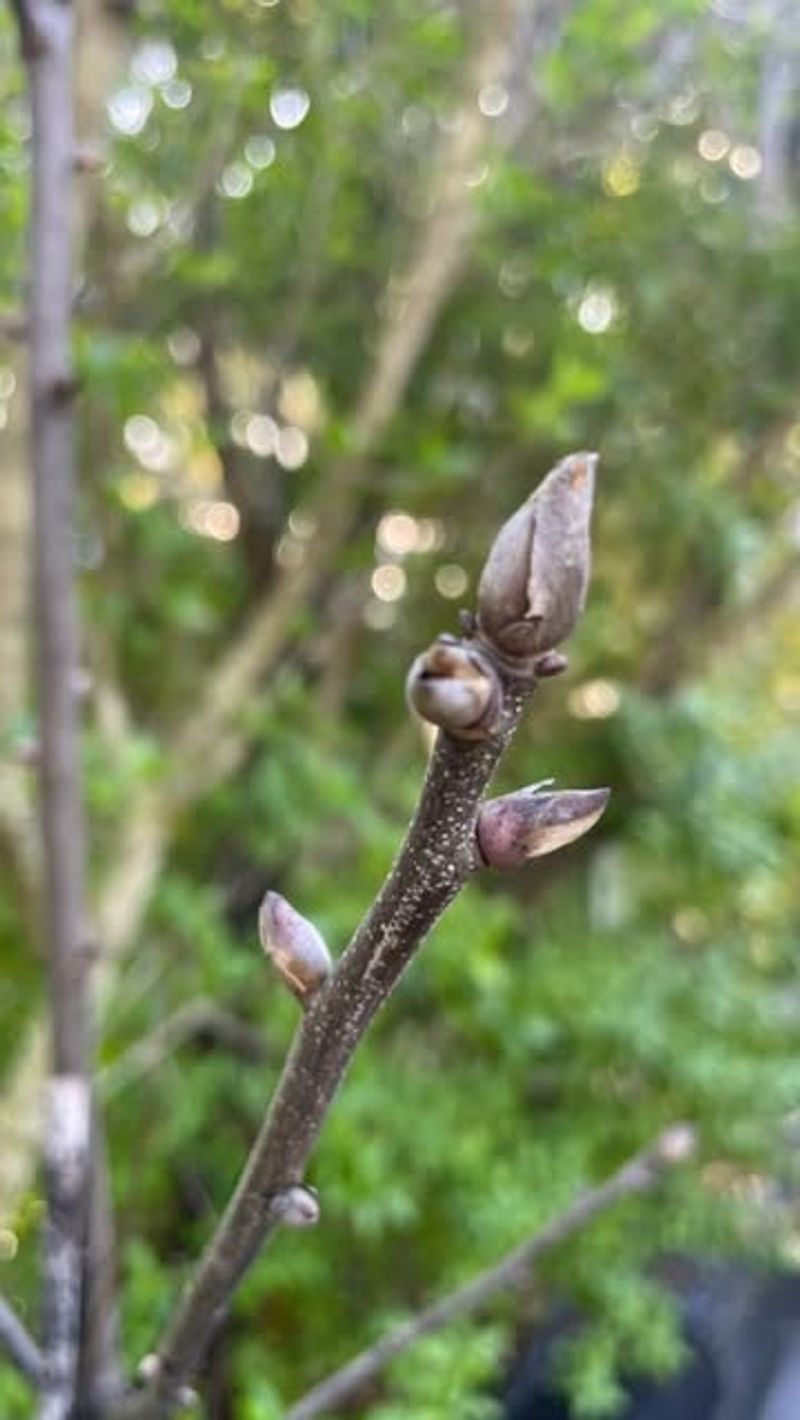
Azaleas rank among Georgia’s most beloved spring bloomers, but pruning them in February guarantees disappointment when March and April arrive without flowers. These shrubs set their flower buds during late summer and fall, carrying them through winter ready to open at the first hint of warm weather.
Every branch you cut in February takes dozens of potential blooms with it, leaving bare spots where colorful clusters should appear.
The temptation to prune azaleas in late winter comes from their sometimes scraggly appearance after months of cold weather, with brown leaf tips and uneven growth catching your eye. Resist that urge completely, because azaleas should only be pruned immediately after they finish blooming in spring.
Waiting until flowers fade gives you a full season for new growth to mature and set buds for the following year. February cuts interrupt that cycle, costing you an entire year of blooms.
Georgia gardeners who prune azaleas now often don’t realize their mistake until spring arrives and their shrubs remain stubbornly green while neighbors enjoy masses of pink, white, and purple flowers. If your azaleas truly need shaping, mark your calendar for late April or May instead.
You can remove non-viable wood at any time without harming flower production, but any pruning that removes living branches should wait.
The brief satisfaction of tidying up in February isn’t worth missing the spectacular show that makes azaleas a Southern gardening staple.
9. Flower Buds Are Easily Lost When Pruning Camellias Now
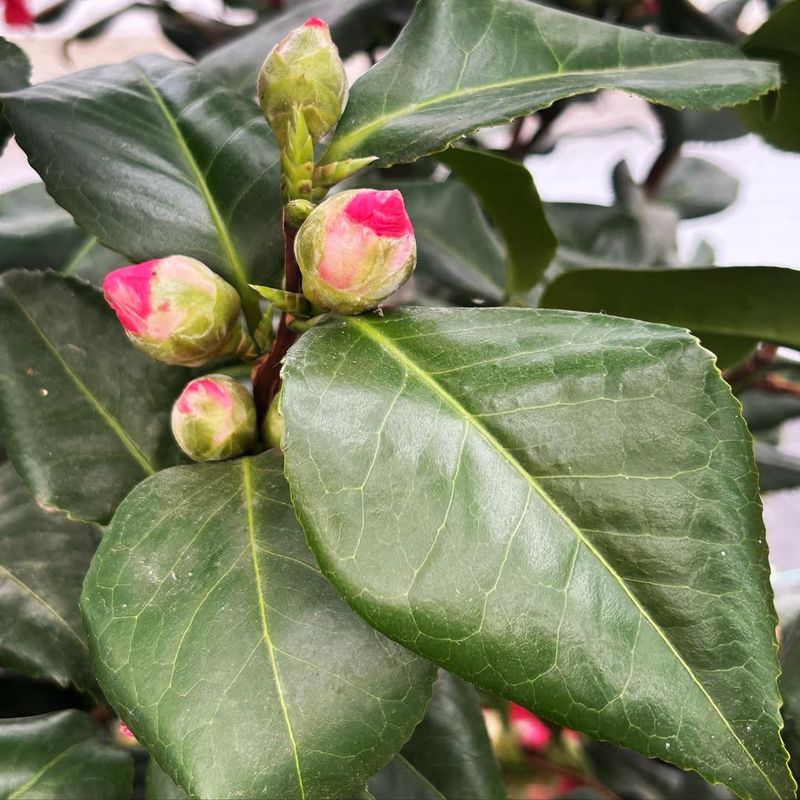
Camellias bloom during Georgia’s winter and early spring, with many varieties carrying both open flowers and developing buds throughout February. Pruning now removes those precious buds that took months to form, eliminating blooms you’ve waited all year to enjoy.
These evergreen shrubs set flower buds during summer, and by February those buds are just weeks away from opening into the gorgeous blooms that brighten winter gardens across the state.
The right time to prune camellias falls immediately after their flowers fade, which varies by variety but generally occurs between late March and May in Georgia. This timing allows you to shape the plant while giving it maximum time to produce new growth and set buds for next winter’s display.
February pruning not only removes current flowers but also disrupts the plant’s energy cycle, potentially affecting next year’s bloom production as well.
Many Georgia gardeners assume evergreen shrubs can be pruned anytime, but camellias follow the same rule as other spring bloomers even though their flowers appear in winter. If your camellia needs significant shaping, you’ll have to practice patience and wait until its bloom cycle finishes.
Branches that are damaged or no longer viable can be removed at any time without harming the plant, but any pruning meant to control size or improve shape must wait. The reward for that patience will be another season of spectacular blooms that provide color when little else flowers in Georgia gardens.
10. Warm-Season Growth Suffers If Gardenias Are Pruned Too Early
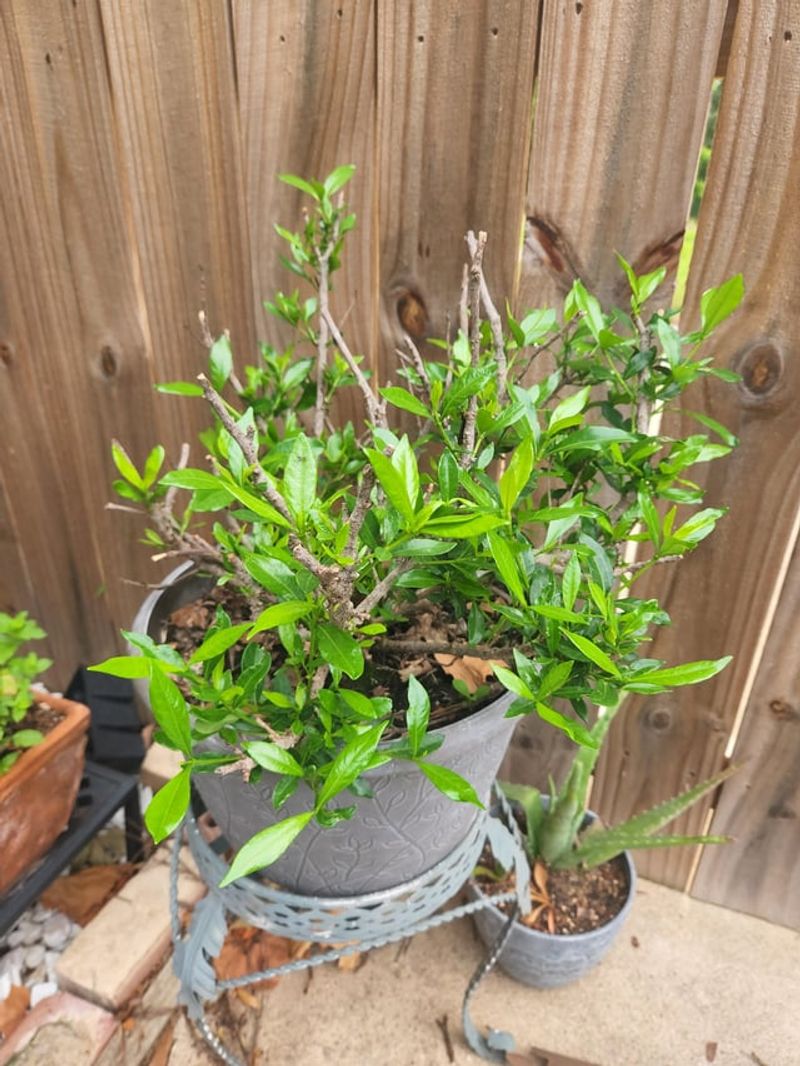
Gardenias growing throughout Georgia remain evergreen through winter, tempting gardeners to prune them in February when other shrubs get trimmed. However, these fragrant favorites set their flower buds during fall and winter, carrying them into spring when they’ll open into creamy white blooms.
Cutting branches in February removes those developing buds, and it can also trigger tender new growth that suffers damage if late freezes strike before spring truly settles in.
The ideal pruning window for gardenias opens after their main bloom period ends, typically in July or early August across Georgia. This timing gives the plant plenty of time to produce new growth and set buds for the following spring without risking frost damage to tender shoots.
February cuts can also stress gardenias just as they’re preparing to bloom, diverting energy away from flower production and into wound healing instead.
Georgia’s unpredictable late winter weather creates additional risks for gardenias pruned too early, since warm spells often trick plants into pushing out new growth that gets damaged when temperatures drop again. If your gardenia absolutely needs attention in February, limit yourself to removing only damaged or non-viable wood rather than shaping the entire plant.
Wait until after the spring bloom show finishes to do any significant pruning. Your patience will be rewarded with both the current season’s flowers and healthy growth that produces abundant blooms next year without the setback that early pruning causes.
11. New Growth Risk Increases When Loropetalum Is Cut Now
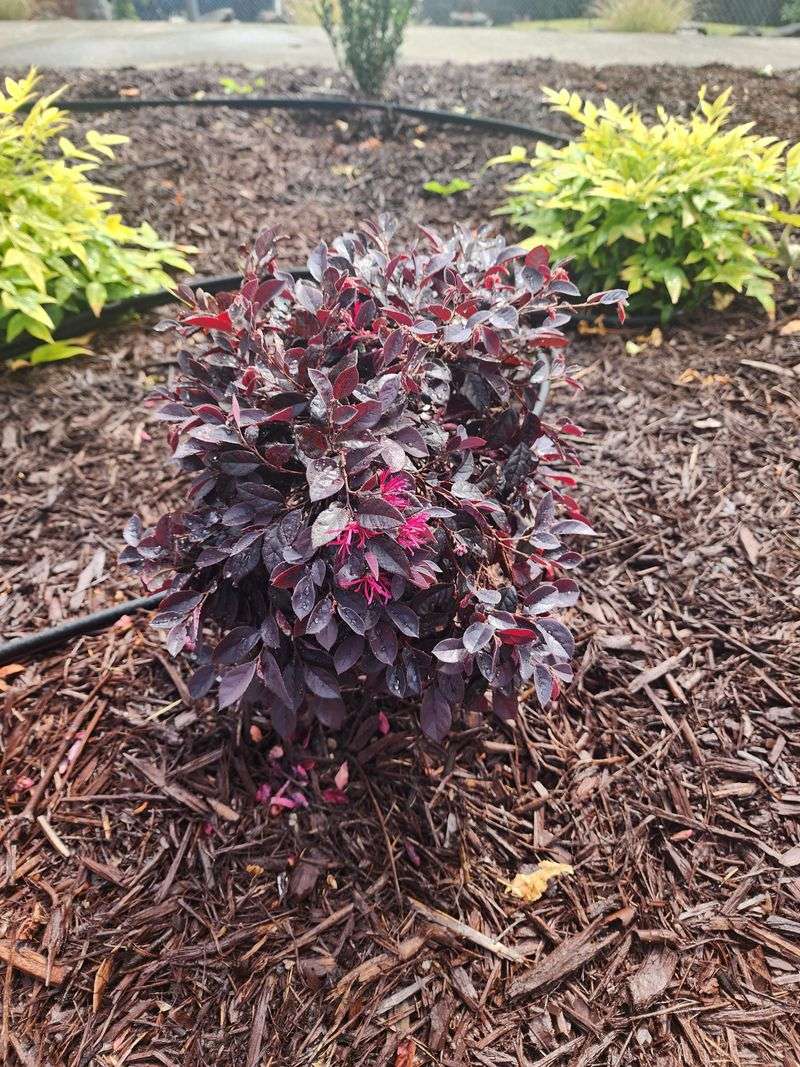
Loropetalum shrubs, whether green-leafed or purple-leafed varieties, bloom in early spring throughout Georgia, with flower buds already formed and waiting by February. Pruning now removes those buds along with the fringe-like pink or white flowers that make these evergreen shrubs so attractive.
These plants also respond to pruning by pushing out tender new growth that can suffer damage if cold weather returns after a warm spell, which happens frequently in Georgia during late winter.
The best time to prune loropetalum falls right after the spring bloom period finishes, usually in late April or May depending on your location in Georgia. This timing preserves the current season’s flower display while giving the plant the entire growing season to produce and harden off new growth before winter returns.
February pruning disrupts this natural cycle, potentially costing you flowers and creating vulnerability to cold damage on fresh shoots.
Many Georgia gardeners choose loropetalum specifically for its early spring color, making February pruning particularly counterproductive since it eliminates the main reason for growing these shrubs. If your loropetalum has outgrown its space, you’ll need to decide whether immediate size control matters more than this year’s blooms.
Branches that show no signs of life can be removed at any time without affecting flowering, but pruning intended to shape the plant or reduce its size should wait until after blooms fade.
The trade-off for waiting is a full display of blooms followed by vigorous new growth that has months to mature before facing winter weather again.