These 7 Plants Bring Positive Energy To California Gardens Instantly
Some plants do more than fill space, they change the entire feel of a garden. Step outside and suddenly the air feels fresher, the space calmer, and everything a little more alive.
In California gardens, certain plants are known for their uplifting presence, vibrant growth, and soothing fragrance, creating an atmosphere that feels welcoming and full of good energy. The right choices can instantly shift the mood of your outdoor space!
Many are also drought tolerant, sun loving, and perfectly suited to California’s climate, which makes them as practical as they are powerful.
A few thoughtful additions can turn an ordinary yard into a place that feels peaceful, lively, and inspiring every time you step outside.
Sometimes, the right plant really can change everything.
1. Jasmine (Jasminum spp.)
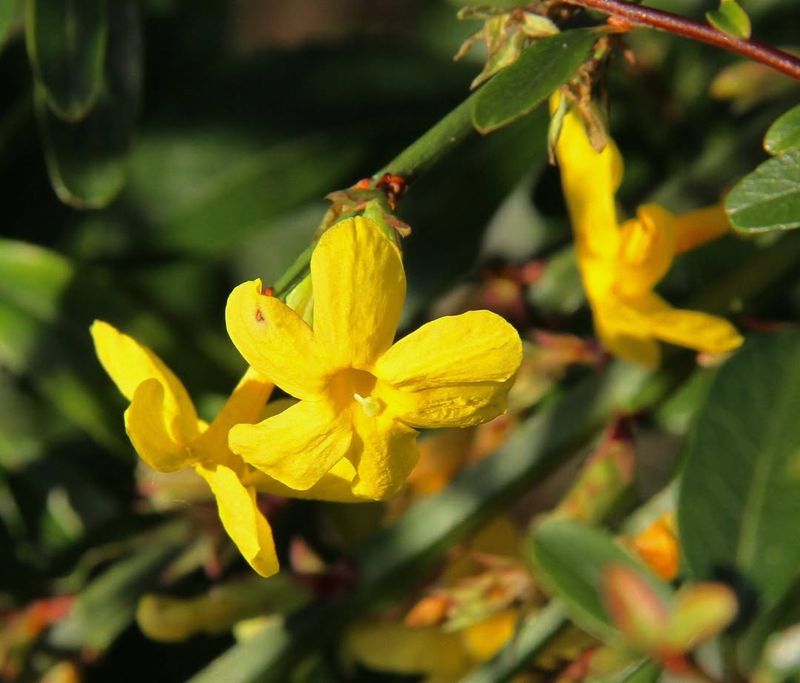
Evening air filled with sweet jasmine fragrance transforms an ordinary patio into a romantic retreat. Jasmine represents love, beauty, and optimism across many traditions.
Star jasmine and Arabian jasmine both thrive in California, offering either vigorous vines or compact shrubs depending on your space.
Plant jasmine in spring after frost danger passes. Most varieties prefer full sun to partial shade, with afternoon shade beneficial in hot inland areas.
Provide well-draining soil enriched with compost for best flowering. Star jasmine tolerates more cold than Arabian jasmine, which prefers frost-free coastal zones.
Water regularly during establishment and throughout the growing season. Jasmine appreciates consistent moisture but not soggy conditions.
Mulch around plants to retain soil moisture and regulate temperature. Container growing works well for Arabian jasmine, allowing you to move plants indoors during cold snaps.
Train vining types on trellises, fences, or arbors for vertical interest. Prune after flowering to control size and encourage bushier growth.
Avoid heavy pruning in fall, which reduces next season’s blooms.
Common mistakes include planting in deep shade where flowering diminishes, or neglecting to provide support for climbing varieties. Feed lightly in spring with balanced fertilizer.
Your jasmine will create an uplifting sensory experience that makes your garden feel like a personal sanctuary.
2. Lavender (Lavandula spp.)
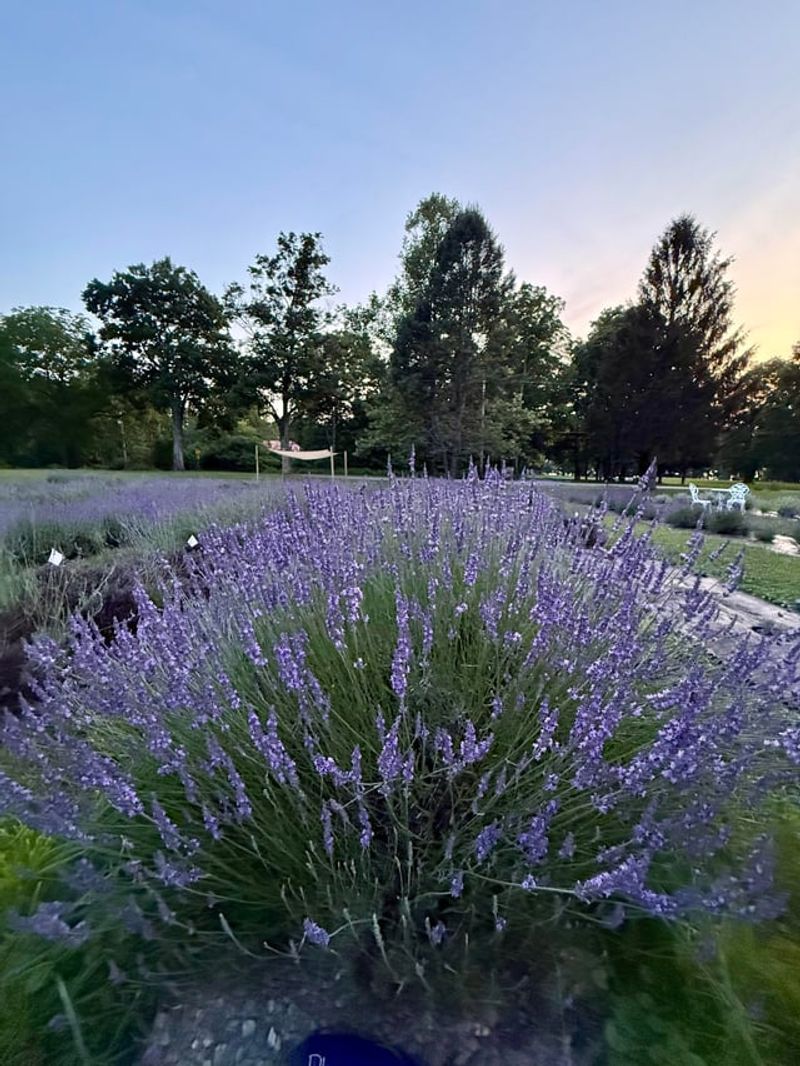
Walking past a row of blooming lavender instantly changes your mood. The calming fragrance drifts through the air, and those soft purple spikes sway gently in the breeze.
For centuries, people have grown lavender for its connection to tranquility, relaxation, and mental clarity.
California’s climate is nearly perfect for lavender. Plant it in fall or early spring when temperatures are mild.
Choose a spot with full sun, at least six hours daily. Lavender demands excellent drainage, so amend heavy clay soils with sand or plant in raised beds.
Water deeply but infrequently once established. Overwatering is the most common mistake and leads to root rot.
Coastal gardeners can water less often than inland growers due to natural moisture in the air. Container planting works beautifully if you use terracotta pots with drainage holes.
Prune lightly after blooming to maintain shape and encourage new growth. Avoid cutting into old woody stems.
English lavender varieties tolerate more cold, while Spanish and French types thrive in warmer inland areas. Your lavender will attract pollinators while creating a soothing garden atmosphere year after year.
Your California Garden Changes Every Week. Your Plan Should Too.
Gardening in California changes quickly throughout the season. Every Friday you’ll receive a simple weekly plan showing exactly what to plant, prune, fertilize, harvest, and protect so you never miss the right timing.
3. Sage (Salvia spp.)
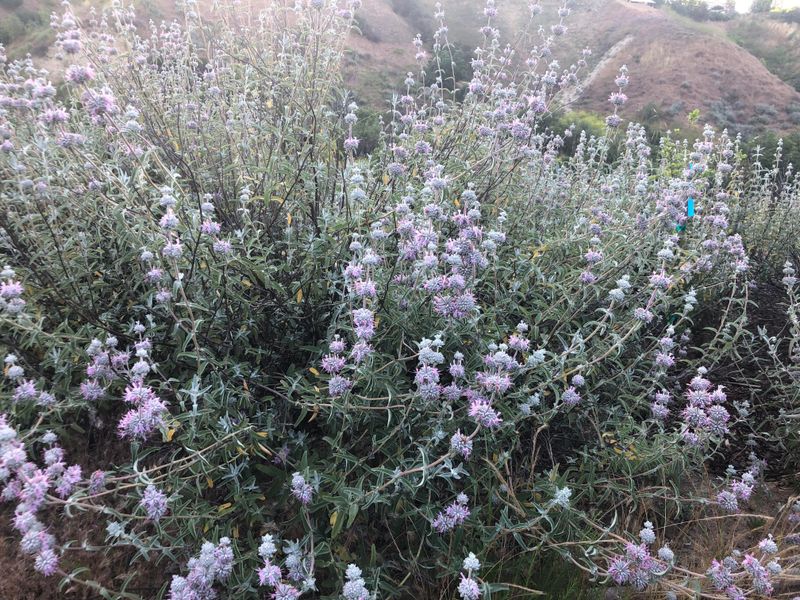
Hummingbirds darting between vibrant blooms signal a thriving garden ecosystem. Sage has been treasured across cultures as a symbol of wisdom, protection, and positive transformation.
California natives like Cleveland sage and hummingbird sage fit perfectly into water-wise landscapes while supporting local wildlife.
Plant sage in fall for best root establishment before summer heat arrives. Full sun is essential for compact growth and abundant flowering.
These plants tolerate various soil types but absolutely require good drainage to prevent fungal issues.
Once established, most sage varieties need minimal supplemental water, perhaps once or twice monthly in hot inland areas. Coastal gardens may not need any summer irrigation after the first year.
This makes sage ideal for drought-conscious homeowners.
Avoid planting sage in heavy shade or overly rich soil, which causes leggy growth and fewer flowers. Deadhead spent blooms to encourage continuous flowering throughout the season.
Many varieties provide year-round structure with aromatic foliage that releases fragrance when brushed.
Space plants according to mature size, some salvias spread wide. Container growing works well for smaller varieties.
Your sage will create an uplifting, wildlife-friendly space that requires little maintenance once established.
4. Rosemary (Salvia rosmarinus)
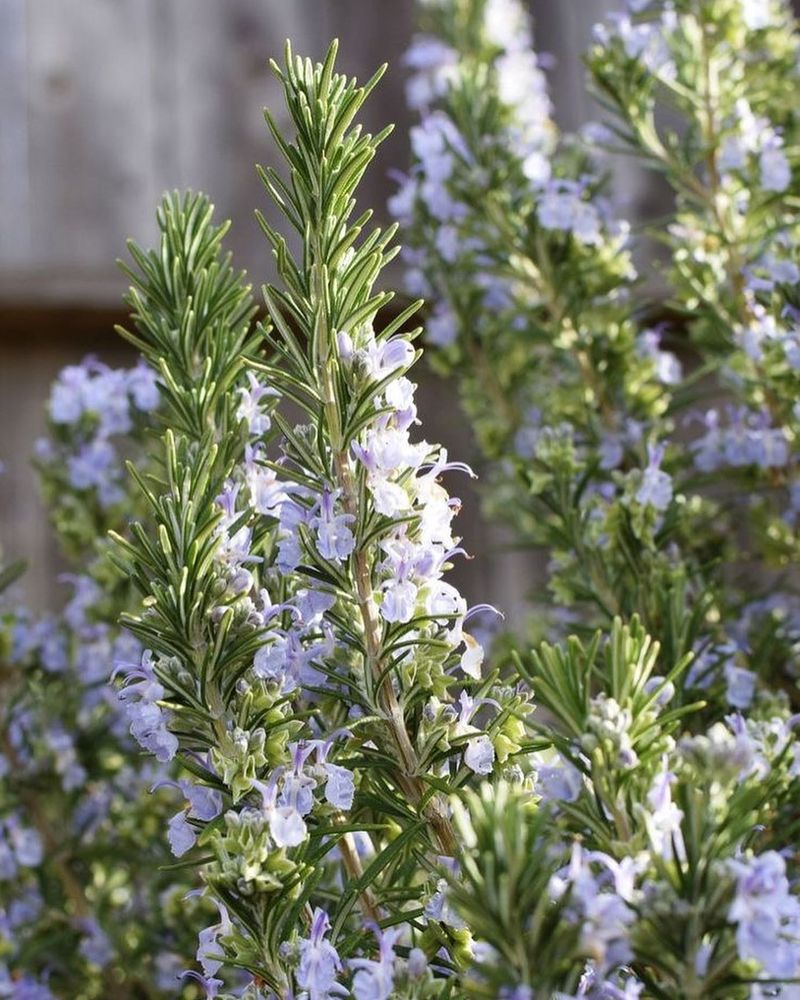
Brushing your hand across rosemary releases an invigorating scent that sharpens focus and lifts spirits. This evergreen herb symbolizes remembrance, loyalty, and mental clarity.
Beyond its culinary uses, rosemary creates structural beauty in California gardens while requiring remarkably little care.
Plant rosemary any time except during extreme heat. It thrives in full sun with well-draining soil.
Avoid planting in low spots where water collects. Established rosemary tolerates drought exceptionally well, making it perfect for water-wise landscapes throughout the state.
Water deeply every two to three weeks once roots are established. Overwatering causes more problems than underwatering with this tough Mediterranean native.
Coastal gardeners benefit from natural humidity, while inland growers should water slightly more frequently during intense heat waves.
Choose upright varieties for hedges or trailing types for cascading over walls and containers. Prune regularly to maintain shape and harvest fresh sprigs for cooking.
Avoid cutting into bare wood, as rosemary struggles to regenerate from old growth.
Common mistakes include planting in shade or rich, moisture-retentive soil. Both lead to weak, disease-prone plants.
Give rosemary lean soil, bright sun, and occasional neglect, and it will reward you with fragrant foliage and delicate blue flowers that attract beneficial insects.
5. California Poppy (Eschscholzia californica)
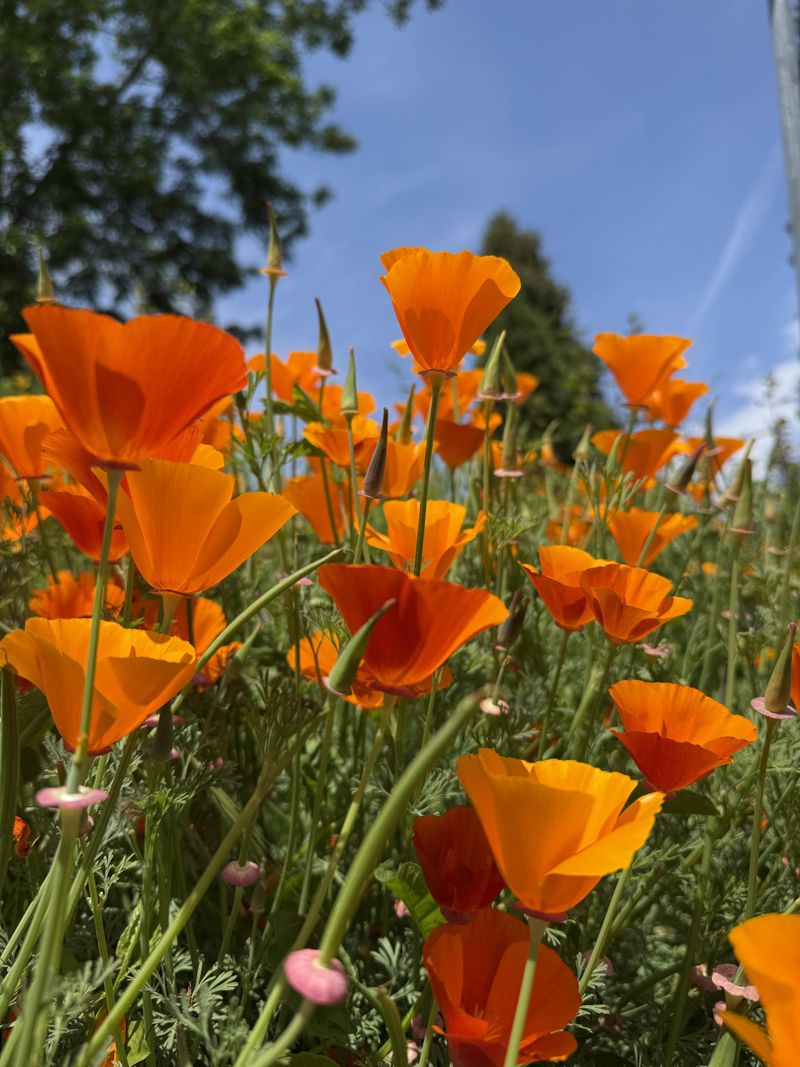
Hillsides covered in golden-orange blooms signal spring’s arrival across California. As the state flower, California poppies symbolize hope, renewal, and natural beauty.
These cheerful wildflowers require almost no care once established, making them perfect for busy homeowners who want uplifting color without constant maintenance.
Sow seeds directly in fall for spring blooms, or in early spring for summer flowers. California poppies dislike transplanting due to delicate taproots.
Scatter seeds over bare soil, rake lightly, and water gently. They prefer full sun and tolerate poor, rocky soil better than rich garden beds.
Water sparingly once seedlings emerge. Established poppies need virtually no supplemental irrigation, thriving on natural rainfall alone in most areas.
Overwatering causes fewer flowers and encourages fungal problems. These true California natives evolved for our dry summers.
Deadheading extends blooming but isn’t necessary. Allow some flowers to set seed for self-sowing next year.
Poppies close at night and on cloudy days, opening fully in bright sunshine. This natural behavior adds dynamic interest to your garden.
Avoid planting in heavy clay or amended soil, which holds too much moisture. Skip fertilizer entirely, rich soil produces leafy growth with fewer blooms.
Let California poppies naturalize in meadow-style plantings or along pathways where their cheerful faces create instant positive energy.
6. Aloe Vera
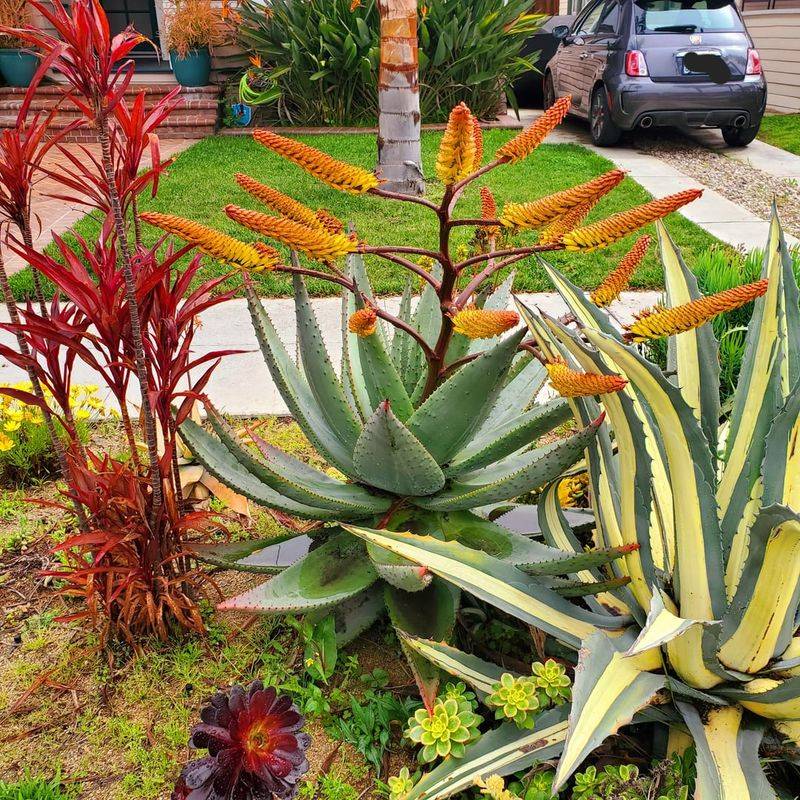
Succulents offer year-round architectural beauty while symbolizing healing, protection, and resilience. Aloe vera’s thick, gel-filled leaves have been valued for centuries, and this easy-care plant brings both practical benefits and calming presence to California gardens.
Its sculptural form adds modern elegance to any landscape style.
Plant aloe vera in spring or summer when growth is most active. It thrives in full sun along the coast but appreciates afternoon shade in hot inland areas.
Use fast-draining cactus mix or amend regular soil heavily with sand and perlite. Aloe tolerates rocky, poor soil beautifully.
Water deeply but infrequently, every two to three weeks during warm months, less in winter. Allow soil to dry completely between waterings.
Overwatering causes root rot, the most common cause of aloe failure. Container growing is ideal, allowing you to control drainage and move plants during rare freezes.
Aloe produces tall flower spikes with tubular orange or yellow blooms that hummingbirds love. Remove spent flower stalks at the base.
Pups (baby plants) form around the mother plant and can be separated for propagation or left to create clusters.
Avoid planting in heavy shade or constantly moist areas. Aloe needs minimal fertilizer, once annually with diluted succulent food is plenty.
This low-maintenance plant creates a peaceful, healing presence while requiring almost no care once established in your California garden.
7. Peace Lily (Spathiphyllum spp.)
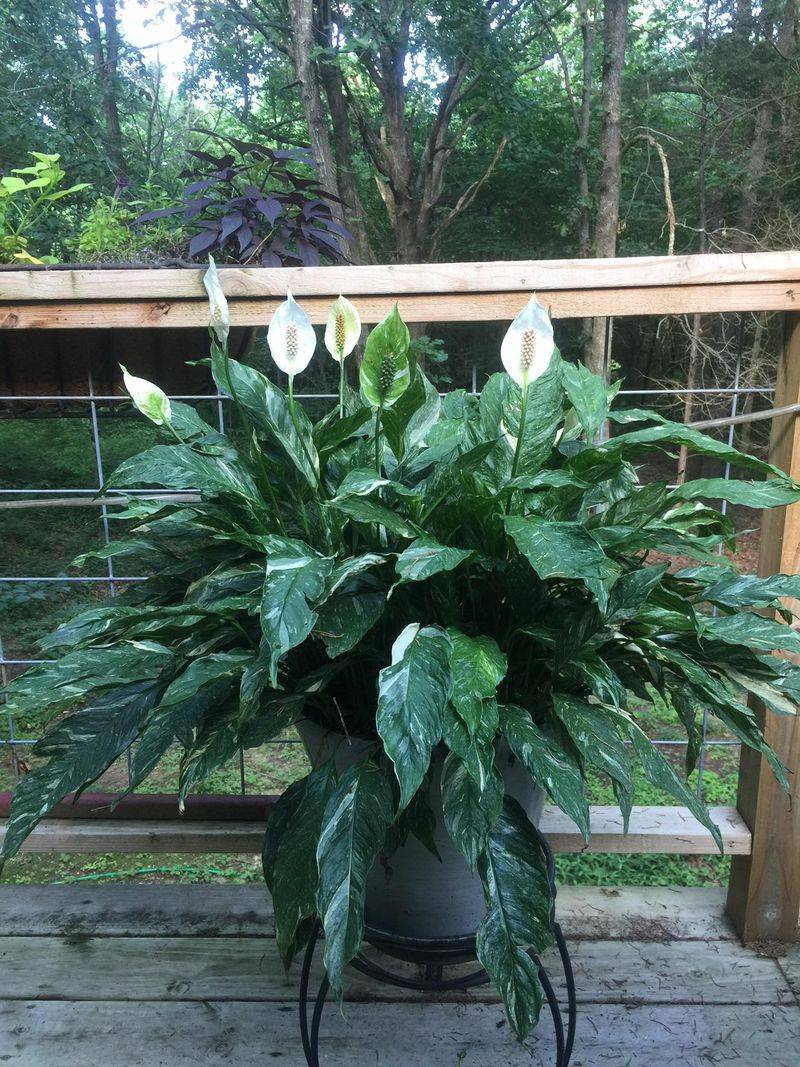
Shaded corners and indoor spaces deserve uplifting greenery too. Peace lilies symbolize tranquility, harmony, and fresh beginnings.
While most California gardens focus on sun-lovers, these tropical beauties thrive in low-light conditions where few other flowering plants succeed. They bring elegant white blooms and lush foliage to spaces that might otherwise feel forgotten.
Peace lilies are primarily indoor or covered patio plants in California. They tolerate outdoor growing only in frost-free coastal areas with complete shade and high humidity.
Most homeowners grow them in containers indoors near bright, indirect light. Avoid direct sun, which scorches leaves.
Use rich, well-draining potting soil and keep it consistently moist but never waterlogged. Peace lilies dramatically wilt when thirsty but recover quickly after watering, a helpful visual reminder.
Increase humidity by grouping plants together or placing pots on pebble trays with water.
White spathes (modified leaves, not true flowers) emerge throughout the year under good conditions. Remove spent blooms at the base to encourage new growth.
Wipe leaves monthly with a damp cloth to remove dust and maintain their glossy appearance.
Common mistakes include placing peace lilies in cold drafts or allowing roots to sit in standing water. They prefer temperatures between 65-80 degrees Fahrenheit.
Feed monthly during growing season with diluted houseplant fertilizer. Your peace lily will create a calming, positive atmosphere in shaded spaces where most plants struggle to thrive.