Plant This One California Wildflower And Enjoy Blooms Every Year
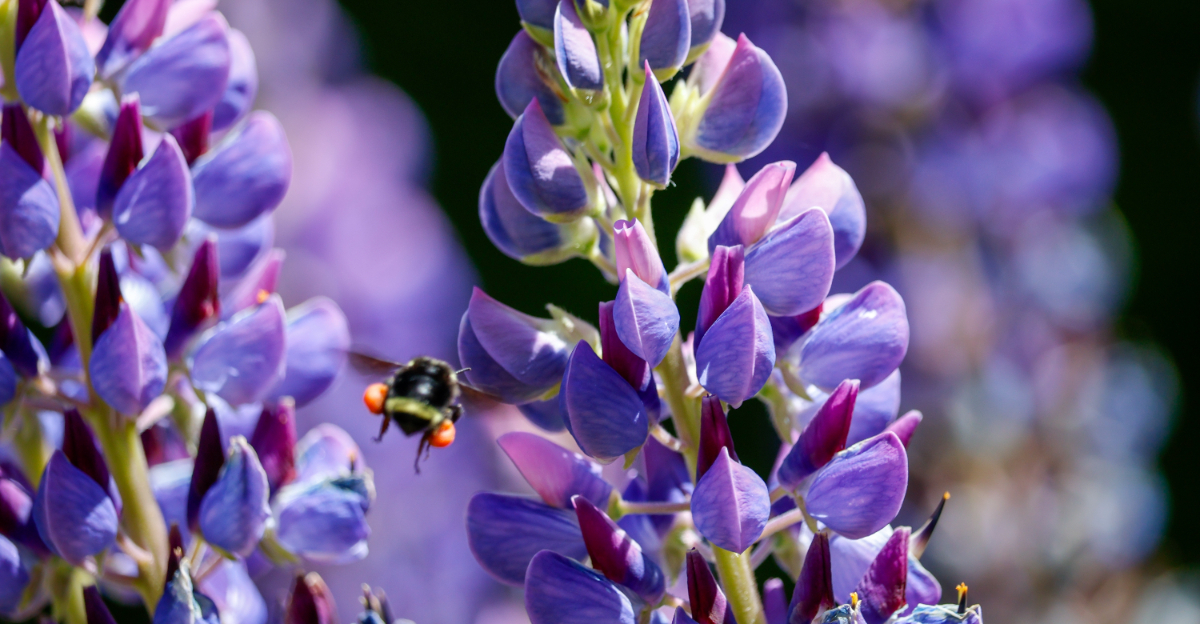
Some wildflowers come and go, but lupine has a way of returning year after year like a little piece of spring magic.
With its tall, colorful spires of blue, purple, pink, and white, this California native can transform an ordinary patch of soil into a vibrant burst of life.
Beyond its beauty, lupine is tough, drought tolerant, and perfectly adapted to California’s climate, often reseeding itself and spreading naturally once it feels at home.
It also supports pollinators and improves soil, quietly giving back while putting on a stunning seasonal show.
Plant it once in the right spot, and each spring your garden wakes up with waves of color, texture, and wildflower charm that feel effortless and completely natural.
1. Why Lupine Loves California
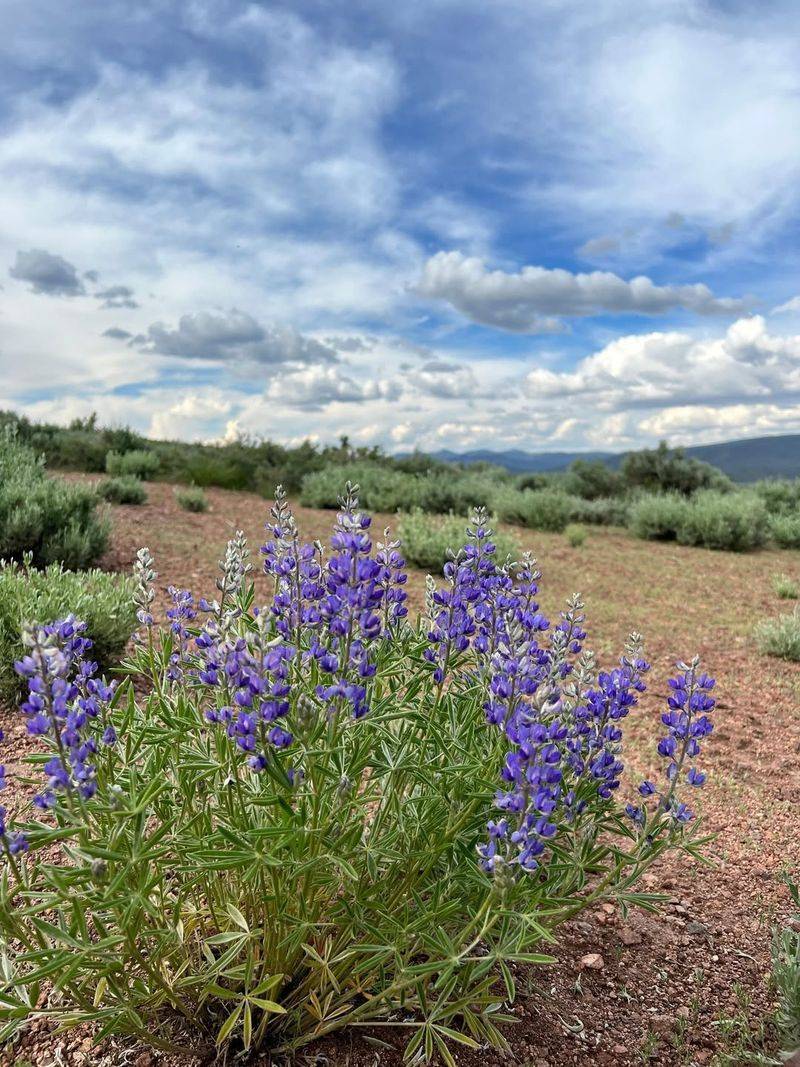
California’s winter rains trigger lupine seeds to sprout, creating a natural cycle that repeats annually without your intervention. The plant follows a growth pattern perfectly synchronized with our Mediterranean climate.
Rain arrives in November or December, seeds germinate by January, and blooms appear from March through May depending on your location.
Many homeowners mistakenly believe all wildflowers are annuals that die completely after blooming. While some lupine species are indeed annual, several California natives like Lupinus arboreus (coastal bush lupine) and Lupinus albifrons (silver lupine) are perennials.
These varieties develop woody stems and deep taproots that survive summer dormancy. They return from the same root system year after year, growing larger and producing more flower spikes with each season.
Annual lupine species like Lupinus succulentus still return reliably through reseeding rather than root survival. After flowering, seed pods dry and split open, scattering seeds across your garden.
These seeds lie dormant through hot summer months, protected by hard seed coats. When winter moisture arrives, germination begins again.
This self-perpetuating cycle means your garden fills with lupine blooms annually once you establish the initial plants, whether from perennial roots or annual reseeding.
2. Lupine Also Improves Soil Naturally
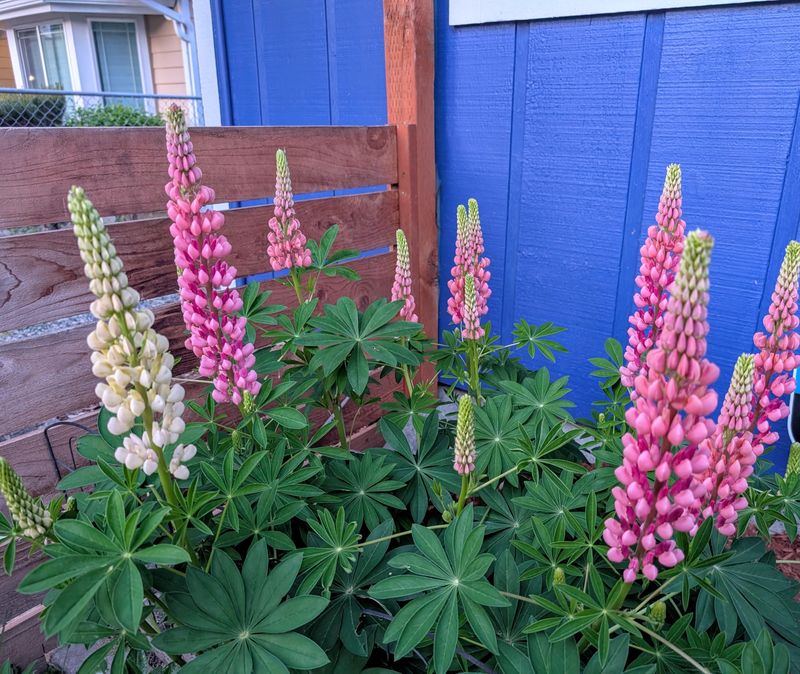
Your garden soil gains a valuable nutrient boost every time you plant lupine. These wildflowers belong to the legume family, which means they partner with specialized bacteria to capture nitrogen from the air.
Tiny nodules form on lupine roots, housing Rhizobium bacteria that convert atmospheric nitrogen into forms plants can absorb and use for growth.
Most California garden soils lack sufficient nitrogen, especially in newer developments or areas with depleted earth. Chemical fertilizers provide temporary fixes but don’t build long-term soil health.
Lupine creates a sustainable nitrogen source that benefits surrounding plants for years. When lupine leaves drop in summer or when annual varieties die back, this nitrogen-rich organic matter decomposes and enriches your soil naturally.
Homeowners often spend considerable money on fertilizers without realizing native plants can do this work for free. Planting lupine near other wildflowers, native grasses, or even vegetable gardens improves overall soil fertility.
Coastal gardens with sandy soil particularly benefit since sand drains nutrients quickly. The deep taproots of perennial lupine species also break up compacted soil layers, improving drainage and creating channels for water and air.
Your California Garden Changes Every Week. Your Plan Should Too.
Gardening in California changes quickly throughout the season. Every Friday you’ll receive a simple weekly plan showing exactly what to plant, prune, fertilize, harvest, and protect so you never miss the right timing.
This natural soil conditioning makes your entire garden healthier and more drought-resilient over time.
3. Pollinators Love Lupine Flowers
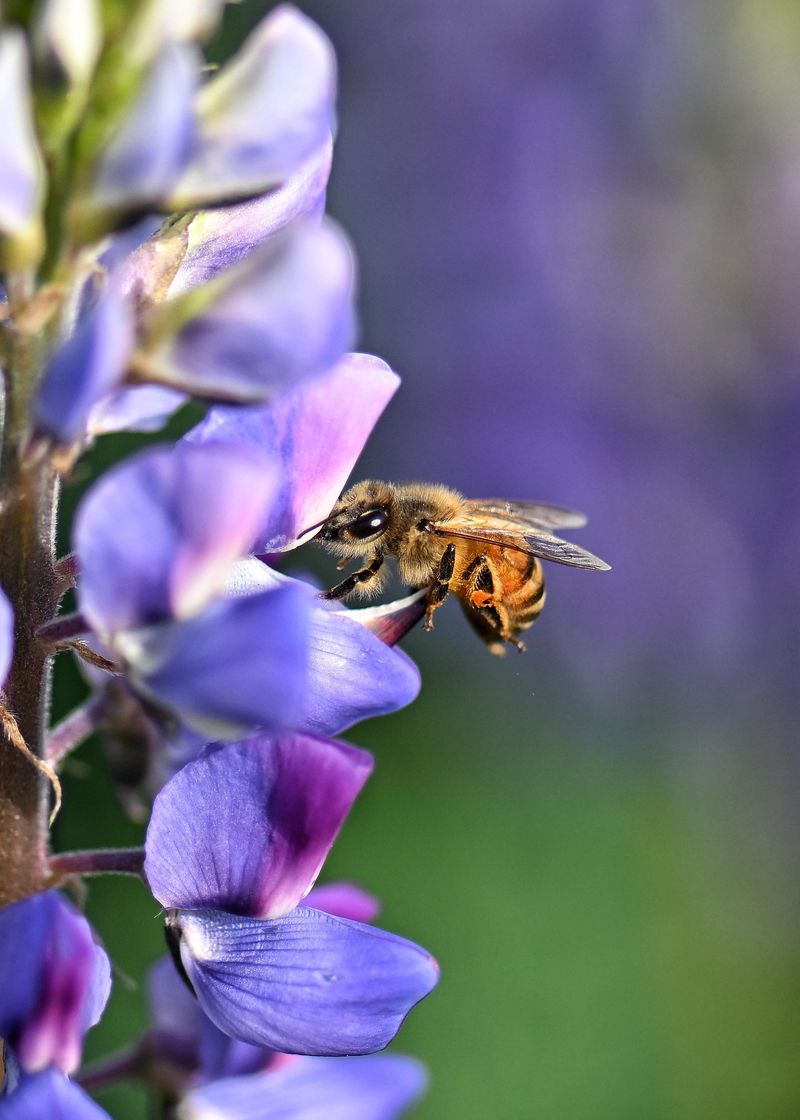
Bumblebees circle lupine blooms from dawn until dusk during peak flowering season. The tubular flower shape evolved specifically to accommodate these important pollinators.
Each lupine spike contains dozens of individual flowers that open progressively from bottom to top, providing weeks of continuous nectar and pollen resources when many other plants haven’t bloomed yet.
California’s native bumblebee populations face serious habitat loss and food scarcity. Early spring often presents a critical gap when pollinators emerge from winter dormancy but find few flowers available.
Lupine fills this gap perfectly, blooming in March and April when bees desperately need nutrition. The flowers’ landing platform design guides bees to nectar while ensuring they contact pollen, making feeding efficient for insects and pollination effective for plants.
Beyond bumblebees, lupine attracts numerous butterfly species including blues, hairstreaks, and skippers. Some butterflies lay eggs directly on lupine foliage, making these plants essential host species for caterpillar development.
The endangered Mission Blue butterfly depends entirely on lupine for reproduction. By planting lupine in your garden, you support entire pollinator lifecycles rather than just providing temporary nectar.
This creates a truly functional wildlife habitat, not merely decorative landscaping, helping restore California’s declining pollinator populations.
4. Where Lupine Grows Best
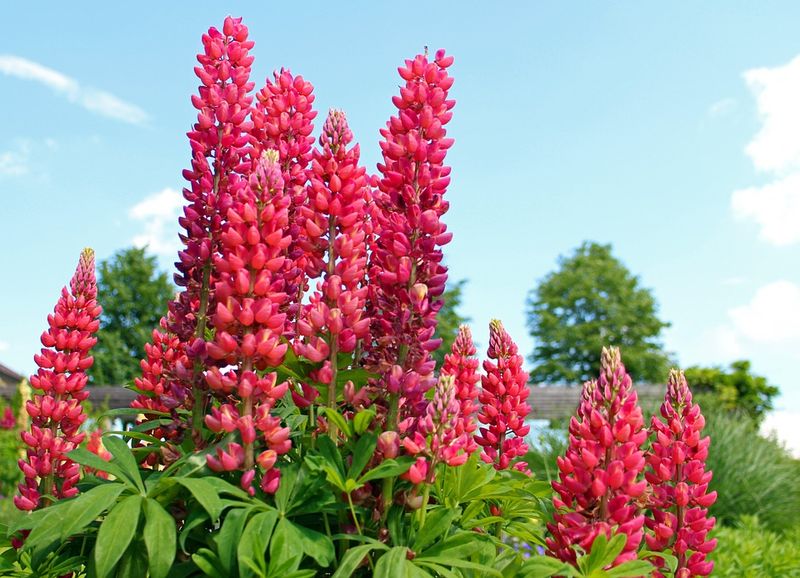
Full sun locations with excellent drainage create optimal lupine growing conditions. These wildflowers evolved on California hillsides, grasslands, and coastal bluffs where water never pools and sunlight reaches plants throughout the day.
Your garden needs to replicate these conditions for reliable lupine performance. South-facing slopes, raised beds, or naturally elevated areas work perfectly.
Homeowners with heavy clay soil often struggle with lupine since poor drainage causes root rot during winter rains. The solution involves amending planting areas with decomposed granite, pumice, or coarse sand to improve water movement.
Avoid adding compost or organic matter, which retains moisture that lupine roots dislike. Creating a slightly mounded planting bed ensures excess water drains away from crowns.
Even a six-inch elevation change significantly improves survival rates in clay-heavy gardens.
Coastal regions can grow lupine successfully in areas receiving morning sun and afternoon shade, especially in southern California where heat intensity increases. Inland valleys and foothill gardens need full sun exposure since cooler winter temperatures and lower humidity reduce heat stress.
Avoid planting lupine under trees or near irrigation systems serving lawns or thirsty ornamentals. Excess summer water destroys established lupine more reliably than drought.
Choose locations away from regular watering zones, allowing plants to follow their natural dormancy cycle undisturbed.
5. Grow Strong, Happy Lupine
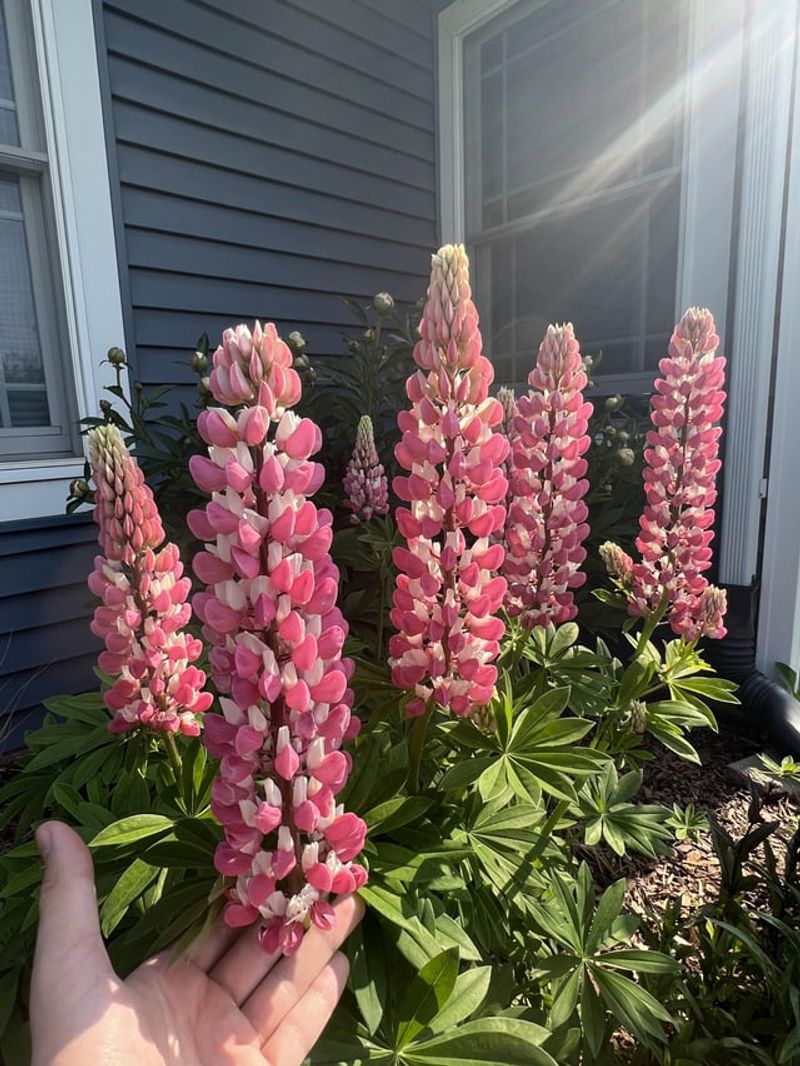
Lupine seeds have extremely hard coats that prevent water penetration and delay germination. Scarification breaks this barrier and dramatically improves sprouting success.
Rub seeds gently with sandpaper, nick them carefully with a knife, or soak them overnight in room-temperature water. This simple step can increase germination rates from thirty percent to over eighty percent.
Scatter scarified seeds directly onto prepared soil rather than burying them deeply. Lupine seeds need some light exposure to germinate properly.
Rake seeds lightly into the top quarter-inch of soil, ensuring contact without deep coverage. Space seeds about six inches apart, knowing not every seed will sprout.
Water gently after planting only if rain hasn’t arrived within a week. Once winter rains begin, stop all supplemental watering completely.
First-year lupine focuses energy on root development rather than flowering. Small plants may produce just one or two flower spikes, which disappoints some gardeners expecting immediate spectacular displays.
Resist fertilizing or overwatering to force faster growth. These interventions actually weaken plants and reduce long-term survival.
Second-year plants produce significantly more blooms as root systems mature. After flowering concludes, do not deadhead unless you want to prevent reseeding.
Allow seed pods to mature and scatter naturally. Summer watering destroy established lupine, so ignore plants during dormancy even when they look completely gone.
6. How To Encourage Natural Reseeding
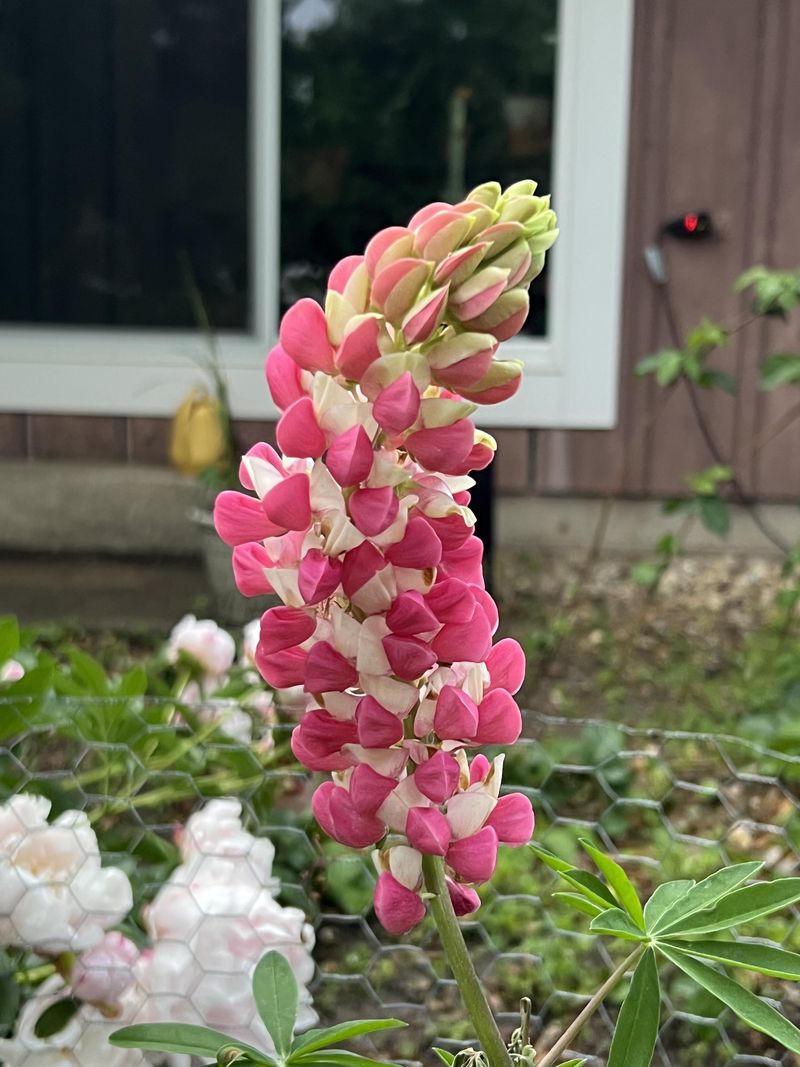
Seed pod development begins immediately after lupine flowers fade in late spring. Green pods swell along the flower spike, gradually turning tan and papery as seeds mature inside.
Patience during this stage determines whether your lupine population expands or disappears. Many gardeners cut down spent flower stalks too early, removing seeds before they’re viable.
Allow pods to dry completely on standing plants, which usually takes four to six weeks after the last flowers fade. Pods will eventually split open with an audible pop on hot days, flinging seeds several feet from the parent plant.
This natural dispersal mechanism spreads lupine throughout your garden without your intervention. Resist the urge to tidy up bad-looking stalks during summer.
Those brown stems are actively distributing next year’s plants.
You can collect some seeds for controlled planting in new areas while leaving others to scatter naturally. Wait until pods turn completely brown and begin cracking open, then cut seed-bearing stalks and place them in paper bags.
Shake gently to release seeds. Store collected seeds in a cool, dry location until fall planting time.
Avoid plastic bags or containers, which trap moisture and cause mold. For natural reseeding areas, minimize soil disturbance during summer and fall.
Raking or heavy foot traffic buries seeds too deeply for successful germination. Light surface scratching in October helps scattered seeds make soil contact.
7. Don’t Make These Lupine Mistakes
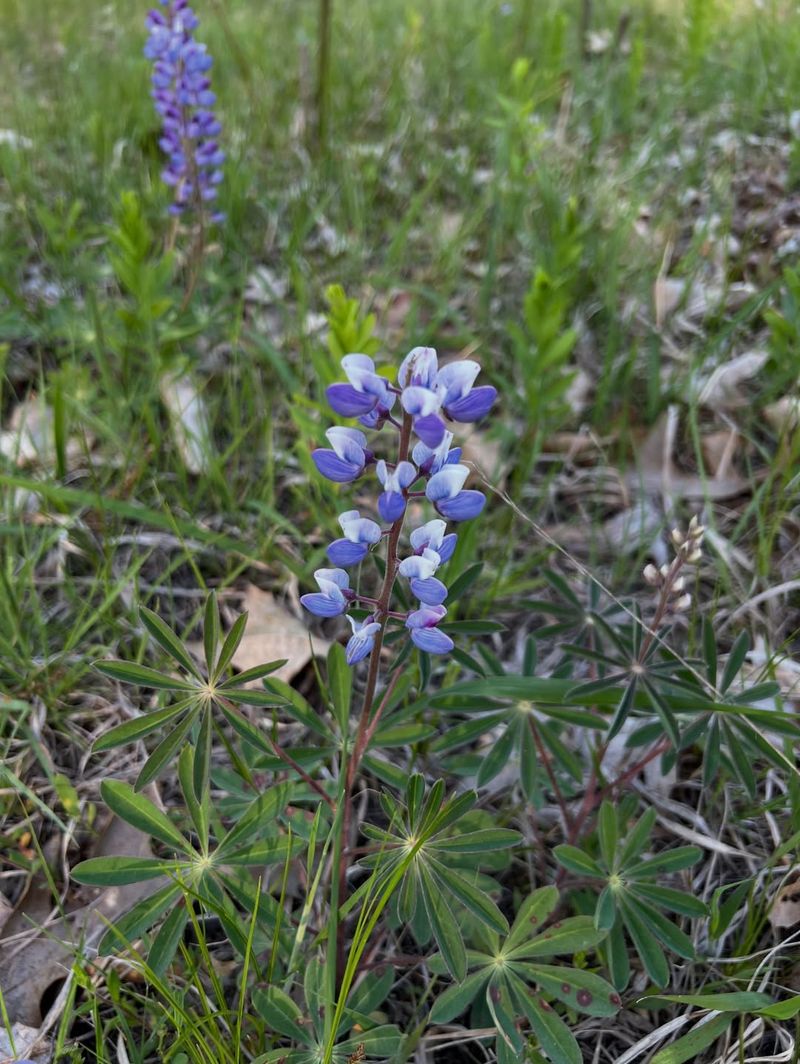
Summer watering represents the single most common cause of lupine failure in California gardens. Well-meaning gardeners see plants die back after flowering and assume they need water.
Lupine evolved to go completely dormant during California’s dry season, surviving on stored root reserves until winter rains return. Irrigating dormant lupine encourages fungal diseases that rot roots and crowns.
Plants watered through summer rarely survive to see another spring.
Excessive soil fertility also prevents lupine from thriving long-term. These plants adapted to nutrient-poor soils and actually perform worse in rich, amended earth.
High nitrogen levels from fertilizers or compost cause excessive leafy growth at the expense of flowers. Plants become floppy, weak-stemmed, and susceptible to pests.
Lupine naturally creates its own nitrogen, requiring no supplemental feeding whatsoever. Plant them in unamended native soil for best results.
Planting lupine too close to lawn irrigation systems or water-loving ornamentals creates incompatible moisture conditions. Lupine needs bone-dry summers while lawns require regular watering.
Position lupine in dedicated dry zones away from irrigation coverage. Another frequent mistake involves starting with nursery plants in spring rather than fall-sown seeds.
Spring transplants face immediate heat stress and rarely establish successfully. Finally, removing all seed heads for neatness eliminates the reseeding that maintains annual lupine populations.
Leave some pods to mature and scatter naturally.