8 Garden Tasks North Carolina Homeowners Should Do In Late Winter And 4 To Avoid
Late winter in North Carolina decides how your garden will perform for the rest of the year. The season feels quiet, but this is when the real groundwork happens.
Soil begins to warm, plants prepare to wake, and small actions now can shape how healthy, productive, and manageable your yard feels once spring arrives. Gardeners who use this window wisely often deal with fewer problems later.
This is the time to clean up beds, refresh mulch, and prepare soil before new growth begins. Pruning certain trees and shrubs now encourages stronger structure, while checking for pests or disease prevents bigger issues in warmer months.
It is also ideal for planting hardy shrubs, dividing perennials, and getting tools and irrigation ready before the first growth surge. Everything moves at a slower pace, which makes the work easier and more effective.
At the same time, some common late winter habits can do more harm than good, and knowing what to avoid matters just as much as what to do.
1. Clean And Inspect Tools
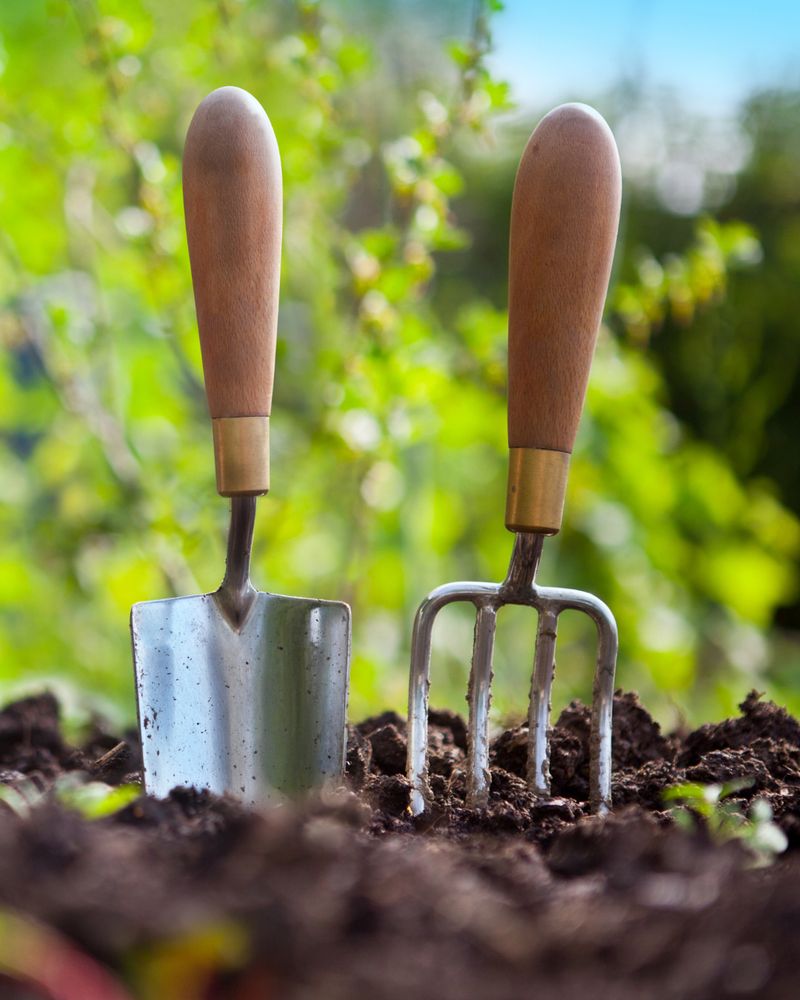
Your garden tools have been through a lot over the past year. Soil, sap, and moisture have built up on blades and handles, creating the perfect environment for rust and plant diseases.
Taking time now to give them proper attention means they’ll be ready when you need them most.
Start by scrubbing off all visible dirt and debris with a stiff brush and warm soapy water. Pay special attention to pruners and shears, which can harbor bacteria and fungi that spread from plant to plant.
A solution of one part bleach to nine parts water works wonders for disinfecting cutting tools.
Sharpening is equally important for clean cuts that heal quickly. Dull blades crush plant tissue instead of slicing cleanly, leaving wounds that invite infection.
Use a file or sharpening stone on pruners, shovels, and hoe blades. The investment of an hour or two now pays off all season long.
Check wooden handles for splinters and apply linseed oil to prevent cracking. Tighten any loose bolts or screws.
Store everything in a dry location where moisture won’t undo your hard work. Well-maintained tools make gardening more enjoyable and effective throughout the growing season ahead.
2. Prune Dormant Trees And Shrubs
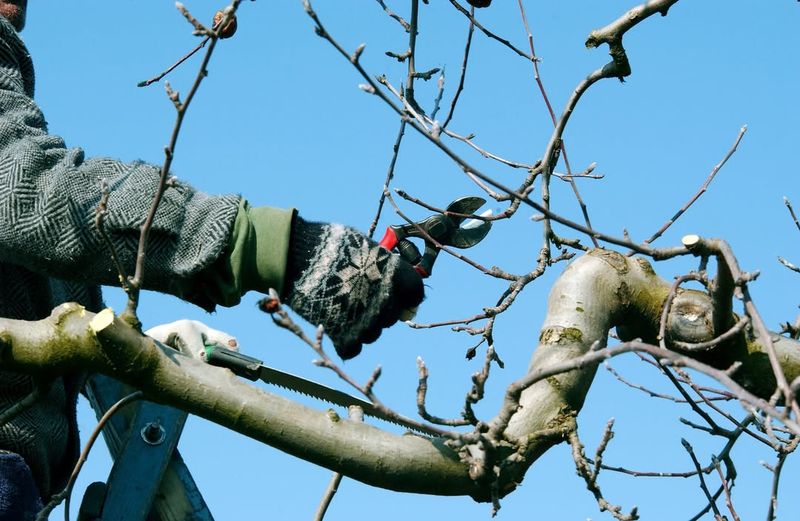
Dormancy gives you a clear view of branch structure without leaves getting in the way. This makes late winter the ideal pruning window for many trees and shrubs.
North Carolina gardeners can tackle apples, peaches, pears, blueberries, and ornamental shrubs while sap flow remains minimal.
Focus first on removing branches that cross or rub against each other. These create wounds that never quite heal and become entry points for insects and disease.
Next, take out any limbs growing straight up or straight down, as these rarely produce well and crowd the canopy.
Fruit trees benefit enormously from thoughtful pruning that opens their centers to sunlight and air circulation. Better airflow means fewer fungal problems come summer.
Aim for a vase shape with main branches radiating outward and upward. Remove about one-quarter to one-third of last year’s growth on peach trees to encourage larger fruit.
Your North Carolina Garden Changes Every Week. Your Plan Should Too.
Gardening in North Carolina changes quickly throughout the season. Every Friday you’ll receive a simple weekly plan showing exactly what to plant, prune, fertilize, harvest, and protect so you never miss the right timing.
Blueberries need different treatment than tree fruits. Cut out the oldest canes at ground level, keeping four to six productive stems of varying ages.
This rotation system keeps bushes vigorous and productive year after year. Always use clean, sharp tools and make cuts at a slight angle just above an outward-facing bud.
3. Plan Your Garden Layout

February days might be short and chilly, but they’re perfect for dreaming about your spring and summer garden. Settling into a comfortable chair with seed catalogs and a notebook lets you design your best garden ever.
Planning now means you’ll order seeds before popular varieties sell out.
Start by reviewing what worked last year and what didn’t. Which vegetables did your family actually eat?
Which plants struggled with pests or diseases? Learning from experience helps you make smarter choices this time around.
Consider crop rotation to keep soil healthy and reduce pest problems. Don’t plant tomatoes where you grew peppers last year, since they’re related and attract similar pests.
Move heavy feeders like corn and squash to spots where you grew beans, which add nitrogen to soil.
Sketch your garden beds on paper, noting which areas get full sun versus partial shade. Match plants to their ideal light conditions.
Think about mature plant sizes and give everything enough room to spread without crowding neighbors. Group plants with similar water needs together for easier irrigation.
Order seeds early from reputable companies that offer varieties suited to North Carolina’s climate. Hybrid tomatoes resistant to common diseases save frustration later. Heirloom varieties offer incredible flavor worth trying in smaller quantities.
4. Start Seeds Indoors
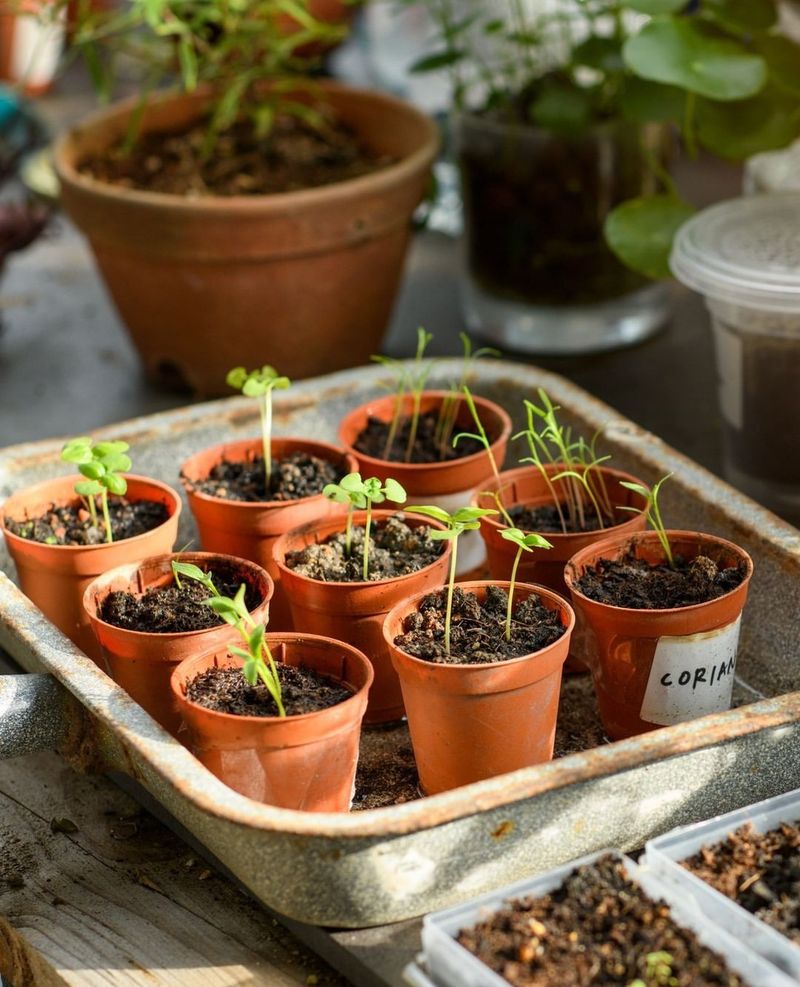
Getting a jump on the growing season means starting certain seeds indoors while winter still holds the garden. Cool-season crops like lettuce, broccoli, cabbage, and onions germinate happily in the controlled environment of your home.
Six to eight weeks before your last frost date is perfect timing for most of these vegetables. Gather clean containers with drainage holes and fill them with quality seed-starting mix. Garden soil is too heavy and may contain weed seeds or diseases.
Specialized mixes stay light and fluffy, giving delicate roots room to develop properly.
Plant seeds at the depth recommended on the packet, usually two to three times their diameter. Tiny lettuce seeds barely need covering, while larger brassica seeds go deeper.
Water gently with a mister to avoid washing seeds away or burying them too deeply. Place trays in a warm spot or use a heating mat to encourage germination. Once sprouts appear, move them to bright light immediately.
A sunny south-facing window works if you rotate trays daily. Fluorescent or LED grow lights positioned just inches above seedlings prevent them from getting leggy and weak.
Keep soil consistently moist but never soggy. Feed with diluted liquid fertilizer once true leaves develop.
Gradually harden off seedlings by exposing them to outdoor conditions before transplanting into the garden.
5. Apply Dormant Sprays To Fruit Trees
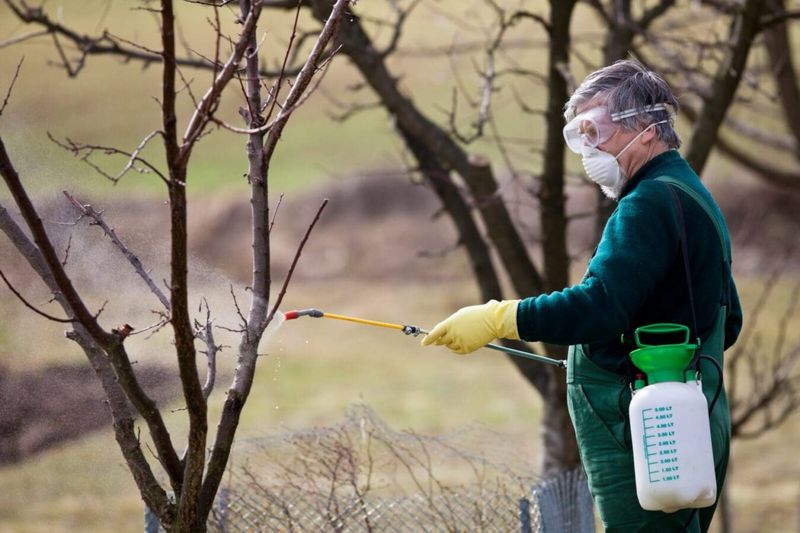
Overwintering pests and disease spores hide in the bark crevices of fruit trees, waiting for spring warmth to emerge. Dormant sprays applied in late winter smother these troublemakers before they can cause problems.
This preventive step dramatically reduces pest pressure throughout the growing season.
Horticultural oil, also called dormant oil, works by coating insect eggs and fungal spores so they suffocate. It’s remarkably effective against scale insects, aphid eggs, and mite eggs.
The oil must contact pests directly to work, so thorough coverage is essential. Apply sprays on a calm, dry day when temperatures will stay above freezing for at least 24 hours. Choose a day between 40 and 70 degrees for best results.
Too cold and the oil won’t spread properly. Too warm and you risk damaging emerging buds.
Mix the product according to label directions and spray until the entire tree glistens, including trunk, branches, and twigs. Pay special attention to branch crotches where pests congregate.
A pump sprayer or hose-end sprayer makes application easier on larger trees. Timing matters tremendously with dormant sprays. Apply too early in winter and you miss late-arriving pests.
Wait too long and buds begin swelling, making trees vulnerable to oil damage. Late February through early March works well across most of North Carolina.
6. Prepare Compost And Garden Beds
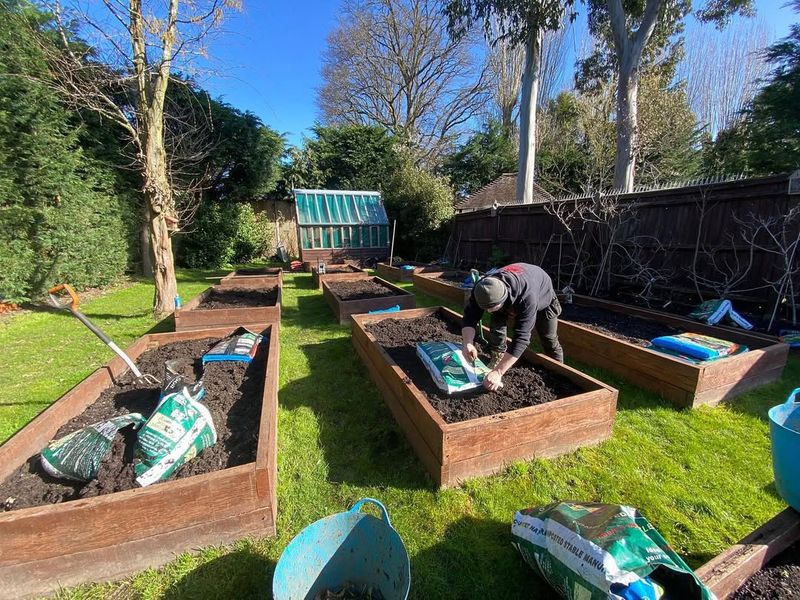
Soil preparation separates mediocre gardens from magnificent ones. Late winter gives you time to enrich beds with organic matter before planting season arrives.
Your plants will reward this effort with vigorous growth and abundant harvests.
Turn your compost pile to mix brown and green materials and speed decomposition. Breaking up clumps and adding moisture if the pile seems dry helps beneficial microbes do their work.
A well-managed pile generates heat even in cool weather, breaking down kitchen scraps and yard waste into black gold.
Spread two to three inches of finished compost over garden beds along with other amendments your soil needs. North Carolina’s clay soils benefit enormously from organic matter, which improves drainage and makes nutrients more available.
Sandy coastal soils gain water-holding capacity and fertility from the same treatment.
Consider getting a soil test through your local extension office to know exactly what your garden needs. Results tell you current pH and nutrient levels, taking the guesswork out of amendments.
Most vegetables prefer slightly acidic soil between 6.0 and 6.8. Work amendments into the top six to eight inches of soil when beds aren’t too wet. Squeezing a handful should form a ball that crumbles easily when poked.
Working soil when it’s too wet creates hard clods that persist all season. Patience now prevents problems later.
7. Check Mulch And Perennials
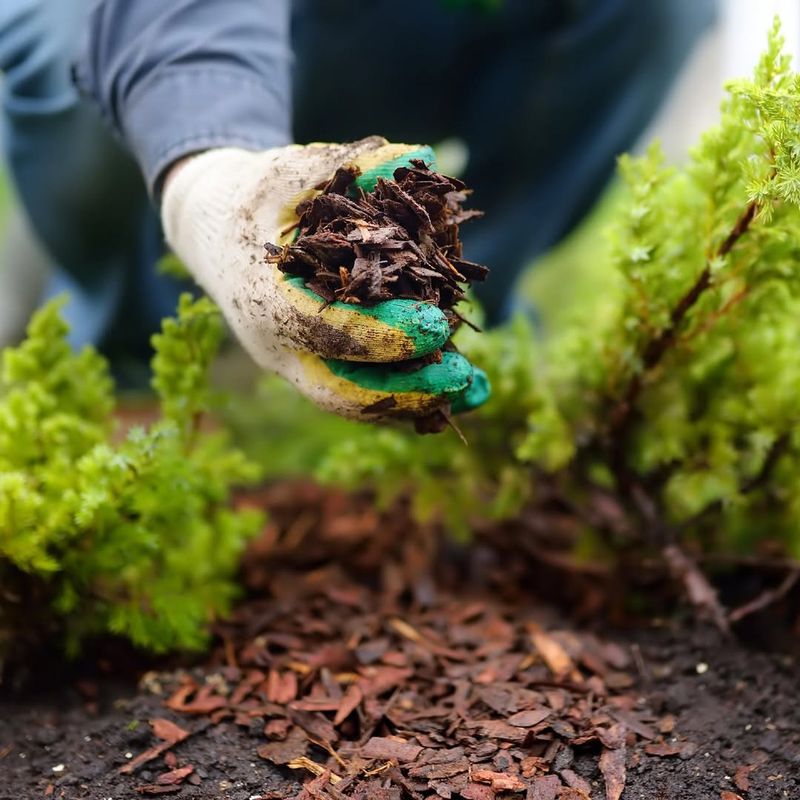
Winter mulch serves an important purpose, but it needs adjustment as spring approaches. Perennials and bulbs pushing through soil can get smothered under too much mulch.
Late winter is the perfect time to check coverage and make necessary changes. Pull mulch back slightly from the crowns of perennials where new growth emerges. Piling mulch against stems creates a moist environment where rot and disease thrive.
Leave an inch or two of clear space around each plant while maintaining mulch between them.
Check the depth of mulch throughout beds. Two to three inches provides good insulation and weed suppression without being excessive.
Areas where mulch has decomposed or blown away need fresh material. Spots with too much need thinning to prevent problems.
Early bulbs like crocuses and daffodils poke through on warm days. Make sure mulch isn’t so thick that it blocks their progress.
These tough plants can push through moderate coverage, but a helping hand speeds their emergence. Their cheerful blooms are worth a few minutes of attention.
Inspect perennials for winter damage while you’re adjusting mulch. Heaving sometimes pushes plant crowns above soil level, exposing roots to drying air and temperature swings.
Gently press affected plants back into the ground and add a thin layer of compost or soil over exposed roots. This simple fix prevents losses from winter stress.
8. Plan For Pest And Wildlife Management
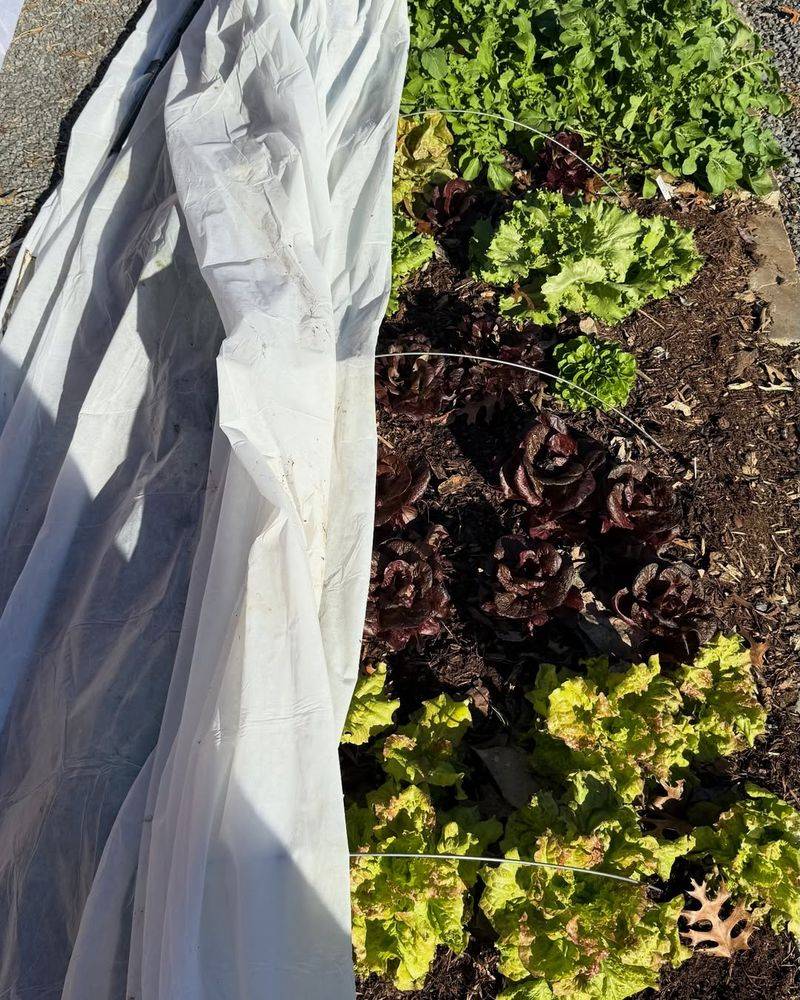
Winter cover provides shelter for more than just beneficial insects. Rodents, rabbits, and overwintering pests also take advantage of garden debris and mulch.
Inspecting now and planning your defense strategy prevents damage when plants start growing.
Walk through your garden looking for signs of vole tunnels, rabbit damage to bark, and places where mice might nest. Voles create visible surface runways through mulch and grass.
Rabbits gnaw bark from young trees and shrubs, especially during harsh winter weather when other food is scarce.
Remove dense vegetation and debris piled against foundations and fences where rodents hide. Store firewood away from the house and garden areas.
Clearing these harborage sites makes your property less attractive to unwanted visitors. Hardware cloth wrapped around tree trunks protects against gnawing damage.
Think about your strategy for common garden pests that will emerge with warmer weather. Will you use row covers to exclude insects from vegetables?
Do you need to order beneficial nematodes for grub control? Planning now means you’ll have supplies on hand when you need them.
Consider installing deer fencing if browsing has been a problem. Young plants are most vulnerable to damage, and prevention is far easier than trying to protect individual plants.
Eight-foot fencing works best, as deer are impressive jumpers. Alternatively, plan to grow plants deer typically avoid.
9. Plant Warm-Season Annuals
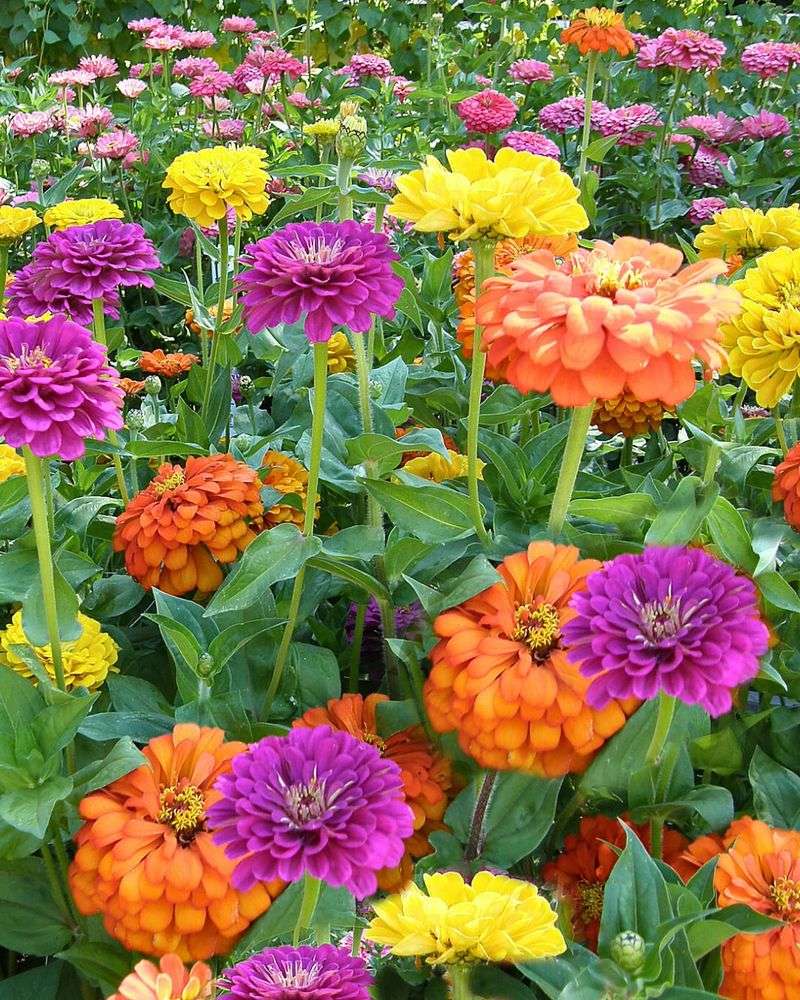
Patience proves difficult when garden centers fill with colorful marigolds, zinnias, and vegetable transplants. These warm-season plants call to us with promises of summer beauty and fresh tomatoes.
Resist the temptation to plant them in late winter, no matter how mild the weather feels. North Carolina’s last frost dates vary from mid-March in coastal areas to late April in the mountains. A single cold snap can destroy tender plants in minutes.
Even if plants survive a light frost, cold stress weakens them and invites disease problems throughout the season.
Warm-season annuals and vegetables need soil temperatures above 60 degrees to thrive. Cold soil stunts root development and leaves plants languishing for weeks.
Tomatoes planted in 50-degree soil just sit there looking miserable. Those same transplants set out three weeks later in warmer soil quickly surpass the early ones.
If you absolutely must buy plants early because of great sales or limited selection, keep them in a protected spot. A sunny porch or cold frame works well for hardening off purchases until planting time arrives.
Water and fertilize them lightly to maintain health without encouraging too much soft growth.
Mark your calendar with your area’s average last frost date and plan to transplant warm-season crops one to two weeks after that date. This timing gives soil a chance to warm up properly and reduces the risk of late cold snaps catching you off guard.
10. Fertilize Perennials With Nitrogen
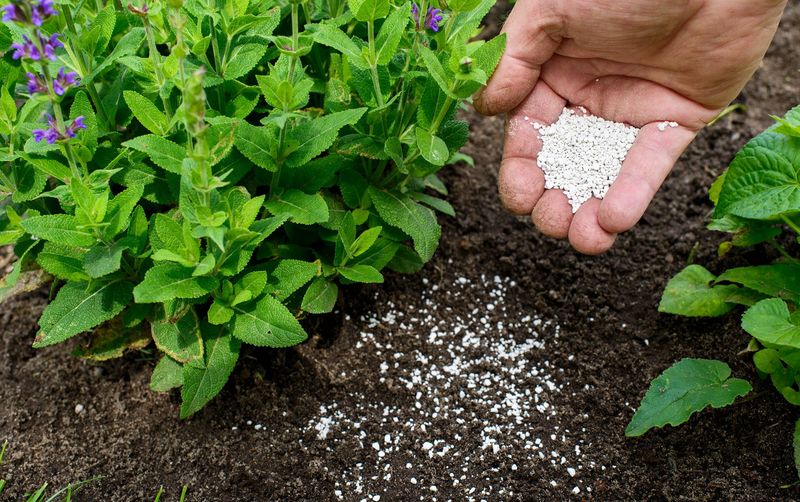
Fertilizer seems like a helpful way to give perennials a boost before spring growth begins. However, applying nitrogen too early in late winter actually does more harm than good.
Understanding plant biology helps explain why waiting is the smarter choice.
Nitrogen stimulates rapid green growth, which sounds great until you remember that late winter still brings frost. Tender new shoots pushed out by early fertilization get zapped by cold temperatures.
The plant wastes energy producing growth it can’t sustain, weakening it for the real growing season ahead.
Perennials breaking dormancy in response to a few warm days can get fooled into growing too soon. Adding nitrogen fertilizer amplifies this problem by encouraging even more premature growth.
Then when normal late winter cold returns, all that tender tissue suffers damage. The plant must start over, delaying blooms and reducing vigor.
Wait until you see active new growth emerging in March or April before feeding perennials. At that point, soil temperatures have risen enough to support steady growth.
Plants can actually use the nutrients you provide instead of having them wash away in winter rains.
When the time is right, use a balanced fertilizer or one slightly higher in phosphorus to encourage flowering. Scratch it lightly into the soil surface around plants and water it in.
Slow-release formulas feed gradually over several months, reducing the need for repeated applications throughout the growing season.
11. Divide Perennials
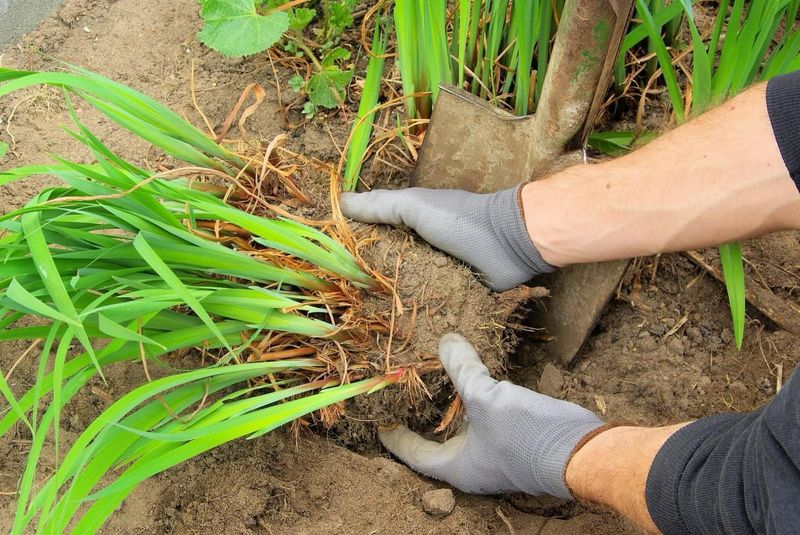
Overgrown perennials eventually need dividing to maintain vigor and flower production. Clumps that have outgrown their space or developed hollow centers in the middle benefit from being split into smaller sections.
However, timing this task correctly makes the difference between success and failure.
Late winter division seems logical since you’re already working in the garden and plants are dormant. The problem is that roots are still vulnerable to cold damage when exposed.
Freezing temperatures after division can seriously harm or even destroy plants that would otherwise thrive.
Perennials divided before they show new growth lack the energy reserves to recover quickly. They sit in cold, wet soil without the ability to generate new roots.
This extended period of stress invites rot and disease. Many plants simply don’t survive the experience.
Spring division after active growth begins gives plants the best chance of success. Roots are actively growing and can quickly establish in their new locations.
Warm soil temperatures and increasing day length support recovery. Plants divided in April or May typically bloom the same season.
Fall division works well for many perennials too, giving them months of cool weather to establish before summer heat arrives. This timing is especially good for plants that bloom in spring and early summer.
They complete their flowering, get divided, and then focus energy on root growth through autumn. Both spring and fall beat late winter for division success.
12. Install Garden Structures
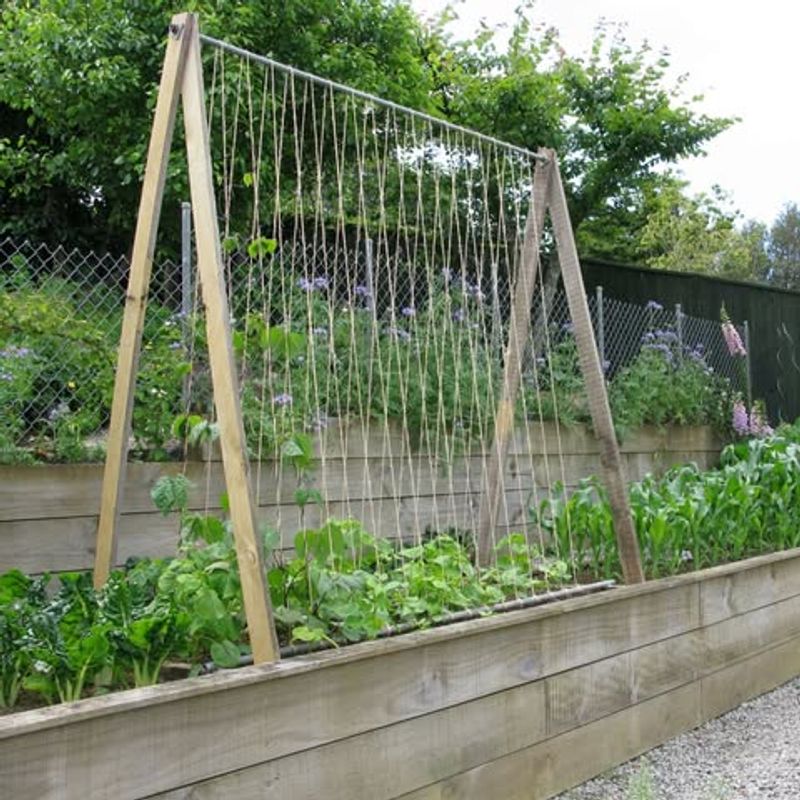
Enthusiasm for the coming garden season makes you want to build those raised beds, install trellises, and put up new fencing. These projects feel productive during late winter’s slow days.
Unfortunately, soil conditions and weather make this timing less than ideal for construction work.
Frozen or partially frozen ground makes digging post holes and leveling beds extremely difficult. Tools bounce off hard soil or get stuck in partially thawed muck.
What should take an hour stretches into a frustrating afternoon of struggle. Your back and your tools both suffer from the effort.
Soil compaction becomes a serious problem when you work wet ground. Walking on saturated soil squeezes out air pockets and creates dense, hard layers that roots struggle to penetrate.
This compaction persists for years, reducing plant growth in affected areas. Waiting for soil to dry prevents this long-term damage.
Wood and metal materials also respond poorly to installation in freezing conditions. Lumber absorbs moisture and swells, making precise cuts and joints difficult.
Metal posts and brackets contract in cold temperatures, affecting measurements and fit. Hardware doesn’t tighten properly when your hands are numb from cold.
Plan your projects now by all means. Measure, sketch designs, and order materials so everything is ready.
Then wait for consistent temperatures above freezing and soil that has dried enough to work easily. Mid to late March usually provides good conditions across most of North Carolina.
Your structures will go together more smoothly and your garden soil will thank you.