10 Best Plants To Grow After The Last Frost In North Carolina Mountain Gardens
In North Carolina’s mountain gardens, timing matters more than anything. Spring arrives later here, and the last frost often decides what thrives and what struggles.
Once the cold finally loosens its grip, the growing season opens fast, and gardeners waste no time getting plants into the ground. Cooler nights, rich soil, and steady mountain rainfall create conditions many plants truly love.
After the final frost passes, this is when warm season vegetables, hardy herbs, and reliable flowering plants begin to take off. Many mountain gardeners focus on varieties that can handle mild days and crisp evenings without stress.
You will often see productive food plants mixed with colorful blooms, creating gardens that feel both useful and vibrant throughout the short but rewarding growing season.
Choosing the right plants at the right moment makes all the difference, setting up a mountain garden that grows strong, healthy, and full of life well into summer.
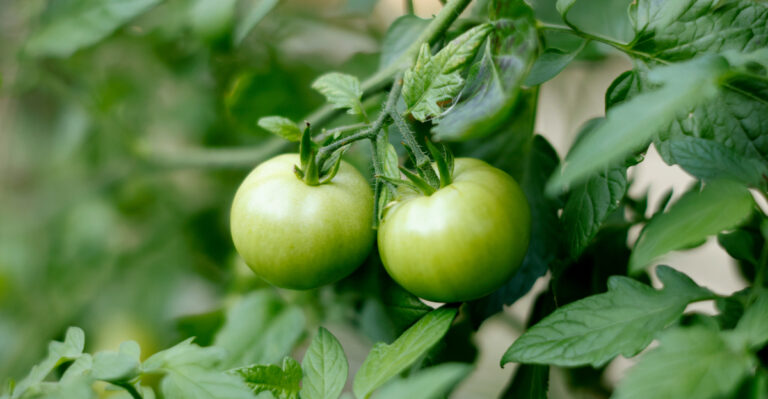
1. Tomatoes (Solanum Lycopersicum)
Nothing beats the taste of a homegrown tomato picked fresh from your mountain garden. These warm-season favorites need soil temperatures above 60 degrees to really take off and produce well.
Planting too early can stunt their growth or even harm young transplants. Mountain gardeners should wait until at least two weeks after the last frost date to set out tomato plants.
Choose varieties that mature in 70 to 80 days since the growing season is shorter at higher elevations. Cherokee Purple and Mountain Fresh Plus are excellent choices developed for regional conditions.
Your tomatoes need full sun for at least six to eight hours daily. Prepare the soil by mixing in compost and organic matter to improve drainage and fertility.
Plant them deep, burying the stem up to the first set of true leaves to encourage strong root development.
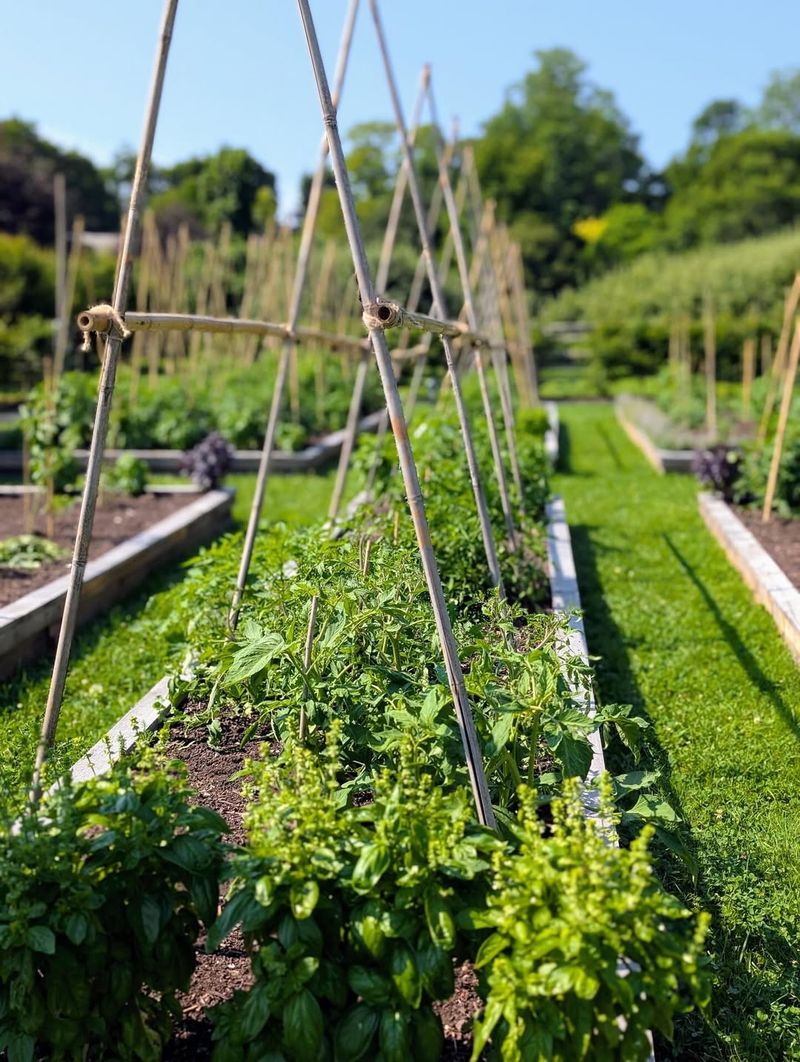
Staking or caging your plants keeps fruit off the ground and prevents disease. Water consistently, providing about an inch per week through rainfall or irrigation.
Mulch around the base helps retain moisture and regulate soil temperature.
Watch for common pests like hornworms and address them quickly by handpicking. With proper care, you’ll enjoy abundant harvests of juicy, flavorful tomatoes all summer long in your mountain garden.
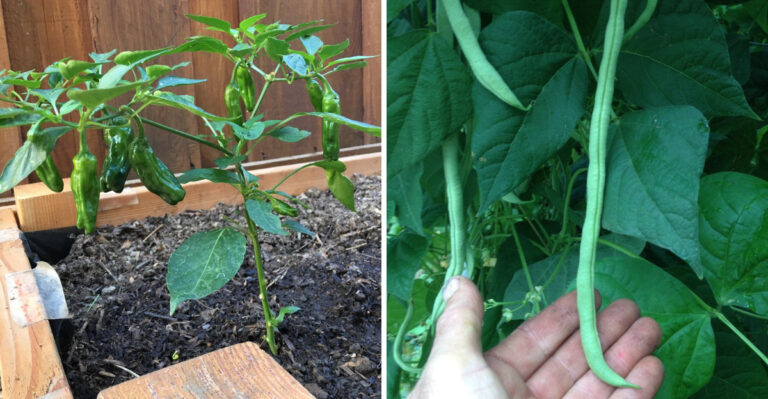
2. Peppers (Capsicum Annuum)
Peppers bring both color and flavor to mountain gardens when planted at the right time. These heat-loving plants are even more sensitive to cold than tomatoes, so patience pays off.
Frost can severely damage or destroy pepper plants, making proper timing crucial for success.
Wait until nighttime temperatures consistently stay above 55 degrees before transplanting peppers outdoors. This usually happens about three weeks after the last expected frost date.
Starting seeds indoors six to eight weeks earlier gives you strong transplants ready to go.
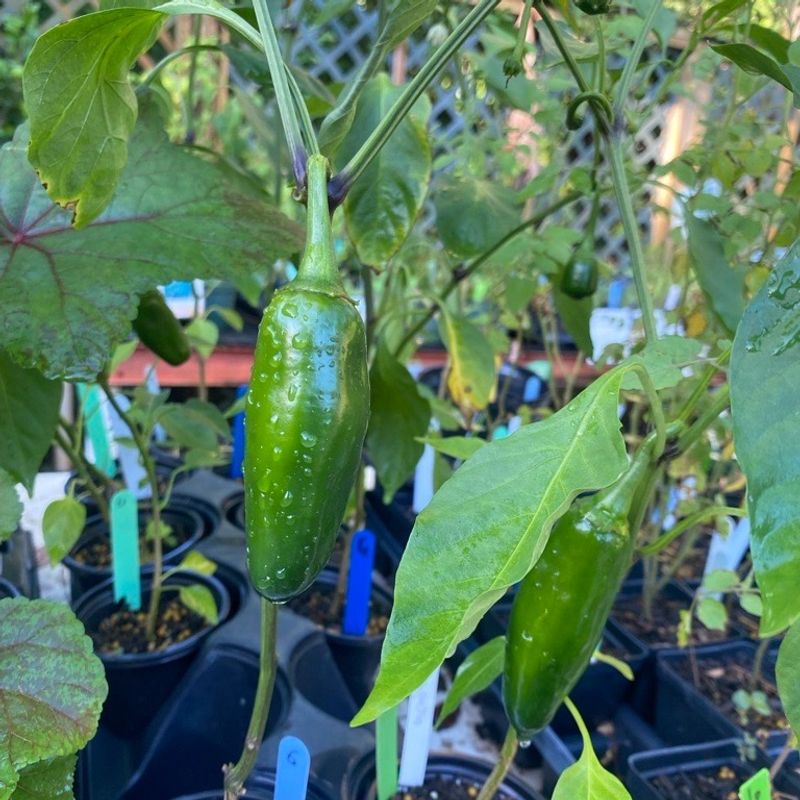
Both sweet bell peppers and spicy varieties like jalapeños perform well in mountain conditions. Choose compact varieties or those bred for cooler climates to maximize your harvest window.
California Wonder and Early Jalapeño are reliable performers. Select a spot with full sun and well-draining soil enriched with compost. Space plants 18 to 24 inches apart to allow good air circulation.
Your North Carolina Garden Changes Every Week. Your Plan Should Too.
Gardening in North Carolina changes quickly throughout the season. Every Friday you’ll receive a simple weekly plan showing exactly what to plant, prune, fertilize, harvest, and protect so you never miss the right timing.
Black plastic mulch warms the soil and helps peppers establish quickly in cooler mountain environments.
Regular watering keeps plants productive, but avoid overhead irrigation that can spread disease. Feed with balanced fertilizer every few weeks once flowering begins.
Support heavily laden branches with small stakes if needed to prevent breaking under the weight of developing fruit.
3. Zucchini (Cucurbita Pepo)
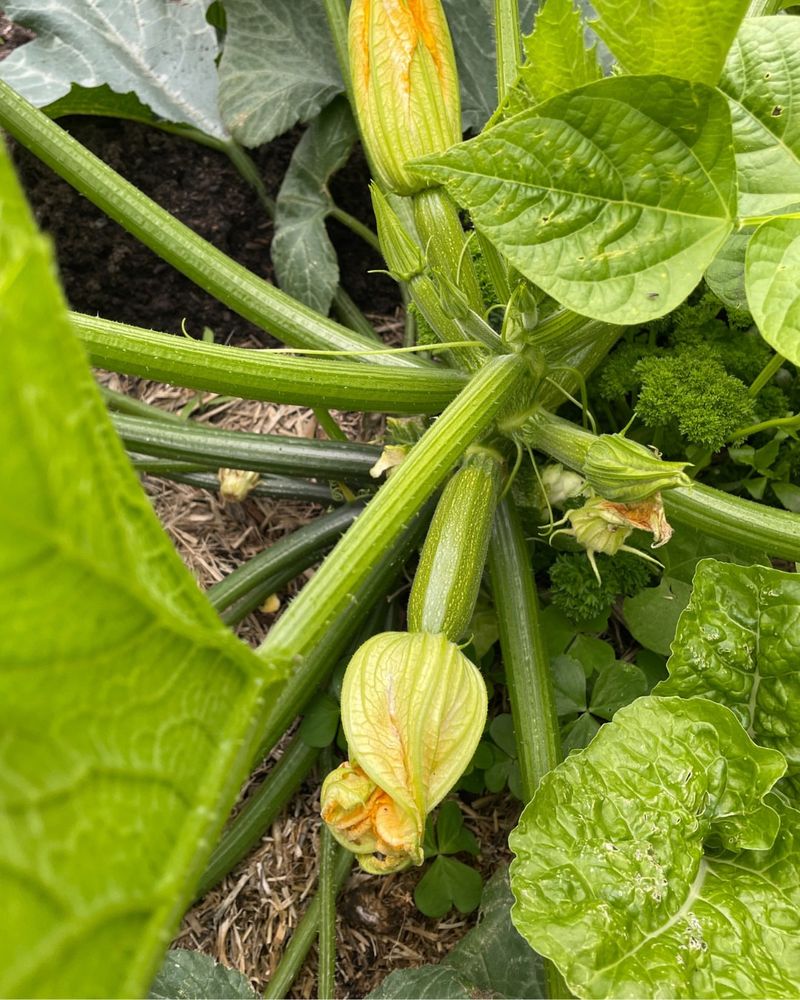
Few vegetables produce as abundantly and quickly as zucchini in mountain gardens. This summer squash grows so vigorously that most families only need two or three plants.
The challenge isn’t growing them but keeping up with the harvest once they start producing.
Direct sowing seeds after the last frost works perfectly for zucchini. Alternatively, start transplants indoors three weeks before your planting date for an earlier harvest.
The soil should be warm, ideally around 70 degrees, for best germination and growth. Create small hills or mounds of enriched soil about three feet apart. Plant three to four seeds per hill, then thin to the strongest two plants.
Zucchini needs plenty of space since the plants spread wide with large leaves that shade out weeds naturally.
Consistent moisture is important, especially during flowering and fruit development. Water at the base of plants rather than overhead to reduce powdery mildew problems.
Harvest zucchini when they’re six to eight inches long for the best flavor and texture.
Check plants daily during peak production since squash can grow surprisingly fast. Larger fruits become tough and seedy, plus leaving them on the vine slows down new fruit production.
Regular picking encourages the plant to keep producing throughout the summer months.
4. Beans (Phaseolus Spp.)
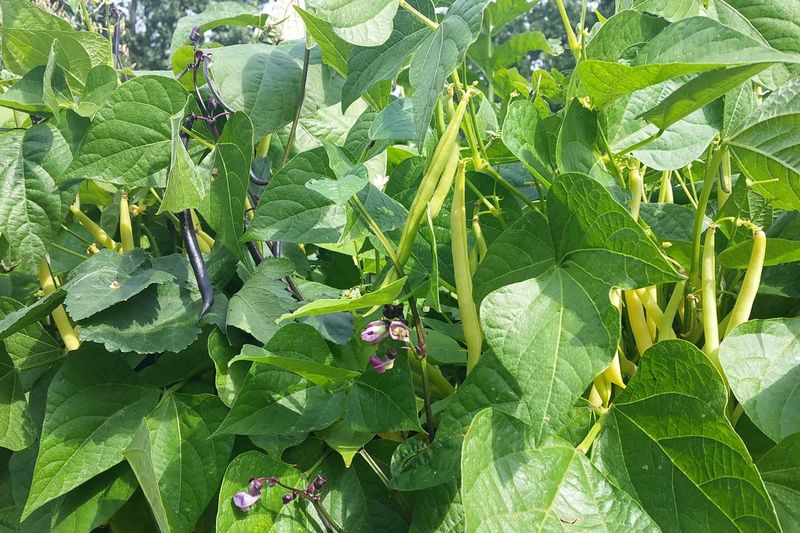
Beans are wonderfully reliable crops for mountain gardeners seeking fresh vegetables without much fuss. Both bush and pole varieties grow well at higher elevations once the soil warms properly.
These legumes actually improve your soil by fixing nitrogen from the air into a form plants can use.
Direct sow bean seeds after all danger of frost has passed and soil reaches 60 degrees. Cold, wet soil causes seeds to rot before germinating, so patience ensures better results.
Plant seeds one inch deep and three inches apart in rows or blocks.
Bush beans mature quickly, usually in 50 to 60 days, making them perfect for shorter mountain growing seasons. Pole beans take longer but produce over a more extended period and save garden space by growing vertically.
Provider and Kentucky Wonder are time-tested varieties that perform consistently.
Beans need full sun but aren’t particularly demanding about soil quality. Avoid high-nitrogen fertilizers since beans make their own nitrogen and too much causes excessive leaf growth with fewer pods.
Light, consistent watering produces the best yields. Harvest regularly when pods are firm and crisp but before seeds inside bulge noticeably. Frequent picking encourages continued production.
Handle plants gently when wet to avoid spreading bacterial diseases between plants.
5. Cucumbers (Cucumis Sativus)
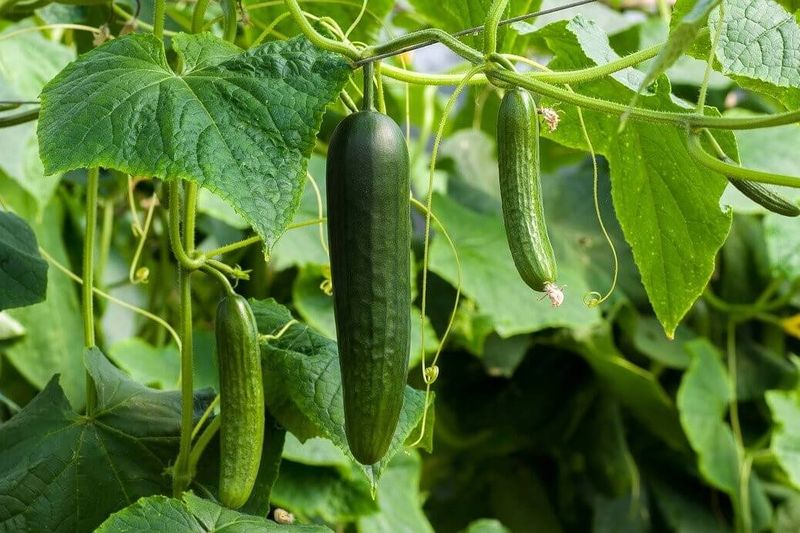
Crisp, refreshing cucumbers straight from the garden taste nothing like store-bought versions. Mountain gardeners can grow excellent cucumbers by waiting for warm weather and providing proper support.
These vigorous vines reward patience with abundant harvests of crunchy, flavorful fruits perfect for salads or pickling.
Plant cucumber seeds or transplants after the last frost when soil temperatures reach at least 65 degrees. Starting seeds indoors three weeks early gives you a head start, but direct sowing works well too.
Cucumbers are sensitive to root disturbance, so handle transplants carefully.
Trellising cucumbers saves space and produces straighter, cleaner fruits that are easier to harvest. The vertical growth also improves air circulation, reducing disease problems common in mountain humidity.
Plant seeds or transplants about 12 inches apart along the base of your support structure.
Rich, well-draining soil amended with compost gives cucumbers the nutrients they need for heavy production. Consistent watering is critical since stress causes bitter-tasting fruits.
Mulching helps maintain even soil moisture and keeps fruits clean if growing on the ground.
Harvest cucumbers when they reach the size typical for their variety, usually six to eight inches for slicers. Pick regularly to keep plants producing since leaving mature fruits on the vine signals the plant to stop making new ones.
6. Marigolds (Tagetes Spp.)
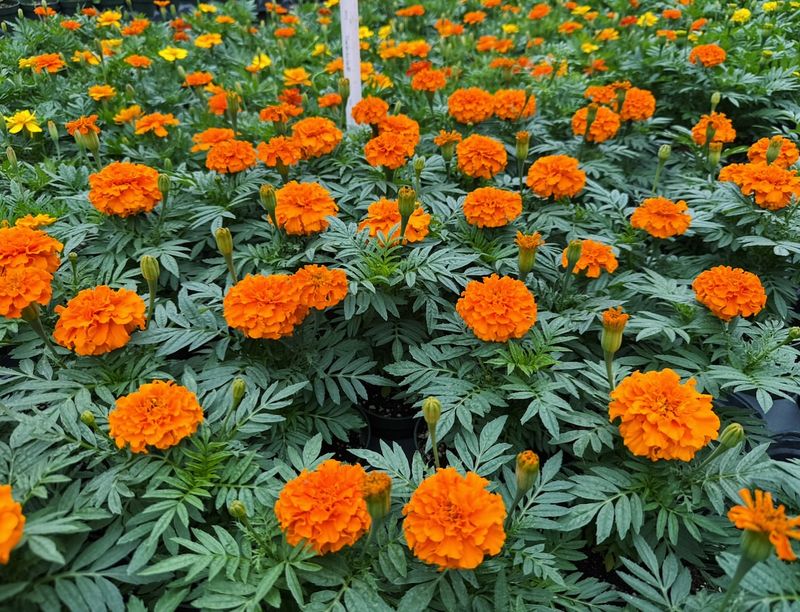
Cheerful marigolds bring more than just bright colors to mountain gardens after the last frost. These hardworking annuals serve double duty as both ornamental plants and natural pest deterrents.
Gardeners have long valued marigolds for their ability to repel certain insects while attracting beneficial pollinators with their vibrant blooms.
Plant marigolds after frost danger passes since cold temperatures damage these warm-season flowers. They grow quickly from seed sown directly in the garden or from transplants started indoors.
Most varieties bloom within six to eight weeks of planting and continue until fall frost.
French marigolds stay compact at 6 to 12 inches tall, perfect for edging beds or tucking between vegetable plants. African marigolds grow taller, reaching up to three feet, making stunning focal points or cut flowers.
Both types thrive in full sun and tolerate the occasional dry spell once established.
Plant marigolds throughout your vegetable garden to help discourage aphids, whiteflies, and other common pests. Their pungent scent confuses pest insects while their roots release compounds that may suppress certain soil nematodes.
Space plants according to variety size, typically 8 to 18 inches apart.
Deadheading spent blooms encourages continuous flowering and keeps plants looking tidy. Marigolds are remarkably low-maintenance, requiring little fertilizer and tolerating various soil conditions as long as drainage is adequate.
7. Petunias (Petunia Spp.)
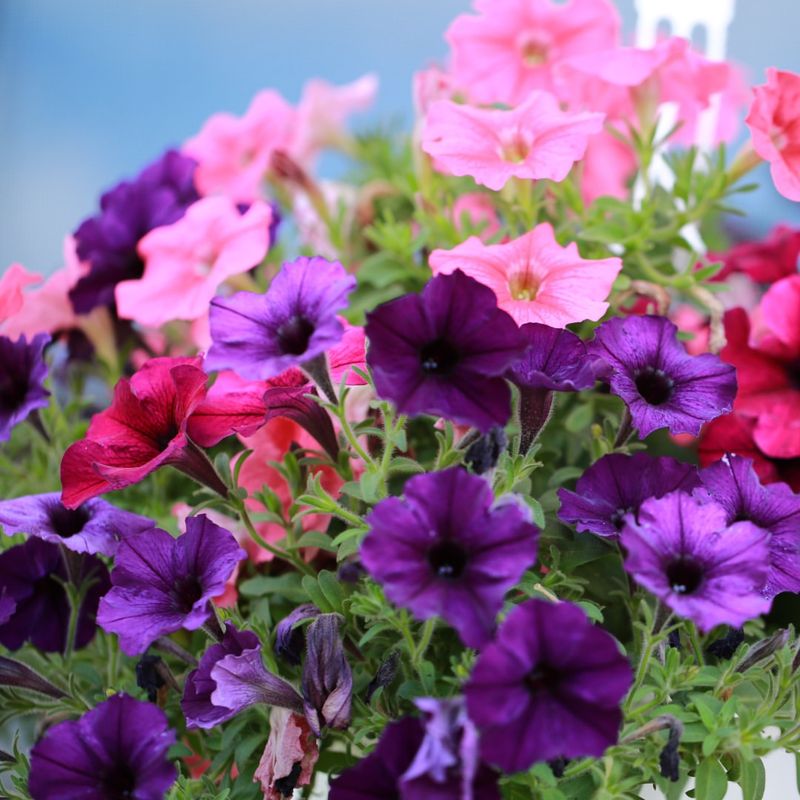
Petunias create spectacular displays of color throughout the mountain growing season when planted after frost. These popular annuals come in an amazing range of colors, patterns, and growth habits.
From cascading wave types to upright grandifloras, there’s a petunia perfect for every garden spot and container.
Transplant petunias outdoors after the last frost date when nights stay consistently above 40 degrees. While they can tolerate a light frost, cold weather stunts growth and delays flowering.
Starting with healthy transplants from a garden center gives you instant color and reliable performance.
Full sun is essential for petunias to bloom their best, needing at least six hours of direct light daily. They adapt well to various planting situations, thriving in garden beds, hanging baskets, and containers.
Well-draining soil prevents root rot, which can quickly damage these plants.
Water petunias regularly but allow the soil surface to dry slightly between waterings. Container-grown plants need more frequent watering, sometimes daily during hot weather.
Feed every two weeks with a balanced liquid fertilizer to support their heavy blooming habit.
Pinch back leggy growth mid-season to encourage bushier plants and more flowers. Newer varieties like Wave and Supertunia petunias are self-cleaning, dropping spent blooms without deadheading.
These improved types maintain their appearance better and bloom more reliably through summer heat and mountain afternoon thunderstorms.
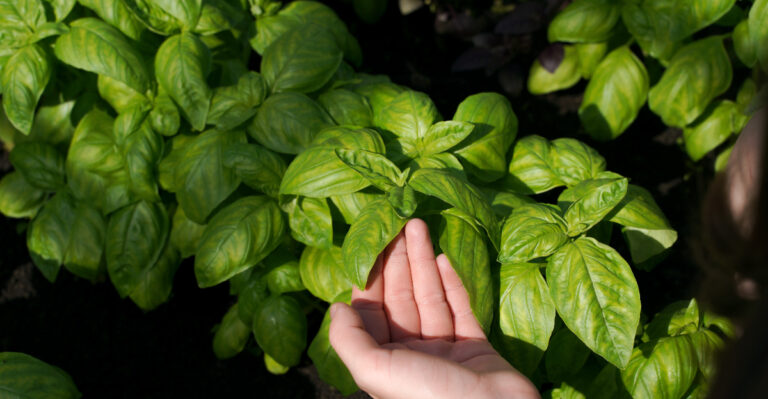
8. Basil (Ocimum Basilicum)
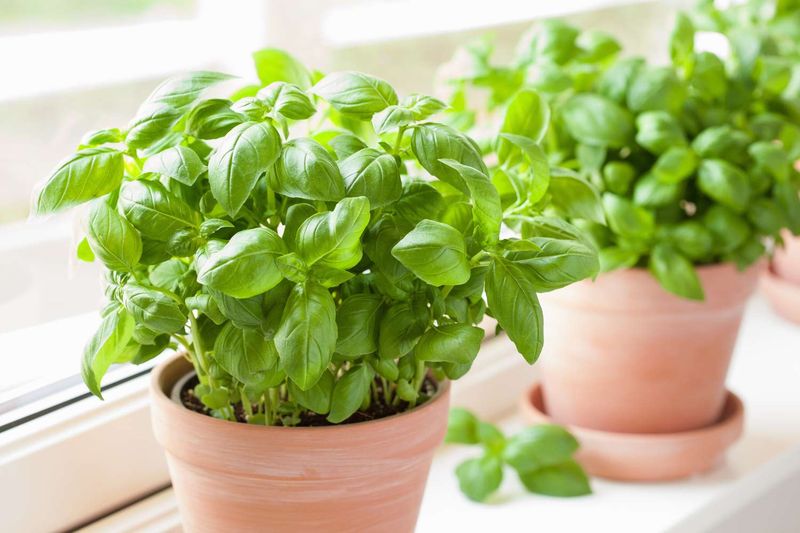
Fresh basil transforms ordinary meals into culinary delights with its aromatic, flavorful leaves. This tender annual herb is extremely frost-sensitive, making proper timing crucial for mountain gardeners.
The wait is worthwhile since homegrown basil tastes far superior to anything available in stores and produces abundantly all summer.
Plant basil only after both soil and air temperatures warm reliably, typically two to three weeks after the last frost. Cold soil below 50 degrees causes poor growth and can lead to plant failure.
Transplants establish faster than seeds, giving you fresh leaves to harvest sooner.
Choose a location with full sun and excellent drainage for the healthiest, most flavorful basil. Amend the soil with compost to provide nutrients and improve structure.
Space plants 10 to 12 inches apart to allow good air circulation, which helps prevent fungal diseases in humid mountain conditions.
Regular harvesting keeps basil plants productive and prevents flowering, which reduces leaf quality. Pinch off the top sets of leaves frequently, cutting just above a leaf node to encourage branching.
This creates bushier plants with more leaves to harvest throughout the season.
Water basil consistently but avoid wetting the foliage, especially late in the day. Feed monthly with balanced fertilizer for vigorous growth.
Watch for aphids and Japanese beetles, which occasionally bother basil plants in mountain gardens.
9. Sunflowers (Helianthus Annuus)
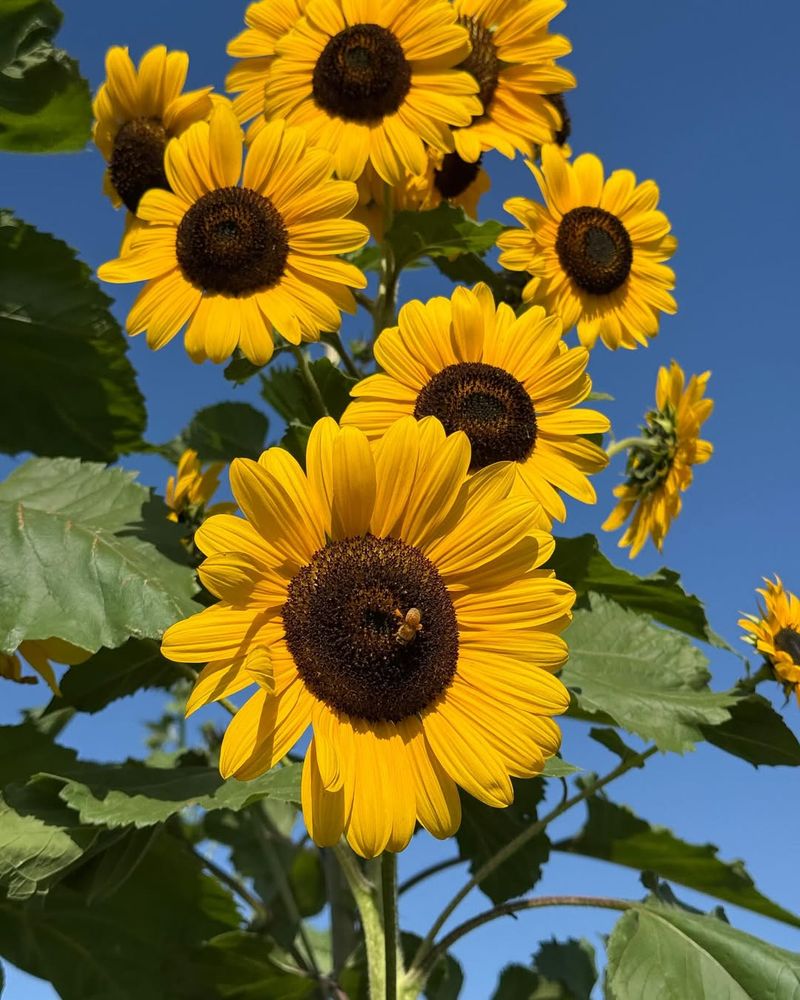
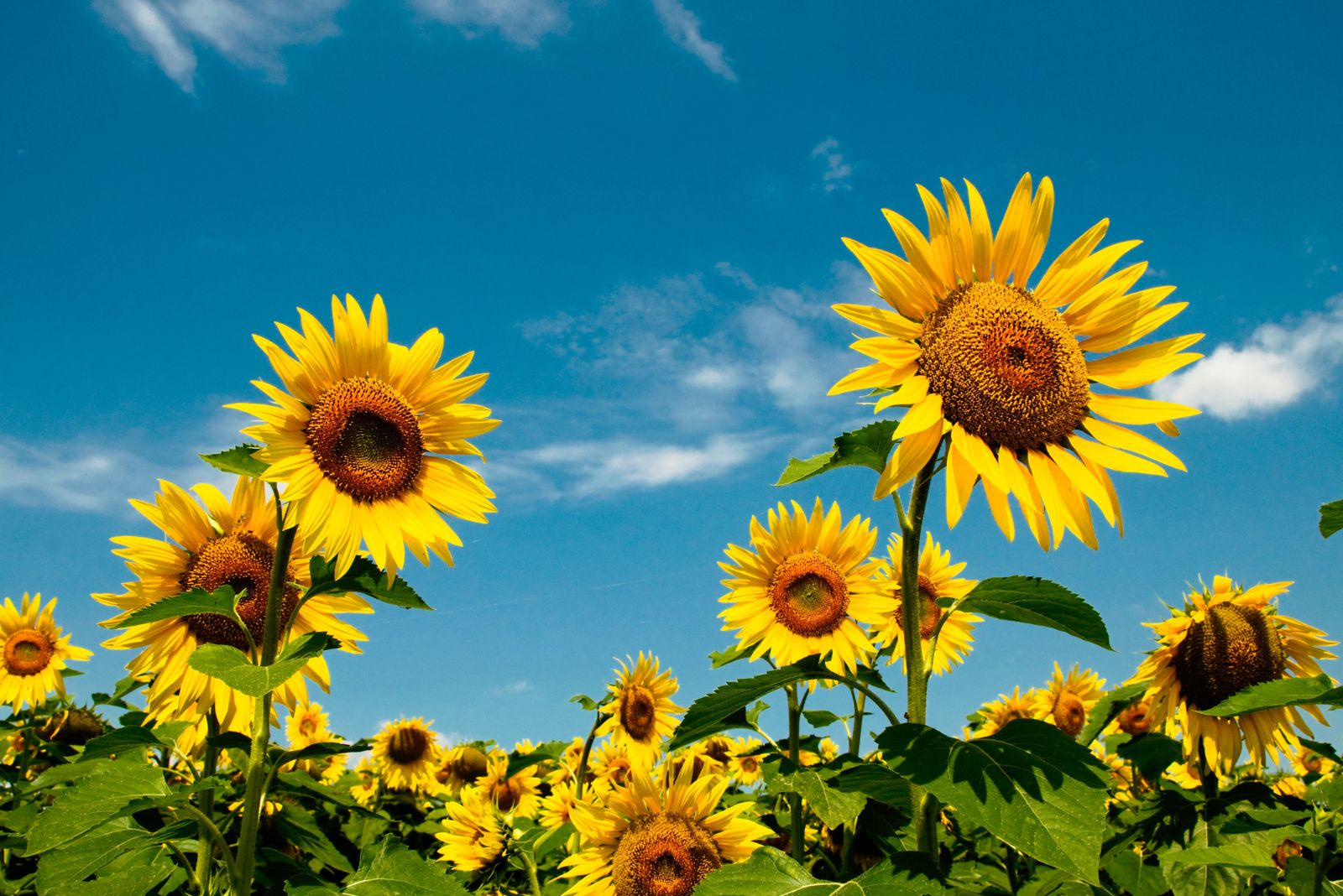
Sunflowers bring joy and vertical interest to mountain gardens with their cheerful faces following the sun. These iconic flowers range from towering giants reaching 12 feet tall to compact varieties perfect for containers.
Beyond their beauty, sunflowers attract pollinators, provide seeds for birds, and make excellent cut flowers for indoor arrangements.
Direct sow sunflower seeds after the last frost when soil warms to at least 55 degrees. These fast-growing annuals don’t transplant well due to their long taproots, so planting seeds in their permanent location works best.
Seeds germinate quickly, usually within seven to ten days in warm soil.
Plant seeds one inch deep and six inches apart in full sun locations. Thin seedlings to the spacing recommended for your variety, typically 12 to 24 inches depending on mature size.
Sunflowers tolerate various soil types but perform best in well-draining ground enriched with organic matter.
Tall varieties need staking in windy mountain locations to prevent toppling, especially as heavy flower heads develop. Water regularly during establishment, then sunflowers become quite drought-tolerant once their deep roots develop.
Minimal fertilizer is needed since too much nitrogen produces lush foliage but smaller flowers.
Most sunflowers bloom 60 to 90 days after planting, depending on variety. Plant successive crops every two weeks for continuous blooms throughout summer and fall in your mountain garden.
10. Nasturtium (Tropaeolum Majus)
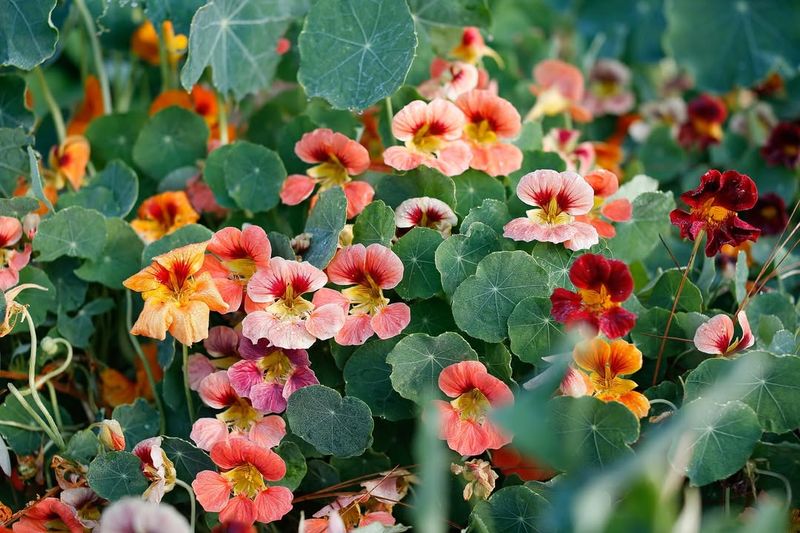
Nasturtiums offer edible flowers and leaves along with vibrant colors that brighten mountain gardens after frost. Both the peppery-tasting leaves and brilliant blooms add unique flavor to salads and garnishes.
These easy-growing annuals serve multiple purposes, functioning as ornamental plants, edible crops, and companion plants that may help deter certain garden pests.
Sow nasturtium seeds directly in the garden after the last frost date when soil reaches 55 degrees. These plants dislike root disturbance, so direct seeding produces stronger plants than transplanting.
Seeds are large and easy to handle, making them perfect for beginning gardeners or children to plant.
Nasturtiums actually prefer poor to average soil and need no fertilizer. Rich soil produces excessive foliage with fewer flowers, so skip the compost and amendments.
They thrive in full sun but tolerate partial shade better than many flowering annuals, making them versatile for various garden spots.
Plant seeds one inch deep and 10 to 12 inches apart. Both bushy and trailing varieties are available, with trailing types perfect for spilling over walls or containers.
Water regularly until established, then nasturtiums tolerate dry conditions fairly well once growing vigorously.
Flowers appear about six to eight weeks after planting and continue until fall frost. Harvest flowers and young leaves regularly for culinary use, which also encourages more blooms.
Aphids sometimes cluster on nasturtiums, but many gardeners use this as a trap crop to protect other plants.