7 Native North Carolina Plants That Make Gardening Much Easier
In North Carolina, the easiest plants to grow are the ones that already feel at home. Many gardeners across the state have started leaning toward native plants for one simple reason. They just work.
These plants are built for the local climate, the changing seasons, and the mix of soil you find across North Carolina, so they usually grow strong without needing constant attention or extra care.
They also bring quiet benefits to the whole yard. Native flowers draw in bees and butterflies, deeper roots help the soil stay healthy, and most handle heat, humidity, and dry spells better than many imported plants.
Through spring, summer, and fall, they keep the garden looking alive without turning maintenance into a full time job.
Choosing native plants often makes gardening feel more relaxed and rewarding, creating a space that grows naturally and fits the rhythm of North Carolina life.
1. Black-Eyed Susan (Rudbeckia hirta)
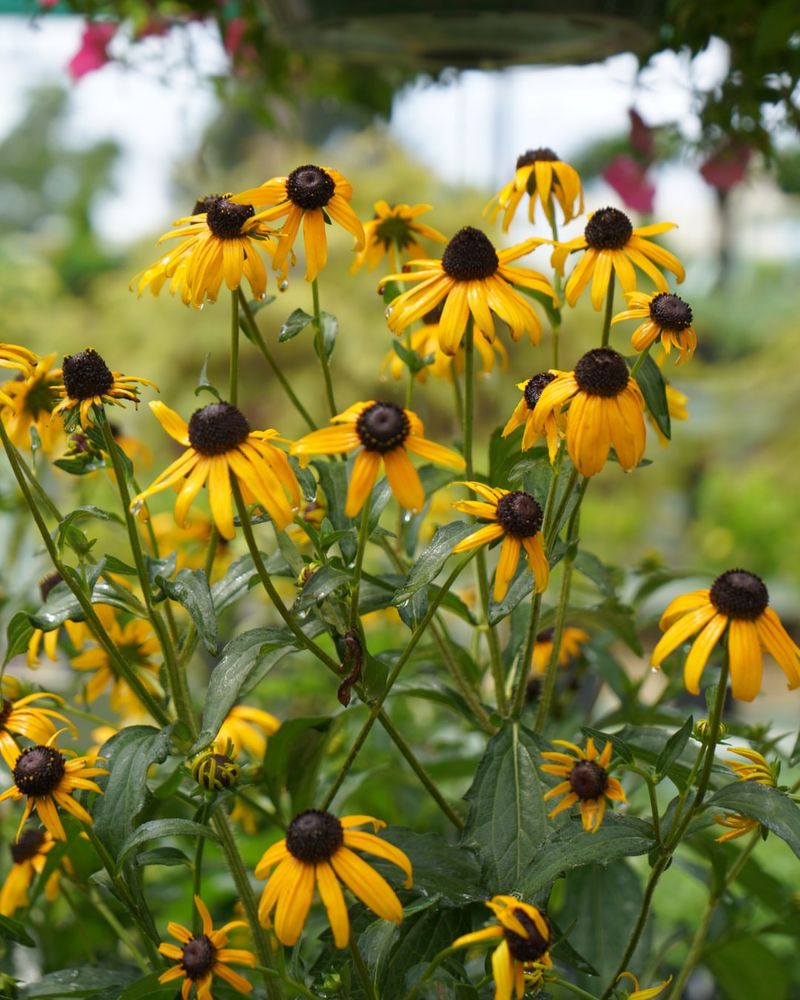
Cheerful golden blooms greet you from summer through fall with this reliable perennial. Black-eyed Susans bring sunshine to your garden without demanding constant attention or special treatment.
Their bright yellow petals surrounding dark centers create classic cottage garden charm. Clay soil or sandy soil? These adaptable plants handle both with ease.
Once established, they laugh at drought conditions and keep blooming through hot Carolina summers. You can plant them in full sun or partial shade, and they’ll reward you with flowers either way.
Butterflies and bees flock to these cheerful blooms throughout the growing season. The flowers make excellent cut arrangements that last over a week indoors.
Goldfinches love the seed heads in fall, adding bonus wildlife value to your landscape. New gardeners appreciate how forgiving black-eyed Susans are about mistakes. They spread gradually to fill bare spots without becoming invasive bullies.
Dividing clumps every few years keeps them vigorous and gives you free plants for other garden areas.
Planting couldn’t be simpler in spring or fall when temperatures are moderate. Water regularly the first season, then step back and watch them thrive.
These North Carolina natives prove that beautiful gardens don’t require complicated care routines or constant intervention.
2. Purple Coneflower (Echinacea purpurea)
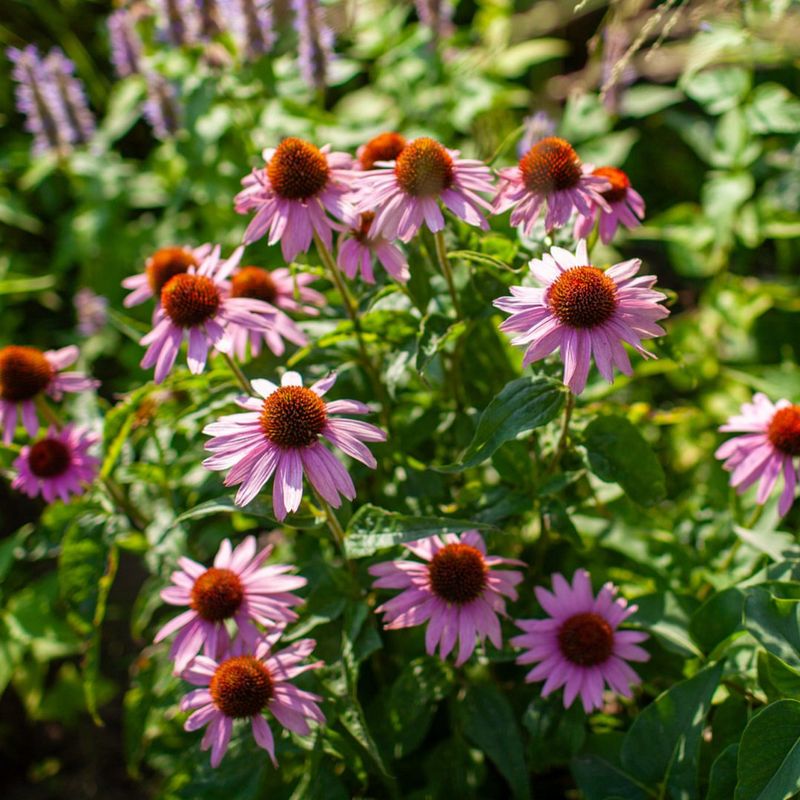
Bold purple petals arch gracefully around spiky orange cones in this prairie native. Purple coneflowers stand tall from June through September, creating vertical interest and constant color.
Their sturdy stems never need staking, even during summer thunderstorms that topple less robust plants.
Heat waves and dry spells barely slow these tough perennials down. They’ve evolved to handle challenging conditions with deep taproots that find moisture far below the surface.
Your watering can stays in the shed while these beauties keep performing beautifully. Pollinators treat your coneflower patch like an all-you-can-eat buffet throughout summer. Bees, butterflies, and hummingbirds visit constantly, making your garden buzz with life.
Later, goldfinches perform acrobatic shows while extracting seeds from the dried cones in autumn.
Medicinal gardeners appreciate that this is the same plant used in immune-boosting supplements. Flower arrangers love cutting the long-lasting blooms for fresh or dried bouquets.
Your North Carolina Garden Changes Every Week. Your Plan Should Too.
Gardening in North Carolina changes quickly throughout the season. Every Friday you’ll receive a simple weekly plan showing exactly what to plant, prune, fertilize, harvest, and protect so you never miss the right timing.
Wildlife enthusiasts enjoy watching the parade of visitors these flowers attract daily.
Starting from nursery plants gives you blooms the first year in your garden. Space them about two feet apart in well-drained soil with decent sunlight.
After the first growing season, they become nearly indestructible fixtures that multiply slowly and bloom reliably for years.
3. Eastern Redbud (Cercis canadensis)
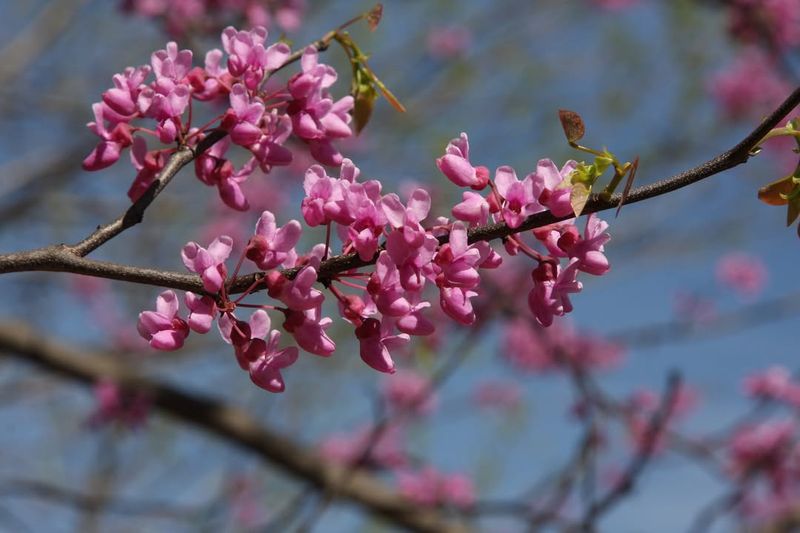
Shocking pink blooms emerge directly from bare branches each spring in a magical display. Eastern redbuds announce the arrival of warmer weather before most other trees even think about leafing out.
This small native tree fits perfectly in suburban yards where space comes at a premium.
Mature height tops out around twenty to thirty feet, making it ideal for planting near houses. The spreading canopy provides light shade without creating the dense darkness of larger trees.
Heart-shaped leaves turn buttery yellow in fall, adding a second season of interest. Once established, these trees cruise through our Carolina summers without supplemental watering. They adapt to various soil types and pH levels without throwing tantrums.
Pruning requirements are minimal since the natural form is already quite attractive.
Early-season pollinators depend on redbud flowers when few other food sources are available. The blooms are actually edible and make colorful salad garnishes with a slightly tart flavor.
Seed pods develop later and provide food for birds throughout winter months. Young trees establish fastest when planted in fall or early spring. Choose a spot with good drainage and at least partial sun for best flowering.
The first few years require regular watering, but mature specimens become remarkably self-sufficient and long-lived additions to your landscape.
4. Foamflower (Tiarella cordifolia)
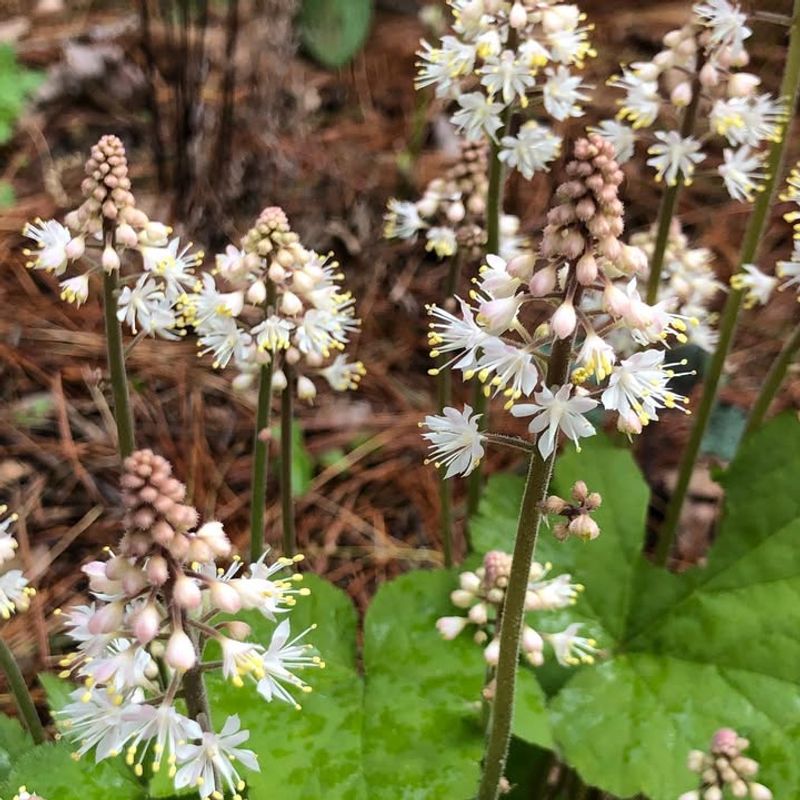
Delicate white flower spikes rise above evergreen foliage like tiny bottles of champagne bubbles. Foamflower solves the frustrating problem of what to plant under trees where grass refuses to grow.
This native groundcover spreads slowly to form attractive mats that suppress weeds naturally.
Shade gardening becomes effortless with this woodland gem in your plant palette. It thrives in the dim light under deciduous trees and evergreens alike.
The heart-shaped leaves often develop burgundy markings that add visual interest even when flowers aren’t present.
Maintenance requirements are nearly nonexistent once plants are established in suitable locations. They prefer consistent moisture but tolerate occasional dry spells better than most shade lovers.
No fertilizing, spraying, or fussing is necessary for healthy growth and abundant blooms. Spring brings clouds of frothy white flowers that brighten dark corners from April through May. The blooms attract small native bees and other beneficial insects to your garden.
Foliage remains attractive throughout the growing season and often stays green through mild winters.
Starting with container plants gives you instant coverage in problem shade areas. Space them about twelve inches apart for quicker coverage or farther for budget-friendly plantings.
A layer of leaf mulch mimics natural forest conditions and keeps roots cool during summer heat waves.
5. Wild Bergamot (Monarda fistulosa)
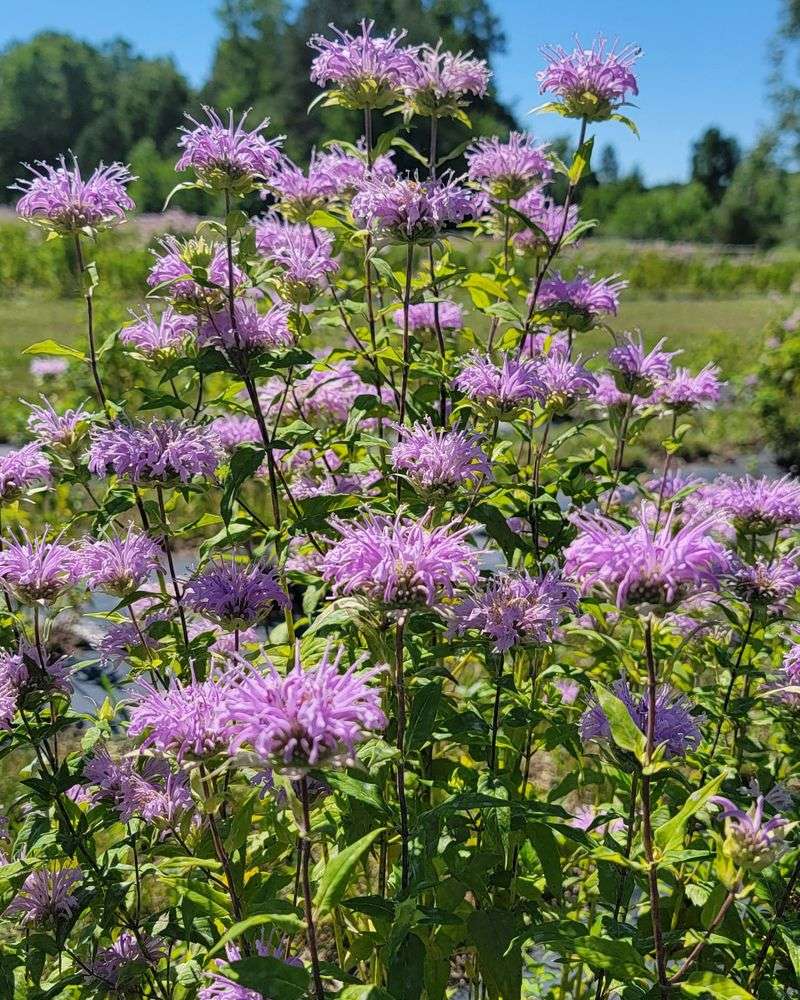
Aromatic leaves release a delightful minty fragrance when you brush past this charming native. Wild bergamot sends up clusters of lavender blooms that look like tiny fireworks exploding in your garden.
The unusual tubular flowers create architectural interest from midsummer into early fall. Forget about babying this tough member of the mint family. It handles clay soil, rocky ground, and even slightly dry conditions without complaint.
The plants self-seed modestly, filling in gaps and creating natural drifts that look professionally designed.
Hummingbirds zoom in from across your yard when these flowers open. Butterflies and native bees also find the nectar-rich blooms irresistible throughout the blooming period.
You’ll enjoy better pollination on nearby vegetables thanks to the beneficial insects these plants attract.
Herbalists have used bergamot for tea and medicinal purposes for generations. The leaves make a soothing beverage similar to Earl Grey tea in flavor.
Deer typically avoid munching on these aromatic plants, which is a huge bonus for rural gardeners.
Plant divisions or nursery starts in spring for best results. They tolerate partial shade but bloom most prolifically in full sun locations.
Cutting back spent flowers encourages a second flush of blooms and prevents excessive self-seeding if you prefer a tidier look.
6. Butterfly Weed (Asclepias tuberosa)
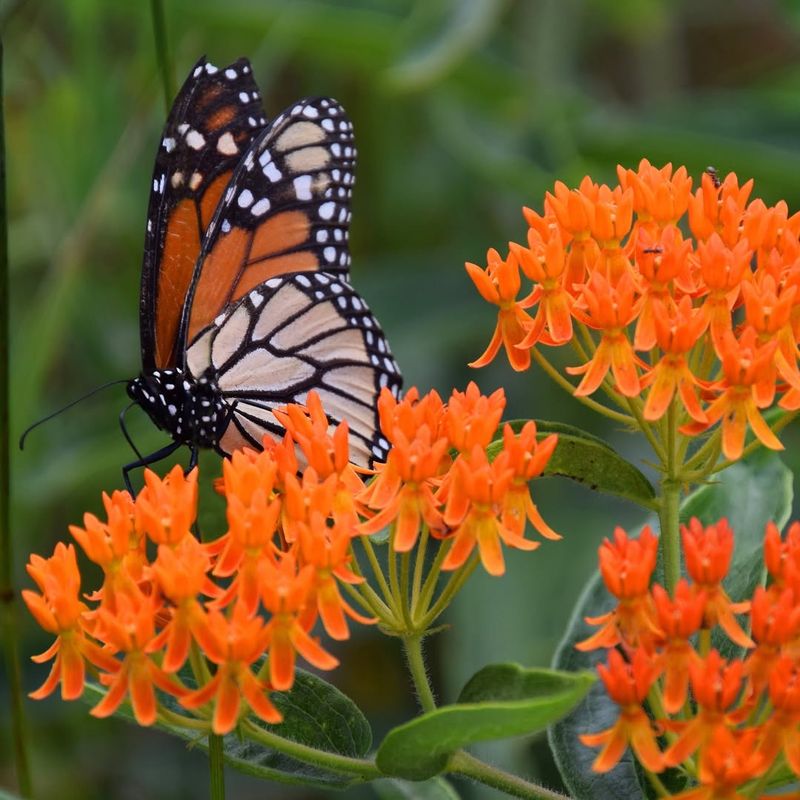
Electric orange flower clusters practically glow in the summer sunshine. Butterfly weed earns its name by attracting clouds of colorful butterflies from June through August.
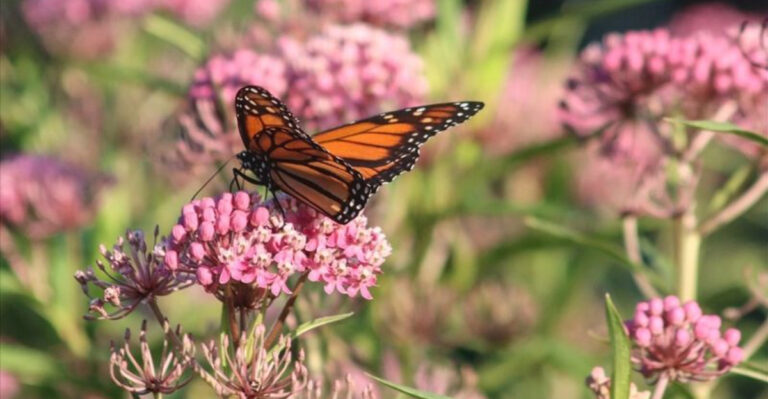
Monarch butterflies specifically depend on milkweeds like this one for laying eggs and feeding their caterpillars.
Deep taproots make established plants incredibly drought-tolerant once they settle into your garden. They actually prefer lean soil and struggle in overly rich, heavily fertilized conditions.
Full sun locations bring out the most vibrant flower colors and sturdiest growth habits.
Unlike some milkweeds that spread aggressively, this species stays put and behaves politely. It won’t take over your garden or pop up randomly across the lawn.
The clumps slowly expand but remain manageable without constant editing or control measures.
Supporting monarch populations has never been easier or more beautiful than planting butterfly weed. Other butterfly species also visit regularly for nectar throughout the long blooming period.
Hummingbirds occasionally stop by, adding another layer of wildlife entertainment to your garden.
Starting from small plants works better than transplanting since taproots dislike disturbance. Seeds germinate readily but take two to three years to reach flowering size.
Once blooming begins, these plants return faithfully each spring and live for many years with zero special care or attention required.
7. Virginia Bluebells (Mertensia virginica)
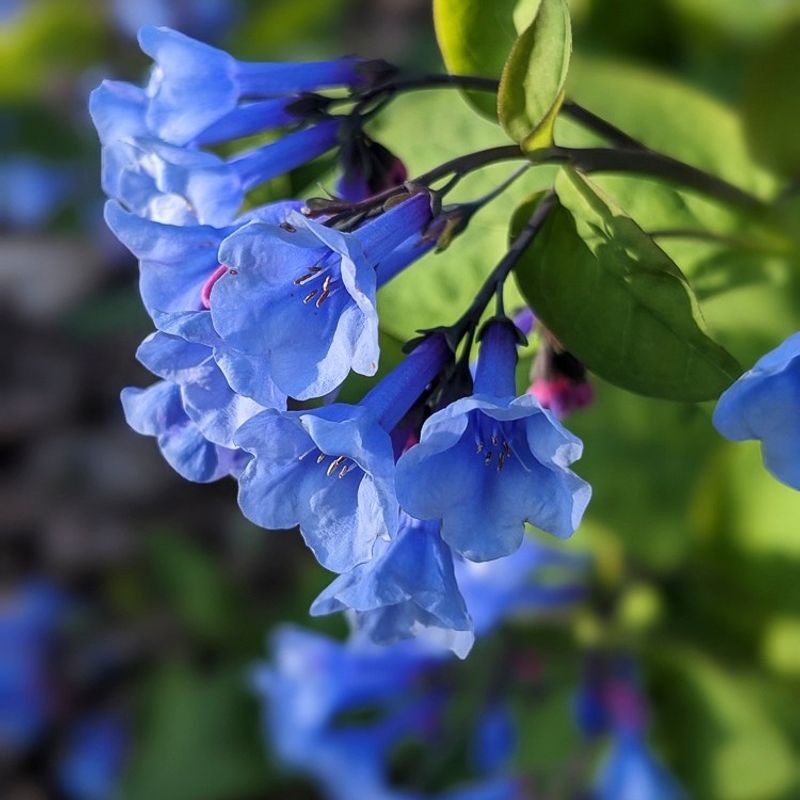
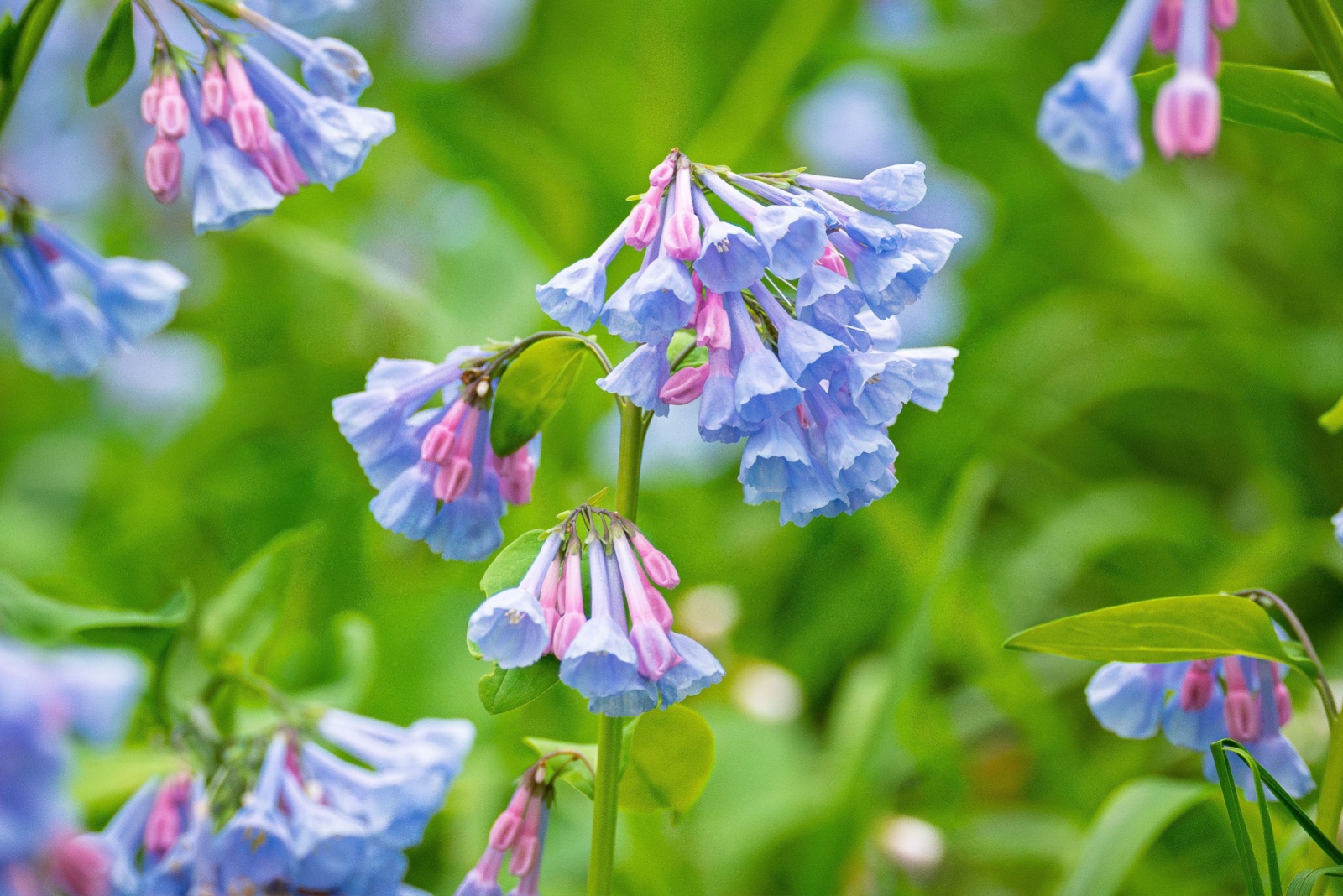
Pink buds unfurl into sky-blue bells that carpet the spring woodland floor. Virginia bluebells provide spectacular early-season color before trees fully leaf out and create deep shade.
The flowers transition from pink to blue as they mature, creating a beautiful two-toned effect.
These spring ephemerals follow an efficient strategy for woodland living. They emerge early, bloom prolifically, set seed, then retreat underground by early summer.
The foliage naturally yellows and disappears, leaving space for summer-blooming companions to take center stage.
Moist, rich soil in partial to full shade creates ideal growing conditions. They naturalize readily in suitable spots, forming larger colonies each year without any help.
The spreading habit never becomes invasive or problematic like some aggressive groundcovers.
Early-emerging bumblebee queens depend on these flowers for critical early-season nectar. The blooms also attract various native bee species and occasional butterflies.
Planting large drifts creates more visual impact and better supports pollinator populations.
Fall planting allows roots to establish before winter dormancy sets in. Combine them with later-emerging perennials like hostas or ferns to fill the space after bluebells go dormant.
Once planted, these natives return reliably each spring with zero maintenance, gradually creating stunning displays that improve with age and look completely natural.