Why Birds Avoid Your Oregon Garden And What To Plant To Bring Them Back
Morning arrives, the air is crisp, and your garden looks beautiful, yet something feels missing. Birds should be turning your Oregon yard into a lively morning concert, so where did they go?
The truth is, even beautiful gardens can miss the key ingredients birds need to feel safe, fed, and welcome. Sparse shelter, lack of natural food, or too many disturbances can quietly send your feathered visitors elsewhere.
The good news is you can bring them back with a few smart planting choices. Native berries, seed rich flowers, and protective shrubs can transform a silent space into a vibrant bird haven.
Once the right plants take root, watch for flashes of color, busy beaks, and the sweet soundtrack you have been missing.
A bird friendly garden not only feels alive, it also supports local wildlife and keeps your outdoor space thriving through every Oregon season.
1. No Food Sources, No Birds
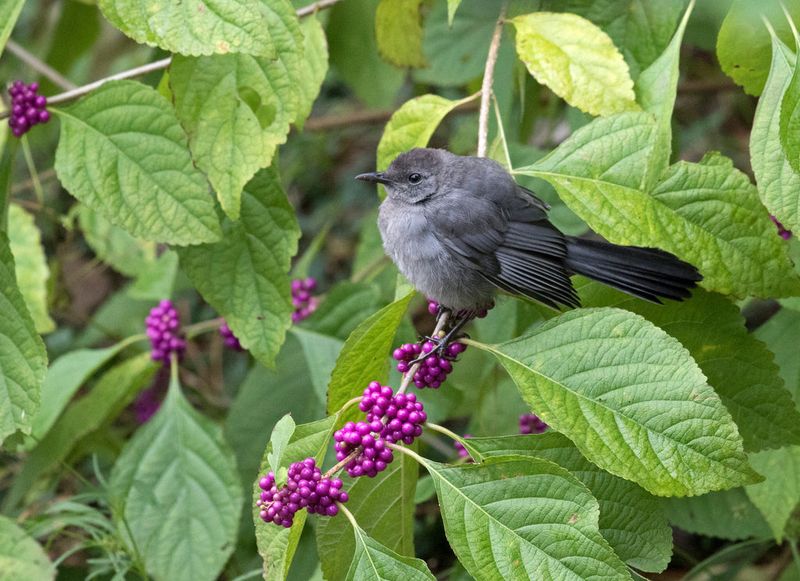
Birds won’t stick around if there’s nothing to eat. Your garden might look beautiful to you, but if it lacks seed-producing flowers, berry-bearing shrubs, or plants that attract insects, birds will simply fly elsewhere for their meals.
Many Oregon gardeners focus on ornamental plants that offer little nutritional value for wildlife.
Native plants provide the best food sources because local birds have evolved alongside them. Consider adding Oregon grape, which produces clusters of blue berries that robins and waxwings adore.
Serviceberry shrubs offer early summer fruits that over 40 bird species enjoy. Red-flowering currant blooms early, providing nectar for hummingbirds when few other flowers are available.
Coneflowers and black-eyed Susans produce seeds that goldfinches and sparrows feast on throughout fall and winter. Instead of deadheading these flowers, leave the seed heads standing.
Sunflowers are another excellent choice, offering large seeds that many birds can crack open. Plant a variety that blooms at different times to provide food year-round.
Remember that caterpillars and insects are crucial protein sources, especially for baby birds. Native oaks, willows, and alders support hundreds of caterpillar species that chickadees and warblers need to raise their young successfully in Oregon’s spring season.
2. Missing Native Plants Birds Need
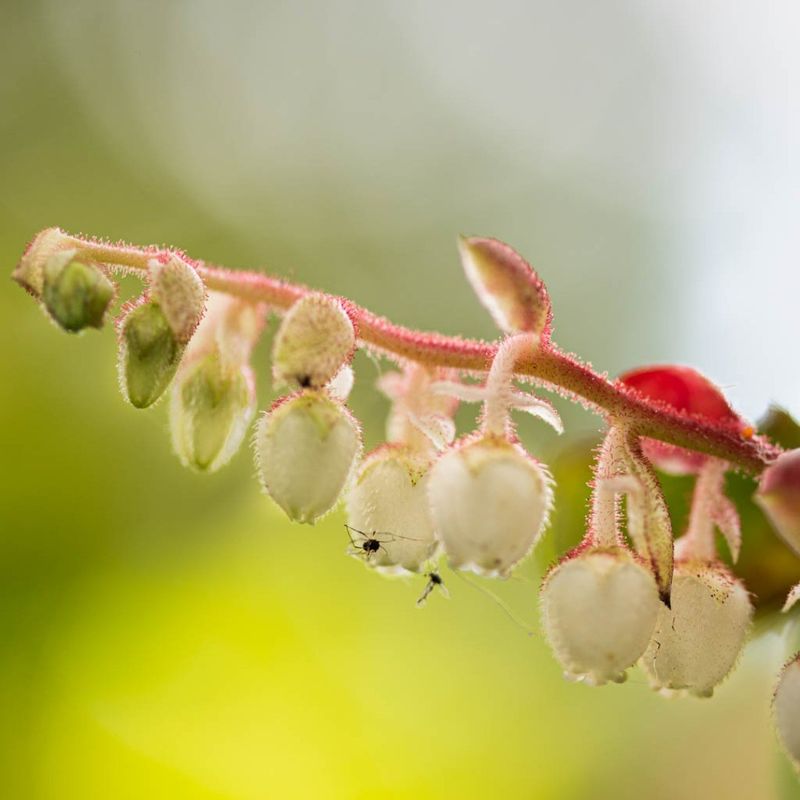
Exotic ornamental plants might win garden design awards, but they often fail to support local bird populations. Research from Oregon State University Extension shows that native plants support 29 times more caterpillar biomass than non-native species.
Since 96% of terrestrial bird species feed insects to their young, this difference matters enormously for successful breeding.
Non-native plants simply didn’t evolve with Oregon’s birds and insects, so they lack the chemical compatibility that makes them useful food sources.
A yard full of Japanese maples, English ivy, and butterfly bush might look lush but functions as a food desert for wildlife.
Birds recognize this instinctively and spend their time where resources are abundant.
Replacing even a portion of your ornamentals with natives makes a measurable difference. Vine maple provides nesting sites and seeds.
Snowberry produces white berries that persist into winter when food becomes scarce. Western red cedar offers year-round shelter and nesting opportunities while also producing small cones that siskins consume.
Your Oregon Garden Changes Every Week. Your Plan Should Too.
Gardening in Oregon changes quickly throughout the season. Every Friday you’ll receive a simple weekly plan showing exactly what to plant, prune, fertilize, harvest, and protect so you never miss the right timing.
Salal is particularly valuable in Oregon gardens, thriving in shade and producing berries that over 50 bird species eat. Pacific ninebark attracts insects to its flowers and provides dense branching for nesting.
These plants require less water once established, making them practical choices for Oregon’s dry summers while simultaneously supporting the birds you want to attract.
3. Lack Of Shelter And Nesting Spots
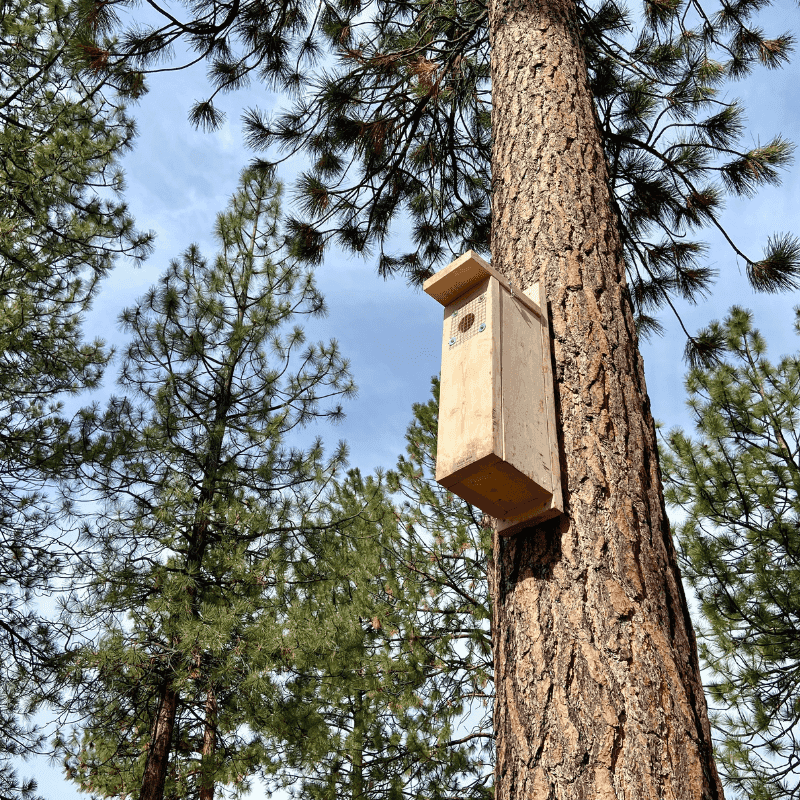
Open lawns and sparse landscaping leave birds feeling exposed and vulnerable to predators. Hawks patrol Oregon skies constantly, and birds know they need quick escape routes and protective cover to survive.
Without dense shrubs, evergreen trees, or thick hedges, your garden feels unsafe no matter how much food you provide.
Layered plantings work best for creating shelter. Start with tall trees like Douglas fir or western hemlock for the canopy layer.
Add medium-height shrubs such as osoberry or red-twig dogwood for the understory. Finally, include low groundcovers like kinnikinnick.
This structure mimics natural forest edges where birds feel most comfortable.
Evergreens provide critical winter shelter when deciduous plants lose their leaves. Oregon’s rainy winters mean birds need protected roosting spots where they can stay dry and maintain body heat.
Dense conifers like western red cedar or shore pine create perfect windbreaks and overnight refuges.
For nesting, birds need specific structures depending on species. Robins prefer horizontal branches of small trees.
Chickadees need cavities in dead wood, so leave snags standing when safe. Bushtits weave elaborate hanging nests in dense shrubs.
Providing diverse plant structures accommodates more species. Avoid excessive pruning that removes potential nesting sites, and let some areas grow a bit wild to maximize shelter value for Oregon’s breeding birds.
4. Too Much Lawn, Not Enough Habitat
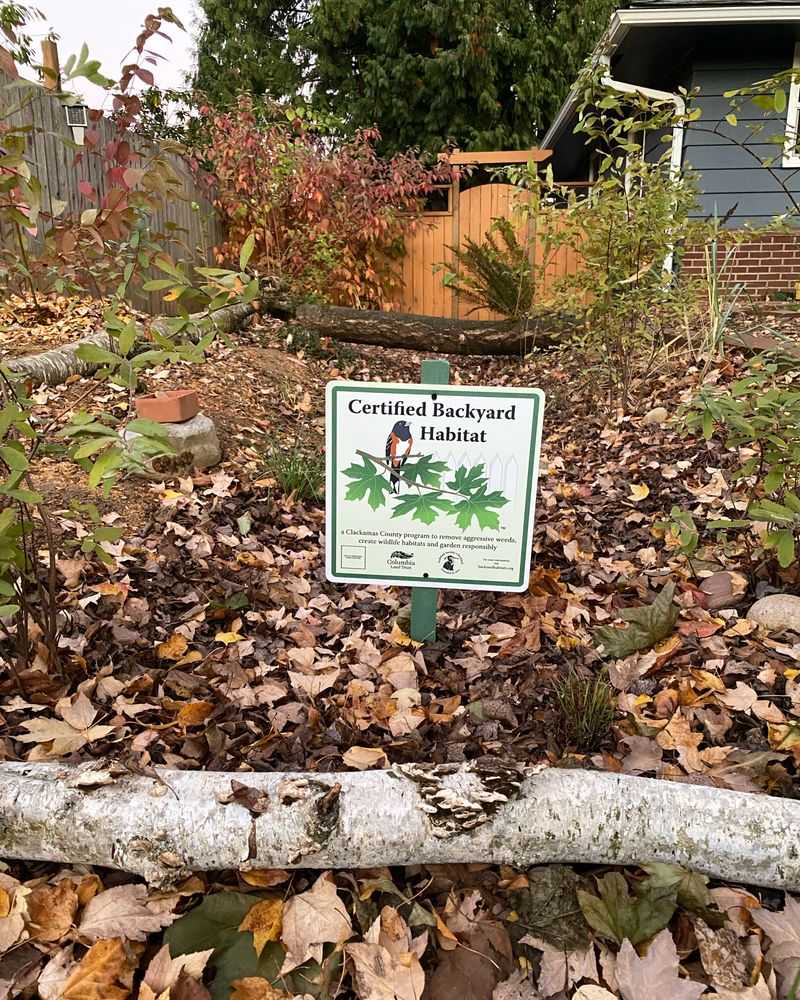
Expansive grass lawns dominate American landscapes, but they’re essentially biological deserts for birds. A typical turf lawn supports almost no insects, produces no seeds or berries, and offers zero nesting opportunities.
Maintaining these green carpets requires water, fertilizer, and mowing that further discourage wildlife while consuming your time and resources.
Oregon’s climate actually makes lawn maintenance particularly challenging and resource-intensive. Summer drought means constant watering to keep grass green, while winter rains create muddy, compacted soil.
Converting even part of your lawn to habitat makes practical sense beyond helping birds. You’ll reduce maintenance, conserve water, and create visual interest throughout the seasons.
Start small by removing a section of lawn near your home’s foundation or along property edges. Replace it with mixed native plantings that include groundcovers, perennials, shrubs, and small trees.
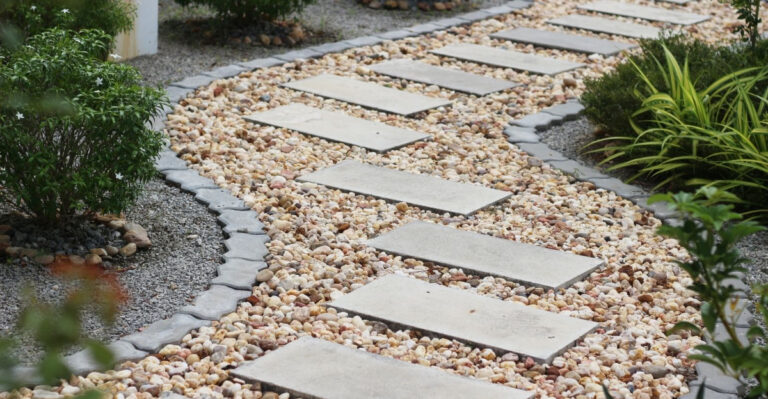
This creates the structural diversity birds need. Pathways through planted areas let you enjoy close-up bird watching while maintaining access to your yard.
Meadow plantings offer an excellent lawn alternative that birds love. Mix native bunch grasses like Idaho fescue with wildflowers such as camas, Oregon sunshine, and lupine.
These require mowing just once or twice yearly. Sparrows, towhees, and juncos will forage through the grass stems for seeds and insects.
The transformation from sterile lawn to vibrant habitat happens faster than most Oregon gardeners expect.
5. Pesticides Driving Birds Away
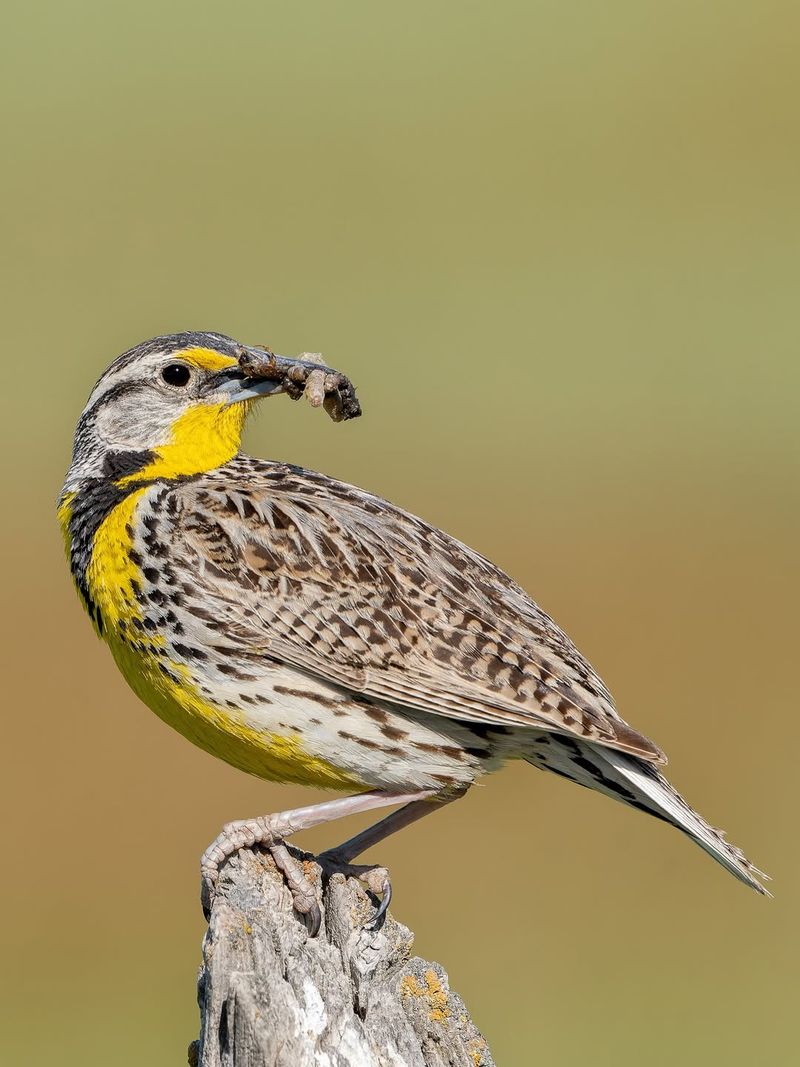
Chemical pesticides create multiple problems for birds beyond direct toxicity. When you eliminate insects from your yard, you remove the primary food source that most birds depend on, especially during breeding season.
Even products marketed as safe can reduce insect populations so dramatically that birds cannot find enough food to raise their young successfully in Oregon’s competitive environment.
Systemic insecticides are particularly problematic because they’re absorbed into plant tissues, making the entire plant toxic.
Birds eating treated seeds, drinking contaminated water, or consuming poisoned insects can experience neurological damage, weakened immune systems, and reproductive failure.
These effects might not cause immediate visible harm but reduce survival rates over time.
Slug baits containing metaldehyde pose serious risks in Oregon’s damp climate where slugs thrive. Birds eating poisoned slugs can experience fatal toxicity.
Safer alternatives include beer traps, copper barriers, or iron phosphate products that break down into soil nutrients. Hand-picking slugs during evening patrols effectively controls populations without chemical risks.
Embrace integrated pest management instead of reaching for sprays. Encourage natural predators like birds, beneficial insects, and spiders to handle pest control.
Most pest problems resolve themselves when ecosystems balance. Accept some leaf damage as the cost of supporting wildlife.
Healthy, diverse Oregon gardens naturally resist pest outbreaks better than chemically maintained monocultures. Your patience will be rewarded with thriving bird populations that provide free, effective, and fascinating pest management services.
6. No Fresh Water Available
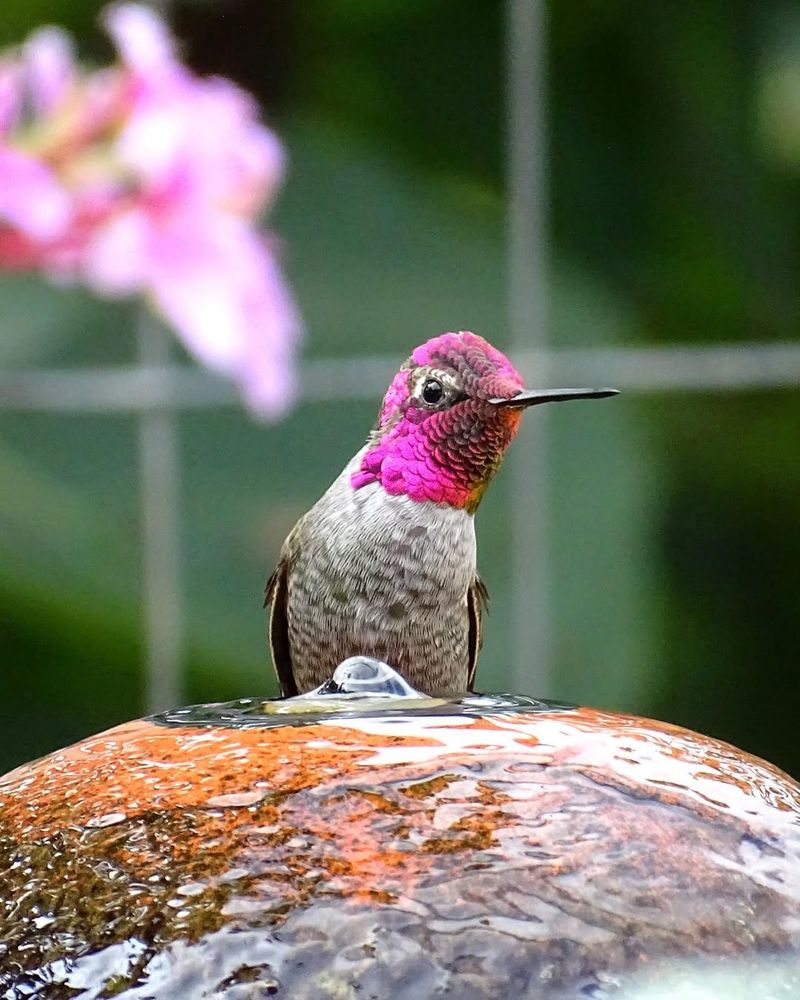
Water attracts birds even more reliably than food. Every bird needs to drink daily and bathe regularly to maintain feather condition for flight and insulation.
Oregon’s dry summers mean natural water sources often disappear, making your garden oasis even more valuable. A simple birdbath can double or triple the bird activity in your yard almost immediately.
Placement matters significantly for birdbath success. Position it in partial shade to keep water cooler and reduce algae growth.
Place it near shrubs or trees so birds can quickly escape to cover if predators approach, but keep it far enough from dense vegetation that cats cannot hide nearby. Elevation helps too; pedestal baths feel safer to birds than ground-level options.
Moving water proves irresistible to birds because the sound and sparkle signal freshness. Add a solar fountain, dripper, or bubbler to your bath.
These devices cost little, require no electricity, and dramatically increase bird visits. Hummingbirds particularly love flying through fine spray or mist on hot Oregon afternoons.
Maintenance is crucial and simple. Change water every two to three days to prevent mosquito breeding and disease transmission.
Scrub the basin weekly with a brush and rinse thoroughly without soap. During winter, use a heated birdbath or replace ice daily so birds maintain access to water when natural sources freeze.
Shallow water works best; birds prefer depths of one to two inches for safe bathing and drinking throughout Oregon’s varied seasons.
7. Too Much Noise And Disturbance
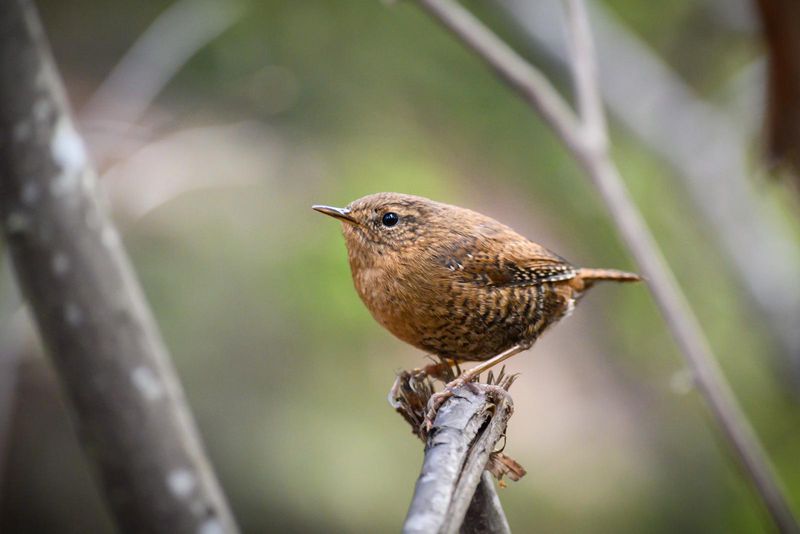
Constant human activity, barking dogs, and loud noises make birds nervous and unwilling to settle in your garden.
While some species like robins and crows tolerate human presence, many desirable songbirds prefer quieter spaces where they can forage, nest, and raise young without constant stress.
Creating sanctuary zones in your yard helps sensitive species feel comfortable enough to become regular residents.
Designate at least one section of your property as a low-traffic wildlife area. Position this zone away from patios, play areas, and frequently used paths.
Let vegetation grow fuller and wilder here than in more formal garden spaces. Birds will recognize this quieter area as safe and concentrate their activities there, giving you predictable viewing opportunities from nearby windows.
Timing outdoor activities thoughtfully makes a difference during Oregon’s spring and summer breeding season. Avoid major landscaping projects, loud parties, or construction near nesting areas from April through July.
Birds invest tremendous energy in reproduction, and repeated disturbances can cause nest abandonment. Once young fledge, birds become more tolerant of activity again.
Window collisions eliminate millions of birds annually, often in otherwise bird-friendly yards. Apply decals, screens, or netting to exterior glass surfaces, especially where windows reflect vegetation or face each other creating flight-through illusions.
Position feeders either very close to windows (within three feet) or far away (beyond 30 feet) to reduce collision speeds. These simple measures let you enjoy close bird encounters while keeping Oregon’s feathered visitors safe from invisible barriers.
8. The Best Plants To Bring Birds Back
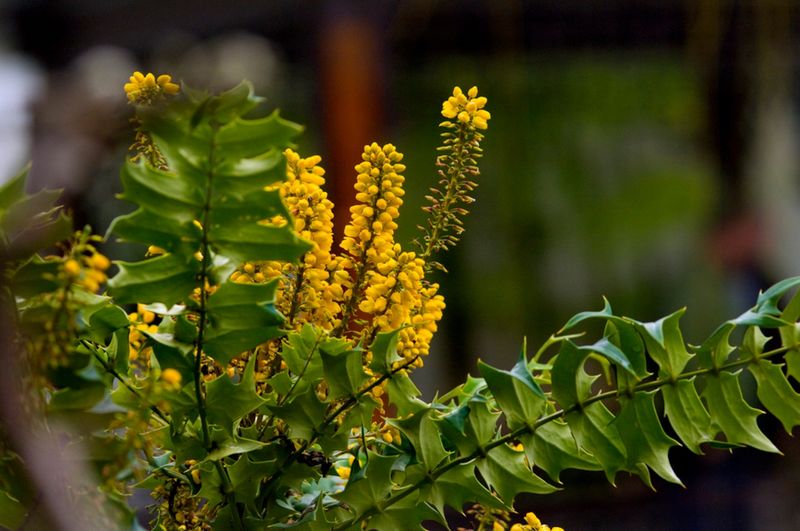
Transforming your yard into bird habitat starts with choosing the right plants. Focus on Oregon natives that provide food, shelter, and nesting sites throughout the year.
Layering plants of different heights creates the structural diversity that accommodates the most species. Combining evergreens with deciduous plants ensures year-round resources and visual interest.
Top shrub choices include Oregon grape for berries and cover, red-flowering currant for early hummingbird nectar, and snowberry for persistent winter food. Osoberry blooms extremely early, providing nectar when little else is available.
Salal thrives in shade and produces berries that dozens of species consume. Red-twig dogwood offers berries, nesting sites, and stunning winter stem color.
For trees, consider serviceberry for edible berries, vine maple for seeds and structure, and Pacific crabapple for spring flowers and small fruits. Western red cedar provides evergreen shelter.
If you have space, Oregon white oak supports more caterpillar species than any other regional tree, making it invaluable for breeding birds.
Perennials and groundcovers complete the picture. Plant coneflowers, black-eyed Susans, and native asters for seeds.
Kinnikinnick creates evergreen groundcover with berries. Native bunch grasses like Idaho fescue provide nesting material and shelter ground-feeding birds.
Columbine and penstemon attract hummingbirds. Aim for continuous blooms from early spring through fall to support pollinators that birds also eat.
Start with a few key species, observe which birds respond, then expand your plantings based on success in your specific Oregon microclimate.