The Hellebore Pruning Mistakes Oregon Gardeners Make In February
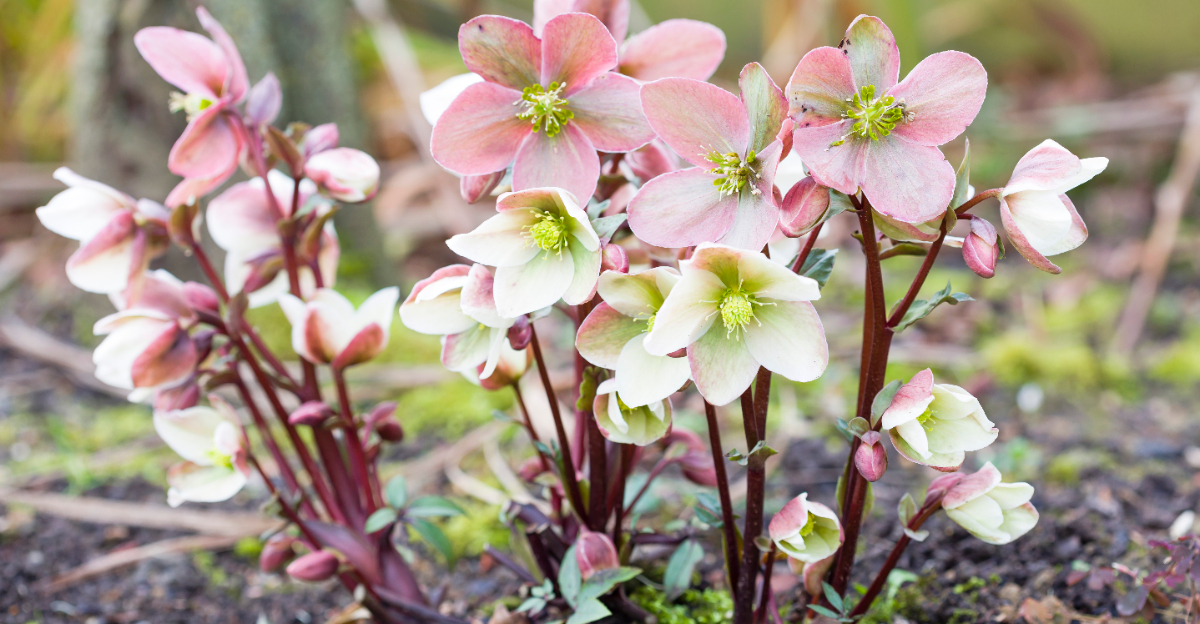
February in Oregon is a strange little window in the garden. Winter still lingers, yet hellebores are already pushing out nodding blooms that brighten gray days.
These tough, shade loving favorites seem low maintenance, which is exactly why so many gardeners accidentally prune them the wrong way. A few quick snips at the wrong time can hide flowers, spread disease, or slow down healthy new growth.
Hellebores do best with a gentle, well timed touch, not a heavy handed haircut. Knowing what to cut, what to leave, and how to keep plants clean makes all the difference during this late winter moment.
With the right approach, your plants will show off clear, vibrant blooms and stay strong into spring. Grab your pruners, take a closer look at those leathery leaves, and give your hellebores the simple care they need to shine through the rest of the season.
1. The Late-Winter Pruning Error
Many Oregon gardeners wait until spring officially arrives before tackling their hellebore cleanup. February feels too early when rain is still pouring down and frost warnings pop up on weather apps.
Waiting seems like the safer choice, but it actually creates more problems than it solves.
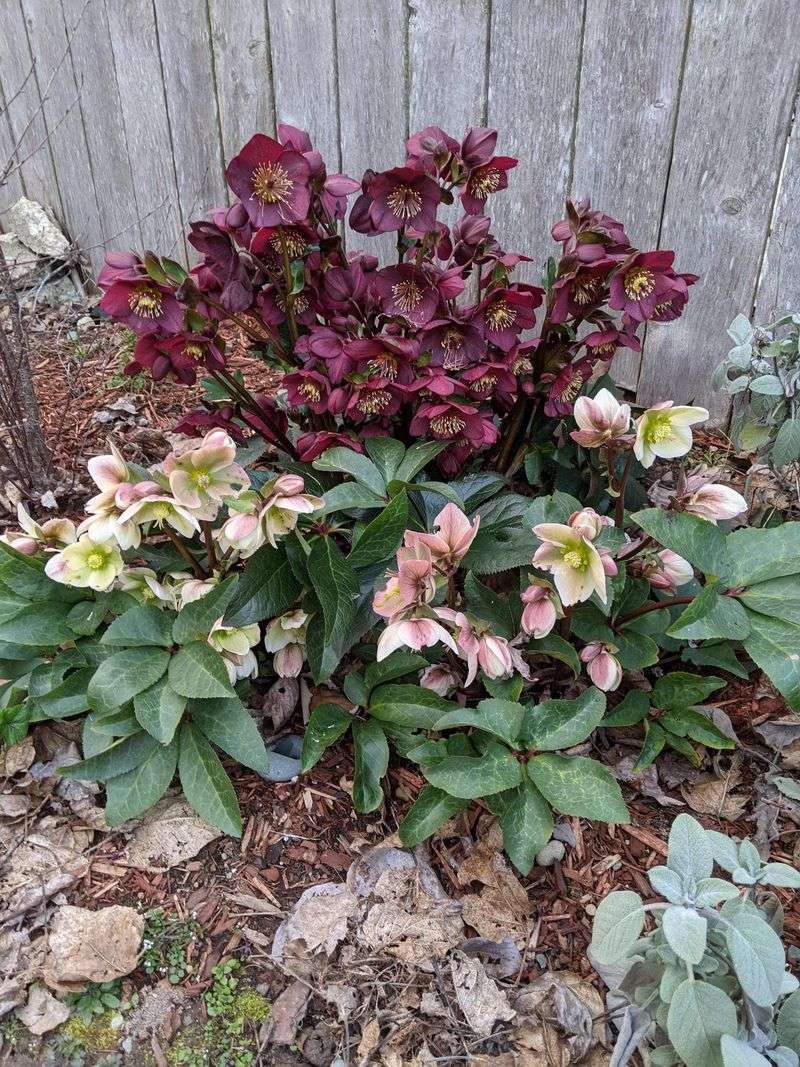
Hellebores in Oregon begin their bloom cycle surprisingly early, often sending up flower stems in January. By late February, those buds are nearly ready to open.
Old foliage from last year surrounds these emerging stems, blocking light and creating a messy appearance.
The mistake happens when gardeners postpone pruning until March or April. By then, new flowers are already blooming beneath the old leaves, making it nearly impossible to remove withered foliage without damaging delicate blooms.
You end up cutting off flowers accidentally or leaving ugly brown leaves mixed with fresh growth.
Oregon State University Extension recommends pruning hellebores in February, before flowers fully emerge. This timing works perfectly with our climate because plants are still semi-dormant.
The ground stays workable during our mild winters, giving you the perfect window. Getting ahead of the bloom cycle means your plants look clean and organized when those gorgeous flowers finally open, creating the dramatic effect hellebores are famous for delivering during our dreariest months.
2. Why Old Leaves Should Go Now
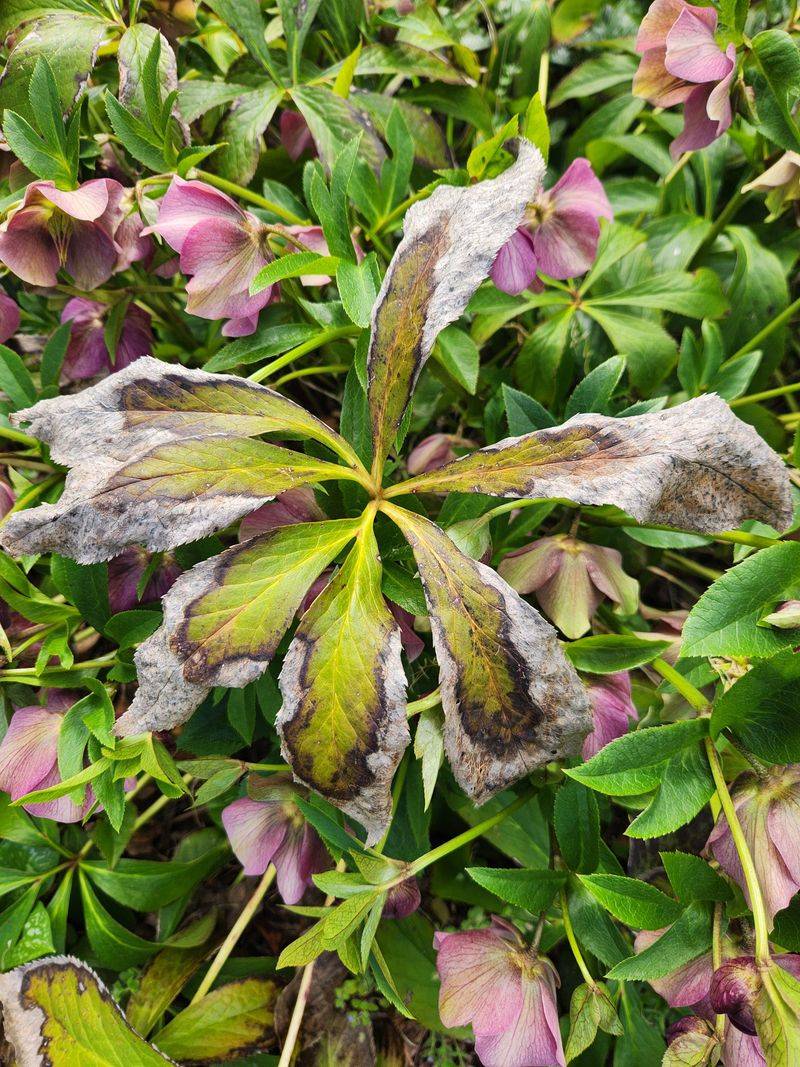
Those ratty brown leaves clinging to your hellebores serve absolutely no purpose once winter arrives. They completed their job during the growing season, producing energy for the plant through photosynthesis.
Now they just hang around looking terrible while creating potential problems.
Old hellebore foliage becomes spotted, torn, and discolored after enduring months of Oregon rain and occasional freezes. These damaged leaves block sunlight from reaching the crown where new growth emerges.
They also trap moisture against the plant base, which sounds fine until you realize what that means for disease development.
Removing old leaves in February gives new foliage room to expand without competition. Fresh leaves emerge bright green and unblemished, creating a beautiful backdrop for incoming flowers.
The contrast between clean new growth and blooms looks intentional and well-maintained rather than neglected and overgrown.
Your Oregon Garden Changes Every Week. Your Plan Should Too.
Gardening in Oregon changes quickly throughout the season. Every Friday you’ll receive a simple weekly plan showing exactly what to plant, prune, fertilize, harvest, and protect so you never miss the right timing.
February represents the sweet spot for this task in Oregon gardens. Temperatures stay mild enough for comfortable outdoor work, and rain breaks between storms give you dry windows.
New leaves are just starting to unfurl, making it easy to distinguish what needs removal. Cutting away old foliage now prevents you from accidentally trimming new growth later when everything becomes tangled together during the spring rush of activity.
3. Don’t Cut The Flower Stems
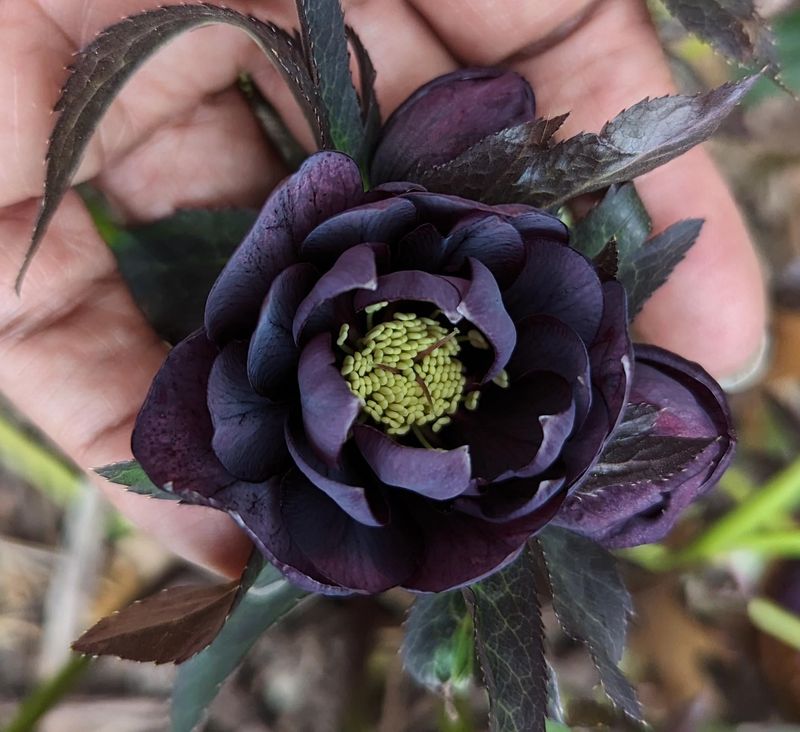
Picture yourself kneeling beside your hellebore on a drizzly February morning, pruning shears ready. You start removing brown leaves and get into a rhythm, snipping away everything that looks old or damaged.
Suddenly you realize those thick stems you just cut were actually flower stalks, not foliage. This common mistake ruins your entire bloom display.
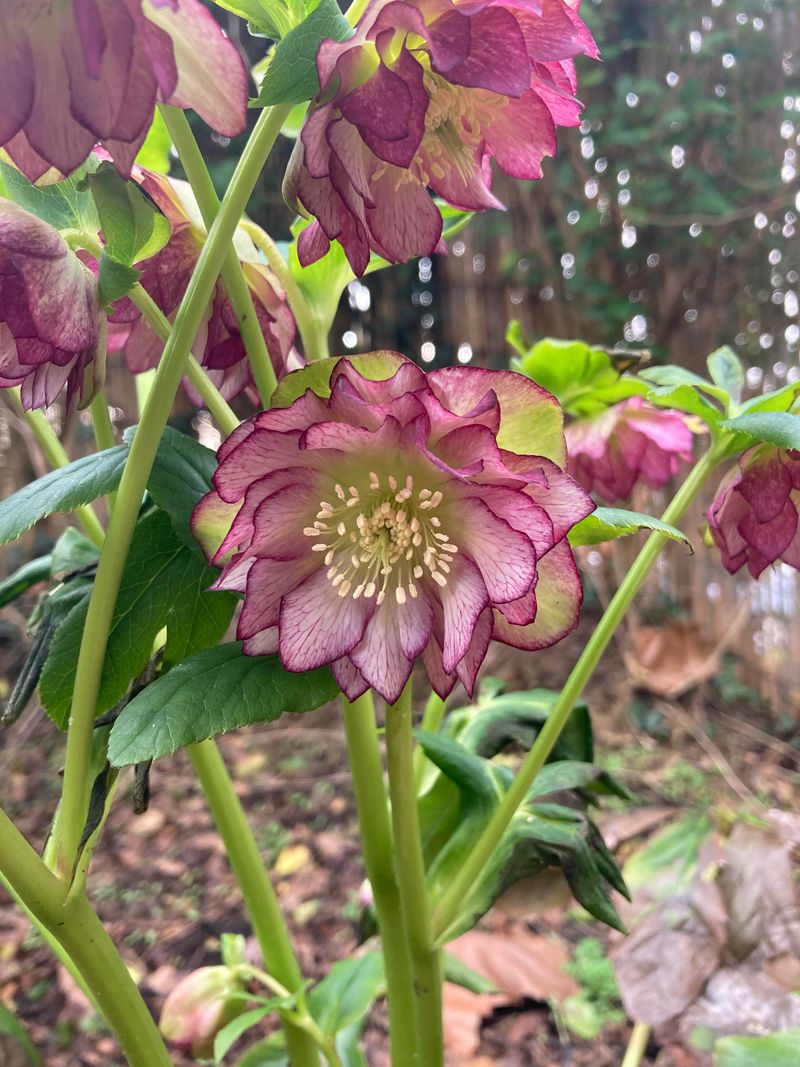
Flower stems emerge from the center of hellebore clumps looking different from leaf stems. They grow thicker, smoother, and more upright than foliage.
Buds form at the top, though they might still be tightly closed in early February. These stems feel firm and substantial compared to the papery texture of old leaves.
The confusion happens because both flower stems and leaf stems can look brownish or mottled during winter. Oregon’s wet conditions sometimes cause temporary discoloration that makes healthy stems appear damaged.
Gardeners panic and cut everything questionable, losing their flowers in the process.
Before cutting anything, trace each stem down to its base and look at what emerges from the tip. Flower stems produce buds or actual blooms.
Leaf stems spread into foliage, even if that foliage looks ratty. When in doubt, leave it alone for a few days and check again.
Flower buds swell noticeably during warm spells, making identification easier as February progresses through our typical mild stretches.
4. How Withered Foliage Spreads Disease
Withered and damaged hellebore leaves create the perfect environment for fungal diseases that thrive in Oregon’s wet winter climate. Black spot, downy mildew, and leaf spot fungi all love the conditions we provide naturally with our constant rainfall and mild temperatures.
Leaving old foliage attached to plants basically invites these problems to set up permanent residence.
Fungal spores overwinter on withered plant material, waiting for moisture and warmth to activate. Oregon provides both in abundance during winter and early spring.
Rain splashes spores from infected old leaves onto fresh new growth, spreading disease throughout the plant. What starts as a few spots quickly becomes a major infestation.
Hellebores generally resist disease well, but prolonged exposure to infected material weakens their natural defenses. New leaves emerge already compromised when they push up through contaminated old foliage.
The cycle continues year after year if you never break it by removing the source.
Cutting away old leaves in February eliminates most disease pressure before new growth fully develops. You remove the infected material and give plants a fresh start.
This simple step dramatically reduces fungal problems throughout the growing season. Bag up removed foliage and dispose of it in yard waste collection rather than composting it, since home compost piles rarely get hot enough to destroy fungal spores completely.
5. The Right Way To Clean Up Hellebores
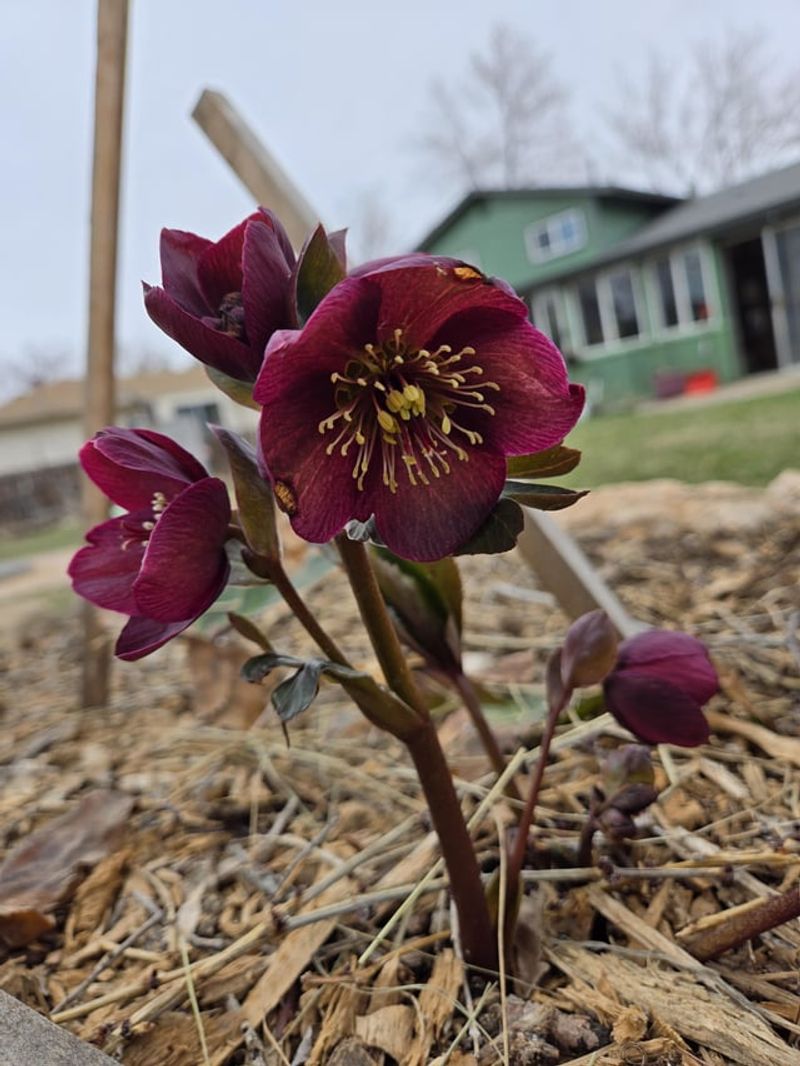
Grab your sharpest pruning shears and a pair of sturdy gloves before heading out to tackle your hellebores. February mornings in Oregon can be chilly and damp, so dress appropriately.
You want tools that make clean cuts rather than crushing stems, which creates entry points for disease.
Start by examining each plant carefully and identifying what needs removal. Old leaves typically feel papery and show obvious damage like spots, tears, or browning.
Follow each leaf stem down to where it emerges from the crown, right at ground level. Cut there, removing the entire leaf stem in one piece.
Work around the plant systematically rather than randomly snipping here and there. Clear one section completely before moving to the next.
This approach helps you avoid accidentally cutting flower stems or new foliage hidden among the old growth. Take your time and check each stem before cutting.
Leave all green, healthy foliage intact even if it looks a bit weathered. These leaves still photosynthesize and support the plant.
Focus only on clearly withered or severely damaged material. After removing old leaves, gently pull away any debris that has collected around the crown.
Rake up fallen leaves from around the base to improve air circulation. Stand back and admire your work when finished.
Your hellebores should look tidy and ready to showcase their blooms against clean new foliage.
6. What Happens If You Wait Too Long
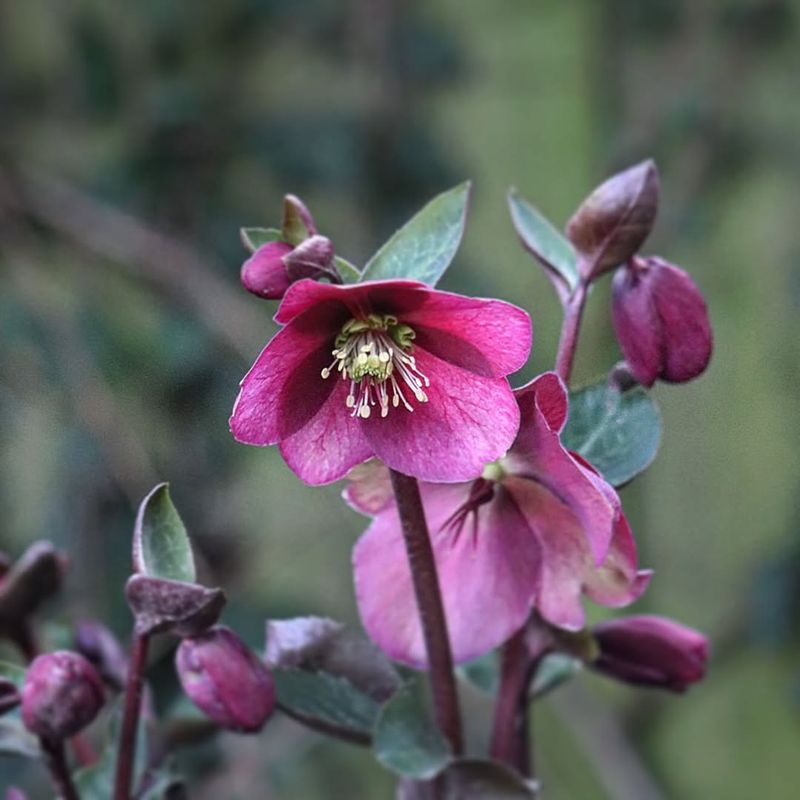
March arrives and suddenly your hellebores burst into full bloom beneath a tangled mess of old brown leaves. Gorgeous flowers hide underneath ratty foliage, completely defeating the purpose of growing these early bloomers.
You missed the pruning window, and now you face an impossible situation with no good options.
Attempting to prune after flowers open means risking damage to delicate blooms. Hellebore flowers emerge on stems that weave between old leaf stems, making it nearly impossible to remove foliage without bumping, bending, or cutting flower stalks.
Every snip becomes a calculated risk. Most gardeners end up either leaving the mess alone or accidentally ruining their flower display while trying to clean up.
Late pruning also means you miss the opportunity to remove disease sources before they spread. Fungal spores have already splashed onto new growth during February and March rains.
Removing infected leaves after the fact does little to prevent problems that are already established on fresh foliage.
The appearance issue bothers many Oregon gardeners most. Hellebores provide crucial color during our dreariest months, but only if you can actually see the flowers.
When blooms hide beneath brown leaves, the whole point disappears. Visitors to your garden walk right past without noticing the display.
Waiting until April to prune means missing the entire show, since hellebore flowers fade by late spring anyway.
7. How Proper Pruning Boosts Blooms
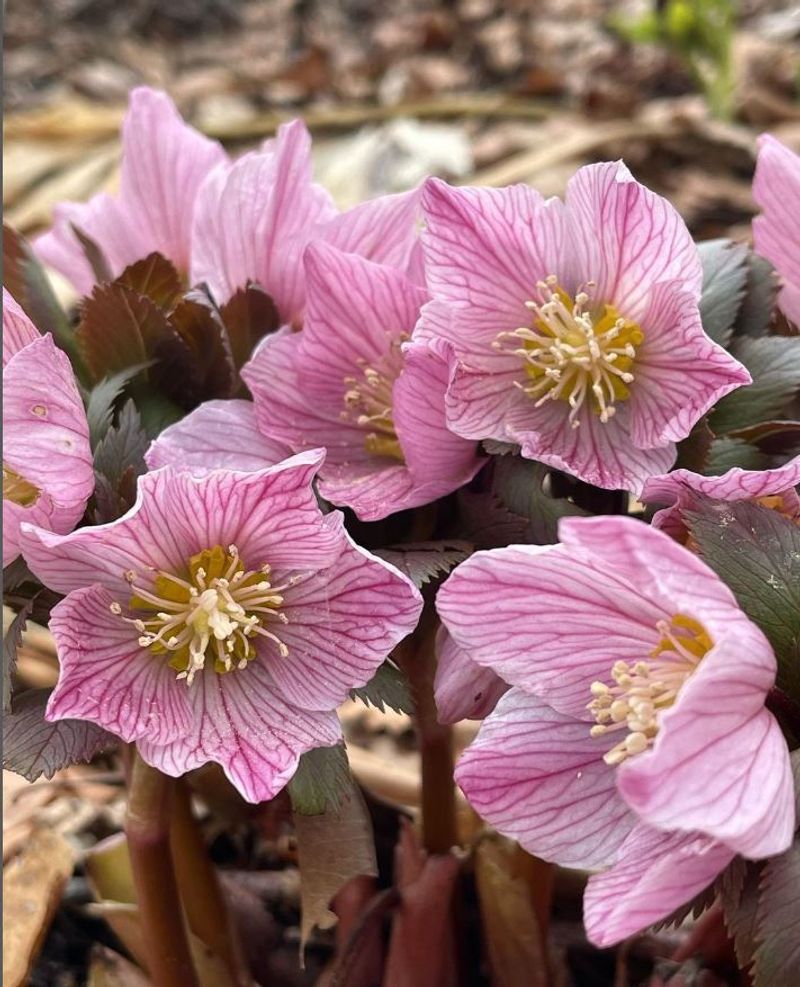
Removing old foliage at the right time does more than just improve appearance. Proper February pruning actually increases flower production and quality by giving plants exactly what they need during their most critical growth phase.
Light, air, and energy all get redirected where they matter most.
Sunlight reaches the crown more effectively once you remove the canopy of withered leaves. Even on cloudy Oregon days, increased light exposure helps flowers develop fuller and more vibrant.
Colors appear richer and blooms open more completely when they receive adequate light from the start. Shaded flowers often stay partially closed or develop pale, washed-out colors.
Air circulation improves dramatically around pruned plants, reducing humidity levels at the crown. Lower humidity means fewer fungal problems and healthier overall growth.
Flowers last longer when disease pressure stays minimal. Stems grow stronger and more upright without the weight and competition of old foliage dragging them down.
Plants redirect energy more efficiently after pruning. Instead of maintaining useless old leaves, hellebores focus resources on flower production and new foliage development.
The result shows in bloom quantity and size. Well-pruned hellebores in Oregon gardens often produce twenty to thirty percent more flowers than neglected plants.
Those extra blooms make a noticeable difference in your late-winter landscape, providing weeks of color when almost nothing else offers any interest at all in Pacific Northwest gardens.