The Gorgeous Michigan Botanical Garden Most People Have Never Heard Of
Some of Michigan’s most beautiful places are the ones people rarely talk about. Cranbrook House and Gardens in Bloomfield Hills surprises first time visitors with its scale, character, and quiet beauty.
Located at 380 Lone Pine Rd, Bloomfield Hills, MI 48304, United States, the estate spans forty acres where historic architecture meets carefully planned garden spaces and seasonal color that shifts throughout the year.
It feels refined without being formal, and peaceful without feeling empty. Winding paths lead through structured flower gardens, open lawns, and shaded woodland areas that invite a slower pace.
Spring and summer bring waves of color, while thoughtfully designed spaces like the Japanese style garden and butterfly friendly plantings add depth and variety. Each section feels intentional yet natural, shaped by both history and horticulture.
For many visitors, it becomes more than a garden. It turns into a place to return, wander, and rediscover with every changing season.
Historic Estate Setting
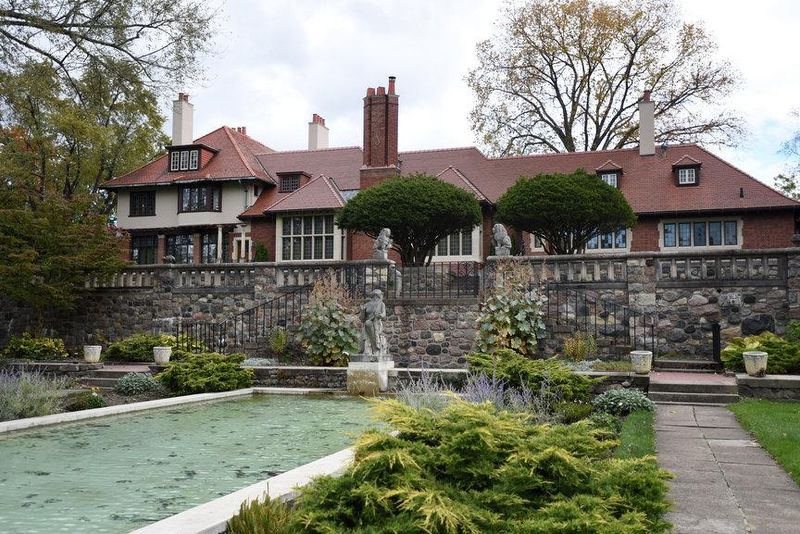
George and Ellen Booth began building their estate in the early 1900s with a clear and thoughtful vision. They transformed open Michigan countryside into a carefully designed home and landscape that reflected their love for art, craftsmanship, and nature.
Inspired by the Arts and Crafts movement, the Booths believed beautiful surroundings could enrich daily life and encourage creativity.
Walking through the gardens today offers a glimpse into that original vision. Every path, view, and structure was planned to feel harmonious rather than showy. The Booths worked with skilled architects and landscape designers, including Albert Kahn and O.
C. Simonds, to shape both the house and grounds into a unified environment where nature and design complemented each other.
Their estate later became the heart of the Cranbrook Educational Community, a center for learning, art, and culture that continues to thrive.
The gardens were never meant to be simple decoration. They reflected a belief that beauty, education, and nature should be part of everyday life, a vision visitors can still experience today.
Extensive 40-Acre Garden Landscape
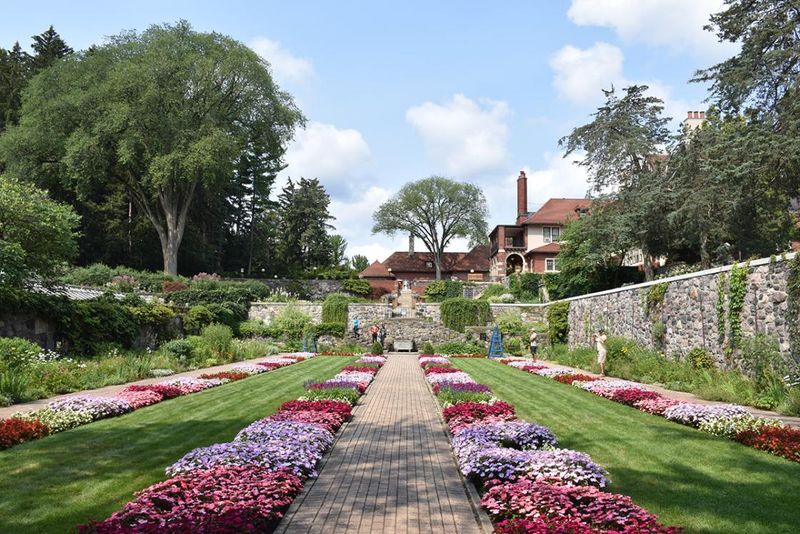
Forty acres might sound like just a number until you start exploring. The sheer variety packed into this space will surprise even experienced garden visitors. From manicured lawns to wild woodland trails, every acre offers something different to discover and enjoy.
The landscape designers created distinct zones that flow naturally into one another. You might wander from a formal terrace into a shaded forest path within minutes.
This thoughtful layout keeps the experience fresh and prevents garden fatigue during longer visits.
Water features dot the property, adding movement and sound to the visual beauty. Ponds reflect surrounding trees and sky, creating living paintings that change with seasons and weather.
These aquatic elements attract wildlife and provide cooling relief on warm summer days. Ornamental beds showcase both classic and contemporary planting styles throughout the grounds.
Gardeners experiment with color combinations, textures, and heights to create dynamic displays. The plantings change seasonally, giving repeat visitors new scenes to appreciate year-round.
Managing such extensive grounds requires dedication and skill from the maintenance teams. Every section receives attention to keep pathways clear, plants healthy, and design integrity intact.
Your Michigan Garden Changes Every Week. Your Plan Should Too.
Gardening in Michigan changes quickly throughout the season. Every Friday you’ll receive a simple weekly plan showing exactly what to plant, prune, fertilize, harvest, and protect so you never miss the right timing.
The result is a polished yet natural-feeling landscape that invites exploration and rewards curiosity at every turn.
Over 15 Distinct Garden Areas
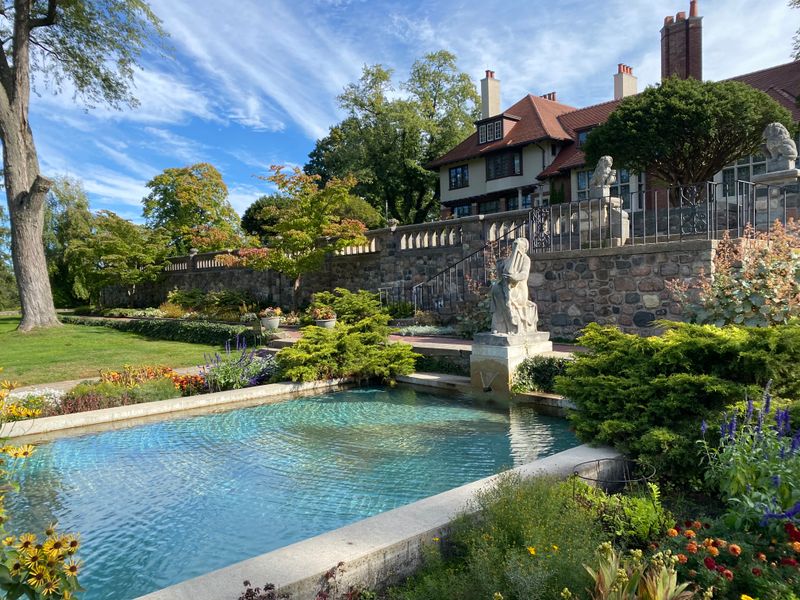
Garden rooms create intimate spaces within the larger landscape. Each themed area has its own personality, planting palette, and special features. This approach breaks up the vast acreage into manageable, memorable sections that visitors can appreciate individually.
Some rooms emphasize formal symmetry with clipped hedges and geometric beds. Others embrace cottage-style abundance with overflowing perennials and casual charm. The variety means different garden lovers find spaces that speak to their personal aesthetic preferences.
Sculptures and art pieces anchor many of these distinct areas. These artistic elements add focal points and conversation starters throughout your garden journey. The integration of art and horticulture reflects the Booth family’s original vision for the estate.
Terraces provide elevated viewpoints where you can pause and survey surrounding gardens.
These architectural features create level planting areas on sloping ground while adding visual interest. Stone walls, steps, and balustrades contribute historic character to the landscape.
Navigating between garden rooms feels like turning pages in a beautiful book. Each chapter tells a different story through plant choices, design styles, and atmospheric qualities.
This segmented approach prevents overwhelming visitors while showcasing the incredible diversity possible in thoughtful landscape design.
Iconic Sunken Garden
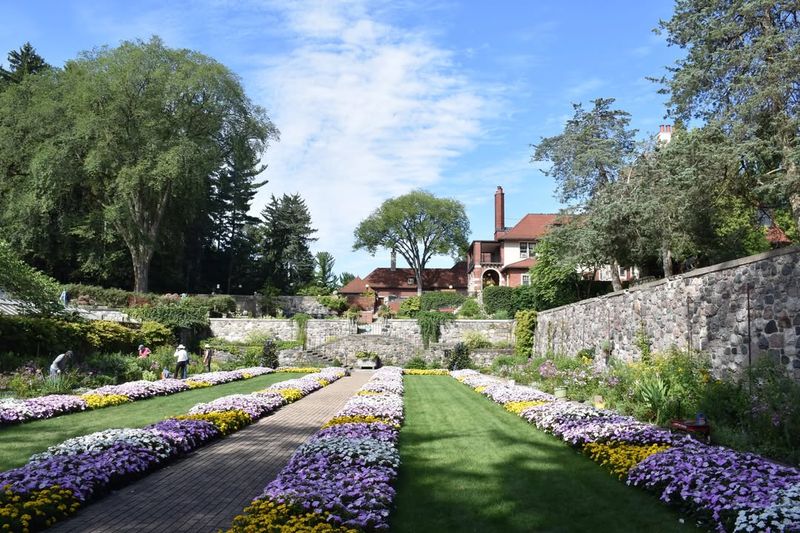
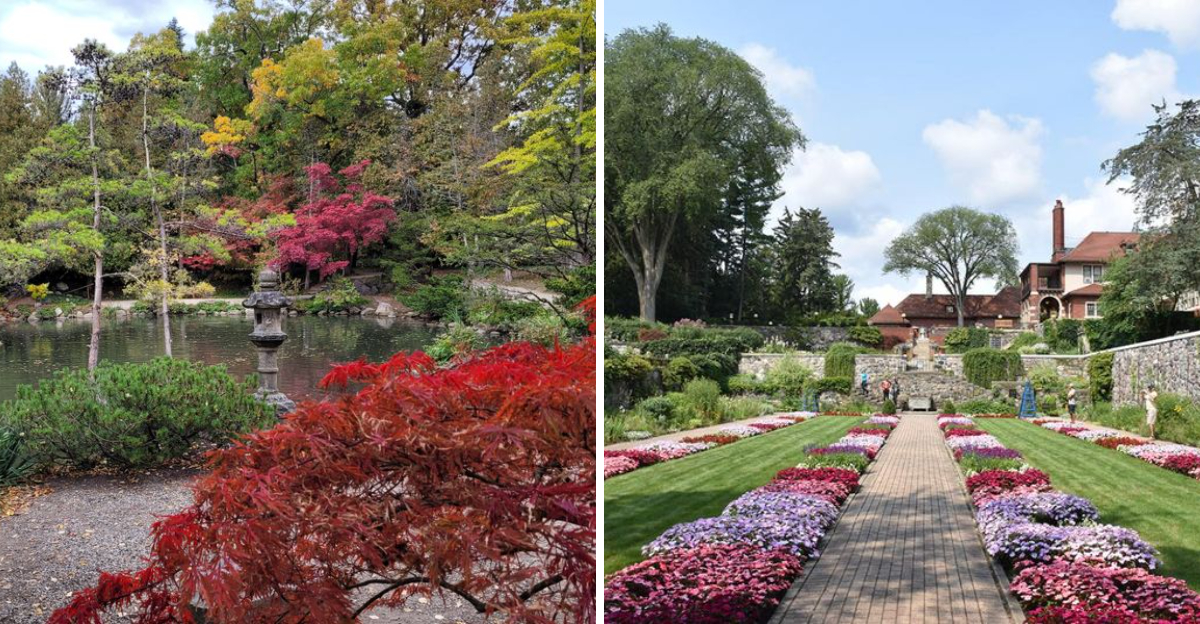
Descending into the Sunken Garden creates an immediate sense of discovery and delight. The lowered elevation provides shelter from wind and creates a microclimate that benefits tender plants.
Surrounding walls frame the space like a living picture that changes with each planting season.
Thousands of annuals fill this space in carefully planned color schemes. Garden designers coordinate blooms to create patterns, gradients, and bold statements that photograph beautifully. The intensive planting approach delivers maximum visual impact from spring through fall.
Each season brings a complete transformation of this signature space. Spring might feature cool pastels while summer explodes with tropical brights. Fall displays often incorporate ornamental grasses and late-blooming perennials for a grand finale before winter.
The labor involved in these seasonal changeovers is substantial but worthwhile. Volunteers and staff work together to remove spent plants, refresh soil, and install thousands of new specimens.
This commitment to excellence keeps the Sunken Garden looking magazine-perfect throughout growing seasons.
Visitors often spend the longest time in this area, captivated by the intricate designs. Benches invite you to sit and absorb the beauty from different angles.
The Sunken Garden exemplifies how formal garden design can create emotional responses through color, pattern, and horticultural artistry.
Beautiful Japanese Garden
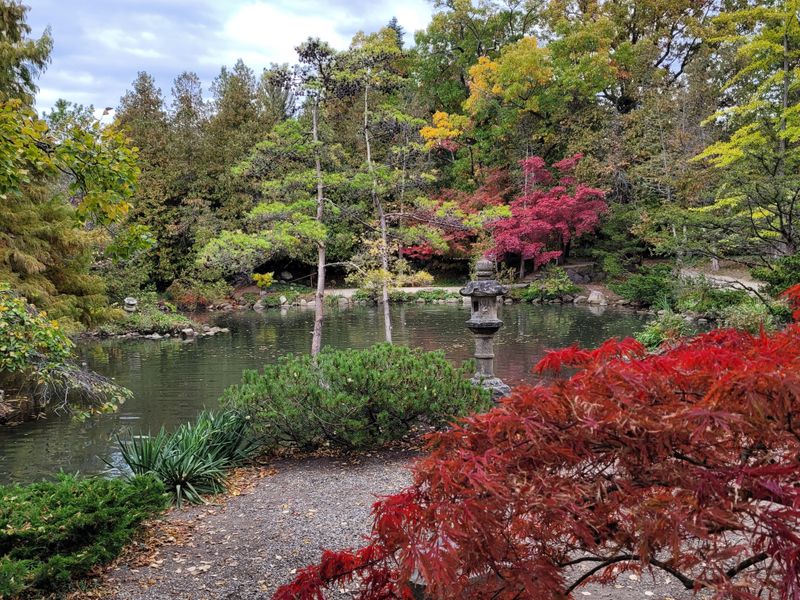
Stepping into the Japanese Garden shifts your entire sensory experience. The design principles here emphasize balance, simplicity, and harmony with nature.
Water, stone, and carefully pruned plants work together to create a contemplative atmosphere that contrasts with more exuberant garden areas.
Traditional bridges arch gracefully over streams and ponds. These structures serve practical purposes while adding architectural beauty rooted in East Asian garden traditions.
Walking across them becomes a meditative transition between different sections of the space. Mature trees provide the bones of this garden, their aged character essential to the design.
Japanese maples, pines, and other specimens have been shaped over decades to achieve their current forms. This patience and long-term vision reflects authentic Japanese gardening philosophy.
Stone lanterns, carefully placed rocks, and gravel paths complete the traditional aesthetic. Every element has purpose and meaning within the overall composition. Nothing feels random or excessive in this carefully edited landscape.
The Japanese Garden offers a peaceful retreat within the larger estate grounds. Many visitors seek it out specifically for quiet reflection or photography.
Its enduring popularity demonstrates how thoughtfully designed cultural gardens can transport people to different places and states of mind without leaving Michigan.
Butterfly Garden With Monarch Support

Creating habitat for butterflies serves both aesthetic and ecological purposes. The certified Butterfly Garden buzzes with activity during warmer months as countless winged visitors seek nectar and host plants.
Watching these delicate creatures flutter among blooms adds living movement to the garden experience.
Monarch butterflies receive special attention through dedicated milkweed plantings. These plants provide the only food source for monarch caterpillars during their remarkable lifecycle.
By growing various milkweed species, the garden supports monarchs during their epic migration journey. Nectar plants bloom in succession to provide food sources throughout the growing season.
Early spring flowers feed butterflies emerging from hibernation or arriving from southern wintering grounds. Late-blooming perennials help fuel fall migrants preparing for long southward flights.
The garden’s certification recognizes its commitment to proper butterfly habitat requirements. This involves more than just pretty flowers; it includes providing water sources, shelter, and avoiding harmful pesticides.
Educational signage helps visitors understand how they can create similar spaces at home.
Children especially love this garden area, delighting in close butterfly encounters. The garden becomes an outdoor classroom where families learn about insect lifecycles, plant relationships, and conservation.
Supporting pollinators has never been more critical, making this garden both beautiful and purposeful in protecting vulnerable species.
Spring Daffodil Displays
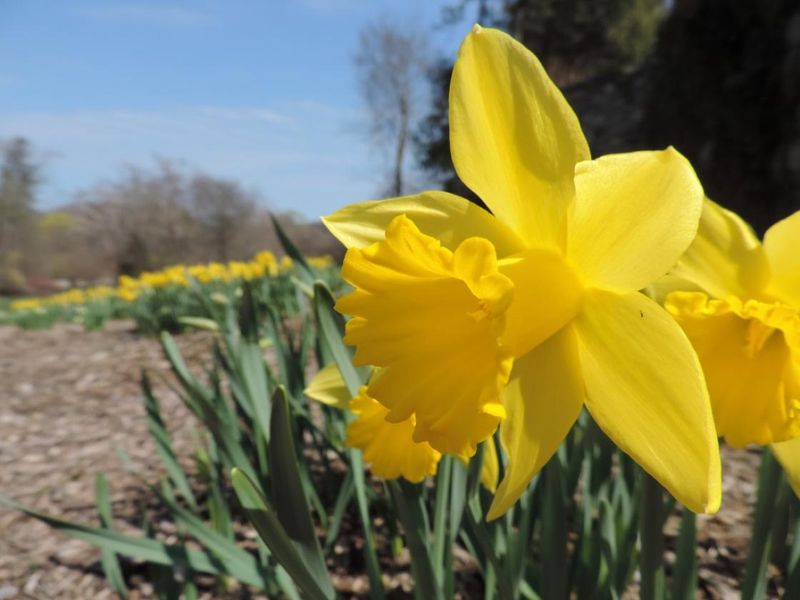
Few sights announce spring’s arrival more joyfully than thousands of daffodils bursting into bloom. Daffodil Hill becomes a pilgrimage destination for visitors eager to shake off winter doldrums.
The cheerful yellow and white blooms carpet the slope in a display that lifts spirits and inspires photographers.
Planting this many bulbs requires significant fall effort and planning. Volunteers work together during autumn to tuck thousands of bulbs into the ground. Their hard work pays off months later when the entire hillside transforms into a golden wave of nodding flowers.
Daffodils offer reliable performance year after year with minimal maintenance. Unlike some bulbs, they naturalize beautifully and often multiply over time. This makes them ideal for large-scale displays that improve rather than diminish with age.
The timing of daffodil bloom provides crucial early-season interest before most perennials awaken. Visitors craving garden inspiration after long Michigan winters find hope and beauty here. The display proves that patient planning and bulb investment create spectacular spring rewards.
Different daffodil varieties extend the blooming period across several weeks. Early, mid, and late-season cultivars ensure the show continues as long as possible.
This succession planting strategy maximizes visitor enjoyment and demonstrates smart garden planning principles applicable to home landscapes.
Historic And Botanical Integration
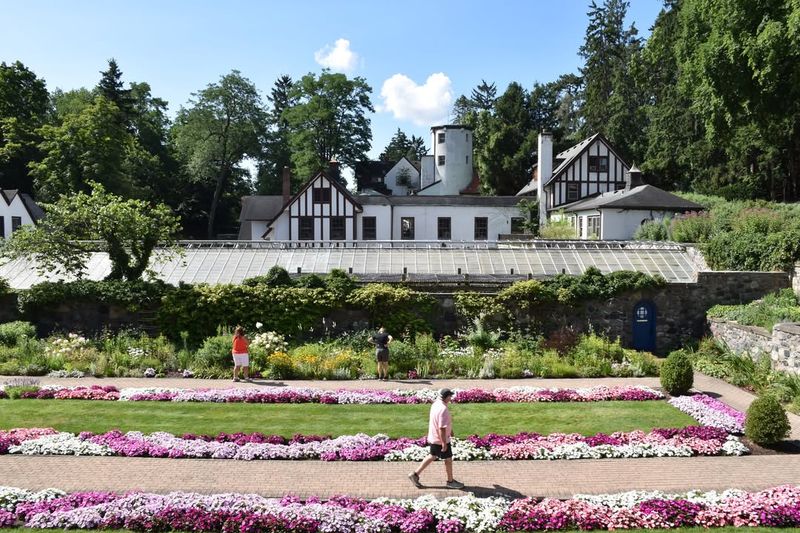
The Booth family understood that great gardens and great architecture should enhance each other. Their estate demonstrates how buildings and landscapes can form unified artistic statements. This integration elevates both elements beyond what either could achieve alone.
Garden sight lines frame architectural features while buildings provide backdrops for plantings. Windows capture specific garden views like living paintings that change with seasons.
Terraces extend indoor living spaces into the landscape, blurring boundaries between built and natural environments.
Preserving this integrated vision requires maintaining both horticultural and architectural heritage.
Restoration work considers how changes to gardens might affect historic views and vice versa. This holistic approach ensures the estate retains its original character and design integrity.
The Arts and Crafts philosophy emphasized handcrafted quality and harmony with nature. You see this in garden details like hand-laid stone walls, custom ironwork, and carefully chosen plant palettes. Every element received thoughtful attention during the original design process.
Modern visitors benefit from this preserved integration of art, architecture, and landscape. The estate offers lessons in how thoughtful design creates timeless beauty that transcends changing trends.
It stands as a testament to the Booth family’s belief that beautiful surroundings enrich human experience and inspire creative thinking.
Volunteer-Maintained And Public Access

Community volunteers form the backbone of garden maintenance and operations. The Cranbrook House & Gardens Auxiliary dedicates countless hours to keeping these landscapes beautiful and accessible.
Their passion and hard work make public enjoyment of this private estate possible. The donate-as-you-wish admission policy removes financial barriers to garden access. This generous approach welcomes everyone regardless of economic circumstances.
It reflects the Booth family’s original vision of sharing beauty and inspiration with the broader community.
Volunteers perform everything from weeding and planting to leading tours and staffing events. Many develop deep expertise in specific garden areas or plant groups. Their knowledge and enthusiasm enhance visitor experiences through educational programs and personal interactions.
This volunteer model creates strong community connections to the garden. People invest personal time and energy, developing ownership and pride in the space. The result is a living garden that truly belongs to the community it serves.
Public access to such a well-maintained historic estate is increasingly rare. Many similar properties charge substantial admission fees or restrict visitor access.
Cranbrook’s commitment to accessibility and volunteer stewardship offers an inspiring alternative model.
It proves that community-supported gardens can thrive while remaining welcoming to all who seek beauty, peace, and horticultural inspiration.