7 Tricks Pennsylvanians Use To Make Hoya Grow Faster And Bloom Indoors
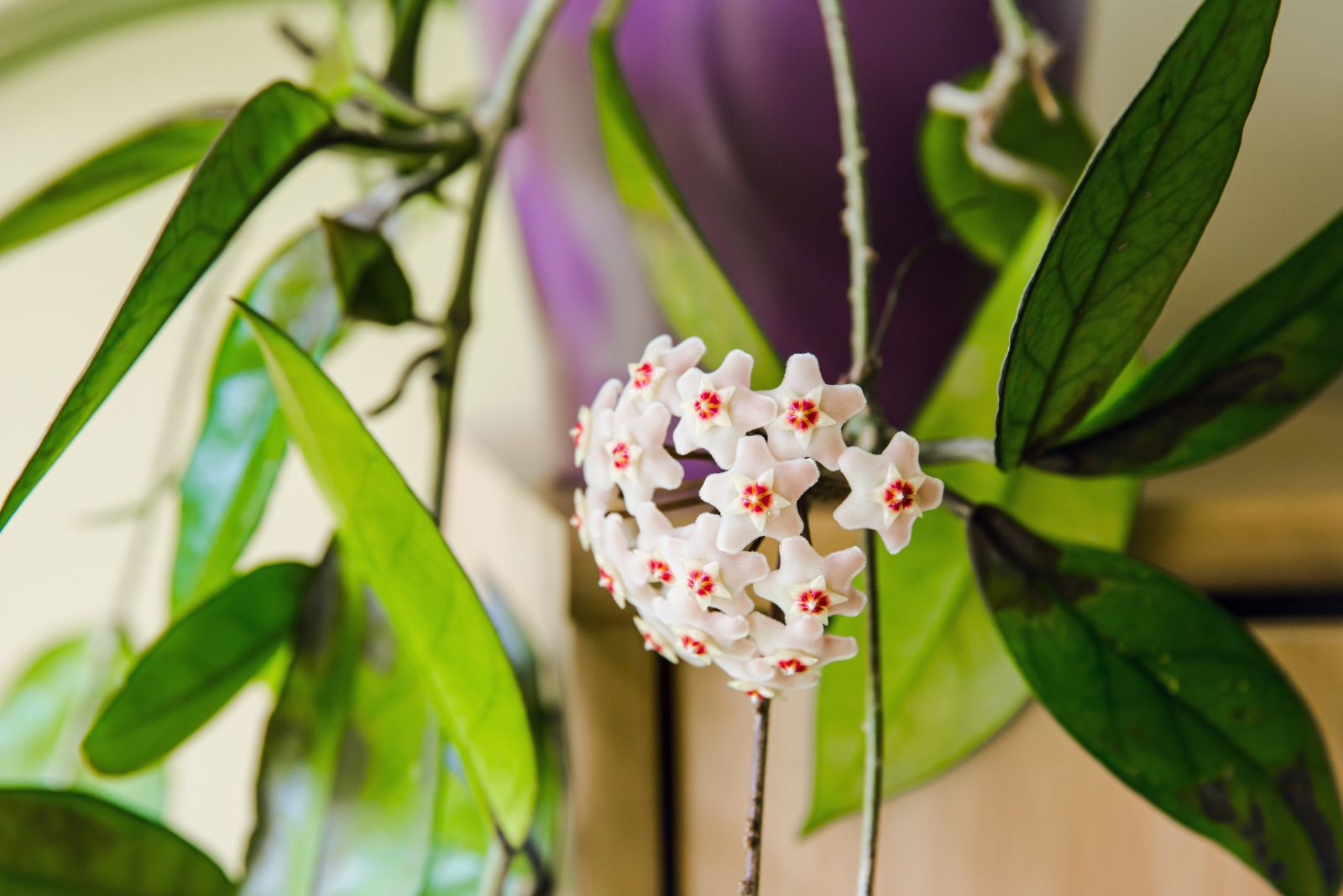
Ever wish your hoya would grow faster and reward you with those stunning, star shaped blooms indoors? Many Pennsylvania plant lovers have discovered a few simple tricks that make a big difference.
Hoya may look delicate, but it is surprisingly tough when given the right light, warmth, and care.
Small changes like adjusting watering, choosing the right pot, and finding the perfect sunny spot can help vines grow stronger and encourage those beautiful flower clusters to appear.
Indoor conditions in Pennsylvania can be tricky, especially during colder months, yet hoya can still thrive with a little attention. Patience helps, but smart care speeds things up and keeps your plant healthy year round.
With the right approach, you can enjoy fuller vines, glossy leaves, and fragrant blooms that turn your indoor space into a lush, eye catching display.
1. Maximize Natural Light With Strategic Window Placement
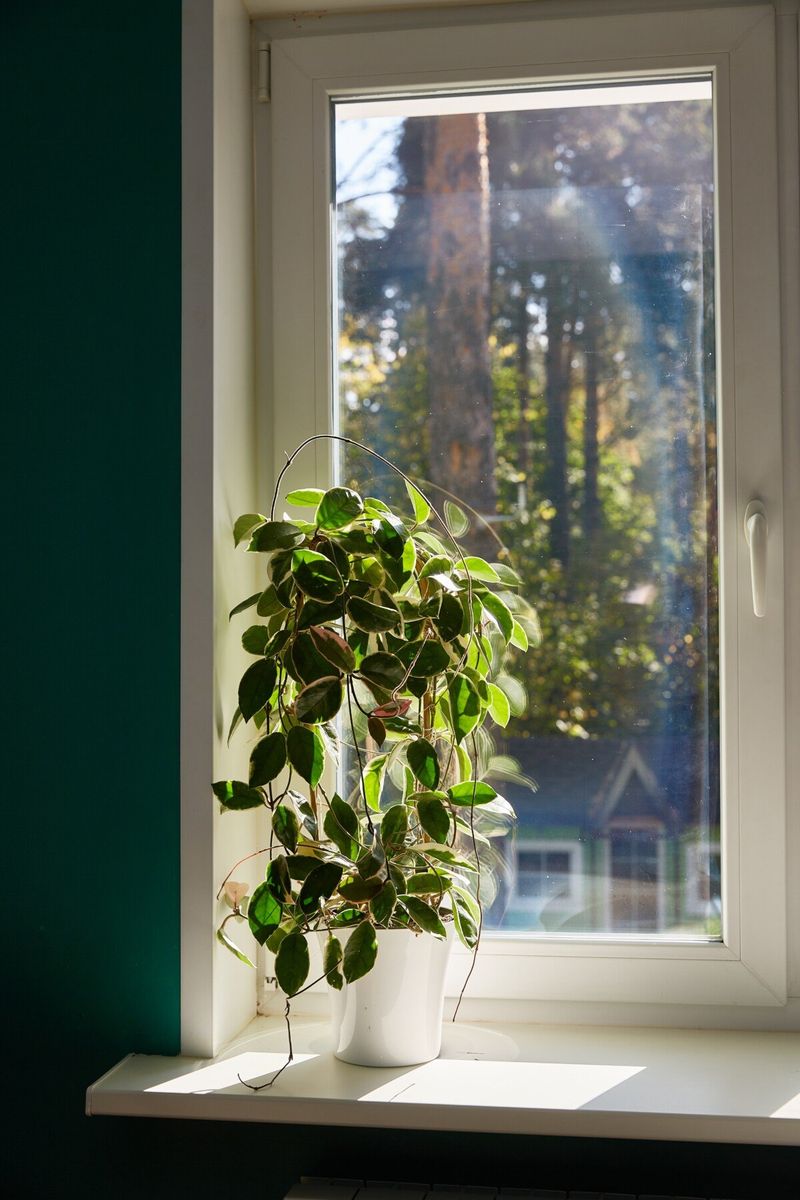
Windows facing east or west work wonderfully for hoya plants throughout Pennsylvania homes. Morning light from eastern windows gives hoyas the gentle energy they need without scorching their leaves.
Western exposures provide afternoon brightness that encourages blooming without causing damage.
Many Pennsylvania gardeners place their hoyas about three to five feet from south-facing windows during winter months. This distance provides plenty of light while protecting plants from intense rays that can burn leaves.
Sheer curtains help diffuse strong sunlight during summer when the sun sits higher in the sky.
Rotating your hoya every few weeks ensures all sides receive equal light exposure. Plants naturally grow toward light sources, so turning them prevents lopsided growth. This simple habit creates fuller, more attractive plants with vines growing in all directions.
Pennsylvania’s cloudy winter days mean hoyas sometimes need supplemental lighting. Grow lights placed twelve to eighteen inches above plants can make a huge difference.
Running these lights for ten to twelve hours daily mimics longer summer days that trigger blooming.
Clean windows regularly to maximize light transmission into your home. Dust and grime block surprising amounts of sunlight that your hoya needs.
Wiping down glass monthly helps plants receive every bit of available brightness, especially important during Pennsylvania’s darker seasons when natural light becomes scarce and precious for indoor plant growth.
2. Water Only When Soil Dries Completely Between Sessions
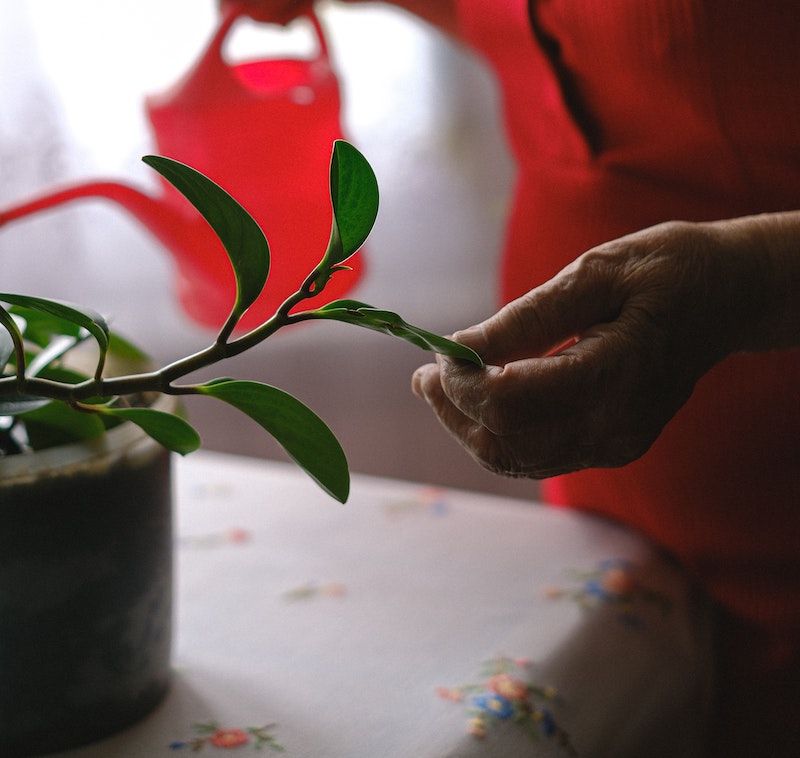
Overwatering ranks as the biggest mistake people make with hoya plants across Pennsylvania households. These plants store water in their thick, waxy leaves, making them surprisingly drought-tolerant.
Letting soil dry out completely between watering sessions encourages stronger root development and faster growth.
Stick your finger two inches deep into the potting mix before watering. Soil should feel completely dry at that depth, not just on the surface.
Pennsylvania’s indoor heating during winter can make soil dry faster than expected, while humid summers slow drying considerably.
Terracotta pots work exceptionally well for hoyas because they allow soil to breathe and dry evenly. Plastic containers hold moisture longer, which can lead to root problems.
Many experienced growers in Pennsylvania swear by unglazed clay pots for keeping hoyas healthy and blooming reliably.
Your Pennsylvania Garden Changes Every Week. Your Plan Should Too.
Gardening in Pennsylvania changes quickly throughout the season. Every Friday you’ll receive a simple weekly plan showing exactly what to plant, prune, fertilize, harvest, and protect so you never miss the right timing.
Water thoroughly when you do water, allowing excess to drain completely from bottom holes. This flushes out accumulated salts and ensures roots throughout the pot receive moisture.
Never let pots sit in standing water, as this creates soggy conditions that hoyas absolutely hate.
Reduce watering frequency during fall and winter when growth naturally slows down. Pennsylvania homes often have dry indoor air from heating systems, but plants still need less water during shorter days.
Checking soil moisture becomes even more important than following a strict schedule throughout changing seasons.
3. Use Chunky Well-Draining Potting Mix Formulas
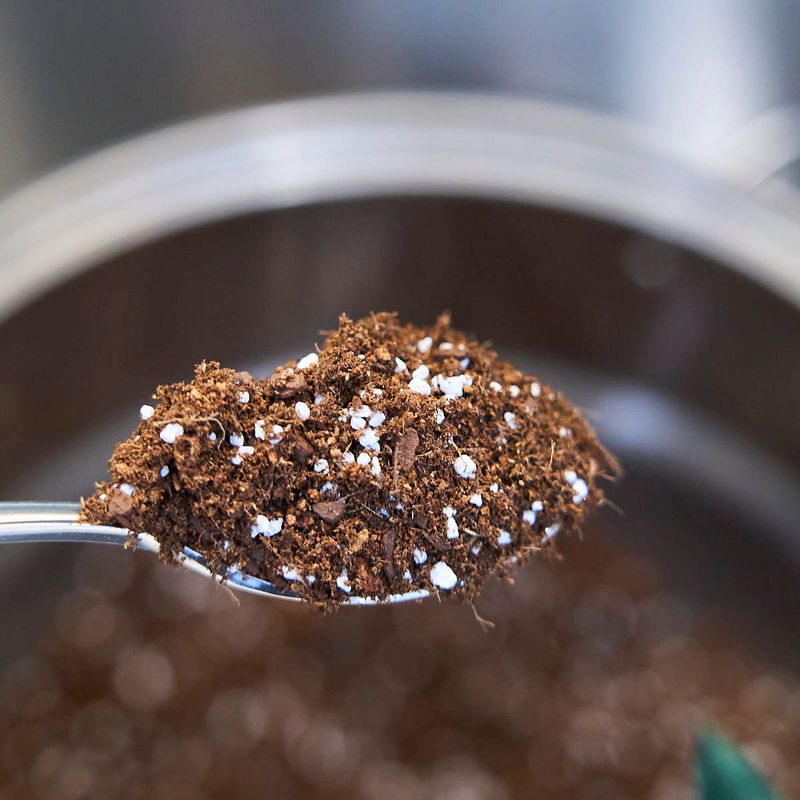
Standard potting soil stays too wet for hoyas, creating conditions that slow growth and prevent blooming. Pennsylvania gardeners achieve better results by mixing their own chunky growing medium.
Combining equal parts regular potting soil, orchid bark, and perlite creates the perfect texture hoyas love.
Orchid bark adds air pockets throughout the mix, allowing roots to breathe properly. These chunks also prevent soil from compacting over time, which happens easily with regular mixes.
Perlite improves drainage while keeping the mixture light and fluffy, exactly what hoya roots prefer.
Some Pennsylvania growers add small amounts of charcoal to their hoya mix. Charcoal absorbs excess moisture and helps prevent fungal problems that can develop in humid conditions. A handful mixed into each pot provides extra insurance against root issues.
Coco coir makes an excellent peat moss substitute in hoya mixtures. This sustainable material holds just enough moisture while draining excess water quickly.
Many gardeners across Pennsylvania appreciate that coco coir also resists breaking down as fast as peat, meaning less frequent repotting.
Repotting hoyas every two to three years refreshes their growing medium and encourages vigorous growth. Spring represents the ideal time for this task in Pennsylvania when plants naturally enter their active growing season.
Choose pots only slightly larger than current ones, as hoyas actually bloom better when slightly rootbound in appropriately sized containers.
4. Apply Diluted Fertilizer During Active Growing Months
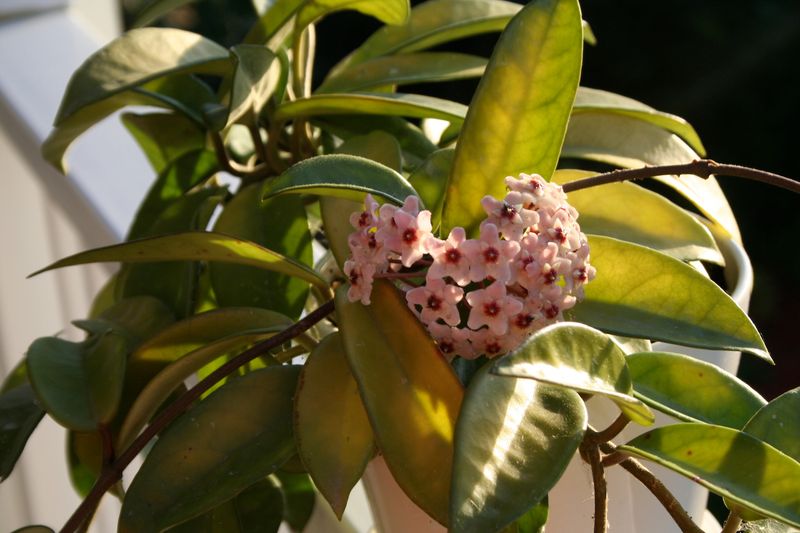
Hoyas need regular feeding during spring and summer to fuel their growth and flower production. Pennsylvania gardeners find that balanced liquid fertilizers work better than granular options.
Diluting fertilizer to half the recommended strength prevents burning sensitive roots while providing steady nutrition.
Feed hoyas every two to three weeks from April through September when plants actively grow. This schedule matches Pennsylvania’s natural growing season when longer days and warmer temperatures encourage vigorous vine development.
Consistent feeding during these months builds strong plants capable of producing abundant blooms.
Phosphorus becomes especially important when you want hoyas to flower more readily. Look for fertilizers with higher middle numbers in their NPK ratio, like 5-10-5.
This extra phosphorus supports bloom development without pushing excessive leaf growth at the expense of flowers.
Stop fertilizing completely from October through March when hoyas rest during Pennsylvania winters. Plants grow much slower during short, dark days and cannot use extra nutrients effectively.
Continuing to fertilize during dormancy can actually harm plants by causing salt buildup in the soil.
Flush pots with plain water every few months to remove accumulated fertilizer salts. Run water through the pot until it drains freely from bottom holes, then repeat.
This simple practice prevents crusty white deposits from forming on soil surfaces and keeps roots healthy for optimal growth throughout the year.
5. Maintain Consistent Warm Temperatures Year-Round
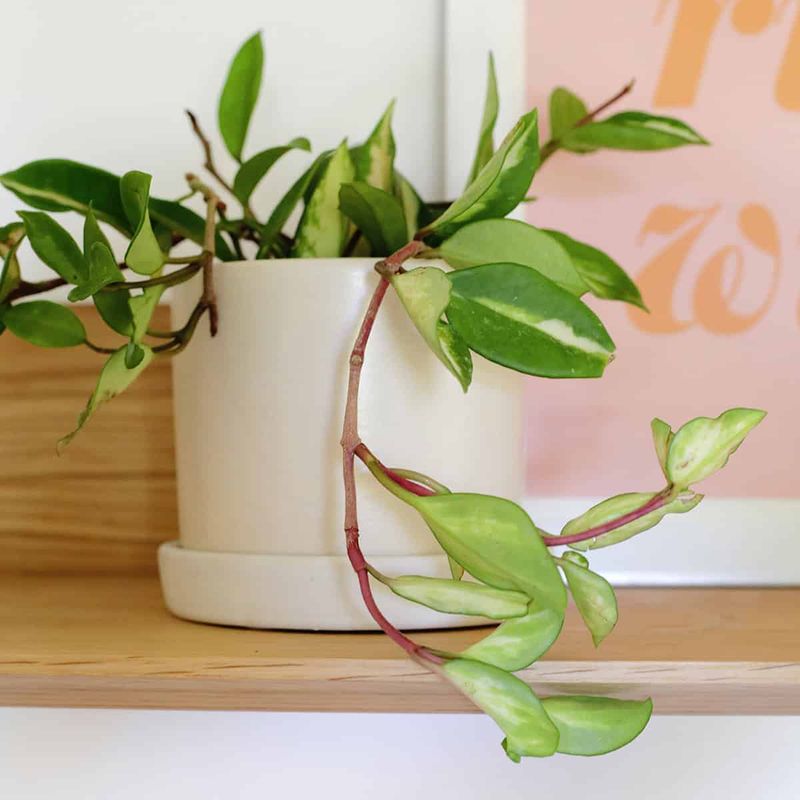
Temperature stability matters tremendously for hoya health and blooming success. These tropical plants thrive when temperatures stay between 60 and 80 degrees Fahrenheit consistently.
Pennsylvania homes naturally provide these conditions during most of the year, making hoyas relatively easy to grow indoors.
Avoid placing hoyas near heating vents, radiators, or air conditioning units that blast hot or cold air directly on plants. Sudden temperature swings stress plants and can cause buds to drop before opening.
Finding spots with steady temperatures helps hoyas settle in and focus energy on growing and blooming.
Cold drafts from windows and doors during Pennsylvania winters can damage hoya leaves and slow growth dramatically.
Move plants away from drafty areas or use weatherstripping to seal gaps. Even brief exposure to temperatures below 50 degrees can set plants back for weeks.
Nighttime temperature drops of about ten degrees actually benefit hoyas and encourage flowering. This natural fluctuation mimics their native tropical environment where nights cool down slightly.
Pennsylvania homes often provide this temperature variation naturally without any special effort from growers.
Basements stay cooler than main living areas in many Pennsylvania homes. While hoyas tolerate these conditions, they grow slower and bloom less frequently in consistently cool spots.
Upper floors with warmer temperatures typically produce faster growth and more reliable flowering throughout the growing season for these heat-loving tropical plants.
6. Increase Humidity Levels Around Your Plants
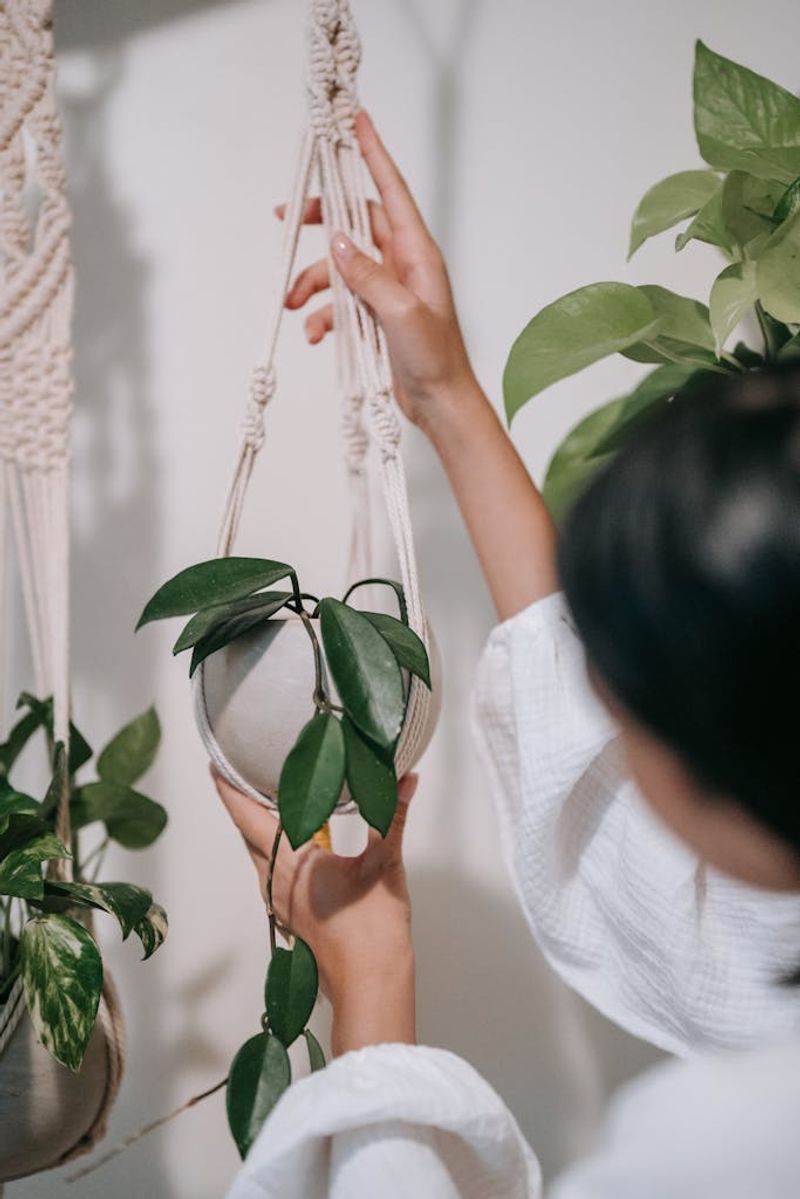
Pennsylvania’s indoor air becomes extremely dry during winter heating seasons, which slows hoya growth considerably. Raising humidity around plants encourages faster vine development and healthier leaves.
Grouping several plants together creates a microclimate where they all benefit from shared moisture.
Pebble trays offer a simple, effective way to boost humidity for hoyas. Fill shallow trays with stones, add water until it reaches just below the top of the pebbles, then set pots on top.
Water evaporates continuously, raising moisture levels around leaves without making soil soggy.
Small humidifiers placed near plant collections work wonderfully in Pennsylvania homes. Running these devices during winter months makes a noticeable difference in how quickly hoyas grow.
Aim for humidity levels between 40 and 60 percent for best results with these tropical beauties.
Misting leaves sounds helpful but actually provides minimal benefit for hoyas. Water droplets evaporate too quickly to meaningfully increase humidity levels.
Worse, moisture sitting on leaves can encourage fungal problems, especially when air circulation remains poor around plants.
Bathrooms with windows make excellent hoya growing locations throughout Pennsylvania. Shower steam naturally raises humidity while bright window light supports healthy growth.
Just ensure temperatures stay warm enough and avoid placing plants where they receive direct water spray from showers that could cause problems over time.
7. Leave Flower Stalks Intact After Blooms Fade
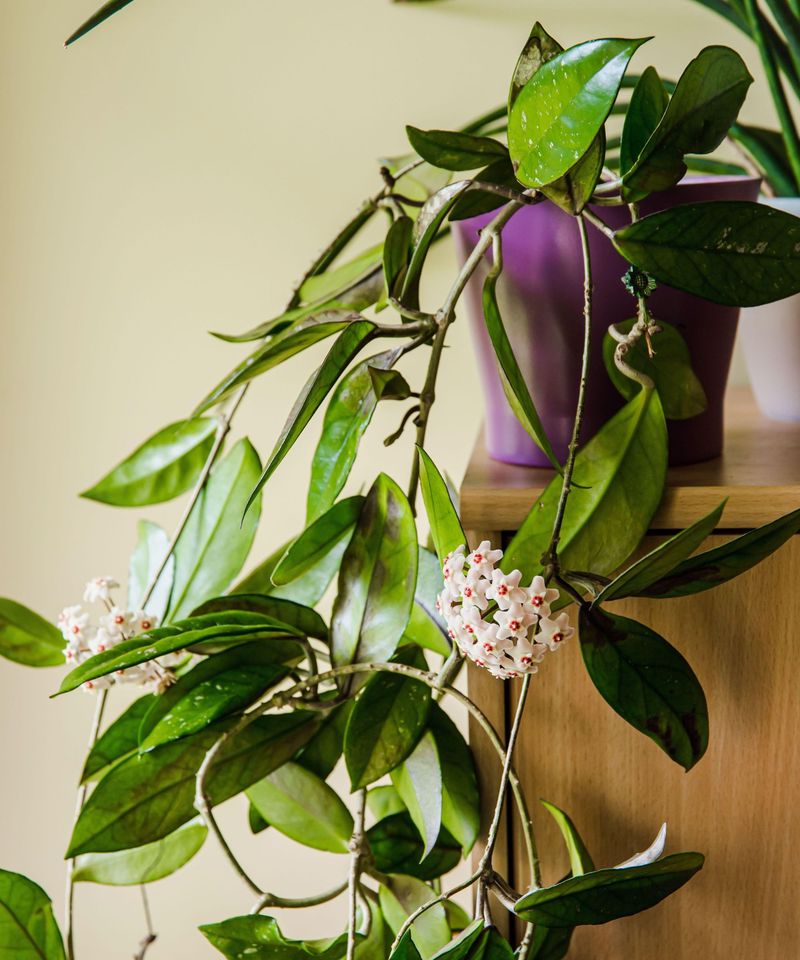
Many Pennsylvania gardeners make the mistake of cutting off flower stalks after blooms finish. Hoyas produce flowers from the same stalks year after year, called peduncles.
Removing these stalks means waiting much longer for the next round of blooms to appear on your plant.
Peduncles look like small stubs sticking out from vines after flowers drop off naturally. They might seem useless, but these structures contain special tissue that produces new flower clusters.
Leaving them intact allows hoyas to bloom again much faster, sometimes within just a few weeks.
New flower buds emerge from the same peduncles when conditions remain favorable for blooming. This remarkable feature means established hoyas can flower multiple times throughout a single growing season.
Pennsylvania growers who understand this trick enjoy far more blooms than those who tidy up their plants too enthusiastically.
Only remove peduncles if they turn completely brown and crispy, which rarely happens on healthy plants. Green or tan colored stalks remain alive and capable of producing flowers.
Patience with these small structures pays off with spectacular displays of fragrant blooms throughout spring and summer months.
Hoyas sometimes take two to three years before producing their first flowers in Pennsylvania homes. Once they start blooming, protecting those precious peduncles becomes essential for continued flowering.
This single trick transforms occasional bloomers into plants that flower reliably and abundantly year after year with proper care and attention.