2026’s Top New Shrubs That Thrive In California Landscapes
California gardens never sit still for long, and 2026 is bringing a fresh wave of shrubs ready to shine across the Golden State.
Gardeners are always searching for plants that look beautiful, handle heat, and stay tough during dry spells, and this year’s newest arrivals check all the boxes.
Think vibrant blooms, rich foliage, and low maintenance charm that fits perfectly into modern California landscapes.
These standout shrubs are built for sunshine, shifting seasons, and water wise gardening without sacrificing color or texture. Some burst with flowers that light up borders and patios, while others offer evergreen structure that keeps yards looking polished all year.
The right shrub can transform a plain space into a lush, eye catching retreat buzzing with life. Ready to discover the newcomers turning heads in nurseries and neighborhoods across California?
Your next favorite landscape upgrade might be waiting right here.
Autumn Kiss® azalea (Rhododendron hybrid)
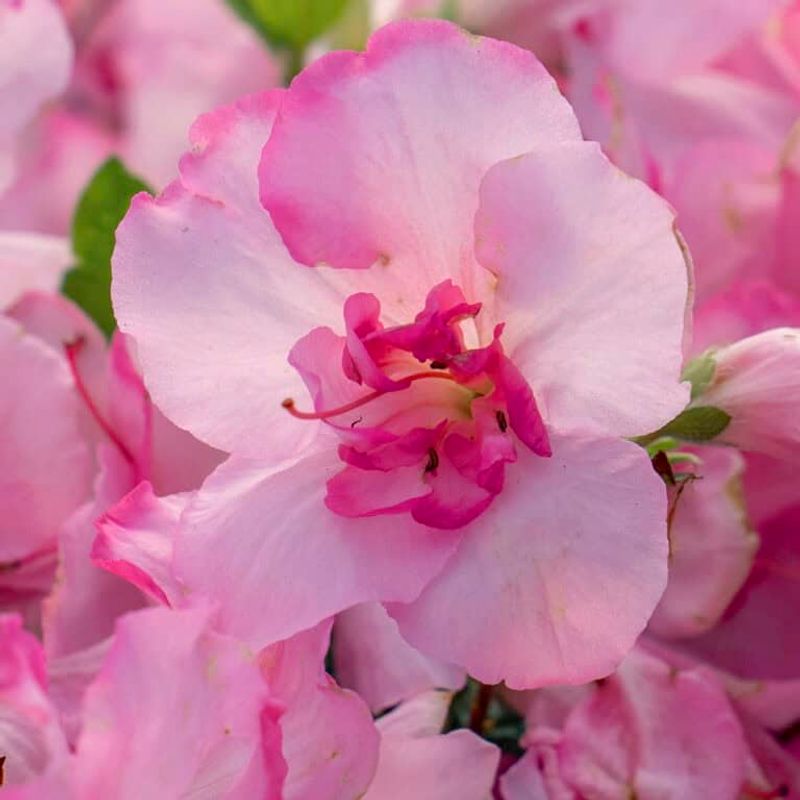
Many California gardeners assume azaleas won’t survive here because they associate them with humid Southern gardens.
That’s exactly what makes Autumn Kiss so remarkable, it’s a rebloomming azalea specifically bred to tolerate our drier air and alkaline soils better than traditional varieties.
This compact hybrid delivers waves of coral-pink blooms in spring and again in fall, giving your landscape color during seasons when many shrubs look tired.
It stays naturally rounded at about three feet tall and wide, perfect for foundation plantings or mixed borders where you need reliable structure without constant pruning.
Plant it in morning sun with afternoon shade, especially in inland valleys where summer heat intensifies. Amend your soil generously with compost and peat moss to lower pH, since azaleas prefer acidic conditions our native soils rarely provide.
Mulch heavily to keep roots cool and conserve moisture.
Water deeply but infrequently once established, azaleas hate constantly soggy soil but need consistent moisture during blooming periods. Many homeowners overwater thinking they’re helping, but root rot becomes the bigger problem.
Feed with an acid-loving plant fertilizer in early spring and again after the first bloom cycle fades.
Autumn Kiss attracts hummingbirds and early-season pollinators while requiring far less fussing than older azalea types.
It’s proving that with smarter breeding, even traditionally finicky plants can adapt to California landscapes successfully.
Bellini® Cherry crape myrtle (Lagerstroemia indica)
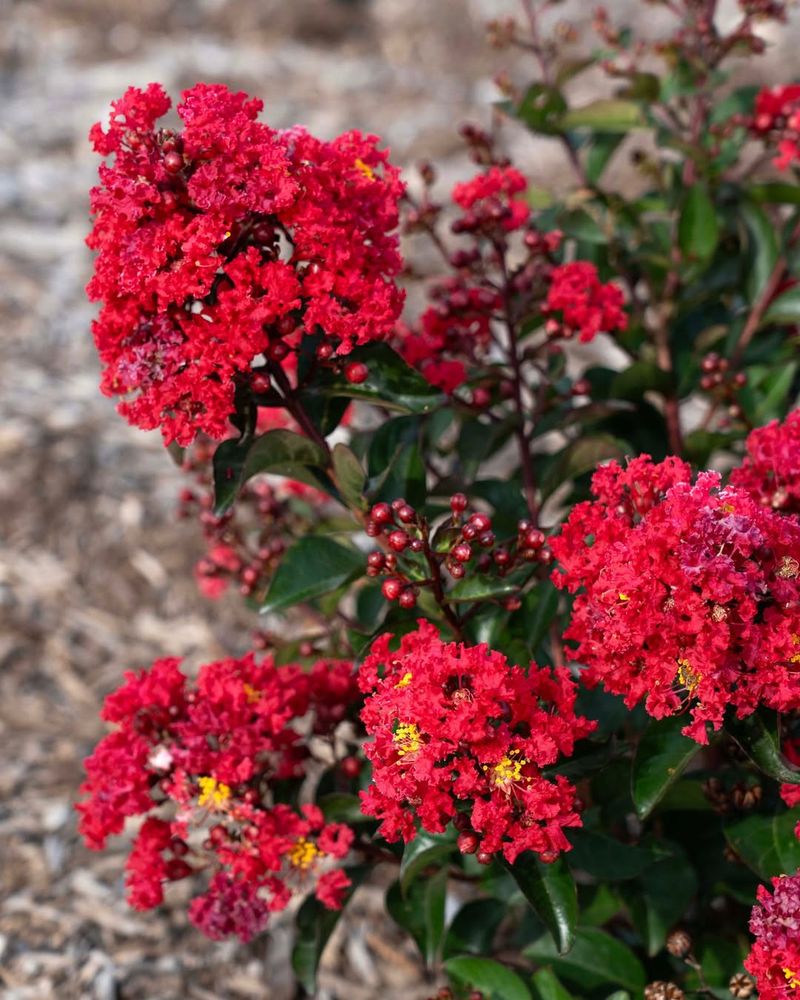
Crape myrtles have earned their place in California gardens for decades, but most varieties grow into small trees that overwhelm typical residential lots.
Bellini Cherry changes that equation completely by staying shrub-sized at just four to six feet tall while delivering the same spectacular summer color.
The deep cherry-red blooms appear in midsummer and continue through early fall, providing reliable color during our hottest, driest months when many plants struggle.
The compact growth habit makes it perfect for smaller yards, patio containers, or mixed perennial borders where a traditional crape myrtle would dominate too aggressively.
This variety thrives in full sun and actually performs better with heat, inland gardeners will see more prolific blooming than coastal areas. Plant in well-draining soil and avoid heavy clay unless you amend generously with compost to improve drainage.
Your California Garden Changes Every Week. Your Plan Should Too.
Gardening in California changes quickly throughout the season. Every Friday you’ll receive a simple weekly plan showing exactly what to plant, prune, fertilize, harvest, and protect so you never miss the right timing.
Once established, Bellini Cherry is remarkably drought-tolerant, though occasional deep watering during peak bloom keeps flowers looking their best.
Powdery mildew often plagues crape myrtles in coastal fog zones, but this hybrid shows improved resistance compared to older cultivars. Prune lightly in late winter to shape and remove any crossing branches, but resist the urge to commit
Spring Sizzle® panicle hydrangea (Hydrangea paniculata)
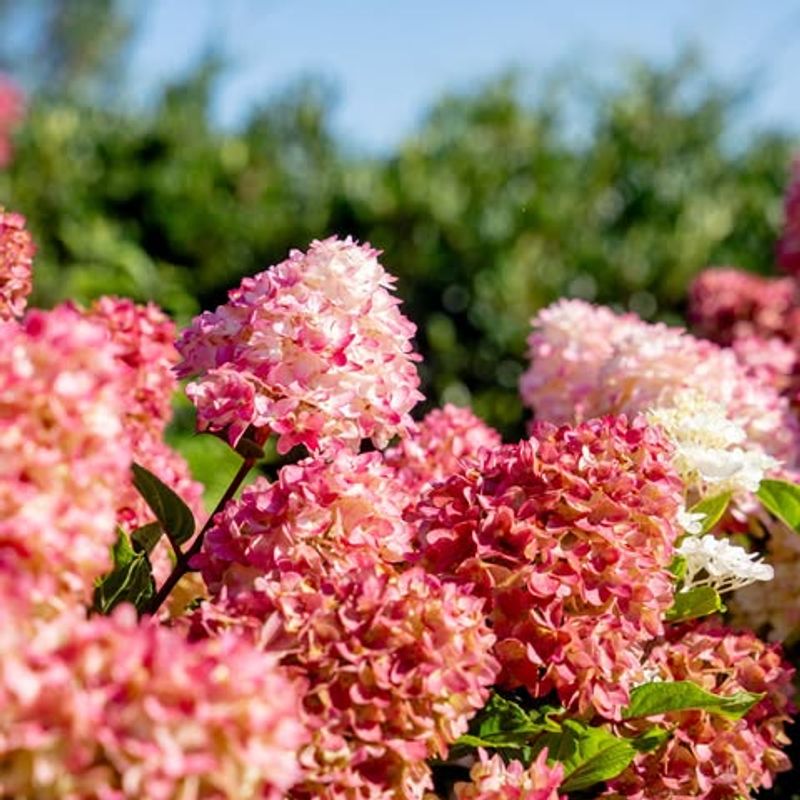
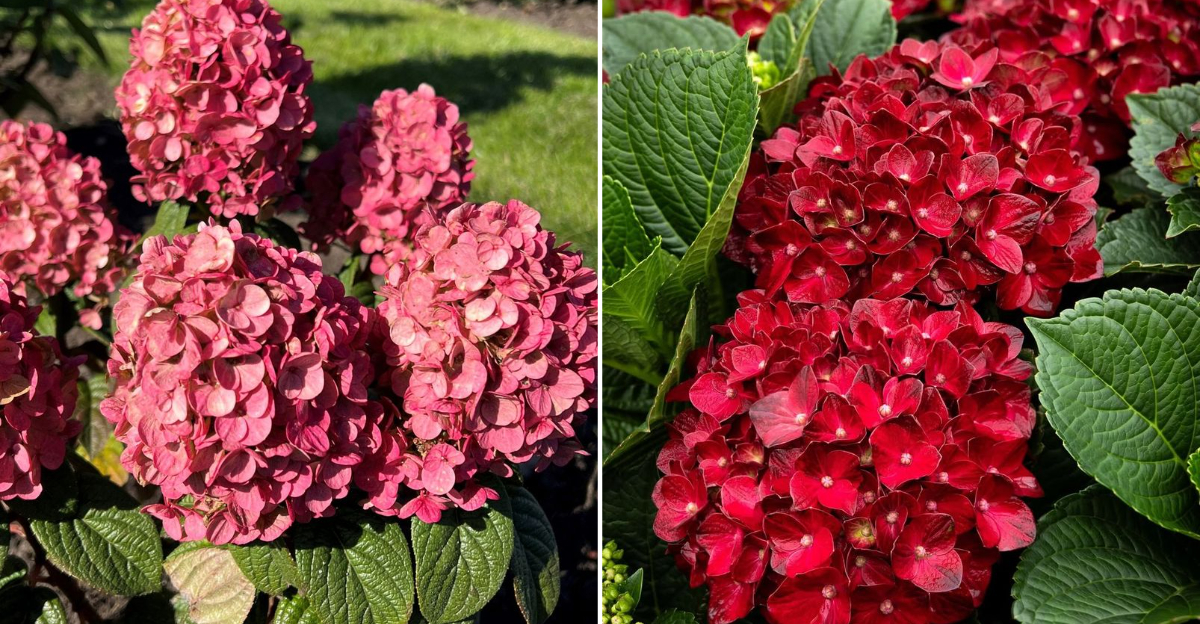
Hydrangeas intimidate many California gardeners who’ve watched neighbors struggle with finicky bigleaf types that never bloom properly.
Spring Sizzle belongs to the panicle hydrangea family, which operates completely differently and adapts far better to our climate patterns.
Unlike mophead hydrangeas that bloom on old wood and sulk when pruned wrong, panicle varieties flower on new growth produced each spring.
That means you can prune confidently in winter without sacrificing blooms, and late frosts won’t destroy your flower display.
The cone-shaped flower clusters emerge creamy white in early summer, then gradually shift to pink and burgundy as fall approaches.
This variety stays naturally compact at four to five feet, making it manageable for average-sized gardens. It handles full sun in coastal areas but appreciates afternoon shade in hotter inland valleys.
The key to success is consistent moisture during the growing season, panicle hydrangeas aren’t true drought plants, though they tolerate dry periods better than their bigleaf cousins once established.
Plant in rich, well-amended soil and mulch heavily to maintain even soil moisture. Feed with a balanced fertilizer in early spring as new growth emerges.
Many gardeners make the mistake of treating all hydrangeas identically, but panicle types actually prefer neutral to slightly alkaline soil, which aligns perfectly with California’s natural conditions.
The long-lasting flowers dry beautifully on the plant, providing winter interest long after most shrubs have finished their show.
Centennial Ruby™ bigleaf hydrangea (Hydrangea macrophylla)
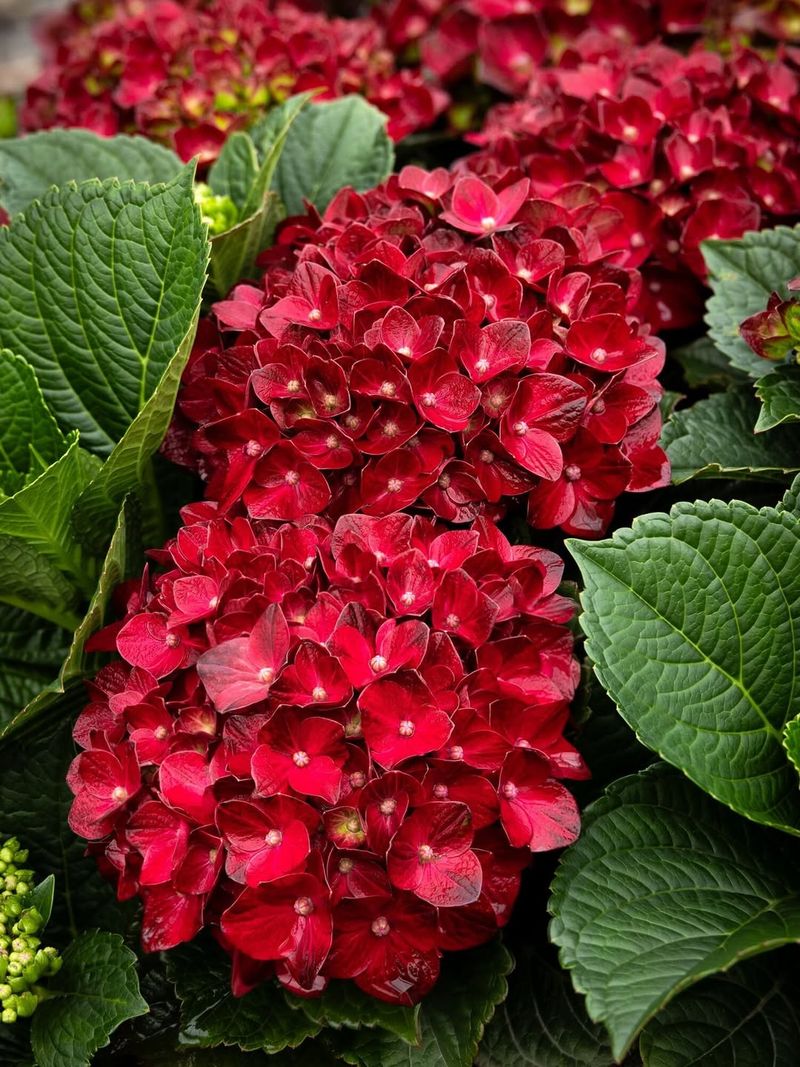
Most bigleaf hydrangeas frustrate California homeowners with sparse blooming and crispy brown leaves by August.
Centennial Ruby represents a breakthrough in breeding that specifically addresses these common failures through improved heat tolerance and reliable reblooming behavior.
Traditional bigleaf hydrangeas bloom once in early summer on last year’s growth, which means any winter pruning or late frost damage eliminates flowers entirely.
This newer hybrid blooms on both old and new wood, giving you insurance against pruning mistakes and unpredictable weather.
The deep ruby-red flowers appear in waves from late spring through summer, with color intensity depending on soil pH.
Plant in morning sun with afternoon shade, especially in inland areas where harsh sun scorches leaves quickly. Coastal gardeners can push toward more sun exposure, but even there, some protection during peak afternoon heat improves performance.
Amend soil heavily with compost and peat moss, and maintain consistent moisture throughout the growing season.
These aren’t drought-tolerant plants, trying to force them into water-wise landscapes leads to disappointment. Instead, group them with other moisture-loving plants in irrigated zones where their needs align with companions.
Mulch thickly to keep roots cool and reduce water stress.
The ruby-red color develops best in neutral to slightly alkaline soil, which happens to match California’s natural conditions perfectly. Add aluminum sulfate if you prefer blue tones, though the red shades suit our Mediterranean aesthetic beautifully.
Spice Cowboy™ Koreanspice viburnum (Viburnum carlesii)
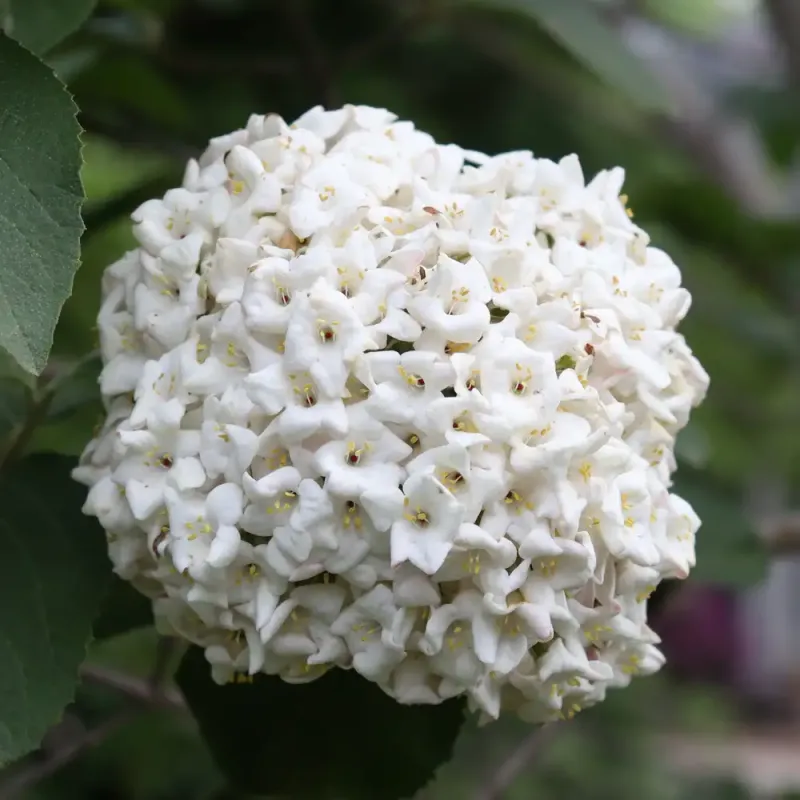
Fragrance often gets overlooked in modern landscape design, but Spice Cowboy brings it roaring back with intensely perfumed spring blooms that carry across entire yards.
This compact Koreanspice viburnum hybrid delivers the classic spicy-sweet fragrance the species is famous for while staying naturally smaller and more heat-tolerant than older varieties.
The pink buds open to white snowball-like flower clusters in early spring, filling your garden with scent right when you’re spending more time outdoors.
After blooming, the rounded shrub settles into a tidy mound of textured green foliage that provides reliable structure through summer and fall.
Some years you’ll even get burgundy fall color, though California’s mild autumns don’t always trigger dramatic leaf changes.
Plant in full sun to partial shade, coastal gardens can handle more sun, while inland areas benefit from afternoon protection. This viburnum adapts to various soil types as long as drainage is adequate.
Once established, it tolerates dry periods reasonably well, though occasional deep watering during summer keeps foliage looking fresh.
The compact growth habit makes it perfect for foundation plantings near entryways where you’ll appreciate the fragrance most. It typically reaches four to five feet tall and wide, small enough for average residential landscapes without overwhelming other plants.
Deer generally avoid viburnums, making this a smart choice for foothill and rural properties where browsing pressure eliminates other shrub options.
Prune lightly after flowering if needed, though the naturally rounded form rarely requires much shaping.
Little Quick Fire® Panicle Hydrangea (Hydrangea paniculata)
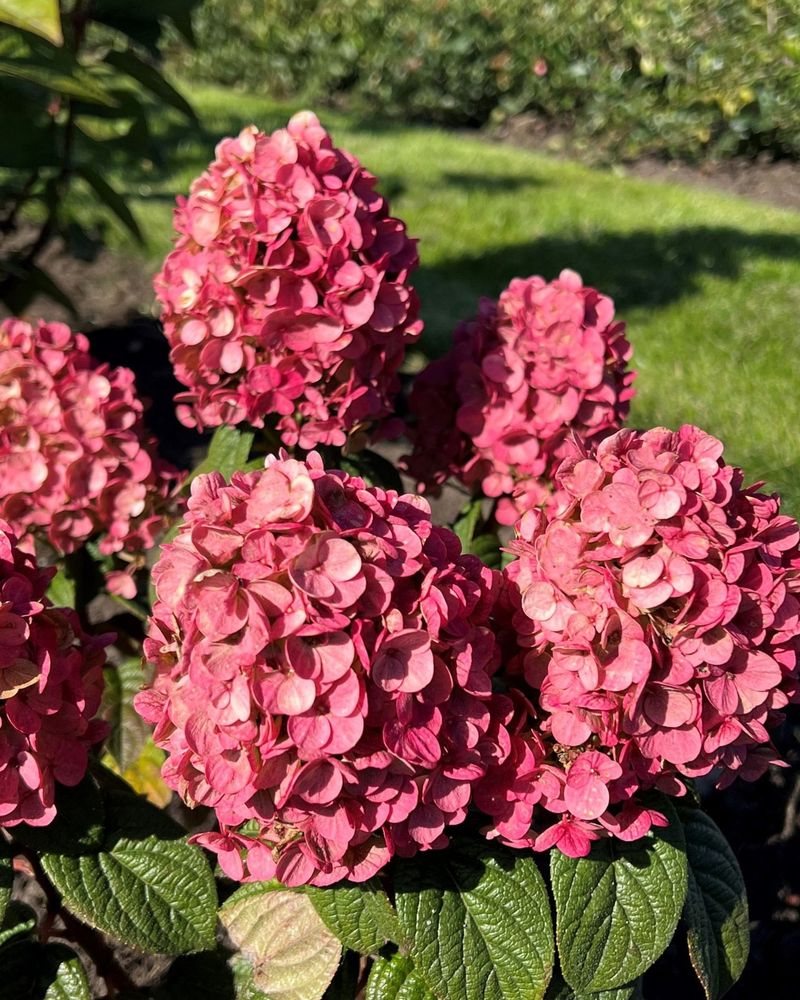
Urban and suburban lots keep shrinking, which means every plant needs to earn its space without sprawling beyond boundaries.
Little Quick Fire solves the size problem that plagues many panicle hydrangeas by staying naturally compact at just three to five feet tall while delivering full-sized flower power.
The name describes its behavior perfectly, blooms appear earlier than most panicle varieties, often by midsummer, and quickly shift from white to deep pink-red as they mature.
This color change happens faster and more dramatically than older cultivars, giving you months of evolving beauty from a single shrub.
Because it blooms on new wood, you can prune aggressively in late winter to control size or shape without sacrificing flowers. This makes it ideal for foundation plantings, mixed borders, or even large containers where space is limited.
The sturdy stems hold flowers upright even when heavy with blooms, avoiding the floppy appearance some hydrangeas develop.
Plant in full sun to partial shade with consistent moisture during the growing season. While not truly drought-tolerant, established plants handle brief dry spells better than bigleaf hydrangeas.
Amend soil with compost at planting and mulch heavily to maintain even moisture and moderate soil temperature.
Feed with balanced fertilizer in early spring as growth begins. The flowers dry beautifully on the plant, providing winter interest and cut stems for indoor arrangements.
This variety brings big-shrub impact to small-space gardens without the maintenance headaches of constantly pruning oversized plants back into submission.
Fire Light® Panicle hydrangea (Hydrangea paniculata)
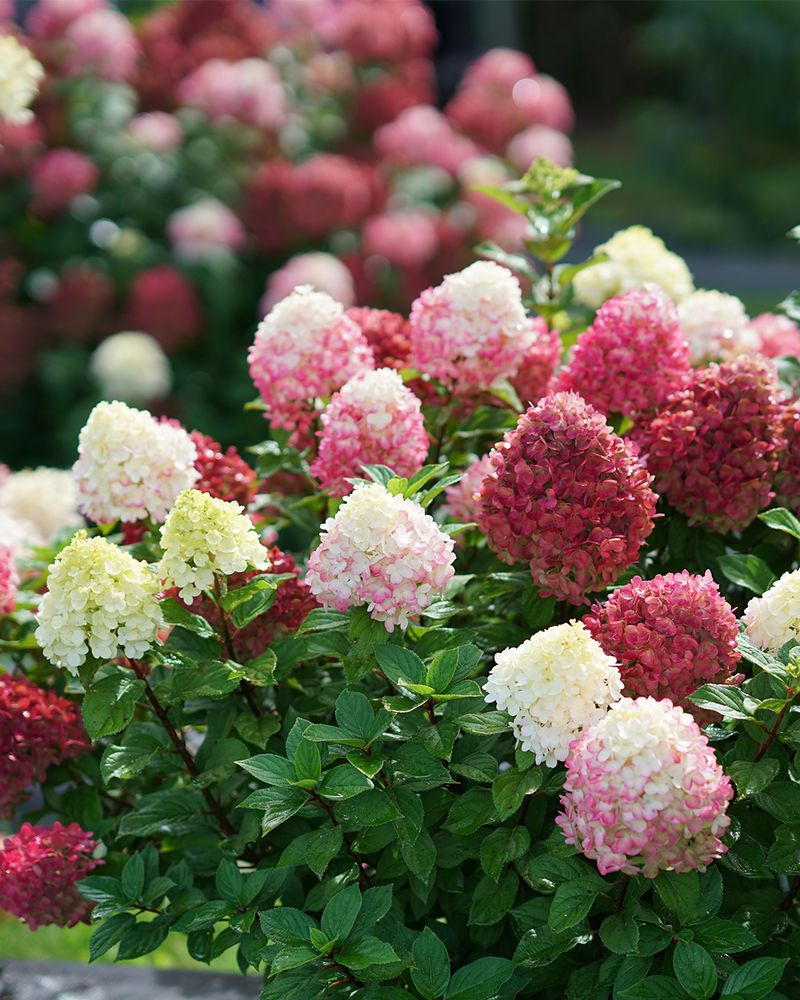
Sometimes you need a shrub with serious presence, something that anchors a corner, fills a bare fence line, or creates a focal point without requiring constant attention.
Fire Light delivers that commanding scale while maintaining the easy-care nature panicle hydrangeas are known for.
This variety grows six to eight feet tall and wide, making it one of the larger panicle hydrangeas available. The massive cone-shaped flower clusters emerge white in midsummer, then gradually transition to deep cherry-red by fall.
The color intensity rivals any flowering shrub in the California palette, and the flowers hold their form beautifully through autumn.
Strong stems support the heavy blooms without staking or flopping, even in windy locations. This makes Fire Light excellent for exposed sites where other hydrangeas might struggle.
Plant in full sun for maximum flowering, though inland gardeners should provide afternoon shade to prevent leaf scorch during heat waves.
The substantial size means this isn’t a shrub for small yards or tight spaces, but in larger landscapes it fills gaps that would otherwise require multiple smaller plants. Use it as a specimen, hedge, or background planting in mixed borders.
The bold scale pairs beautifully with ornamental grasses and perennials that might get lost against smaller shrubs.
Water consistently during establishment and through the growing season. Once mature, Fire Light tolerates brief dry periods but performs best with regular irrigation.
Prune in late winter to manage size or shape, knowing flowers will appear on the current season’s new growth regardless of how hard you cut back.