Pennsylvania Gardeners Are Choosing These Romantic Flowers For Valentine’s Day
Searching for the perfect Valentine’s flowers that feel romantic yet a little more personal this year? Across Pennsylvania, gardeners are picking blooms that go beyond the usual bouquet and add real charm to the season.
These flowers bring soft color, gentle fragrance, and a touch of natural beauty that feels heartfelt and meaningful. Many also grow well in local conditions, which makes them a thoughtful choice for both gifting and planting.
From classic favorites to delicate blossoms with timeless appeal, these romantic picks create a warm and memorable impression. They brighten homes, lift moods, and add a sweet seasonal touch that lasts longer than a typical arrangement.
Pennsylvania gardeners love flowers that feel special without being complicated, and these choices deliver both beauty and emotion. This Valentine’s Day, romance is blooming in gardens and homes across the state in the most charming way.
1. Red Roses
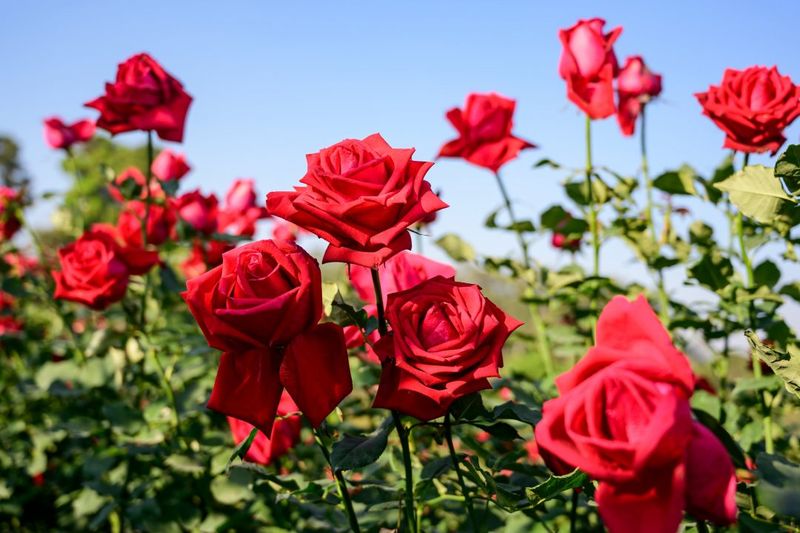
Nothing says love quite like a classic red rose. Pennsylvania gardeners have been growing these timeless beauties for generations, and they remain the top choice for Valentine’s Day.
The deep crimson petals symbolize passionate love and devotion in ways that words sometimes cannot express.
Growing red roses in Pennsylvania requires some planning because of the cold winters. Most gardeners plant hybrid tea roses or floribunda varieties that can handle the state’s climate. These roses need at least six hours of sunlight daily and well-drained soil to thrive.
Many Pennsylvania gardeners start preparing their rose bushes in late winter by pruning them carefully. This helps the plants produce bigger and more beautiful blooms by February.
The effort pays off when those gorgeous red flowers open up just in time for Valentine’s Day. Red roses grow best when planted in spots protected from harsh winds.
Pennsylvania’s varying temperatures mean gardeners need to mulch around the base to protect roots during freezing nights. Adding compost in early spring gives roses the nutrients they need for healthy growth.
The fragrance of fresh red roses fills Pennsylvania gardens with a sweet romantic scent. These flowers make perfect gifts because they can be cut and arranged in vases.
Their beauty lasts for days when properly cared for, reminding loved ones of your affection long after Valentine’s Day ends.
2. Pink Tulips
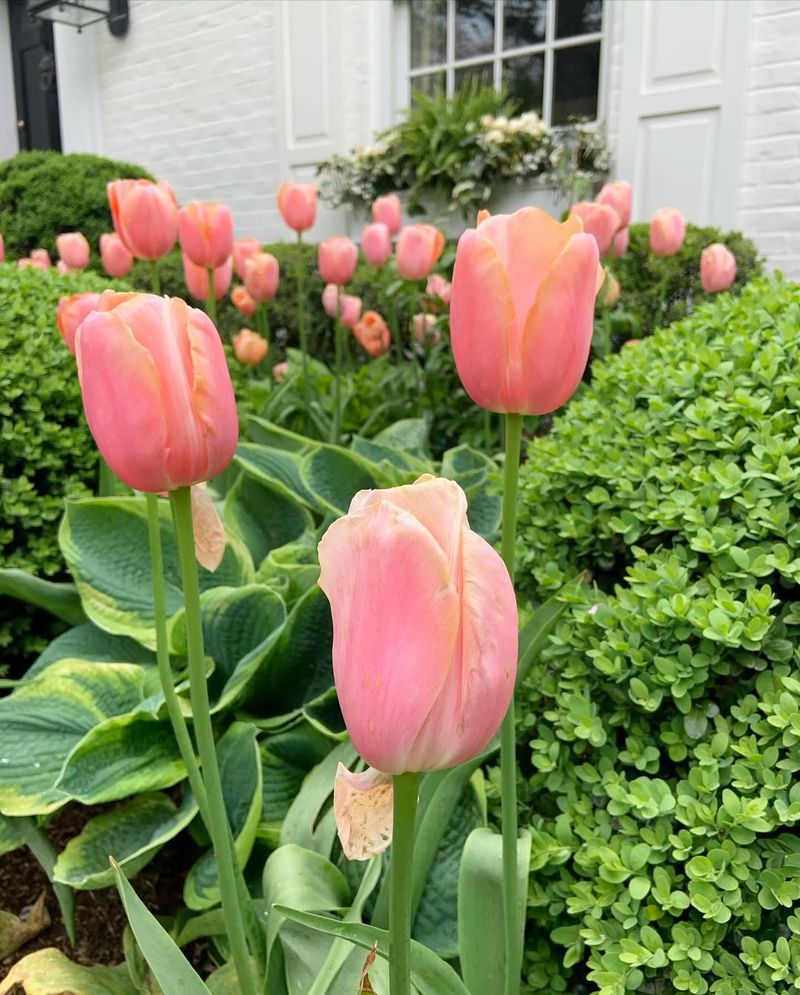
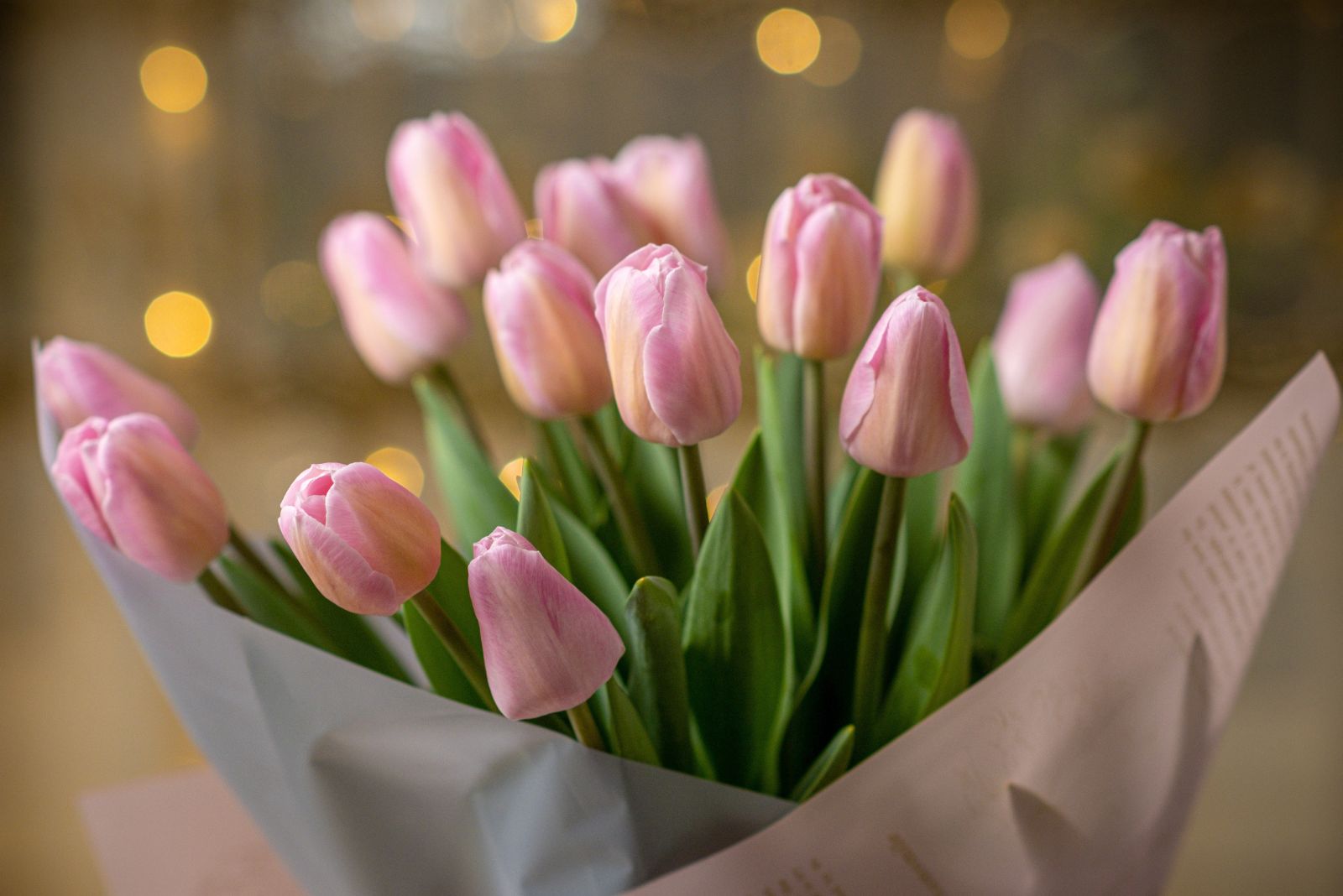
Tulips bring a softer side of romance to Pennsylvania gardens each Valentine’s Day season. Pink tulips especially represent caring, happiness, and confidence in relationships.
Their gentle color makes them a wonderful alternative to the traditional red flowers that everyone expects.
Pennsylvania’s climate is actually perfect for growing tulips because these bulbs need a cold period to bloom properly.
Gardeners plant tulip bulbs in the fall, usually around October or November. By Valentine’s Day, early-blooming varieties start showing their beautiful pink petals.
The great thing about pink tulips is they come in many different shades. Some are pale and almost white, while others are bright fuchsia or deep rose.
This variety lets Pennsylvania gardeners create stunning displays that match their personal style and garden design.
Your Pennsylvania Garden Changes Every Week. Your Plan Should Too.
Gardening in Pennsylvania changes quickly throughout the season. Every Friday you’ll receive a simple weekly plan showing exactly what to plant, prune, fertilize, harvest, and protect so you never miss the right timing.
Tulips need well-drained soil and sunny spots to grow their best. Pennsylvania gardeners often plant them in raised beds or areas where water does not collect. This prevents the bulbs from rotting during wet winter months when snow melts.
Pink tulips also work wonderfully in container gardens for those with limited space. Many Pennsylvania residents grow them in pots on their porches or patios.
These cheerful flowers brighten up cold February days and remind everyone that spring is coming soon with its promise of new beginnings and fresh love.
3. White Carnations
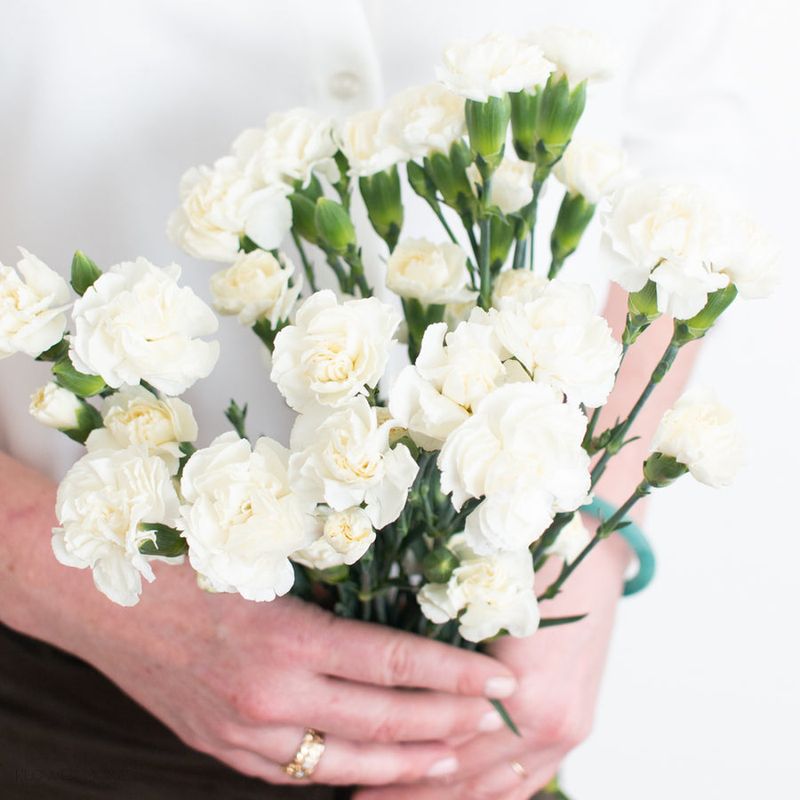
White carnations carry a message of pure love and good luck in relationships. Pennsylvania gardeners appreciate these hardy flowers because they bloom for weeks and handle cold weather better than many other romantic flowers.
Their ruffled petals add texture and elegance to any Valentine’s Day arrangement. Growing carnations in Pennsylvania is easier than most people think. These flowers tolerate cooler temperatures and can even survive light frosts.
Gardeners often start them from seeds indoors during January so they bloom by mid-February.
Carnations have a spicy, sweet fragrance that fills gardens with a pleasant scent. White varieties look especially beautiful when planted alongside red or pink flowers. The contrast creates eye-catching displays that celebrate the many forms of love.
Many Pennsylvania gardeners grow carnations in greenhouses or cold frames during winter months.
This protection allows the flowers to develop strong stems and large blooms. The flowers can then be cut and brought indoors for Valentine’s Day celebrations.
White carnations last much longer than roses when cut and placed in water. They can stay fresh for two weeks or more with proper care.
Pennsylvania residents love this quality because it means their Valentine’s Day flowers keep looking beautiful well into March. These blooms also dry nicely, allowing people to preserve their romantic gifts as lasting keepsakes of special moments shared together.
4. Purple Hyacinths
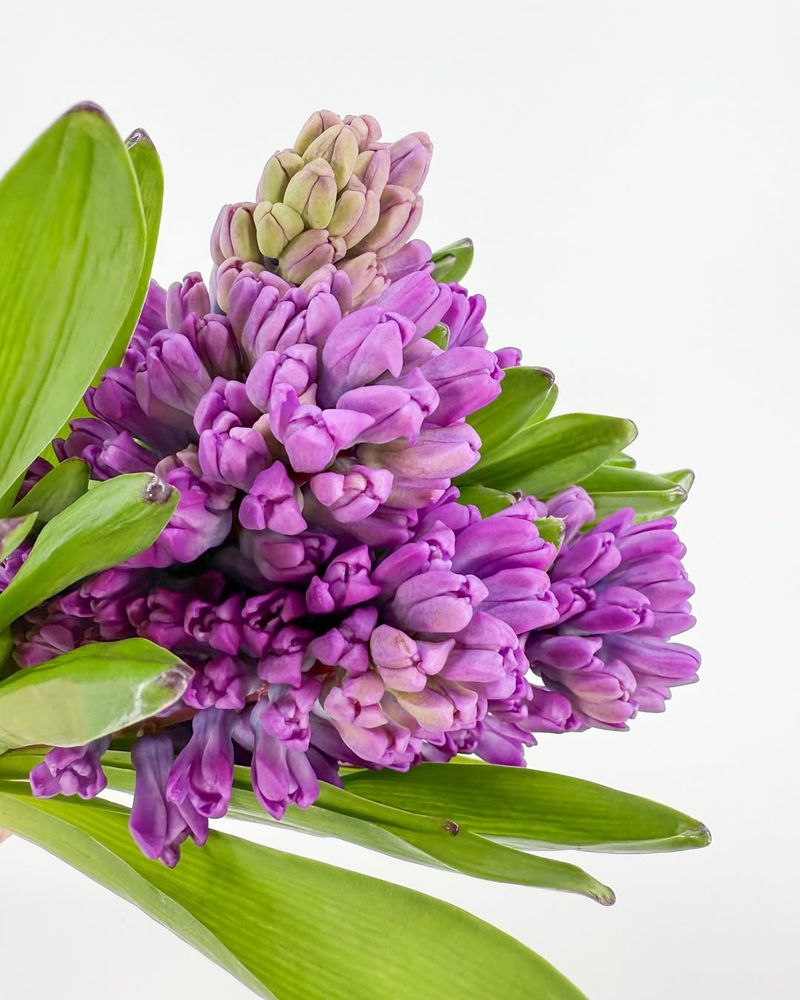
Purple hyacinths fill Pennsylvania gardens with an amazing fragrance that announces love from across the yard. These bulb flowers symbolize playfulness and joy in relationships.
Their strong, sweet scent makes them one of the most memorable Valentine’s Day flowers you can grow.
Hyacinths are another bulb flower that Pennsylvania gardeners plant in autumn for spring blooming. The bulbs need cold winter temperatures to develop properly.
By late February, early varieties start pushing up through the soil with their distinctive purple flower spikes.
Each hyacinth bulb produces a thick stem covered in dozens of small bell-shaped flowers. The purple color ranges from light lavender to deep violet.
Pennsylvania gardeners often plant several bulbs together to create fragrant clusters that make a big visual impact.
These flowers work wonderfully both in garden beds and in containers. Many Pennsylvania residents force hyacinth bulbs indoors in special glass vases.
This lets them enjoy the flowers earlier and watch the roots grow, which kids find especially fascinating.
Purple hyacinths represent the fun and playful side of romance. They remind couples not to take life too seriously and to enjoy each moment together.
Pennsylvania gardeners love sharing these blooms with neighbors and friends. The flowers spread happiness throughout entire communities during the cold winter months when everyone needs a boost of color and cheer.
5. Yellow Daffodils
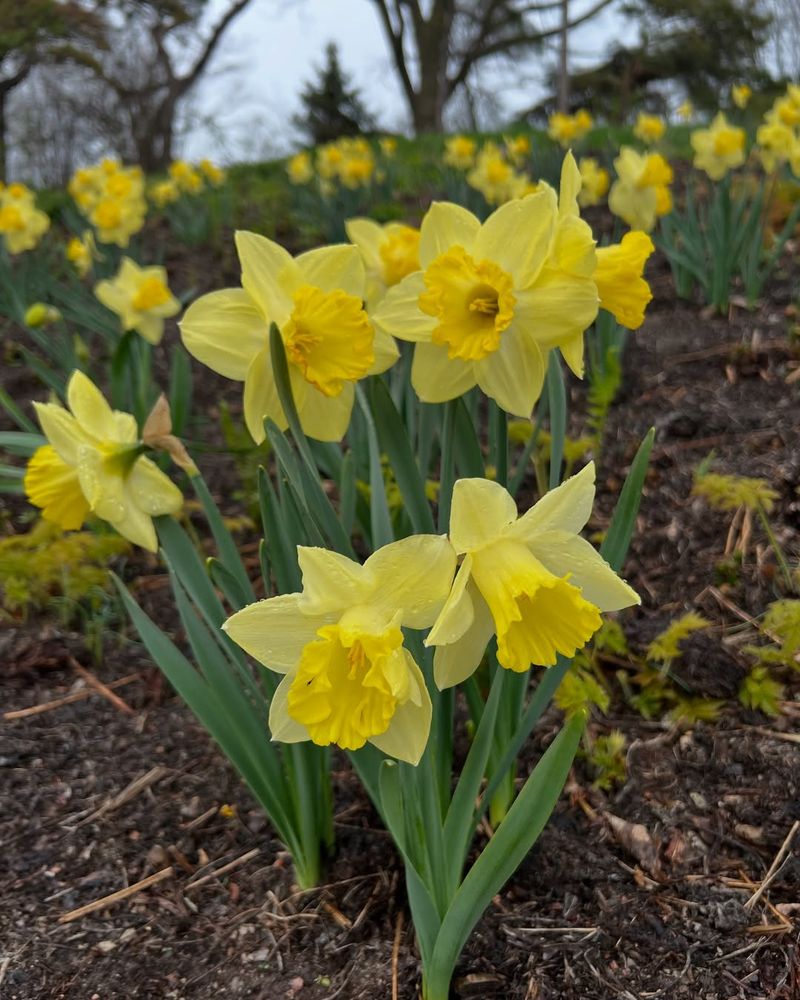
Yellow daffodils bring sunshine and cheerfulness to Pennsylvania Valentine’s Day celebrations.
While not traditionally thought of as romantic flowers, they represent new beginnings and unmatched love. Their bright color lifts spirits during the gray days of late winter.
Daffodils are among the easiest flowers to grow in Pennsylvania. Once planted, the bulbs multiply and return year after year without much care.
They naturalize well in lawns and woodland gardens, creating carpets of yellow that announce spring’s arrival.
Pennsylvania gardeners plant daffodil bulbs in the fall alongside their tulips and hyacinths. The bulbs need several months of cold temperatures to bloom properly.
Early varieties start flowering in late February, making them perfect for Valentine’s Day displays.
These cheerful flowers are also deer-resistant, which is important in many Pennsylvania gardens. Unlike tulips that deer love to eat, daffodils contain compounds that keep wildlife away. This means your Valentine’s Day flowers will actually make it to blooming stage.
Yellow daffodils symbolize friendship and happiness in relationships. They remind couples that love should include laughter and joy.
Many Pennsylvania gardeners give potted daffodils as Valentine’s gifts to friends and family members. The flowers brighten windowsills and countertops throughout February and March.
Their sunny disposition helps everyone get through the last cold weeks of winter while looking forward to warmer days ahead.
6. Red Camellias
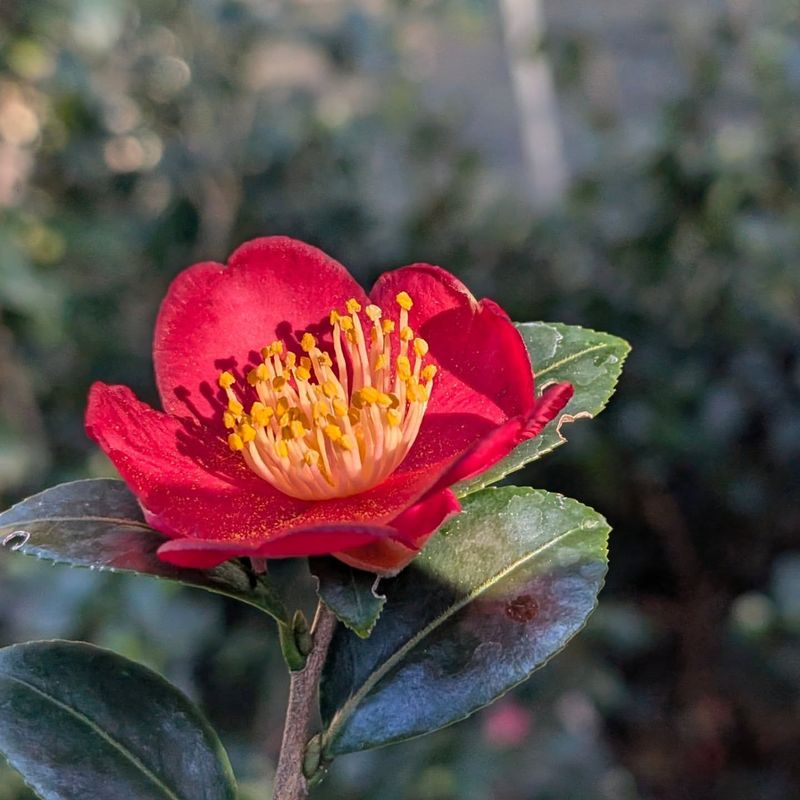
Red camellias are the secret weapon of serious Pennsylvania gardeners who want impressive Valentine’s Day blooms.
These evergreen shrubs produce large, rose-like flowers in shades of red that look almost too perfect to be real. They represent deep passion and excellence in love.
Growing camellias in Pennsylvania takes some extra effort because they prefer milder climates.
However, many gardeners in the southern parts of the state have success with cold-hardy varieties. These plants need acidic soil and protection from harsh winter winds.
Camellias bloom during late winter, which makes them incredibly special. When everything else in the Pennsylvania garden looks brown and dormant, camellias burst forth with stunning red flowers. The blooms can last for weeks, even through light snow.
Many Pennsylvania gardeners grow camellias in containers that can be moved to protected areas during extreme cold. Others plant them near house foundations where they get some warmth from the building.
With proper placement and care, these exotic beauties thrive and become conversation starters.
The flowers have a formal, elegant appearance that makes them look expensive and luxurious. Red camellias show deep devotion and admiration.
Pennsylvania gardeners who successfully grow these flowers take great pride in their accomplishments.
Sharing camellia blooms with a loved one on Valentine’s Day demonstrates both patience and dedication, qualities that make relationships strong and lasting over many years.
7. Pink Azaleas
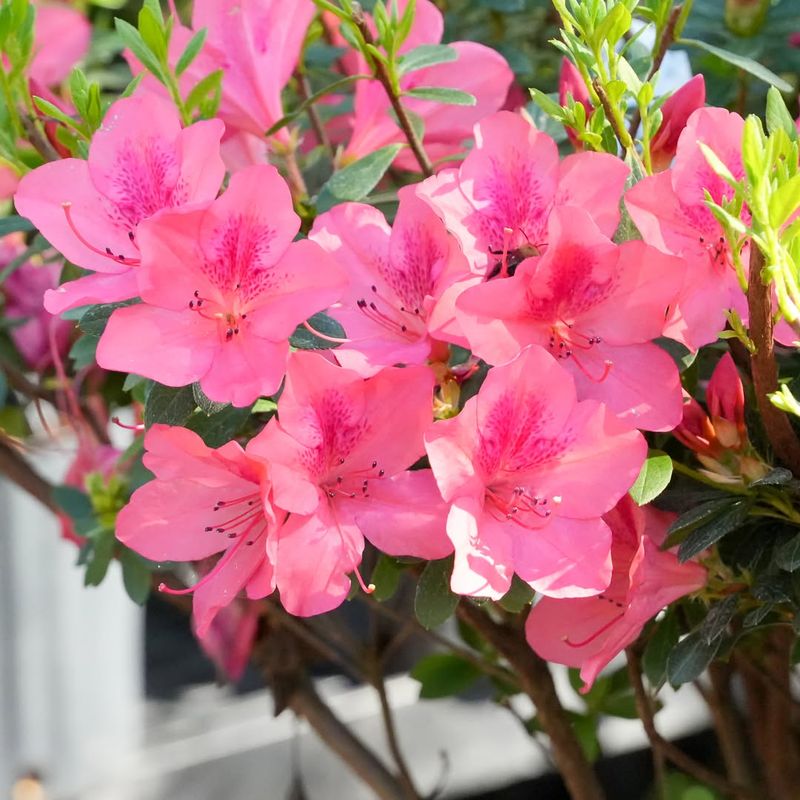
Pink azaleas whisper romance through their delicate blooms and gentle colors. Pennsylvania gardeners value these flowering shrubs for their reliability and beauty.
They symbolize taking care of yourself and your loved ones, which makes them meaningful Valentine’s Day flowers.
Azaleas grow well throughout most of Pennsylvania because they handle the state’s climate nicely.
These shrubs prefer partial shade and acidic soil similar to what rhododendrons need. Many varieties bloom in early spring, with some starting as early as late February.
The pink flowers cover azalea bushes so completely that you can barely see the leaves underneath.
This creates stunning displays that transform Pennsylvania gardens into romantic wonderlands. The flowers attract early butterflies and bees, bringing life back to gardens after winter.
Pennsylvania gardeners often plant azaleas as foundation plantings around their homes. The shrubs stay compact and look attractive even when not blooming. Their evergreen or semi-evergreen foliage provides year-round interest in the landscape.
Pink azaleas represent feminine beauty and gentleness in relationships. They remind couples to treat each other with tenderness and respect.
Many Pennsylvania residents have fond memories of azaleas blooming in their childhood gardens. Planting these shrubs creates new memories while honoring old ones.
The flowers return faithfully each year, just like true love does, making them perfect symbols for Valentine’s Day celebrations throughout the state.
8. Red Anemones
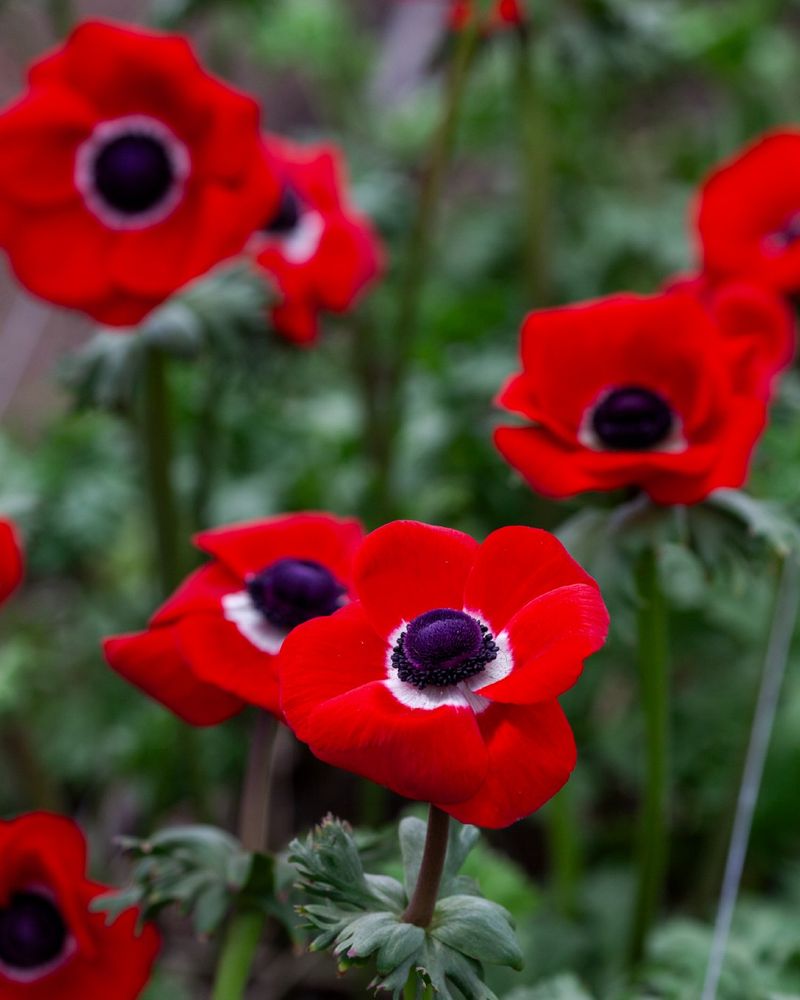
Red anemones add a wild, natural beauty to Pennsylvania Valentine’s Day gardens. These charming flowers look like small poppies with their papery petals and dark centers.
They symbolize anticipation and excitement in new relationships, making them perfect for young couples celebrating their first Valentine’s Day together.
Anemones grow from small tubers that Pennsylvania gardeners plant in fall or very early spring.
The plants prefer cooler weather and actually bloom best when temperatures stay mild. In Pennsylvania, this means they often flower in late winter through early spring.
The red petals of anemones are incredibly vibrant and eye-catching. Each flower has a distinctive black or dark purple center that creates beautiful contrast.
Pennsylvania gardeners love how these flowers look both in garden beds and in cut flower arrangements.
Anemones grow low to the ground and spread gradually to form colorful patches. They work wonderfully in rock gardens or along pathway edges. The flowers close up at night and on cloudy days, then open again when the sun comes out.
Red anemones represent the thrill and anticipation of falling in love. They capture that excited feeling when you are just getting to know someone special.
Pennsylvania gardeners enjoy growing these less common flowers because they surprise and delight visitors. The blooms add variety to Valentine’s Day celebrations beyond the usual roses and tulips, showing that love comes in many beautiful forms.