These 9 Tough California Plants Grow Well In Poor, Dry Soil
Dry, stubborn soil can make gardening in California feel like an uphill battle. Plants struggle, water disappears fast, and bare patches seem to win no matter how much effort you put in.
Yet across the state, many resilient plants have adapted to thrive in exactly these harsh conditions, turning dry ground into surprisingly vibrant landscapes.
Tough, drought smart plants bring color, texture, and life without demanding rich soil or constant watering. Deep roots, silvery leaves, and water saving traits help them stay strong through heat, wind, and long dry stretches.
Once established, these hardy growers often need little care while still delivering year round beauty.
The key is choosing plants built for survival, not pampering. With the right picks, even poor, dusty soil can support a lively, low maintenance garden that stands up to California’s toughest growing conditions and still looks stunning season after season.
1. California Buckwheat (Eriogonum fasciculatum)
When your hillside looks more like a gravel pit than a garden bed, that’s exactly where California buckwheat feels at home.
This tough shrub grows naturally on rocky slopes throughout the state, sending deep roots into poor soil that would discourage most other plants.
You’ll see it thriving in places where nothing else seems to survive.
The secret lies in those extensive roots that mine nutrients and moisture from deep underground. Once established, this plant needs absolutely no summer water and actually suffers if you treat it like a typical garden shrub.
Overwatering causes root rot faster than anything else, so resist the urge to pamper it.
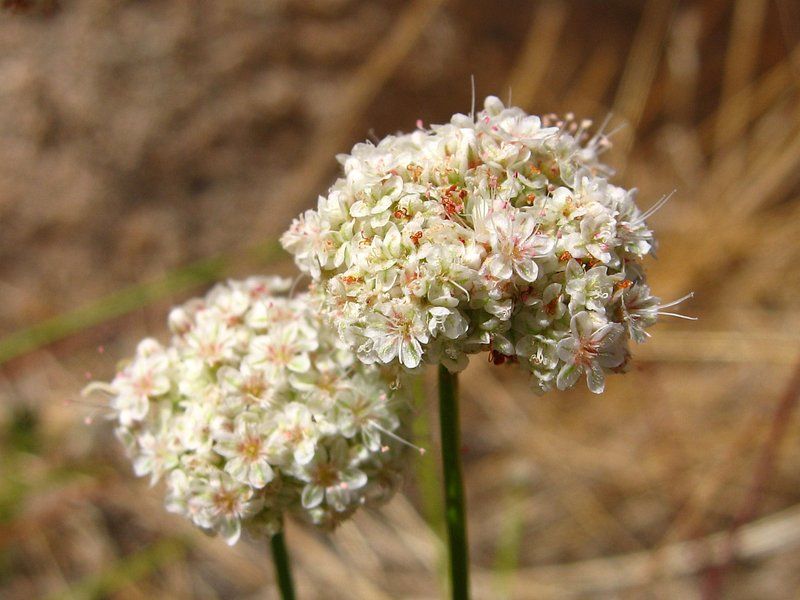
California buckwheat produces clusters of tiny flowers that shift from white to pink to rust as they age, creating a beautiful color show from spring through fall. Pollinators absolutely love these blooms, and you’ll notice butterflies and native bees visiting constantly.
The plant naturally forms a rounded mound about three to four feet tall and equally wide.
Plant it in full sun with zero soil amendment, just dig a hole, pop it in, and step back. Water occasionally the first summer to help roots establish, then forget about it completely.
This shrub rewards neglect better than attention.
2. Toyon (Heteromeles arbutifolia)
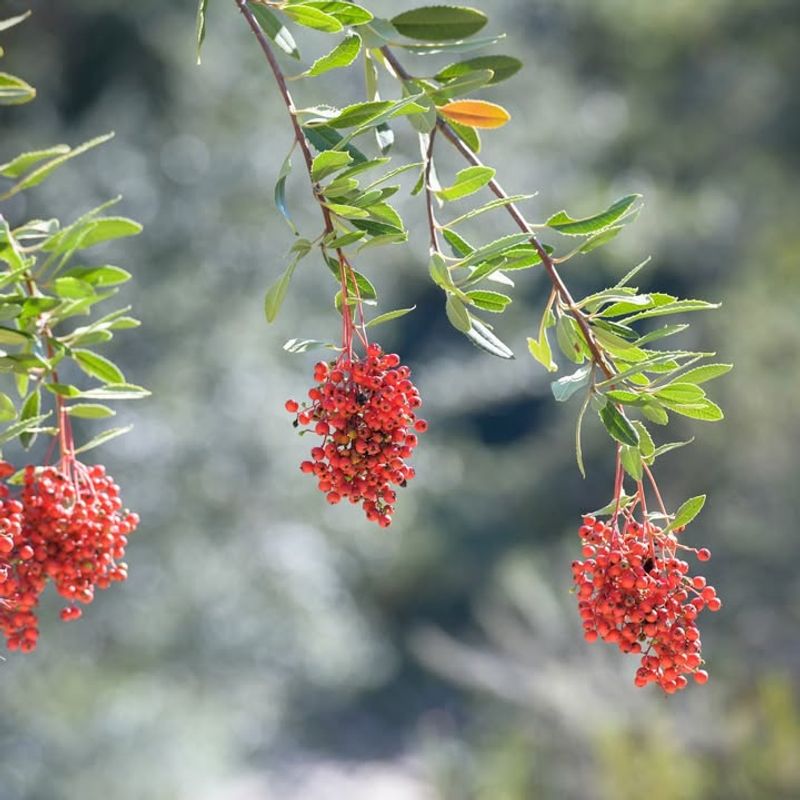
Looking for something that gives you year-round interest without demanding a drop of supplemental water? Toyon delivers exactly that with glossy evergreen leaves, white summer flowers, and brilliant red winter berries that light up the dreariest December day.
Birds go crazy for those berries, which is why this plant is sometimes called California holly.
This large shrub or small tree grows wild on dry slopes and in canyons where soil is rocky and rainfall is scarce. Its roots adapt remarkably well to poor nutrition and drought conditions, actually preferring lean soil over rich garden beds.
Many homeowners make the mistake of planting toyon in amended soil with regular irrigation, which causes weak, floppy growth and disease problems.
Toyon naturally reaches ten to fifteen feet tall, though you can keep it smaller with occasional pruning. It works beautifully as an informal hedge, a background plant, or even trained into a small multi-trunk tree.
Your California Garden Changes Every Week. Your Plan Should Too.
Gardening in California changes quickly throughout the season. Every Friday you’ll receive a simple weekly plan showing exactly what to plant, prune, fertilize, harvest, and protect so you never miss the right timing.
The white flower clusters in early summer attract beneficial insects, while winter berries feed migrating birds.
Plant in full sun or partial shade without amending your native soil. Water deeply but infrequently during the first year, then stop completely.
Toyon handles coastal conditions beautifully and tolerates inland heat equally well, making it one of California’s most versatile tough plants.
3. Cleveland Sage (Salvia clevelandii)
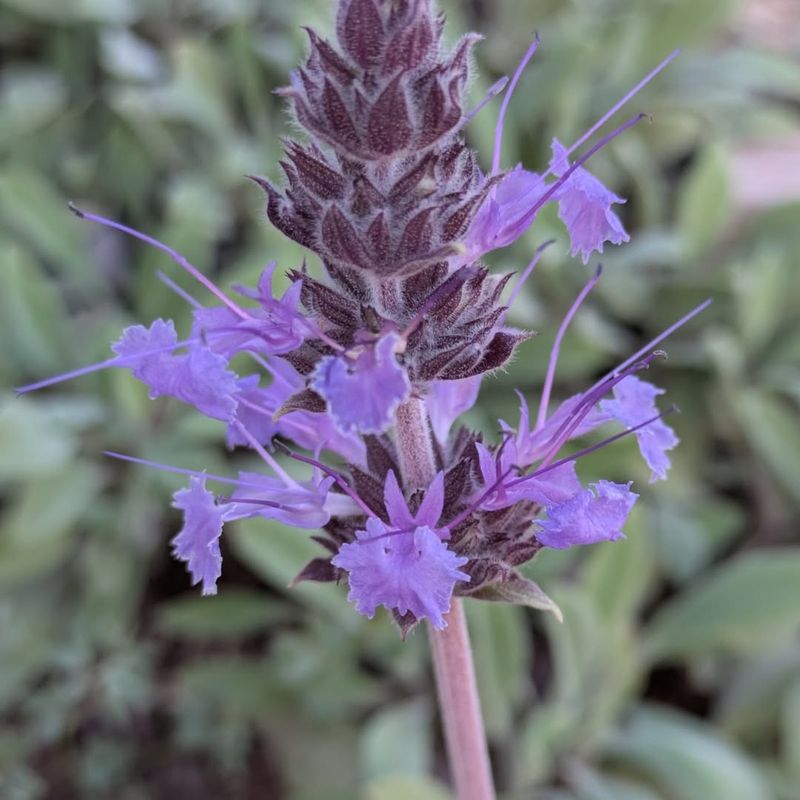
Brush against this plant on a warm afternoon and the intense fragrance will stop you in your tracks.
Cleveland sage releases aromatic oils from its gray-green leaves that smell like a mix of lavender and pine, creating a sensory experience that transforms your entire garden.
Hummingbirds find those purple-blue flower spikes irresistible, visiting repeatedly throughout the long spring and summer bloom season.
Native to San Diego County’s dry chaparral, this sage evolved to survive on rainfall alone in some of California’s driest landscapes.
The leaves are covered with tiny hairs that reduce water loss, while the root system spreads wide rather than deep to capture whatever moisture falls.
Poor soil doesn’t bother it one bit, in fact, rich soil causes the plant to grow too lush and lose its compact shape.
Cleveland sage forms a rounded shrub about four feet tall and five feet wide at maturity. The silvery foliage provides beautiful color contrast against darker green plants, and the structure remains attractive even when not in bloom.
This plant is particularly valuable in fire-prone areas because of its low, compact growth habit.
Give it full sun and absolutely no soil amendments. Water occasionally during the first summer, then never again.
Cleveland sage actually lives longer and looks better with complete neglect after establishment, making it perfect for busy gardeners.
4. Deer Grass (Muhlenbergia rigens)
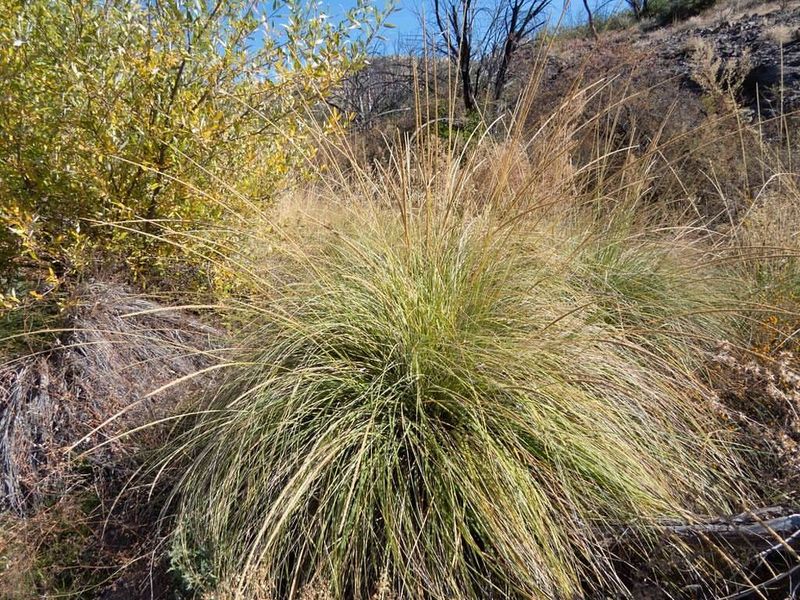
Ornamental grasses bring movement and texture to gardens, but most need regular water and decent soil to perform well. Deer grass breaks that rule completely, thriving in the toughest conditions California can dish out.
This beautiful native bunch grass sends up graceful seed heads that dance in every breeze, creating visual interest that changes throughout the day and seasons.
The plant forms a dense clump of fine-textured leaves that stay evergreen in mild climates and provide year-round structure. Those roots go incredibly deep, sometimes six feet or more, allowing deer grass to find water that surface-rooting plants can’t reach.
It grows naturally along dry washes and rocky slopes where soil is poor and summer rain is nonexistent.
Deer grass reaches about three feet tall and equally wide, with flower stalks rising another two feet above the foliage in late summer and fall.
Those airy seed heads catch the light beautifully and persist through winter, providing food for birds and visual interest when many other plants look dormant.
The grass works wonderfully as a focal point, in mass plantings, or along dry stream beds.
Plant in full sun without amending the soil, just dig a hole and plant. Water occasionally during establishment, then stop completely once the plant shows new growth.
Deer grass handles both coastal and inland heat beautifully and never needs fertilizer or special care.
5. Manzanita ‘Howard McMinn’ (Arctostaphylos densiflora)
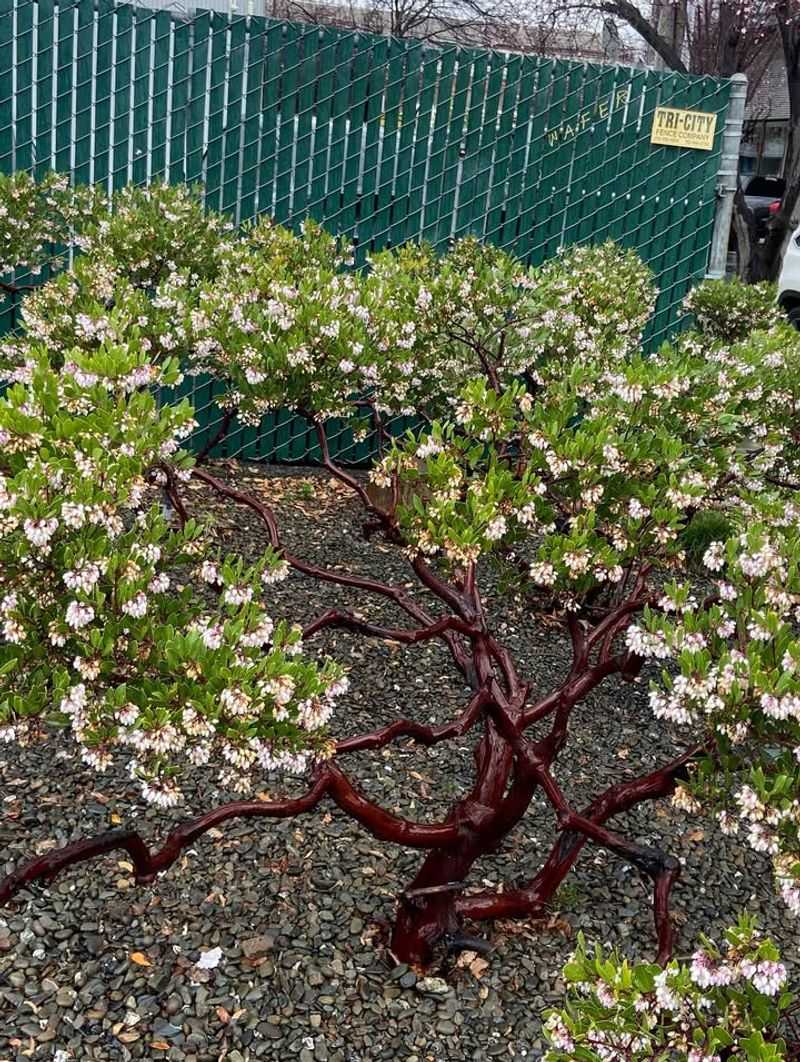
Few plants offer the sculptural beauty of manzanitas, with their twisted mahogany trunks and smooth bark that seems to glow in winter light.
Howard McMinn is one of the most garden-friendly manzanitas, staying compact and manageable while delivering all the visual drama these plants are famous for.
The pink bell-shaped flowers in late winter provide early nectar for emerging pollinators when little else is blooming.
This cultivar comes from Sonoma County natives that evolved on poor, rocky soils with minimal rainfall.
The roots form associations with beneficial fungi that help the plant extract nutrients from terrible soil, which is why manzanitas often wither away when gardeners try to improve their growing conditions.
Clay soil that stays wet in winter is particularly deadly, these plants absolutely must have good drainage.
Howard McMinn grows about five feet tall and six feet wide, making it perfect for smaller gardens where larger manzanita species would overwhelm the space.
The evergreen foliage stays attractive year-round, and that gorgeous bark becomes more prominent as the plant matures.
Small berries follow the flowers, providing food for birds.
Plant in full sun with absolutely no soil amendment, ensuring excellent drainage. Water sparingly during the first year only, then never again.
Avoid planting near lawns or high-water plants, as summer irrigation kills manzanitas quickly. This is truly a plant-it-and-forget-it shrub.
6. Desert Mallow (Sphaeralcea ambigua)
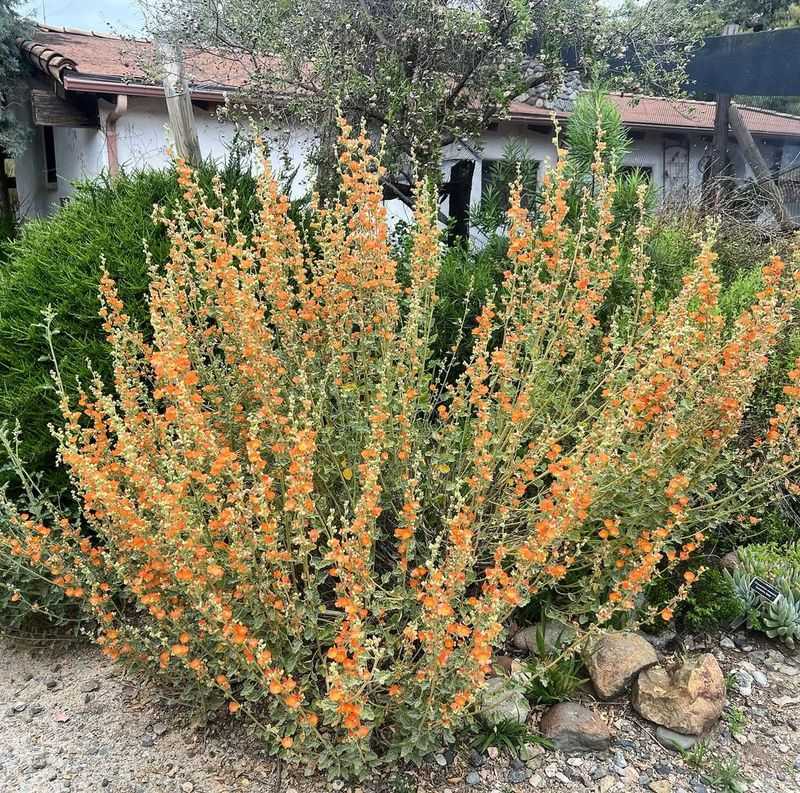
Bright apricot-orange flowers practically glow against gray-green foliage, creating color combinations that stop people in their tracks.
Desert mallow blooms for months, sometimes from early spring clear through fall, providing constant color when many drought-tolerant plants have finished their show.
Those cheerful flowers attract hummingbirds, butterflies, and bees in impressive numbers.
Native to the Mojave and Sonoran deserts, this tough plant knows how to survive brutal heat, zero summer rain, and soil so poor it barely qualifies as dirt.
The leaves are covered with fine hairs that reflect sunlight and reduce water loss, allowing the plant to photosynthesize efficiently even in scorching conditions.
Desert mallow actually sulks and performs poorly if you give it rich soil and regular water.
The plant forms a loose, spreading mound about three feet tall and four feet wide. That informal shape works beautifully in naturalistic gardens and looks out of place in formal settings, so choose your location accordingly.
Desert mallow is short-lived compared to woody shrubs, typically lasting three to five years, but it often self-seeds to replace itself.
Give it full sun and fast-draining soil without any amendments. Water occasionally during the first summer, then rarely afterward, this plant genuinely prefers neglect.
Desert mallow handles inland heat beautifully but can get mildew in foggy coastal areas, so it’s best for hot, dry locations.
7. Red Yucca (Hesperaloe parviflora)
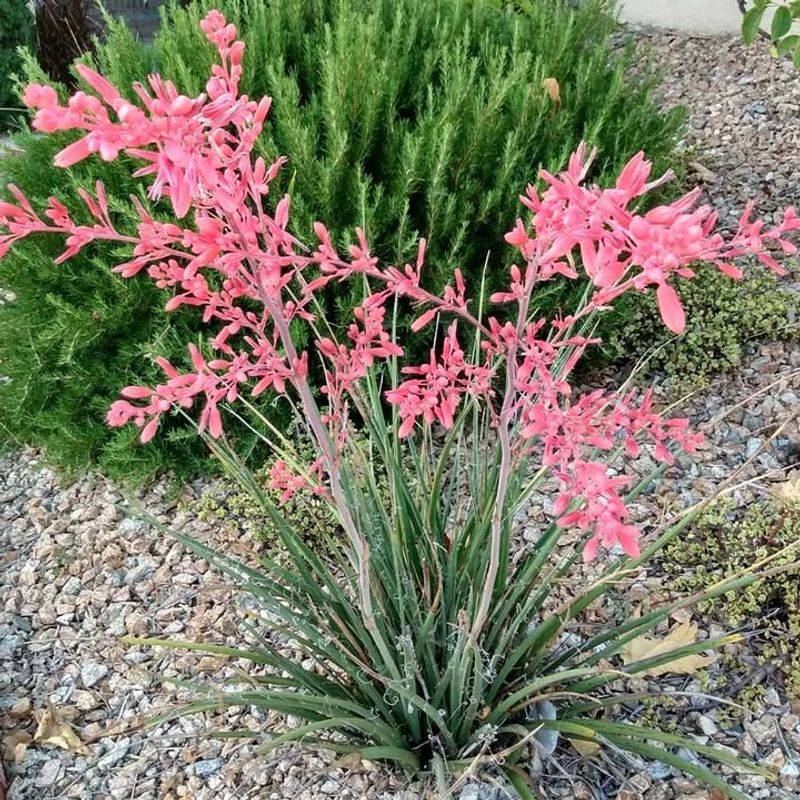
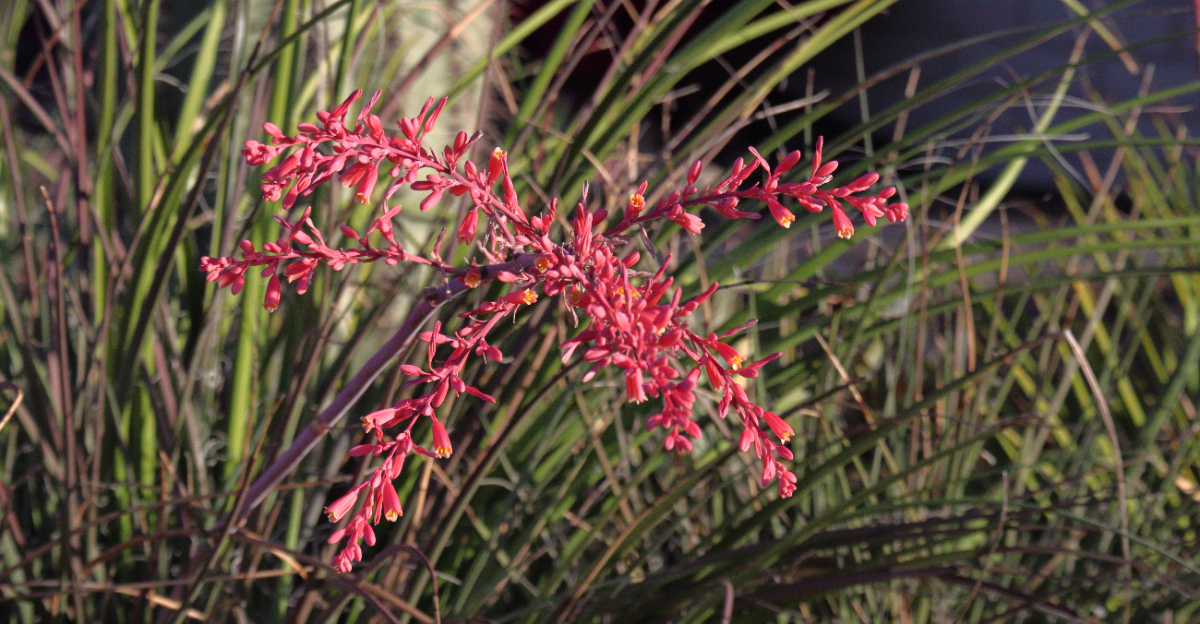
Tall coral-red flower spikes rise three to four feet above arching grass-like foliage, creating dramatic vertical accents that draw the eye upward.
Red yucca blooms from late spring through summer, and hummingbirds visit those tubular flowers constantly, making this plant a wildlife magnet.
Despite the common name, this isn’t actually a yucca at all, it’s more closely related to agaves.
Native to the Chihuahuan Desert of Texas and northern Mexico, red yucca evolved in conditions even harsher than most California gardens experience. The plant stores water in its thick, succulent-like leaves and sends roots deep to find moisture during drought.
Poor, rocky soil doesn’t faze it one bit, and it actually grows stronger and more compact in lean conditions than in amended garden beds.
Red yucca forms a clump of narrow leaves about two feet tall and three feet wide, with those impressive flower stalks rising well above the foliage. The plant remains evergreen and attractive year-round, providing structure even when not blooming.
It works beautifully in rock gardens, as a focal point, or massed for dramatic effect.
Plant in full sun with excellent drainage and zero soil improvement. Water occasionally during establishment, then forget about it completely, red yucca handles California’s dry summers without any help.
This plant tolerates both coastal and inland conditions and never needs fertilizer, pruning, or special attention beyond removing spent flower stalks.
8. California Fuchsia (Epilobium canum)
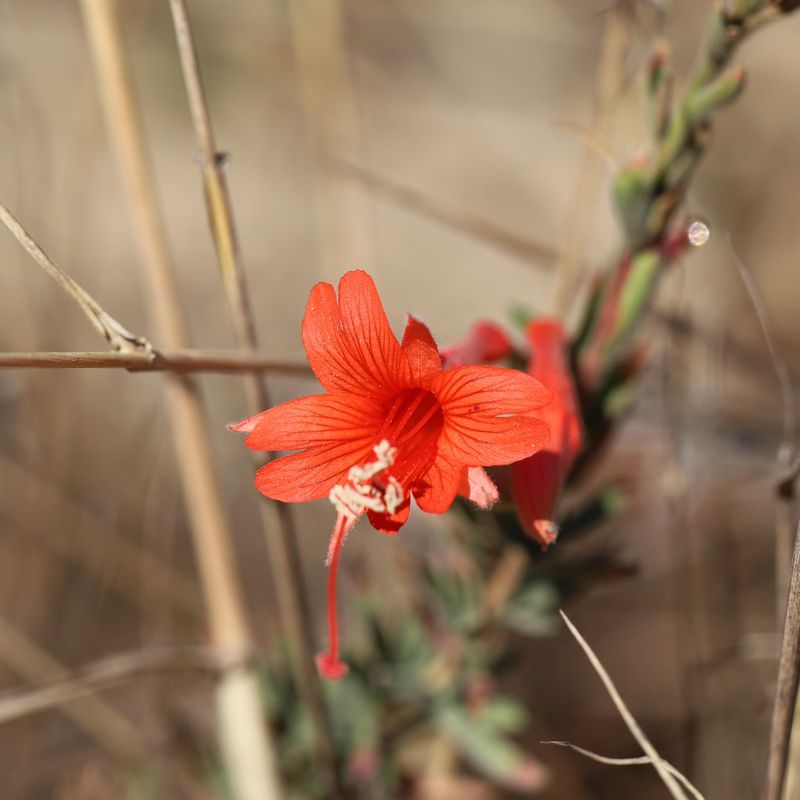
Just when your garden looks tired and done for the season, California fuchsia explodes into bloom with brilliant red-orange flowers that seem impossibly bright against late summer’s faded landscape.
This small perennial provides crucial late-season nectar for migrating hummingbirds heading south, and you’ll see them visiting constantly from August through October.
The show is worth waiting for.
California fuchsia grows wild on dry slopes and rocky banks throughout the state, often in places where soil is practically nonexistent. The plant spreads by underground rhizomes, forming colonies that stabilize soil and prevent erosion on steep banks.
Those roots can find moisture deep underground, allowing the plant to bloom abundantly even after months without rain.
The plant grows about one to two feet tall and spreads wider over time, creating informal patches that look natural rather than manicured.
The narrow gray-green leaves are drought-deciduous in some areas, meaning the plant may go dormant during the hottest, driest months before leafing out again with fall’s cooler weather.
Don’t panic if this happens, it’s completely normal.
Plant California fuchsia in full sun or light shade without amending your native soil. Water occasionally during the first season, then rarely afterward.
This plant can spread aggressively in ideal conditions, so give it room or be prepared to pull unwanted shoots. It tolerates coastal and inland gardens equally well and never needs fertilizer.
9. Blue Chalksticks (Senecio serpens)
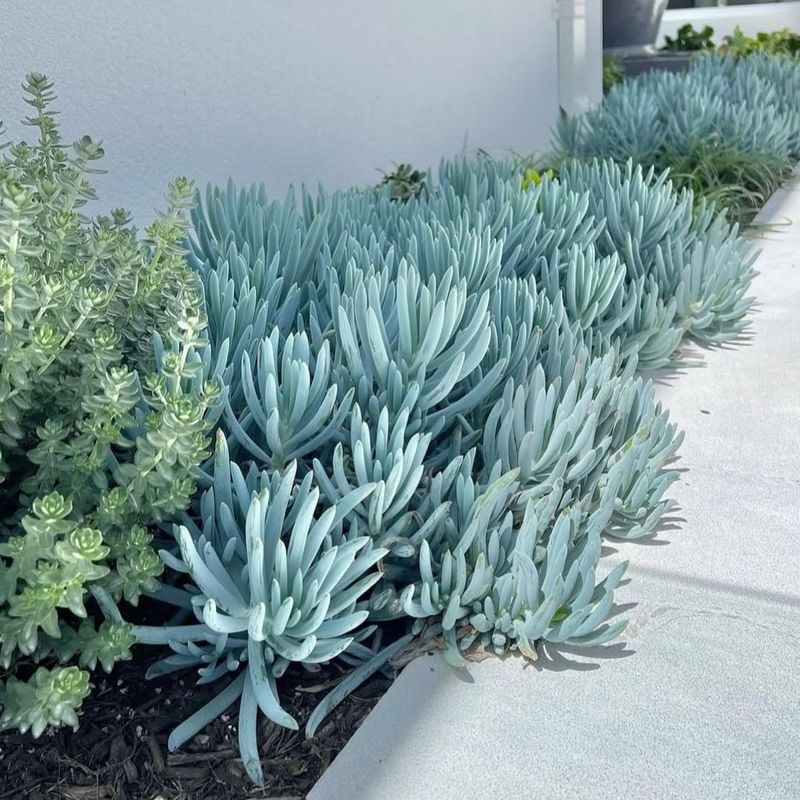
Sometimes you need a plant that provides jaw-dropping color rather than flowers, and blue chalksticks delivers exactly that with stunning powdery blue foliage that looks almost artificially colored.
Those cylindrical leaves stand upright like fingers, creating unique texture that contrasts beautifully with every other plant around it.
The color intensifies in full sun and during dry periods, rewarding neglect with better appearance.
Native to South Africa’s dry regions, this succulent adapted to poor soil, scorching sun, and minimal rainfall, conditions remarkably similar to California’s toughest garden spots.
The leaves store water internally, allowing the plant to survive extended drought without wilting or suffering.
Blue chalksticks actually rots quickly if given rich soil and regular water, so treating it like a typical garden plant is the fastest way to kill it.
The plant grows about twelve to eighteen inches tall and spreads slowly to form a dense mat several feet wide. Small white flowers appear in summer but are insignificant compared to that incredible foliage color.
Blue chalksticks works beautifully in rock gardens, as edging, in containers, or anywhere you want a low-maintenance pop of cool color.
Plant in full sun with extremely fast-draining soil and absolutely no amendments. Water sparingly during establishment, then only during the hottest, driest periods, this plant genuinely prefers to stay dry.
Blue chalksticks handles coastal and inland gardens well and never needs fertilizer, pruning, or any special attention beyond occasional grooming.