Must-Do February Rose Care Tasks For Los Angeles Gardeners In California
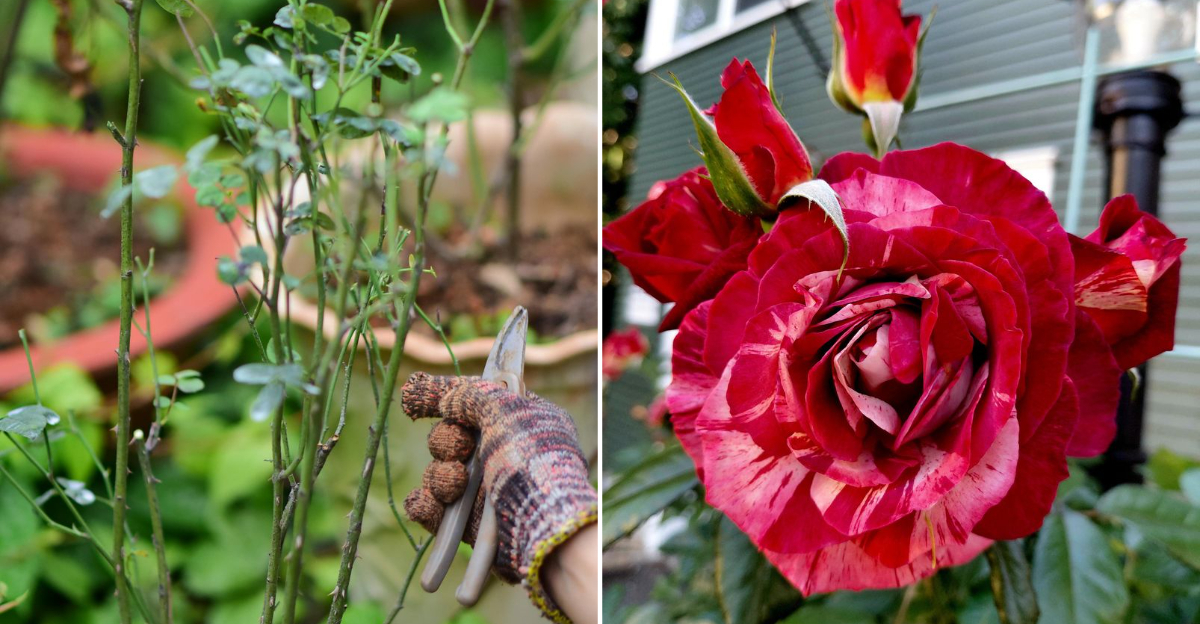
February in Los Angeles brings a quiet turning point for roses. Winter’s chill begins to fade, fresh buds start to swell, and rose bushes prepare for a powerful burst of spring growth.
This short window is one of the most important moments of the year, setting the stage for fuller plants, stronger stems, and more vibrant blooms in the months ahead.
Roses may look dormant, yet beneath those bare canes, energy is building fast. A little attention now can shape how beautifully they perform once warm weather settles in.
Timing matters, and small seasonal tasks can make a noticeable difference in flower size, plant health, and overall vigor.
Miss this late winter moment, and roses may struggle to reach their full potential. Give them the right care now, and your garden will soon reward you with lush foliage, rich color, and classic fragrance filling the warm Los Angeles air.
1. Prune For Strong Spring
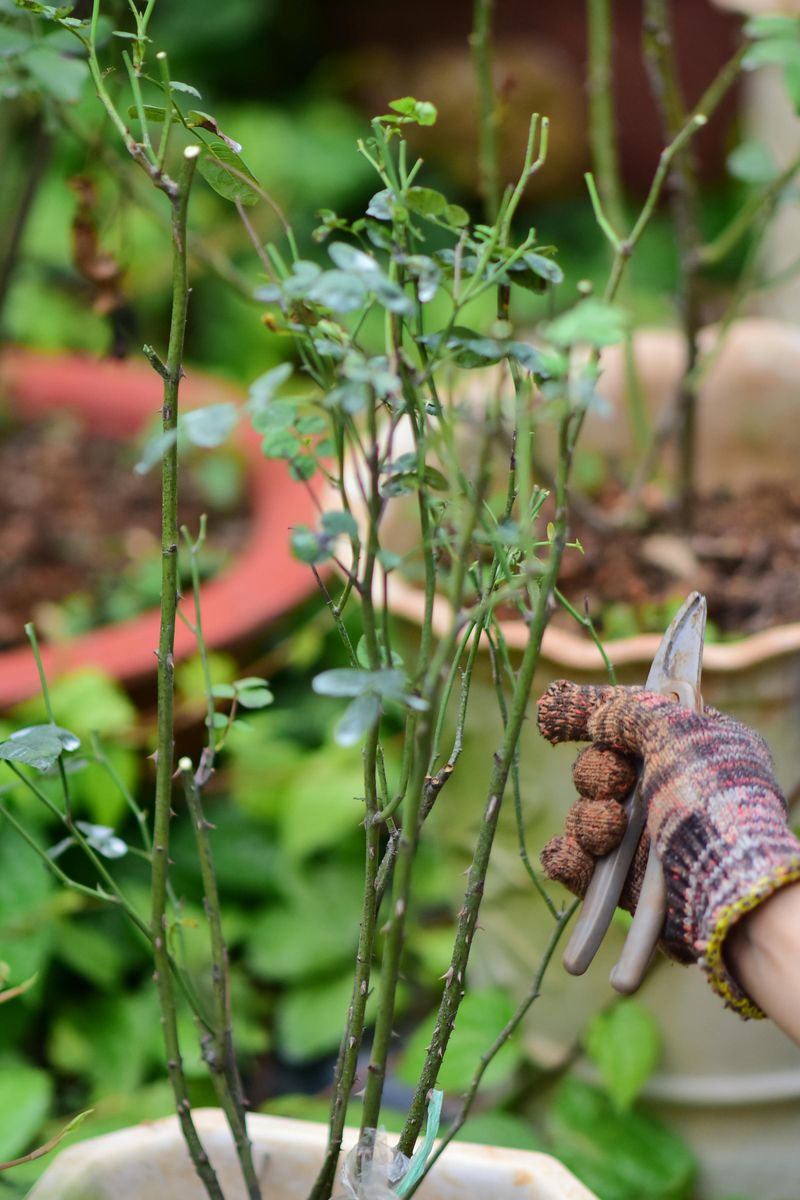
Late winter brings the ideal pruning window for Los Angeles rose gardeners. Your roses have enjoyed their brief rest period and are just beginning to wake up with tiny red growth buds appearing along the canes.
Pruning now removes unproductive wood and directs energy toward strong new shoots that will carry this spring’s blooms.
Many gardeners wait too long, pruning after new growth has already started, which wastes the plant’s stored energy. Others prune too early in December or January when another cold snap could damage fresh cuts.
February hits the sweet spot when temperatures stabilize and roses are ready to grow.
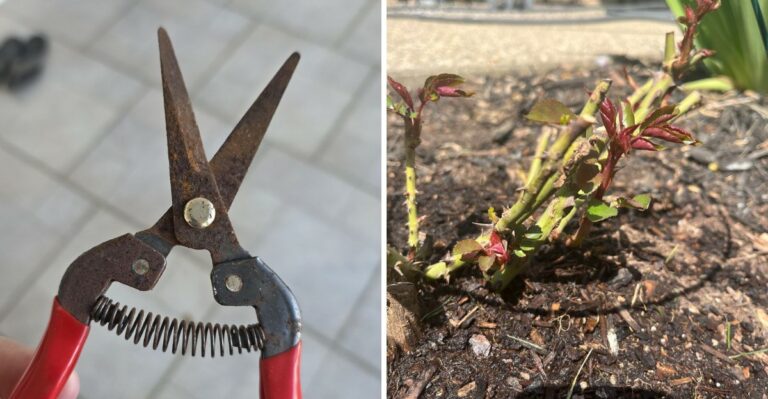
Start by removing diseased or damaged canes completely at the base. Then cut back healthy canes to about knee height, making cuts at a 45-degree angle just above an outward-facing bud.
This encourages an open, vase-shaped plant with good air circulation.
Remove any thin, twiggy growth thinner than a pencil since these weak stems won’t support quality blooms. Also cut out canes that cross through the center, which creates crowding and disease problems later.
Clean cuts with sharp, sanitized pruners heal quickly and reduce infection risk in our warming February weather.
2. Clean Out Winter Damage
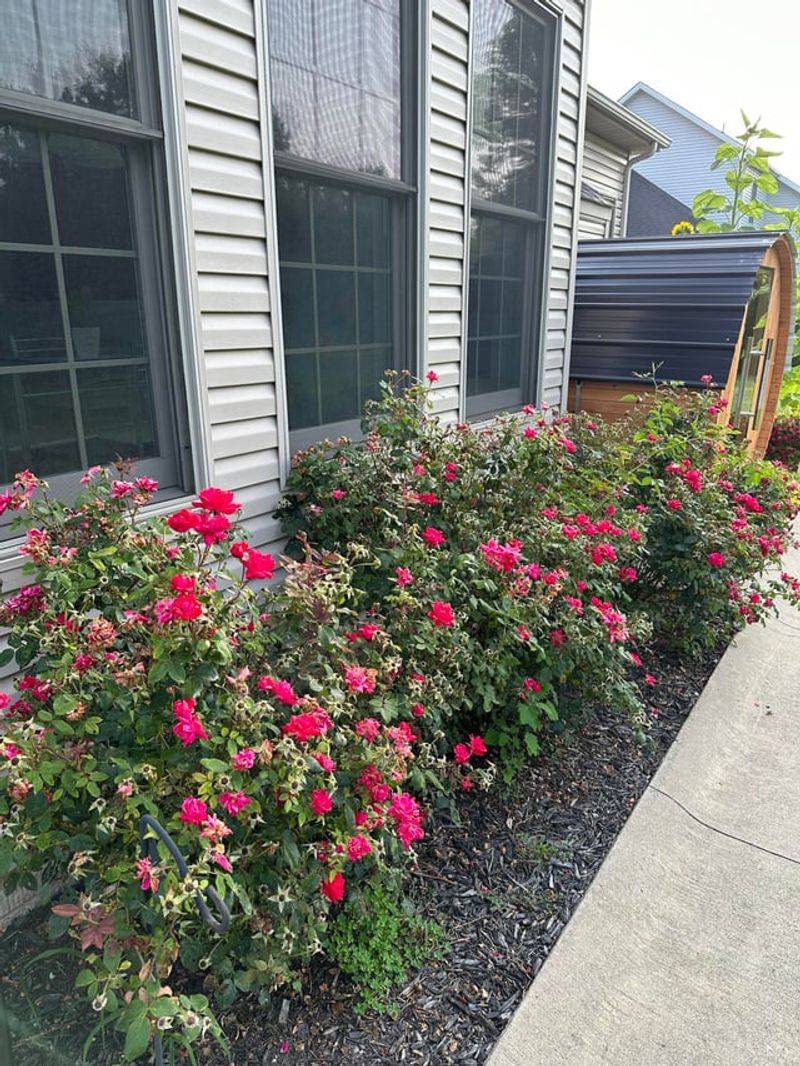
Winter rains and occasional wind leave behind a collection of fallen leaves, broken twigs, and plant debris around your rose bushes.
This organic litter might seem harmless, but it harbors fungal spores that cause black spot, rust, and powdery mildew throughout the growing season.
Cleaning this material away in February prevents disease problems before they start.
Los Angeles gardens face unique fungal pressure because our mild, sometimes humid winters create perfect conditions for spores to survive and multiply.
Unlike cold-climate gardens where hard freezes destroy many pathogens, our roses need manual cleanup to break disease cycles.
Rake up all fallen leaves from around the base of each plant and remove any withered foliage still clinging to canes. Don’t compost this material since home compost piles rarely get hot enough to destroy rose disease spores.
Instead, bag it for green waste collection.
Your California Garden Changes Every Week. Your Plan Should Too.
Gardening in California changes quickly throughout the season. Every Friday you’ll receive a simple weekly plan showing exactly what to plant, prune, fertilize, harvest, and protect so you never miss the right timing.
After removing debris, inspect the soil surface for any remaining leaf fragments. Even small pieces can restart infections when spring rains splash spores onto new foliage.
A thorough cleanup now means healthier leaves and fewer fungicide applications later, saving you time and keeping your roses looking their best all season.
3. Feed For New Growth
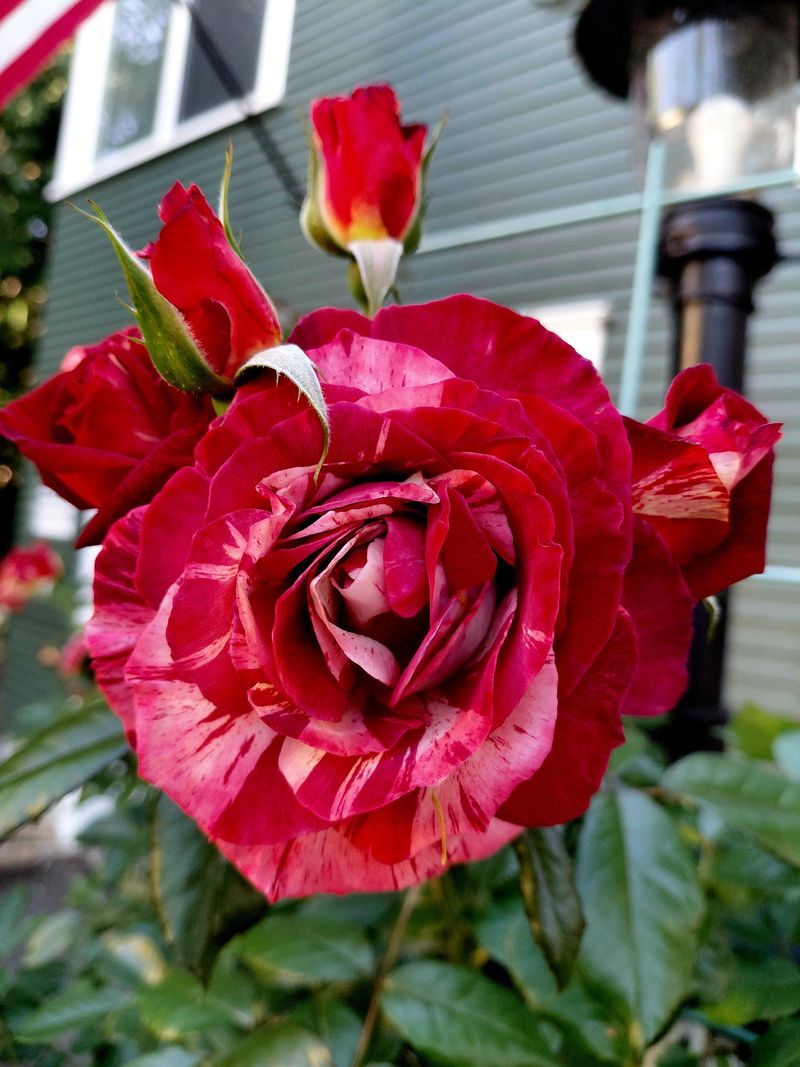
Right after pruning, your roses need a nutritional boost to fuel the explosion of spring growth heading your way. February feeding provides essential nutrients just as roots become active and new shoots begin emerging from pruned canes.
This timing maximizes nutrient uptake when roses can use it most effectively.
Choose a balanced fertilizer formulated for roses, or use a general-purpose option with equal or near-equal nitrogen, phosphorus, and potassium numbers.
Organic options like alfalfa meal, fish emulsion, or composted manure work beautifully and improve soil structure while feeding plants.
Synthetic fertilizers deliver nutrients faster but don’t build long-term soil health.
Apply fertilizer evenly around each plant’s drip line where feeder roots actively absorb nutrients, not against the trunk where it does little good. Water thoroughly after feeding to dissolve granules and carry nutrients into the root zone.
Without adequate water, fertilizer sits on the soil surface accomplishing nothing.
Avoid overfeeding, which pushes excessive soft growth attractive to aphids and susceptible to disease. Follow package directions carefully.
Many gardeners make the mistake of doubling doses thinking more is better, but this burns roots and harms plants instead of helping them thrive during the critical spring growth period ahead.
4. Refresh The Soil
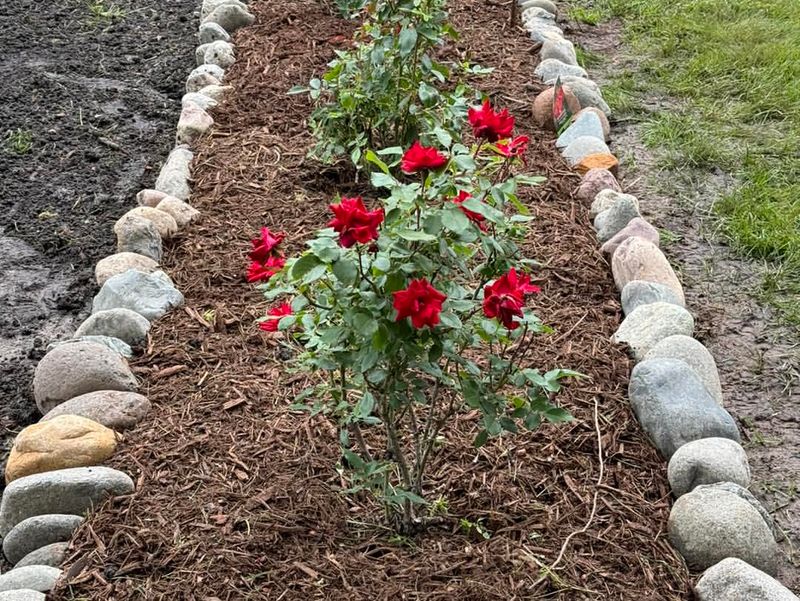
Roses are heavy feeders that deplete soil nutrients and organic matter over time. February offers the perfect opportunity to replenish what last year’s blooms consumed.
Adding compost and organic amendments now improves soil structure, increases water retention, and supports beneficial microorganisms that help roses thrive throughout our long growing season.
Pull back existing mulch temporarily and spread a two-inch layer of quality compost around each plant. Work it gently into the top few inches of soil without disturbing roots.
Aged compost, worm castings, or well-rotted manure all work excellently and provide slow-release nutrition beyond what fertilizers offer alone.
Los Angeles soils vary dramatically from heavy clay in some areas to sandy loam in others. Organic matter improves both extremes by helping clay drain better and helping sand retain moisture and nutrients.
This becomes especially important as we head into dry months where water efficiency matters.
Some gardeners skip this step, relying only on fertilizer, but they miss the soil-building benefits that create healthier, more resilient plants. Soil rich in organic matter supports stronger root systems, better disease resistance, and more consistent blooming.
The effort you invest now pays dividends in rose performance for months to come.
5. Mulch Before Heat Returns
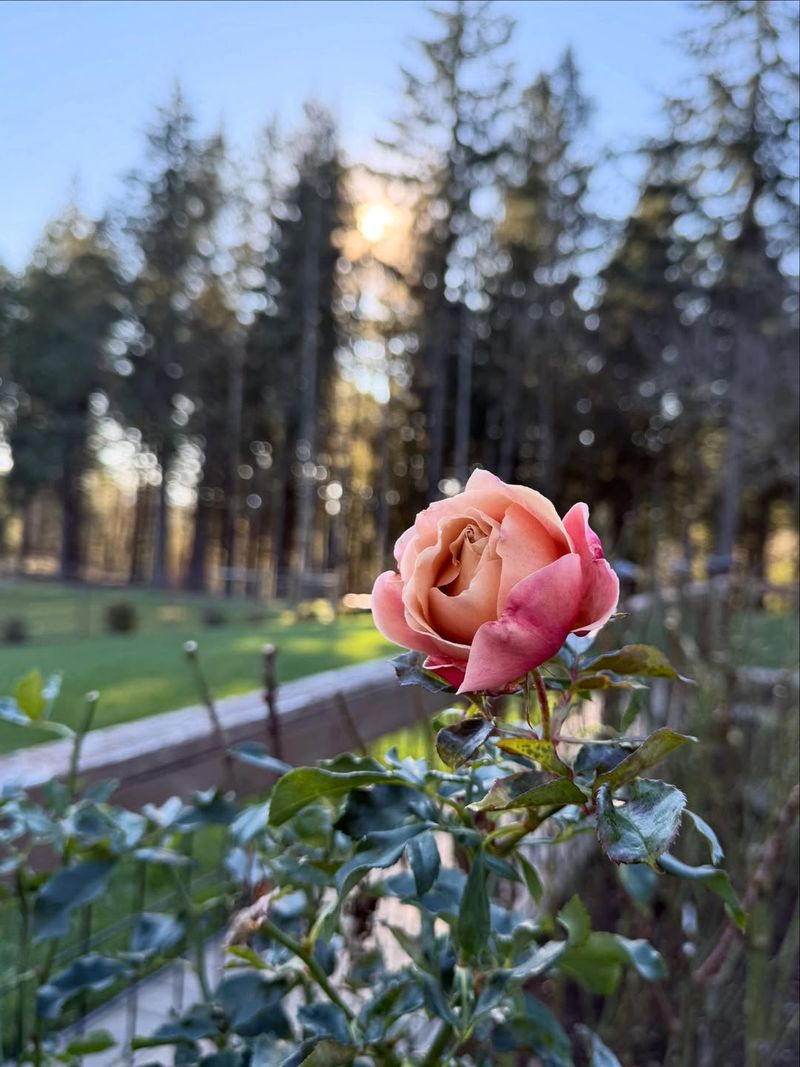
Once you’ve cleaned, fed, and refreshed the soil, protect your work with a fresh layer of mulch. February mulching locks in soil moisture before temperatures climb and shields roots from heat stress during late spring and summer.
Proper mulching reduces watering needs, suppresses weeds, and moderates soil temperature fluctuations that stress plants.
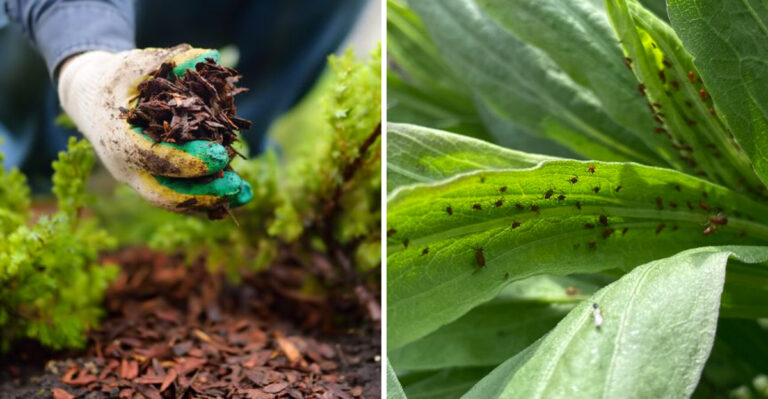
Apply two to three inches of organic mulch like shredded bark, wood chips, or compost around each rose, extending out to the drip line.
Keep mulch pulled back a few inches from the stem itself to prevent moisture buildup that encourages crown rot and fungal problems.
Many Los Angeles gardeners use decorative rock or gravel, but organic mulches work better because they break down over time, adding nutrients and improving soil structure.
Rock mulches also absorb and radiate heat, making soil hotter than roses prefer during summer months.
Avoid piling mulch too thickly, which can stay too wet and create disease problems or prevent water from reaching roots. The goal is a moderate, even layer that conserves moisture without smothering plants.
Mulch also gives your rose beds a finished, professional appearance while doing important work protecting soil and roots underneath throughout the growing season ahead.
6. Watch For Early Pests
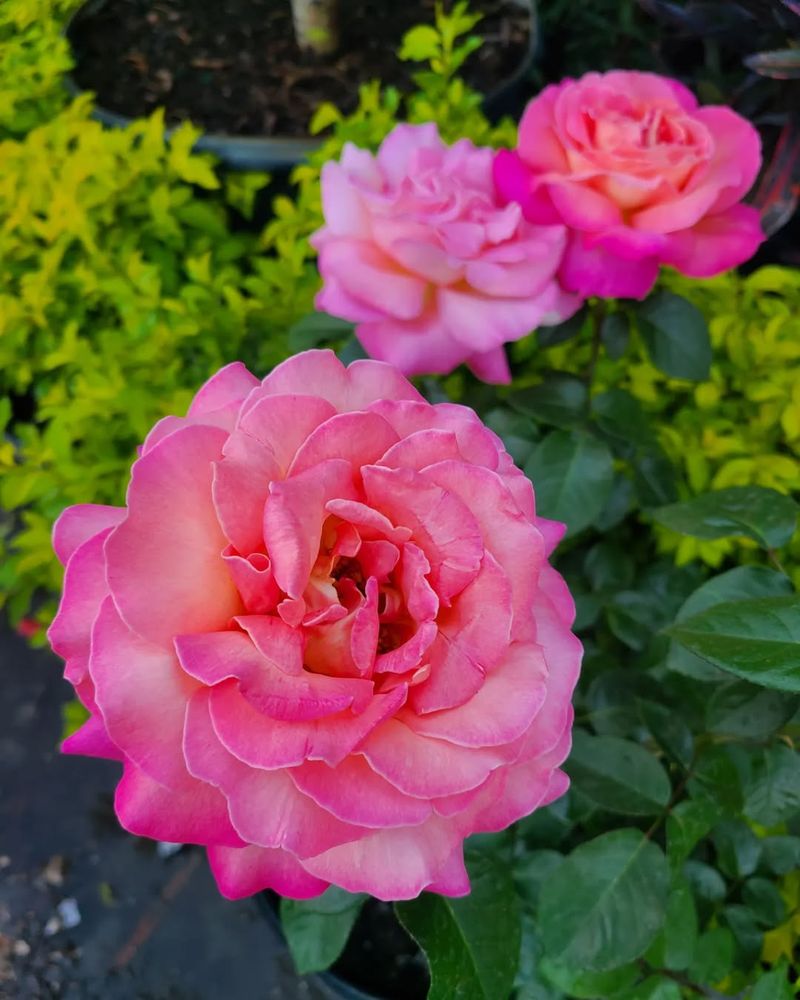
Warm February days wake up more than just roses. Aphids, the small soft-bodied insects that cluster on tender new growth, often appear surprisingly early in Los Angeles gardens.
These pests multiply rapidly, sucking sap from fresh shoots and buds, causing distorted growth and spreading diseases. Catching them early prevents major infestations later.
Check your roses every few days as new growth emerges, paying special attention to shoot tips and unopened buds where aphids congregate.
Look for clusters of tiny green, black, or pink insects, and also watch for sticky honeydew residue they leave behind, which attracts ants and grows sooty mold.
Early infestations wash off easily with a strong spray from the hose, knocking aphids to the ground where they can’t climb back up. For slightly larger populations, insecticidal soap or neem oil works effectively without harming beneficial insects when used correctly.
Avoid broad-spectrum pesticides that destroy ladybugs, lacewings, and other helpful predators that naturally control aphids.
Many gardeners ignore a few aphids thinking they’re harmless, but populations explode within days in our mild climate.
Staying vigilant now prevents the frustration of battling heavy infestations during peak bloom time when you want to enjoy flowers, not fight pests constantly.
7. Water The Right Way
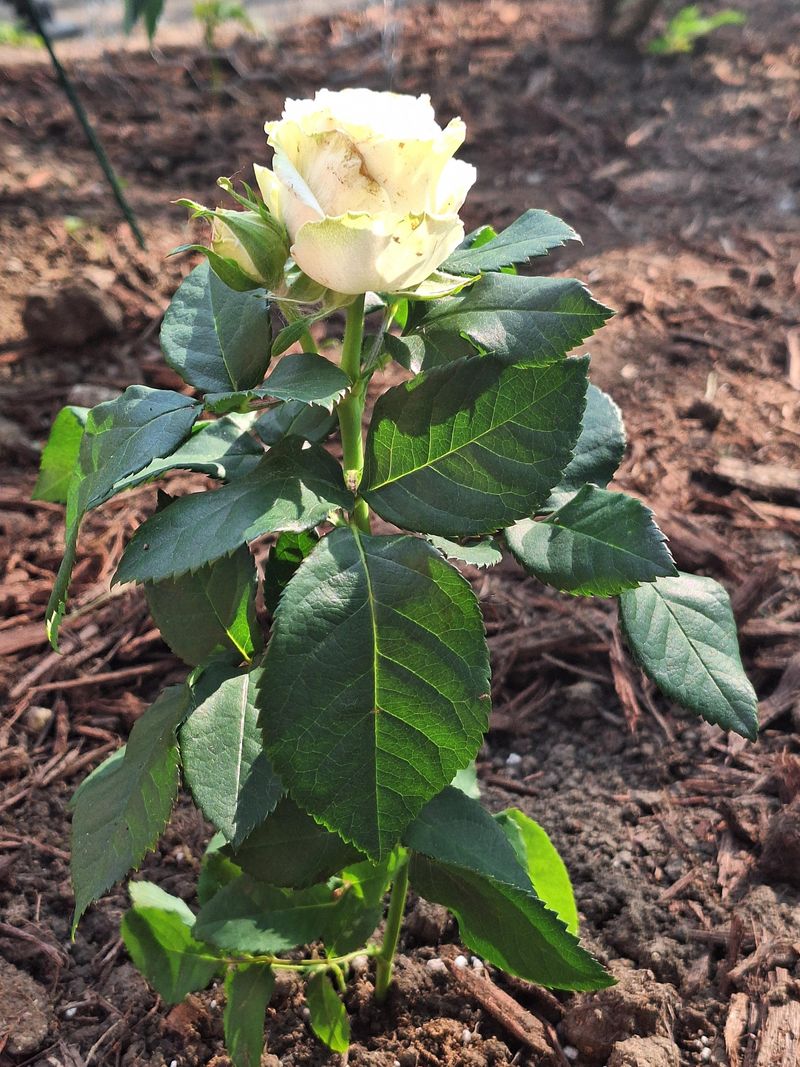
February watering confuses many Los Angeles gardeners because rainfall varies wildly from year to year. Some Februarys bring soaking storms while others stay surprisingly dry.
Rather than following a rigid schedule, check soil moisture regularly and water based on what your roses actually need, not the calendar.
Stick your finger into the soil near each plant. If the top two inches feel dry, water deeply until moisture reaches twelve to eighteen inches down where most feeder roots grow.
Shallow, frequent watering encourages roots to stay near the surface where they’re vulnerable to heat and drought stress later.
Water early in the morning so foliage dries quickly, reducing fungal disease risk. Avoid evening watering that leaves plants wet overnight.
Use drip irrigation, soaker hoses, or hand-watering at the soil level rather than overhead sprinklers that waste water and promote disease by keeping leaves wet.
Even after winter rains, roses may need supplemental water if we experience dry spells. Newly pruned roses with fresh growth are especially vulnerable to water stress.
Consistent moisture during February supports strong root development and healthy shoot growth, setting the foundation for abundant spring blooms. Monitor conditions and adjust watering as weather changes throughout the month.
8. Shape For Better Blooms
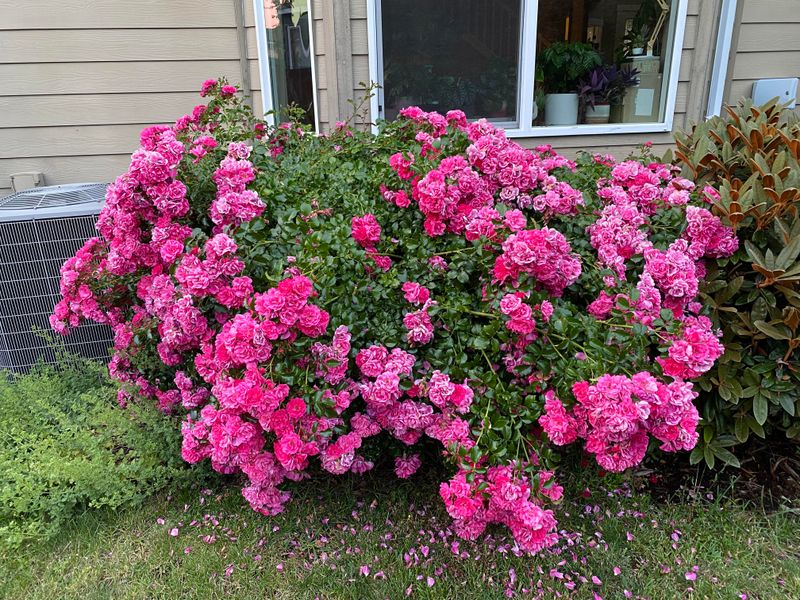
Beyond basic pruning, February is your chance to shape roses for improved blooming performance and better garden appearance.
Thoughtful shaping creates an open center that allows sunlight to reach all parts of the plant and air to circulate freely, reducing disease while maximizing flower production on strong, well-positioned canes.
Aim for a vase shape with four to six main canes radiating outward from the center. This structure prevents the dense, twiggy tangles that block light and trap humidity.
Remove any canes growing toward the middle, crossing other canes, or pointing in awkward directions that ruin the plant’s form.
Consider the size and placement of each rose in your garden. Roses planted near pathways need tighter shaping to prevent them from sprawling into walkways as they grow.
Those in open beds can spread more naturally. Adjust pruning severity to control ultimate size while maintaining each plant’s natural growth habit.
Many gardeners prune all roses identically, but different types respond differently. Hybrid teas benefit from harder pruning, while shrub roses and old garden roses prefer lighter shaping.
Learning your specific varieties helps you prune appropriately. Proper shaping now means better-looking plants, easier maintenance, and more spectacular blooms throughout the season ahead.