Start Your Native Pollinator Garden In Oregon This February
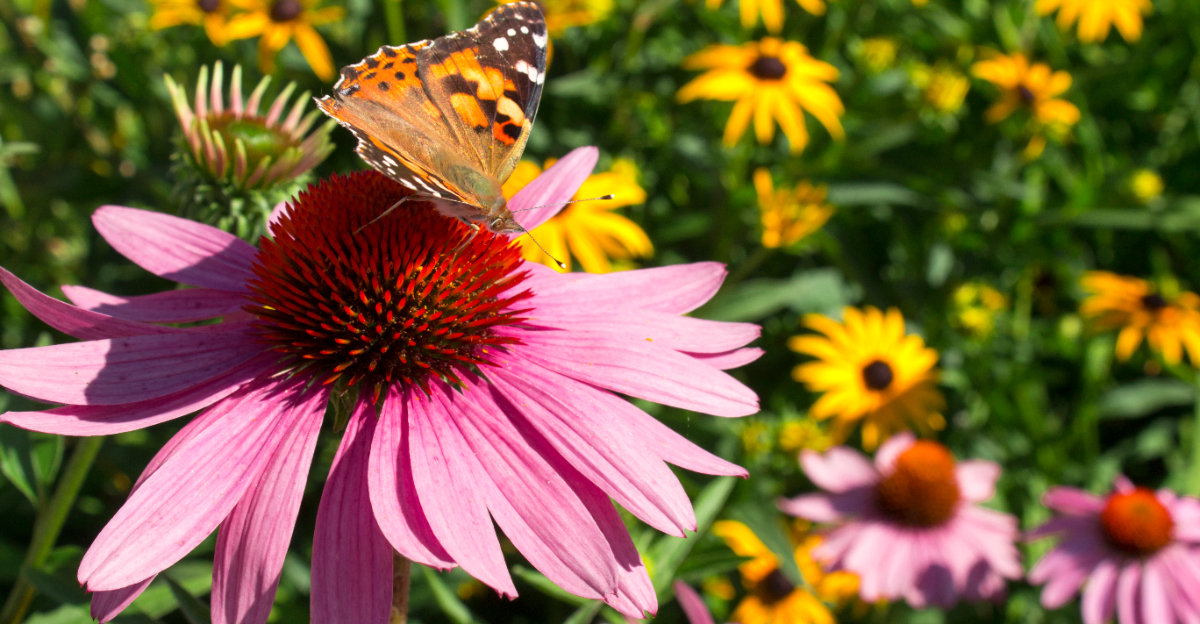
February might still feel chilly in Oregon, yet it marks the perfect moment to begin planning a pollinator friendly garden. Beneath the cool soil, life is quietly preparing for spring, and early steps now can shape a vibrant, buzzing landscape in the months ahead.
Native pollinators like bees, butterflies, and hummingbirds rely on the right plants to find food and shelter as the seasons change.
A garden built with native blooms does more than add beauty. It supports local wildlife, strengthens the ecosystem, and creates a lively outdoor space filled with movement and color.
Even a small area can become a haven when planted with species adapted to Oregon’s climate and natural rhythms.
With a little early preparation, your yard can soon welcome gentle wings, busy pollinators, and the soft hum of nature returning after winter’s quiet pause, bringing fresh energy and life to your garden.
1. Why February Is The Perfect Start Time
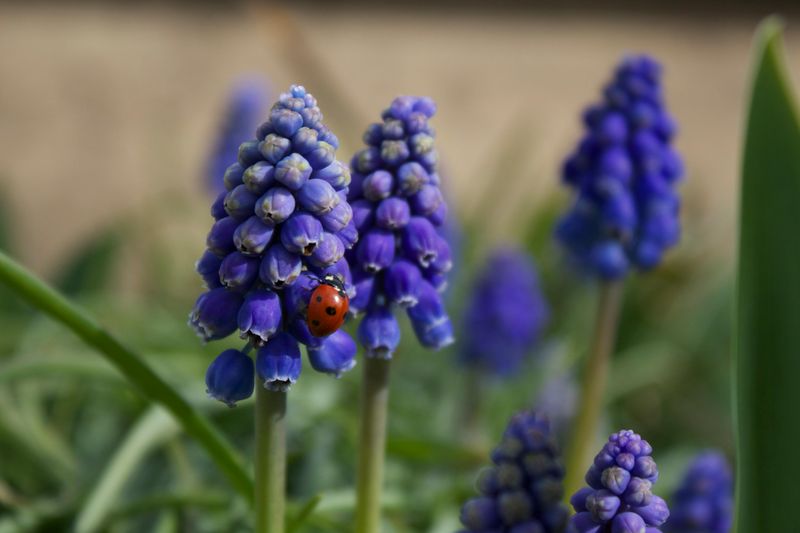
February in Oregon offers a unique window of opportunity that many gardeners overlook. The ground is workable between rainstorms, and temperatures are mild enough to prepare beds without the summer rush.
Native pollinators, particularly mason bees and early bumblebee queens, start emerging as early as March, so planning now ensures flowers will be ready when they need them most.
Oregon’s wet winters provide natural soil moisture that makes digging and amending easier than during dry summer months. You can work compost into beds without needing to water constantly.
Starting in February also gives bare-root native plants time to establish strong root systems before the growing season begins. Many Oregon nurseries stock native perennials and shrubs specifically for February planting.
This timing takes advantage of winter rains to reduce your watering needs and helps plants adapt to their new home before heat arrives.
Planning ahead means you can order seeds and plants while selection is best, avoiding the spring rush when popular natives sell out quickly at local nurseries.
2. Pick The Right Sunny Location
Pollinators need sunshine to warm their bodies and become active enough to forage effectively. Most native Oregon flowering plants require at least six hours of direct sunlight daily to produce the nectar and pollen that bees and butterflies depend on.
Scout your yard during different times of day this month to identify which areas receive consistent sun, especially during spring and summer when shadows shift.
Southern and western exposures typically provide the most reliable sunlight in Oregon gardens. Watch how nearby trees, fences, and buildings cast shadows throughout the day.
What seems sunny in February might be shaded by leafed-out trees come May, so consider deciduous tree patterns carefully when selecting your spot.
Slope and drainage matter too, since many native plants prefer well-drained soil. A gentle south-facing slope warms faster in spring and sheds excess winter moisture naturally.
If your sunniest spot tends to pool water after heavy rains, you’ll need to address drainage before planting, perhaps by creating raised beds or adding organic matter to improve soil structure.
Your Oregon Garden Changes Every Week. Your Plan Should Too.
Gardening in Oregon changes quickly throughout the season. Every Friday you’ll receive a simple weekly plan showing exactly what to plant, prune, fertilize, harvest, and protect so you never miss the right timing.
Avoid areas right next to buildings where reflected heat might create microclimates too warm for some natives, or spots under eaves that stay too dry even during Oregon’s rainy season.
3. Prepare Soil The Native Way
Oregon natives evolved in our region’s specific soil conditions, which vary dramatically from the coast to the Willamette Valley to eastern regions. Most western Oregon soils are naturally acidic and clay-heavy, retaining moisture well but sometimes draining poorly.
Understanding your soil type helps you choose appropriate natives and make targeted improvements rather than fighting against what you have.
Get a soil test this month to learn your pH and nutrient levels. Many Oregon natives actually prefer moderately fertile soil rather than heavily amended beds.
Over-fertilizing can cause excessive leaf growth at the expense of flowers, reducing the very blooms pollinators need.
Adding compost improves soil structure without dramatically changing fertility. Work two to three inches of finished compost into the top six to eight inches of soil.
This helps clay soils drain better while helping sandier soils retain moisture and nutrients. Avoid using peat moss, which isn’t sustainable and doesn’t match what native plants expect in Oregon conditions.
Leave some bare soil patches between plantings since many native bees nest in the ground. About seventy percent of Oregon’s native bee species are ground-nesters, so they need access to undisturbed soil to create their nesting tunnels and raise their young successfully.
4. Choose Early-Blooming Native Plants
Early-emerging pollinators face a critical food shortage when they first become active in late winter and early spring.
Red-flowering currant blooms as early as February in mild Oregon winters, providing crucial nectar for hummingbirds and early bees when little else is flowering.
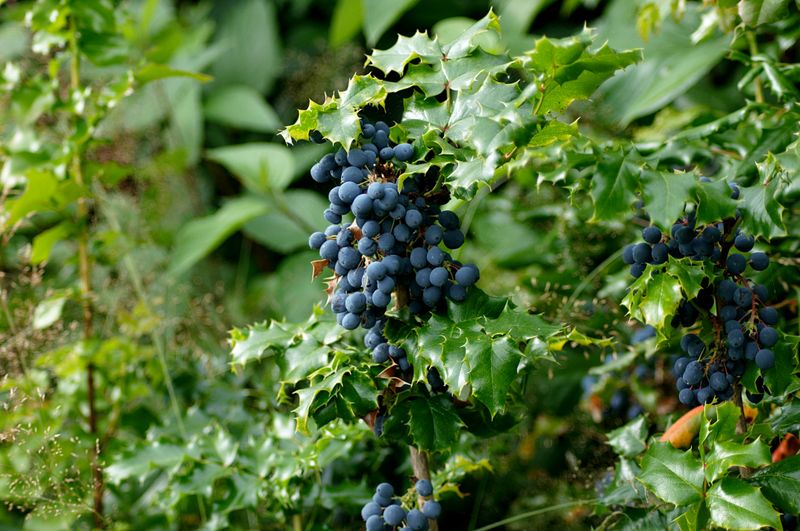
Oregon grape follows soon after with bright yellow flower clusters that native bees absolutely love.
Personal shooting stars bloom in April and May throughout Oregon, offering delicate pink flowers that attract small native bees. Western columbine provides nectar for both bees and hummingbirds from April through June.
These natives are perfectly timed to support pollinators emerging from winter dormancy when energy reserves are low and food sources are scarce.
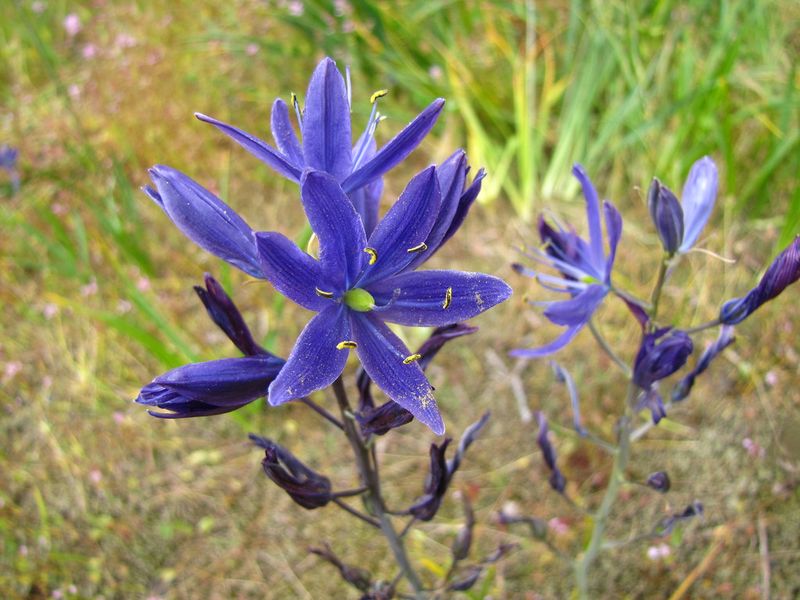
Camas bulbs can be planted now for beautiful blue spring blooms that were traditionally important to indigenous peoples and remain valuable for pollinators. Pacific bleeding heart offers unique pink and white flowers that bumblebees navigate expertly.
Both thrive in Oregon’s climate and require minimal care once established in appropriate conditions.
Select a mix of plants with staggered bloom times so something is always flowering from February through May.
5. Provide Food For Bees And Butterflies
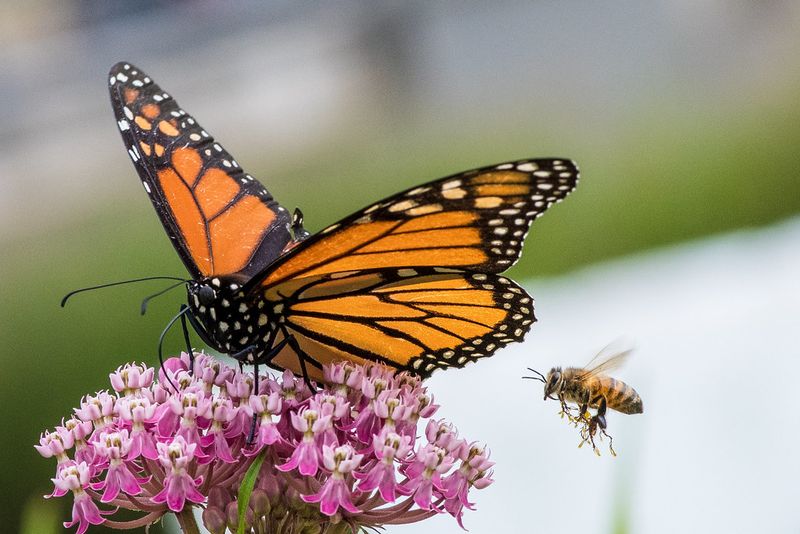
Different pollinators have different needs, so diversity is your best strategy. Native bees range from tiny sweat bees smaller than a grain of rice to large fuzzy bumblebees, each preferring different flower shapes and sizes.
Butterflies need flat landing platforms and access to nectar through their long tongues, while hummingbirds prefer tubular flowers that match their bill length.
Plant in groups of three to five of the same species rather than scattering single plants throughout your garden. Pollinators are more efficient when they can visit multiple flowers of the same type in one location.
This clustering also creates visual impact that makes your garden more attractive while helping pollinators find food sources more easily.
Include native grasses and host plants for butterfly caterpillars, not just nectar sources for adults. Western swallowtails need plants in the carrot family, while Oregon’s beautiful mourning cloak butterflies require willow, cottonwood, or birch.
Providing complete habitat means supporting every life stage, from egg to adult, ensuring future generations of pollinators return to your garden year after year.
Avoid hybridized or double-flowered cultivars that often produce less nectar and pollen than their wild counterparts.
Stick with true native species or cultivars specifically selected for pollinator value to ensure your garden provides maximum nutritional benefit for Oregon’s native bees, butterflies, and other beneficial insects.
6. Add Water For Pollinators
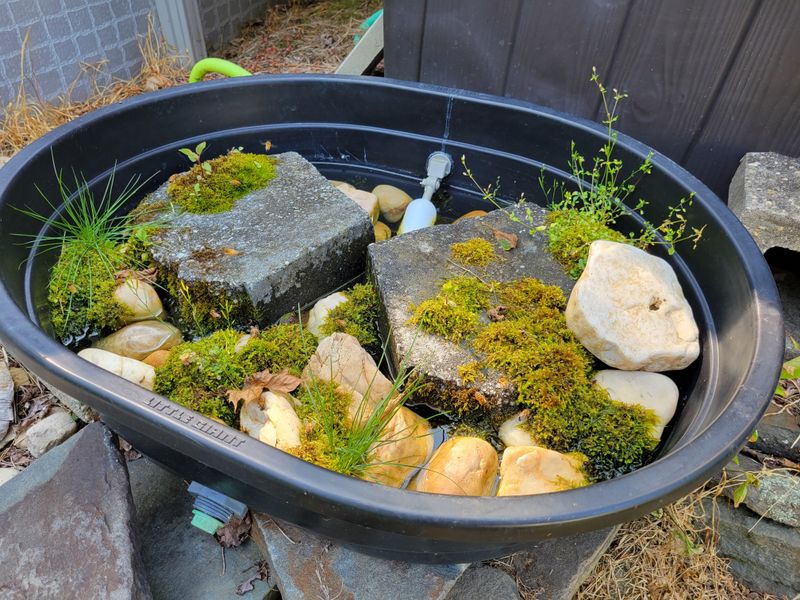
Pollinators need reliable water sources just as much as they need food, but they can easily drown in deep water. Create shallow water stations using saucers, birdbaths, or small dishes filled with pebbles or stones that break the water surface.
Bees and butterflies will land on the stones and safely sip water without risk of falling in and becoming waterlogged.
Place water sources near your pollinator plantings but not directly underneath where flowers might drip onto them.
Refresh the water every few days to prevent mosquito larvae from developing, especially important during Oregon’s warm summer months when standing water becomes a breeding ground.
Adding a small fountain or dripper keeps water moving and more attractive to pollinators while reducing mosquito concerns.
Butterflies particularly appreciate muddy puddles where they can extract minerals along with moisture. Create a dedicated puddling station by keeping a shallow depression filled with sand or soil consistently damp.
Male butterflies especially gather at these spots to obtain sodium and other minerals they need for reproduction.
During Oregon’s dry summer months from July through September, water sources become even more critical as natural puddles and streams may dry up.
Position your water features in partial shade to slow evaporation and keep water cooler, which pollinators prefer over sun-heated water that can actually harm them.
7. Avoid Pesticides From The Start
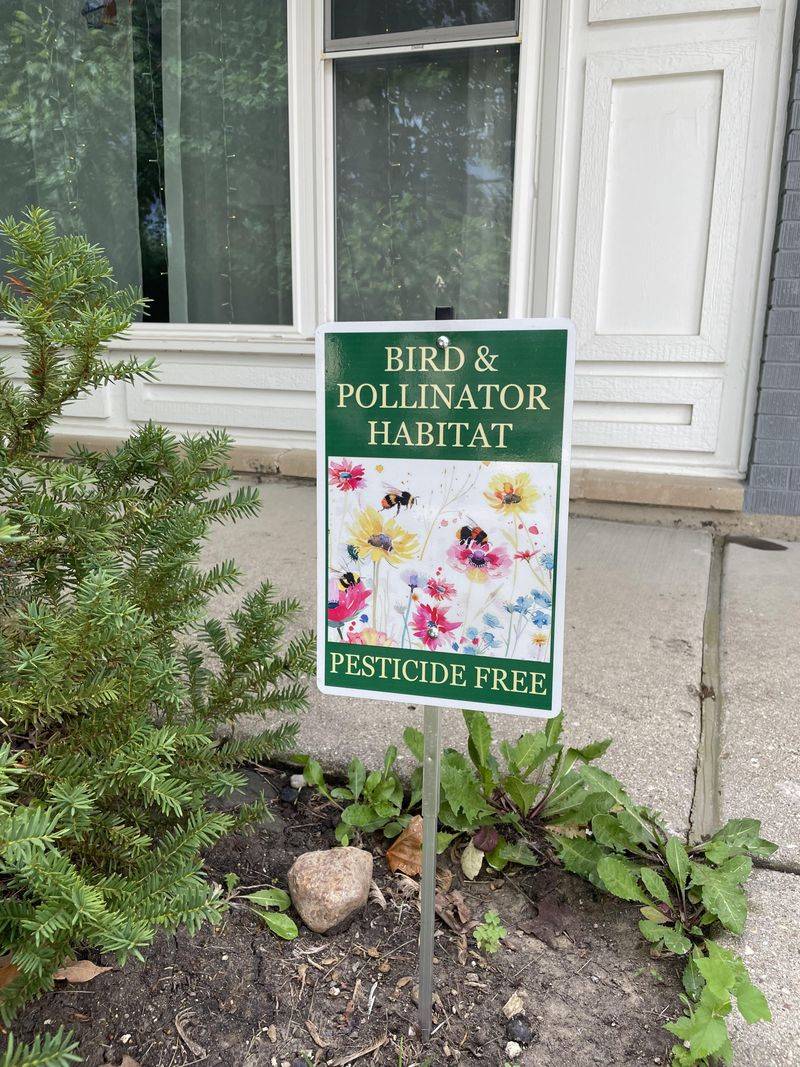
Pesticides pose serious threats to pollinators even when used according to label directions. Many common garden chemicals persist in soil, water, and plant tissues for weeks or months, exposing bees and butterflies long after application.
Neonicotinoid insecticides are particularly harmful, affecting pollinator navigation, reproduction, and immune systems even at low doses that don’t immediately harm them.
Starting your garden pesticide-free from day one establishes healthy populations of beneficial insects that naturally control pests.
Ladybugs, lacewings, and predatory wasps will colonize your garden and keep aphids, caterpillars, and other plant-eaters in check without any chemical intervention.
Oregon’s mild, wet climate supports robust populations of these helpful insects when given a chance to establish themselves.
If you must address a serious pest problem, use targeted organic methods like hand-picking, water sprays, or insecticidal soap applied only to affected plants. Never spray any product, even organic ones, directly on flowers where pollinators are actively foraging.
Apply treatments in early morning or evening when pollinators are least active to minimize exposure risks.
Even plants purchased from nurseries may have been treated with systemic pesticides that remain in plant tissues.
Ask nurseries about their growing practices and seek out sources that guarantee pesticide-free or organic growing methods, ensuring your pollinator garden is truly safe from the very beginning.
8. How To Keep Your Garden Blooming All Season
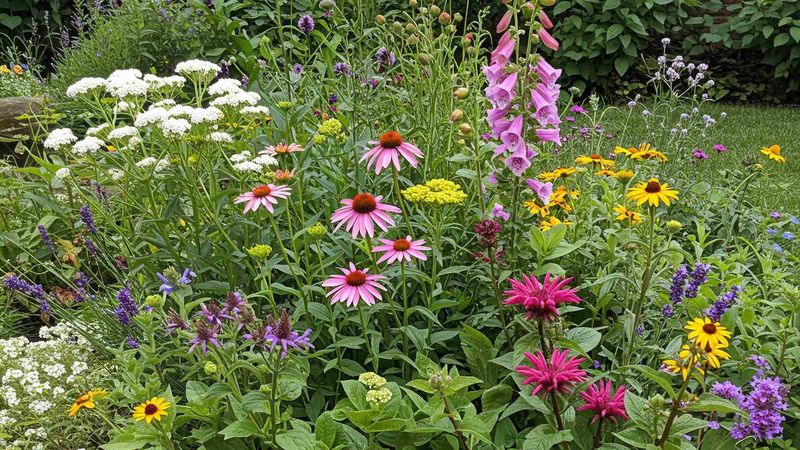
Succession blooming ensures pollinators find food from early spring through late fall, supporting them through their entire active season. Plan your garden with natives that bloom in different months, creating an unbroken chain of flowers.
After early bloomers like red-flowering currant finish, mid-season natives like penstemon and lupine take over, followed by late-season asters and goldenrod that feed pollinators preparing for winter.
Deadheading spent flowers on some species encourages additional blooms and extends flowering periods. However, leave some seedheads standing since many native birds feed on seeds through fall and winter.
This also provides overwintering habitat for beneficial insects that shelter in hollow stems and seed capsules during Oregon’s cold, wet months.
Fall planting of spring bulbs and perennials gives you another opportunity to fill gaps in your bloom schedule. Analyze which months seem sparse in your first season and add plants to cover those periods.
Mulch lightly around plants with compost or leaf mulch to retain moisture during summer dry spells, but avoid thick mulch layers that prevent ground-nesting bees from accessing soil.
Monitor your garden throughout the growing season, taking notes on what blooms when, which plants pollinators prefer, and where you might add more diversity for an even better pollinator haven next year.