2026’s Standout New Shrubs That Fit Georgia Landscapes Perfectly
Have you noticed how certain shrubs instantly make a Georgia yard look more put together, even before everything else fills in?
That feeling usually comes from plants that fit the landscape instead of fighting it. In Georgia, shrubs play a big role in how a yard feels across seasons, from early spring growth to long, humid summers.
The right choices bring structure first, then color, texture, and balance as time goes on.
Lately, attention has shifted toward shrubs that feel natural in local landscapes and still stand out in a good way. These plants are showing up with stronger forms, cleaner habits, and a look that works in real Georgia yards, not just staged photos.
When shrubs settle in well, the entire space starts to feel calmer, more intentional, and easier to enjoy without constant tweaking.
1. Nellie R. Stevens Holly Is Replacing Traditional Hedges Across Georgia
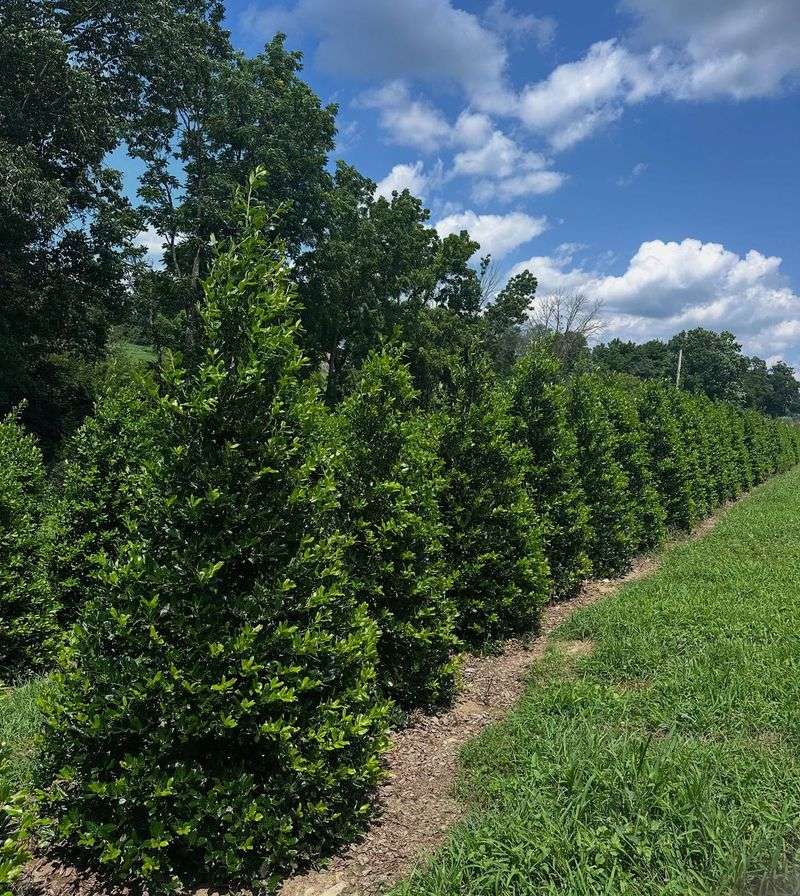
Property owners throughout Georgia are choosing Nellie R. Stevens holly over older hedge varieties because it grows faster and looks better year-round.
This hybrid combines the best traits of English and Chinese holly, creating a shrub that handles our climate beautifully. It reaches 15 to 25 feet tall and spreads about 10 feet wide, making it ideal for privacy screens along property lines.
The glossy evergreen leaves stay vibrant through winter, while bright red berries appear on female plants from fall through spring. Birds love these berries, adding wildlife interest to your yard.
Unlike some hollies that struggle in Georgia’s clay soil, Nellie R. Stevens adapts well and tolerates both full sun and partial shade.
Growth rates impress homeowners who want privacy quickly. Expect about three feet of growth per year when planted in good conditions.
The dense branching fills in gaps naturally, so you won’t see bare spots like you might with older hedge varieties.
Maintenance stays minimal once established. Water regularly during the first year, then this holly becomes quite drought-tolerant.
Prune in late winter if you want to control size, but many Georgia gardeners let it grow naturally. Deer generally leave it alone, which matters in suburban areas where browsing can damage other shrubs.
2. Lemon-Lime Nandina Brings Bright Color To Shady Georgia Yards
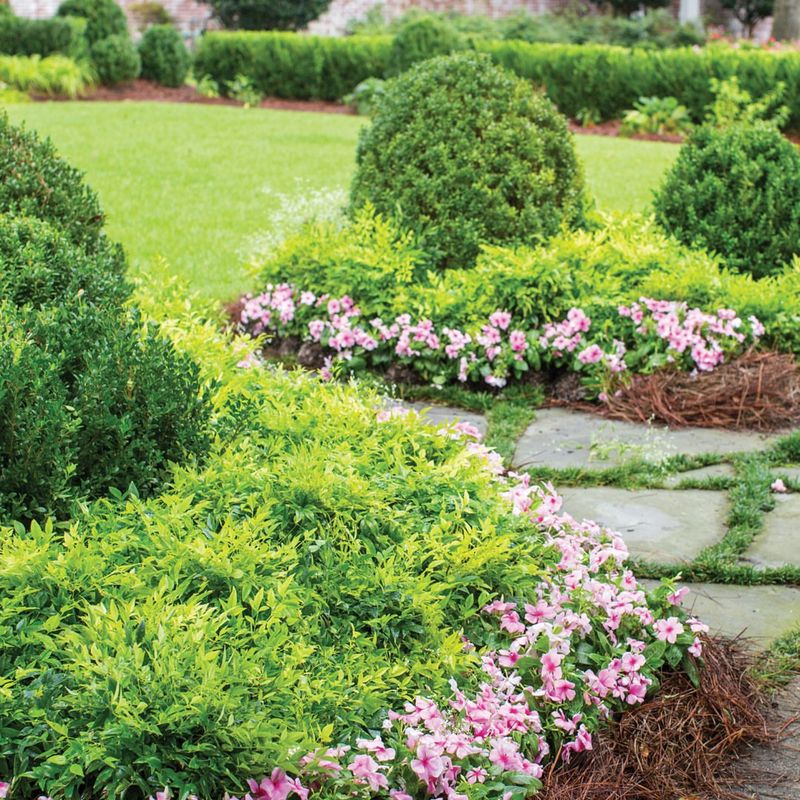
Shaded areas in Georgia landscapes finally have a colorful solution. Lemon-Lime nandina lights up dim spots with chartreuse and golden foliage that practically glows under tree canopies.
This compact cultivar grows only three to four feet tall, making it perfect for foundation plantings or mixed borders where traditional nandinas would grow too large.
The color stays vibrant even in deep shade, unlike many golden-leaved plants that fade without sun. New growth emerges lime-green in spring, then deepens to yellow-gold through summer.
Cool fall temperatures add hints of orange and pink to the leaf tips, creating a sunset effect that lasts until winter.
Georgia gardeners appreciate how this nandina handles our unpredictable weather. It tolerates heat, humidity, and occasional drought once roots establish.
The compact size means less pruning work compared to older nandina varieties that could reach eight feet tall and required constant cutting back.
Your Georgia Garden Changes Every Week. Your Plan Should Too.
Gardening in Georgia changes quickly throughout the season. Every Friday you’ll receive a simple weekly plan showing exactly what to plant, prune, fertilize, harvest, and protect so you never miss the right timing.
Planting in groups of three or five creates the best visual impact. Space them about three feet apart for a flowing mass of color.
They work beautifully in front of azaleas or paired with hostas and ferns. The fine-textured foliage contrasts nicely with broad-leaved plants.
This variety produces fewer berries than traditional nandinas, which some communities prefer since birds can spread seeds.
From Athens to Augusta, homeowners are using Lemon-Lime nandina to brighten those challenging shady spots where little else provides year-round color.
3. Compact Hydrangea Varieties Making Big Impact In Smaller Spaces
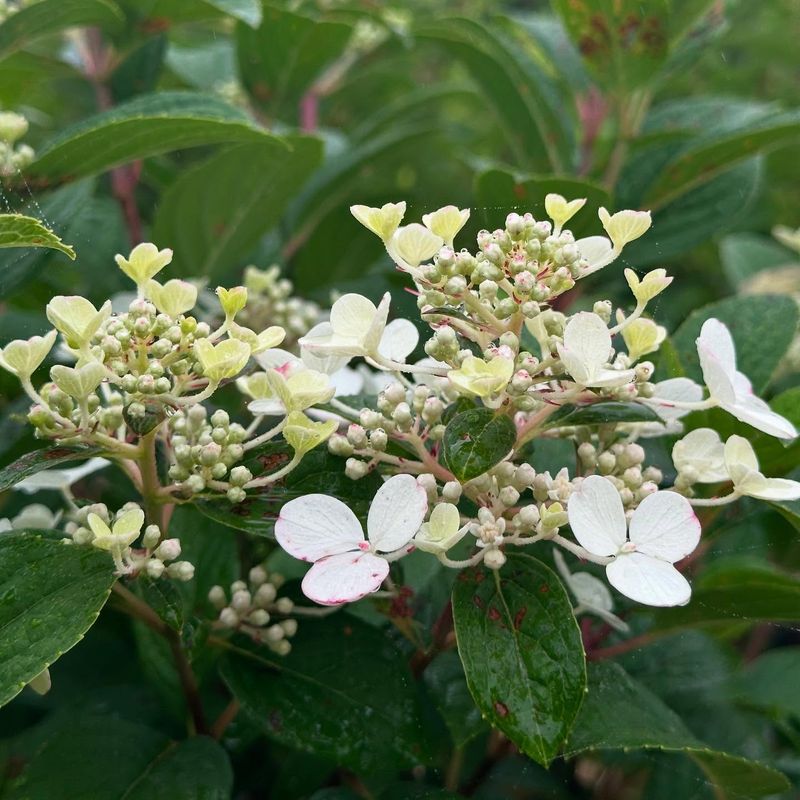
Smaller yards across Georgia are getting stunning hydrangea displays thanks to new compact varieties. Breeders developed these shrubs specifically for tight spaces, with mature heights of just two to three feet instead of the traditional five to six feet.
City Lights and Little Quickfire are leading choices for Georgia homeowners who want big blooms without overwhelming their landscaping.
Flower production on these compact plants rivals their larger cousins. Blooms appear on both old and new wood, meaning you get flowers even if late spring frosts damage some buds.
This reliability matters in Georgia where weather can swing wildly in March and April.
The smaller size opens up new planting possibilities. Use them in container gardens on patios, line walkways without blocking views, or plant under windows without worrying about covering them up.
They fit perfectly in foundation beds where traditional hydrangeas would eventually block the house.
Color options match what larger varieties offer. Choose pink and blue mopheads that change based on soil pH, or select white panicle types that shift to pink as they age.
All perform well in Georgia’s climate zones seven and eight.
Care requirements stay simple. Morning sun with afternoon shade works best, especially in southern Georgia where afternoon heat can stress plants.
Mulch around the base to keep roots cool and maintain moisture. These hydrangeas bounce back quickly from our occasional dry spells, making them forgiving for busy homeowners throughout the state.
4. Early-Blooming Camellias Gaining Popularity In Georgia Landscapes
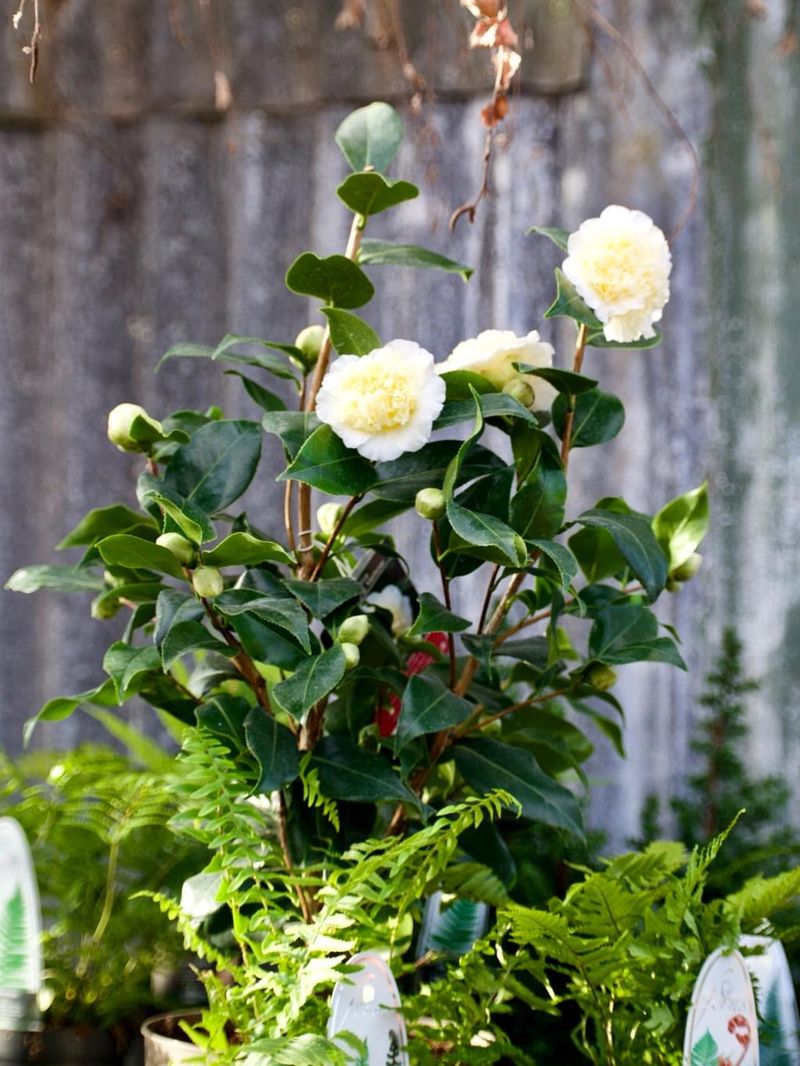
Winter color arrives earlier in Georgia gardens thanks to camellia varieties that bloom from October through December. These early performers fill the gap between fall and spring, providing flowers when most other plants have finished for the season.
Varieties like Yuletide and Winter’s Snowman are becoming favorites from Columbus to Rome.
Flowers appear remarkably resilient to cold snaps. While freezing temperatures can damage open blooms, buds wait out the cold and open when temperatures rise again.
This means you get color throughout the winter months, not just one brief show. The glossy evergreen foliage looks attractive year-round, making these shrubs earn their space even when not flowering.
Size varies by variety, but most early bloomers stay manageable at six to ten feet tall. They grow slowly, so you won’t need constant pruning to keep them in bounds.
The upright growth habit works well for narrow spaces between houses or along fences.
Georgia’s acidic soil suits camellias perfectly. They thrive in the same conditions that make azaleas happy.
Plant them where they get morning sun and afternoon shade, particularly in southern parts of the state. Too much afternoon sun can scorch leaves during summer.
Deer tend to avoid camellias, which helps in suburban areas. The thick, waxy leaves resist most pests and diseases.
5. Reblooming Azaleas Changing How Long Spring Color Lasts
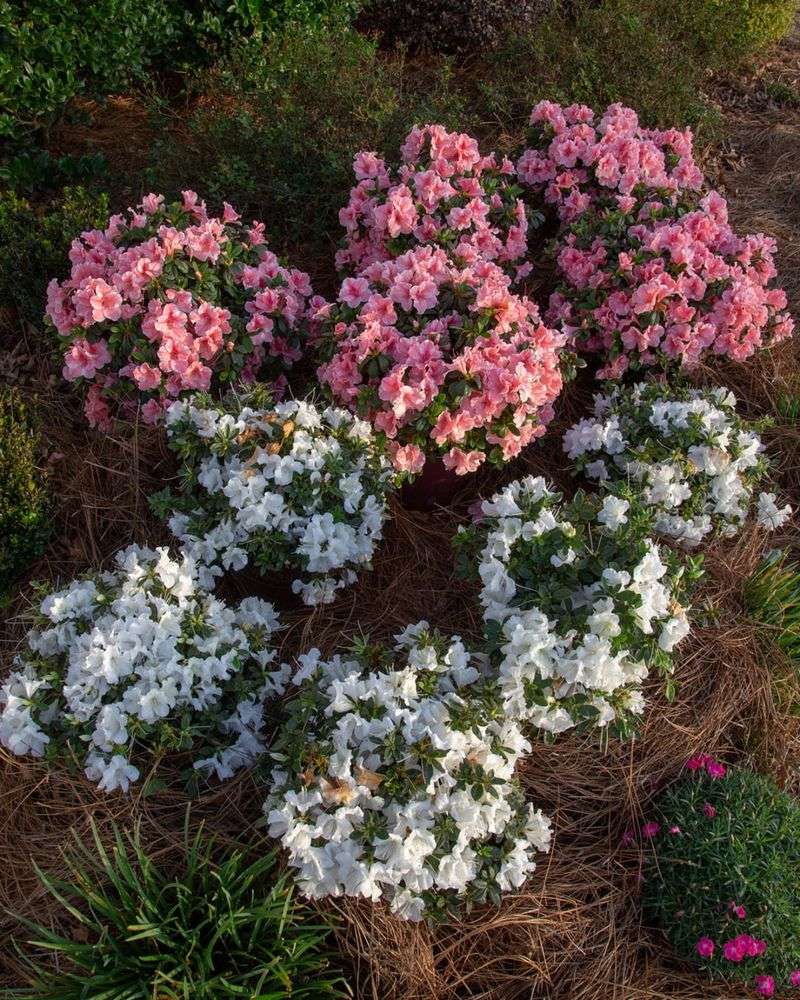
Spring color now extends into fall across Georgia thanks to azaleas bred to bloom twice yearly. Encore and Bloom-a-Thon series produce their main flower show in April, then surprise homeowners with a second round of blooms in September and October.
This extended performance is reshaping how Georgia gardeners think about azalea season.
The spring display matches traditional azaleas in abundance. Flowers cover branches in shades of pink, purple, white, and red.
Then, after a summer rest, buds form again for the fall encore. The autumn blooms aren’t quite as heavy as spring, but they provide significant color when most flowering shrubs have finished.
These varieties handle Georgia’s heat better than older azalea types. Breeders selected for heat tolerance, so plants stay healthier through July and August.
This vigor supports the fall blooming cycle, as stressed plants struggle to set buds for the second show.
Size options range from compact three-foot varieties to larger six-foot selections. All maintain the classic azalea form with dense branching and small evergreen leaves.
Plant them in partial shade with afternoon protection from intense sun. They prefer the same acidic, well-drained soil that traditional azaleas need.
Maintenance mirrors regular azalea care. Prune lightly after spring blooms fade if needed, but avoid heavy cutting in summer since that removes fall flower buds.
Feed with azalea fertilizer in early spring. From Savannah to Gainesville, reblooming azaleas are giving homeowners twice the enjoyment from these beloved Georgia landscape staples.
6. Native Beautyberry Getting Fresh Attention For Year-Round Interest
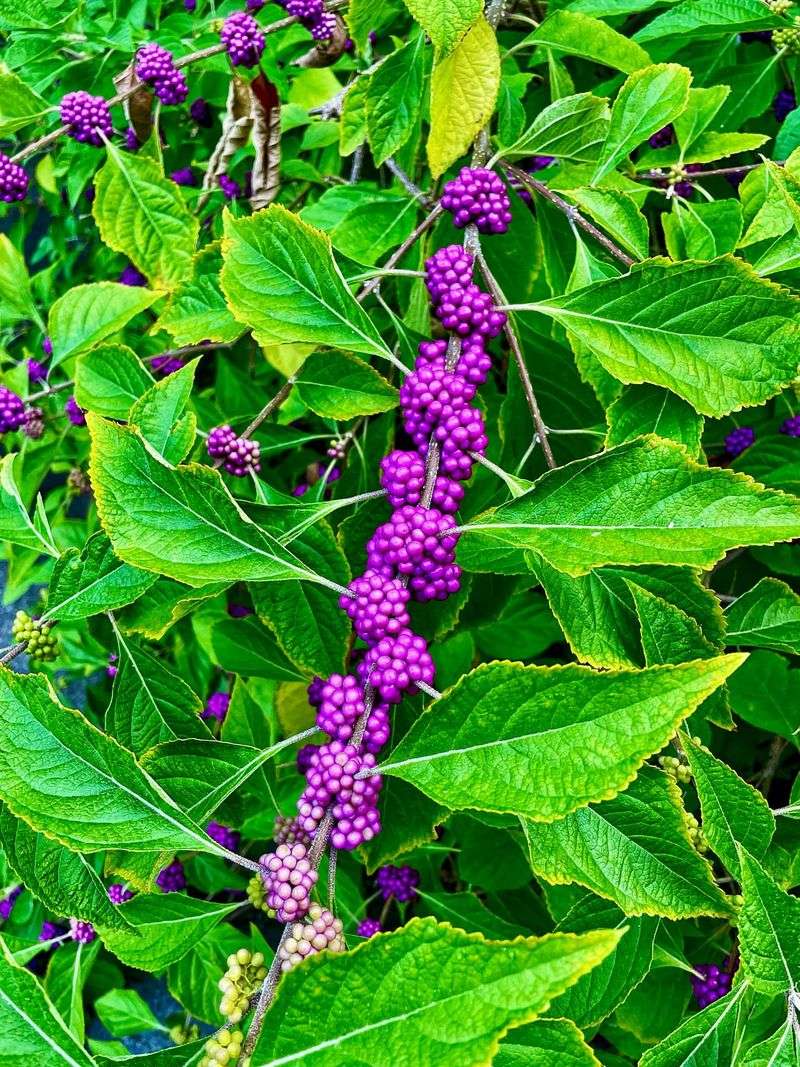
American beautyberry is finally getting the recognition it deserves in Georgia landscapes.
This native shrub offers something interesting every season, starting with small pink flowers in summer, followed by spectacular purple berries in fall, then attractive branching structure in winter.
Gardeners from Brunswick to Cartersville are rediscovering this plant that grows wild in Georgia forests.
The purple berries create the main attraction. They appear in tight clusters along arching branches, creating a jewel-like effect from September through November.
Birds eventually eat the berries, but they last longer than many other fall fruits. The color is unlike anything else in the landscape, a true purple that photographs beautifully.
Growth habit stays loose and informal, reaching about five feet tall and wide. This natural form works perfectly in cottage gardens or native plant landscapes.
Some homeowners cut stems back hard in late winter to keep plants more compact and encourage heavier berry production on new growth.
Adaptability makes beautyberry easy to grow throughout Georgia. It handles full sun to partial shade, though berry production increases with more light.
Clay soil, sandy soil, wet areas, or dry spots all work fine. This toughness comes from its native heritage, as the plant evolved to handle whatever Georgia weather brings.
Deer browse the foliage occasionally but rarely cause serious damage. The leaves have a pleasant scent when crushed.
Butterflies visit the summer flowers, adding to the wildlife value. As Georgia gardeners embrace native plants, beautyberry is moving from woodland edges into designed landscapes across the state.
7. Low-Growing Viburnums Becoming A Go-To For Modern Georgia Yards
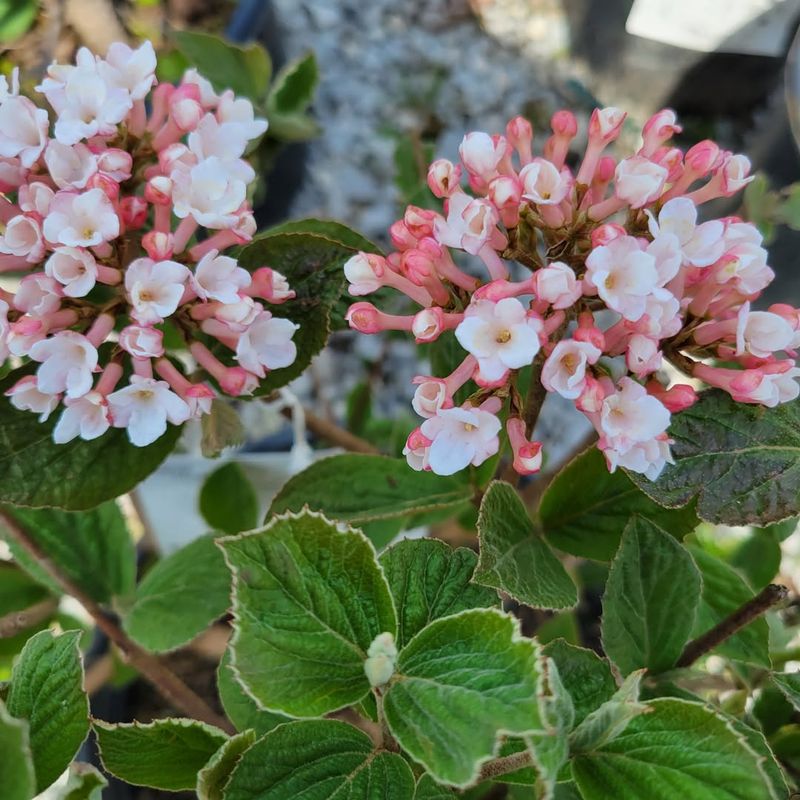
Compact viburnum varieties are solving design challenges in contemporary Georgia landscapes. These low-growers stay under four feet tall, making them perfect for modern homes with clean lines and minimalist styling.
Varieties like Dwarf Walter’s and Compact Korean Spice offer the toughness and seasonal interest of larger viburnums in a size that fits current landscape trends.
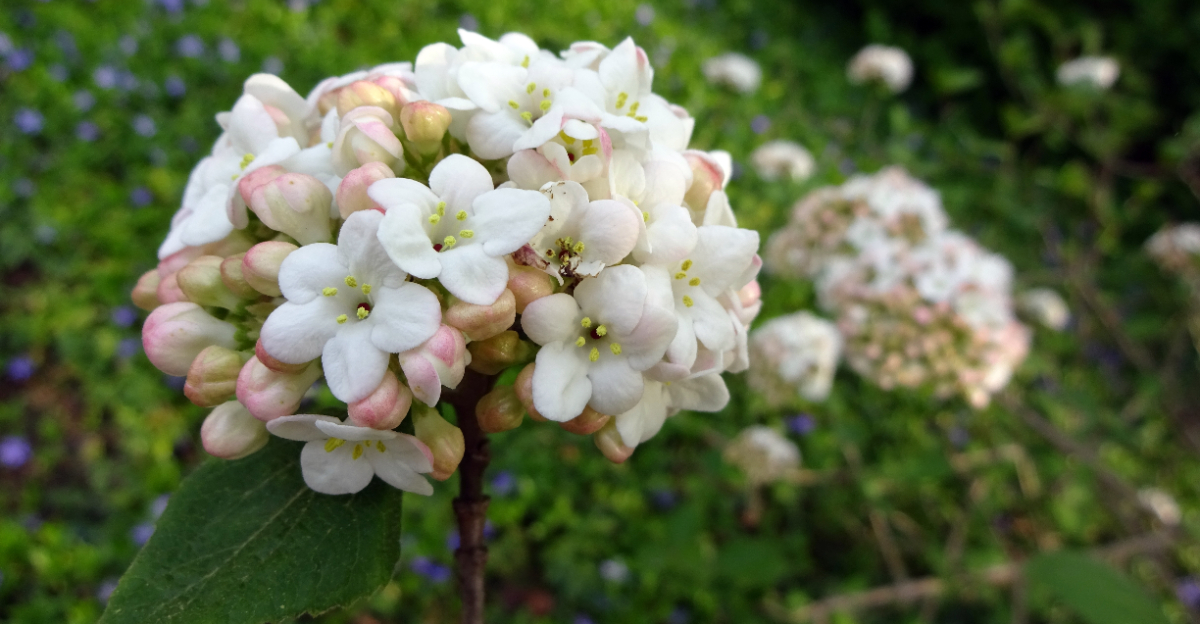
Spring flowers provide the first show, with clusters of white or pink blooms that often carry sweet fragrance. The scent can fill an entire front yard, creating a welcoming atmosphere near entries and patios.
Flowers attract butterflies and other pollinators, supporting Georgia’s native insects.
Foliage stays attractive through summer with deep green leaves that resist most pests and diseases. Fall brings color changes ranging from burgundy to orange-red, depending on variety.
Some types produce berries that start red and mature to blue-black, adding another layer of interest and feeding birds.
The compact size works beautifully in foundation plantings where traditional shrubs would eventually cover windows. Use them to edge patios, define garden beds, or create low hedges along walkways.
They mix well with ornamental grasses and perennials in modern planting schemes.
Georgia’s climate suits these viburnums perfectly. They handle heat and humidity while tolerating occasional drought once established.
Plant in full sun to partial shade, with more shade needed in southern parts of the state.
8. Gardenia Shrubs Chosen More Often For Front-Yard Planting
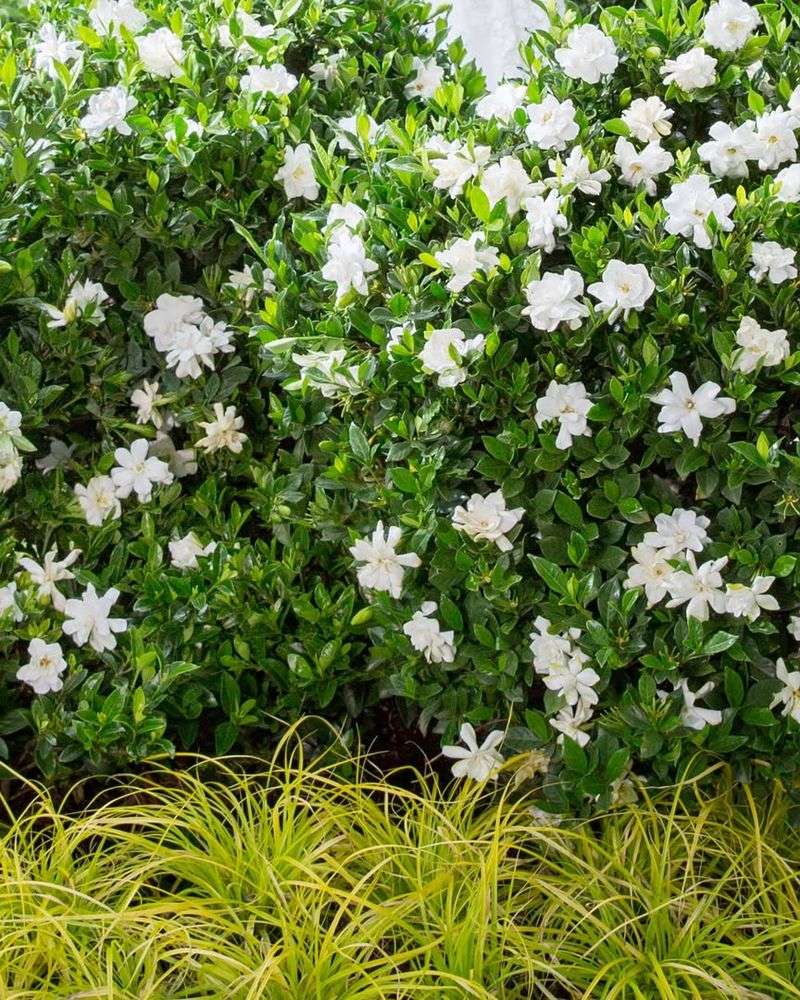
Gardenias are moving from hidden backyard spots to prominent front-yard locations across Georgia. New compact varieties and improved cold hardiness make these fragrant shrubs more reliable than older types.
Homeowners want that incredible scent greeting visitors at the front door, and modern gardenias can handle the exposure.
Fragrance remains the main draw. When gardenias bloom from May through June, the perfume carries across entire yards.
One or two plants can scent a whole property. The creamy white flowers contrast beautifully against glossy dark green leaves, creating a classic Southern look that never goes out of style.
Compact varieties like Frostproof and Jubilation stay three to four feet tall instead of growing to six feet like older selections. This manageable size works for foundation plantings and mixed borders.
The smaller stature also helps plants recover faster if rare hard freezes damage foliage.
Cold tolerance has improved significantly. While gardenias still prefer warmer parts of Georgia, new varieties survive in zone 7b areas that would have damaged older types.
This expanded range means more Georgia homeowners can enjoy these shrubs successfully.
Growing conditions matter for success. Gardenias need acidic soil, consistent moisture, and protection from hot afternoon sun in southern Georgia.
Morning sun with afternoon shade produces the best results. Feed with azalea fertilizer to maintain soil acidity and provide needed nutrients.