The Simple Soil Amendments Your Arizona Garden Actually Needs
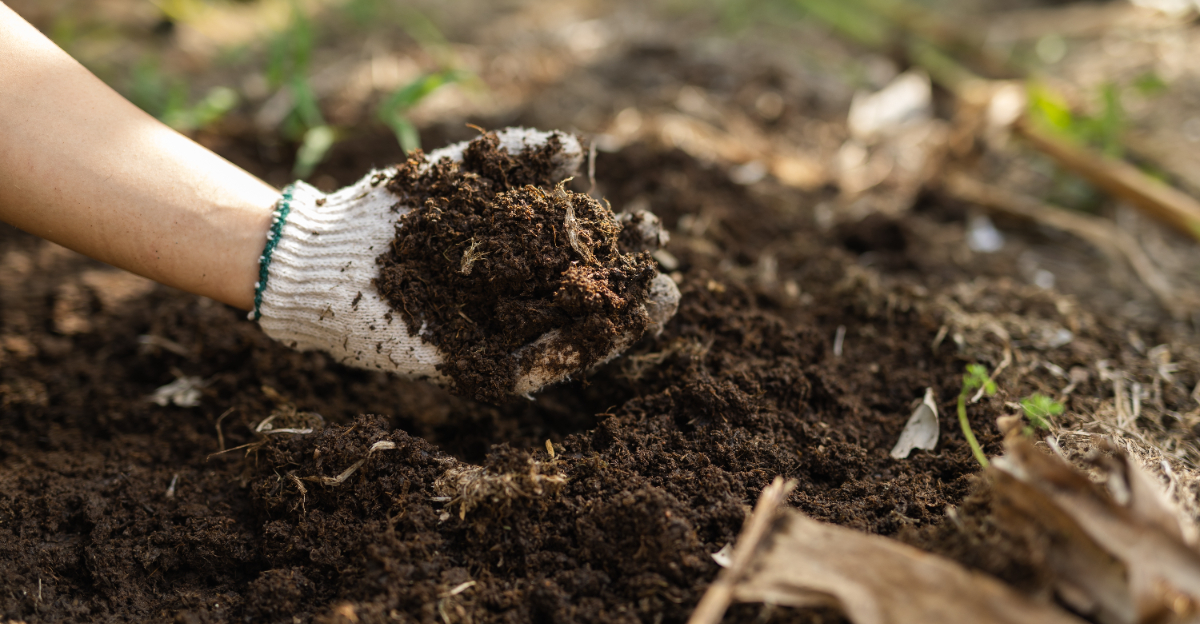
Arizona soil can be frustrating, even when you do everything right. You plant carefully, water consistently, and still feel like the ground is working against you instead of helping.
That feeling usually shows up as soon as the season starts. The soil dries too fast, hardens after watering, or refuses to hold nutrients the way plants need.
In Arizona, soil problems are rarely about what you plant and more about what roots are dealing with underground.
Soil amendments here are not about dramatic fixes or turning desert dirt into something it is not. They are about making small, smart improvements that help roots settle, hold moisture, and grow with less stress.
When the soil works better, everything else in the garden becomes easier to manage and far more predictable.
1. Organic Matter Is What Arizona Soil Lacks Most
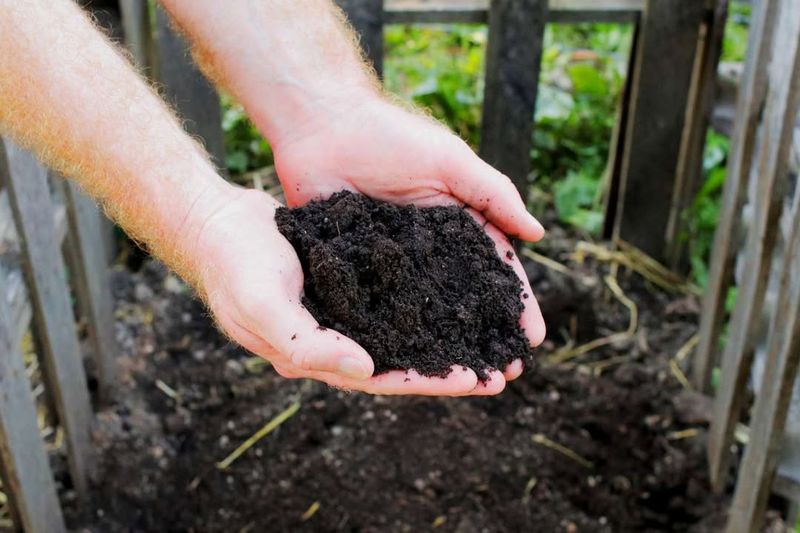
Arizona’s native soil formed without the leaf litter and decaying plants that create fertile ground in wetter climates. What you see in most yards is mineral-heavy dirt with almost no organic content.
Plants need that organic material to access nutrients and hold onto water between irrigations.
Adding organic matter changes everything about how your soil behaves. It creates tiny air pockets that roots can push through easily.
Those same spaces hold moisture without turning into mud. Beneficial microbes move in and start breaking down nutrients into forms plants can actually absorb.
You can use aged manure, leaf mold, or homemade compost as your organic amendment. Spread a two to three inch layer over your beds twice a year and work it into the top six inches of soil.
Spring and fall are ideal times since summer heat can burn off organic material before it helps much.
The transformation takes a few seasons, but you will notice differences quickly. Seeds sprout faster in amended soil.
Transplants establish without as much stress. Your watering schedule becomes more forgiving because the soil holds moisture longer.
Over time, that dusty Arizona dirt develops the dark, crumbly texture that serious gardeners dream about.
Healthier soil also means fewer setbacks during extreme heat or dry stretches. Water soaks in more evenly, nutrients stay available longer, and plants stop acting stressed between irrigations.
2. Compost Improves Drainage Without Trapping Heat
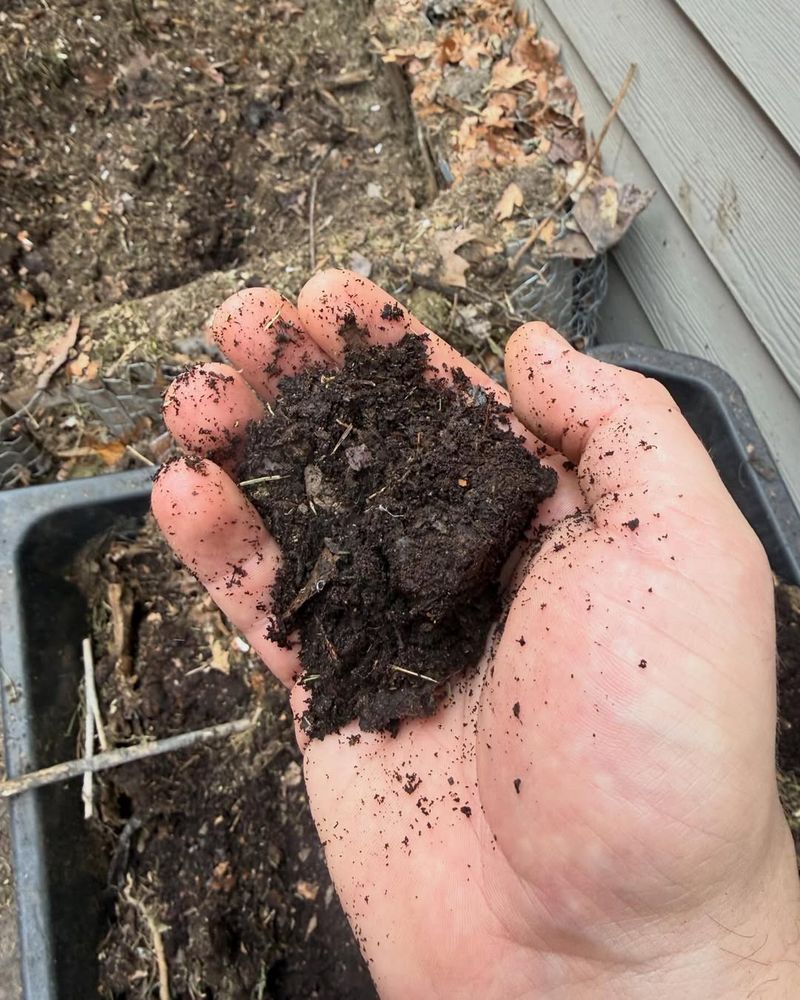
Good compost solves two problems Arizona gardeners face constantly. Heavy clay patches in your yard drain so slowly that roots sit in water and rot.
Sandy spots drain so fast that water runs straight through without feeding anything. Compost balances both extremes beautifully.
When you mix compost into clay soil, it breaks up those tight particles and creates channels for water to move through. In sandy areas, compost acts like a sponge that catches water and releases it slowly to roots.
Both soil types become easier to work with and more productive for growing.
Unlike some amendments that hold heat in the root zone, compost actually helps moderate soil temperature. The dark material absorbs heat at the surface but the air pockets inside provide insulation.
Your plant roots stay cooler on those brutal Phoenix summer afternoons.
Your Arizona Garden Changes Every Week. Your Plan Should Too.
Gardening in Arizona changes quickly throughout the season. Every Friday you’ll receive a simple weekly plan showing exactly what to plant, prune, fertilize, harvest, and protect so you never miss the right timing.
Aim for compost that looks dark and crumbly with an earthy smell. Avoid anything that still has recognizable food scraps or smells sour.
Work it into beds before planting, then add a thin layer as mulch during the growing season. Most Arizona gardens benefit from adding compost every time you plant something new or refresh a bed between seasons.
You can also tell compost is doing its job by how plants respond after planting. Growth becomes steadier, leaves stay firm between waterings, and beds stop needing constant correction after each irrigation cycle.
3. Gypsum Helps Loosen Compacted Desert Soil
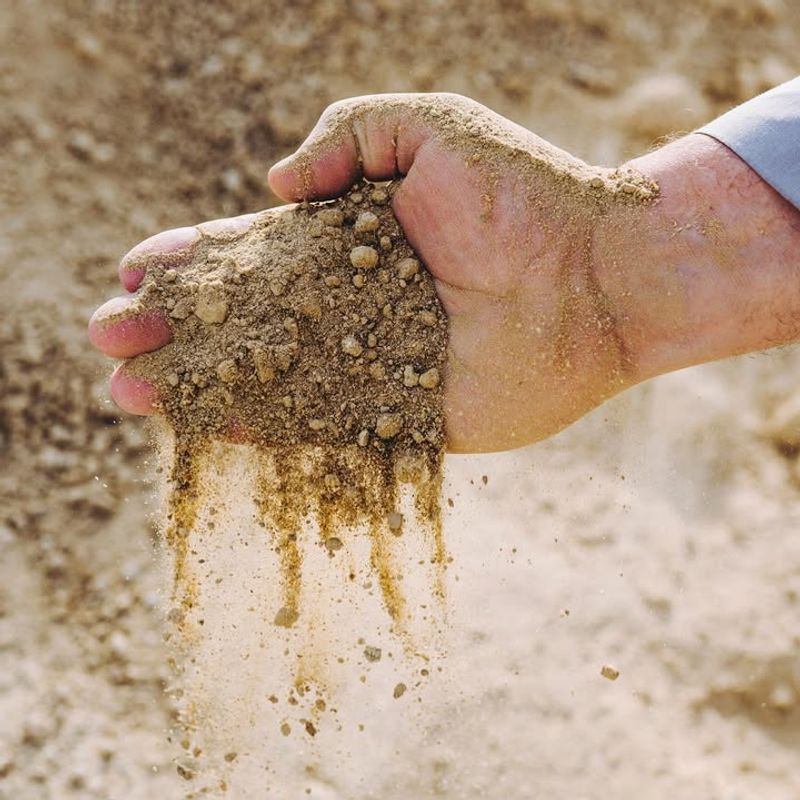
Walk across your Arizona yard and you will probably find spots where the ground feels like concrete. Foot traffic, lack of rain, and high sodium levels all contribute to soil that roots cannot penetrate.
Gypsum breaks up that compaction without changing your soil’s pH level.
This amendment works through a simple chemical process. The calcium in gypsum replaces sodium particles that glue soil together.
As sodium washes away with irrigation, the soil structure opens up. Roots can push through more easily and water can soak in instead of running off the surface.
Apply gypsum in spring or fall when you can water it in thoroughly. Spread about twenty pounds per thousand square feet of garden space.
Work it into the top few inches of soil if possible, though even surface application helps over time. You might need to repeat the treatment annually in areas with severe compaction.
Results appear gradually over several months. Hard pan areas become easier to dig.
Puddles that used to sit for hours after watering start soaking in faster. Plants develop deeper root systems because they can actually push through the soil.
Gypsum works best in areas with sodium-related compaction, which is common in parts of Tucson and Phoenix, but it is most effective when a soil test confirms the issue.
As soil structure improves, irrigation becomes more efficient because water moves downward instead of spreading sideways or evaporating off the surface.
Garden beds stop feeling sealed shut, making seasonal planting, root expansion, and long-term soil improvement much easier to maintain.
4. Worm Castings Feed Soil Without Overdoing It
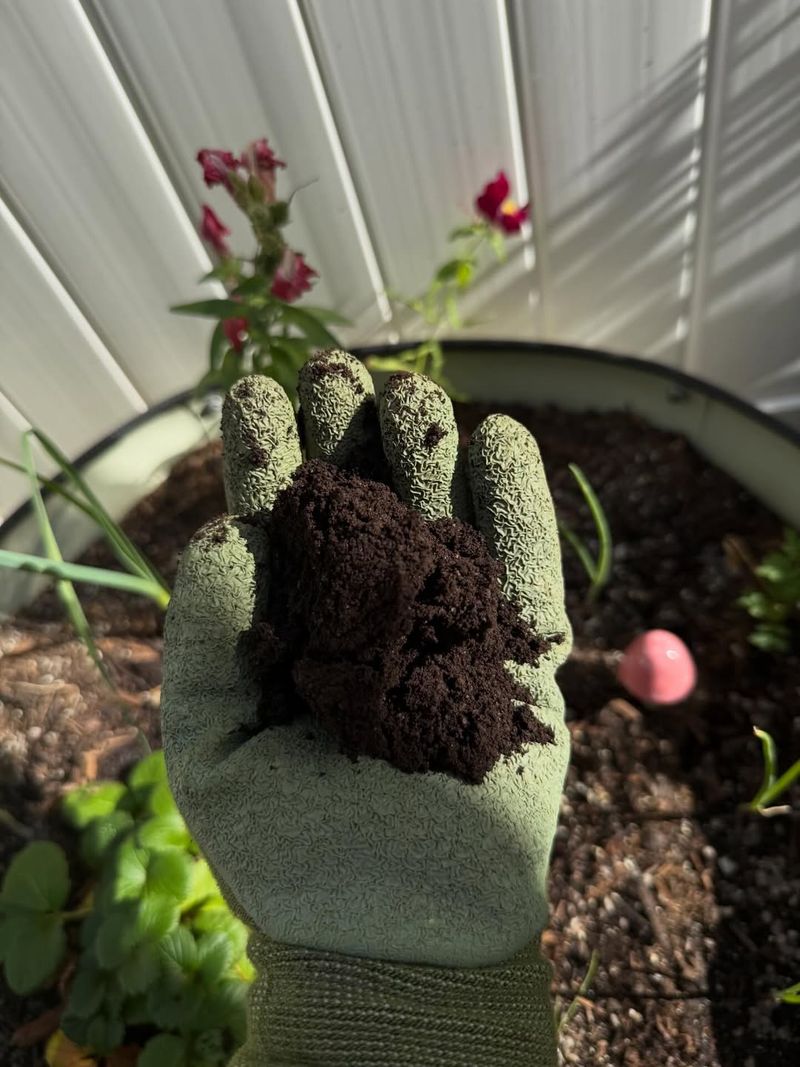
Chemical fertilizers can burn plants in Arizona’s heat, and they do nothing to improve soil structure. Worm castings offer a completely different approach.
These tiny pellets contain nutrients in forms that plants absorb gradually, plus beneficial microbes that keep soil healthy.
What makes castings special is their gentle action. You cannot really overapply them because they release nutrients slowly as plants need them.
The microbes in castings also help break down other organic matter in your soil, making everything work together better.
Mix castings into potting soil for containers or work them into garden beds before planting. A handful around each transplant gives it a boost without shock.
You can also brew them into a tea by soaking castings in water, then use that liquid as a mild fertilizer during the growing season.
Castings cost more than regular compost, but you need less of them to see results. A small bag goes surprisingly far when you use it strategically.
Many Arizona gardeners keep castings on hand for starting seeds, transplanting vegetables, and reviving stressed plants. The combination of nutrients and beneficial organisms makes castings one of the most versatile amendments for desert gardens.
They are especially useful during extreme heat or dry spells, when plants struggle to take up nutrients from harsher fertilizers.
Used consistently, worm castings help gardens stay productive without forcing growth, which is exactly what Arizona plants need to survive and perform well long term.
5. Mulch Protects Soil From Sun And Moisture Loss
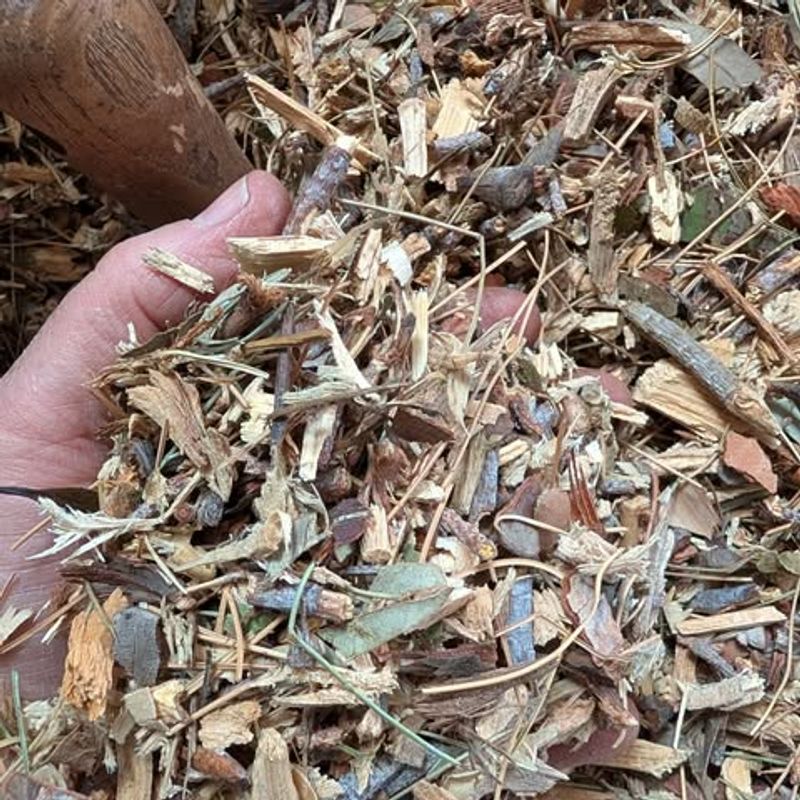
Bare soil in Arizona loses moisture incredibly fast under direct sun. Surface temperatures can hit levels that damage shallow roots and cook beneficial microbes.
A layer of mulch creates a protective barrier that solves both problems while making your garden look finished.
Wood chips, shredded bark, and straw all work well as mulch materials. Spread them two to four inches deep around plants, keeping mulch pulled back slightly from stems to prevent rot.
As mulch breaks down slowly, it adds organic matter to your soil from the top down.
The temperature difference under mulch can be dramatic. Soil that would reach over one hundred degrees stays twenty or thirty degrees cooler under a good mulch layer.
That cooler environment lets roots grow closer to the surface where they can access water and nutrients more easily.
Mulch also reduces how often you need to water. The layer blocks evaporation from the soil surface, so moisture stays available to plants longer.
In summer, that might mean watering every three days instead of daily. The water savings add up quickly across a whole growing season, which matters plenty in Arizona where water costs keep rising and conservation becomes more important every year.
Mulched soil stays open and absorbent after watering instead of sealing into a hard crust. That makes each irrigation cycle more effective and keeps plant roots supplied without constant intervention.
6. Sulfur Helps Balance High-pH Arizona Soil
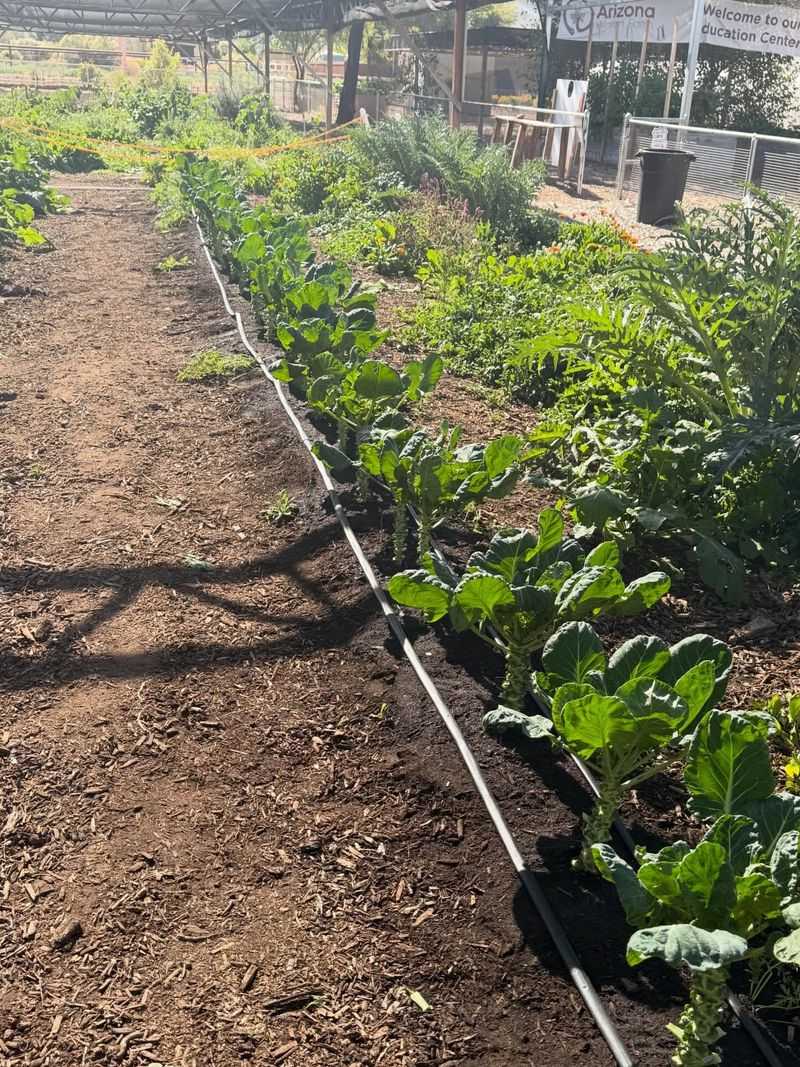
Most Arizona soil tests come back with pH readings between 7.5 and 8.5, which means your ground is alkaline. Many popular garden plants prefer slightly acidic conditions around 6.0 to 6.5.
That pH gap locks up iron and other nutrients even when they are present in the soil.
Sulfur lowers pH gradually and safely when you apply it correctly. Soil bacteria convert sulfur into sulfuric acid over several months, slowly bringing pH down without shocking plants.
This makes sulfur much safer than quick-fix products that can swing pH too far in the wrong direction.
Test your soil before adding sulfur so you know how much to use. Most garden centers sell inexpensive test kits that give you a basic pH reading.
Follow package directions carefully because too much sulfur can drop pH too low. Work it into the top six inches of soil and water well.
Expect the full effect to take three to six months. Retest your soil the following season to see if you need another application.
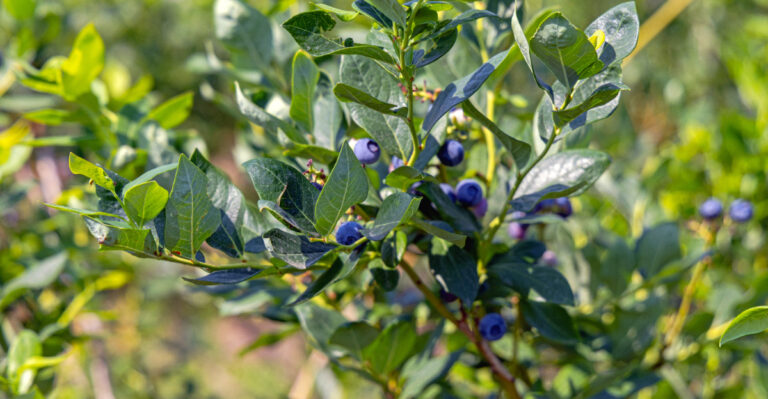
Acid-loving plants like blueberries and azaleas grow much better once Arizona soil pH is lowered closer to neutral, while most vegetables benefit only if soil tests show nutrient lockup. The improvement in plant health and productivity makes the effort worthwhile.
Sulfur is especially helpful in planting areas where iron deficiency shows up as yellowing leaves with green veins.
Once nutrients become available again, plants regain stronger color and grow more evenly without extra feeding.
7. Biochar Improves Soil Structure Over Time
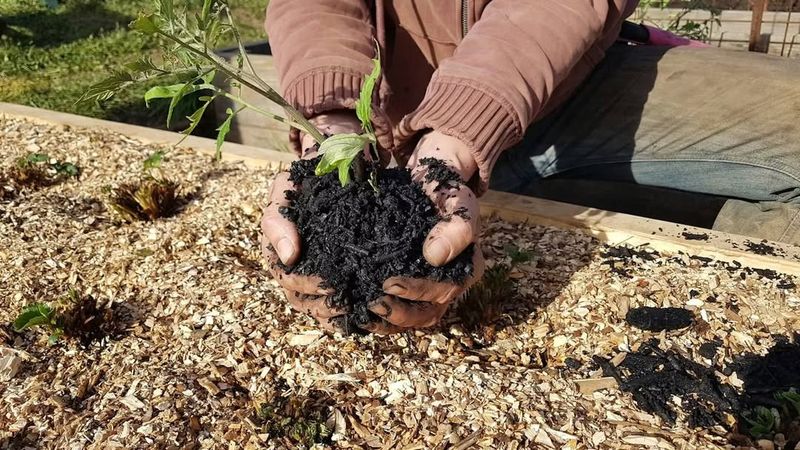
Biochar looks like small pieces of charcoal, but it functions completely differently in your garden. This highly porous material creates permanent homes for beneficial microbes and holds onto nutrients that would otherwise wash away.
Once you add biochar to soil, it keeps working for years or even decades.
The tiny pores throughout biochar give microbes protected spaces to live and multiply. Those same pores trap nutrients and water, releasing them slowly to plant roots.
In Arizona’s sandy soils that lose nutrients quickly, biochar acts like a nutrient savings account that plants can draw from.
Mix biochar with compost before adding it to your garden. Plain biochar can actually pull nutrients out of soil initially as it charges up.
Combining it with compost lets the biochar absorb nutrients from the compost first, so it enters your soil ready to help plants immediately.
Use about ten percent biochar by volume when amending beds. A little goes a long way because the effects are cumulative and long-lasting.
Gardeners in Mesa and Scottsdale have reported improved water retention and stronger plant growth several seasons after their initial biochar application. The investment pays off through reduced fertilizer needs and better soil structure that lasts.
Biochar is especially valuable in high-heat gardens where frequent watering normally washes nutrients below the root zone.
By keeping moisture and fertility where plants can reach them, it helps stabilize growth even during long stretches of intense sun.
8. Slow-Release Organic Fertilizers Work Better In Heat
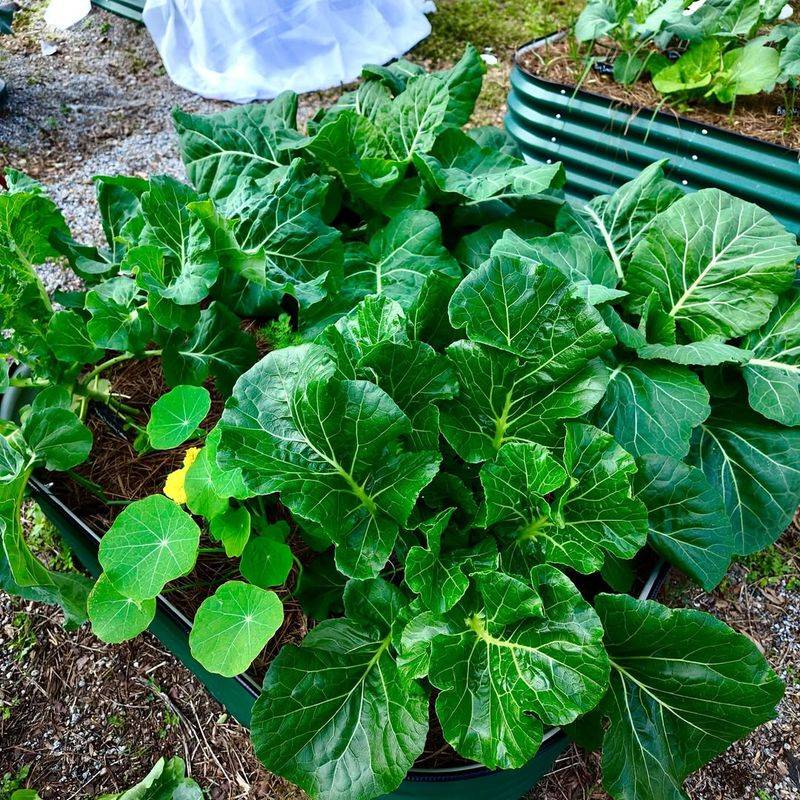
Synthetic fertilizers deliver nutrients fast, which sounds good until Arizona heat turns that speed into a problem. Quick-release products can burn roots when temperatures soar, and they wash through sandy soil before plants absorb much.
Slow-release organic options match the pace of desert gardening better.
Products made from alfalfa meal, bone meal, blood meal, and feather meal break down gradually as soil microbes process them. Nutrients become available over weeks or months instead of days.
Plants get steady feeding that supports consistent growth without the boom-and-bust cycle of synthetic fertilizers.
Apply organic fertilizers at planting time and again midway through the growing season. Work them into the top few inches of soil where roots can access them easily.
Water thoroughly after application to start the breakdown process. The slow release means you can fertilize less often while still giving plants everything they need.
Heat actually helps organic fertilizers work by speeding up microbial activity. Those same high temperatures that make synthetics risky help beneficial microbes break down organic materials faster.
Your plants get fed steadily throughout the growing season without the stress of chemical burn or nutrient spikes that push weak, leggy growth instead of strong, productive plants.