6 Plants Safe To Fertilize In Georgia Now And 4 To Skip For Later
Are you standing in your Georgia garden right now, fertilizer in hand, unsure which plants are actually ready for it?
Late winter can be confusing here. Some plants are quietly waking up and ready to use nutrients, while others are still better off left alone.
Georgia’s mild stretches, sudden cold snaps, and early signs of growth make timing feel tricky, especially if everything looks alive at the same time. Fertilizing at the right moment can help plants move into spring stronger, not stressed.
This is the point where paying attention matters more than following a general schedule. Certain plants benefit from support now, while others respond better if you wait.
In Georgia, knowing when not to fertilize is just as important as knowing when to start. A few smart choices right now can set the tone for healthier growth as the season picks up.
1. Dormant Growth Makes Roses Ready For A Gentle Boost
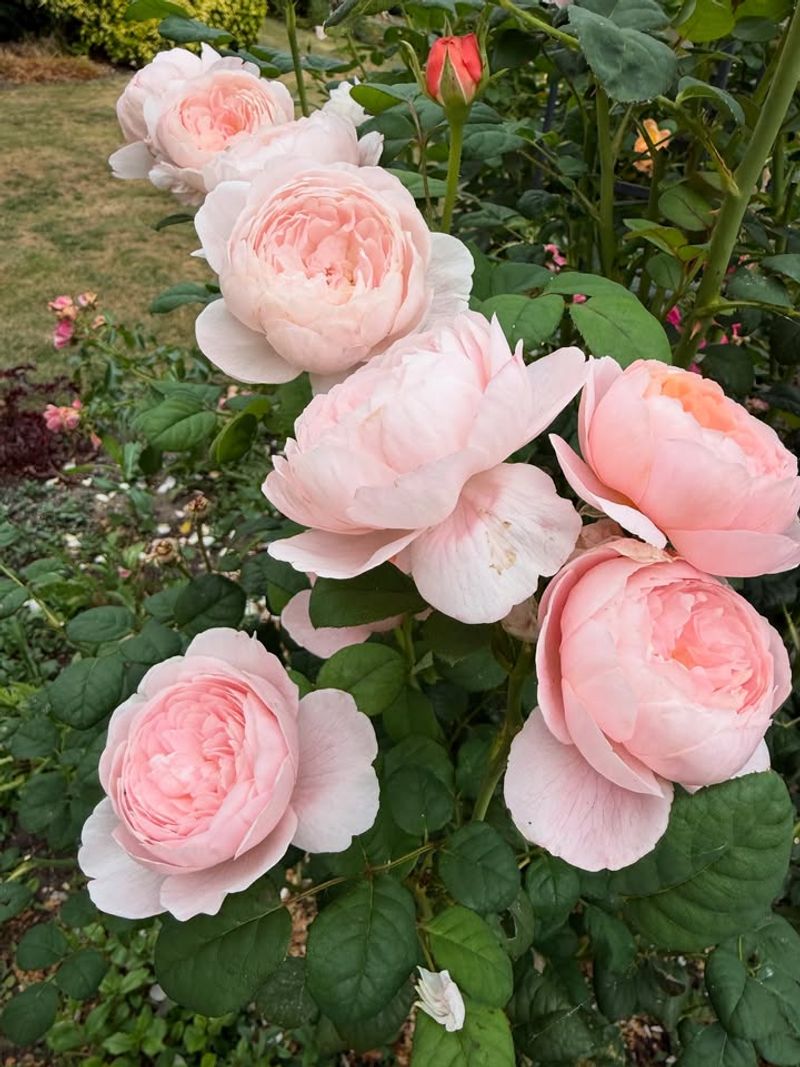
Roses in Georgia are ready for feeding in late winter as buds begin swelling and root activity increases, even if top growth still looks minimal. Their root systems remain active even when the canes look lifeless above ground.
Applying a balanced slow-release fertilizer now gives roots time to absorb nutrients before spring growth explodes.
Choose a formula with equal parts nitrogen, phosphorus, and potassium for best results. Scratch it gently into the soil around the drip line, keeping it several inches away from the main stem.
Water thoroughly after application to help nutrients reach the root zone.
Georgia’s unpredictable late-winter weather won’t harm fertilized roses since they’re still hardened off from winter. The nutrients you provide now support the energy-intensive process of breaking dormancy and pushing out new growth.
Strong early feeding leads to more vigorous canes and better flower production throughout the season.
Avoid high-nitrogen formulas that push too much leafy growth too quickly. Roses in Georgia need balanced nutrition that supports both foliage and bloom development.
This early feeding sets the foundation for a spectacular spring display.
It also helps roses recover faster from winter pruning and minor cold damage. When warm days arrive, plants respond evenly instead of surging in weak, uneven growth.
2. Late-Winter Feeding Helps Camellia Recover After Blooming
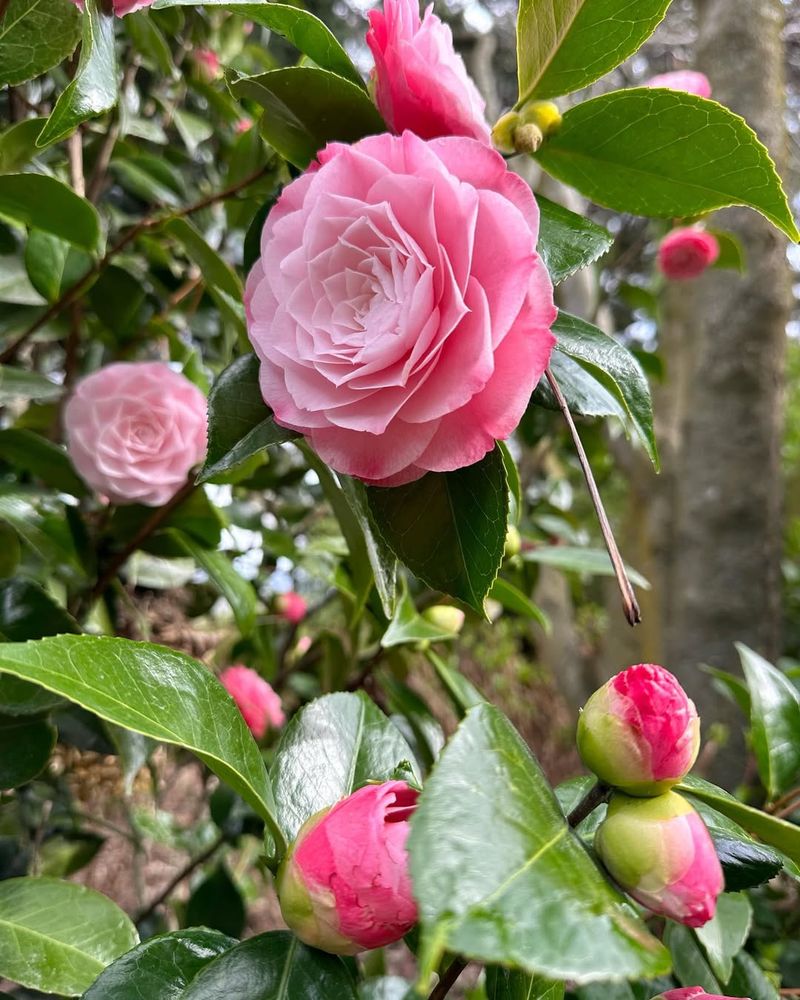
Camellias put tremendous energy into their winter bloom show across Georgia. Once those gorgeous flowers start fading, the plants need nutritional support to recover and prepare for next year’s display.
Late winter feeding replenishes what they spent during months of flowering.
Apply an acid-loving plant fertilizer formulated for camellias, azaleas, and rhododendrons. These products contain the right pH balance and micronutrients that camellias crave.
Spread it evenly under the entire canopy, extending slightly beyond the drip line.
The timing coincides perfectly with when camellias shift from flower production to vegetative growth in Georgia. New leaves emerge in spring, and those leaves manufacture food for next winter’s flower buds.
Proper nutrition now means better bud set for the following season.
Water deeply after fertilizing to move nutrients into the root zone where they’re needed most. Camellias have shallow, fibrous root systems that absorb nutrients efficiently when soil moisture is adequate.
Your Georgia Garden Changes Every Week. Your Plan Should Too.
Gardening in Georgia changes quickly throughout the season. Every Friday you’ll receive a simple weekly plan showing exactly what to plant, prune, fertilize, harvest, and protect so you never miss the right timing.
Skip the temptation to overfeed, as camellias prefer moderate nutrition levels throughout the year.
A light feeding at this stage supports steady leaf growth without forcing soft, vulnerable shoots. Healthy foliage formed in spring directly affects how well the plant handles summer stress and sets buds later in the year.
3. Early Nutrients Support Strong Spring Growth For Pansies
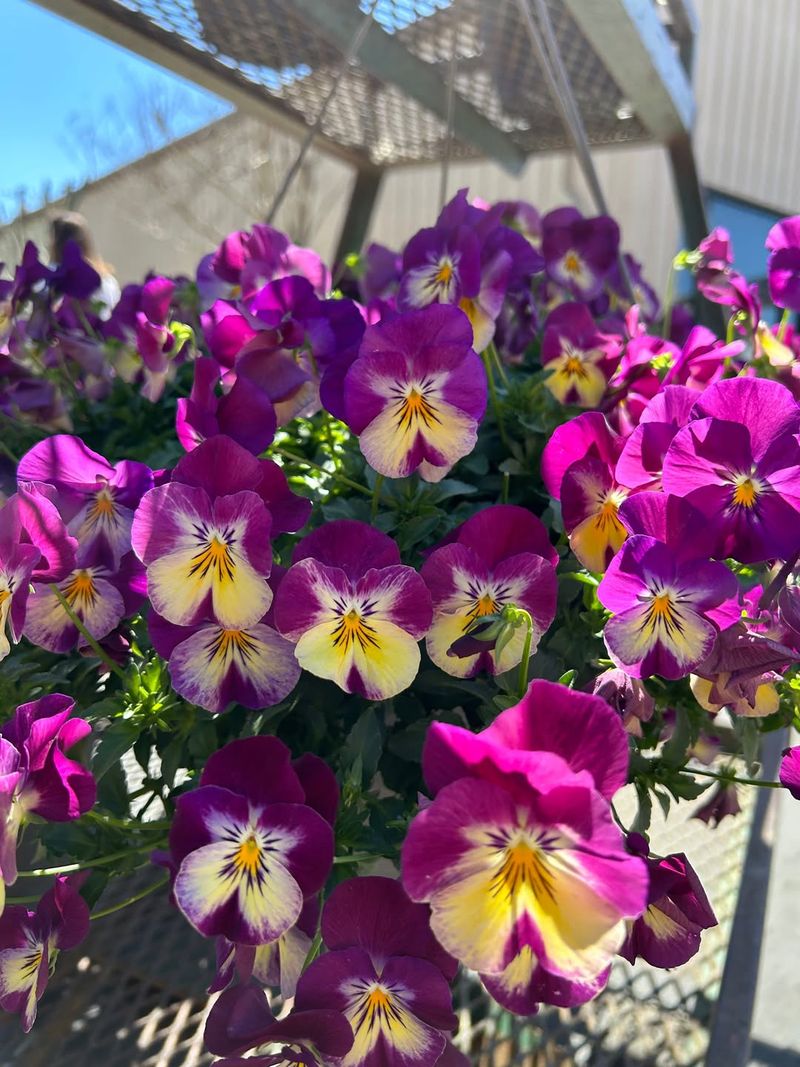
Pansies thrive in Georgia’s cool season, blooming reliably from fall through spring. As days lengthen in late winter, these cheerful flowers accelerate their growth and flower production.
A light feeding now keeps them blooming vigorously through the transition to warmer weather.
Use a water-soluble fertilizer diluted to half strength every two weeks for container pansies. Garden bed pansies benefit from a light application of granular flower fertilizer worked gently into the soil surface.
Both methods deliver quick-acting nutrients that pansies can use immediately.
Georgia’s late-winter temperatures remain cool enough that fertilized pansies won’t bolt or stretch excessively. The nutrients you provide support both root development and continuous flower production.
Well-fed pansies produce larger blooms with more intense colors that brighten winter-weary landscapes.
Avoid heavy nitrogen applications that promote excessive foliage at the expense of flowers. Pansies need balanced nutrition with slightly higher phosphorus to support their prolific blooming habit.
Consistent light feeding works better than infrequent heavy applications for these cool-season favorites.
4. Established Ornamental Grasses Benefit Before New Shoots Appear
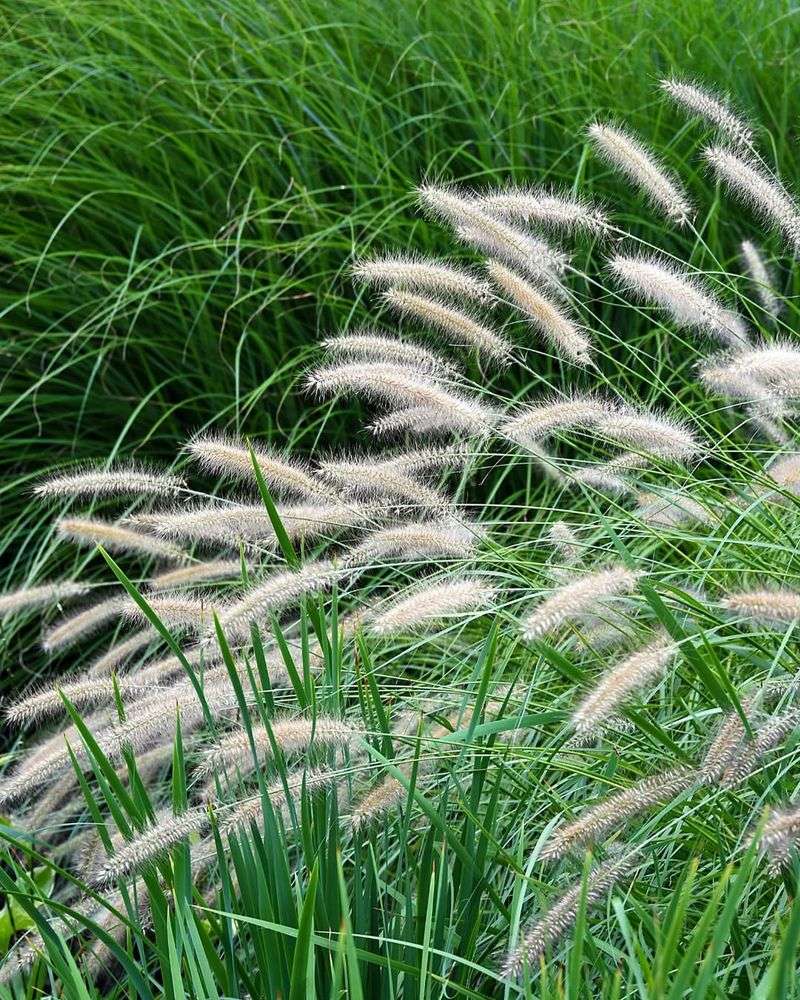
Ornamental grasses spend winter looking dormant and brown across Georgia gardens. Beneath that dry foliage, root systems prepare for the explosive spring growth that makes these plants so dramatic.
Fertilizing before new shoots emerge gives roots access to nutrients exactly when they need them most.
Apply a balanced slow-release fertilizer around the base of each clump in late February. Avoid getting granules caught in the dried foliage where they might burn emerging shoots.
A light hand-watering helps move nutrients into the soil without creating runoff.
Most ornamental grasses aren’t heavy feeders, so moderate fertilization works best. Too much nitrogen causes floppy growth that requires staking, defeating the purpose of growing these low-maintenance plants.
A single spring feeding typically provides enough nutrition for the entire growing season in Georgia.
Wait until after you cut back last year’s foliage before fertilizing for easier, more accurate application. The nutrients will be waiting in the soil when new green shoots push through in March and April.
This timing produces sturdy, upright growth that stands strong through summer storms.
5. Slow Feeding Helps Garlic Size Up Before Warm Weather
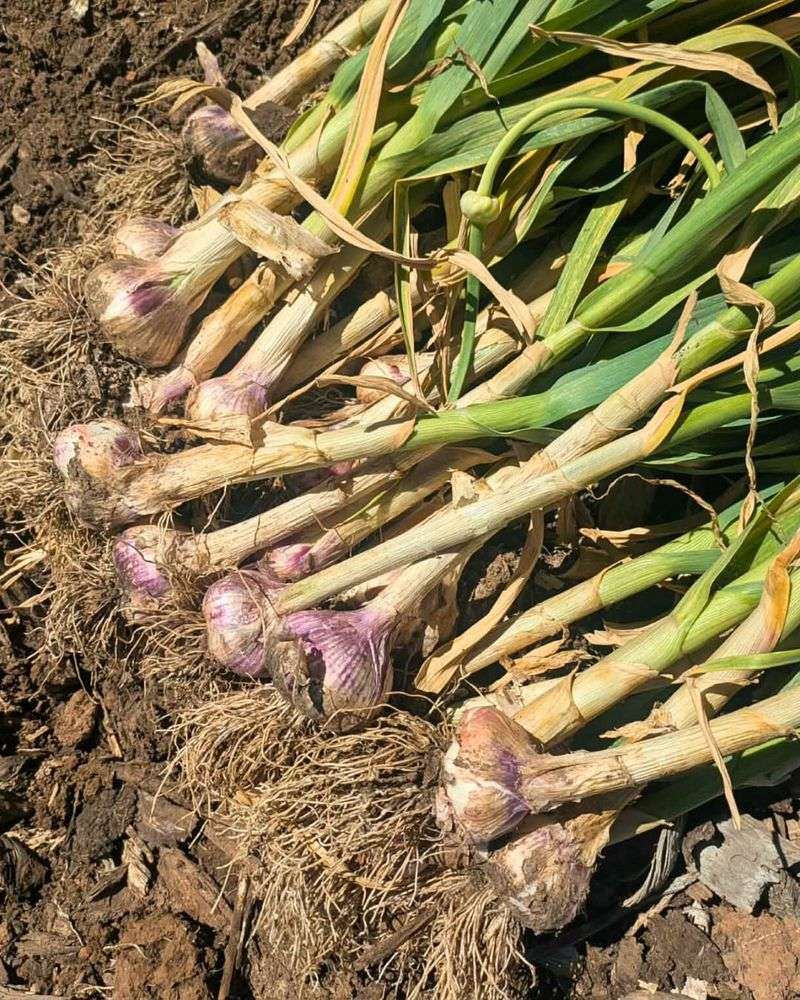
Garlic planted last fall has spent winter developing strong root systems beneath Georgia soil. As temperatures warm in late winter, those plants shift energy toward bulb formation.
Strategic fertilization now helps bulbs size up properly before harvest time arrives in early summer.
Choose a fertilizer higher in nitrogen for this late-winter application, as garlic needs leafy top growth to support bulb development. Apply it in a band alongside the rows rather than directly on plants.
Rain and irrigation will gradually move nutrients to the root zone.
Timing matters tremendously for garlic fertilization in Georgia. Feed too early and you waste nutrients during the cold months.
Wait too long and bulbs won’t have time to use the nutrition before they mature. Late February through mid-March hits the sweet spot for most Georgia regions.
Stop fertilizing garlic once bulb formation clearly begins and leaf growth slows. At that stage, the plant shifts energy into bulb development, and additional nitrogen is no longer helpful.
6. Root Crops Like Onions Respond Well To Early Nutrition
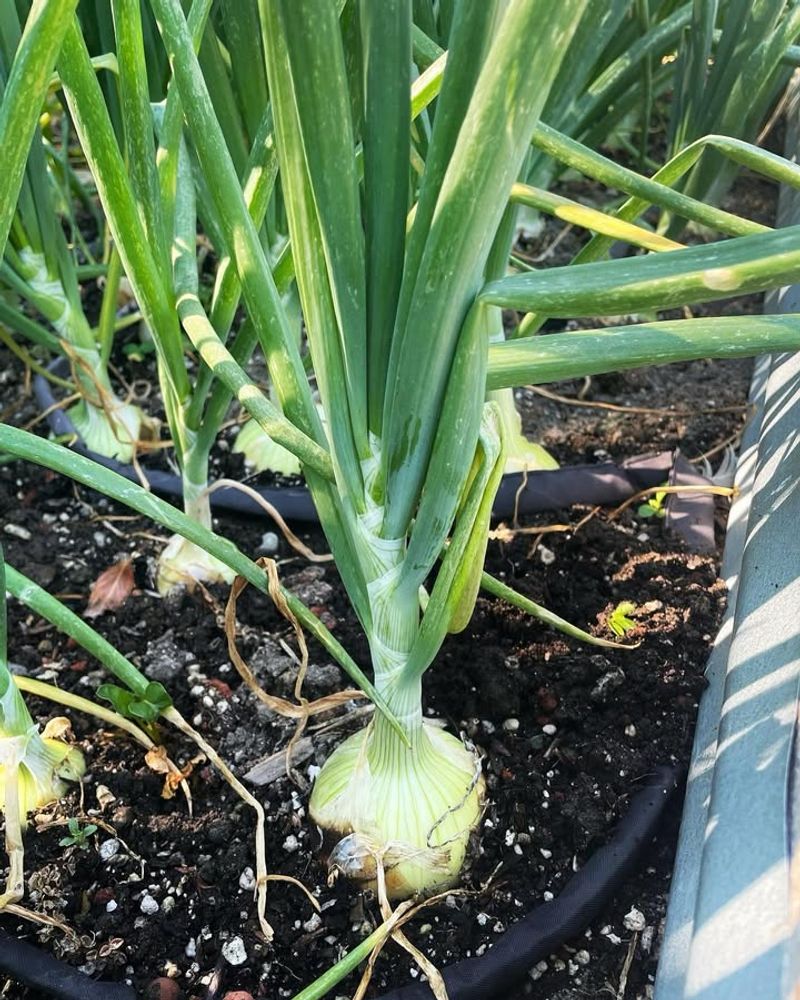
Onions planted from sets or transplants in January and February need nutritional support as they establish in Georgia gardens. Their shallow root systems require readily available nutrients to develop the strong tops that eventually feed bulb formation.
Early feeding sets them up for success.
Apply a nitrogen-rich fertilizer three to four weeks after planting onion sets or transplants. Side-dress it in bands between rows where developing roots can access it easily.
Onions grown from seed need their first feeding when they reach pencil thickness.
Georgia’s spring weather can be unpredictable, but onions tolerate cold snaps better when properly nourished. The nitrogen you provide now supports rapid leaf development during the lengthening days of March and April.
More leaves mean larger bulbs when harvest time arrives.
Plan to feed onions again in mid-spring, but stop all fertilization once bulbs begin sizing up noticeably. Late-season nitrogen applications can reduce storage life and promote thick necks that won’t cure properly.
Two well-timed feedings provide everything onions need in Georgia growing conditions.
7. Early Fertilizing Can Harm Azaleas Before Bloom Ends
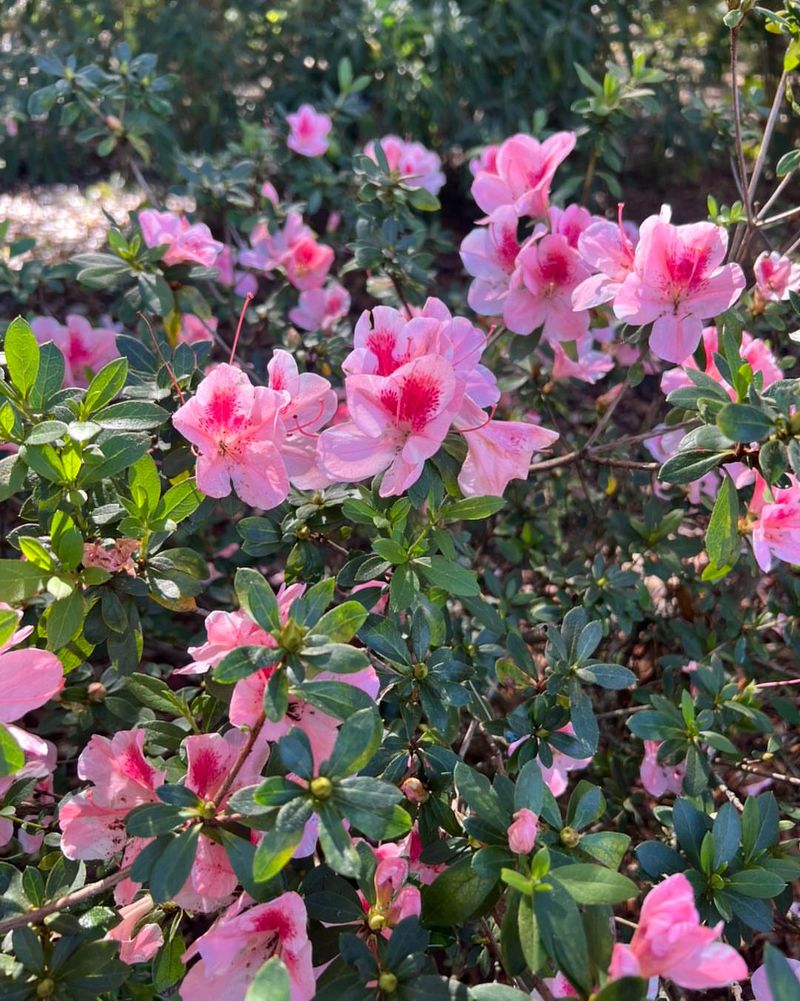
Azaleas rank among Georgia’s most beloved flowering shrubs, but they require careful fertilization timing. Many gardeners make the mistake of feeding azaleas in late winter while buds are still developing or early blooms are opening.
This timing can actually shorten the bloom period and reduce flower quality.
Wait until after the main flush of flowers fades completely before applying any fertilizer to azaleas in Georgia. Feeding too early diverts plant energy away from flower production and toward vegetative growth.
You end up with fewer blooms and more leafy shoots instead of the spectacular display you’re hoping for.
Azaleas set next year’s flower buds during summer, not spring. The fertilizer you apply after blooming supports new growth that will carry those future buds.
Patience pays off with azaleas, as proper timing leads to better bloom shows year after year.
Use an acid-forming fertilizer specifically formulated for azaleas when you do feed them. Apply it lightly under the entire canopy after the last flowers drop.
Georgia’s spring rains will move nutrients to the shallow root systems where azaleas can use them efficiently.
8. Feeding Hydrangeas Too Soon Risks Weak Growth
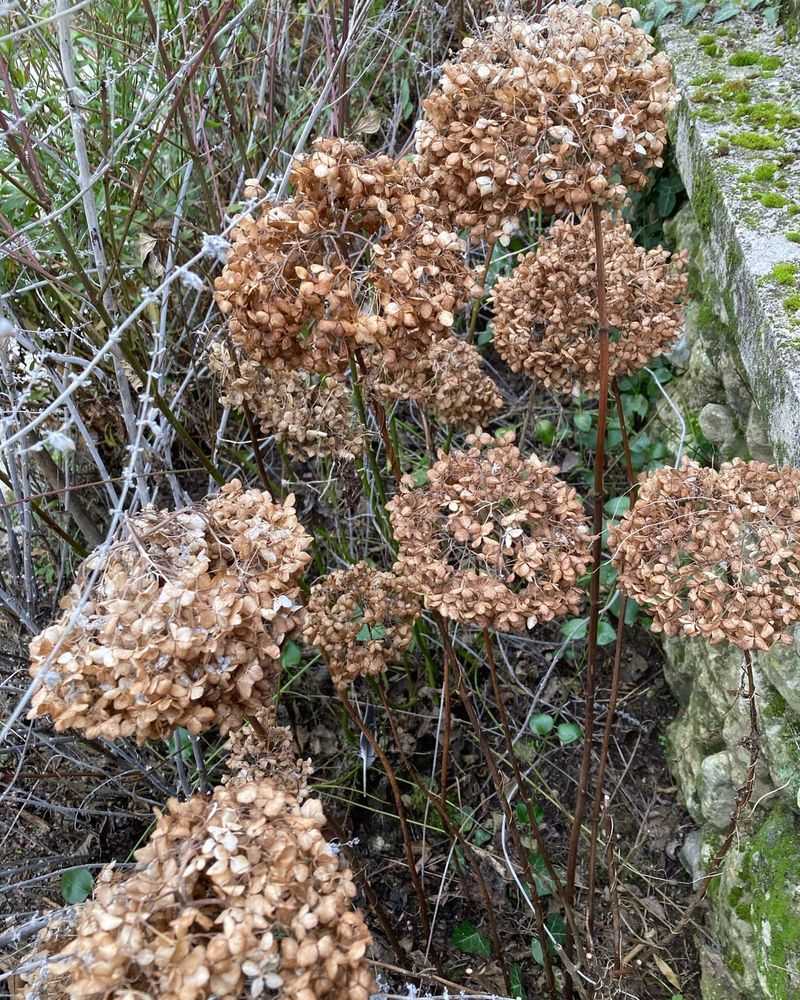
Hydrangeas remain completely dormant during Georgia’s winter months, with bare stems showing no signs of life. Gardeners eager for spring often fertilize too early, hoping to jump-start growth.
Unfortunately, this approach backfires with hydrangeas, leading to problems rather than benefits.
Cold snaps frequently hit Georgia through March, and tender new growth pushed by early fertilization is vulnerable to frost damage. Hydrangeas naturally break dormancy at the right time for local conditions.
Fertilizing before they’re ready wastes nutrients and can promote weak, leggy growth that flops over later.
Wait until you see leaf buds swelling and beginning to open before feeding hydrangeas in Georgia. This usually happens in April for most regions of the state.
The plants will tell you when they’re ready to use nutrients productively.
Different hydrangea types have different nutritional needs, too. Bigleaf hydrangeas benefit from fertilizers that maintain soil pH for desired flower colors.
Panicle and smooth hydrangeas are less fussy about pH but still need the right timing for fertilizer applications to support their summer bloom schedules.
9. Warm-Season Vegetables Like Tomatoes Should Wait For Soil Warmth
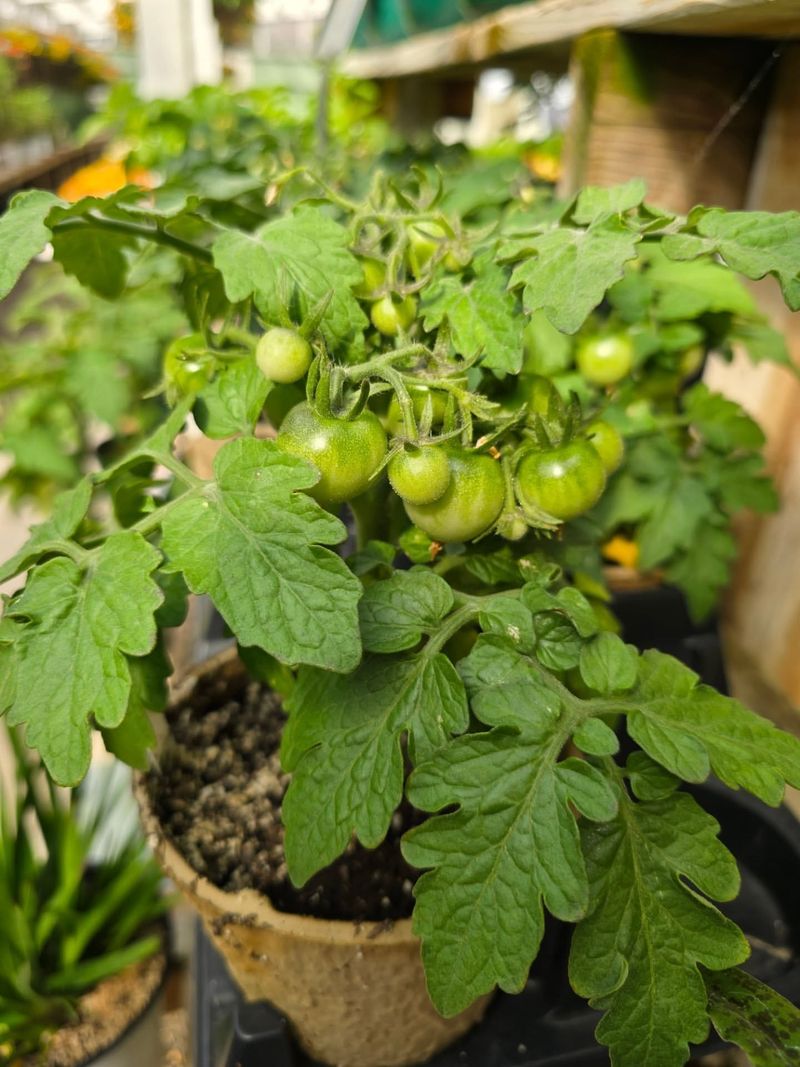
Tomatoes top the list of favorite vegetables for Georgia gardeners, but enthusiasm must be tempered with patience. Planting or fertilizing tomatoes before soil temperatures reach at least 60 degrees consistently leads to disappointing results.
Cold soil prevents roots from absorbing nutrients effectively.
Late winter soil in Georgia hovers in the 45-to-55-degree range across most of the state. Tomato roots simply sit dormant in these conditions, unable to take up fertilizer you apply.
Any nutrients you add now will leach away before plants can use them.
Wait until mid-to-late April in most Georgia locations before setting out tomato transplants. Prepare beds ahead of time by working in compost, but save actual fertilizer applications until planting day.
Warm soil and fertilizer together give tomatoes the best possible start.
Even after planting, avoid heavy fertilization until tomatoes show active growth and flowering begins. Young plants in cool spring soil can suffer from fertilizer burn if you apply too much too soon.
Light, frequent feeding works better than heavy applications for Georgia tomato growers.
10. Tender Plants Such As Peppers Need Consistent Heat First
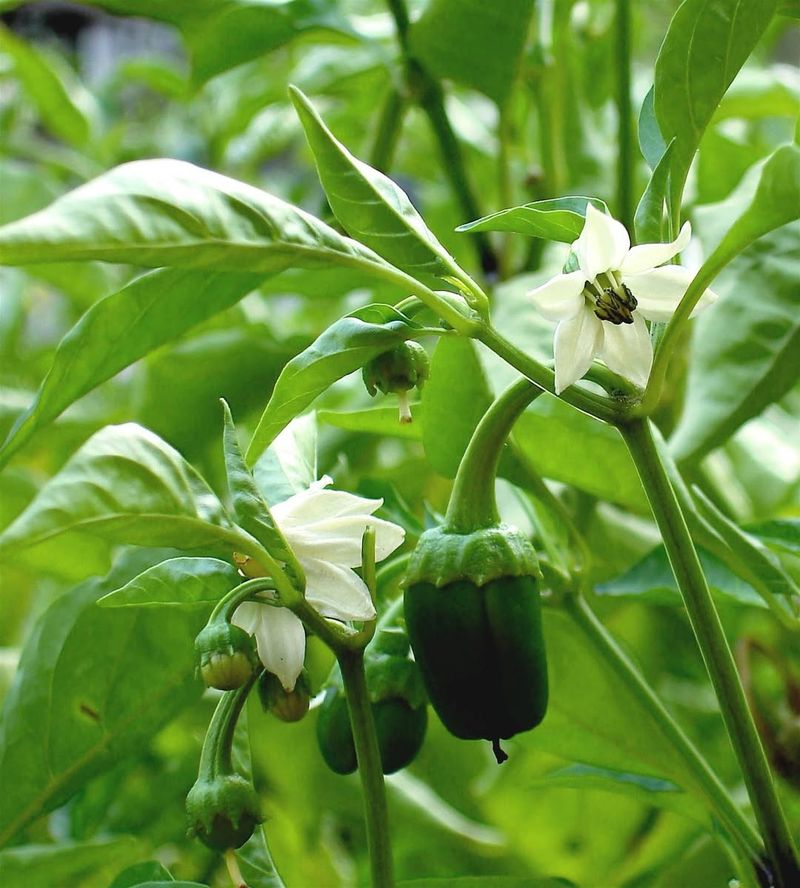
Peppers demand even warmer conditions than tomatoes, making them one of the last vegetables to plant in Georgia gardens. Fertilizing garden beds intended for peppers during late winter accomplishes nothing positive.
These tropical plants need consistent warmth before they can grow and use nutrients.
Soil temperatures should reach 65 degrees or higher before transplanting peppers outdoors in Georgia. This typically doesn’t happen until late April or early May, depending on your specific location.
Nighttime air temperatures matter too, as peppers sulk and refuse to grow when nights stay below 55 degrees.
Preparing beds early makes sense, but hold off on fertilizer until planting time approaches. Work compost into the soil now if you like, but save concentrated fertilizers for when peppers actually go in the ground.
The nutrients will be fresh and available exactly when plants need them.
Once peppers are planted and growing actively, they benefit from regular light feeding throughout the growing season.
Georgia’s long, hot summers suit peppers perfectly, and proper nutrition supports continuous flowering and fruit production from June through October.