Native Arizona Plants That Surprise You With Early Growth
You might step into your Arizona yard and notice a few plants already stretching upward, even though winter has not fully let go yet.
That early movement is easy to miss unless you are paying close attention. Cool mornings can make the landscape feel paused, but longer days and stronger sun are already sending signals below the surface.
Some plants respond immediately, using this quiet window to get ahead before heat arrives. Early growth is one of the clearest signs that a plant truly understands Arizona conditions.
Native plants are especially tuned to this timing. They do not wait for official seasons or perfect temperatures.
They move when the moment feels right. Seeing fresh growth now can completely change how you view your landscape.
Once you recognize these early signals, the garden stops feeling dormant and starts feeling alive, even in the middle of what still looks like winter.
1. Warm Winter Sun Triggers Early Growth In Desert Marigold
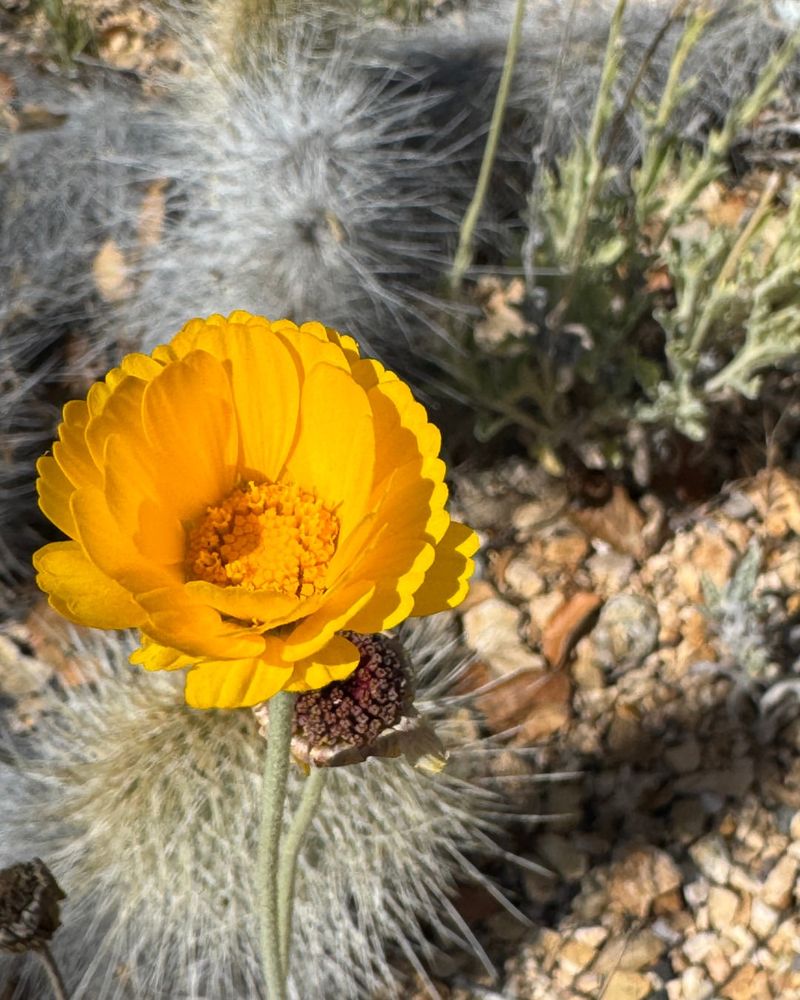
Desert Marigold doesn’t wait around for permission to bloom. This cheerful wildflower starts pushing out golden petals as early as January across much of Arizona, especially in lower desert areas around Phoenix and Tucson.
Even when morning frost still appears occasionally, these tough little plants respond to increasing daylight and warmer afternoon temperatures.
The secret lies in their shallow but extensive root system. Desert Marigold roots spread wide rather than deep, letting them grab moisture from light winter rains that barely wet the surface.
When temperatures climb above 60 degrees during the day, growth hormones activate and flower buds start forming. You’ll notice the silvery-green foliage first, followed quickly by bright yellow blooms that look like miniature sunflowers.
Gardeners love this plant because it provides color when almost nothing else is flowering. The blooms attract early-season bees and butterflies searching for nectar after winter.
Desert Marigold also handles neglect beautifully, thriving in poor soil without fertilizer or much water. Once established in your Arizona landscape, expect waves of blooms from late winter through early summer.
Plant them in full sun where they’ll get maximum warmth during winter months. Space them about twelve inches apart for best results.
These natives reseed readily, creating natural-looking drifts of yellow that brighten up rock gardens and desert landscapes throughout Arizona’s warmer regions.
2. Seasonal Rains Wake Up Brittlebush Faster Than Expected
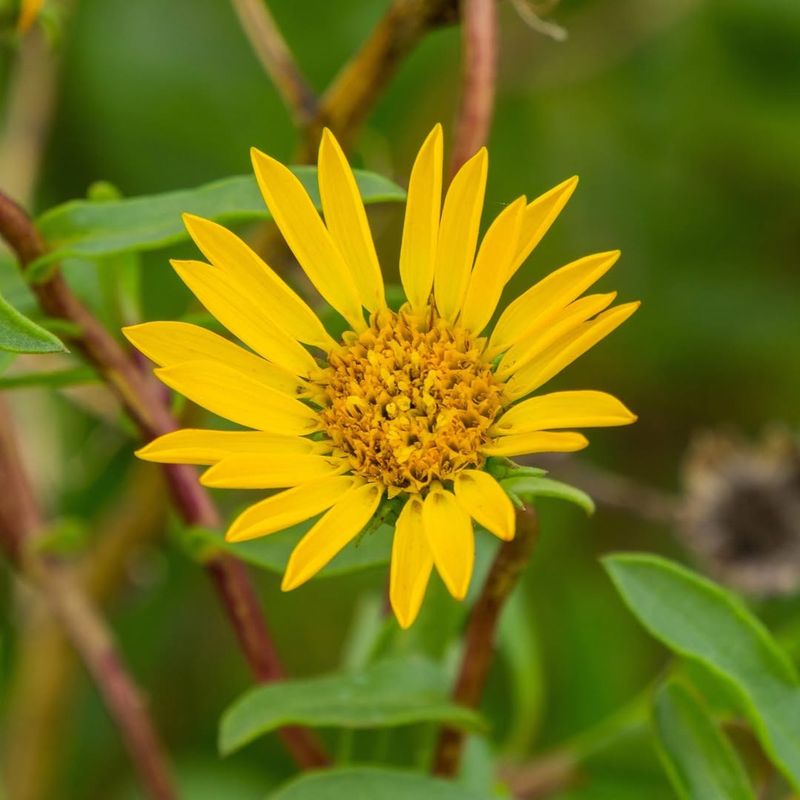
Brittlebush proves that Arizona natives know exactly when to make their move. After even a modest winter storm dumps an inch of rain, these silvery shrubs transform from dormant-looking mounds into flowering powerhouses within just two weeks.
The speed surprises gardeners who expect a slower response from desert plants.
Found naturally throughout southern Arizona’s rocky slopes and washes, Brittlebush has perfected the art of opportunistic growth. The plant stores energy in its woody stems during dry periods, then releases it rapidly when moisture arrives.
Bright yellow flowers appear on tall stalks above the foliage, creating stunning contrast against the silvery leaves. Each bloom cluster contains dozens of individual flowers that open progressively over several weeks.
Your Arizona Garden Changes Every Week. Your Plan Should Too.
Gardening in Arizona changes quickly throughout the season. Every Friday you’ll receive a simple weekly plan showing exactly what to plant, prune, fertilize, harvest, and protect so you never miss the right timing.
What makes this response remarkable is the minimal moisture required. While other plants need sustained rainfall, Brittlebush activates with surprisingly little water.
The leaves themselves help by reflecting intense sunlight, keeping the plant cooler and reducing water loss. This adaptation allows earlier growth than species without this protective coating.
Arizona landscapers prize Brittlebush for reliable winter and early spring color. The plants grow three to five feet tall and equally wide, making excellent foundation plantings or informal hedges.
They thrive in reflected heat from walls and pavement, perfect for challenging spots where other plants struggle.
Expect flowering to begin in February across lower desert areas.
3. Cool Nights Don’t Slow Down Penstemon Growth
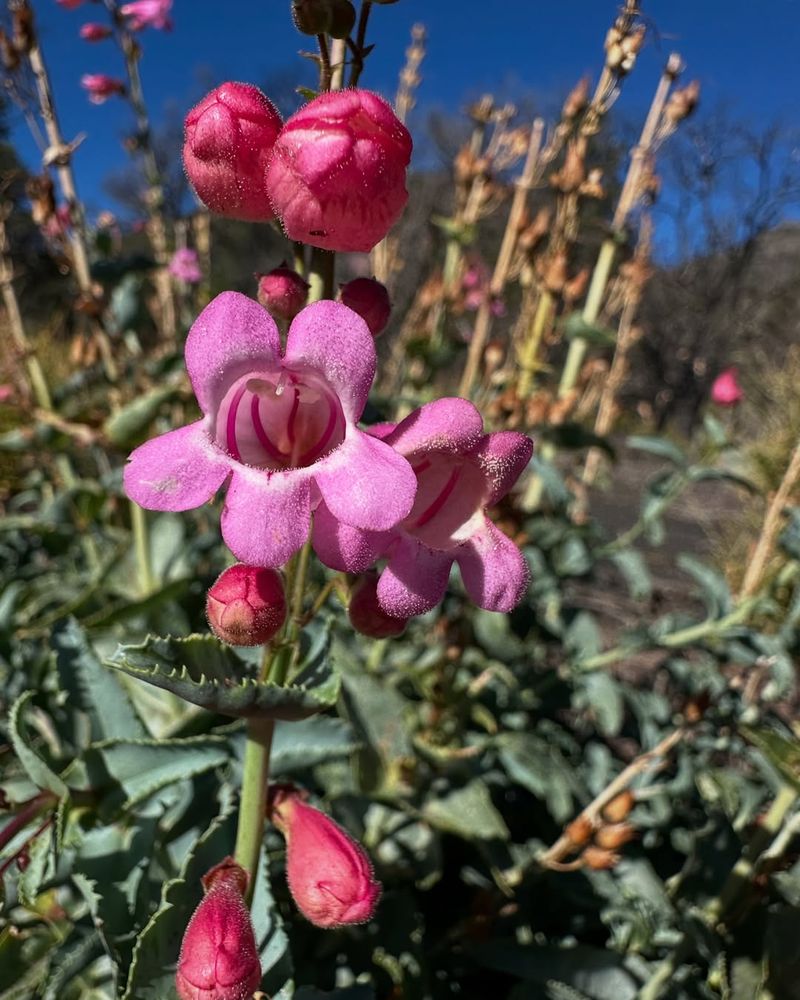
Penstemon species across Arizona laugh at cold nights. While temperatures drop into the 30s and 40s after sunset, these hardy perennials keep pushing out new growth and flower stalks.
The combination of cool nights and warm days actually encourages better blooming than consistently mild weather would provide.
Several Penstemon varieties native to Arizona start their growth cycle surprisingly early. Parry’s penstemon is common in central and southern Arizona, while other penstemon species handle higher elevations and colder nights.
Desert Penstemon in lower elevations responds to January warmth with fresh rosettes of leaves. The tubular flowers follow quickly, appearing in shades of pink, red, purple, and occasionally yellow depending on the species.
Cold nights trigger a process called vernalization in many Penstemon types. This chilling requirement actually improves flowering quality and quantity.
The plants evolved in areas with significant temperature swings between day and night, so they’re built to handle the stress. Morning frost doesn’t damage emerging growth because new leaves contain natural antifreeze compounds.
Hummingbirds arrive early in Arizona partly because Penstemon provides reliable nectar sources before most other flowers open. Plant these natives in well-drained soil with afternoon shade in hottest areas.
Northern Arizona gardeners can use full sun locations. Space plants eighteen inches apart for good air circulation.
Once established, Penstemon needs minimal supplemental water and no fertilizer.
4. Early Leafing Makes Ocotillo Look Alive Before Spring
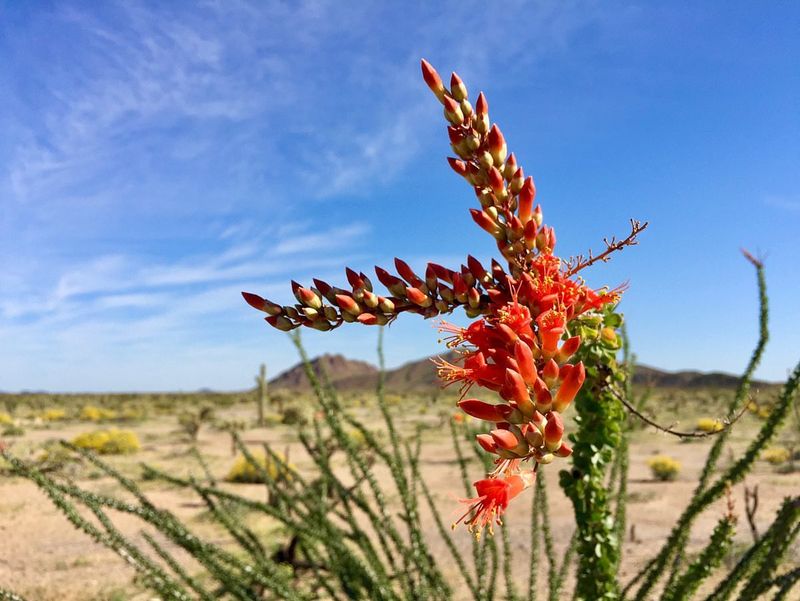
Ocotillo’s dramatic transformation catches everyone off guard. These spiny stems look completely lifeless for months, then suddenly explode with bright green leaves after a single good rain.
The speed of this change amazes even experienced Arizona gardeners who’ve watched it happen dozens of times. Within 72 hours of adequate moisture, leaves appear along every stem.
This early leafing happens multiple times throughout the year, not just in spring. Ocotillo responds to individual rain events rather than following a seasonal calendar.
Winter rains in December or January trigger the same response as summer monsoons. The plant can leaf out, photosynthesize intensely for a few weeks, then drop all its leaves when soil dries out again.
This strategy lets Ocotillo take advantage of unpredictable Arizona rainfall patterns.
The leaves themselves are small and oval, bright green with a slightly waxy coating. They emerge from tiny buds that line each stem, creating a fuzzy appearance from a distance.
Photosynthesis happens rapidly during the leafy period, storing energy for the next dormant phase. The famous red-orange flowers typically appear at stem tips in spring, but leafing often happens weeks earlier.
Gardeners planting Ocotillo should choose specimens with at least ten stems for best visual impact. Plant them in native soil without amendments, and water deeply but infrequently.
These Arizona natives reach fifteen to twenty feet tall and create stunning vertical accents in desert landscapes.
5. Mild Winters Push Fairy Duster Into Action Early
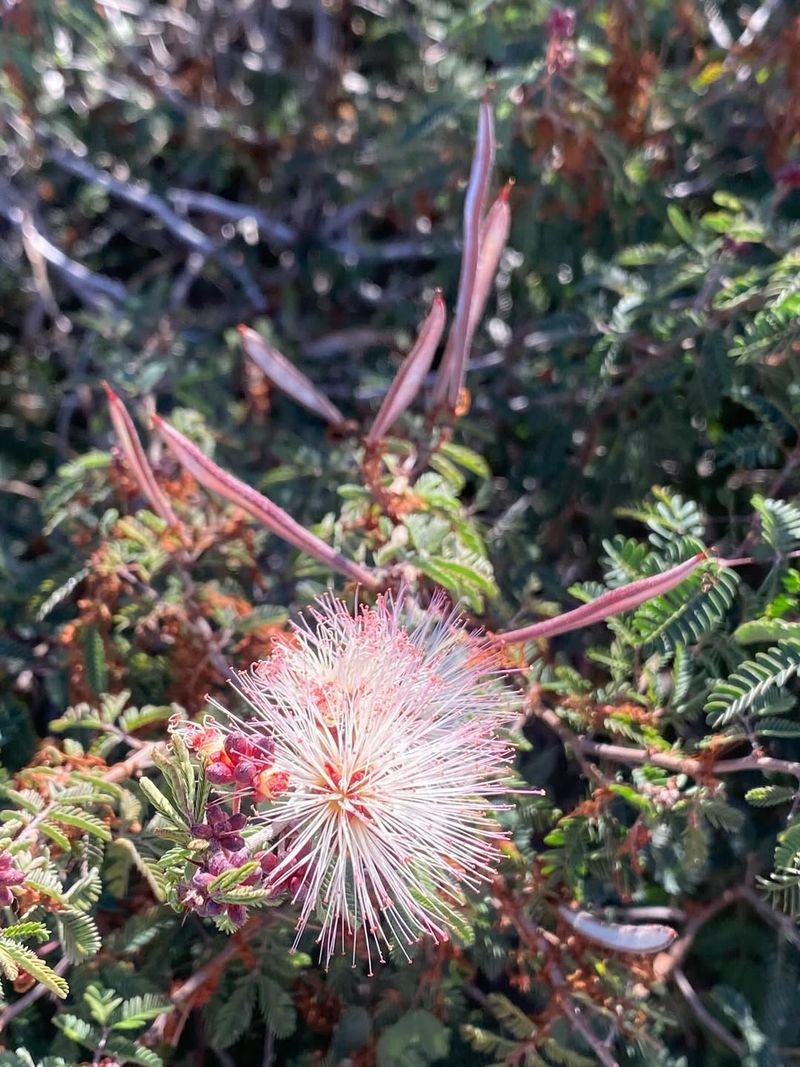
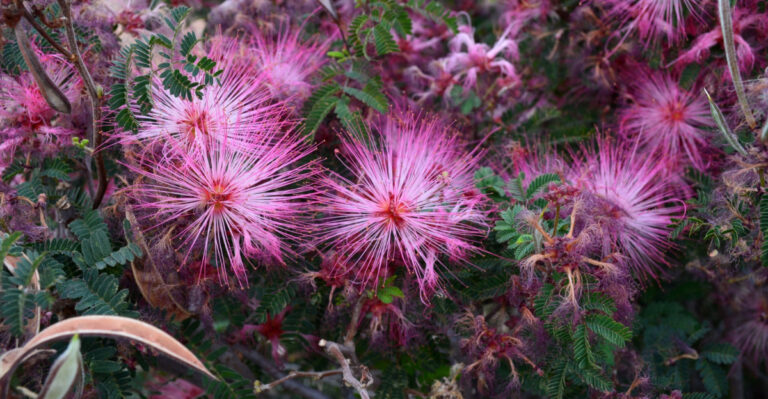
Fairy Duster refuses to wait for official spring dates. When winter temperatures in Arizona stay above freezing for a week straight, these charming shrubs start producing their signature powder-puff flowers.
The blooms appear as early as late January in Phoenix and Tucson, bringing unexpected softness to desert gardens when most plants still look dormant.
Each flower resembles a tiny pink explosion of stamens, creating a fuzzy ball about an inch across. The delicate appearance hides a tough constitution perfectly adapted to Arizona’s variable climate.
Fairy Duster grows naturally in washes and rocky slopes below 5,000 feet elevation, where it experiences mild winters with occasional cold snaps. The plants have learned to take advantage of warm periods without getting fooled by brief temperature spikes.
Root development continues even during cooler months, positioning Fairy Duster for rapid top growth when conditions improve. The fernlike foliage emerges fresh and bright green, contrasting beautifully with the pink flowers.
Blooming continues in waves through spring and often resumes after summer rains. Hummingbirds and native bees visit the flowers constantly, making Fairy Duster valuable for wildlife gardens.
These Arizona natives grow three to five feet tall with equal spread, perfect for foundation plantings or informal hedges. They handle reflected heat well and need minimal water once established.
Plant in full sun to light shade, spacing them four feet apart. Avoid overwatering, which causes weak growth and fewer flowers.
6. Quick Warm Spells Trigger New Growth On Creosote Bush
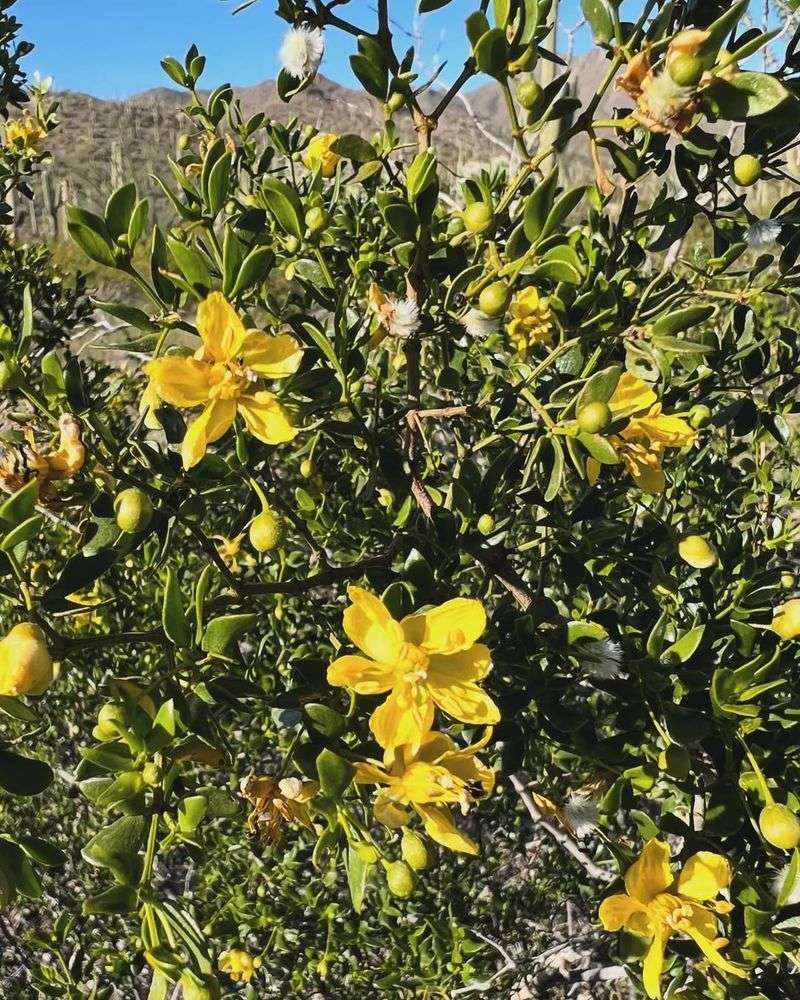
Creosote Bush surprises people with how quickly it responds to warmth. Just three or four consecutive days above 70 degrees prompts fresh leaf growth and flower bud formation, even in the middle of winter.
Across southern Arizona, you’ll often see Creosote sporting bright yellow blooms in February, weeks before spring officially starts.
The distinctive smell of Creosote after rain comes from resinous compounds coating the leaves. These same compounds protect new growth from cold damage during unexpected temperature drops.
The plant essentially insulates itself chemically, allowing earlier growth than unprotected species could manage. Each leaf is actually two leaflets joined together, covered in a sticky varnish that reduces water loss and reflects excessive heat.
Flowering happens in distinct flushes throughout the year rather than one long season. Winter warm spells trigger the first flush, often the heaviest of the year.
The small yellow flowers have five twisted petals and appear at branch tips. They develop into fuzzy white seed capsules that look like tiny cotton balls.
This early flowering provides crucial food for native bees emerging from winter dormancy.
Creosote Bush dominates millions of acres across Arizona’s lower deserts, making it the most common native shrub in the state.
7. Early Shoots Appear On Globe Mallow With Little Warning
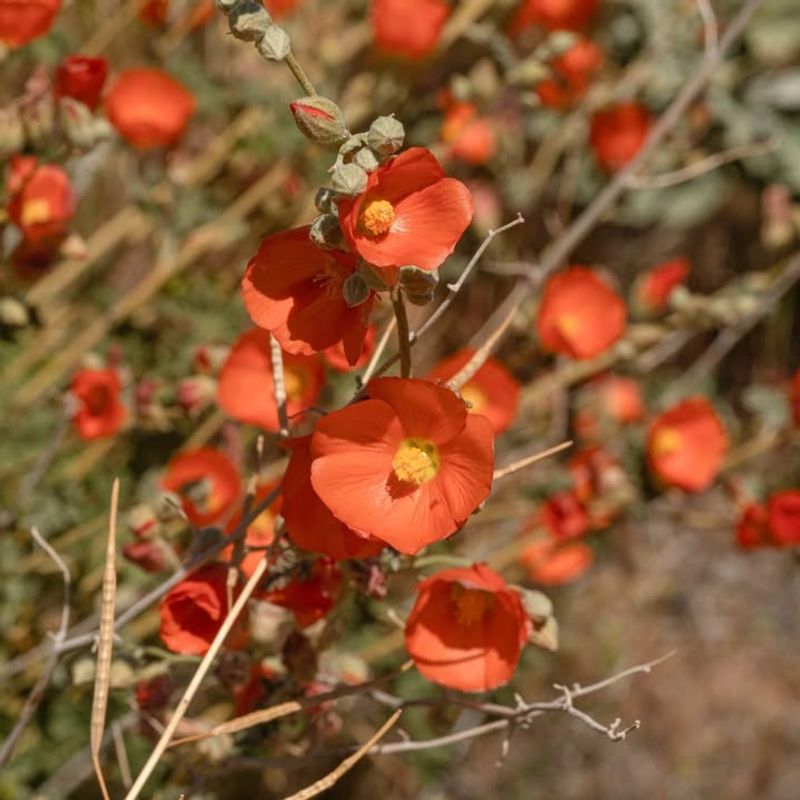
Globe Mallow appears seemingly overnight in Arizona gardens. One day you see dried stems from last year, the next day fresh green shoots push through the soil with remarkable vigor.
This rapid emergence happens whenever soil temperatures reach 55 degrees, which can occur as early as late January in lower desert areas. The plant doesn’t gradually wake up; it explodes into action.
The fuzzy gray-green leaves emerge first, covered in tiny hairs that give them a soft, velvety texture. These hairs serve multiple purposes, including reflecting intense sunlight and trapping moisture from dew.
Within two weeks of the first shoots appearing, flower buds form along upright stems. The blooms open in shades of orange, apricot, or occasionally pink, depending on the specific variety growing in your area.
Globe Mallow’s early growth strategy involves storing substantial energy in deep taproots during dormancy. When conditions trigger growth, the plant draws on these reserves for rapid development.
This allows flowering to begin before most other wildflowers have even sprouted. Native bees, especially specialist species that depend solely on Globe Mallow pollen, time their own emergence to match the plant’s early blooming.
Arizona gardeners appreciate Globe Mallow’s carefree nature and cheerful color. Plants reach two to three feet tall and spread equally wide.
They self-seed readily, sometimes too readily, so deadhead spent flowers if you want to control spread.
Full sun and excellent drainage ensure best performance across all Arizona climate zones.
8. Winter Light Encourages Fresh Growth In Desert Lupine
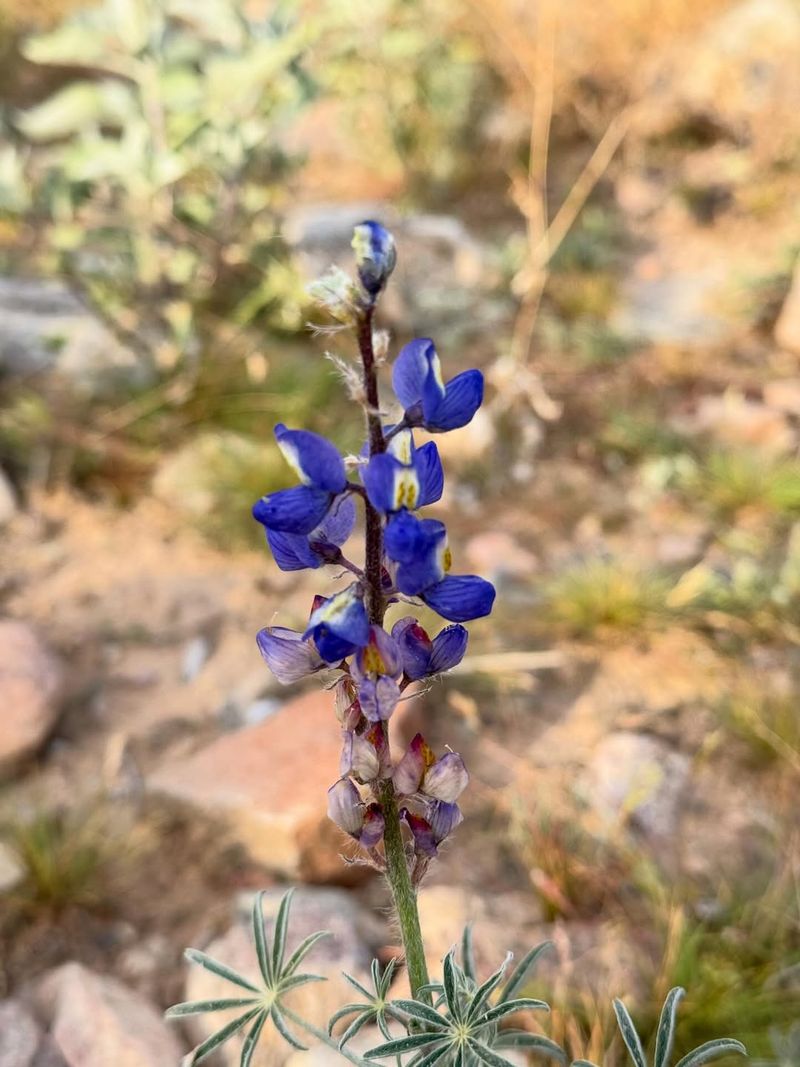
Desert Lupine reads light levels like a sophisticated instrument. As winter days gradually lengthen in Arizona, these annuals germinate and grow despite cool temperatures that would stop many other species.
Moist soil, cool weather, and gradually lengthening days work together to trigger their growth. After winter rains, seeds sprout quickly and take advantage of mild days before spring heat arrives.
The first leaves to emerge are rounded and simple, but subsequent growth produces the characteristic palmate leaves with five to seven finger-like leaflets. Each leaflet is covered with fine silvery hairs that catch morning dew and provide insulation against cold.
The plants grow rapidly once started, reaching full size within six to eight weeks. Tall spikes of purple, blue, or occasionally white flowers appear next, creating spectacular displays across Arizona’s deserts.
Lupine flowers have a unique structure designed for bee pollination. The banner petal, keel, and wing petals work together as a landing platform that releases pollen when the right weight of bee lands.
This early-season pollen source is critical for native bee populations emerging from winter. The plants also fix nitrogen through root nodules, improving soil for neighboring species.
Wildflower enthusiasts travel to Arizona specifically to see Desert Lupine blooms in good years. In home landscapes, these plants work best when allowed to naturalize rather than being planted in formal arrangements.
Scatter seeds in fall where you want spring color. They need no care beyond occasional water if winter rains fail to materialize.
9. Native Timing Lets Chuparosa Get A Head Start
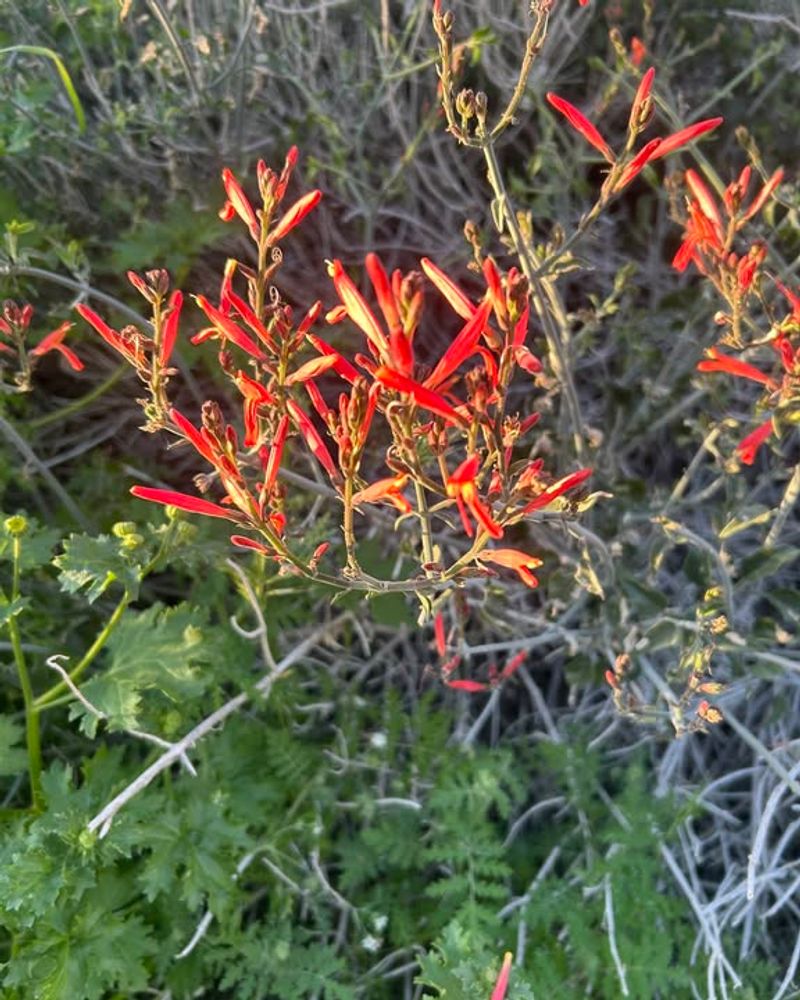
Chuparosa knows exactly when hummingbirds need food. This Arizona native begins flowering in late winter, often by mid-February, providing nectar precisely when migrating hummingbirds arrive from Mexico.
The timing isn’t coincidence; plant and bird evolved together over millennia. The bright red tubular flowers appear before many leaves emerge, making them highly visible to hungry travelers.
Each flower measures about an inch long, perfectly sized for hummingbird beaks. The nectar is unusually rich in sugar content compared to other early bloomers, giving birds maximum energy for their journey north.
Flowering continues for months, with the heaviest bloom period happening before intense summer heat arrives. The plant can produce flowers year-round in frost-free areas of southern Arizona, but early spring brings the most prolific display.
Chuparosa’s early growth relies on deep roots that access moisture unavailable to shallow-rooted species. Even in dry winters, these roots find enough water to support flower production.
The stems remain green year-round, photosynthesizing even when leaves are sparse. This adaptation allows the plant to maintain energy production during cooler months when deciduous species are dormant.
Arizona gardeners planting Chuparosa should choose locations with good drainage and full sun to partial shade. The shrubs grow five to six feet tall and equally wide, creating excellent screening or background plantings.
They’re completely frost-tender, so use them only in areas that rarely freeze.
Hummingbird activity around these plants rivals any feeder you could hang, providing endless entertainment during late winter and early spring months.