Why Fertilizing Your Arizona Lawn Too Early Can Backfire
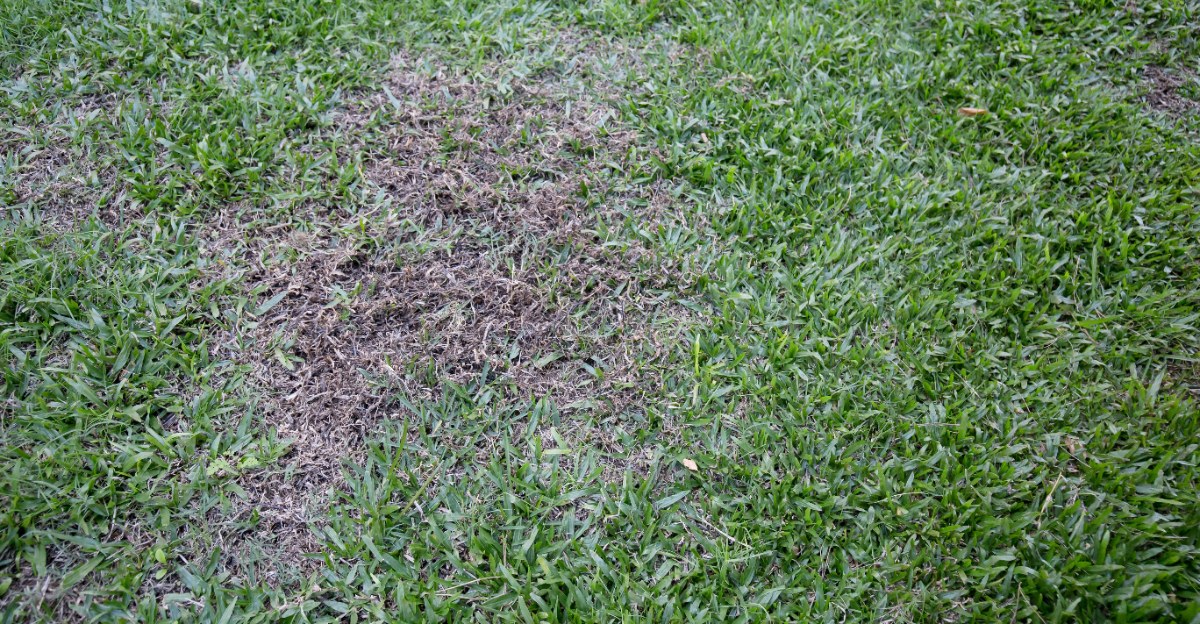
Have you been tempted to fertilize your Arizona lawn the first time a warm week shows up? It feels like the quickest way to wake the grass up, but early feeding often does the opposite.
That urge makes sense. The grass looks dull, the sun feels stronger, and it seems like feeding now would push things along faster.
In Arizona, though, lawns follow a different rhythm than the calendar suggests. Soil temperatures lag behind warm days, and grass roots often stay inactive longer than the surface tells you.
What looks like the right moment can quietly work against your lawn.
Early fertilizer can push growth before roots are prepared to support it. The lawn may green up briefly, then struggle once conditions shift again.
Timing matters more than the product itself in Arizona lawns.
Understanding this window helps you avoid wasted effort and sets your lawn up for stronger, steadier growth as the season truly begins.
1. Cool Soil Prevents Grass Roots From Using Nutrients
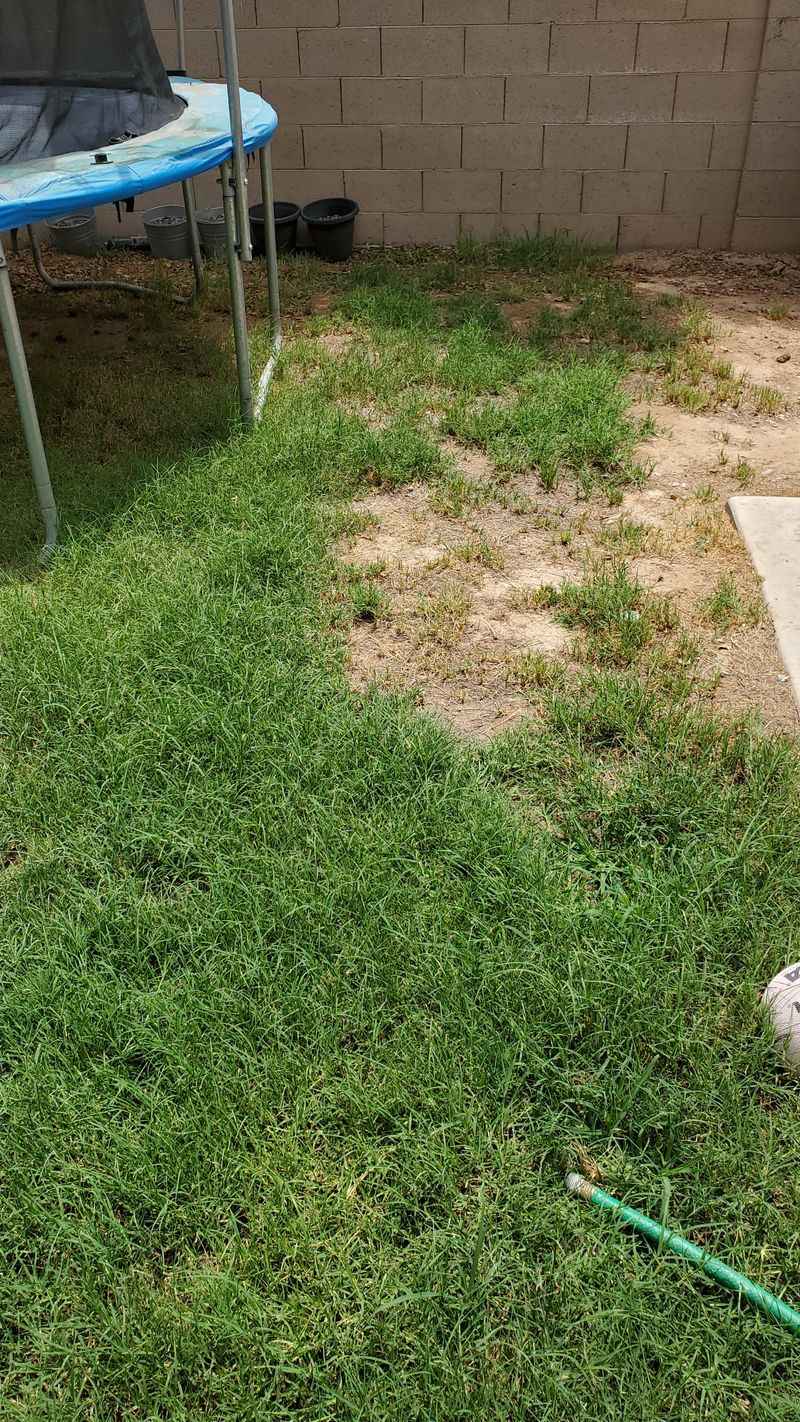
Grass roots need warmth to wake up and start working properly. When soil temperatures stay below the mid-50s Fahrenheit, roots remain mostly inactive no matter how much fertilizer you spread on top.
Arizona mornings can feel warm in early spring, but the ground takes much longer to heat up than the air above it.
Your lawn cannot absorb nitrogen, phosphorus, or potassium effectively when roots are still in their winter slowdown mode. The fertilizer just sits on the surface or sinks past the root zone without being used.
This creates a frustrating situation where you spend money on products that provide zero benefit to your grass.
Bermuda grass, the most common type in Arizona, needs soil temperatures around 65 degrees consistently before roots become active enough to process fertilizer.
Measuring soil temperature with a simple thermometer gives you accurate information instead of guessing based on calendar dates.
Stick the thermometer two inches deep in several spots across your lawn in the morning for the most reliable reading.
Waiting for proper soil warmth means your fertilizer investment actually feeds the grass instead of going to waste. Arizona soil typically reaches the right temperature from late March into April in most low-elevation areas, though higher elevations need more time.
Patience during those early spring weeks pays off with better results and healthier grass throughout the entire growing season once conditions improve.
2. Early Fertilizer Pushes Weak Top Growth Instead Of Roots
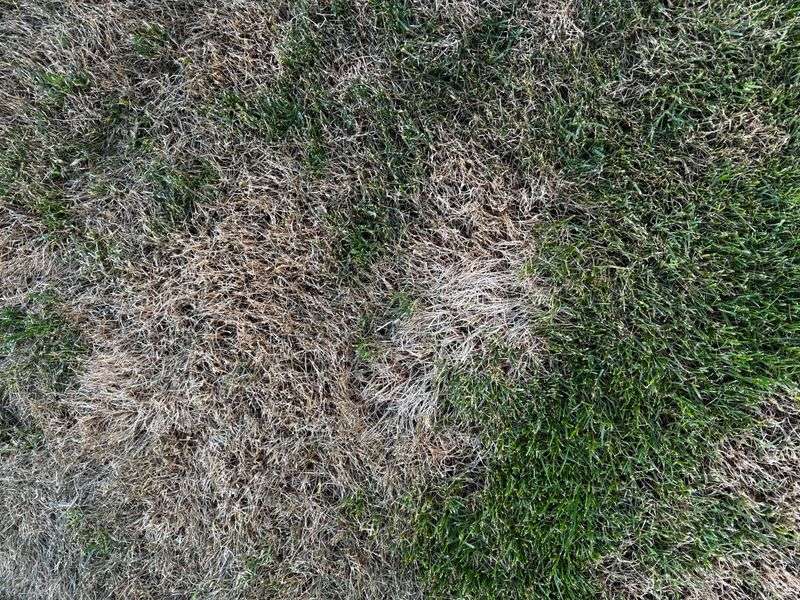
Applying fertilizer before grass fully wakes from dormancy tricks the plant into growing blades when it should be building roots. This creates a lawn that looks okay on the surface but lacks the foundation needed to survive Arizona heat.
Shallow root systems cannot reach water deep in the soil, making your grass dependent on frequent watering all summer long.
Strong roots develop when grass focuses energy downward during the early growing season. Premature fertilization shifts that energy upward instead, producing tender green blades that wilt quickly when temperatures climb.
Arizona lawns need deep roots to handle our intense summer conditions, and early feeding sabotages that essential development.
Your Arizona Garden Changes Every Week. Your Plan Should Too.
Gardening in Arizona changes quickly throughout the season. Every Friday you’ll receive a simple weekly plan showing exactly what to plant, prune, fertilize, harvest, and protect so you never miss the right timing.
Bermuda grass naturally wants to establish roots first, then produce thick top growth once temperatures stay consistently warm. Forcing early blade production with nitrogen fertilizer goes against this natural pattern.
The result is grass that needs constant attention and extra water just to survive instead of thriving on its own.
Waiting until soil and air temperatures stabilize allows roots to grow strong before blades take off. This creates a self-sufficient lawn that handles heat stress much better throughout summer.
Arizona homeowners who resist the urge to fertilize early end up with healthier grass that requires less maintenance overall.
The few extra weeks of patience in spring make a massive difference in how well your lawn performs during the challenging months ahead.
3. Cold Nights Can Damage Newly Stimulated Grass
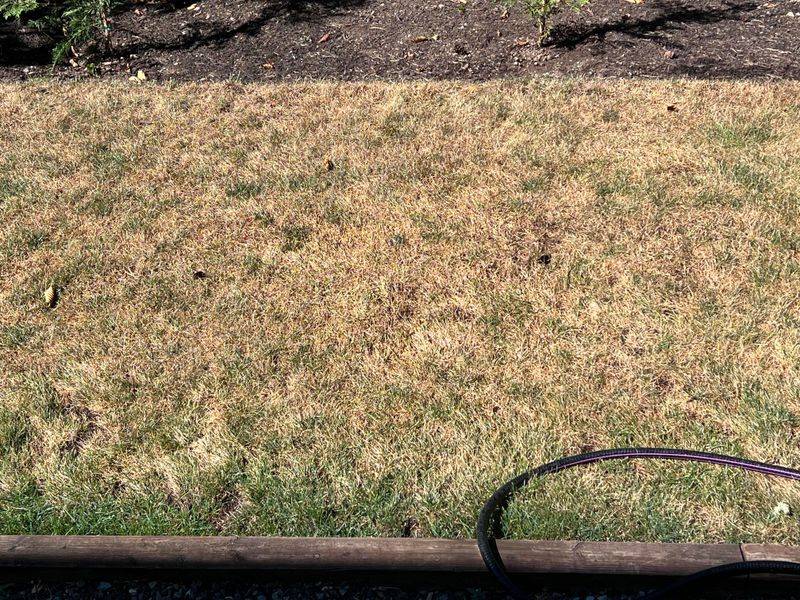
Arizona nights stay surprisingly cold well into spring, even when daytime temperatures feel comfortable. Fertilizer stimulates grass to produce new growth that is extremely tender and vulnerable to temperature swings.
When tender new blades get hit by a sudden cold dip, you often see tip damage and patchy discoloration a day or two later.
New growth pushed out by early fertilization has not had time to toughen up before facing cold stress. The cell walls in young grass blades contain more water and less protective coating, making them easy targets for frost damage.
One cold night after fertilizing can undo weeks of lawn care effort and leave bare or damaged patches across your yard.
Bermuda grass and other warm-season varieties common in Arizona are particularly sensitive to this problem. These grasses evolved in tropical climates and struggle when forced to grow during unstable spring weather.
Fertilizing too early essentially asks your lawn to do something it is not equipped to handle safely.
Waiting until nighttime temperatures stay consistently mild protects new growth from cold damage. Most Arizona locations reach this stability in mid to late April, though higher elevation areas need until May.
Checking the extended weather forecast before fertilizing helps you avoid the frustration of damaged grass.
Your lawn will grow much better when conditions support healthy development rather than fighting against temperature stress that weakens every new blade.
4. Nutrients Wash Away Before Grass Can Absorb Them
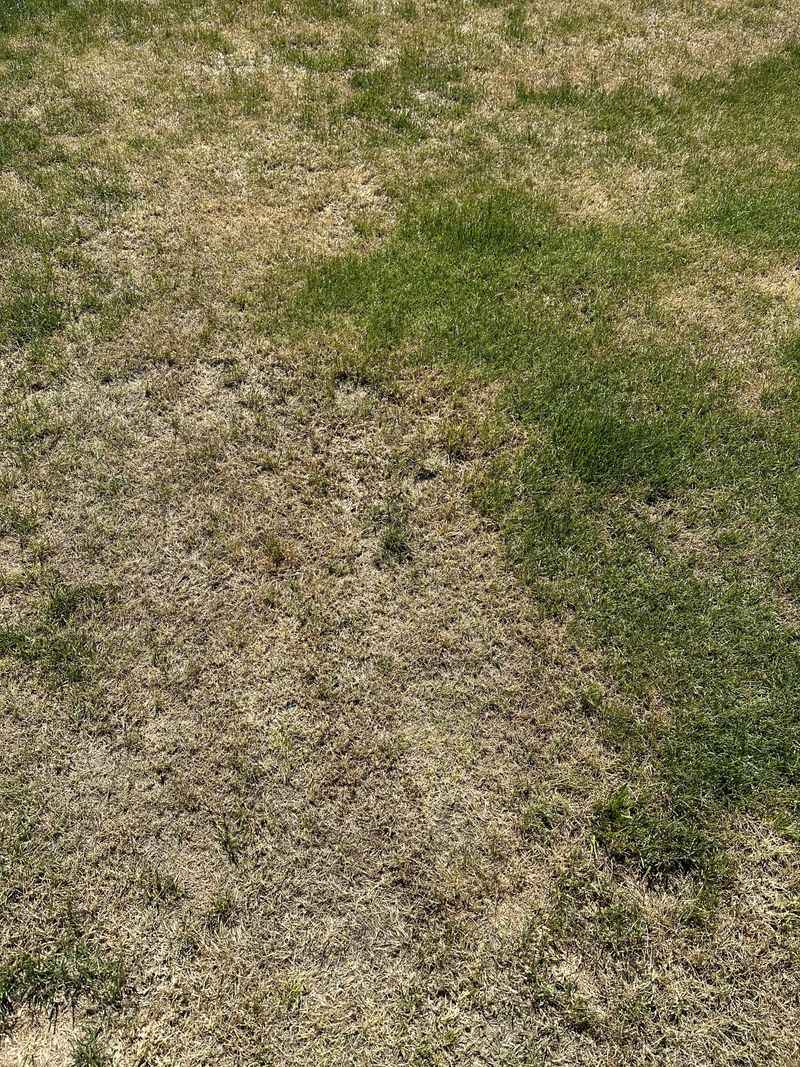
In Arizona, early fertilizer is most likely to get wasted through irrigation cycles and fast drainage before roots are ready to use it. Fertilizer applied when grass roots are not actively growing has nowhere to go except down the drain.
Rain or irrigation water carries those expensive nutrients right past dormant roots and into the groundwater below your lawn.
Nitrogen, the main ingredient in most lawn fertilizers, dissolves quickly in water and moves easily through soil. Without active roots to grab and use it, nitrogen leaches away within days of application.
You end up paying for fertilizer that feeds nothing except possibly weeds or plants in areas where the runoff collects.
Arizona soil types make this problem even worse in many neighborhoods. Sandy soils common throughout the Phoenix area drain very quickly, giving nutrients almost no time to stick around.
Clay soils in other regions can hold water on the surface, but dormant grass still cannot use the fertilizer floating in that water.
Timing your fertilization to match active root growth means nutrients get absorbed instead of wasted. Grass roots actively seek out and pull in nitrogen, phosphorus, and potassium when soil temperatures reach the right range.
Applying fertilizer during this active period gives you full value for your money.
Arizona homeowners can easily lose half their fertilizer investment to leaching when they apply products too early, making patience a money-saving strategy that also protects local water quality.
5. Early Feeding Encourages Weed Growth First
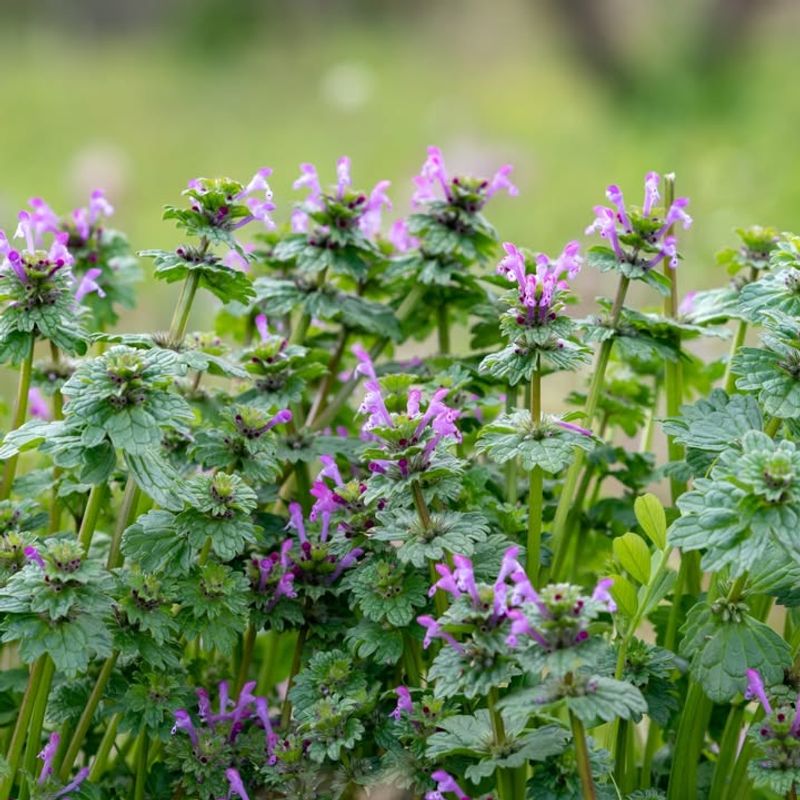
Weeds wake up earlier than desirable grass in Arizona lawns. Many common lawn weeds are winter annuals that actively grow during cool weather when Bermuda grass stays dormant.
Spreading fertilizer in early spring is basically feeding weeds a gourmet meal while your grass sleeps through breakfast.
Winter weeds like chickweed, henbit, and annual bluegrass love cool soil temperatures and jump on any available nitrogen. These plants have active root systems ready to grab nutrients long before warm-season grass comes out of dormancy.
Early fertilization gives weeds a huge competitive advantage that makes them harder to control later.
Once weeds establish themselves with the help of your fertilizer, they crowd out grass and steal water, sunlight, and soil space. Arizona lawns already face plenty of weed pressure without accidentally feeding the problem.
The thick weed growth that results from early fertilization requires extra herbicide applications and hand-pulling work that could have been avoided.
Waiting to fertilize until your grass actively grows means the grass gets first access to nutrients. Bermuda and other warm-season grasses grow vigorously once temperatures rise, quickly filling in bare spots and choking out weeds naturally.
This timing strategy helps your lawn outcompete weeds instead of helping weeds outcompete your lawn.
Arizona homeowners who delay fertilization until grass is actively growing typically see fewer weed problems throughout the entire growing season, saving time and money on weed control products.
6. Dormant Lawns Respond Poorly To Extra Nitrogen
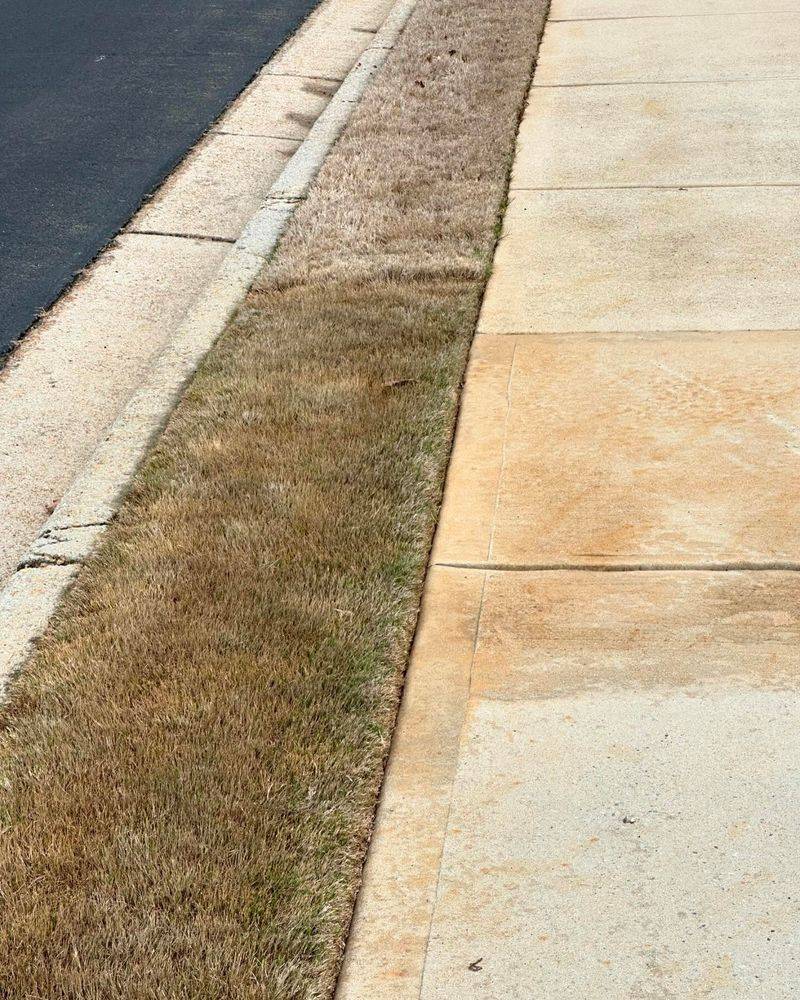
Dormant grass is essentially asleep and cannot process the nitrogen you spread across your lawn. Bermuda grass turns brown and stops growing when temperatures drop, entering a rest period that protects it from cold damage.
Adding fertilizer during dormancy is like trying to feed someone who is sound asleep.
Nitrogen requires active plant metabolism to be converted into proteins and other compounds grass needs for growth. Dormant grass has shut down most metabolic processes to conserve energy during unfavorable conditions.
The fertilizer you apply just sits unused, subject to breakdown by soil bacteria or loss through leaching and volatilization.
Some nitrogen fertilizers can even create problems when applied to dormant lawns. Fast-release nitrogen products can burn grass crowns when the plant cannot actively process the nutrients.
This damage might not show up until the grass tries to green up later, resulting in thin or patchy areas that take months to recover.
Arizona lawns give clear signals when they are ready for fertilizer by starting to green up naturally. Bermuda grass shows new green growth at the base of plants when soil temperatures reach the right level.
This natural green-up is your best indicator that roots are active and ready to use fertilizer effectively. Matching your fertilization schedule to what your grass is actually doing rather than following a calendar date ensures you get results worth the investment.
7. Timing Matters More Than Product In Arizona Lawns
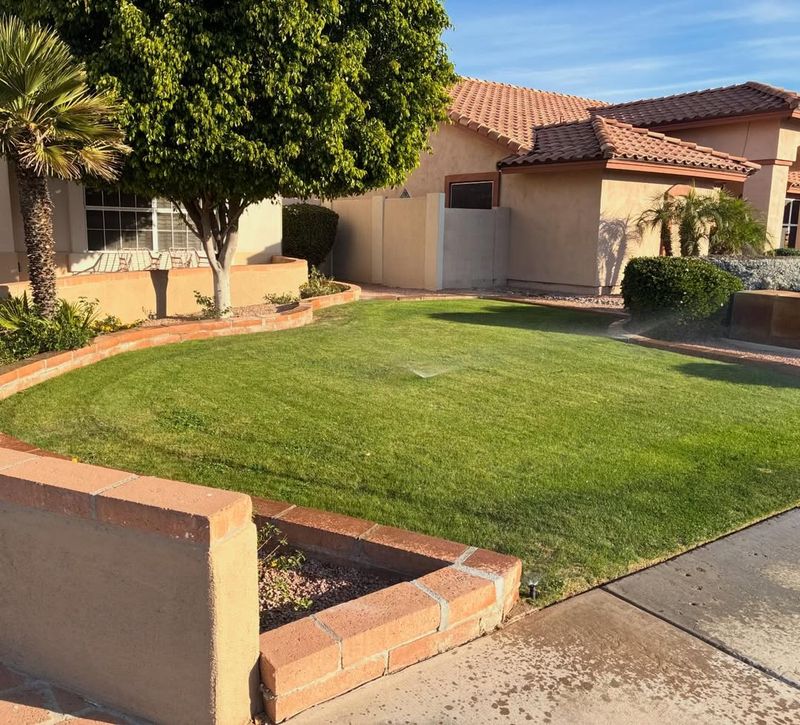
Arizona lawn care success depends more on when you do things than what products you use. Even the most expensive premium fertilizer fails to deliver results when applied at the wrong time.
Understanding your local climate and grass type helps you make timing decisions that maximize every dollar spent on lawn care.
Bermuda grass needs soil temperatures consistently above 65 degrees before fertilization makes sense. This typically happens in mid-April through early May across most Arizona valleys, though elevation and microclimate affect exact timing.
Taking soil temperature readings in your specific yard gives you personalized information that generic calendar dates cannot provide.
Waiting for proper timing means your grass can actually use the fertilizer you apply. Active roots pull nutrients into the plant quickly, fueling the thick green growth everyone wants from their lawn.
This efficient nutrient use reduces waste, protects water quality, and saves money compared to repeated applications that mostly wash away or feed weeds.
Many Arizona homeowners see better results with one properly timed fertilization than three applications made too early. Professional lawn services in the state schedule fertilization based on soil temperature and grass growth stage rather than fixed dates.
Following this approach at home gives you professional-quality results without the cost.
Patience during those early spring weeks when the urge to fertilize feels strong pays off with a healthier, more resilient lawn that handles Arizona summer heat with much less stress and maintenance.