False Spring In Ohio Tricks Gardeners Almost Every Year And Plants Pay The Price
One warm week in Ohio can fool even veteran gardeners. Snow fades, soil softens, buds swell, hope surges.
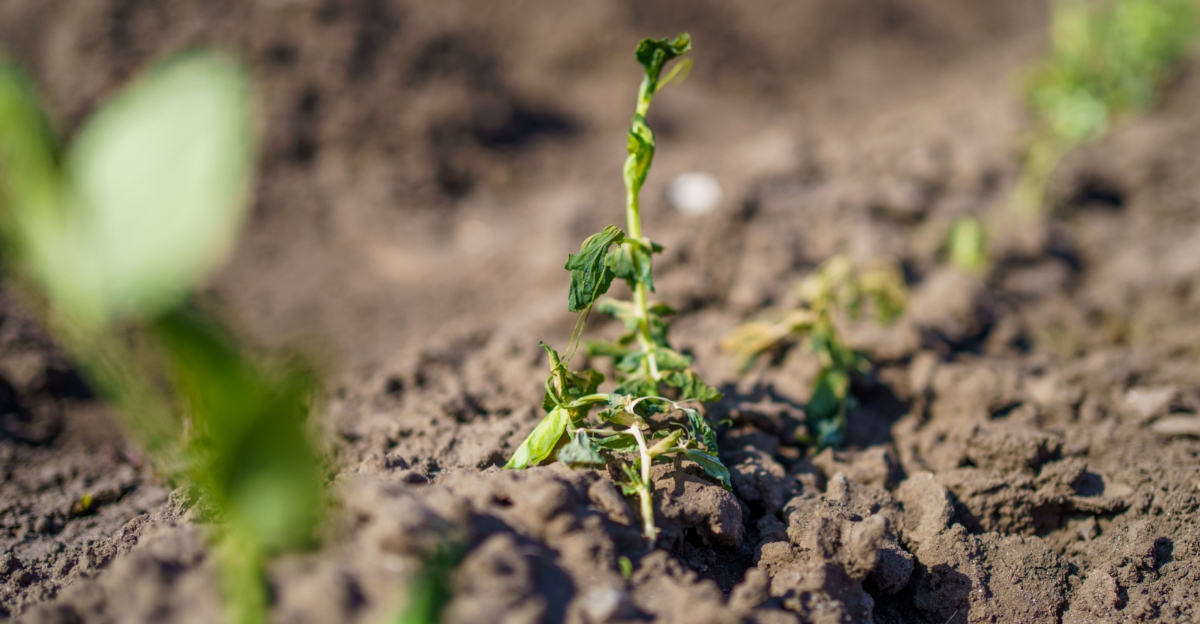
Then cold snaps return, ruthless and sudden, and tender growth turns black overnight. False Spring strikes across the state, a thief that steals color, fruit, and months of effort.
Many rush to plant after a sunny stretch, trust forecasts, and lose tomatoes, peaches, roses, and young plants to frost. Damage repeats so often that locals joke about four winters, yet losses stay real.
Roots suffer, blossoms drop, harvests shrink, and morale sinks. Smart growers watch soil temperature, track long range patterns, and protect beds with mulch, cloth, and patience.
Success in Ohio demands restraint, timing, and respect for a climate full of tricks. Learn the signs, delay risky moves, and guard each fragile shoot.
Your garden can beat False Spring and claim a strong, vibrant season for years to come ahead always.
1. Early Warm Spells Fool Ohio Gardeners
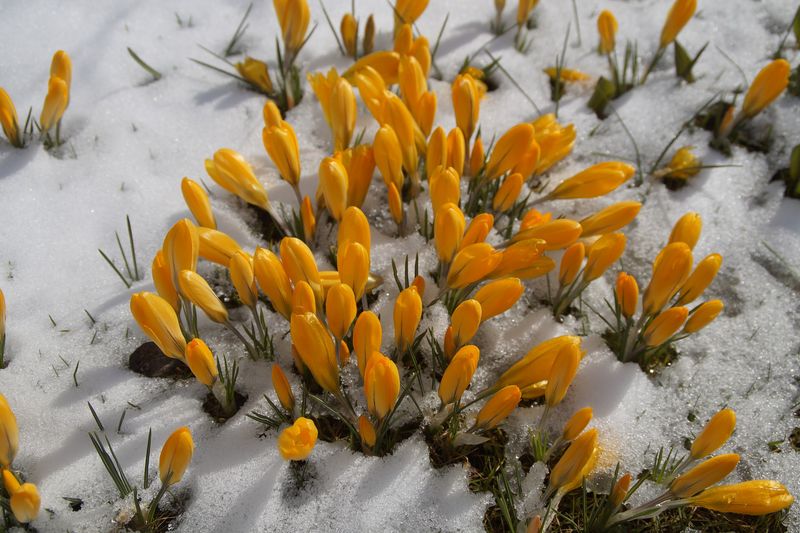
That first 65-degree day in late February feels like a gift from heaven after months of cold gray skies. You walk outside without a coat, feel the sun on your face, and immediately start planning your garden.
The garden centers know this feeling too, which is why they stock their shelves with tempting seedlings and seed packets right when these warm spells hit. The problem is that Ohio’s climate does not shift from winter to spring in a straight line.
Temperature swings of 30 or 40 degrees within a week are completely normal across the state during late winter and early spring. What feels like spring on Monday can turn back into winter by Friday.
Meteorologists can usually predict short warm spells, but late frost risk remains unpredictable, so warm weather still catches gardeners off guard many years. Your neighbor might be out planting pansies, local stores are advertising spring sales, and social media fills with photos of early blooms.
All these signals make it incredibly hard to remember that Ohio’s average last frost date falls somewhere between mid-April and early May, depending on where you live in the state. Patience becomes your most valuable gardening tool during these deceptive warm periods.
2. Late Frost Still Threatens Tender Plants
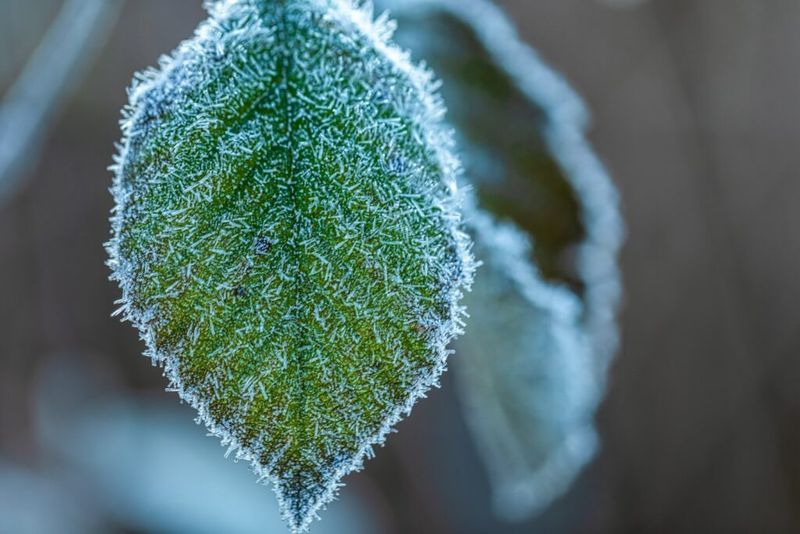
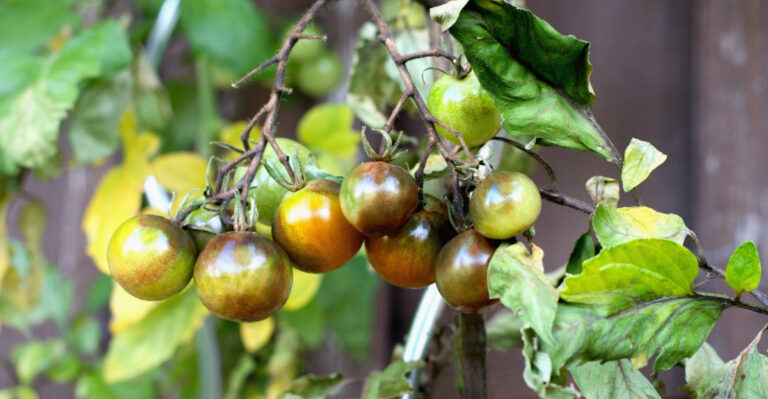
Tomatoes, peppers, basil, and other warm-season plants cannot survive even a light frost. Their cell walls rupture when ice crystals form inside their tender tissues, turning leaves black and stems mushy overnight.
Ohio gardeners who plant these tender crops during a false spring warm spell often wake up to devastating frost damage a week or two later. The last spring frost typically arrives in mid to late April across central Ohio, but northern counties near Lake Erie can see frost into early May.
Southern Ohio is usually safer after mid-April, though occasional late frosts can still occur. These dates represent averages, which means some years bring even later frosts that catch everyone by surprise.
Protecting plants from unexpected cold snaps requires covering them with sheets, blankets, or row covers before temperatures drop, but this only works if you are prepared and monitoring weather forecasts closely.
Your Ohio Garden Changes Every Week. Your Plan Should Too.
Gardening in Ohio changes quickly throughout the season. Every Friday you’ll receive a simple weekly plan showing exactly what to plant, prune, fertilize, harvest, and protect so you never miss the right timing.
Many gardeners simply are not ready for frost protection when they plant during false spring because the weather feels so mild.
The safest approach is waiting until your area’s average last frost date has passed before setting out tender transplants. Adding an extra week or two beyond that date provides even better insurance against late cold snaps that can wipe out your entire planting in one night.
3. Soil May Feel Warm But Roots Stay Cold
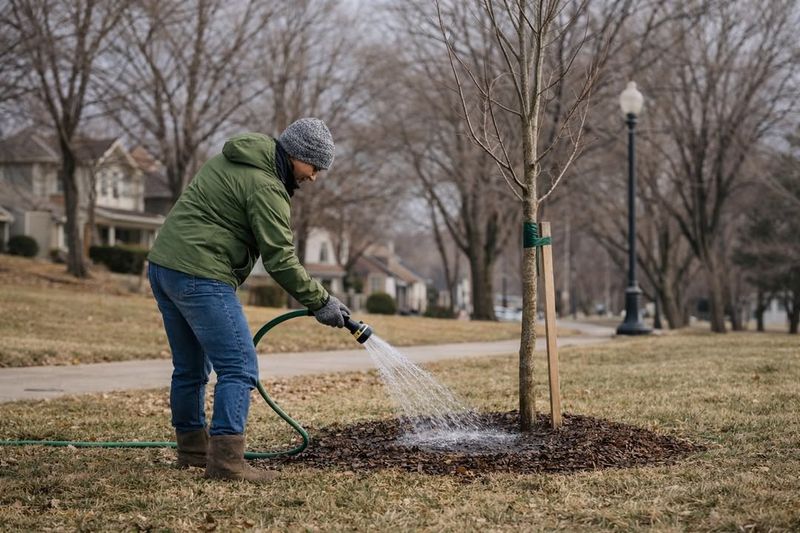
Sticking your hand into the garden soil on a warm March afternoon can be misleading. The top inch or two might feel pleasantly warm from the sun, but dig down four or five inches and you will find much colder soil that has not warmed up yet.
Most vegetable seeds and transplants need soil temperatures of at least 50 degrees Fahrenheit to germinate and grow properly, while warm-season crops like tomatoes, peppers, and squash prefer soil temperatures above 60 degrees.
Cold soil slows root development dramatically, leaving plants sitting in place without growing for weeks.
Seeds planted in cold soil often rot before they can sprout, wasting your money and effort. A simple soil thermometer costs just a few dollars and gives you accurate readings at planting depth, taking the guesswork out of timing.
Check soil temperature in the morning rather than afternoon for the most reliable reading, since afternoon sun can temporarily warm the surface.
Ohio State University Extension recommends waiting until soil temperatures stay consistently above 50 degrees for cool-season crops and 60 degrees for warm-season crops.
This usually happens several weeks after those early false spring warm spells pass through. Being patient and checking actual soil temperature instead of trusting how the air feels will lead to much better germination and stronger plant growth throughout the season.
4. Fruit Trees Bloom Too Early In Warm Weather
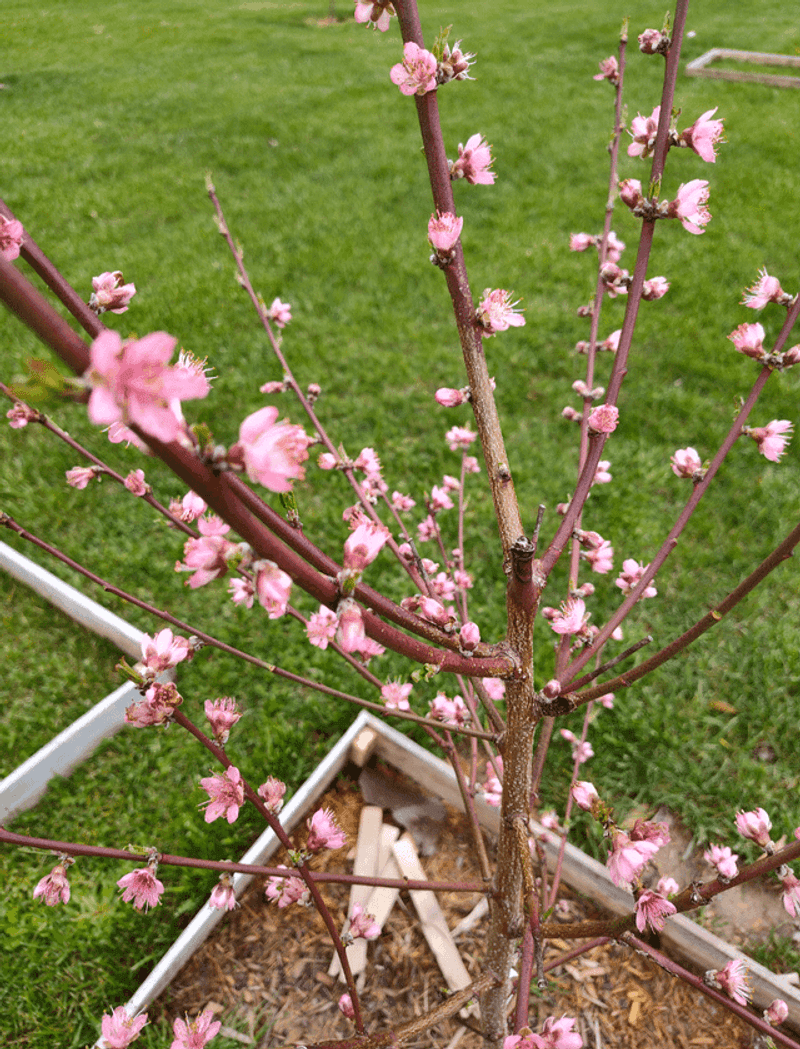
Apple, peach, cherry, and plum trees respond to accumulated warm days by breaking dormancy and pushing out their delicate flower buds. When false spring arrives with several consecutive warm days, these trees can bloom weeks earlier than normal.
The beautiful blossoms look spectacular and smell wonderful, but they represent the tree’s entire potential fruit crop for the year. A single hard frost after bloom can damage or destroy all those flowers, resulting in little or no fruit production that season.
Commercial orchards in Ohio lose significant income some years when false spring triggers early bloom followed by damaging late frosts. Home gardeners face the same disappointment when their fruit trees bloom gorgeously in March only to get hit by April frost.
There is not much you can do to prevent established fruit trees from responding to warm weather, since their bloom timing is controlled by temperature and genetics. Choosing late-blooming varieties when planting new fruit trees offers some protection against false spring damage.
Some gardeners try covering small trees with blankets or tarps on frost nights, but this only works for young trees and requires careful attention to weather forecasts.
Ohio’s unpredictable spring weather creates recurring risk for fruit production, and false spring years often increase fruit tree damage, though impacts vary by location and microclimate.
5. Perennials Wake Up Before Winter Ends
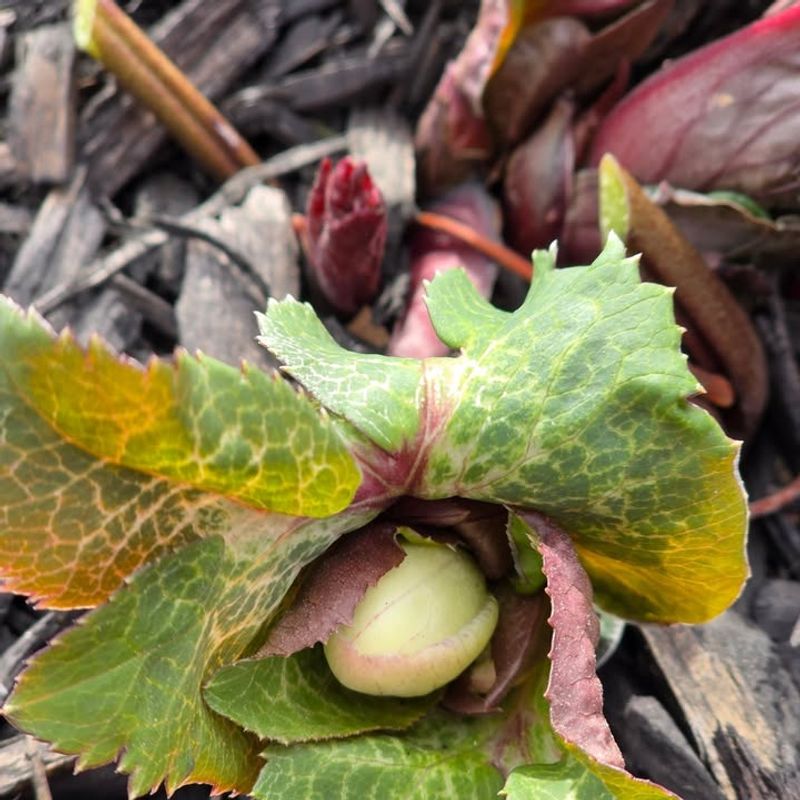
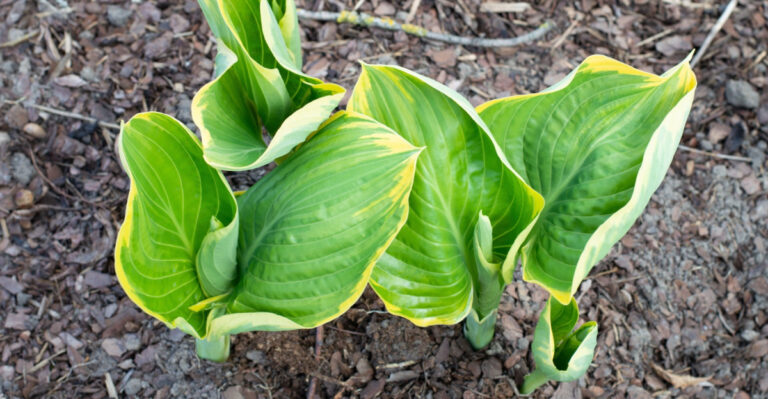
Hostas, daylilies, peonies, and other perennial plants store energy in their roots and respond to soil temperature by sending up new growth. During false spring, soil temperatures can rise enough to trigger this growth cycle even though winter is not truly over.
The tender new shoots that emerge look healthy and vigorous at first, full of promise for the coming season. Then temperatures plunge again, frost returns, and those early shoots get damaged or freeze back completely.
Most perennials will survive this setback and send up new growth later. Frost may delay flowering, but established plants usually recover fully.
Some perennials are more vulnerable than others, with hostas being particularly susceptible to frost damage on their early emerging leaves.
You cannot prevent perennials from responding to warm soil temperatures, but you can avoid cutting back old foliage too early in spring. Leaving withered stems and leaves in place until you are certain spring has truly arrived provides some insulation for emerging shoots.
Mulch also helps moderate soil temperature swings, keeping soil cooler during false spring warm spells and warmer during late cold snaps. Ohio gardeners who mulch their perennial beds in late fall often see less premature emergence during false spring periods.
The plants still wake up eventually, but the mulch layer delays the process by a week or two, which can make the difference between healthy growth and frost-damaged shoots.
6. Seedlings Suffer When Temperatures Drop Again
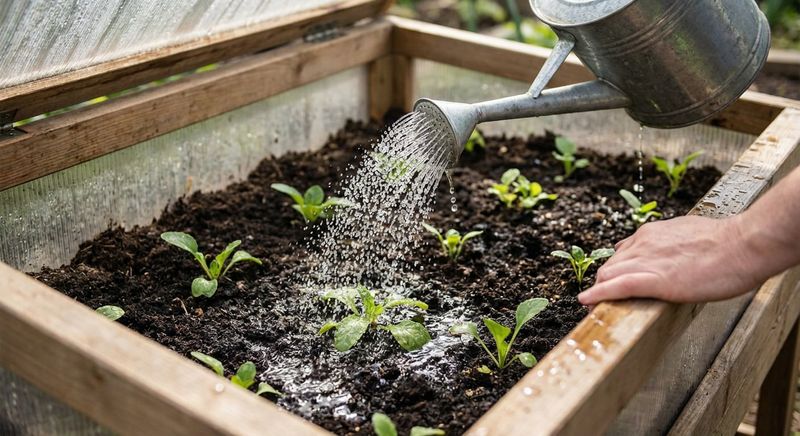
Starting seeds indoors gives you a head start on the growing season, but those seedlings need careful hardening off before transplanting into the garden. Hardening off means gradually exposing indoor-grown plants to outdoor conditions over a week or two.
False spring creates a dangerous temptation to rush this process or skip it entirely. The weather feels so mild that it seems safe to move seedlings outside right away.
Indoor-grown seedlings are tender and sensitive to cold, wind, and direct sun because they have spent their entire short lives in protected conditions. Moving them outside suddenly, even during warm weather, stresses them significantly.
When false spring warm weather disappears and temperatures drop again, these inadequately hardened seedlings suffer badly. Their growth stops, leaves may turn yellow or purple from cold stress, and some plants never fully recover.
Proper hardening off means setting seedlings outside for just an hour or two in a protected spot on the first day, then gradually increasing their outdoor time over ten to fourteen days. This process cannot be rushed safely, regardless of how warm the weather feels.
Ohio’s temperature swings make hardening off even more critical than in areas with more stable spring weather.
Seedlings that are properly hardened off can tolerate cooler temperatures and weather fluctuations much better than tender indoor-grown plants, giving them a strong advantage when Ohio spring weather turns unpredictable again.
7. Ohio Weather Swings Confuse Plant Growth
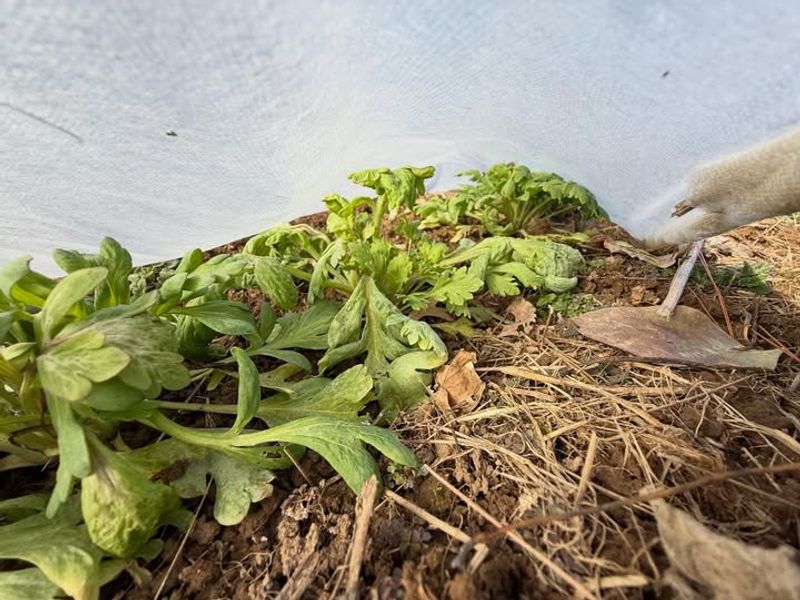
Plants evolved to respond to consistent seasonal temperature patterns, with winter gradually giving way to spring over several weeks. Ohio weather refuses to follow this pattern, instead jumping back and forth between winter and spring conditions throughout March and April.
A 70-degree afternoon might be followed by a 30-degree morning three days later. These wild swings stress plants and disrupt normal growth patterns because growth processes respond to temperature cues.
Warm weather triggers growth hormones and metabolic processes, while cold weather slows everything down again. Rapid back-and-forth changes stress plants significantly, using up stored energy without producing healthy growth.
Trees and shrubs handle these swings better than tender annuals and vegetables because woody plants have more stored reserves and tougher tissues. Perennials fall somewhere in between, depending on the species.
Gardeners cannot control Ohio weather patterns, but understanding how temperature swings affect plant growth helps explain why some springs produce better gardens than others.
Years with more stable spring temperatures, even if slightly cooler overall, often result in healthier plant growth than years with dramatic warm and cold swings.
False spring followed by hard freezes can cause significant plant stress and crop loss.
Paying attention to long-range weather forecasts and local climate patterns helps you make better decisions about when to plant and what protection your garden might need during unstable spring weather periods.
8. Waiting For Stable Spring Protects Your Garden
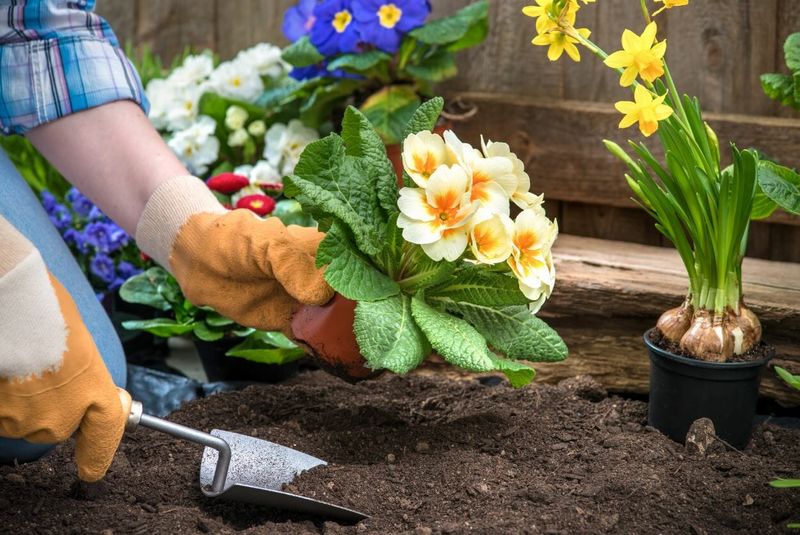
The hardest part of dealing with false spring is simply waiting when everything in you wants to start planting. Your hands itch to dig in the soil, garden centers are calling your name, and neighbors might already have plants in the ground.
Resisting these urges and waiting for truly stable spring weather protects your garden investment and saves you from disappointment. Plants that go into the ground at the proper time grow faster, establish better, and produce more than plants set out too early that sit stunted from cold stress.
Ohio State University Extension publishes planting calendars specific to different regions of the state, providing science-based guidance on safe planting dates for various crops. These recommendations are based on decades of weather data and plant research.
Following these guidelines rather than planting by how the weather feels on any particular day leads to much better results. You can use the extra waiting time productively by preparing garden beds, starting seeds indoors under lights, and planning your garden layout.
When stable spring finally arrives and soil temperatures stay consistently warm, your plants will reward your patience with vigorous growth and healthy development.
Ohio gardeners who resist false spring temptation year after year develop more successful gardens and waste less money replacing frost-damaged plants, making patience one of the most valuable skills any Midwest gardener can develop for long-term success.