These Native Plants Hold Up Through Georgia’s Late Winter Weather
Ever notice how some plants look unfazed by cold snaps while others struggle the moment winter lingers a little too long?
Late winter in Georgia has a way of testing everything in the yard. One week feels mild and hopeful, the next brings damp cold, wind, or surprise frost.
That back-and-forth reveals which plants are actually built for local conditions and which ones only look good when the weather cooperates.
Some native plants quietly keep their structure, color, or growth momentum even when the season feels stuck. They don’t need extra protection, constant checking, or perfect timing to stay steady.
These are the plants that handle Georgia’s late winter mood swings without falling apart. They hold their ground while waiting for true spring to settle in.
Georgia’s late winter doesn’t play fair, but some native plants are ready for it anyway. When the weather can’t make up its mind, these plants don’t miss a beat.
1. Eastern Redbud Handles Late Winter Swings With Ease
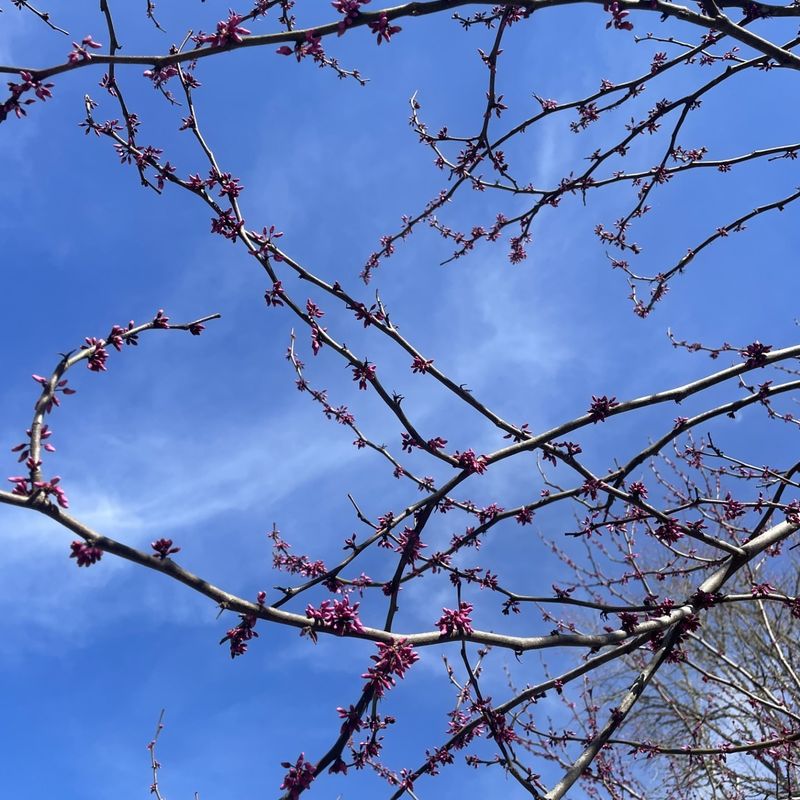
Bare branches don’t mean this tree is struggling. Eastern Redbud spends late winter storing energy in its wood, getting ready to explode with pink flowers before leaves even appear.
The tree’s dark bark and zigzag branch pattern create visual interest when most of the landscape looks bare.
Georgia gardeners love how this native handles temperature jumps without missing a beat. A warm week in February won’t trick it into blooming too early.
The flower buds stay tightly closed until the tree knows spring has truly arrived, protecting the future blooms from sudden freezes.
The wood stays flexible during cold weather, bending instead of breaking when ice builds up. This flexibility comes from the tree’s natural adaptation to Georgia’s unpredictable late winter storms.
Young branches can handle significant weight without snapping.
Plant it in partial shade or full sun, and it will establish deep roots that anchor it through winter winds. The root system continues growing even when air temperatures drop, making the tree stronger year after year.
By the time March arrives, your Eastern Redbud stands ready to put on its famous flower show, completely unfazed by whatever late winter threw at it.
2. Inkberry Holly Stays Strong Through Cold And Wet Soil
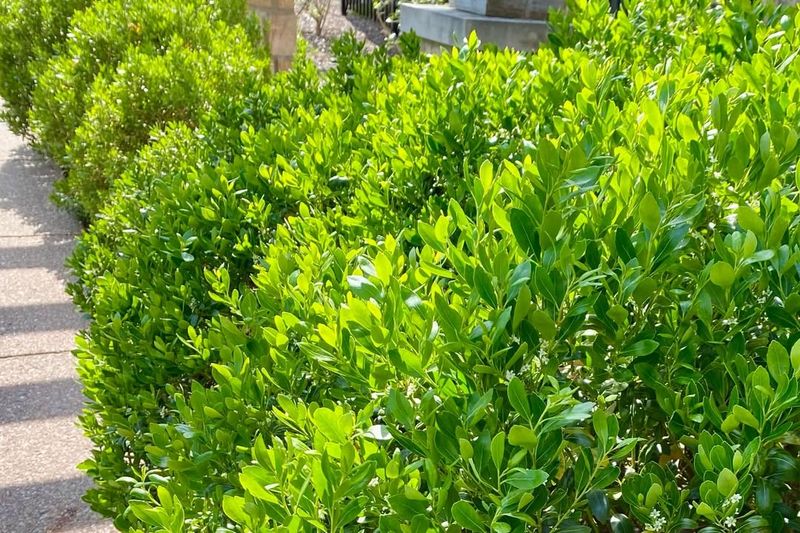
Wet, cold soil would rot the roots of many shrubs, but Inkberry Holly tolerates these conditions better than most natives. This evergreen native keeps its dark green leaves looking fresh all winter long, even when other plants turn brown and crispy.
The glossy foliage reflects whatever sunlight Georgia’s cloudy winter days provide.
Female plants produce small black berries that birds depend on when other food sources disappear under snow or ice. The berries cling to branches through the coldest snaps, providing reliable nutrition for wildlife.
Male plants nearby ensure good berry production, though they don’t produce fruit themselves.
The root system tolerates standing water better than almost any other Georgia native. If you have a low spot in your yard that stays soggy through winter, Inkberry Holly will thrive there while other plants struggle.
Your Georgia Garden Changes Every Week. Your Plan Should Too.
Gardening in Georgia changes quickly throughout the season. Every Friday you’ll receive a simple weekly plan showing exactly what to plant, prune, fertilize, harvest, and protect so you never miss the right timing.
The roots actually use that extra moisture to stay hydrated during dry cold spells.
Growth stays compact without much pruning, making this shrub perfect for foundation plantings that need to look good year-round. The dense branching pattern blocks wind and creates shelter for small animals during storms.
Come spring, new growth emerges bright green, contrasting beautifully with the older, darker leaves that made it through winter.
3. Virginia Sweetspire Keeps Its Structure Despite Cold Snaps
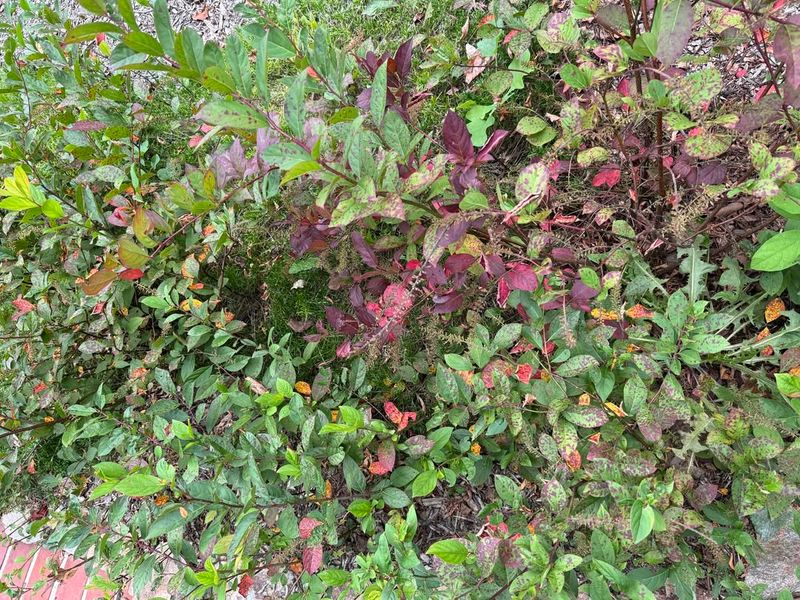
Most deciduous shrubs drop their leaves and look like sticks all winter. Virginia Sweetspire takes a different approach, holding onto burgundy-red fall foliage well into the cold months.
The colorful leaves gradually fade but stay attached, giving your Georgia garden interest when everything else looks bare.
The multi-stemmed structure creates a fountain shape that catches snow and ice beautifully. When a late winter storm hits, this native shrub transforms into a sculpture, with each arching branch outlined in white.
The stems themselves are strong enough to support the extra weight without bending to the ground.
Roots spread slowly to form colonies, stabilizing soil on slopes where erosion becomes a problem during winter rains. The underground network helps the plant share resources between stems, so even if one section gets damaged, the whole shrub stays healthy.
This survival strategy makes it incredibly reliable in Georgia’s variable climate.
By late February, tiny leaf buds start swelling along the stems, ready to burst open at the first sign of consistent warmth. The transition from winter to spring happens gradually, with old leaves finally dropping as new growth pushes them off.
This extended season of interest makes Virginia Sweetspire valuable for landscapes that need year-round appeal.
4. Oakleaf Hydrangea Pushes Through Late Winter Without Damage
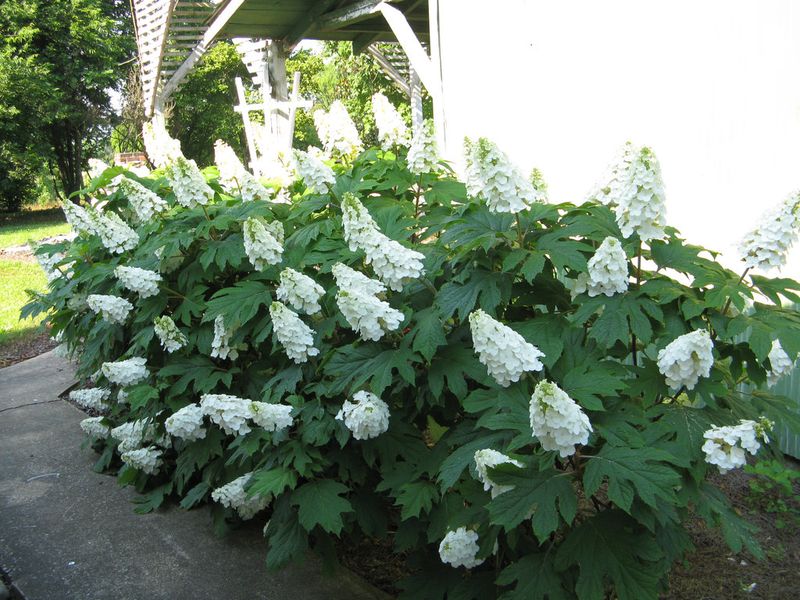
Oakleaf Hydrangea stands out in winter thanks to its peeling cinnamon-colored bark, which adds texture and visual interest even when the plant is dormant.
Dried flower heads from last summer persist through winter, turning from white to tan to burgundy as months pass. These cone-shaped clusters hold their form even through ice storms, adding vertical elements to the garden when most plants lie flat.
Birds sometimes pick at the old flowers looking for insects that sheltered there.
The large, oak-shaped leaves drop in fall, but a few often cling to lower branches through winter. These persistent leaves turn deep maroon, providing unexpected color during Georgia’s dreariest months.
The combination of colorful bark, dried flowers, and occasional leaves makes this native shrub a four-season performer.
Stems stay rigid and upright despite their hollow centers, thanks to thick cell walls that resist crushing under ice weight. The shrub’s natural mounding shape sheds precipitation efficiently, preventing buildup that could break branches.
When spring warmth arrives, new leaves emerge quickly, covering any minor tip damage that might have occurred during the coldest nights.
5. American Beautyberry Tolerates Bare Branches And Sudden Cold
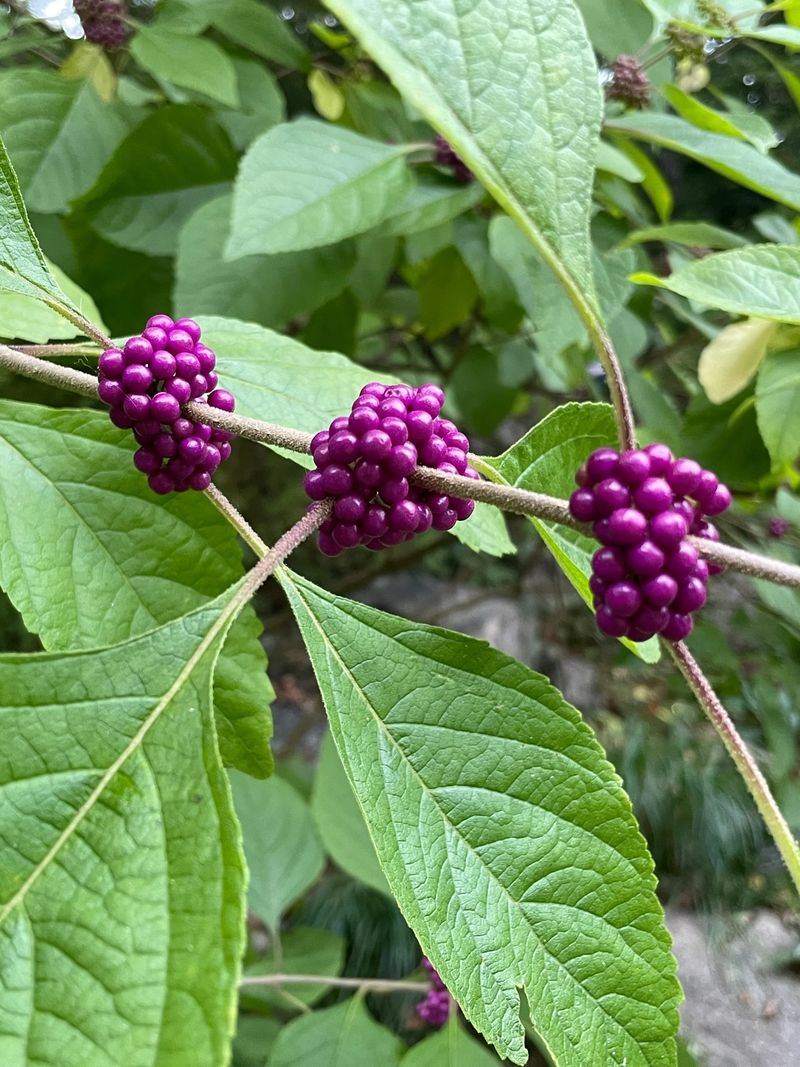
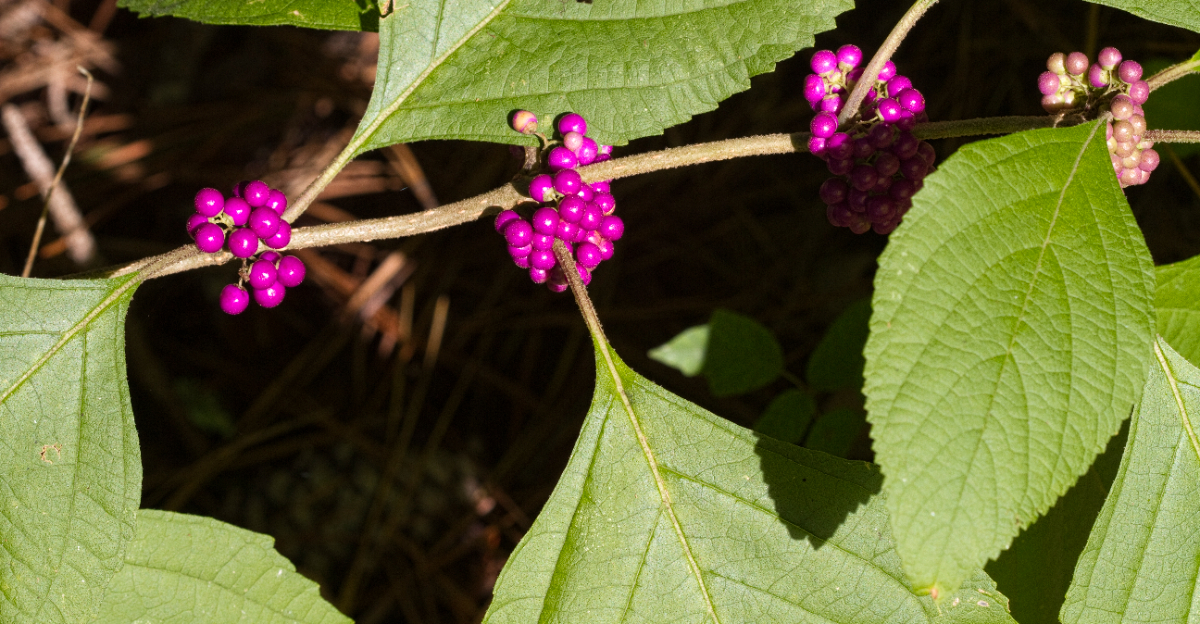
Purple berries glow like jewels against gray winter skies. American Beautyberry drops its leaves early in fall, but the distinctive berry clusters stay attached to bare branches well into winter.
These bright purple spheres arranged in tight rings around the stems create a unique visual effect that no other Georgia native can match.
Birds eventually strip the berries, but the process takes months because the fruit isn’t their first choice. This slow consumption means you get extended color in the garden, sometimes lasting until new growth starts in spring.
The arching branch structure remains attractive even after berries disappear.
The woody stems are surprisingly flexible, bending dramatically under ice without snapping. This flexibility comes from the plant’s natural growth in Georgia’s forests, where it evolved to handle falling branches and heavy snow loads.
The main trunk stays rooted firmly while outer branches sway with wind and weather.
Cold temperatures actually improve berry color, turning them from light purple to deep magenta as winter progresses. The color intensification happens because cold triggers pigment production in the fruit skin.
By February, any remaining berries look almost iridescent against the pale stems, creating a final burst of beauty before spring growth begins and transforms the shrub completely.
6. Switchgrass Rides Out Winter Before Spring Growth Begins
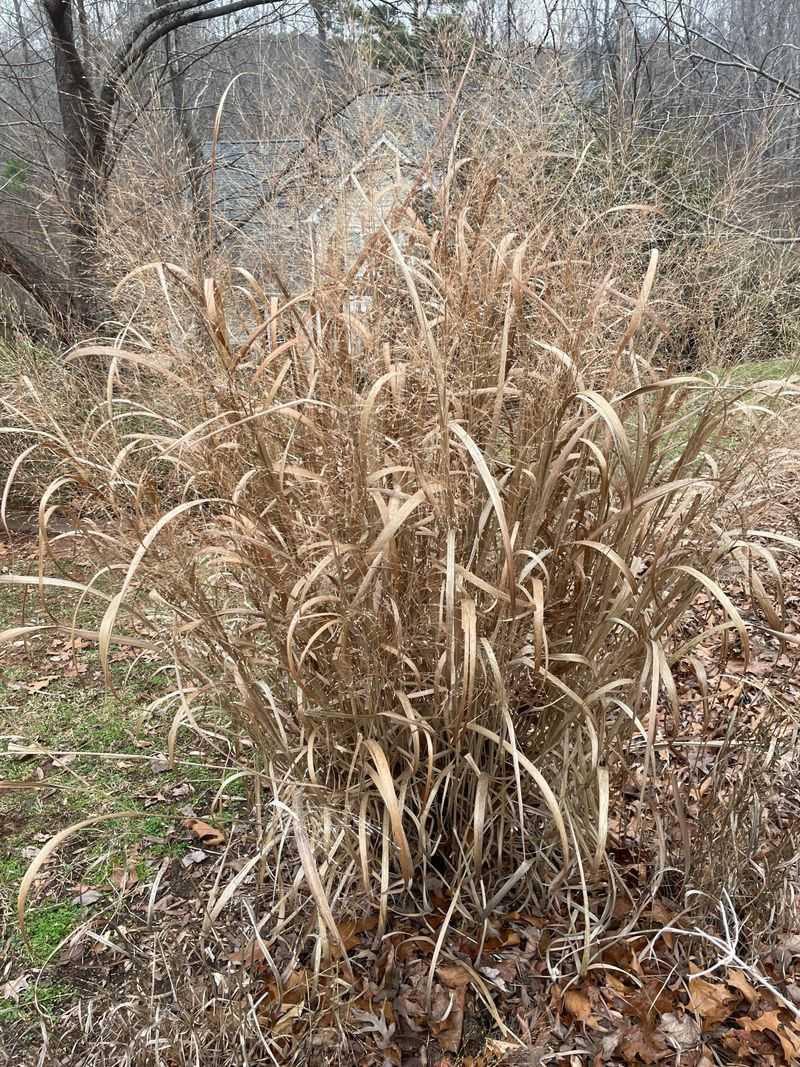
Golden tan blades stand tall when everything around them has collapsed. Switchgrass keeps its upright structure through the worst winter weather Georgia can deliver, with seed heads intact and stems rigid.
The dried foliage catches light differently throughout the day, glowing amber in morning sun and turning bronze by afternoon.
Snow and ice slide off the narrow blades instead of accumulating, so the grass never gets flattened by winter storms. This self-shedding ability comes from the smooth texture of the leaves and their vertical orientation.
Even after multiple freeze-thaw cycles, the clump maintains its fountain shape.
The root system goes dormant but stays alive several feet underground, completely protected from surface cold. These deep roots store energy that will fuel explosive spring growth, but they also prevent soil erosion during winter rains.
The dense root network holds Georgia clay in place on slopes where runoff would otherwise wash everything away.
Wildlife uses the dried clumps as shelter, with small mammals and ground birds hiding among the stems during cold snaps. The hollow stems trap air, creating insulated spaces that stay warmer than the surrounding environment.
By late February, you might notice green shoots emerging at the base while the old growth still stands, creating a beautiful transition that signals spring’s approach to your Georgia garden.
7. Native Azaleas Stay Hardy While Waiting For Spring Warmth
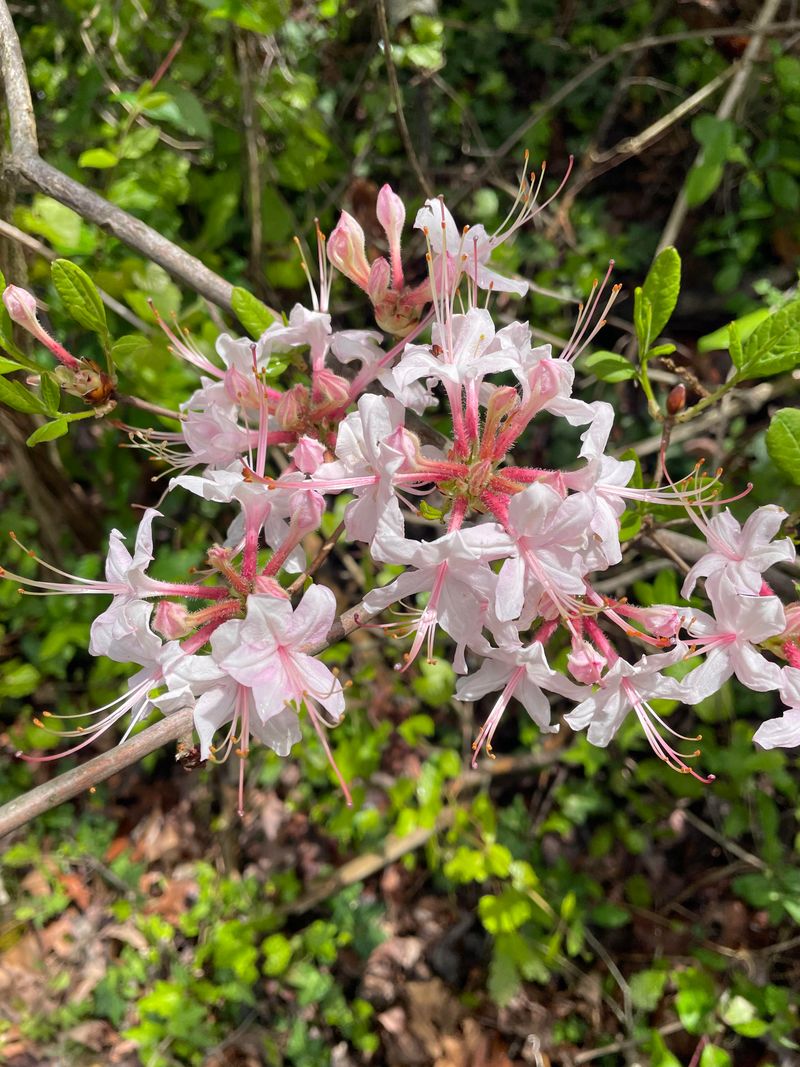
Flower buds form in fall and sit tight through months of cold. Native azaleas in Georgia don’t rush their bloom time, no matter how warm a February day might get.
Buds formed in fall remain dormant through winter and respond to a combination of chill exposure and warming temperatures before opening.
The twiggy branch structure looks delicate but proves incredibly tough when tested by ice storms. Thin stems bend in graceful arcs under weight, then spring back upright when the load melts.
This resilience comes from wood that’s both flexible and strong, evolved over thousands of years in Georgia’s variable climate.
Roots stay active in the leaf litter layer even when air temperatures drop below freezing. The decomposing leaves create warmth through microbial activity, keeping the soil slightly warmer than exposed ground nearby.
This natural mulch also provides nutrients that the roots absorb slowly throughout winter.
Different native azalea species bloom at different times from March through June, but they all use late winter the same way—resting and preparing. The energy stored in roots and stems during dormancy determines how spectacular the flower show will be.
When you see those tight buds clustered at branch tips in February, you’re looking at spring’s promise, wrapped up and waiting for exactly the right moment to deliver.
8. Black-Eyed Susan Overwinters Reliably In Georgia Soil
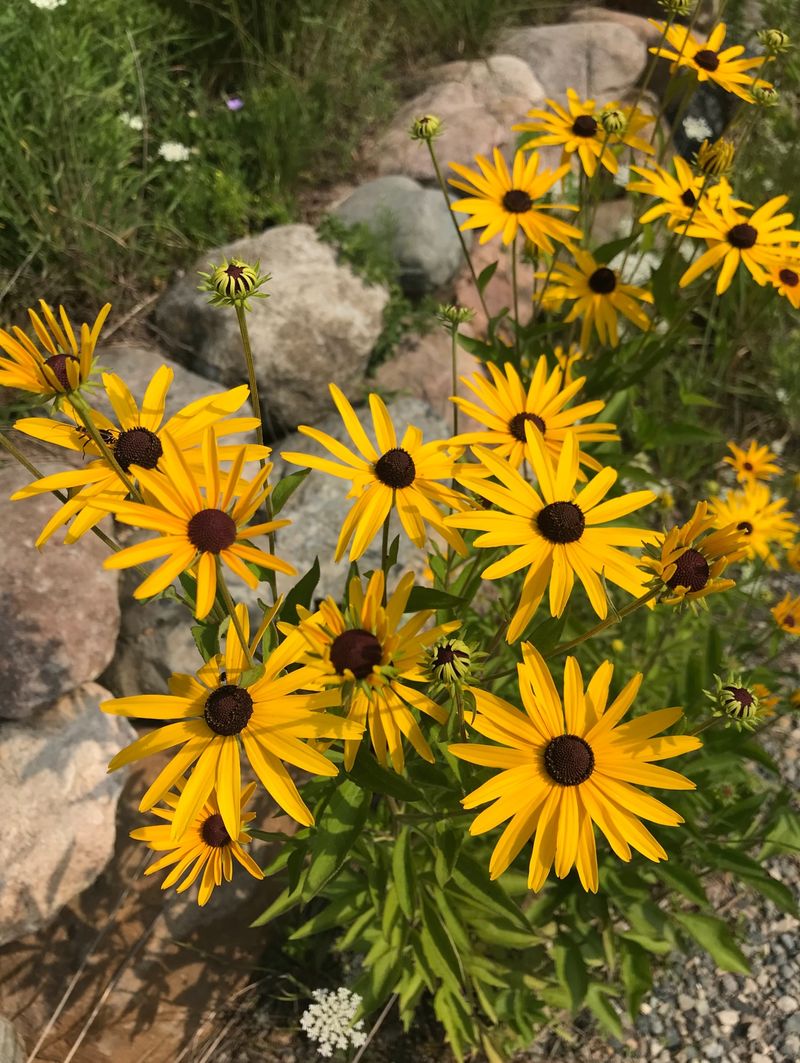
Green leaves hug the ground while dried flower stalks tower above. Black-Eyed Susan forms a low rosette of foliage that stays semi-evergreen through Georgia winters, even as the previous year’s flowering stems stand brown and tall.
This two-tier strategy protects the growing crown while maintaining vertical interest in the garden.
The dried seed heads feed finches and other small birds that overwinter in Georgia. These birds cling to the sturdy stalks, pulling seeds from the dark centers that gave the plant its common name.
Watching this activity adds life to the winter garden while the plants rest.
The basal leaves continue photosynthesizing on warm winter days, storing energy in the roots for spring growth. This ability to stay partially active during mild spells gives Black-Eyed Susan a head start when growing season arrives.
The roots expand slowly underground, preparing to send up multiple flowering stems.
Cold tolerance varies by individual plant, with some rosettes staying bright green while others turn burgundy. The color change indicates stress response, but it doesn’t mean the plant is struggling—it’s just producing protective pigments.
Both green and burgundy rosettes will produce the same cheerful yellow flowers come summer, proving that different strategies can lead to the same successful outcome in Georgia’s unpredictable late winter weather.
9. Coral Honeysuckle Holds Up Well Until Spring Takes Over
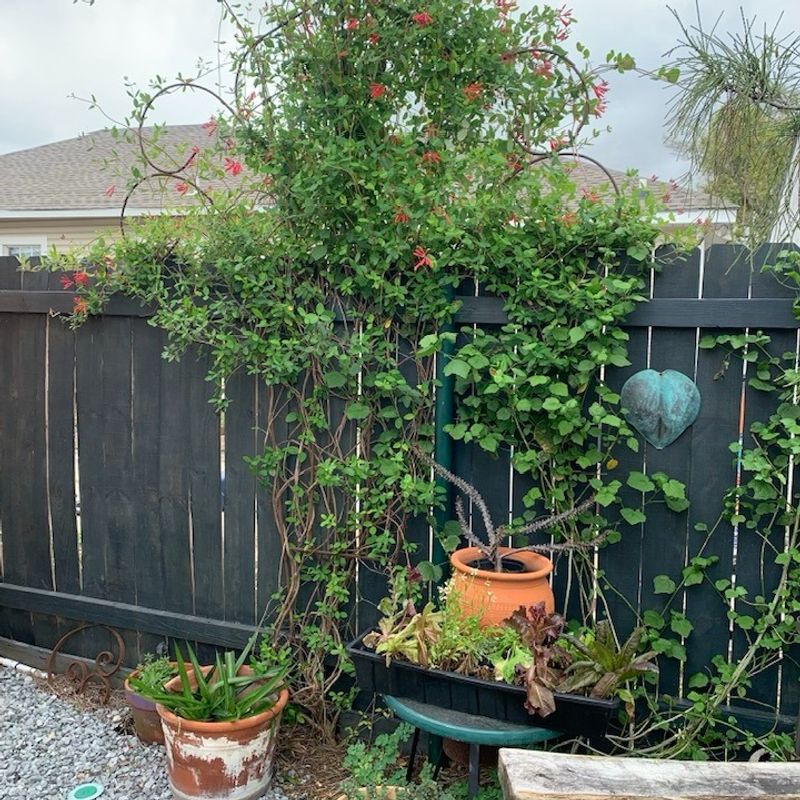
Evergreen leaves stay attached in south Georgia but may drop in colder northern counties. Coral Honeysuckle adapts its strategy based on local conditions, keeping foliage when temperatures allow but going dormant when necessary.
Either way, the woody vines maintain their structure, wrapped around trellises or climbing into trees.
The stems contain enough moisture to stay flexible through freeze-thaw cycles that would crack more rigid vines. This internal water management prevents ice crystals from rupturing cell walls, keeping the vines alive even after nights below 20 degrees.
The twining growth pattern also provides some insulation, with multiple stem layers protecting inner portions.
Hummingbirds returning to Georgia in late winter sometimes find early flowers already open on this native vine. The tubular red blooms can appear as early as February during warm spells, providing crucial nectar when few other sources exist.
Even if a late freeze damages these early flowers, the vine produces more buds quickly.
The root system spreads horizontally just below the soil surface, anchoring the vine while allowing easy expansion. These shallow roots take advantage of winter rains, absorbing moisture that will support the heavy flowering period ahead.
By the time spring truly arrives, Coral Honeysuckle has already been growing for weeks, ready to cover its support structure with blooms that feed pollinators throughout the season.