Front Yard Changes You Can Make With Arizona Native Plants This February
Have you looked at your front yard lately and thought it should look better by now, but you’re not sure what to change without making things worse? February in Arizona creates that exact tension.
The days feel lighter, afternoons warm up, and the yard starts hinting at movement, even though summer is still far away.
This is the moment when small, smart changes matter more than big projects. Front yards don’t need to be rebuilt right now.
They need adjustments that fit the season and won’t backfire once heat arrives. Arizona native plants are already tuned to this timing.
They respond quietly to late winter conditions, settle in without stress, and set the yard up for what’s coming next.
February is when a front yard either starts working for you or keeps feeling unfinished. The right native plants make that shift feel natural, not forced, long before spring fully shows up.
1. Replace Thirsty Foundation Shrubs With Brittlebush
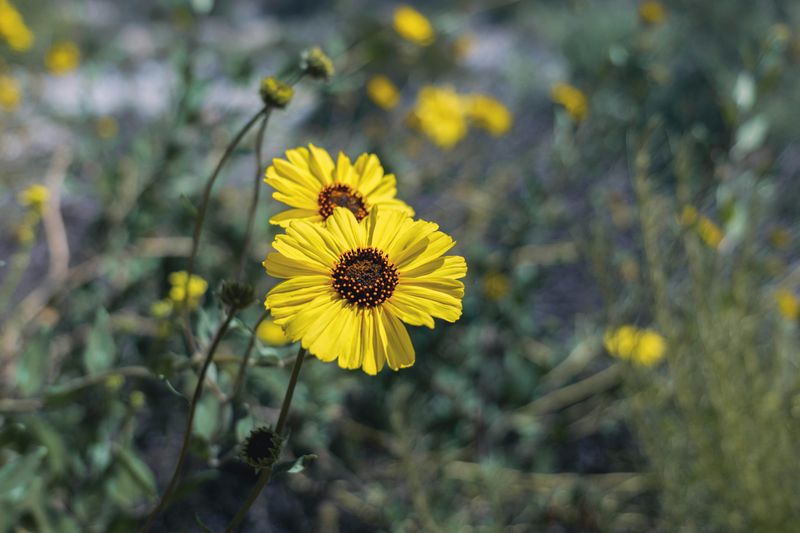
Foundation plantings typically drink gallons of water weekly to maintain that manicured look homeowners expect. Brittlebush flips that script entirely, thriving on rainfall alone once its roots spread through Arizona soil.
The silvery-gray foliage creates a soft backdrop against stucco or stone exteriors, reflecting heat rather than absorbing it like darker plants would.
February planting gives Brittlebush roots eight weeks to establish before temperatures climb. You’ll notice the cheerful yellow daisy-like flowers appearing in late winter, continuing through spring in brilliant displays.
These blooms attract native bees and butterflies, bringing movement and life right outside your windows.
Space plants three to four feet apart for full coverage within two growing seasons. Brittlebush naturally forms rounded mounds reaching three feet tall and four feet wide, so proper spacing prevents overcrowding.
Remove any existing shrubs completely, including root balls, before installing your new natives.
Water deeply once or twice weekly for the first month, allowing soil to dry between waterings. By summer, established Brittlebush needs only occasional deep watering during extended dry periods.
This dramatic reduction in water use shows up immediately on utility bills while maintaining curb appeal throughout Arizona’s challenging climate.
2. Add Early Color Near Walkways Using Desert Marigold
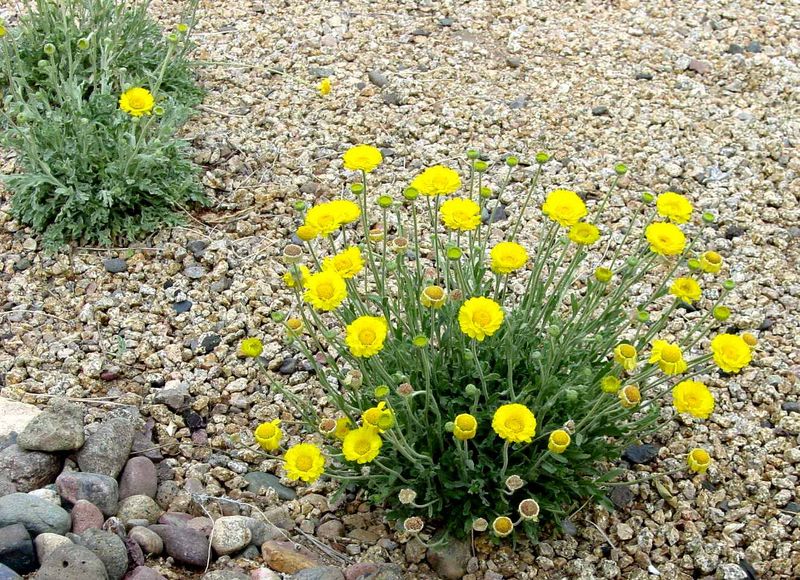
Walkway edges often feature annuals that require constant replacement and heavy watering schedules. Desert Marigold changes that pattern completely, delivering golden blooms from February straight through November in most Arizona regions.
The papery yellow petals seem to glow in morning and evening light, guiding visitors along paths with natural beauty.
Planting in February allows these perennials to bloom within weeks of installation. Desert Marigold seeds itself readily, creating natural drifts along pathways without becoming invasive or unmanageable.
The soft gray-green foliage stays low, typically eight to twelve inches tall, keeping sightlines open while adding texture.
Install plants twelve to eighteen inches apart in clusters of three or five for immediate impact. Irregular groupings look more natural than straight lines, mimicking how these wildflowers grow in Arizona’s open desert.
Prepare soil by mixing in a bit of decomposed granite for drainage if your native soil is heavy clay.
Your Arizona Garden Changes Every Week. Your Plan Should Too.
Gardening in Arizona changes quickly throughout the season. Every Friday you’ll receive a simple weekly plan showing exactly what to plant, prune, fertilize, harvest, and protect so you never miss the right timing.
Initial watering every three to four days helps roots establish quickly in cooler February temperatures. Reduce watering to weekly by April, then switch to occasional deep soaking during extreme heat.
Desert Marigold tolerates reflected heat from pavement beautifully, making it perfect for those challenging spots where other plants struggle near concrete walkways.
3. Soften Entry Areas By Planting Fairy Duster
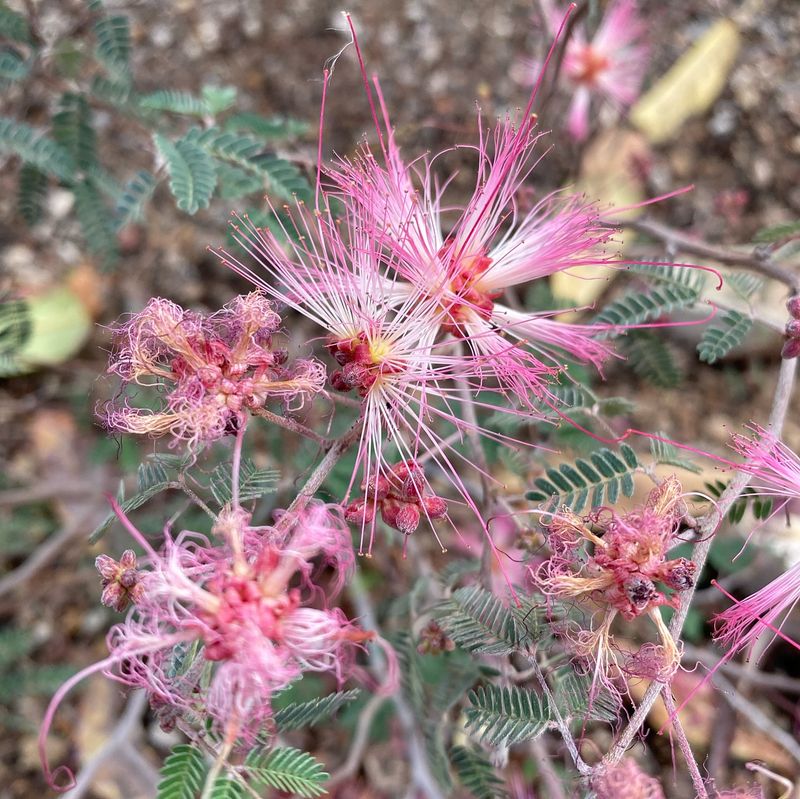
Entry areas set the tone for your entire landscape, yet many Arizona homeowners struggle with harsh, uninviting plantings. Fairy Duster brings an unexpected softness with fuzzy pink puffball flowers that appear like tiny fireworks throughout warm months.
The fine-textured foliage creates an airy, welcoming feeling that contrasts beautifully with architectural elements.
February represents ideal planting time for this Arizona native, allowing roots to develop before flowering begins in earnest. Fairy Duster typically reaches two to three feet in height and width, fitting perfectly in those awkward spaces flanking doorways.
The compound leaves stay small and delicate, never overwhelming entryways or blocking architectural details.
Choose a spot receiving full sun for maximum bloom production throughout the growing season. Fairy Duster tolerates partial shade but flowers less abundantly in reduced light conditions.
Dig planting holes twice as wide as root balls but no deeper, encouraging roots to spread laterally.
Water new plantings every four to five days through March, allowing soil to dry between applications. Hummingbirds discover Fairy Duster blooms quickly, often visiting multiple times daily during peak flowering periods.
By April, reduce watering to weekly, then transition to natural rainfall supplemented only during extended dry spells, creating a truly low-maintenance entry feature.
4. Bring Winter Hummingbirds Closer With Chuparosa
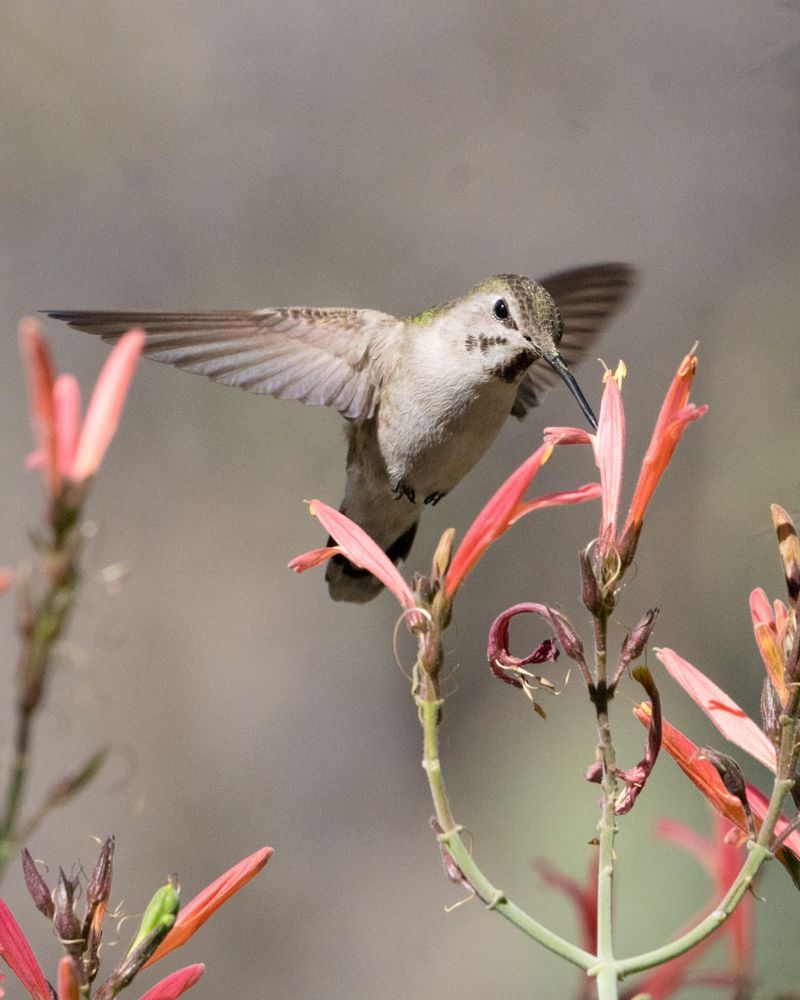
Winter months in Arizona bring migrating hummingbirds seeking reliable nectar sources throughout their journey. Chuparosa delivers exactly what these tiny travelers need, producing tubular red flowers from January through April when few other plants bloom.
The bright green stems remain photosynthetic year-round, giving this shrub an evergreen appearance even when leaves drop during drought.
Planting Chuparosa in February means you’ll catch the tail end of current blooms while establishing plants for next winter’s show. Position shrubs within view of windows where you can watch hummingbird activity throughout the day.
Mature plants reach four to six feet tall and equally wide, so allow adequate space away from walkways.
Full sun produces the heaviest flowering, though Chuparosa tolerates afternoon shade in hotter Arizona microclimates. Avoid planting too close to foundations where reflected heat might stress even these tough natives.
Mix native soil with a small amount of compost to improve initial establishment.
Deep watering once or twice weekly for the first six weeks, allowing soil to dry between waterings. Hummingbirds often discover new Chuparosa plantings within days, darting between flowers with remarkable precision.
Transition to weekly watering by late spring, then reduce to every two weeks during summer, increasing slightly when temperatures exceed 110 degrees across Arizona’s lower elevations.
5. Create Clean Desert Structure Using Creosote Bush
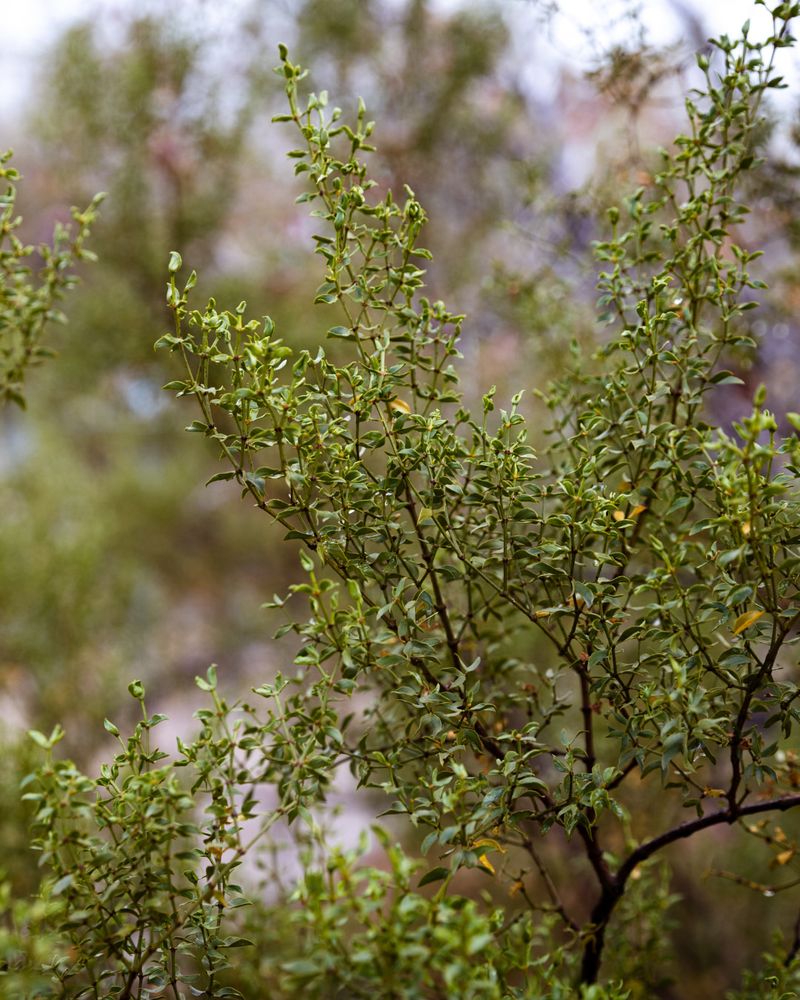
Landscape structure gives yards definition and purpose, preventing that scattered, unplanned appearance many properties develop over time.
Creosote Bush provides exactly this framework with upright branching and consistent olive-green foliage throughout the year.
The distinctive resinous scent after rain connects your landscape directly to Arizona’s wild desert character.
February planting allows Creosote to establish before spring growth begins in earnest across the Southwest. These shrubs naturally grow six to eight feet tall but accept pruning to maintain smaller sizes if needed.
The open branching pattern casts dappled shade rather than dense shadows, allowing underplanting with smaller natives.
Space Creosote bushes six to eight feet apart when creating screening or property borders. Closer spacing works for hedging, though natural form looks best with room to develop.
Prepare planting sites by ensuring excellent drainage, as Creosote tolerates drought but dislikes standing water.
Water deeply every five days for the first month, encouraging roots to reach downward into native soil. Small yellow flowers appear in spring, followed by fuzzy white seed balls that add winter interest.
Reduce watering to every two weeks by summer, then shift to monthly deep soaking once established, making Creosote among the most water-efficient choices for Arizona landscapes needing reliable structure.
6. Fill Bare Patches With Low-Effort Globe Mallow
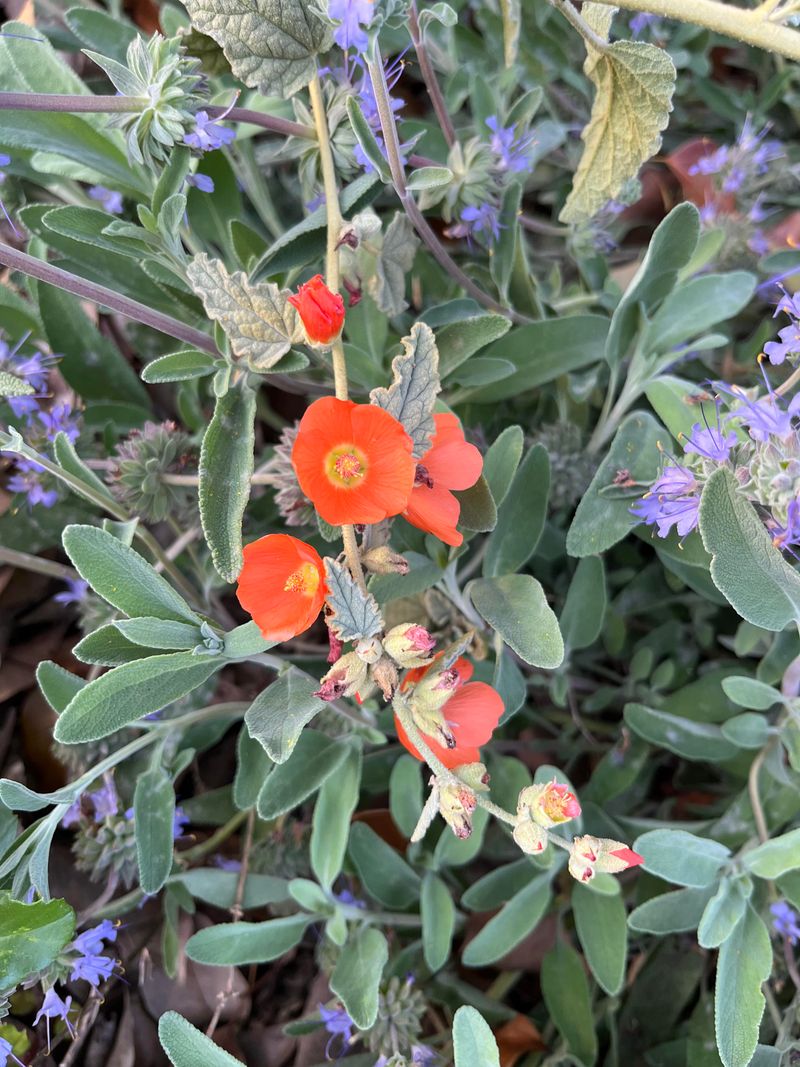
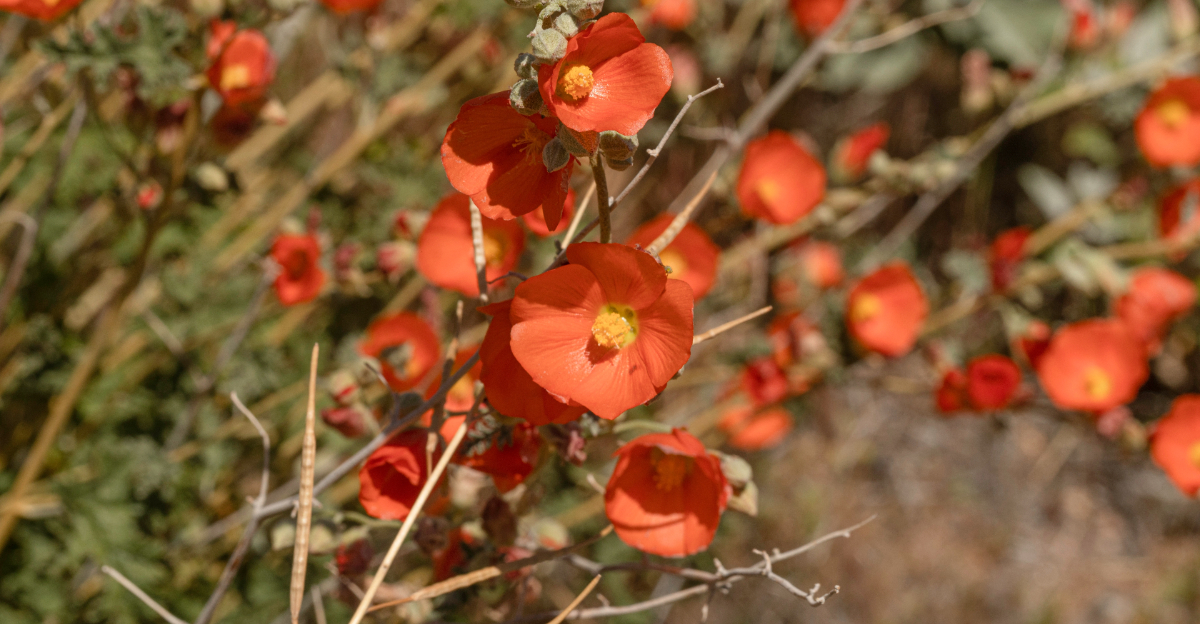
Bare patches plague Arizona front yards where previous plants failed or construction damaged soil. Globe Mallow solves these problem spots with minimal effort, spreading naturally to fill gaps with cheerful apricot-orange blooms.
The velvety gray-green leaves create soft mounds that look intentional rather than weedy, transforming eyesores into landscape features.
Planting in February gives Globe Mallow time to root before its spectacular spring flowering begins. These perennials bloom heavily from March through May, then continue sporadically through fall if given occasional water.
Heights range from one to three feet depending on variety and growing conditions across different Arizona regions.
Scatter plants eighteen to twenty-four inches apart in irregular drifts for natural appearance. Globe Mallow self-seeds moderately, gradually expanding coverage without becoming problematic like some aggressive spreaders.
Soil preparation is minimal since these natives thrive in poor, rocky ground that defeats other plants.
Water every four days initially, allowing soil to dry completely between applications to prevent root issues. Bees absolutely love Globe Mallow flowers, visiting constantly during bloom periods and providing valuable pollination services.
Transition to weekly watering once plants show new growth, then reduce to every two weeks by summer, eventually relying primarily on natural rainfall for these extremely drought-tolerant Arizona natives.
7. Add Bold Texture Along Paths With Desert Spoon
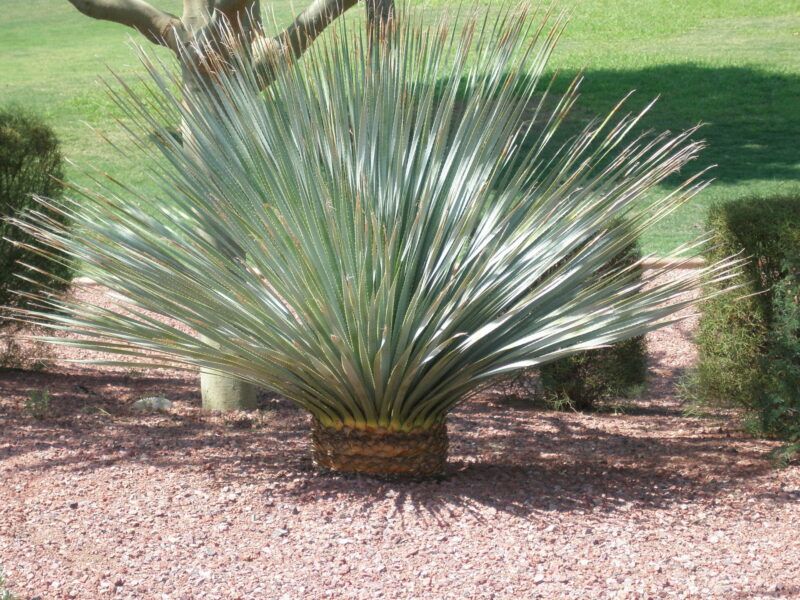
Pathways need visual anchors that draw the eye and create memorable landscape moments. Desert Spoon delivers dramatic impact with silvery-green leaves radiating from central crowns in perfect spherical forms.
The rigid, spine-edged foliage provides architectural interest year-round, maintaining crisp appearance through Arizona’s most extreme weather conditions.
February installation gives Desert Spoon roots cool months to establish before summer stress arrives. Mature specimens reach four feet tall and equally wide, commanding attention without requiring excessive space.
The flower stalks that emerge in late spring shoot upward ten to fifteen feet, creating spectacular vertical accents.
Position Desert Spoon at least three feet from pathway edges to prevent leaf tips from catching passersby. These plants work beautifully as corner accents or repeated at regular intervals along longer walkways.
Full sun produces the most compact, attractive growth with the best silver coloration.
Deep watering once weekly for the first two months encourages strong root development in Arizona’s mineral soils. Desert Spoon tolerates complete neglect once established but looks better with monthly deep watering during summer.
The spoon-shaped leaf bases that give this plant its common name create interesting texture even on fallen leaves, though cleanup is minimal since foliage persists for years before naturally shedding from the bottom upward.
8. Introduce Vertical Interest Early Using Penstemon
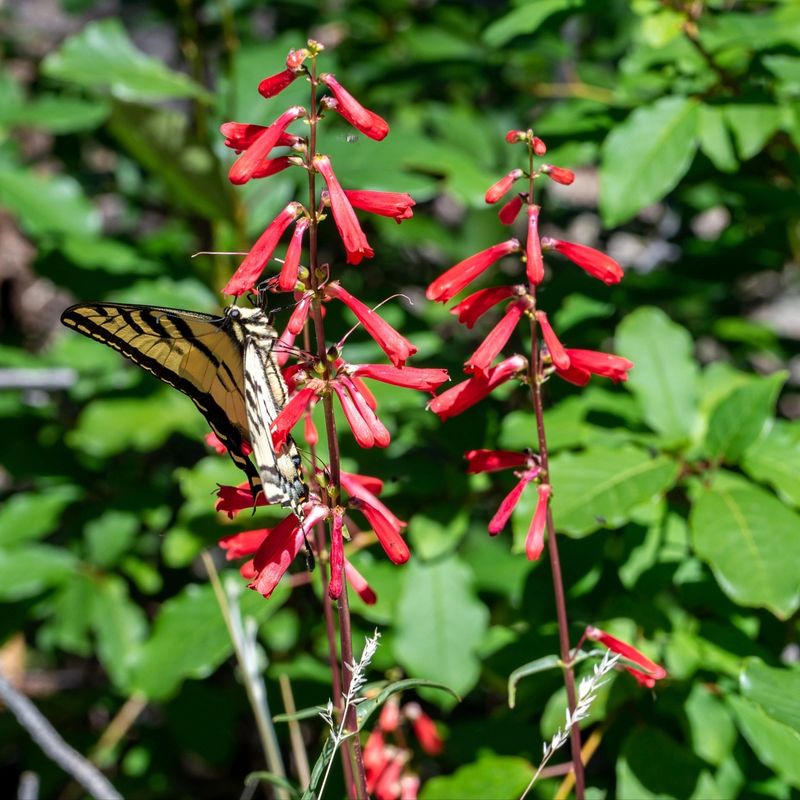
Most Arizona landscapes lack vertical elements that lift the eye and add dimension beyond horizontal planes. Penstemon species provide exactly this upward movement with flowering stalks rising one to four feet depending on variety.
The tubular blooms in shades of pink, red, purple, or blue attract hummingbirds while creating colorful exclamation points throughout your front yard.
Planting Penstemon in February allows root establishment before flowering begins in March or April across Arizona. These perennials often bloom twice annually, with lighter fall flowering following the spectacular spring show.
The basal foliage stays relatively low and tidy between bloom periods, requiring minimal maintenance.
Group three to five plants together for visual impact rather than scattering singles throughout the landscape. Space individual plants twelve to fifteen inches apart within groupings, allowing air circulation while creating full displays.
Choose varieties suited to your specific Arizona elevation, as some prefer cooler upland conditions while others thrive in low desert heat.
Water every three days initially, increasing frequency slightly if temperatures spike unexpectedly during establishment. Penstemon appreciates slightly more moisture than many desert natives but still requires excellent drainage to prevent crown rot.
Reduce to weekly watering once flowering begins, then every two weeks through summer, enjoying vertical color that most Arizona landscapes desperately need.
9. Anchor The Front Yard With Texas Ranger Shrubs
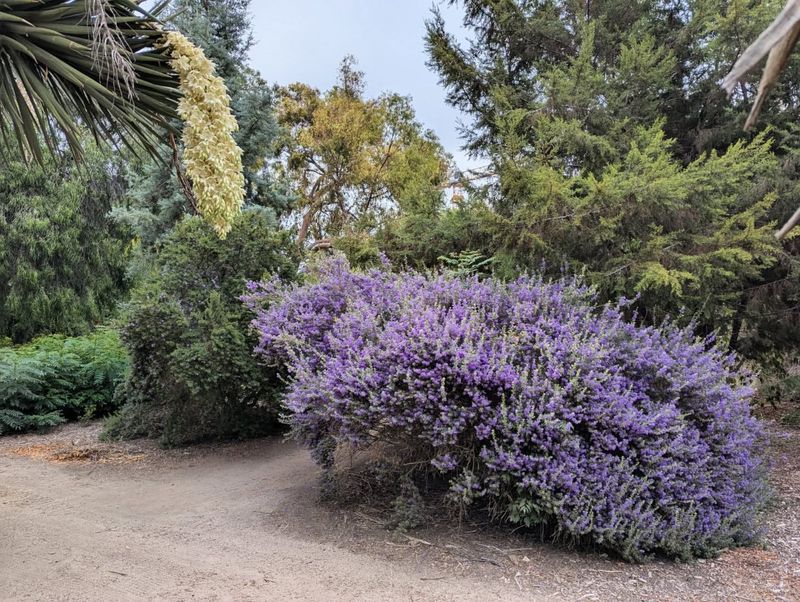
Texas Ranger is widely used in Arizona landscapes because it thrives in desert conditions, even though it is native to Texas and northern Mexico.
Anchor plants provide visual weight that grounds landscape designs and prevents that floating, disconnected feeling. Texas Ranger delivers this anchoring effect with substantial size, reaching four to six feet in height and width at maturity.
The silvery foliage creates a cool-toned backdrop that makes neighboring plants pop visually while the purple blooms add seasonal excitement.
February represents prime planting time for Texas Ranger across Arizona’s varied climate zones. These shrubs bloom most heavily following summer monsoon rains, though spring moisture can trigger earlier flowering.
The fine-textured leaves stay attractive year-round, maintaining landscape interest even between bloom cycles.
Position Texas Ranger at yard corners, flanking entries, or as repeated elements along property boundaries. Space plants five to six feet apart for eventual touching canopies that create screening without formal hedging.
Full sun produces the most compact growth and heaviest flowering throughout Arizona’s long growing season.
Water deeply once every 7–10 days during the first month, allowing the soil to dry fully between waterings. Texas Ranger tolerates extreme heat and mild winter cold, making it reliable across most low-desert and warm transitional areas of Arizona.
Transition to weekly watering by April, then reduce to every two weeks through summer, eventually watering only monthly once fully established, creating a truly sustainable anchor for your transformed front yard that celebrates Arizona’s native plant palette.