This Is How To Spot Cold Damage On Flower Buds This February In Ohio
Last February, I walked into my yard in Ohio and saw buds that looked fine at first glance. A week later, many never opened.
Cold damage had already done its work. You might face the same risk right now.
One hard freeze can decide the future of spring blooms long before warm weather arrives. Some gardeners ignore winter signs and hope for the best.
Stick with facts, close inspection, and early awareness. Flower buds often hide problems that only careful eyes notice in late winter.
Your garden may look quiet, yet subtle changes happen inside those small buds every day.
The outcome for spring color depends on what you recognize now, not later.
Take a fresh look at your plants this February and understand what winter may have already changed.
1. Cold Snaps Can Quietly Damage Flower Buds
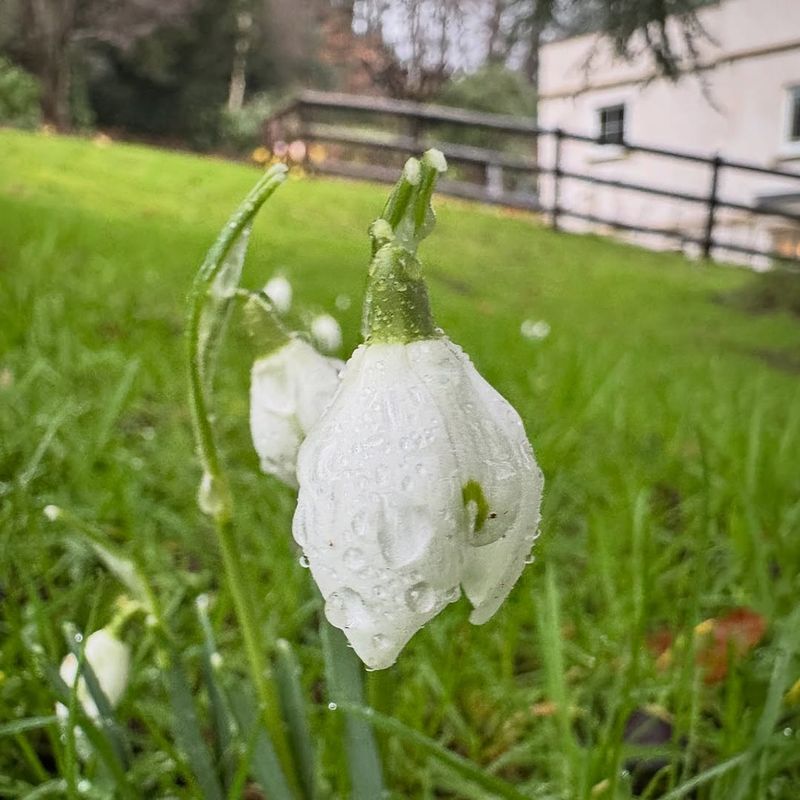
When temperatures drop suddenly after a stretch of mild weather, flower buds can suffer without showing obvious signs right away. The tissue inside freezes, cells rupture, and damage begins even though the outside of the bud still looks normal.
This silent injury is common across Ohio in February when warm spells trick plants into losing some of their cold hardiness.
Buds that were swelling or starting to break dormancy are especially vulnerable. Once they begin to wake up, their cold hardiness is reduced and they become more vulnerable to a return freeze.
The water inside their cells expands as it freezes, tearing delicate structures that are essential for healthy blooms.
Gardeners often miss this kind of damage because it happens inside the bud. From a distance, everything looks fine.
Only when you get close and start inspecting individual buds do the problems become clear. Checking your shrubs and trees regularly during February helps you catch injury early and adjust your expectations for spring flowering.
Pay special attention after sharp drops well below freezing, especially following a warm spell. Those are the conditions that cause the most harm to tender flower buds across Ohio gardens.
2. Brown Bud Centers Often Signal Freeze Injury
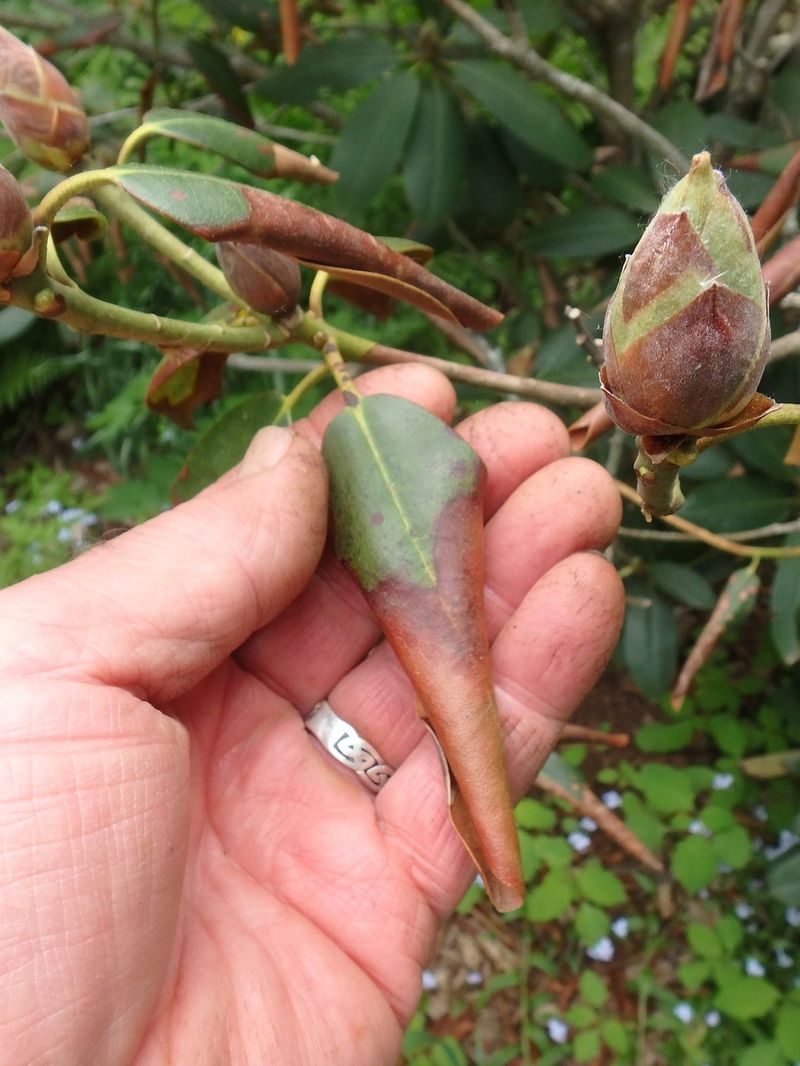
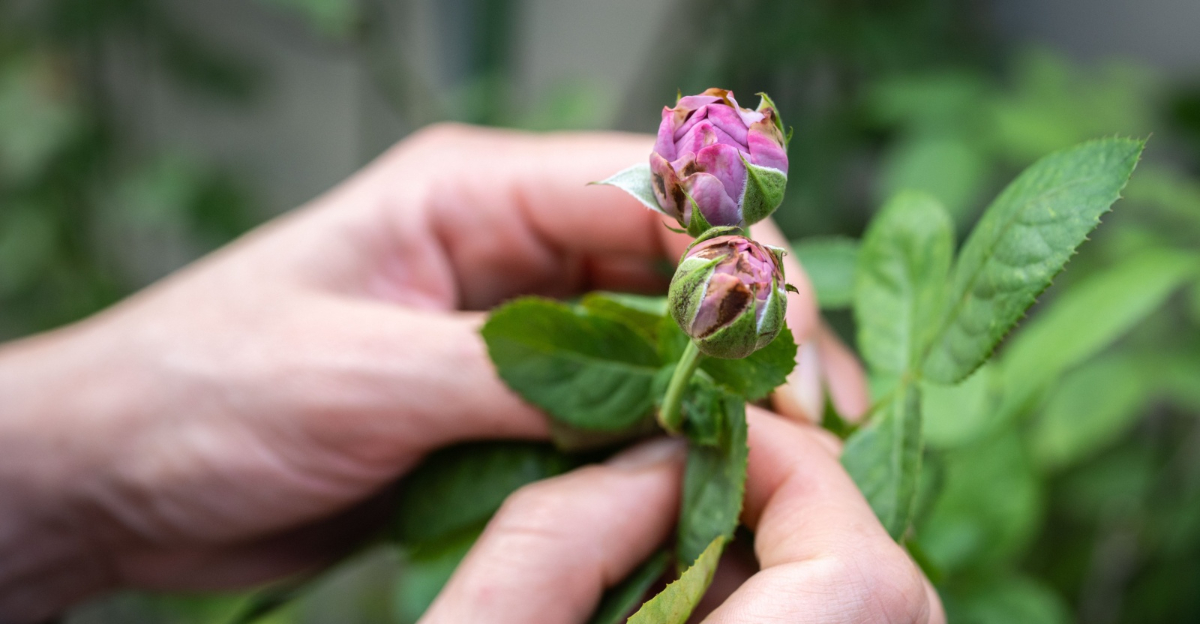
Slicing open a bud and finding brown tissue in the middle is one of the clearest signs of freeze damage. Healthy buds should have green or cream-colored centers, depending on the species.
When you see brown, tan, or black discoloration, it usually means the bud has been injured by cold and may fail to open or produce only weak or partial blooms.
This browning happens because ice crystals formed inside the bud and destroyed the living tissue. As the tissue breaks down, it turns dark.
Sometimes only the very center is affected, other times the damage spreads through most of the bud.
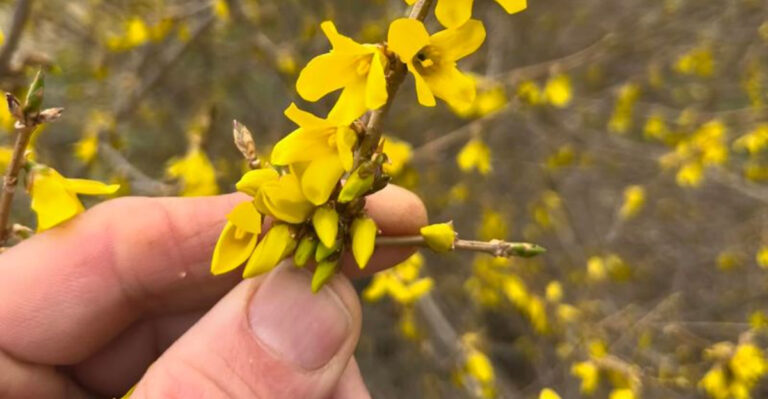
Magnolias, fruit trees, and flowering shrubs like forsythia are especially prone to this type of injury in Ohio. A bud that looks plump and promising from the outside can be completely brown inside.
You will not know until you cut it open.
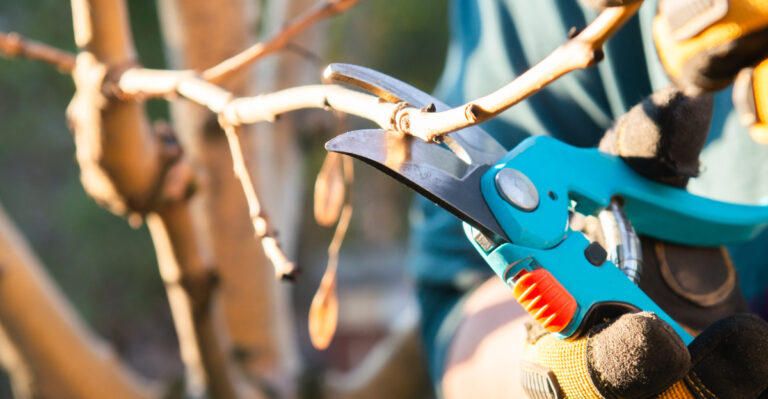
To check your buds, use a sharp knife or pruners and make a clean slice down the middle. Look at the color and texture.
Your Ohio Garden Changes Every Week. Your Plan Should Too.
Gardening in Ohio changes quickly throughout the season. Every Friday you’ll receive a simple weekly plan showing exactly what to plant, prune, fertilize, harvest, and protect so you never miss the right timing.
If the center is mushy and dark, that bud is not going to bloom. If it is firm and light-colored, you are in good shape and can expect flowers when warm weather returns.
3. Soft Water Soaked Buds Show Cold Harm
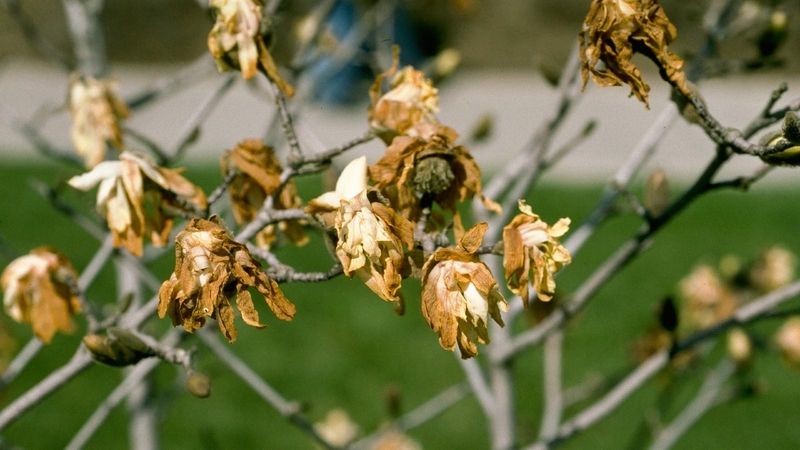
Buds that feel soft and look water-soaked often indicate freeze injury, though similar symptoms can occasionally come from rot or normal thawing. When you gently squeeze them, they feel mushy instead of firm.
The outer scales might look darker or translucent, almost like they have been soaked in water overnight.
This happens when ice forms inside the bud and then melts. The damaged cells leak their contents, creating that wet, soggy appearance.
These buds have lost their structure and will not be able to open into healthy flowers.
You will often see this kind of damage on early bloomers in Ohio gardens, especially after a hard freeze following a warm spell. Buds that were already swelling are more likely to become water-soaked because they have more moisture inside and less protective covering.
Touching your buds is a simple way to check their health. Healthy buds should feel firm and slightly springy.
If they feel limp, squishy, or wet to the touch, they have likely been damaged by cold. Over the next few weeks, these buds will usually turn brown and drop off the plant without ever blooming, leaving bare spots where you expected color.
4. Dry Shriveled Buds Reveal Winter Stress
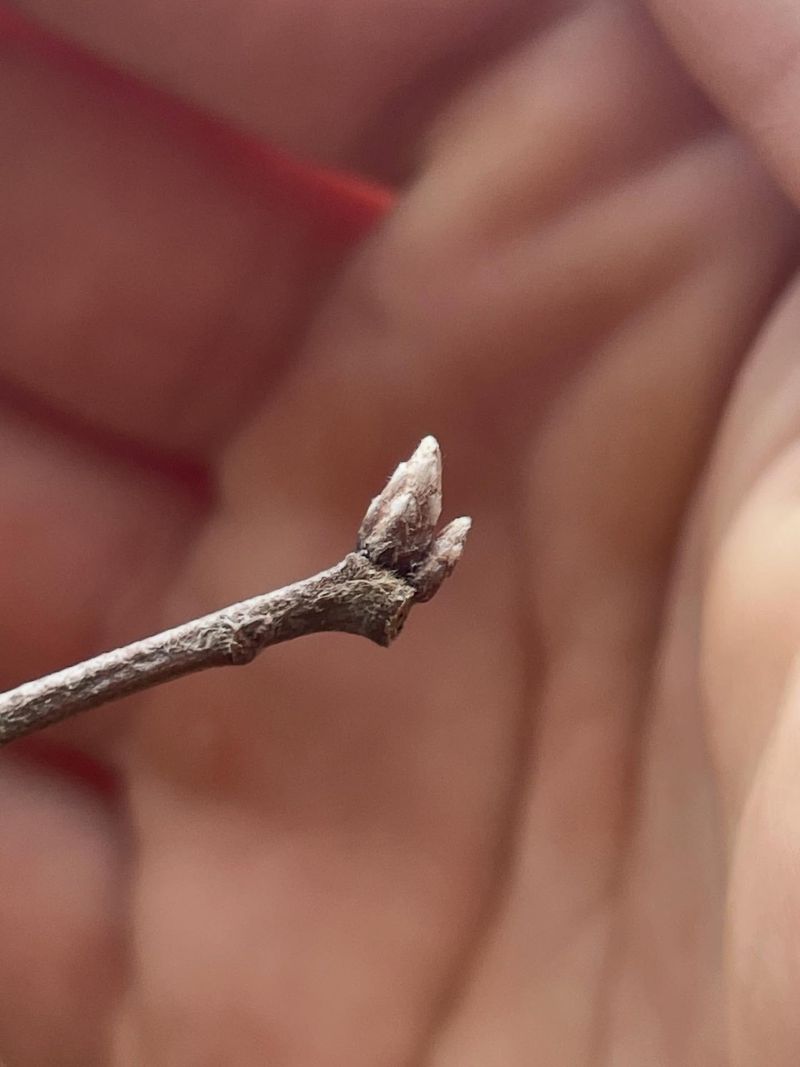
Sometimes cold damage shows up as dry, shriveled buds instead of soft or brown ones. These buds look smaller than they should, with wrinkled outer scales and a papery texture.
They have lost moisture and vitality, and they will not recover even if the weather warms up.
Shriveling happens when repeated freezing and thawing cycles pull moisture out of the bud tissue. Wind and low humidity during Ohio winters make the problem worse.
The bud essentially dries out from the inside, leaving behind a husk that cannot produce a bloom.
You will notice this most often on exposed branches that face north or west, where cold winds hit hardest. Buds on the sheltered side of the plant might look fine while those on the windward side are completely shriveled.
To check for this kind of damage, look closely at the size and texture of your buds. Compare them to buds from previous years if you can remember, or to buds on similar plants in more protected spots.
If they look noticeably smaller, wrinkled, or dried out, they have likely been stressed by winter cold and will not open into healthy flowers come spring.
5. Cut Buds Open To See Hidden Damage
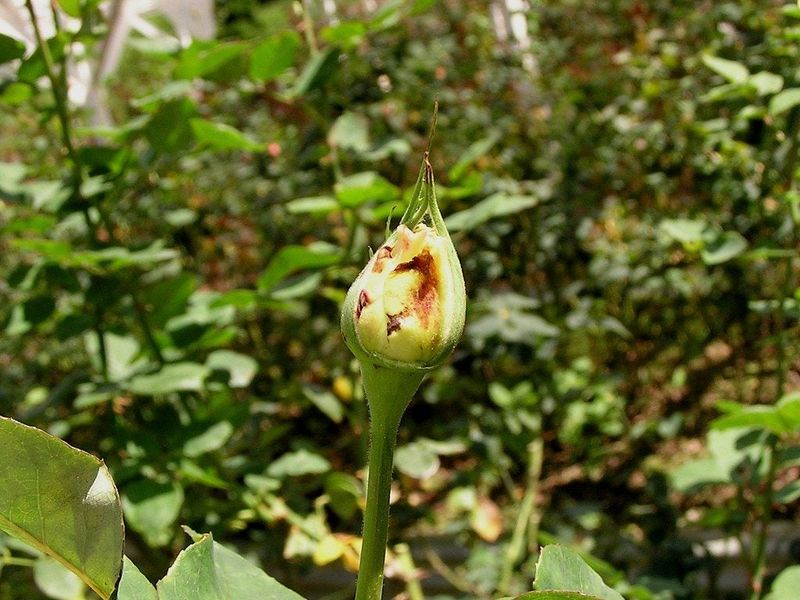
The most reliable way to know if your buds have been damaged by cold is to cut a few open and look inside. This hands-on approach gives you a clear picture of what is happening beneath the surface.
You can spot problems that would otherwise stay hidden until it is too late.
Choose a few buds from different parts of the plant, especially from areas that get the most wind or cold exposure. Use clean, sharp pruners or a knife to make a clean cut down the center of the bud.
Examine the color, texture, and moisture level of the tissue inside.
Healthy tissue should be firm, pale green or cream, and moist but not soggy. Damaged tissue will be brown, black, mushy, or dried out.
Sometimes you will see a mix, with healthy outer layers and damaged centers, which means the bud might produce a partial bloom or none at all.
Cutting buds open is especially useful in February when Ohio weather is unpredictable. It helps you decide whether to protect your plants, prune damaged branches, or simply adjust your expectations for the spring bloom season.
A few sacrificed buds now can save you from disappointment later.
6. Late Winter Swings Raise Risk In Ohio
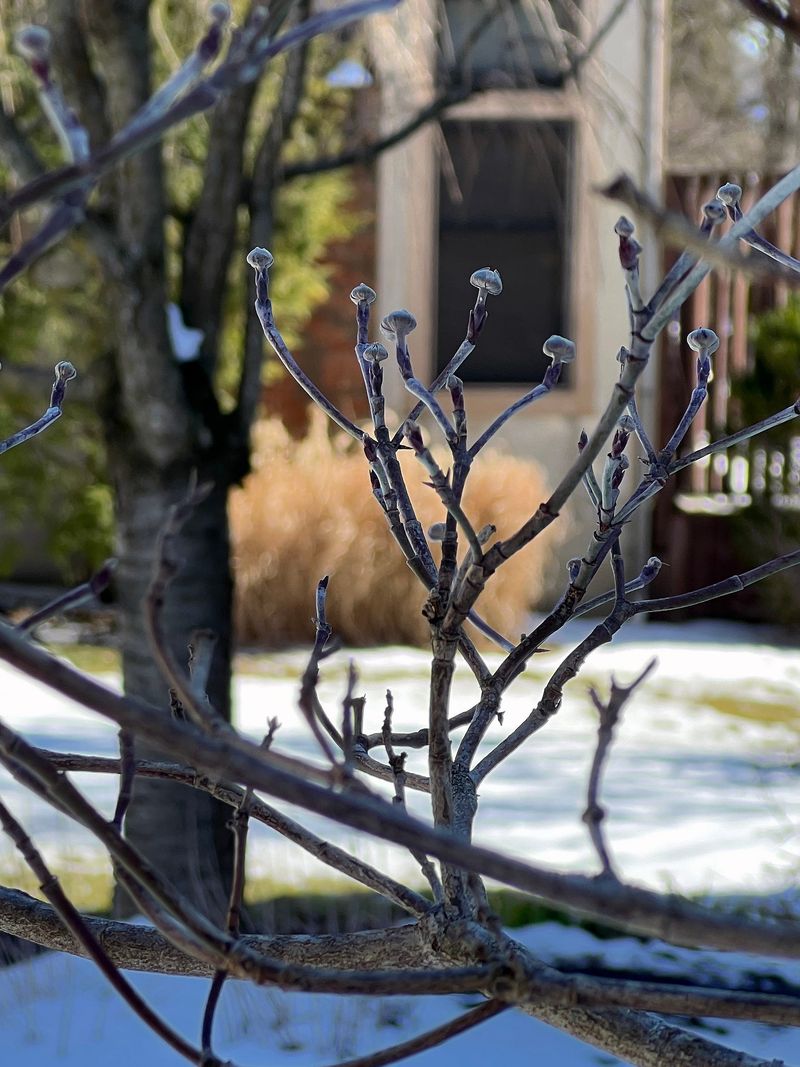
Ohio weather in February is notoriously unpredictable. One week you might see temperatures in the fifties, and the next week a polar vortex drops readings into the single digits.
These wild swings between warm and cold are especially hard on flower buds.
When mild weather arrives, buds start to lose their cold hardiness. They begin to swell, internal processes wake up, and the plant prepares for spring.
If a hard freeze follows, those active buds are caught off guard and suffer serious damage.
This cycle can repeat several times during a typical Ohio winter. Repeated swings can increase the risk of bud injury, especially once buds begin to swell.
By the time spring truly arrives, many of your expected blooms have already been compromised.
Gardeners can reduce the risk by choosing late-blooming varieties that are less likely to wake up during false springs. Mulching around the base of plants and avoiding heavy fertilization in fall can also help keep buds dormant longer.
Paying attention to weather forecasts and covering vulnerable plants during sudden cold snaps can make a real difference in protecting those precious buds through the unpredictable late winter weeks.
7. Watch Bud Health During February Cold
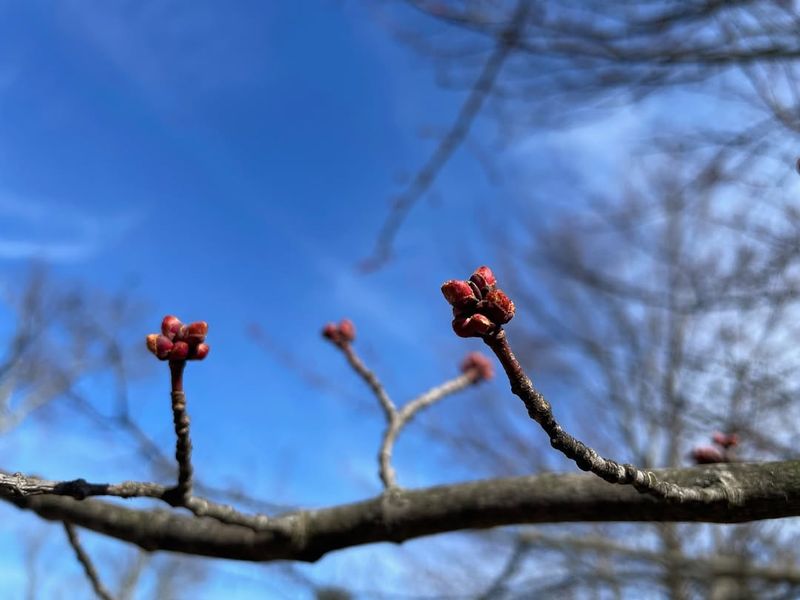
February is the perfect time to start monitoring the health of your flower buds. The weather is still cold, but spring is close enough that you can begin to see how your plants have handled the winter.
Regular checks help you spot problems early and make informed decisions about care and protection.
Walk through your garden on mild days and look closely at trees and shrubs that bloom in spring. Touch the buds, examine their color and size, and cut a few open to see what is happening inside.
Keep notes or take photos so you can track changes over time.
Look for patterns. Are buds on the south side of the plant healthier than those on the north?
Are some species doing better than others? This information helps you understand which plants need extra protection and which are tough enough to handle Ohio winters without help.
Checking bud health now also prepares you emotionally for what spring might bring. If you find widespread damage, you can adjust your expectations and maybe plan for more annuals or container plants to fill in gaps.
If your buds look healthy, you can look forward to a beautiful bloom season ahead.
8. Protect Buds To Save Spring Blooms
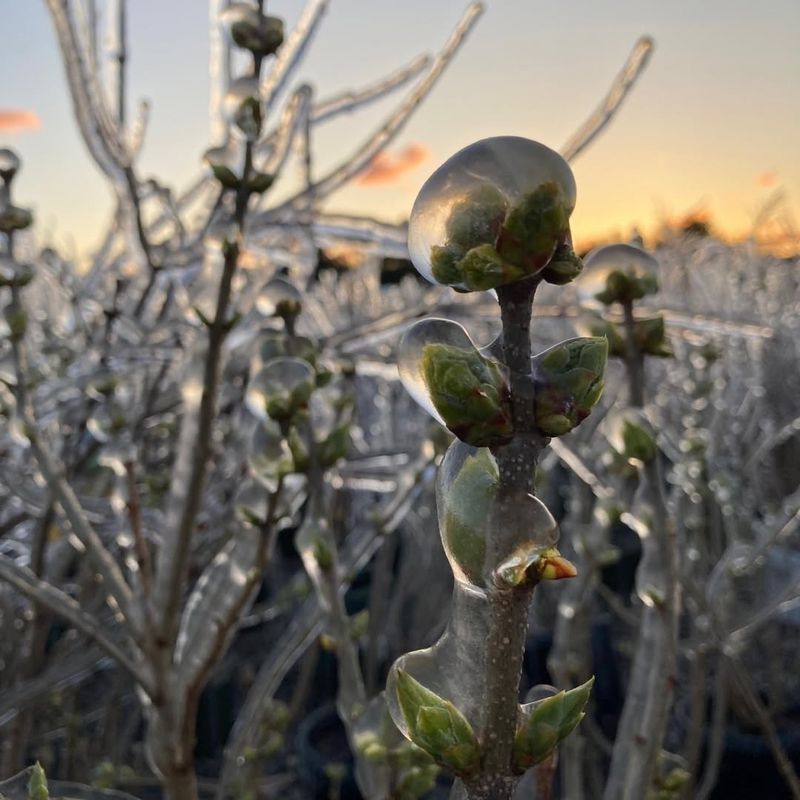
Once you have identified vulnerable buds, you can take steps to protect them from further cold damage. Simple measures like wrapping shrubs in burlap, applying anti-desiccant sprays, or covering plants with frost blankets during extreme cold snaps can make a real difference.
Burlap is especially useful for protecting magnolias and other early bloomers. Wrap it loosely around the plant to shield buds from wind and sudden temperature drops.
Remove the covering during mild spells to prevent overheating and allow air circulation.
Anti-desiccant sprays create a coating that can reduce winter moisture loss, but they do not prevent freeze injury. This can help prevent the shriveling and drying that often follows freeze-thaw cycles.
Apply these sprays on a calm, dry day when temperatures are above freezing.
Mulching around the base of plants helps insulate roots and keeps soil temperatures more stable, which indirectly supports bud health. Avoid piling mulch against trunks or stems, which can encourage rot.
Instead, spread it in a wide ring around the plant.
With a little effort and attention during February, Ohio gardeners can help their flower buds survive the final weeks of winter and burst into beautiful blooms when spring finally arrives for good.