Why Older Ohio Gardeners Never Throw Away Garden Waste
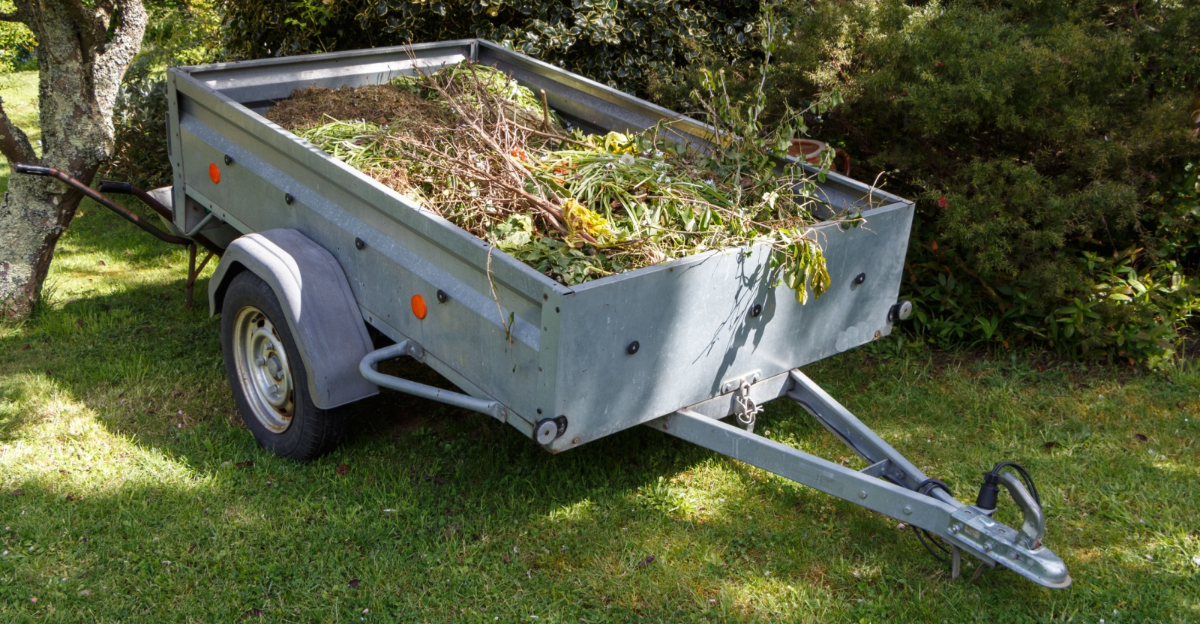
Most people bag up leaves, stems, and clippings without a second thought. Older gardeners across Ohio do the opposite and never send garden waste to the curb.
Years of tight budgets, rising prices, and hard lessons shaped a habit that sticks. What looks like mess to others holds real value to them.
They keep it, sort it, and put it to use with quiet confidence. Neighbors often wonder why their yards stay productive and their costs stay low season after season.
The answer starts with a simple choice made at the end of each workday in the garden. No fancy tools, no complicated systems, just a practical mindset built over decades.
Many tried to copy the results and missed the small details that matter. One rule guides them and they rarely break it, even when trends change and advice shifts year after year.
1. Nothing In The Garden Goes To Waste
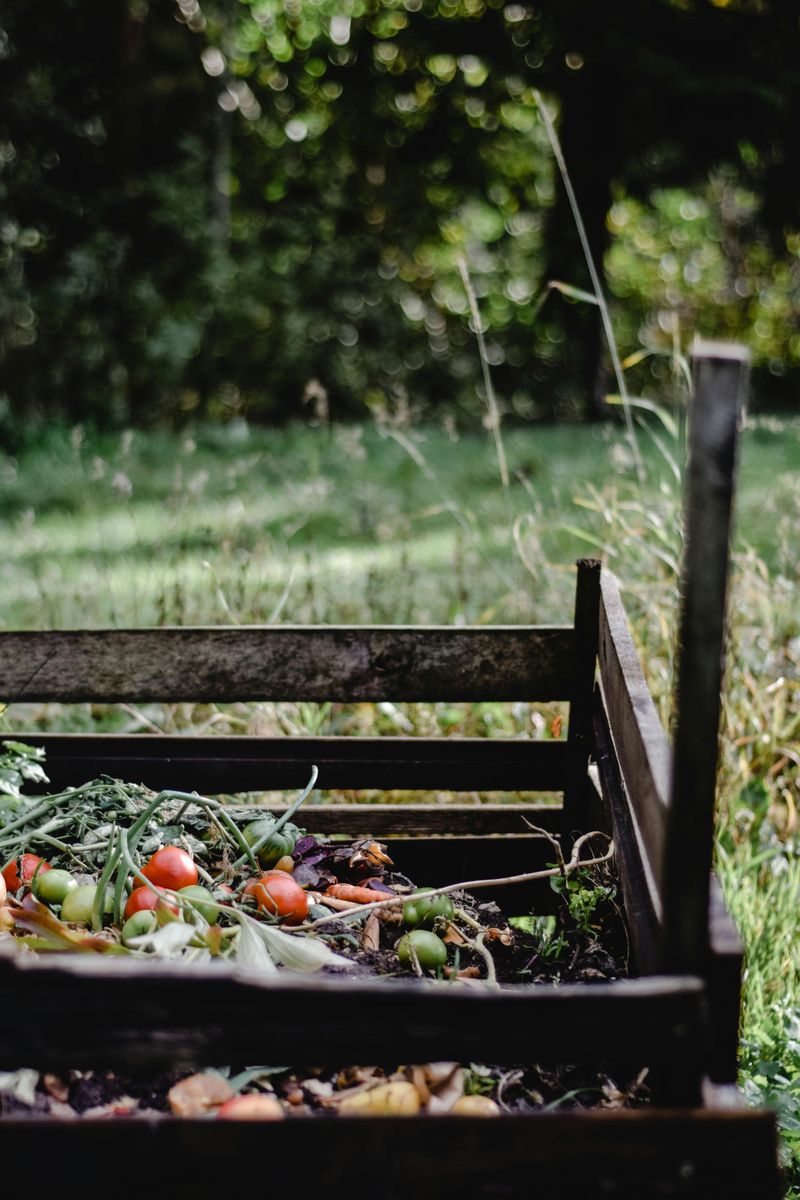
Experienced gardeners in Ohio view their plots as complete systems where every bit of organic matter plays a role. Fallen tomato vines, pulled bean plants, and wilted flowers all contain nutrients that once came from the soil.
Returning them completes a natural cycle that keeps gardens productive without constant inputs from outside sources.
Most gardeners reuse healthy plant material, but experienced growers discard diseased plants, invasive weeds, and heavily pest-infested material to avoid spreading problems.
Many longtime gardeners remember when buying fertilizer wasn’t an option for every family. They learned to make do with what the garden itself provided.
That practical approach often builds healthier long-term soil than relying only on store-bought fertilizers.
Garden waste breaks down at different rates depending on what it is. Soft materials like lettuce leaves and grass clippings decompose quickly, while woody stems and cornstalks take longer.
Understanding these differences helps gardeners plan how to use each type of waste effectively.
The practice of keeping everything on site also reduces the physical work of gardening. Hauling bags of waste to the curb and then bringing bags of compost or mulch back into the garden makes little sense when the materials can simply stay put and do their work right where they grew.
2. Compost Turns Scraps Into Rich Soil
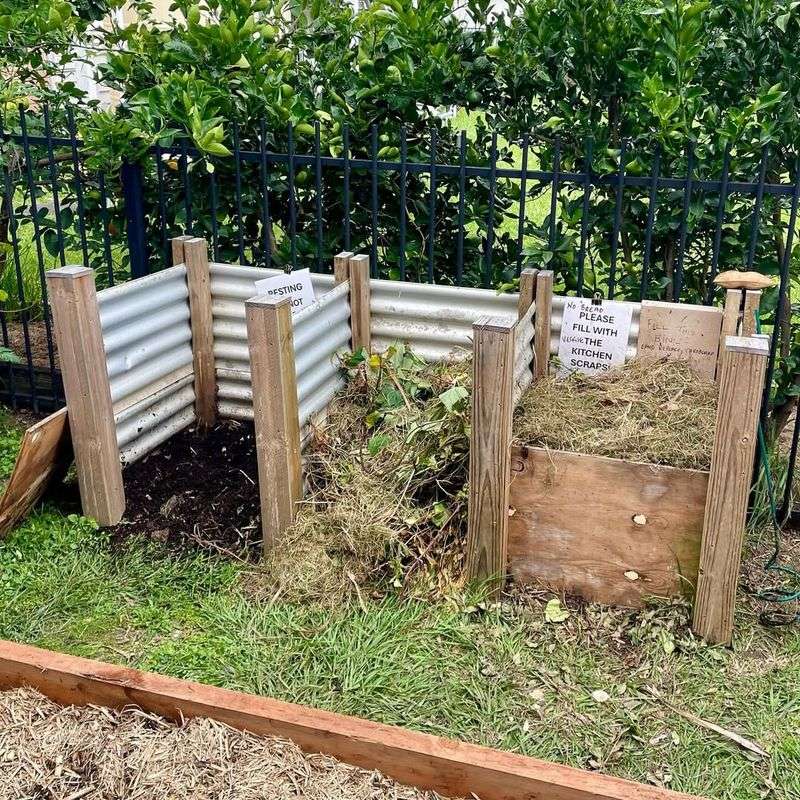
Composting transforms what looks like garbage into something more valuable than anything you can buy at a garden center. Older Ohio gardeners have maintained compost piles for so long that their soil has become dark, crumbly, and alive with beneficial organisms.
The process requires nothing more than piling up organic matter and letting time and nature do the rest.
A good compost pile balances green materials like vegetable scraps and fresh grass with brown materials such as dried leaves and shredded paper. Moisture and occasional turning speed up decomposition, but even a neglected pile will eventually break down into usable compost.
Patience matters more than precision.
The finished product improves soil structure, helps retain moisture during dry spells, and supports beneficial microorganisms. While synthetic fertilizers can supply specific nutrients, compost improves overall soil health in ways fertilizers alone do not.
Your Ohio Garden Changes Every Week. Your Plan Should Too.
Gardening in Ohio changes quickly throughout the season. Every Friday you’ll receive a simple weekly plan showing exactly what to plant, prune, fertilize, harvest, and protect so you never miss the right timing.
Gardens amended with homemade compost grow stronger plants that resist pests and weather stress better than those fed only synthetic nutrients.
Many experienced gardeners keep multiple piles at different stages. While one pile finishes breaking down, another receives fresh additions.
This rotation ensures a steady supply of finished compost ready to spread on beds each spring and fall without rushing the natural decomposition process.
3. Leaves Become Natural Garden Protection
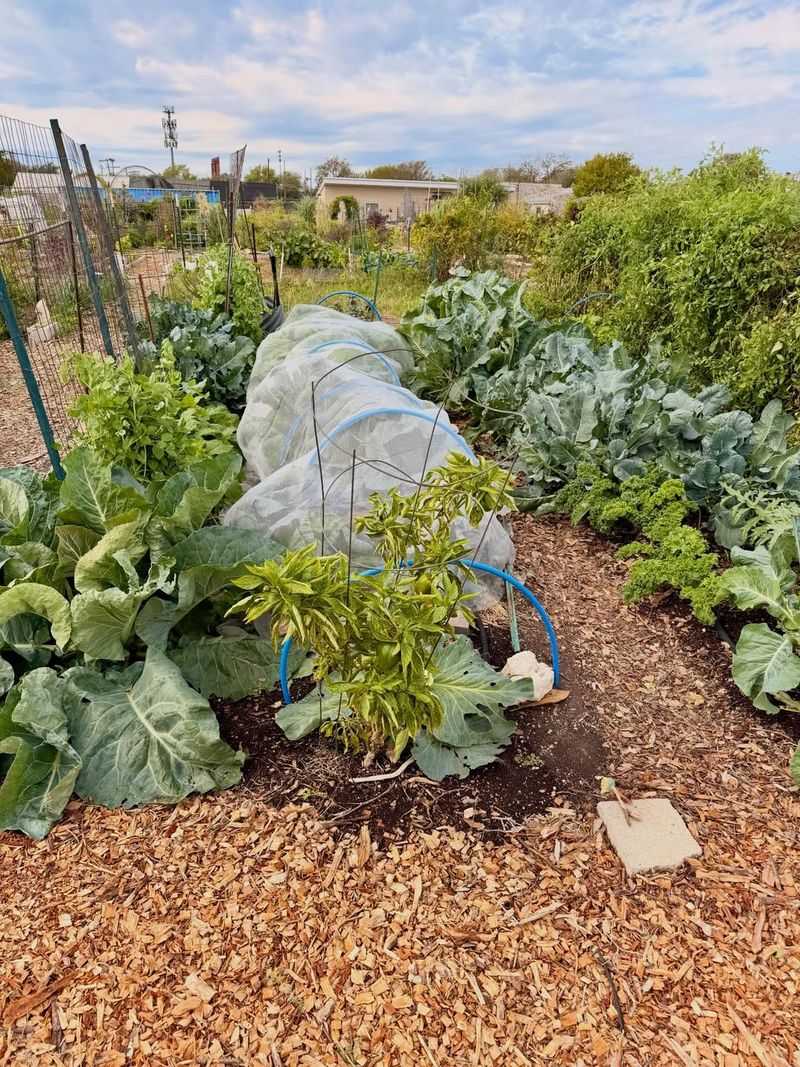
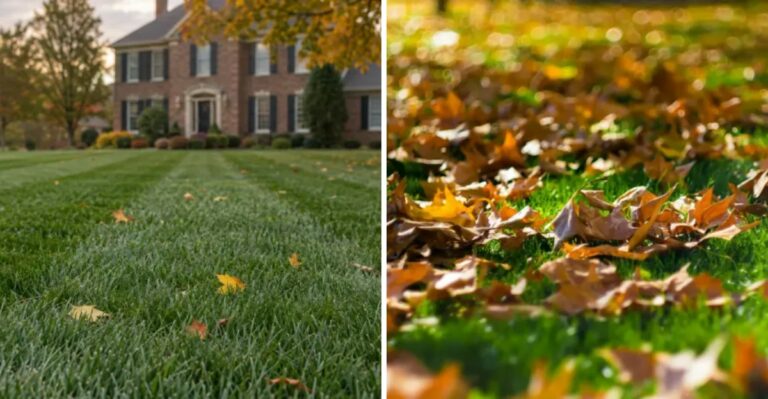
Every autumn brings an abundance of fallen leaves that many people bag up and send away. Seasoned Ohio gardeners see these leaves differently, recognizing them as free mulch that protects soil and feeds it slowly throughout the following year.
Spreading leaves around perennials, shrubs, and over empty vegetable beds mimics what happens naturally in forests.
Leaf mulch keeps soil temperatures more stable through winter’s freeze and thaw cycles that can heave plants out of the ground. Come spring, that same layer prevents weed seeds from sprouting and keeps moisture from evaporating during dry periods.
As leaves gradually break down, they add organic matter that improves soil texture and fertility. Shredded leaves break down faster and are less likely to mat, especially in wet Ohio winters.
Some gardeners shred leaves with a mower before spreading them, which speeds decomposition and creates a neater appearance. Others simply pile them on as they fall.
Both methods work well, though shredded leaves stay in place better during windy weather.
Oak leaves, maple leaves, and other common Ohio trees all make excellent mulch despite old myths about some being too acidic. Any temporary pH change balances out quickly as leaves decompose.
The benefits of moisture retention and weed suppression far outweigh any minor concerns about specific leaf types.
4. Grass Clippings Feed The Soil Naturally
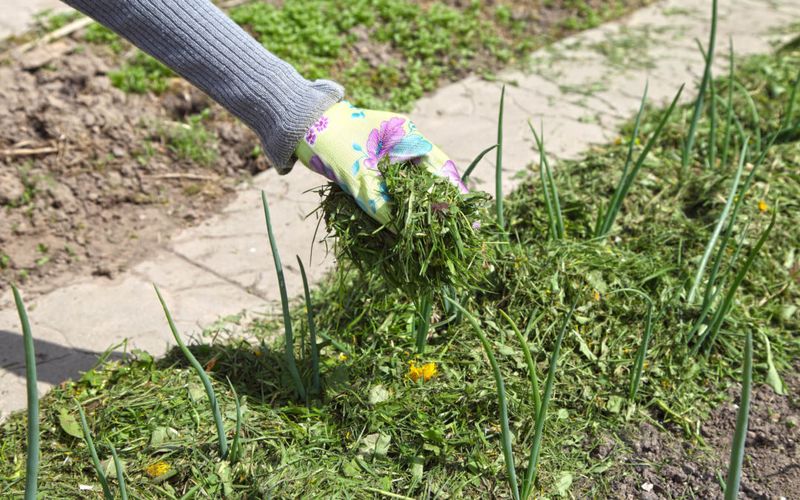
Bagging grass clippings sends away nitrogen and other nutrients that could feed garden soil instead. Older gardeners who’ve maintained the same yards for years learned long ago that grass clippings serve the garden better than the landfill.
A thin layer spread between vegetable rows or around flowers provides a nitrogen boost as it breaks down quickly. Avoid using clippings from lawns treated with weed-and-feed or herbicides, as residues can damage garden plants.
Fresh clippings work best when spread thinly rather than piled thickly. A heavy layer can mat down and create a slimy barrier that blocks water and air from reaching the soil.
Spreading just an inch or two allows the grass to dry and decompose without causing problems.
During Ohio’s hot summers, grass clipping mulch helps keep soil cooler and reduces how often gardens need watering. The moisture retention becomes especially valuable during July and August when rain often becomes scarce.
Plants growing in mulched soil show less stress during heat waves than those in bare ground.
Some gardeners let clippings dry for a day before applying them to reduce the chance of matting. Others spread them fresh and simply use a lighter hand.
Either approach works as long as air can still circulate and water can penetrate to the soil beneath the mulch layer.
5. Kitchen Scraps Help Gardens Thrive
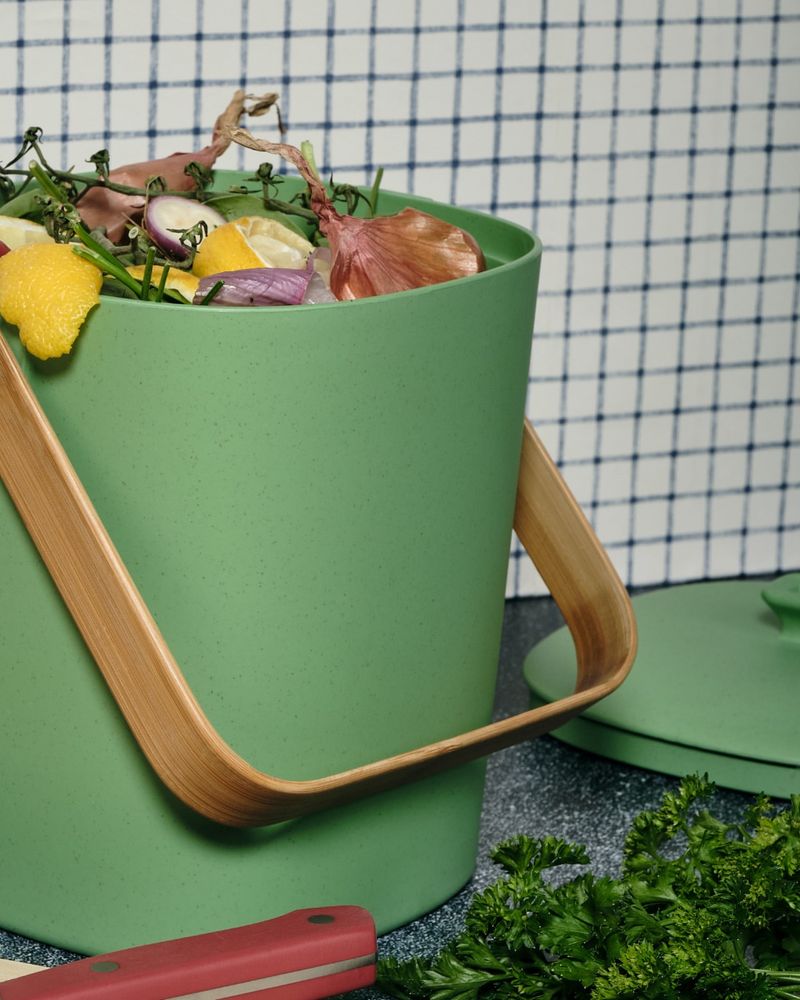
Vegetable peelings, coffee grounds, and eggshells contain nutrients that plants need to grow strong and productive. Rather than tossing these scraps in the trash, experienced gardeners add them to compost piles or bury them directly in garden beds.
This simple habit reduces household waste while improving garden soil at no cost.
Coffee grounds add small amounts of nitrogen and are best used in compost rather than as a primary fertilizer. Eggshells contain calcium but break down very slowly.
Banana peels contribute potassium that promotes strong root development and better fruiting.
Some gardeners keep a small bucket with a lid near the kitchen sink to collect scraps throughout the day. When it fills up, they carry it out to the compost pile or dig it into an empty garden bed.
Buried scraps can break down quickly in warm soil, but in cooler conditions they decompose slowly and may attract rodents, so composting is usually safer.
Meat, dairy, and oily foods generally stay out of garden compost because they attract pests and break down slowly. Vegetable scraps, fruit peels, and plant-based materials decompose cleanly and feed soil without creating problems.
Sticking to these simple guidelines makes kitchen scrap composting easy and effective for any Ohio gardener.
6. Old Plants Still Serve A Purpose
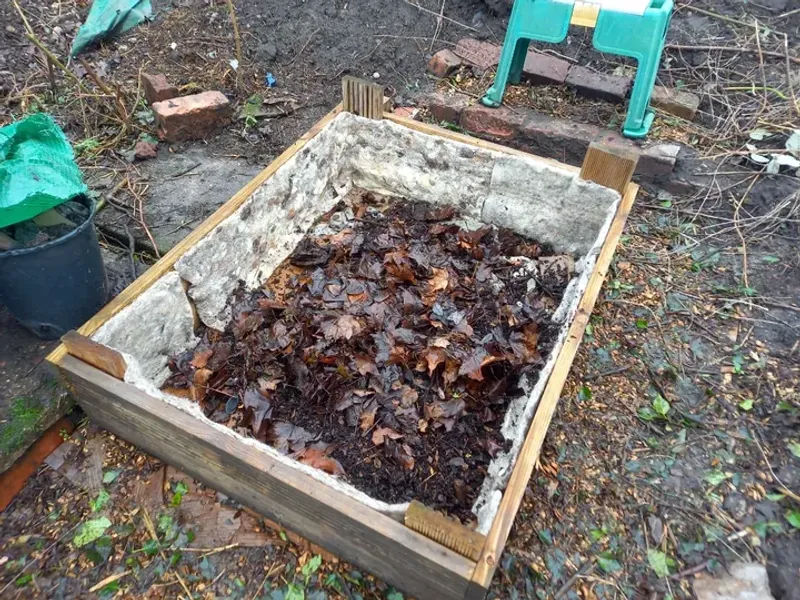
When frost ends the growing season, many gardeners face piles of spent tomato vines, bean plants, and other finished crops. Hauling all that plant material away seems like the tidy approach, but older Ohio gardeners know those plants still have value.
Chopping them up and adding them to compost or working them into the soil returns nutrients and organic matter to the garden.
Healthy plant material breaks down readily and adds carbon that balances the nitrogen from grass clippings and kitchen scraps. Cutting or chopping plants into smaller pieces speeds decomposition whether they go into a compost pile or get worked directly into beds that will rest over winter.
Plants showing signs of disease require more careful handling. Because most home compost piles do not reach high enough temperatures to destroy pathogens, many gardeners discard clearly diseased plants rather than composting them.
Most experienced gardeners remove and dispose of obviously diseased plants separately while composting everything else that looks healthy.
Perennials that get cut back in fall also provide material for compost. Hostas, daylily foliage, and ornamental grass clippings all break down well.
Even woody prunings from shrubs can be chipped and used as mulch paths or mixed into compost if chopped small enough to decompose at a reasonable rate.
7. Garden Waste Builds Stronger Soil Over Time
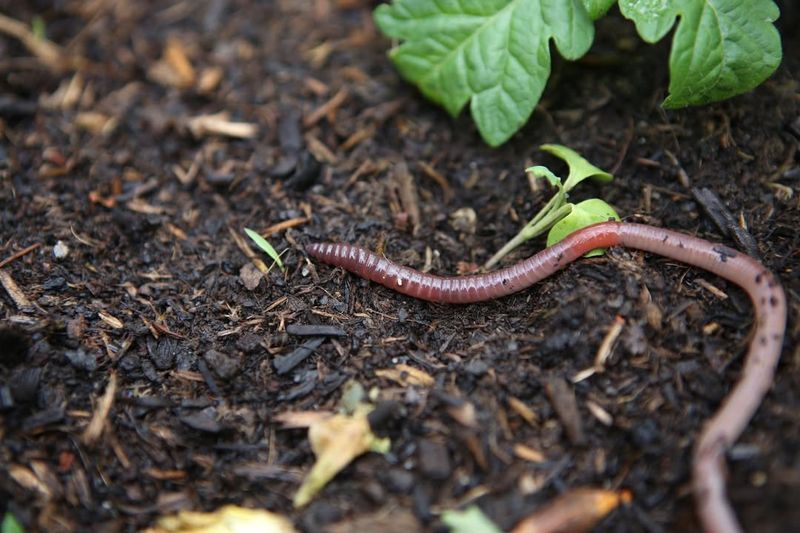
Gardens that receive regular additions of composted waste develop soil that looks and feels completely different from where they started. What begins as clay or sandy ground gradually transforms into dark, crumbly earth that holds moisture, drains well, and supports robust plant growth.
This transformation doesn’t happen overnight but builds steadily through years of returning organic matter.
Earthworms multiply in soil rich with decomposing plant material, and their activity further improves soil structure. Their tunnels create channels for air and water while their castings add nutrients in forms plants readily absorb.
Beneficial fungi and bacteria also thrive in organic-rich soil, forming relationships with plant roots that help them access nutrients and resist diseases.
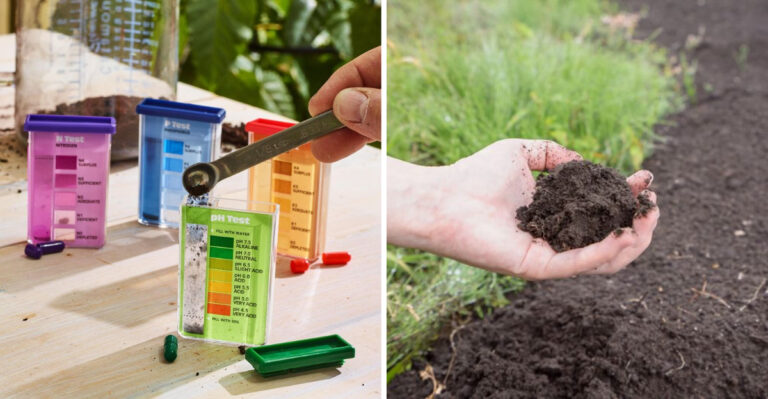
Older gardeners who’ve worked the same plots for decades can sometimes grow vegetables with little additional fertilizer beyond compost and mulch, though occasional soil testing helps ensure nutrients and pH remain balanced. The soil itself has become highly fertile and biologically active, often supplying most of what plants need.
This level of soil health represents years of careful stewardship and consistent organic matter additions.
New gardeners sometimes feel impatient with how slowly soil improves, but the process accelerates over time. The first few years show modest changes, but as organic matter accumulates and soil life increases, improvements become more dramatic with each passing season.
8. Traditional Gardening Wisdom Lives On
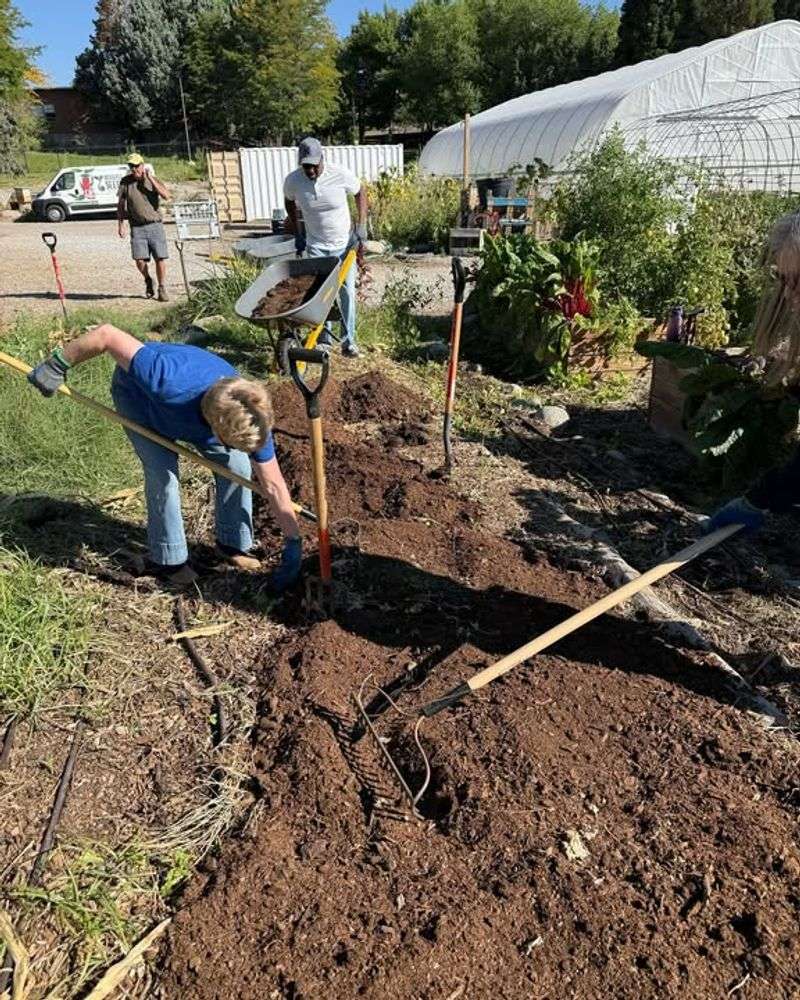
The practice of reusing garden waste connects modern gardeners to generations who worked the same Ohio soil before them. Long before recycling became a popular concept, practical gardeners understood that wasting organic matter made no sense when it could improve their gardens instead.
This wisdom gets passed down through families as older gardeners share what they’ve learned with children and grandchildren.
Many of today’s experienced gardeners learned these methods from parents or grandparents who gardened through the Depression and World War II. Those generations couldn’t afford to waste anything, and their resourcefulness created gardens that thrived despite limited resources.
The techniques they developed remain just as effective today.
Young gardeners often rediscover these traditional methods after trying modern shortcuts that don’t deliver lasting results. Chemical fertilizers provide quick nutrients but do not improve soil structure or organic matter the way compost and mulch do.
Sending away organic matter and buying it back as bagged compost wastes money and effort. Eventually, many come back to the simple approach of keeping everything on site and letting nature do the work.
Gardens maintained this way become legacy plots that improve with each passing year. The soil gets richer, plants grow stronger, and the garden requires less intervention over time.
This sustainable approach creates abundance that can continue for generations, proving that old wisdom often works better than new trends.