These 13 Orange Blooms Will Make Your California Garden Pop With Color
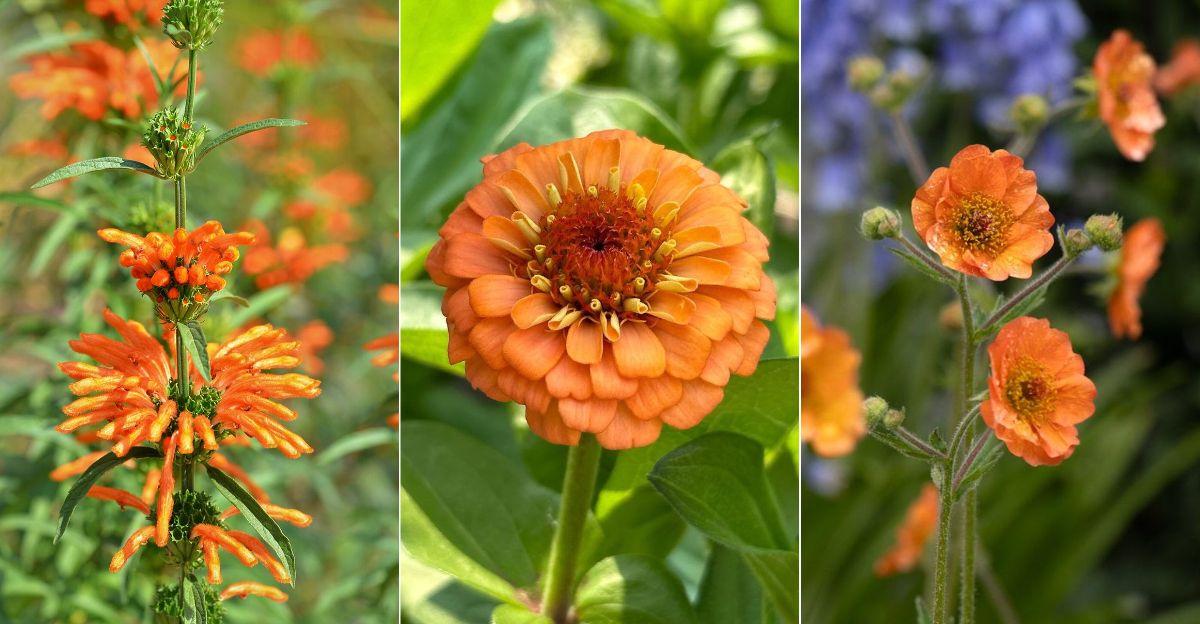
Sunshine has a favorite color, and it is blazing orange. If your California garden feels a little sleepy, a splash of citrusy fire can wake everything up fast.
Orange flowers glow under golden light, play beautifully with succulents, and attract hummingbirds like tiny magnets. Picture bold petals dancing against blue skies, warm evenings scented with blooms, and borders that look alive all season.
The magic of orange is its energy. It feels joyful, confident, and a bit wild, perfect for West Coast landscapes that love drama without fuss.
Ready to turn heads on your block and make your yard feel like a sunset you can walk through? Grab your gloves, cue the hose, and get excited, because vibrant color is about to take center stage in the most dazzling way.
Right now your garden is craving that glow. Let orange lead the show today.
You will love the vibe instantly.
1. Tangerine Beauty Crossvine (Bignonia capreolata)
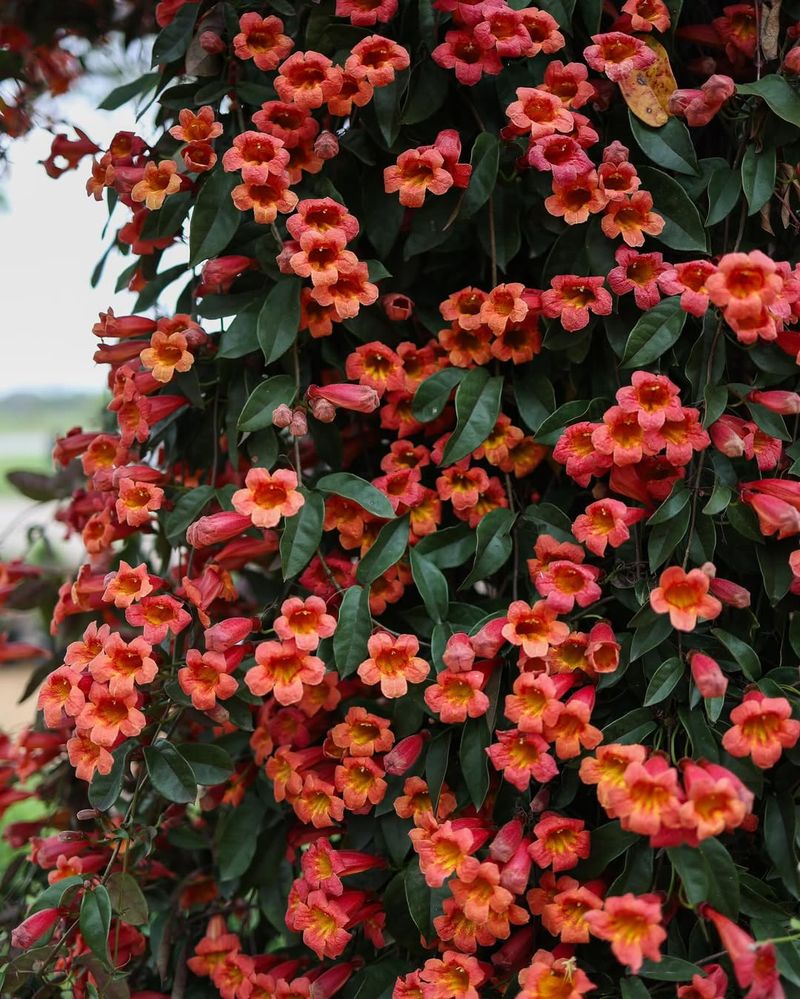
When you need vertical color that performs well in many mild and warm parts of California, especially coastal and Mediterranean climates, this vigorous vine delivers. Masses of trumpet-shaped tangerine blooms from spring through early summer.
Crossvine adapts well to coastal and many inland gardens, tolerating our temperature swings better than many flowering vines. Though keep in mind, it may struggle in very hot desert climates.
The semi-evergreen foliage provides year-round interest, while the abundant orange flowers attract hummingbirds with their nectar-rich throats.
Unlike some aggressive vines, Tangerine Beauty can be kept manageable with occasional pruning, as it may grow vigorously in favorable conditions, making it suitable for arbors, fences, and pergolas.
Plant it in full sun to partial shade with moderate water during establishment, then reduce irrigation once the root system develops. The vine climbs using tendrils, so provide sturdy support structures that can handle its mature weight.
Many gardeners underestimate how much color impact a well-placed flowering vine can create, and this crossvine proves especially valuable in smaller gardens where ground space is limited.
The orange blooms stand out beautifully against green foliage and create dramatic focal points.
2. Orange King Blanket Flower (Gaillardia aristata)
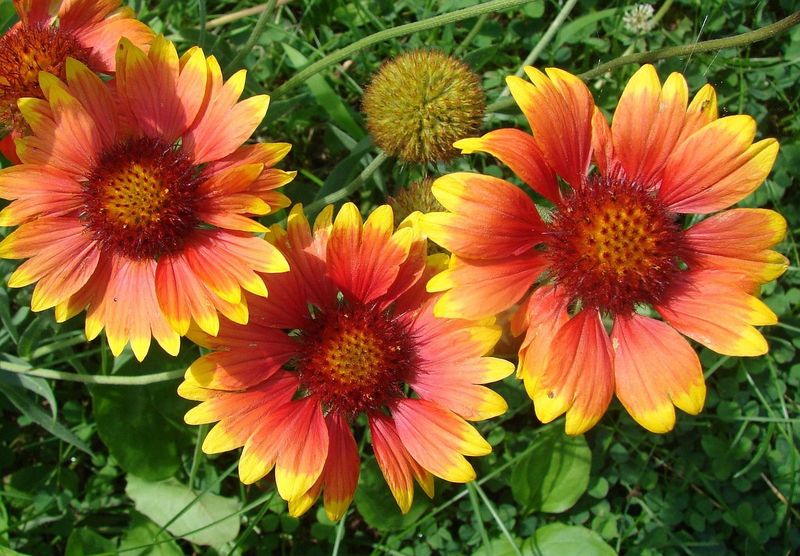
Heat and drought barely phase this prairie native that has adapted beautifully to California’s summer conditions.
Blanket flowers bloom continuously from late spring through fall, producing cheerful orange and red daisy-like flowers that seem unfazed by our hottest inland temperatures.
The key to success with Orange King lies in providing excellent drainage and resisting overwatering, which causes root rot more quickly than drought ever could. These flowers actually bloom more prolifically when kept on the dry side once established.
Deadheading spent blooms encourages continuous flowering, though even neglected plants will produce waves of color throughout the growing season.
The flowers attract numerous pollinators, including native bees and butterflies that appreciate the accessible pollen and nectar.
Plant them in full sun with sandy or amended clay soil that drains quickly after irrigation or rain.
Blanket flowers work beautifully in xeriscape designs, cottage gardens, and meadow-style plantings where their informal habit and long bloom season provide reliable color with minimal maintenance requirements.
Your California Garden Changes Every Week. Your Plan Should Too.
Gardening in California changes quickly throughout the season. Every Friday you’ll receive a simple weekly plan showing exactly what to plant, prune, fertilize, harvest, and protect so you never miss the right timing.
3. Mexican Sunflower (Tithonia rotundifolia)
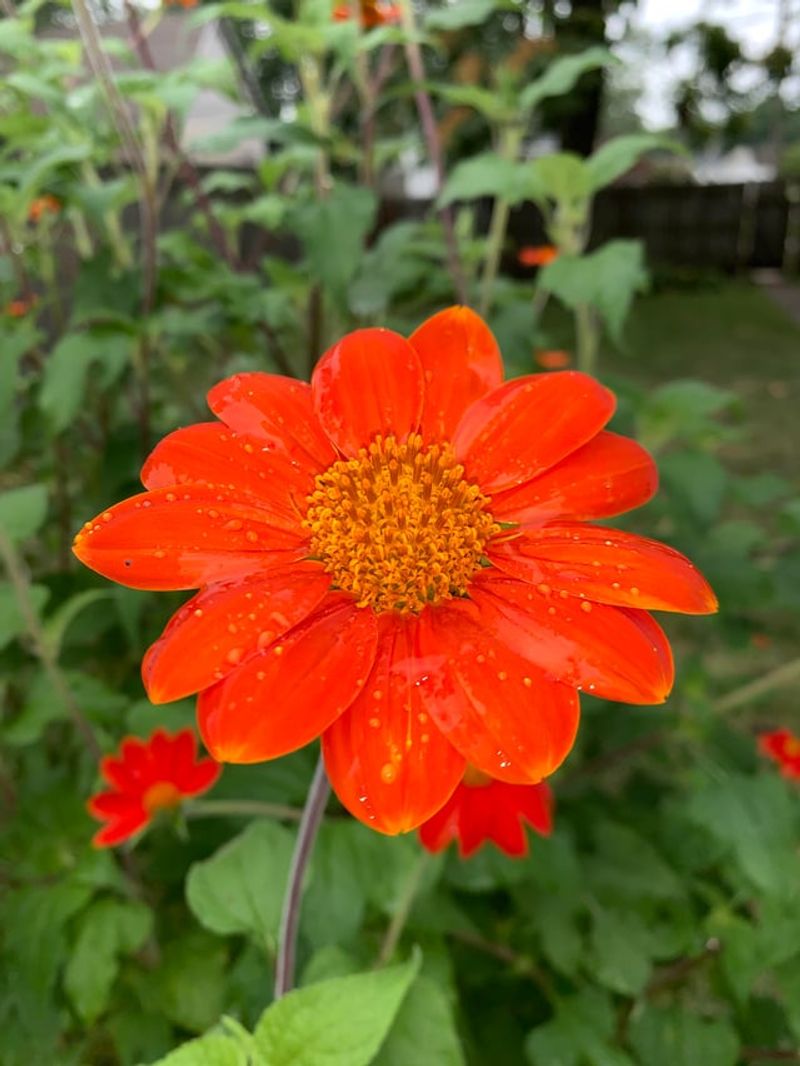
If you want dramatic height and nonstop orange blooms that monarchs and hummingbirds can’t resist, Mexican sunflower delivers more impact than almost any other annual.
These towering plants reach four to six feet tall by midsummer, creating bold vertical accents loaded with vibrant orange flowers from July through frost.
The velvety leaves and sturdy stems handle heat and drought remarkably well once plants establish their deep root systems. Unlike true sunflowers, Tithonia blooms continuously rather than producing a single flush, giving you months of color from a spring planting.
Direct seed after the last frost or start transplants indoors six weeks earlier for earlier blooms. Space plants generously since they grow large and need air circulation to prevent mildew in coastal gardens with morning fog.
Mexican sunflowers require full sun and moderate water during establishment, then can handle short dry periods once mature, though occasional deep watering helps maintain strong flowering in very hot regions.
The brilliant orange petals practically glow in afternoon light, and the constant parade of butterflies and hummingbirds adds movement and life to your garden throughout summer and fall.
4. California Poppy (Eschscholzia californica)
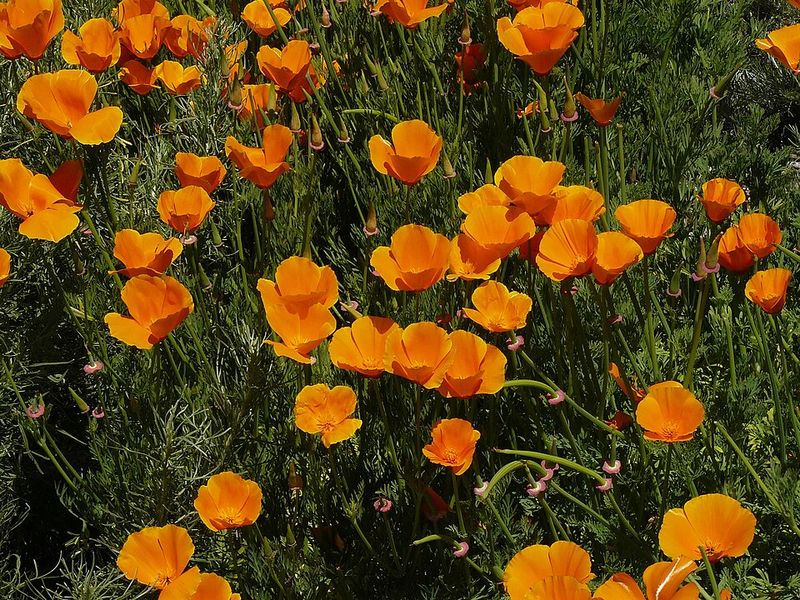
Nothing says California quite like the state flower itself, and these cheerful orange blooms are surprisingly easy to grow once you understand their rhythm.
Many gardeners make the mistake of overwatering California poppies, which actually thrive on neglect and lean soil conditions that mirror their native hillside habitat.
These wildflowers perform best when direct-seeded in fall or early winter, allowing winter rains to germinate them naturally.
Once established, they require almost no supplemental water, making them ideal for drought-conscious landscapes throughout coastal and inland regions alike.
The silky orange petals open during sunny days and close at night or during cloudy weather, creating a dynamic display that changes with California’s weather patterns. They self-seed readily, returning year after year without any effort on your part.
Plant them in full sun with excellent drainage, and resist the urge to fertilize or amend the soil heavily. California poppies actually bloom more profusely in poor soil, and their deep taproots help them survive our dry summers with minimal intervention from you.
5. Lion’s Tail (Leonotis leonurus)
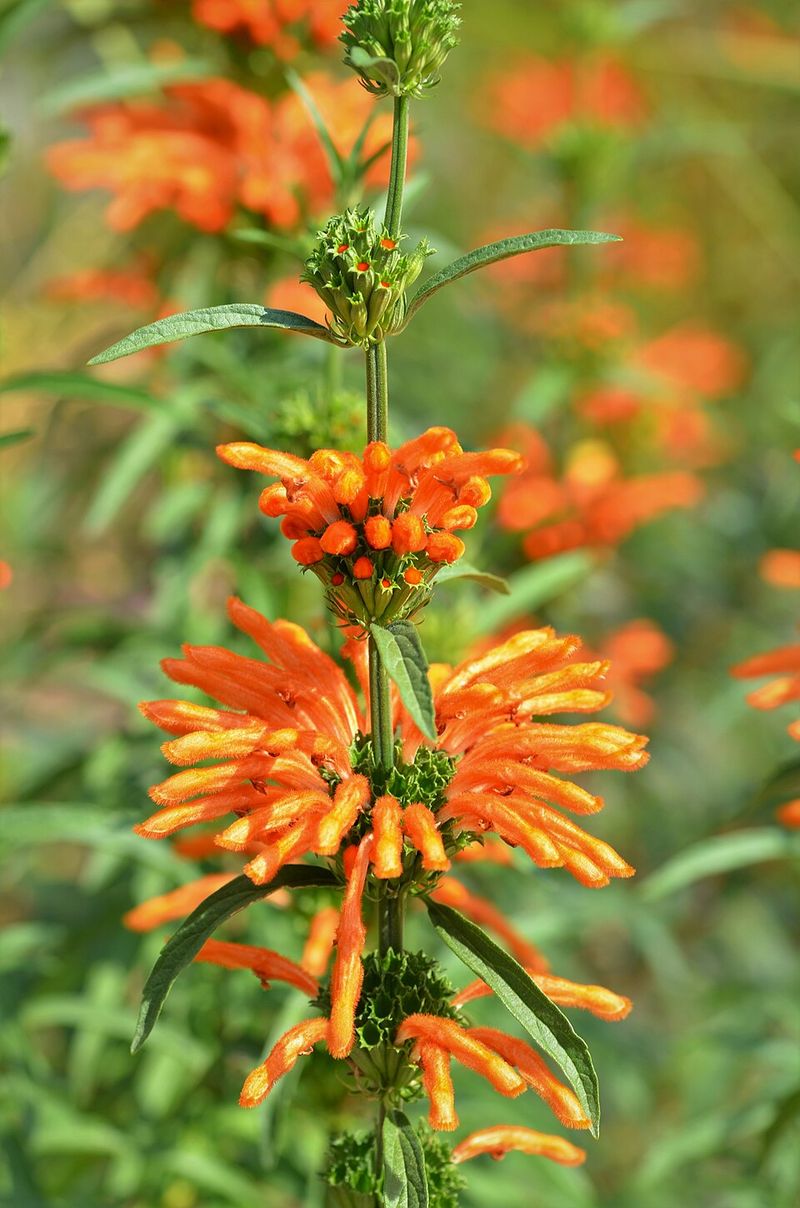
Architectural interest meets pollinator paradise in this South African native that thrives in California’s Mediterranean climate.
The distinctive whorls of fuzzy orange tubular flowers stack up the stems in late summer and fall, creating sculptural beauty that looks unlike anything else in the garden.
Hummingbirds obsess over the nectar-rich orange blooms, often defending favorite Lion’s Tail plants from competitors throughout the blooming season.
The gray-green foliage provides attractive structure year-round, and the plant handles both coastal and inland conditions with equal success.
Many gardeners worry about winter hardiness, but established plants usually survive light frosts in milder parts of California and rebound quickly from moderate winter dieback, while colder inland areas may cause heavier seasonal damage.
Cut back frost-damaged stems in early spring to encourage fresh growth and abundant flowering.
Plant Lion’s Tail in full sun with well-draining soil and moderate water during establishment, then reduce irrigation significantly once roots develop.
The plant tolerates drought remarkably well and actually blooms more profusely when kept on the dry side, making it ideal for water-wise landscapes that don’t sacrifice color or wildlife value.
6. Orange Cosmos (Cosmos sulphureus)
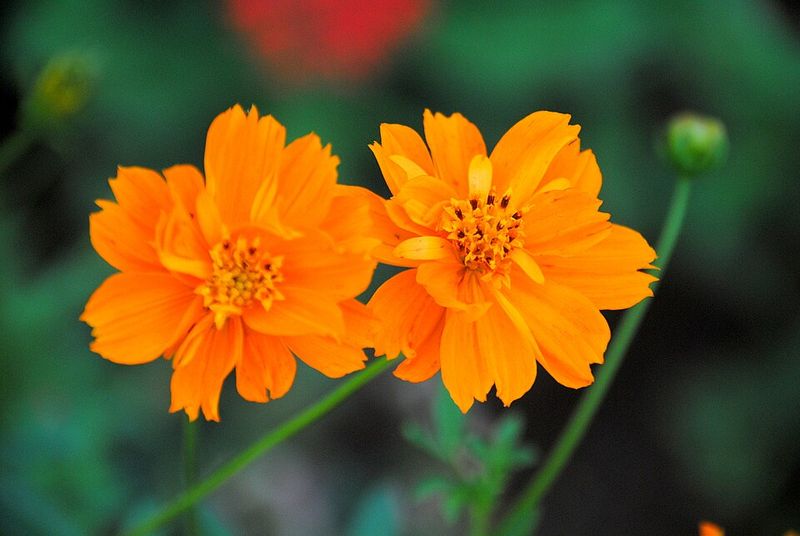
For effortless color that keeps coming all summer long, few annuals match the cheerful reliability of orange cosmos.
These heat-loving flowers actually prefer our warmest months, blooming most prolifically during July, August, and September when many other flowers struggle.
The semi-double and single orange blooms appear on plants that stay more compact than their taller pink and white cousins, typically reaching two to three feet in height.
This makes them perfect for mid-border placements where you need sustained color without constant staking.
Direct seed after the last frost or transplant nursery starts once soil warms, and you’ll see flowers within weeks. Orange cosmos self-seed readily, often returning year after year in the same spots without any effort required.
They tolerate poor soil and moderate drought better than many annuals, though occasional deep watering during prolonged heat keeps plants healthier and flowering more consistently.
Plant them in full sun and avoid over-fertilizing, which produces lush foliage but fewer flowers.
Butterflies and bees visit constantly, and the bright orange petals create cheerful spots of color throughout summer borders and cutting gardens.
7. Geum ‘Totally Tangerine’ (Geum chiloense hybrid)
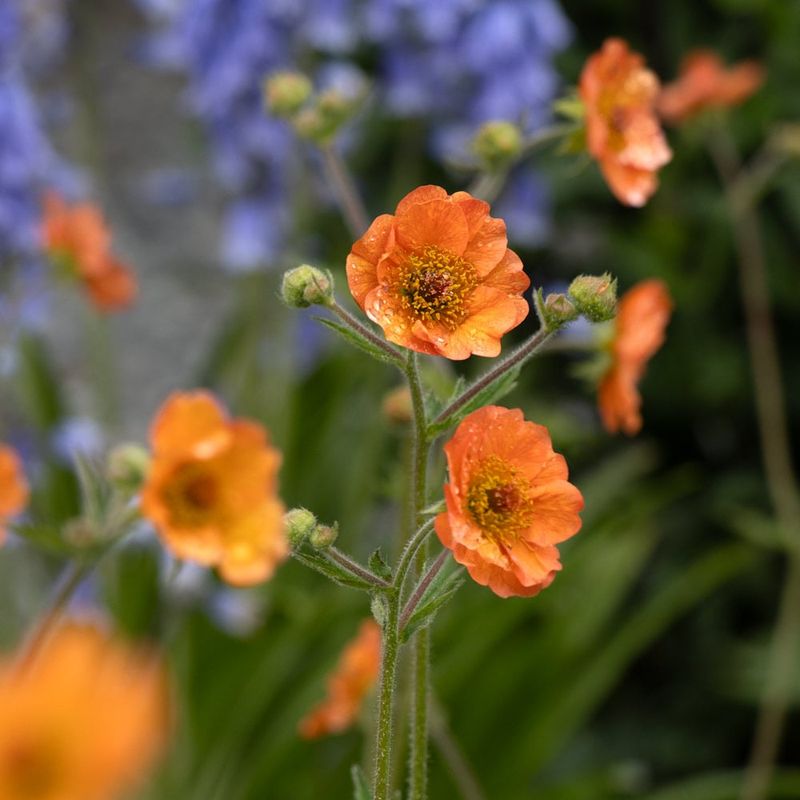
Cottage garden charm meets California adaptability in this cheerful perennial that blooms heavily in spring and sporadically through summer.
The ruffled tangerine-orange flowers rise on slender stems above neat rosettes of foliage, creating an informal elegance that works beautifully in both traditional and contemporary landscapes.
Geum performs best in coastal and northern California gardens where summer heat stays moderate, though inland gardeners can succeed by providing afternoon shade and consistent moisture.
The plants appreciate rich, well-amended soil that retains some moisture without becoming waterlogged.
Deadhead spent blooms regularly to encourage additional flowering waves throughout the growing season. The basal foliage remains attractive even when plants aren’t blooming, providing low groundcover texture in perennial borders.
Many gardeners overlook Geum because it doesn’t tolerate extreme drought or neglect like some California natives, but the vibrant orange blooms and long spring display make the extra care worthwhile.
Plant it in morning sun with afternoon protection in hot inland areas, and maintain moderate soil moisture for best performance and flower production throughout the season.
8. Orange Daylily (Hemerocallis fulva)
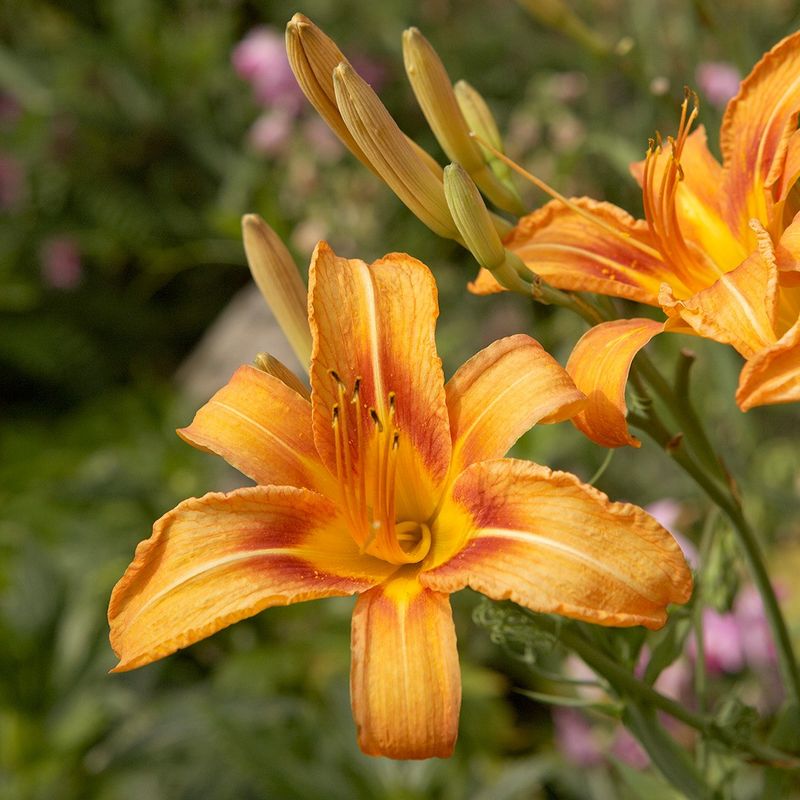
Tough, reliable, and almost indestructible once established, orange daylilies have naturalized throughout California wherever gardeners planted them decades ago.
Each trumpet-shaped bloom lasts just one day, but established clumps produce so many flower scapes that the display continues for weeks during peak bloom season.
The strappy foliage creates attractive texture year-round, and the plants tolerate a wide range of conditions from coastal fog to inland heat with minimal complaint.
Daylilies handle clay soil better than most perennials, making them valuable in gardens with challenging soil conditions.
Plant them in full sun to partial shade with moderate water during establishment, then reduce irrigation once clumps mature. They spread slowly but steadily, eventually forming substantial colonies that require division every few years to maintain vigor.
Established clumps bloom reliably year after year with virtually no maintenance beyond occasional division, making them ideal for low-maintenance landscapes where you want guaranteed summer color without constant attention or care.
9. Orange Nasturtium (Tropaeolum majus)
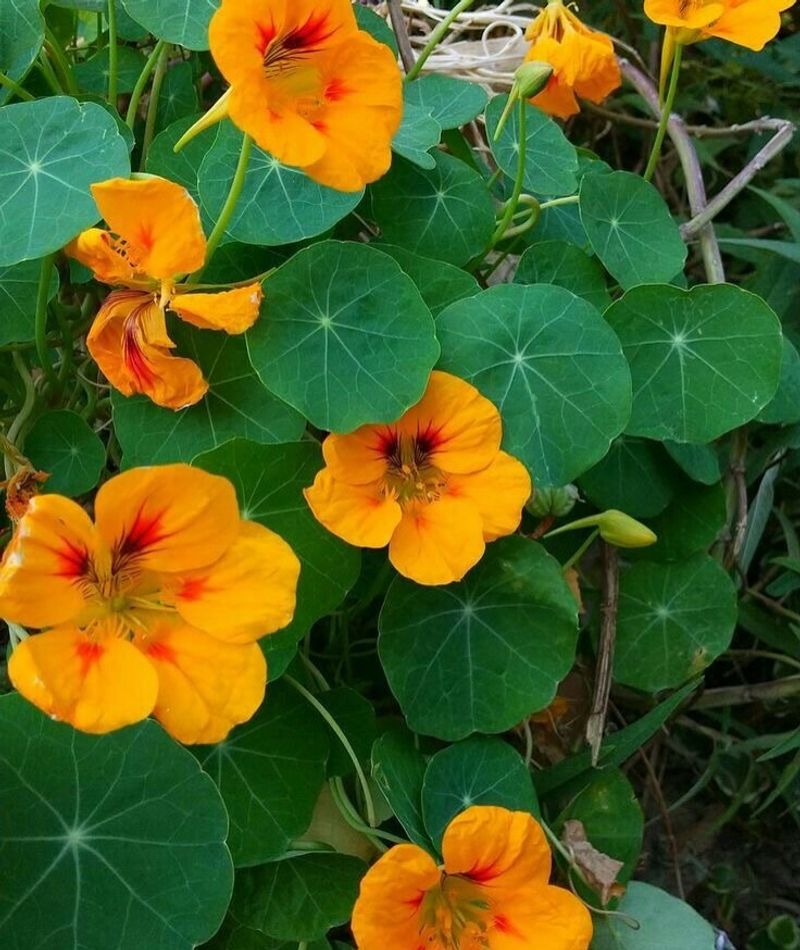
Cool-season color comes easy with these fast-growing annuals that bloom prolifically from fall through spring in most California gardens.
The bright orange trumpet-shaped flowers appear continuously above round, lily-pad-like leaves that create attractive groundcover or trailing accents in containers and hanging baskets.
Nasturtiums prefer cooler temperatures and actually struggle in summer heat, making them perfect for fall planting in mild-winter areas. They self-seed enthusiastically, often returning year after year once you’ve grown them successfully in a spot they like.
Both flowers and leaves are edible with a peppery flavor, adding interest to salads and garnishes. The plants attract beneficial insects while deterring some common garden pests, making them valuable companion plants in vegetable gardens.
Plant seeds directly in fall for winter and spring blooms, choosing spots with full sun to light shade and well-draining soil. Avoid fertilizing, which produces lush foliage but fewer flowers.
Nasturtiums tolerate poor soil and need only occasional watering once established, blooming most heavily during California’s cooler months when many other flowers take a break.
10. Calendula ‘Orange King’ (Calendula officinalis)
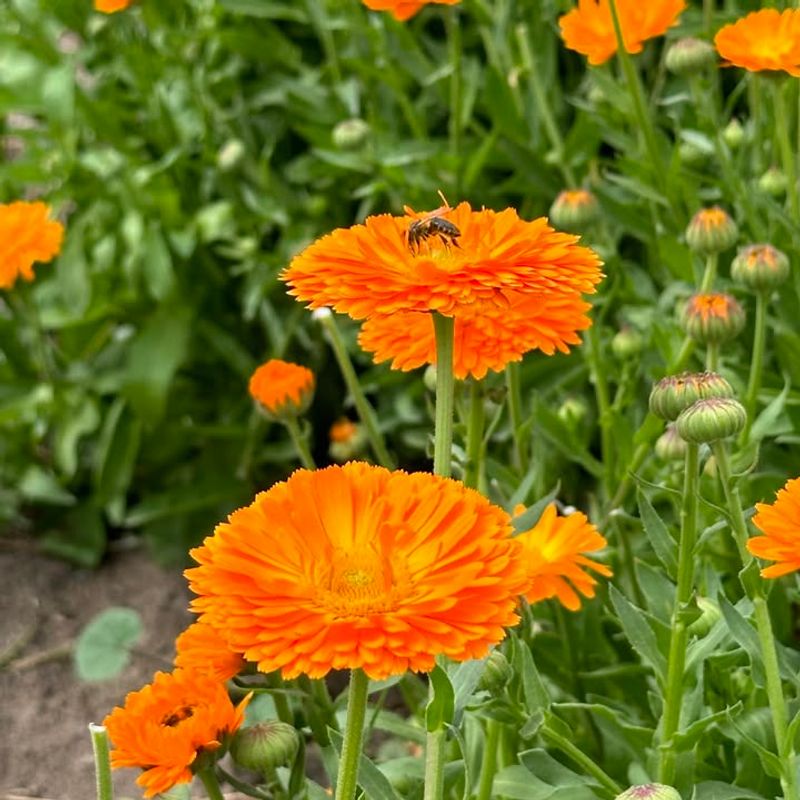
Cheerful and incredibly productive, Orange King calendulas bloom throughout California’s cool season, providing reliable color from fall through late spring.
The double orange flowers resemble marigolds but perform much better in cooler temperatures, making them ideal for winter gardens in mild-climate areas.
These Mediterranean natives feel right at home in California’s climate, tolerating light frosts while blooming continuously during our winter and spring months.
The flowers are edible and have been used medicinally for centuries, adding both beauty and function to herb gardens.
Direct seed in early fall for winter blooms, or plant transplants for quicker results. Calendulas self-seed readily, often returning year after year in the same garden spots without any intervention required from you.
The plants appreciate full sun and moderate water, though they tolerate some drought once established. Deadhead regularly to keep flowers coming, or let some blooms go to seed if you want volunteers for next season.
Orange King calendulas attract beneficial insects and provide long-lasting cut flowers, making them valuable additions to cutting gardens, herb gardens, and winter borders throughout California.
11. Butterfly Weed (Asclepias tuberosa)
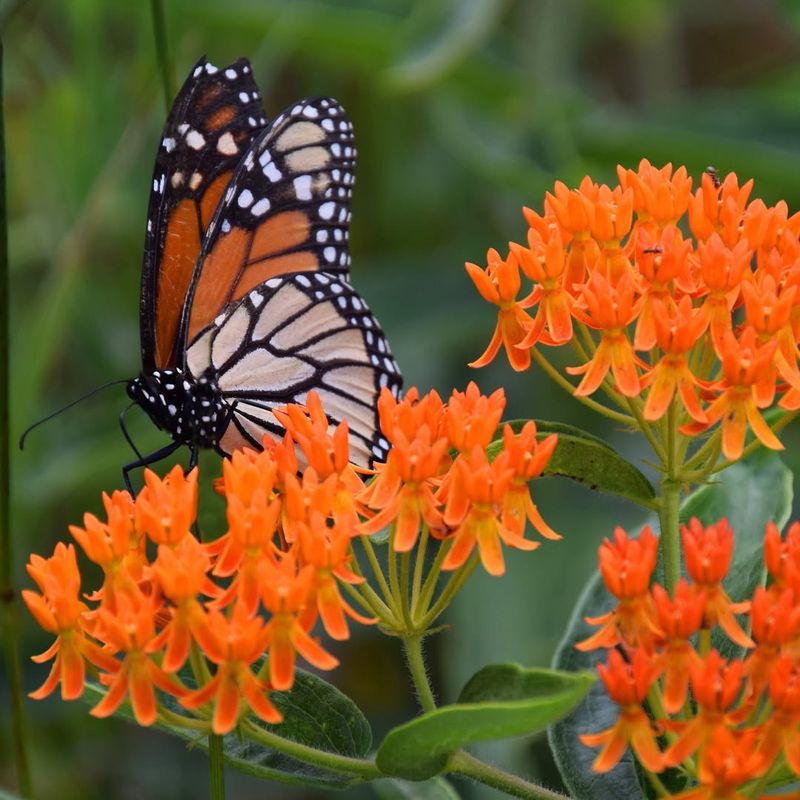
Supporting monarch butterflies while adding brilliant orange color makes this milkweed species a valuable addition to many gardens, though it is native to much of North America rather than most of California.
The vibrant orange flower clusters bloom throughout summer, attracting numerous butterflies, bees, and other pollinators that depend on native plants for survival.
Unlike some milkweeds that spread aggressively, butterfly weed grows in well-behaved clumps from deep taproots that make established plants extremely drought-tolerant.
The plants take a year or two to establish fully but then bloom reliably for years with minimal care.
Monarch caterpillars feed on the foliage, so don’t worry if leaves show some damage during butterfly season. Plant enough to share with caterpillars while still maintaining attractive displays throughout summer months.
Butterfly weed needs full sun and excellent drainage, performing best in sandy or gravelly soils that dry out between waterings. Avoid transplanting established plants since the deep taproot resists disturbance.
Once mature, plants tolerate extreme drought and heat, blooming prolifically during California’s warmest months when monarchs migrate through.
The bright orange flowers create striking focal points while providing nectar for many pollinators, though California native milkweeds such as Asclepias fascicularis and Asclepias speciosa are more important for supporting local monarch populations.
12. Orange Zinnia (Zinnia elegans)
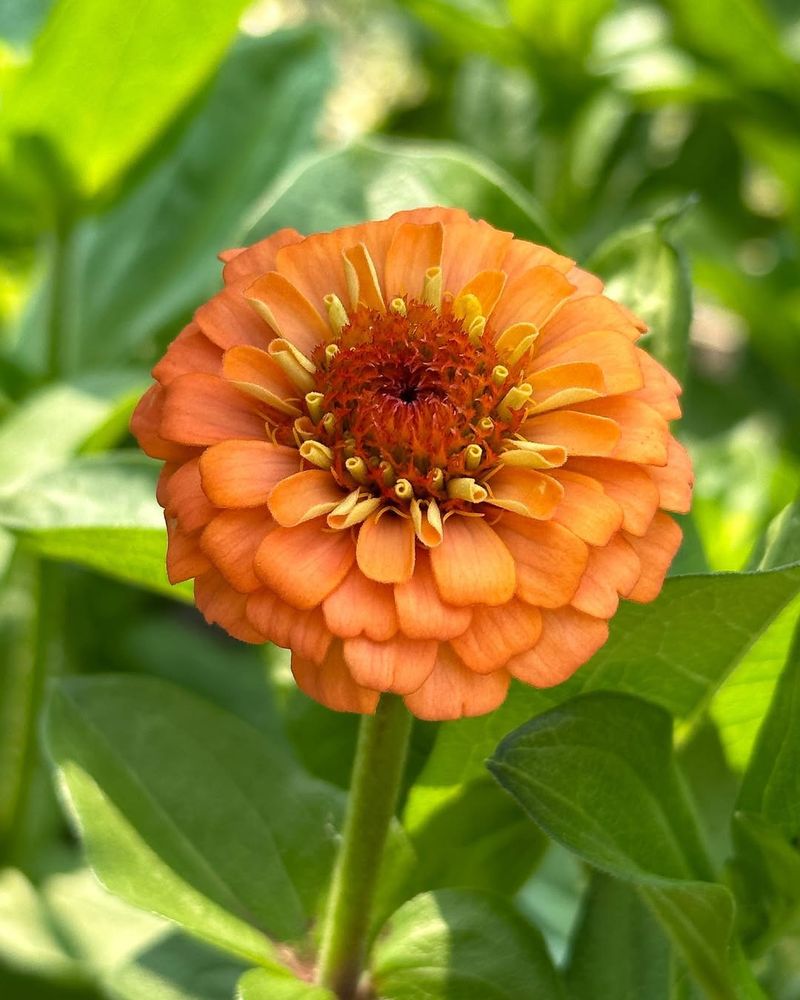
Few summer annuals deliver more color for less effort than zinnias, and orange varieties create particularly stunning displays in California’s heat.
These Mexican natives thrive in our warmest months, blooming continuously from early summer through fall with virtually no rest period between flower flushes.
The key to beautiful zinnias lies in planting location and avoiding overhead watering, which causes powdery mildew on foliage. Choose spots with excellent air circulation and water at ground level to keep leaves dry and healthy throughout the growing season.
Zinnias make outstanding cut flowers that last over a week in arrangements, and cutting actually encourages more blooms to form. The bright orange petals attract butterflies and beneficial insects while providing bold color in borders, cutting gardens, and containers.
Direct seed after the last frost or transplant nursery starts once soil warms thoroughly in spring. Plant in full sun with moderate water and occasional feeding to support continuous blooming.
Deadhead spent flowers regularly to maintain tidy appearance and encourage additional blooms, or leave some seed heads for finches and other seed-eating birds to enjoy in fall.
13. Torch Aloe (Aloe arborescens)
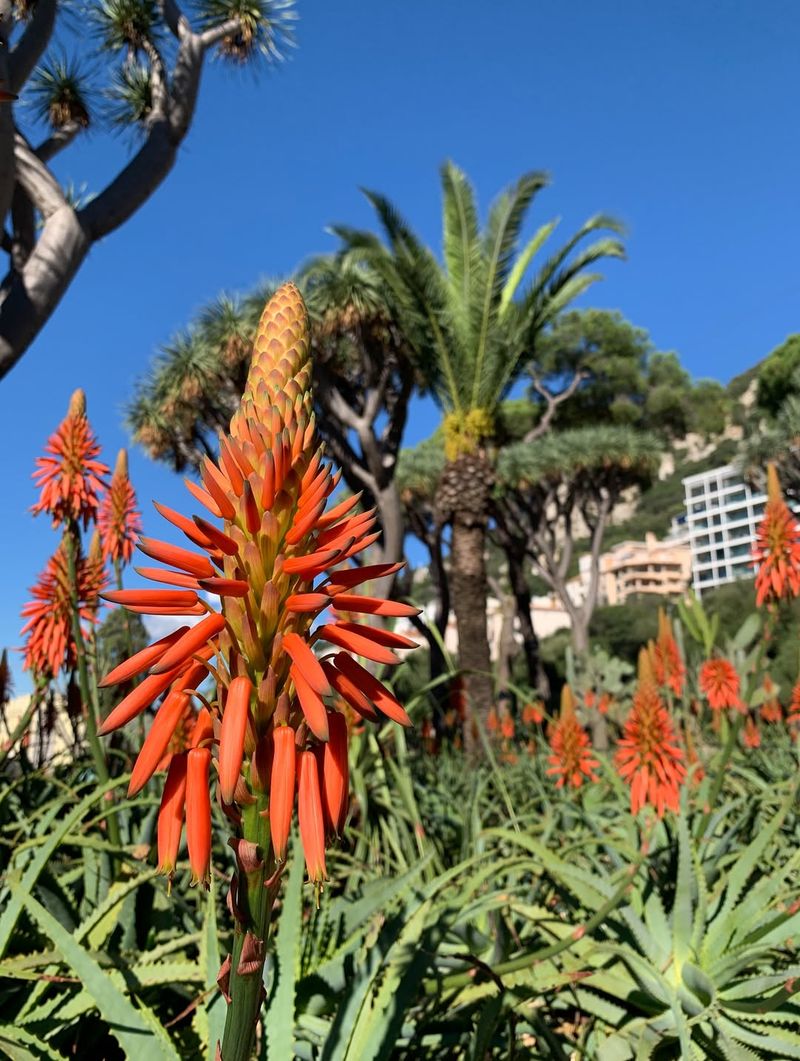
Bold architectural form meets winter color in this South African succulent that blooms during California’s coolest months when most gardens need extra interest.
The dramatic spikes of orange-red tubular flowers rise above sculptural rosettes of gray-green succulent leaves, creating striking focal points from December through March.
Hummingbirds flock to the nectar-rich blooms during winter when few other flowers provide food sources, making torch aloe valuable for supporting year-round pollinator populations.
The plants tolerate coastal conditions beautifully, handling salt spray and wind better than many succulents.
Established torch aloes require very little supplemental water once rooted, though occasional watering during extreme drought helps maintain plant health and flowering.
They tolerate brief light frosts in many regions, though prolonged or hard freezes can cause damage.
Plant in full sun to partial shade with excellent drainage, avoiding heavy clay soils that stay wet during winter. The plants grow slowly but eventually form impressive multi-stemmed clumps that bloom more heavily each year.
Remove spent flower stalks after blooming to maintain tidy appearance, and divide crowded clumps every few years to maintain vigor and maximize winter flower production.