How To Pick The Perfect Magnolia For Your California Garden
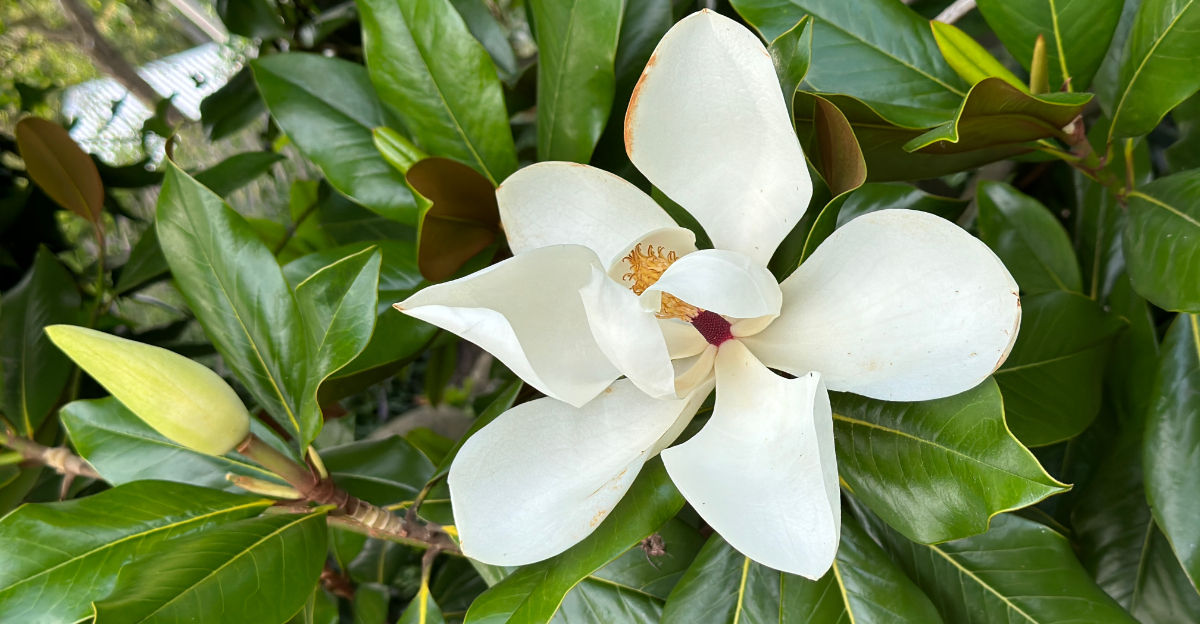
Magnolias are standout trees in many California gardens, offering glossy leaves and beautiful blooms that feel straight out of a fairytale. But not every magnolia fits every yard, and choosing the right one can make all the difference.
Think about your space, your sun, and the vibe you want to create. Do you love giant fragrant flowers that steal the spotlight, or sweet smaller blooms that add charm without the fuss?
Some varieties stay compact and patio friendly, while others stretch tall and become neighborhood icons. The good news is California’s climate gives you amazing options with long bloom seasons and evergreen beauty.
Ready to find your perfect match and plant a tree that turns your garden into a calm, fragrant retreat? Your garden will reward you with long-lasting beauty through the seasons.
1. Know Your Climate
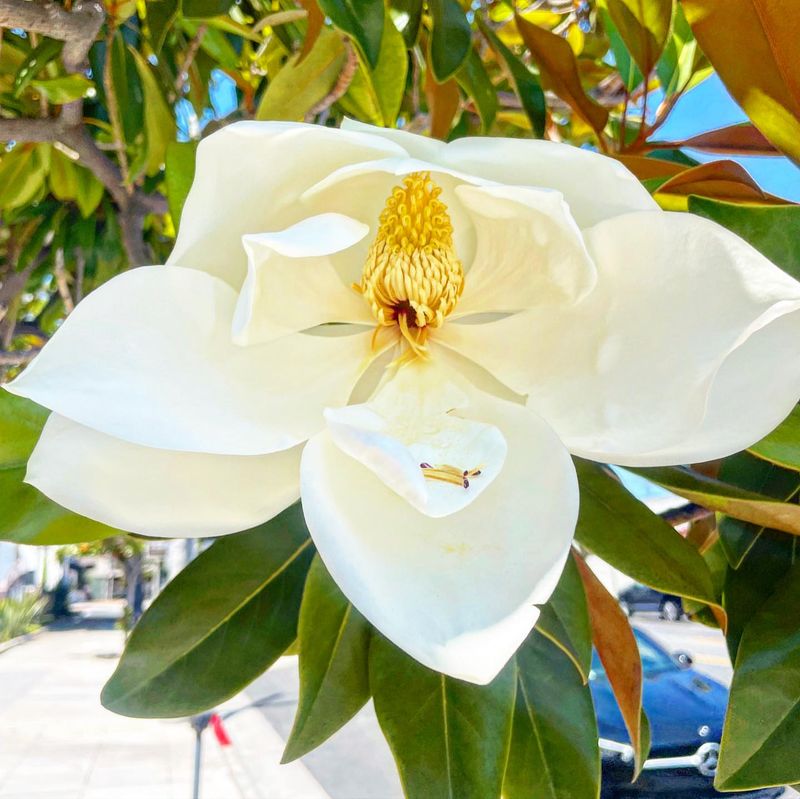
Before you fall in love with a particular magnolia at the nursery, take a realistic look at where you actually live in California. Coastal gardeners enjoy mild temperatures and natural moisture from marine fog, which suits certain magnolias beautifully.
Inland valley gardeners face hotter summers and wider temperature swings that demand more heat-tolerant varieties.
Many homeowners make the mistake of choosing magnolias based purely on appearance without considering their microclimate. A magnolia that thrives in Carmel might struggle in Fresno, and vice versa.
Check your USDA hardiness zone, but also pay attention to summer heat patterns, typical low temperatures, and how much coastal influence your garden receives.
Southern Magnolias handle heat well in many parts of California once established, especially in regions without extreme desert conditions. Saucer Magnolias prefer cooler conditions and perform better near the coast.
Star Magnolias adapt to several California climates, though they perform best with some afternoon shade in hotter regions.
Your local microclimate matters too. A south-facing wall creates extra heat, while a north-facing slope stays cooler.
Notice where fog lingers in your yard or where heat builds up during summer afternoons. These observations help you match the right magnolia to the exact spot you’re planting, setting your tree up for decades of healthy growth instead of constant struggle.
2. Choose The Right Size
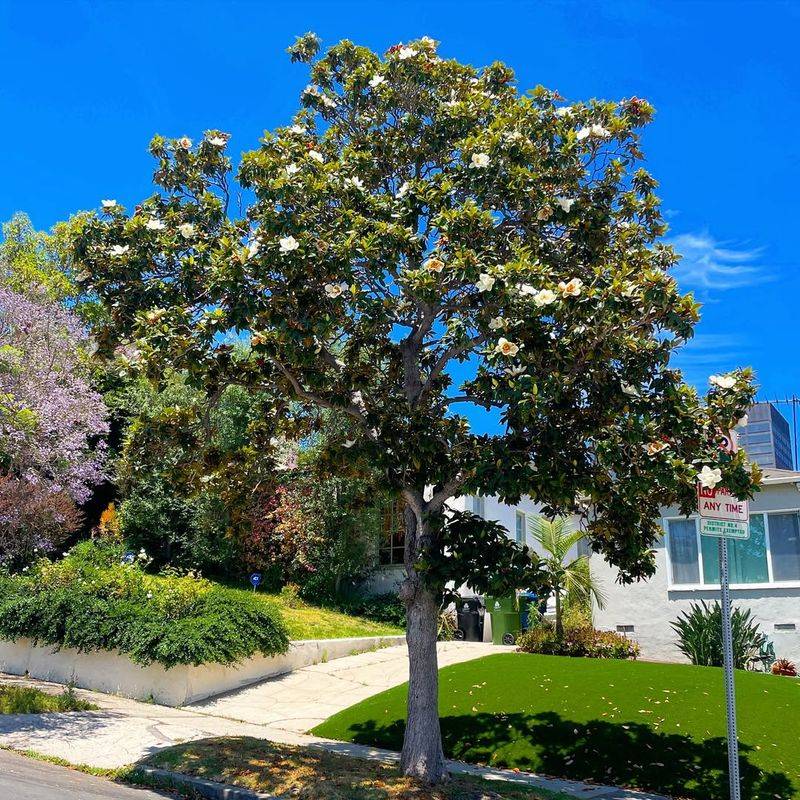
Magnolias grow slowly at first, which tricks many gardeners into underestimating their eventual size. That cute ten-foot sapling from the nursery may eventually reach thirty to fifty feet tall over time, depending on the variety and growing conditions.
Planning for mature size now saves you from expensive removal or constant pruning battles later.
Southern Magnolias become large shade trees, often reaching forty to fifty feet tall and spreading twenty-five feet wide. They’re magnificent in spacious yards but overwhelm small properties.
Little Gem is a compact Southern Magnolia cultivar that stays around fifteen to twenty feet, perfect for tighter spaces while keeping the glossy evergreen foliage and fragrant white blooms.
Saucer Magnolias typically reach twenty to thirty feet with a similar spread, making them medium-sized landscape trees. Star Magnolias stay smaller, usually topping out around fifteen feet, which works well in courtyards or as understory trees.
Your California Garden Changes Every Week. Your Plan Should Too.
Gardening in California changes quickly throughout the season. Every Friday you’ll receive a simple weekly plan showing exactly what to plant, prune, fertilize, harvest, and protect so you never miss the right timing.
Sweetbay Magnolias can be kept as large shrubs or allowed to grow into small trees of twenty to thirty feet.
Measure your planting area carefully. Consider overhead power lines, nearby structures, and how much space you want the tree to occupy at maturity.
Remember that magnolias develop wide root systems, so allow generous distance from foundations, pools, and hardscaping based on the mature size of the variety. Choosing the right-sized variety from the start means your magnolia enhances your landscape instead of dominating or damaging it.
3. Evergreen Or Deciduous
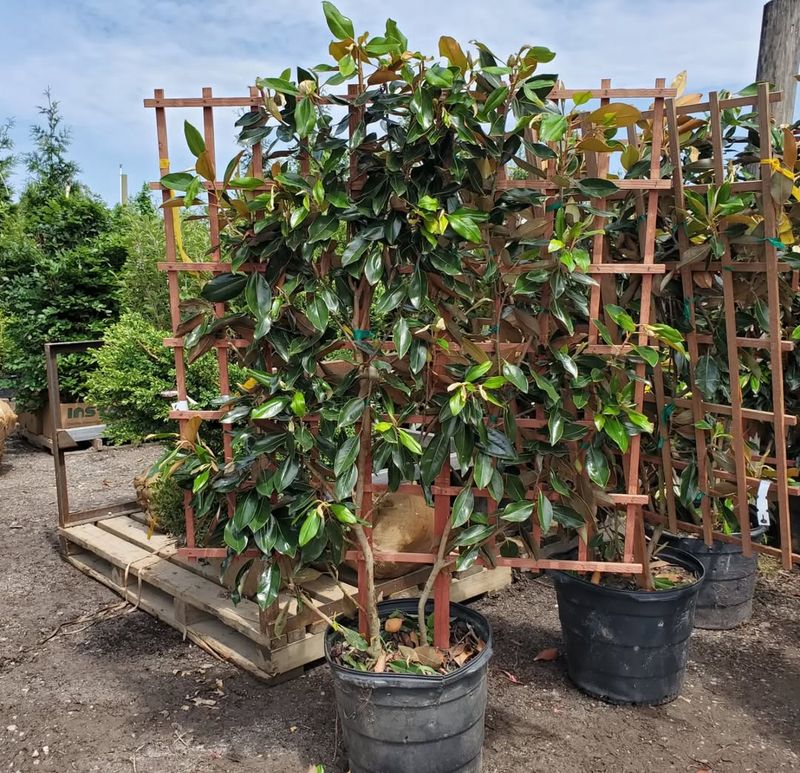
California’s mild winters change how you think about evergreen versus deciduous magnolias. Unlike cold-climate gardens where everything goes dormant, California landscapes stay active year-round, making your magnolia choice more visually impactful.
Evergreen magnolias provide constant structure and screening, while deciduous types offer seasonal drama and winter light.
Southern Magnolias and their cultivars stay evergreen, keeping their glossy dark green leaves throughout the year. This makes them excellent for privacy screening, windbreaks, or creating permanent garden structure.
Their year-round foliage also means year-round shade, which affects what you can grow underneath and how much winter sun reaches nearby areas.
Saucer Magnolias and Star Magnolias drop their leaves in fall, giving you bare branches through winter. This seasonal change lets winter sun reach your garden and creates a different aesthetic experience.
Their spring bloom display on bare branches is spectacular, with flowers appearing before leaves emerge. Many gardeners find this naked-branch bloom period more dramatic than evergreen magnolias blooming among their foliage.
Think about your landscape needs beyond just the tree itself. Do you need year-round screening from neighbors?
Choose evergreen. Want winter sun on a patio but summer shade?
Deciduous works better. Consider maintenance too since evergreen magnolias shed leaves gradually throughout the year rather than all at once, while deciduous types concentrate leaf drop in fall, making cleanup easier to manage in one season.
4. Best Varieties For California
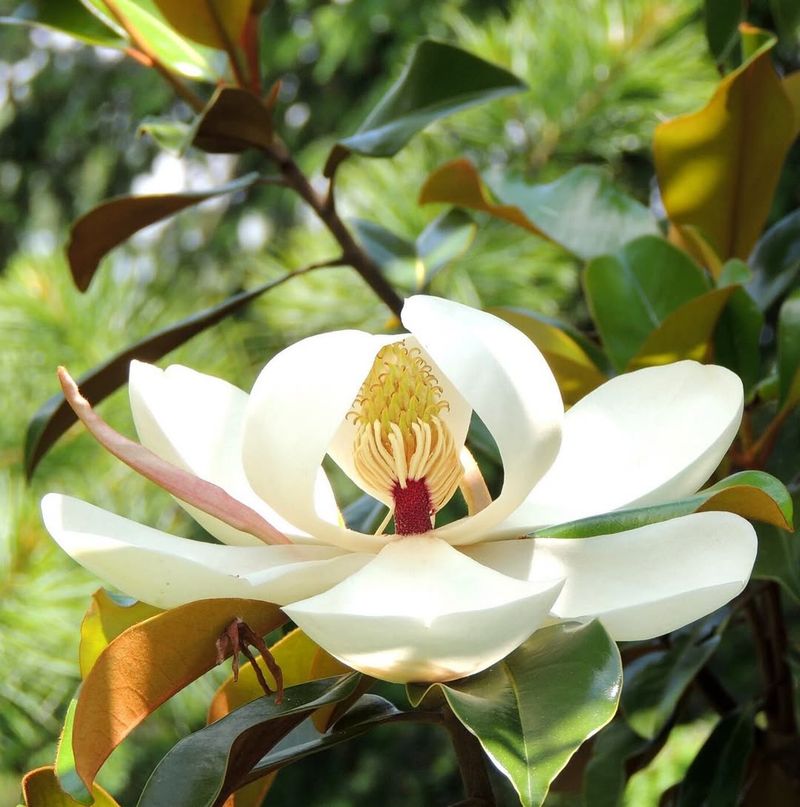
Walking into a nursery and facing dozens of magnolia varieties can feel overwhelming. Fortunately, several proven performers adapt particularly well to California’s Mediterranean climate and varying regional conditions.
Focusing on these reliable varieties increases your success rate dramatically.
Southern Magnolia is a widely planted choice in many California landscapes for its large fragrant blooms and evergreen foliage. It handles heat, tolerates various soil types once established, and can live for many decades under suitable conditions.
Little Gem offers the same qualities in a compact package, fitting smaller yards without sacrificing the Southern Magnolia’s signature look.
Saucer Magnolia brings spectacular early spring color with huge pink, purple, or white blooms on bare branches. It prefers California’s coastal and northern regions where summers stay moderate.
Star Magnolia produces fragrant white star-shaped flowers in early spring and adapts well to various California climates, though it appreciates afternoon shade in hot inland areas.
Sweetbay Magnolia suits California’s coastal regions beautifully with its semi-evergreen habit, creamy white flowers, and tolerance for moisture. Yulan Magnolia offers pure white blooms and deciduous habit for gardeners wanting something less common.
Each variety brings different characteristics, so match bloom time, mature size, evergreen versus deciduous habit, and climate tolerance to your specific garden situation for the best long-term results.
5. Sun, Soil, And Space
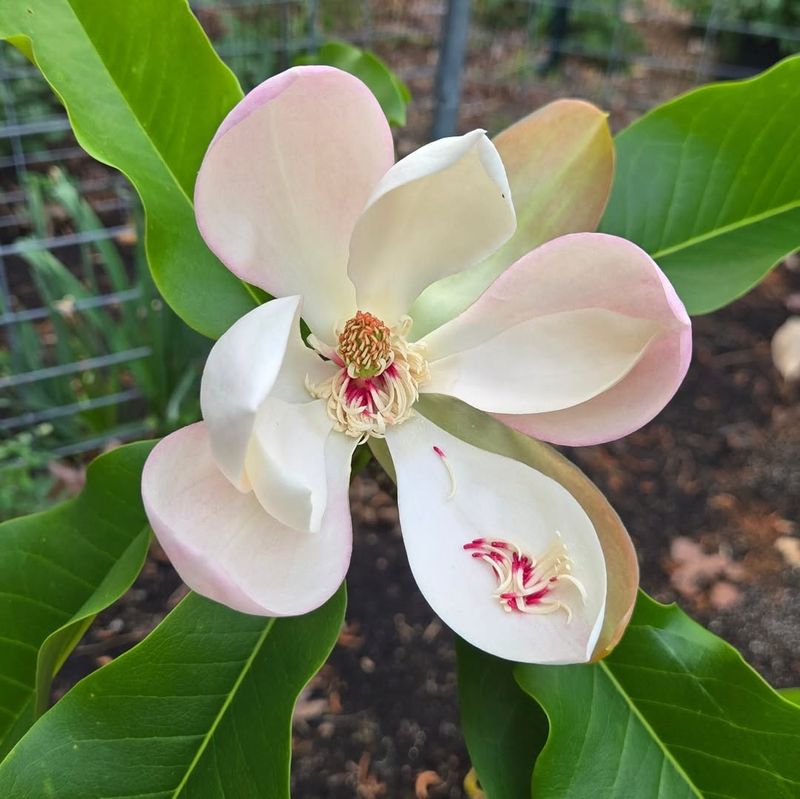
Getting the growing conditions right from the start determines whether your magnolia thrives or merely survives. Magnolias are generally adaptable but perform best when their basic growing preferences are met.
Understanding these requirements helps you choose both the right variety and the right planting location.
Many magnolias grow best in full sun to partial shade, though light requirements vary slightly by species and climate. In California’s hottest inland valleys, afternoon shade helps prevent leaf scorch, especially for varieties less adapted to intense heat.
Coastal gardeners can provide full sun without worry. Southern Magnolias handle full California sun beautifully once established, while Saucer and Star Magnolias appreciate some afternoon protection in hot areas.
Soil drainage matters enormously in California where we irrigate rather than rely on regular rainfall. Magnolias are sensitive to poorly drained soil and may develop root problems if roots stay too wet.
They prefer slightly acidic to neutral pH but tolerate California’s more alkaline soils reasonably well with proper care. Adding compost at planting improves both drainage and soil structure.
Space requirements extend beyond just the canopy. Magnolia roots spread wide, often extending one and a half times the canopy width.
Keep them away from foundations, septic systems, and water lines. Provide adequate space for air circulation, which reduces disease pressure.
Don’t crowd magnolias with other large plants since competition for water and nutrients stresses young trees during establishment.
6. Planting For Long-Term Success
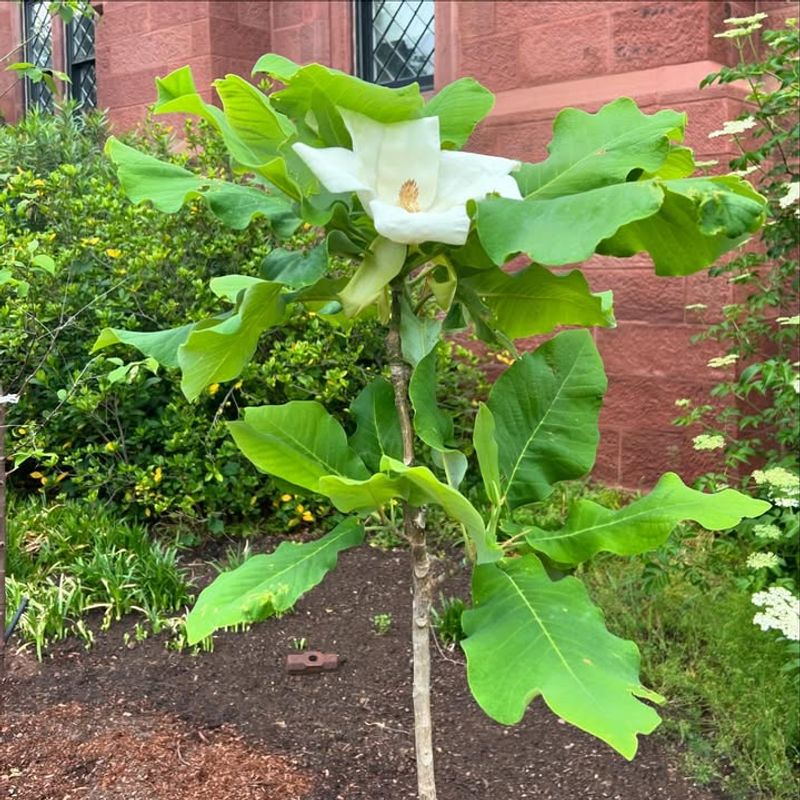
The way you plant your magnolia matters as much as which variety you choose. California’s dry summers and distinct lack of humidity compared to magnolias’ native regions mean establishment requires more attention here.
Proper planting technique gives your tree the strong start it needs to develop deep roots and handle our climate long-term.
Plant magnolias in fall or early spring when temperatures stay moderate and winter rains help with establishment. Dig your hole two to three times wider than the root ball but no deeper.
California’s tendency toward compacted soil means that wide hole gives roots room to spread into amended, looser soil as they establish.
Set the root ball so the top sits slightly above ground level, never deeper. Backfill with a mix of native soil and compost, creating a transition zone rather than a distinct pocket of different soil.
Build a watering basin around the planting area to direct water to roots during establishment.
Water deeply but infrequently during the first two years, encouraging deep root growth rather than shallow roots dependent on constant moisture. Apply three to four inches of mulch around the tree, keeping it several inches away from the trunk to prevent rot.
Stake only if necessary in windy locations, and remove stakes after one year.
Avoid fertilizing newly planted magnolias. Let them focus on root establishment rather than top growth.
Once established after two years, established magnolias often need little fertilizer in many California soils, though occasional feeding may help in nutrient-poor areas.
Deep watering every two to three weeks during summer keeps established magnolias healthy without overwatering.
7. Avoid Common Magnolia Mistakes
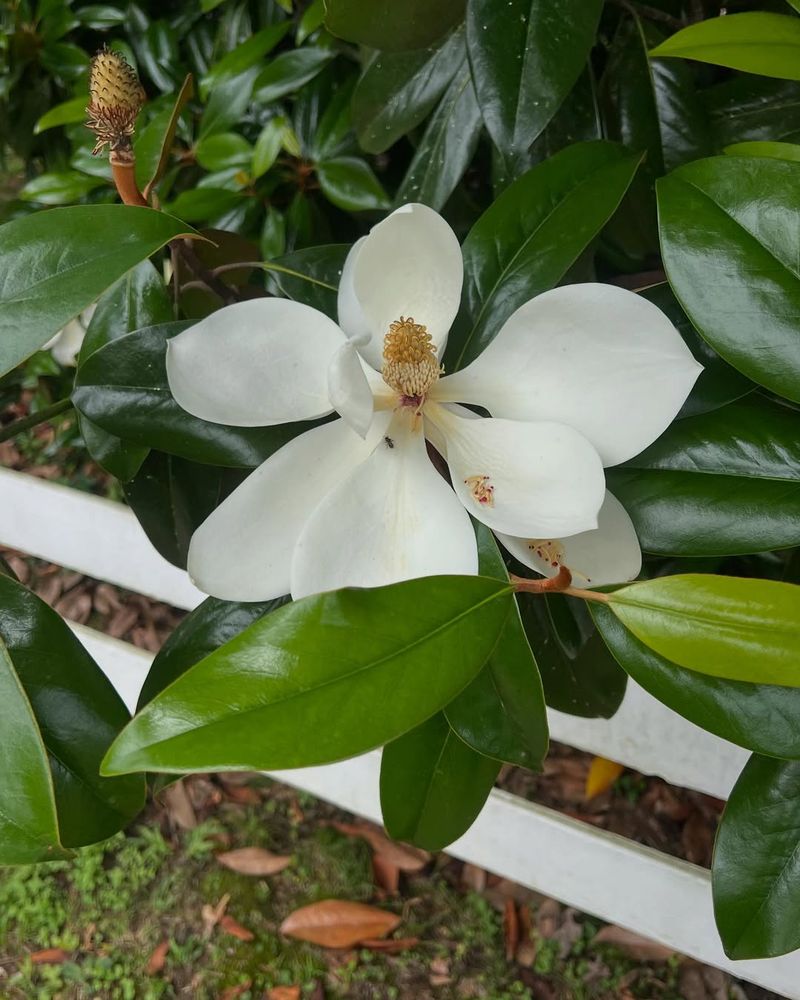
Even experienced California gardeners make predictable mistakes with magnolias that compromise their trees’ health and appearance. Learning what not to do proves just as valuable as knowing correct practices.
These common errors cause most magnolia problems in California landscapes.
Overwatering is a common cause of magnolia problems in California, often leading to root stress and decline. Many gardeners treat magnolias like thirsty plants needing frequent irrigation.
Once established, magnolias prefer deep, infrequent watering that mimics natural rainfall patterns. Constantly wet soil leads to root rot, yellowing leaves, and eventual decline.
Let soil dry somewhat between waterings.
Planting too close to structures creates problems as magnolias mature.
That fifteen-foot space between your house and property line seems adequate for a small nursery magnolia, but twenty years later you’re dealing with branches against siding, roots threatening foundations, and a tree that’s outgrown its space.
Plan for the tree’s mature size rather than its current size to avoid future crowding issues.
Heavy pruning ruins magnolias’ natural form and reduces blooming. Magnolias develop beautiful natural shapes without much intervention.
Resist the urge to shape them like other trees. Remove only dead, damaged, or crossing branches, and make cuts just after flowering to avoid removing next year’s flower buds.
Choosing varieties unsuited to your specific climate causes ongoing struggle. A Saucer Magnolia in Bakersfield’s heat or a Southern Magnolia in a tiny yard creates maintenance headaches and disappointing performance.
Match variety to your actual conditions, not wishful thinking, for a magnolia that truly thrives in your California garden.