Is Spring Too Late To Plant Garlic In Pennsylvania?
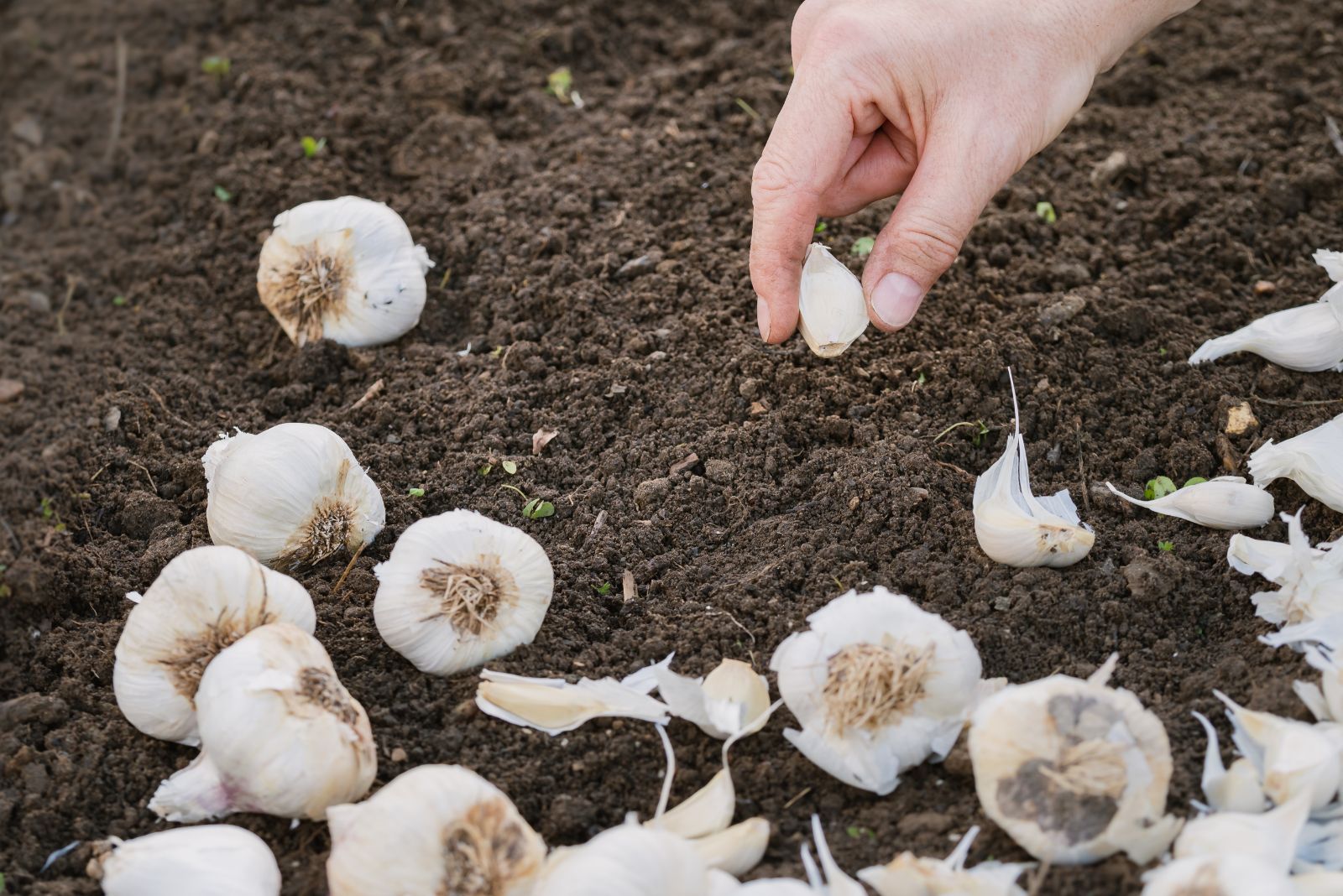
Missed the fall planting window and wondering if spring is too late for garlic in Pennsylvania? Many gardeners face this question when winter slips by faster than expected.
While garlic is usually planted in autumn, spring planting can still produce a satisfying harvest with the right approach. Timing, soil preparation, and proper care all play a role in helping bulbs develop well.
Spring planted garlic may grow a bit differently, yet it can still deliver fresh flavor straight from your garden. Choosing suitable varieties and giving plants consistent moisture and sunlight can make a noticeable difference.
Even if the bulbs turn out smaller, the reward of homegrown garlic is worth the effort. With a little patience and smart planning, you can still enjoy a productive garlic patch and make the most of the growing season in Pennsylvania.
1. Can Garlic Be Planted In Spring In Pennsylvania?
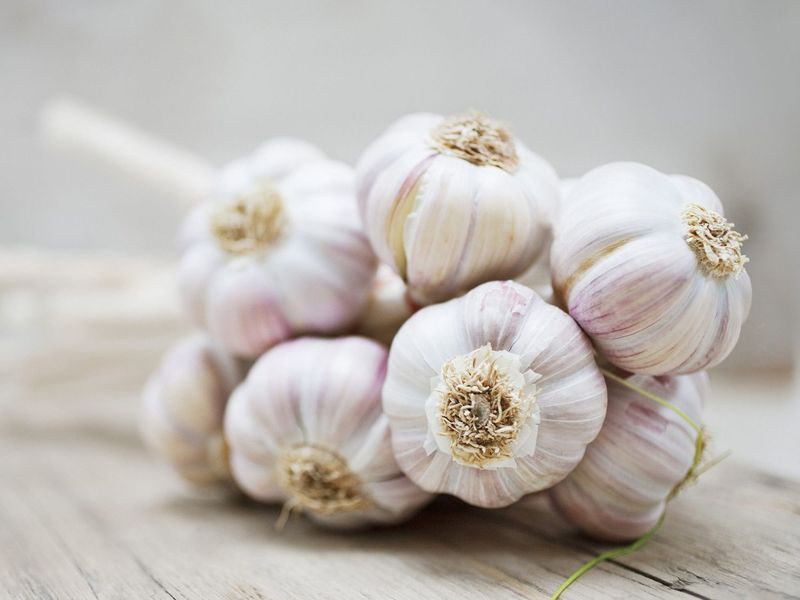
Planting garlic in spring is absolutely possible throughout Pennsylvania. Your bulbs will grow and produce edible garlic, so you haven’t completely missed the window. However, fall planting remains the preferred method for most gardeners in the state.
Spring-planted garlic faces one major challenge compared to fall garlic. The cloves miss out on the cold period called vernalization, which signals the plant to form proper bulbs.
Without enough cold exposure, your garlic may produce smaller bulbs with fewer individual cloves inside.
Pennsylvania’s climate does provide some natural cold temperatures in early spring. If you plant as soon as the ground thaws, your garlic might still experience a few weeks of chilly weather.
This limited cold exposure helps, but it won’t match the months of winter temperatures that fall-planted garlic receives.
The bulbs you harvest from spring planting will still taste delicious and work perfectly in your cooking. They just might not store as long or grow as large as fall-planted varieties.
Many Pennsylvania gardeners successfully grow spring garlic for immediate use rather than long-term storage.
Think of spring planting as a backup plan rather than the ideal approach. If you forgot to plant last October or November, go ahead and plant now.
You’ll still enjoy fresh garlic from your garden, even if the bulbs are smaller than you hoped for initially.
2. Why Fall Planting Is Usually Better?
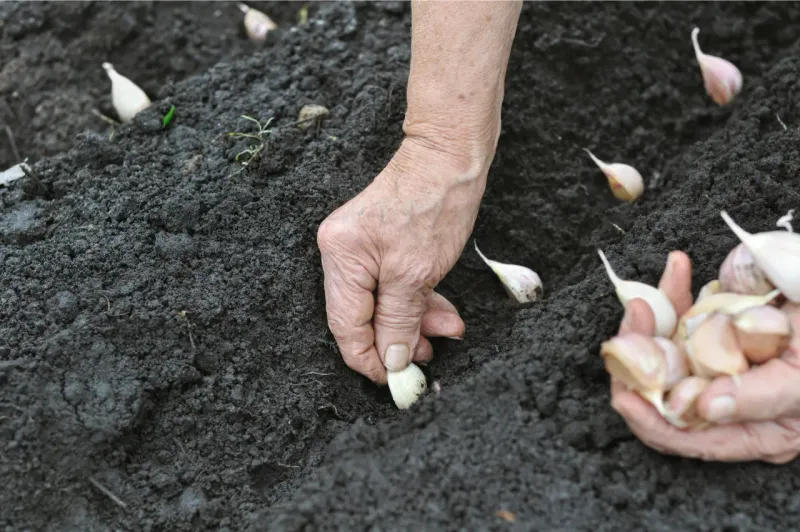
Fall planting gives garlic the time it needs to develop strong root systems before winter arrives.
When you plant cloves in October or November across Pennsylvania, they establish roots during the mild autumn weather. These roots anchor the plant and prepare it for vigorous spring growth.
Winter cold serves a crucial biological purpose for garlic development. The process called vernalization happens when garlic experiences temperatures between 32 and 50 degrees Fahrenheit for several weeks.
This cold period triggers hormonal changes inside the clove that tell it to form a proper bulb with multiple cloves.
Pennsylvania winters provide ideal vernalization conditions for garlic plants. The cloves sit dormant under snow or mulch, undergoing the internal changes needed for bulb formation.
When spring warmth arrives, the plants already have established roots and the proper signals to create large, well-formed bulbs.
Your Pennsylvania Garden Changes Every Week. Your Plan Should Too.
Gardening in Pennsylvania changes quickly throughout the season. Every Friday you’ll receive a simple weekly plan showing exactly what to plant, prune, fertilize, harvest, and protect so you never miss the right timing.
Fall-planted garlic in Pennsylvania typically produces bulbs that are 30 to 50 percent larger than spring-planted varieties.
The cloves divide more completely, giving you more individual pieces to use in cooking or save for next year’s planting. Storage quality also improves significantly with fall planting.
Gardeners throughout Pennsylvania consistently report better yields from fall planting. The extra months of growth time and proper cold exposure make a noticeable difference.
While spring planting works in a pinch, fall remains the gold standard for serious garlic growers.
3. When To Plant Garlic In Spring In Pennsylvania?
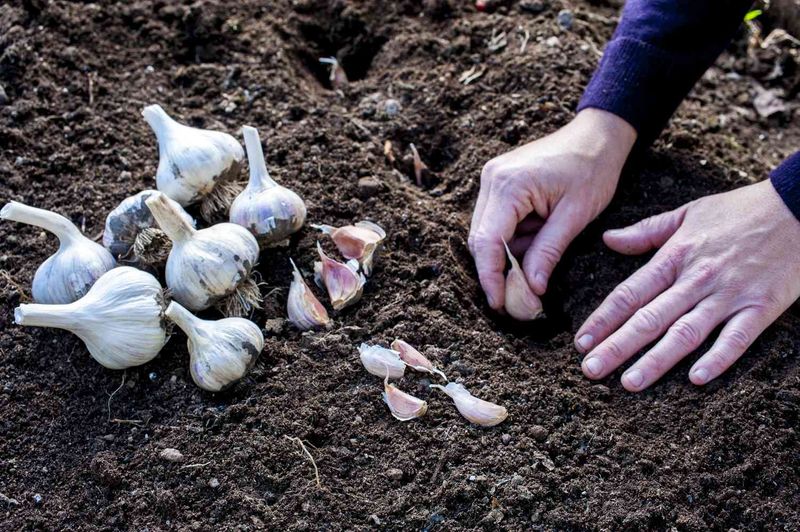
Timing matters tremendously when planting garlic during spring months in Pennsylvania. You want to get your cloves in the ground as early as physically possible. The moment your soil becomes workable, usually in March or early April, you should plant.
Soil workability means the ground has thawed enough to dig without being muddy or waterlogged. Squeeze a handful of soil in your palm.
If it crumbles apart easily, you’re ready to plant. If water drips out or it forms a tight mud ball, wait a few more days.
Different regions of Pennsylvania will have different planting windows based on elevation and local climate.
Southern Pennsylvania counties might be ready in early March, while northern and mountainous areas may need to wait until mid-April. Pay attention to your specific location rather than following a statewide schedule.
Earlier planting gives your garlic more time to experience any remaining cold temperatures. Even a few weeks of chilly spring weather helps with bulb formation. Every day you delay planting reduces the size of your final harvest.
Avoid planting when the ground is frozen solid or covered in snow. Attempting to plant too early can damage the cloves and waste your effort. Check your local frost dates and soil conditions carefully before beginning.
Mark your calendar for the earliest possible planting date in your Pennsylvania area. Being ready with prepared beds and quality seed garlic means you won’t miss the optimal window when it arrives.
4. What Results To Expect From Spring-Planted Garlic?
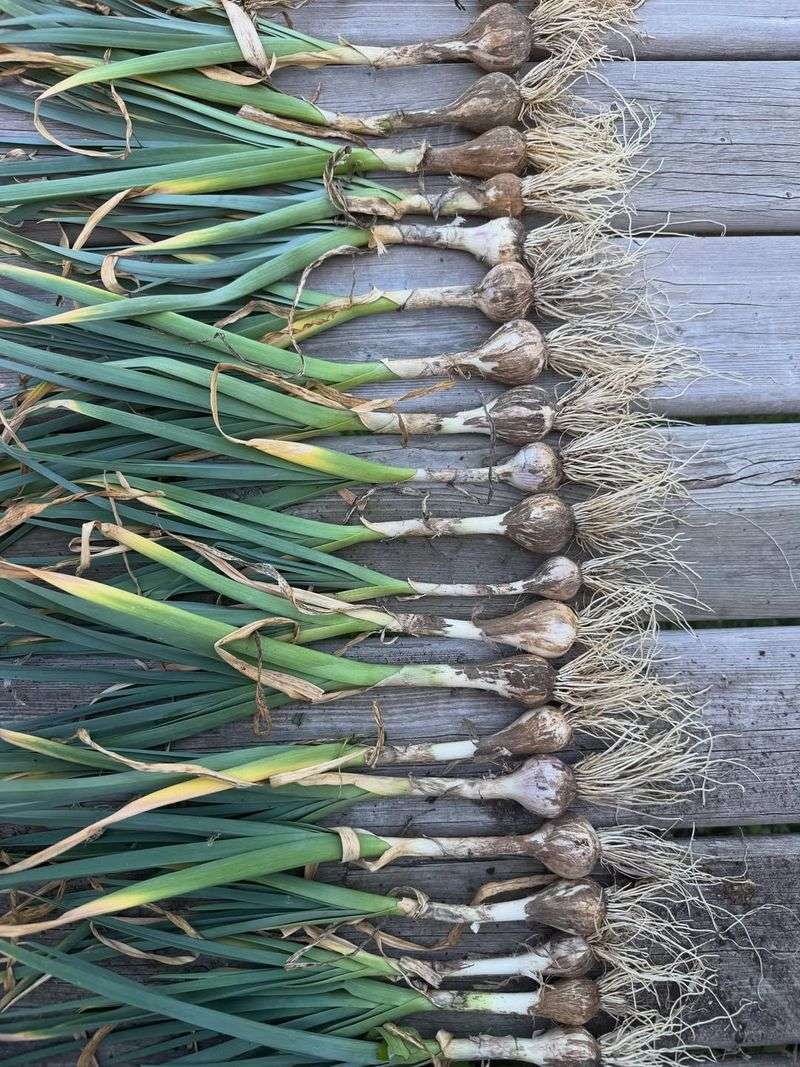
Managing your expectations helps prevent disappointment when harvest time arrives for spring-planted garlic in Pennsylvania.
Your bulbs will definitely be smaller than fall-planted varieties, typically ranging from half to two-thirds the size. This size difference is normal and expected.
Clove formation may also differ from what you see with fall garlic. Instead of eight to twelve well-defined cloves, spring garlic sometimes produces bulbs with four to six larger cloves.
Occasionally, you might even get rounds, which are single undivided bulbs that look like large pearl onions.
Harvest timing shifts later in the season for spring-planted garlic. While fall-planted garlic in Pennsylvania is usually ready in late June or early July, spring garlic often needs until late July or August to mature. The plants need extra time to compensate for their late start.
Flavor and quality remain excellent despite the smaller size. Your spring garlic will taste just as pungent and delicious as fall-planted varieties.
The cloves work perfectly for cooking, though you might need to use more of them in recipes.
Storage life tends to be shorter with spring-planted bulbs. Plan to use your harvest within two to four months rather than storing it through the entire winter. The smaller bulbs and less complete curing make them better for immediate consumption.
Pennsylvania gardeners who plant in spring should view their harvest as a learning experience and a source of fresh garlic for summer cooking rather than a major storage crop.
5. Tips To Improve Success With Spring Garlic
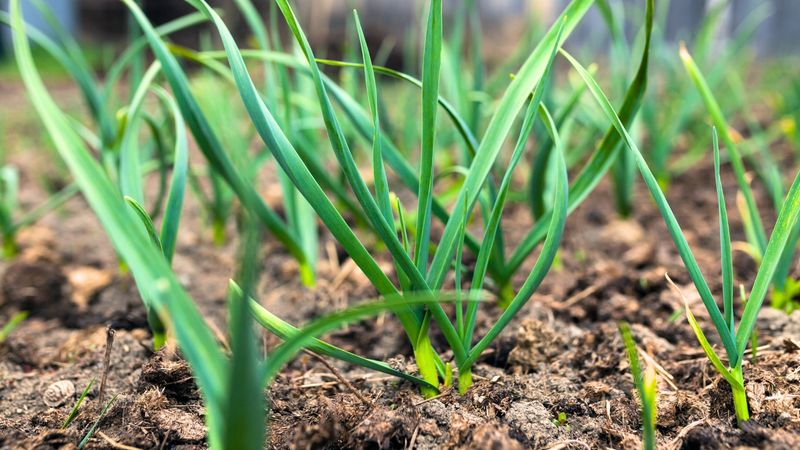
Selecting the largest, healthiest cloves from your seed garlic gives spring planting the best possible start. Bigger cloves contain more stored energy, which helps compensate for the shorter growing season. Discard any cloves that show soft spots, mold, or damage.
Hardneck varieties generally perform better than softneck types in Pennsylvania’s climate. Varieties like German Extra Hardy, Music, or Chesnok Red are well-suited to the state’s conditions.
These types handle cold better and produce reliable crops even with spring planting.
Site selection makes a significant difference in your results. Choose a location that receives full sun for at least six to eight hours daily.
Well-drained soil is essential because garlic cloves will rot in waterlogged conditions, especially during Pennsylvania’s spring rains.
Proper spacing and planting depth help each clove develop fully. Plant individual cloves two inches deep with the pointed end facing upward.
Space them four to six inches apart in rows that are twelve inches apart. This spacing prevents competition for nutrients and sunlight.
Consistent moisture throughout the growing season supports steady growth. Water deeply once or twice per week if rainfall is insufficient.
Keep the soil evenly moist but never soggy. Reduce watering as harvest time approaches in mid to late summer.
Early nitrogen fertilization encourages leaf growth, which fuels bulb development. Apply a balanced fertilizer or compost when shoots emerge.
Stop fertilizing by late May in Pennsylvania to allow the plants to focus energy on bulb formation rather than continued leaf production.
6. Harvest Timing And How To Know It’s Ready
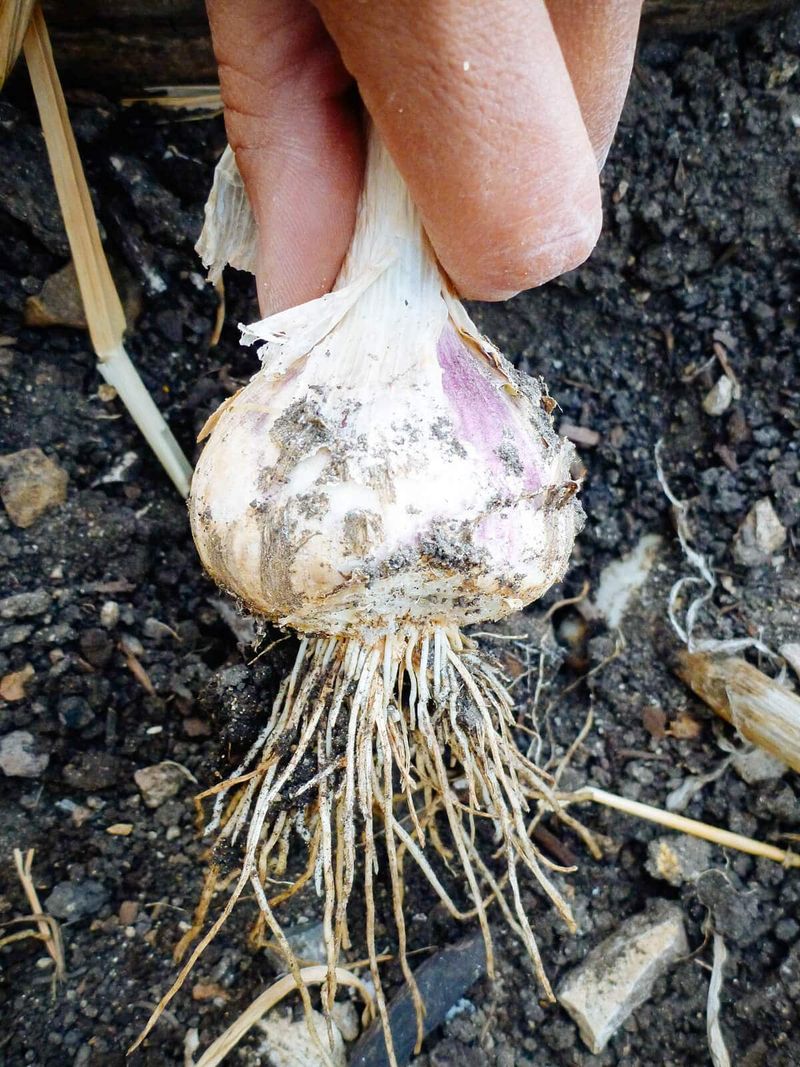
Recognizing the right harvest time prevents you from pulling garlic too early or leaving it too long in Pennsylvania soil.
Watch your plants carefully starting in mid-July for spring-planted garlic. The visual cues from the leaves tell you everything you need to know.
Lower leaves turning brown while upper leaves remain green signals harvest readiness. Typically, you want about half the leaves to have browned. If you wait until all leaves turn brown, the bulbs may start separating and won’t store well.
Stop watering your garlic about two weeks before you plan to harvest. This drying period helps the bulbs develop their papery protective skins. Dry conditions also make harvesting easier and cleaner in Pennsylvania gardens.
Use a garden fork to gently loosen the soil around your garlic plants. Avoid using a shovel, which might slice through the bulbs.
Lift the entire plant carefully, shaking off excess soil. Handle the bulbs gently to prevent bruising.
Curing is essential for storage and flavor development. Hang your garlic plants in a dry, well-ventilated area out of direct sunlight for two to three weeks.
Good air circulation prevents mold growth during this critical period. Pennsylvania’s humid summers make proper ventilation especially important.
After curing, trim the roots and cut the stems about an inch above the bulb. Store your cured garlic in a cool, dry location.
Remember that spring-planted garlic in Pennsylvania typically stores for shorter periods than fall varieties, so plan to use it within a few months of harvest.