9 Must-Have Hanging Plants For A Beautiful California Patio
Nothing transforms a California patio faster than lush greenery cascading overhead. Hanging plants bring life to small spaces, soften harsh lines, and create that breezy coastal vibe everyone loves.
Imagine gentle tendrils swaying in warm air, pops of color at eye level, and a cozy outdoor corner that feels like your own secret garden.
The trick is choosing varieties that thrive in sunshine, handle dry spells, and still look gorgeous with minimal effort.
Some spill dramatically, some bloom brightly, and some offer sculptural foliage that steals the show. Mix textures, play with heights, and let your patio feel layered, fresh, and inviting all year.
1. Trailing Lantana (Lantana montevidensis)
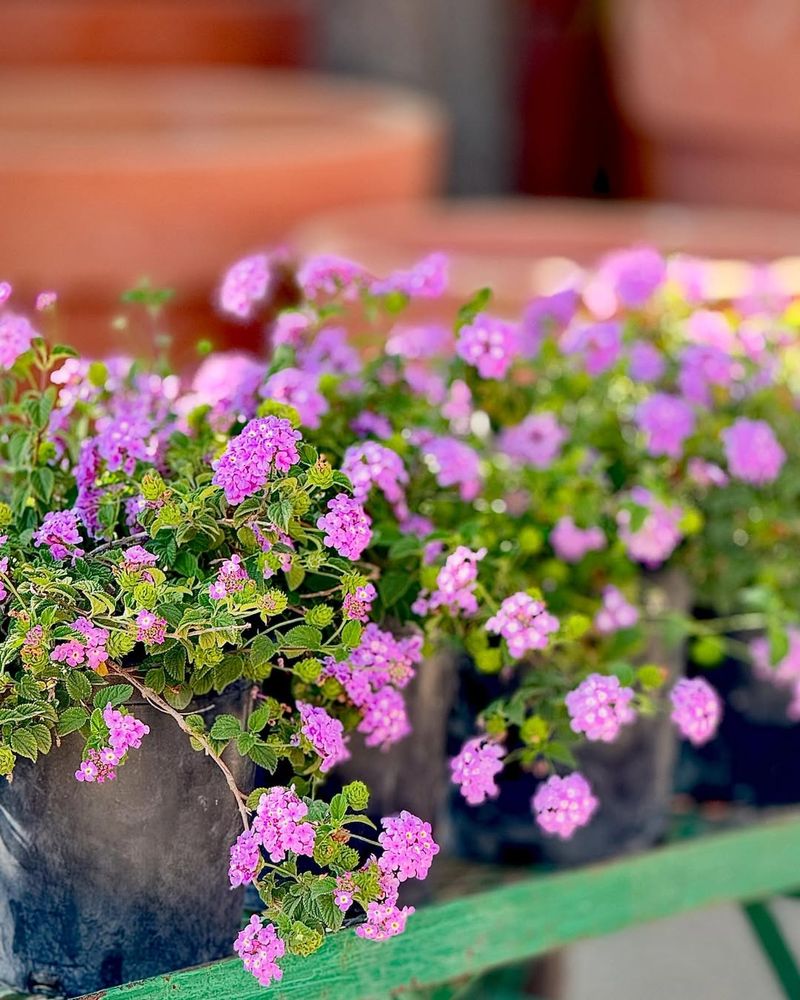
If you’re searching for a hanging plant that can handle full California sun without wilting by noon, trailing lantana delivers exactly that kind of toughness.
This Mediterranean climate champion produces clusters of purple, lavender, or white flowers continuously from spring through fall, creating a waterfall of color that never seems to quit.
Unlike its upright cousin, this trailing variety spreads horizontally and cascades beautifully over basket edges.
Many gardeners underestimate just how drought-tolerant this plant becomes once established. While it appreciates regular water in containers, trailing lantana won’t collapse if you miss a watering day during a heat wave.
Coastal gardeners find it blooms reliably in morning sun with afternoon shade, while inland patios can grow it in full sun as long as containers don’t completely dry out.
Plant it in well-draining potting mix and deadhead spent blooms occasionally to encourage fresh flowers. The biggest mistake is overwatering, lantana hates soggy roots and will quickly develop root rot in poorly draining containers.
Butterflies and hummingbirds visit constantly, adding movement and life to your patio space. This plant proves that California-friendly doesn’t mean boring.
2. Wave Petunia (Petunia × hybrida)
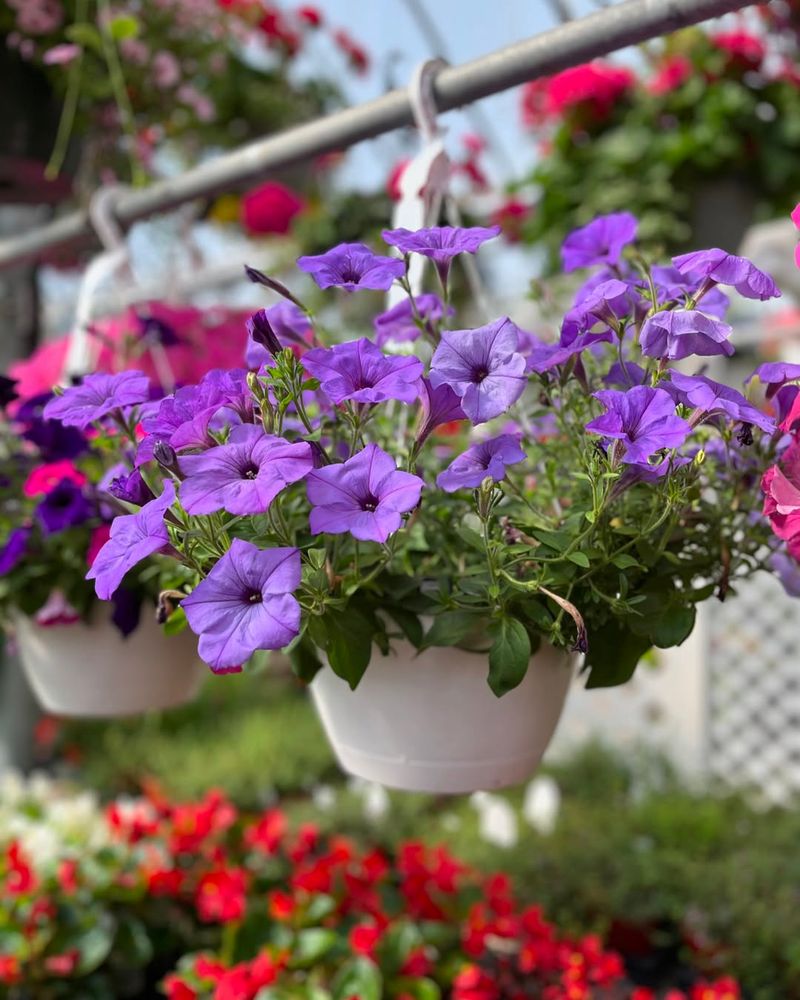
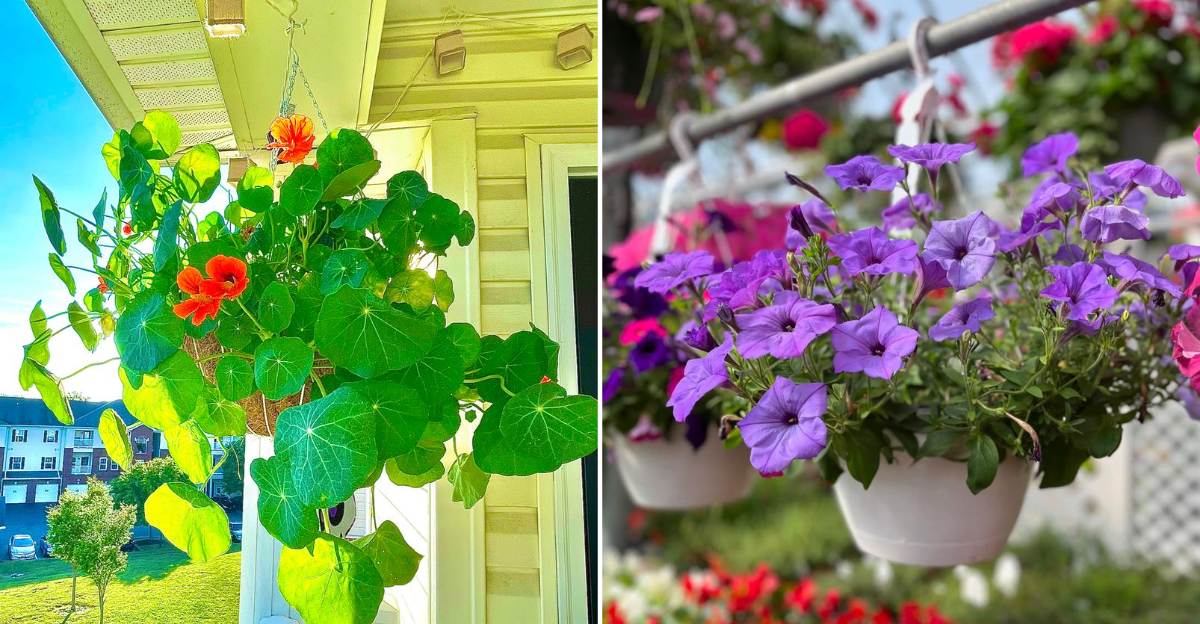
Hanging baskets brimming with non-stop color define the wave petunia experience on California patios.
These vigorous hybrids were specifically bred to trail dramatically while producing hundreds of trumpet-shaped flowers in every shade imaginable, from deep purples to hot pinks, reds, and bi-colors.
Unlike older petunia varieties that get leggy and sparse, wave petunias maintain dense, full growth throughout the season.
What surprises many California gardeners is how much sun and heat these plants actually need to perform their best. Coastal patios with filtered afternoon light work fine, but inland gardeners should provide full morning sun for maximum flowering.
Container-grown wave petunias are thirsty plants that may need daily watering during summer heat, especially in terra cotta pots that dry quickly.
Feed them every two weeks with diluted liquid fertilizer to fuel their incredible bloom production. The most common mistake is planting them too early in spring when nights are still cool, wait until consistent warmth arrives.
Deadheading isn’t necessary with waves, but occasional trimming keeps them shaped nicely. These petunias prove that traditional favorites still earn their place when bred for California’s demanding conditions.
3. Trailing Lobelia (Lobelia erinus)
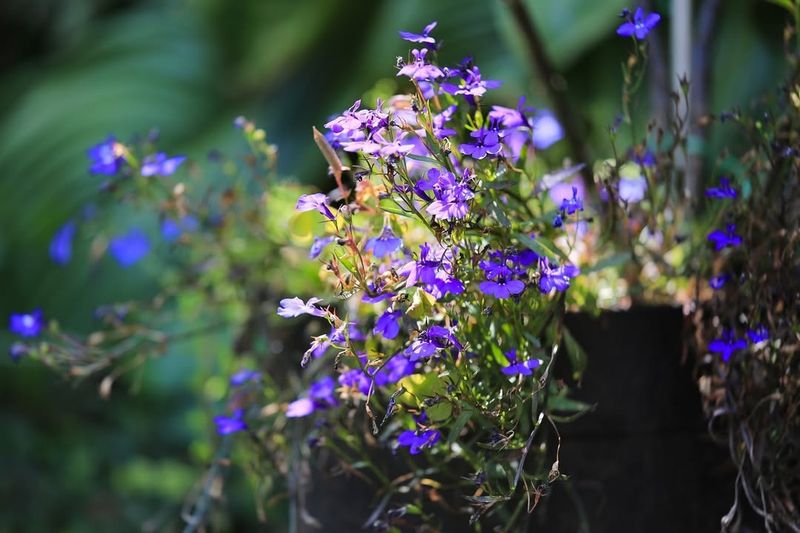
Cool-season color becomes achievable even in California when you understand trailing lobelia’s preferences. This delicate-looking plant produces clouds of tiny flowers in shades of blue, purple, white, or pink that cascade gracefully from hanging containers.
Your California Garden Changes Every Week. Your Plan Should Too.
Gardening in California changes quickly throughout the season. Every Friday you’ll receive a simple weekly plan showing exactly what to plant, prune, fertilize, harvest, and protect so you never miss the right timing.
Coastal gardeners enjoy lobelia’s longest performance, often blooming from early spring through early summer before heat causes it to slow down.
The key misconception about lobelia is that it needs constant moisture like a woodland plant. While it does prefer evenly moist soil, proper drainage remains critical, waterlogged roots destroy lobelia faster than brief dryness.
Morning sun with afternoon shade works beautifully along the coast, while inland patios should provide bright shade or eastern exposure to protect plants from scorching afternoon heat.
Plant lobelia in spring when temperatures are mild, using quality potting soil that retains moisture without becoming heavy.
Many gardeners make the mistake of giving up on lobelia when it fades in summer heat, but shearing it back and keeping it watered often triggers fresh growth when cooler fall weather returns.
This plant rewards patience with two seasons of delicate beauty that softens patio edges perfectly.
4. Million Bells (Calibrachoa hybrids)
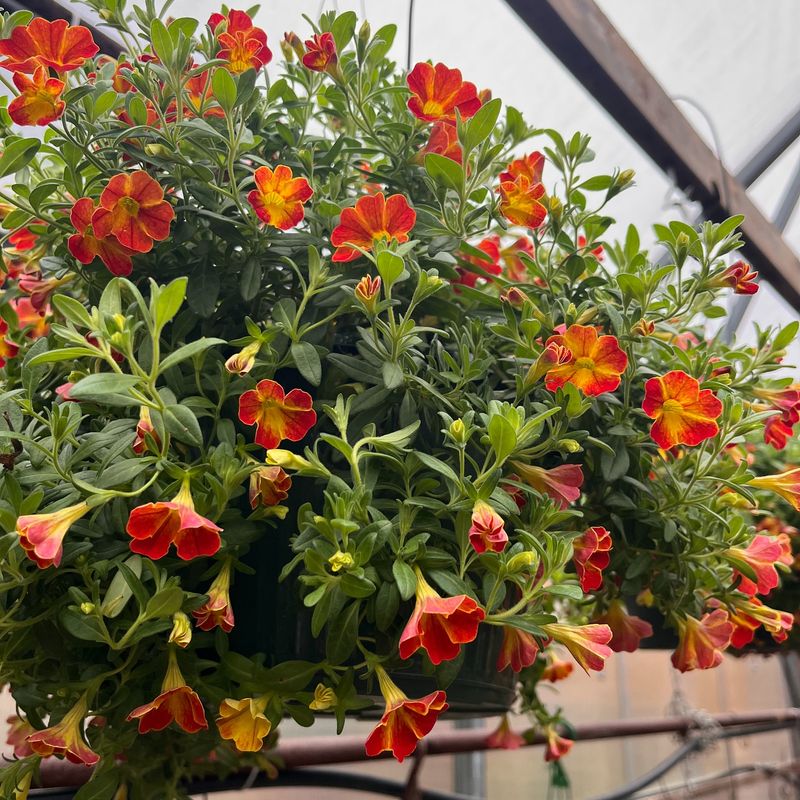
Container gardening on California patios reaches new levels of satisfaction with million bells. These miniature petunia relatives produce hundreds of small, bell-shaped flowers that cover trailing stems so densely you can barely see the foliage beneath.
Available in nearly every color including striking bi-colors and patterns, calibrachoa delivers maximum visual impact from a single basket.
What many gardeners don’t realize is that million bells are surprisingly heat-tolerant once established in containers. Coastal and inland patios both succeed with these plants in full to partial sun, though afternoon shade helps inland baskets stay vibrant during extreme heat.
The real challenge is maintaining consistent moisture, calibrachoa roots are fine and dry out faster than you’d expect, especially in small containers or hanging baskets with limited soil volume.
Use premium potting mix and water daily during hot weather, checking moisture levels rather than following a schedule. Feed weekly with diluted fertilizer formulated for flowering container plants.
The biggest mistake is letting them dry out completely, which causes sudden decline that’s difficult to reverse.
Unlike petunias, million bells stay naturally compact without deadheading, making them remarkably low-maintenance for the incredible flower show they provide throughout the growing season.
5. Sweet Alyssum (Lobularia maritima)
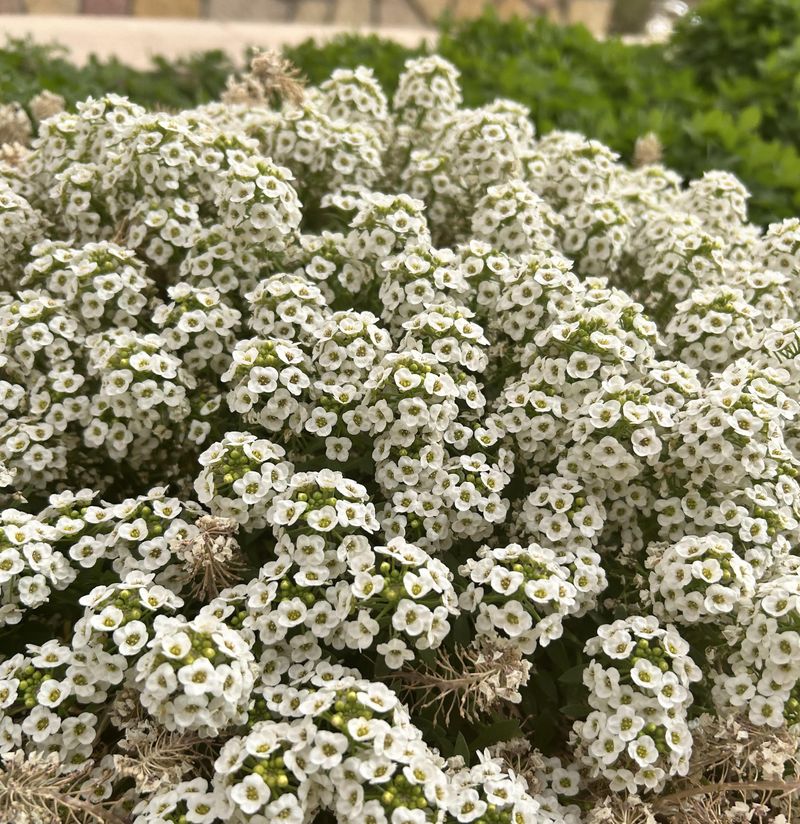
Fragrance transforms ordinary patios into sensory experiences, and sweet alyssum delivers that honey-scented sweetness while cascading beautifully from hanging containers.
This Mediterranean native produces clusters of tiny white, purple, or pink flowers that create a soft, cloud-like effect as they trail over basket edges.
The bonus is that alyssum actually thrives in California’s climate, blooming prolifically during cool seasons and often surviving through mild winters in coastal areas.
Coastal gardeners can grow alyssum nearly year-round with peak performance in spring and fall. Inland patios see best results planting in early spring or late summer, as intense summer heat causes flowering to slow dramatically.
The common mistake is treating alyssum like a sun-worshipper, it actually prefers morning sun with afternoon shade, especially inland where temperatures soar.
Plant in well-draining potting mix and keep soil evenly moist but never waterlogged. Shear plants back by one-third when flowering slows, then water and fertilize lightly to encourage fresh growth.
Many gardeners overlook alyssum’s self-seeding habit in containers, which means volunteer seedlings often appear the following season. This undemanding plant proves that simple choices often create the most enchanting patio moments.
6. Trailing Verbena (Verbena canadensis)
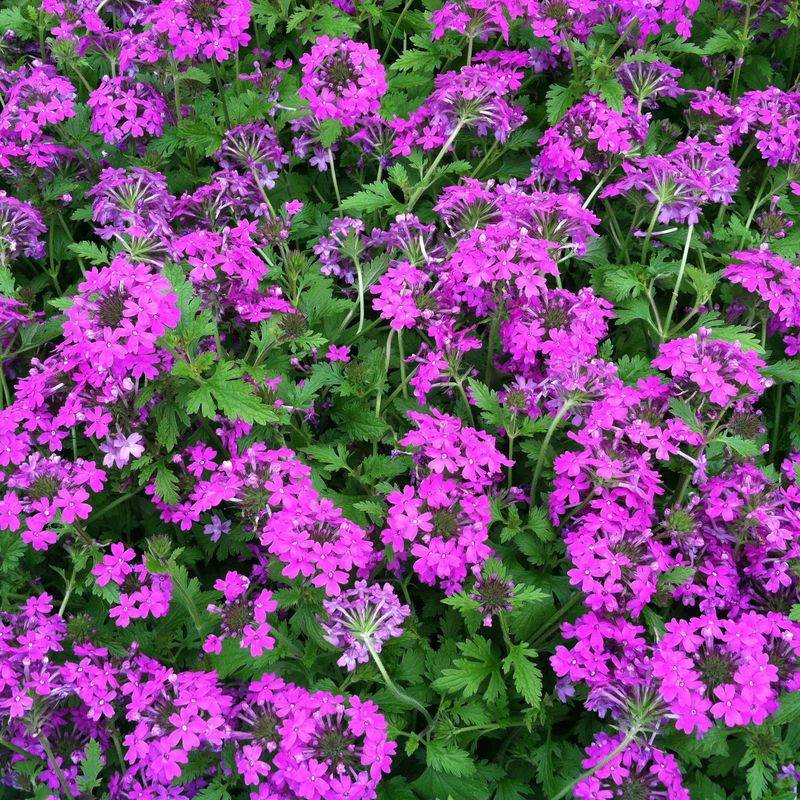
Heat-loving hanging plants that actually look better as temperatures climb are rare treasures on California patios.
Trailing verbena fits that description perfectly, producing clusters of brilliant flowers in reds, purples, pinks, and whites that intensify rather than fade when exposed to full sun.
This tough perennial behaves like a vigorous annual in containers, spreading quickly to fill baskets with color from late spring through fall.
What catches new gardeners off guard is verbena’s need for excellent drainage combined with regular watering. It tolerates brief dryness better than soggy soil, making it ideal for California’s water-conscious container gardening approach.
Coastal patios can grow verbena in full sun, while inland locations benefit from afternoon shade during extreme heat waves, though the plant generally handles high temperatures remarkably well.
Plant in fast-draining potting mix amended with extra perlite if your soil tends to stay wet. Deadhead spent flower clusters to encourage continuous blooming, and fertilize every three weeks with balanced liquid fertilizer.
The most common mistake is overwatering, verbena roots rot quickly in constantly moist conditions. This plant demonstrates that California-tough doesn’t sacrifice beauty, delivering reliable color when other hanging plants start looking stressed and tired.
7. Nasturtium (Tropaeolum majus)
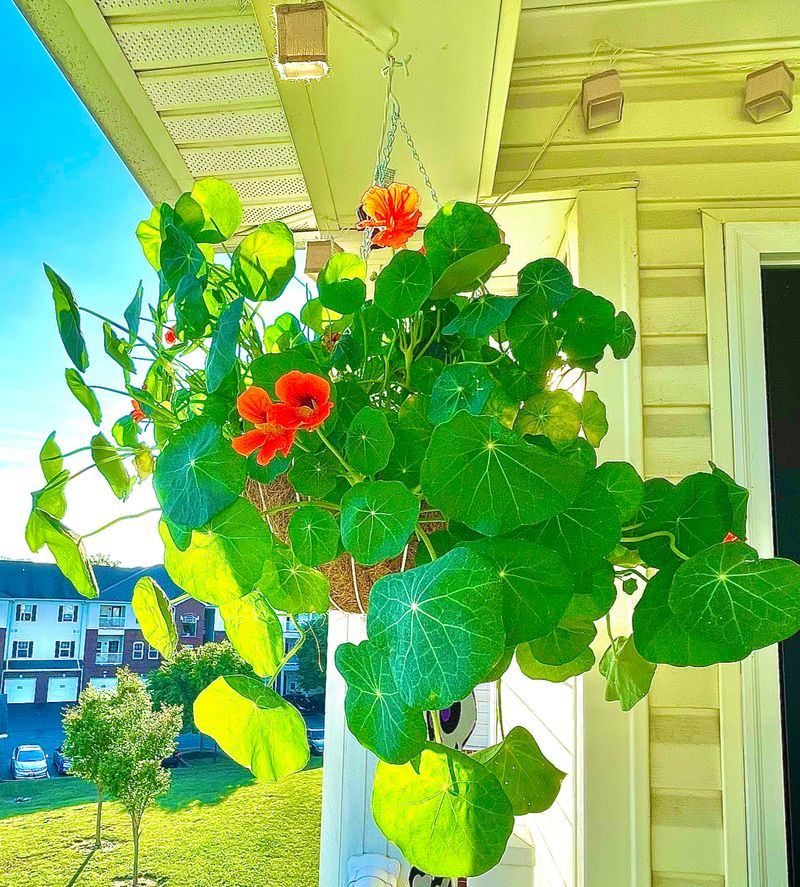
Edible landscaping meets ornamental beauty when nasturtiums cascade from California patio containers. Both the peppery leaves and vibrant flowers are completely edible, adding a unique dimension to hanging baskets that double as salad gardens.
Flowers bloom in warm shades of orange, yellow, red, and cream, creating a cheerful tropical effect that feels perfectly suited to California’s sunny climate.
The surprising truth about nasturtiums is that they actually bloom better in slightly poor soil with less fertilizer. Rich, heavily amended potting mix produces lush foliage but fewer flowers, frustrating gardeners who expect more blooms from extra feeding.
These plants prefer full sun along the coast and morning sun with light afternoon shade inland, especially during the hottest months when they may slow their flowering.
Plant seeds directly in hanging containers after the last frost, as nasturtiums dislike transplanting. Water regularly but allow soil to dry slightly between waterings, overly wet conditions encourage aphids and reduce flowering.
Many gardeners make the mistake of treating nasturtiums like petunias, feeding heavily and wondering why blooms disappear under excessive foliage.
This easy-growing plant proves that sometimes less intervention creates more beautiful results on California patios.
8. String Of Pearls (Curio rowleyanus)
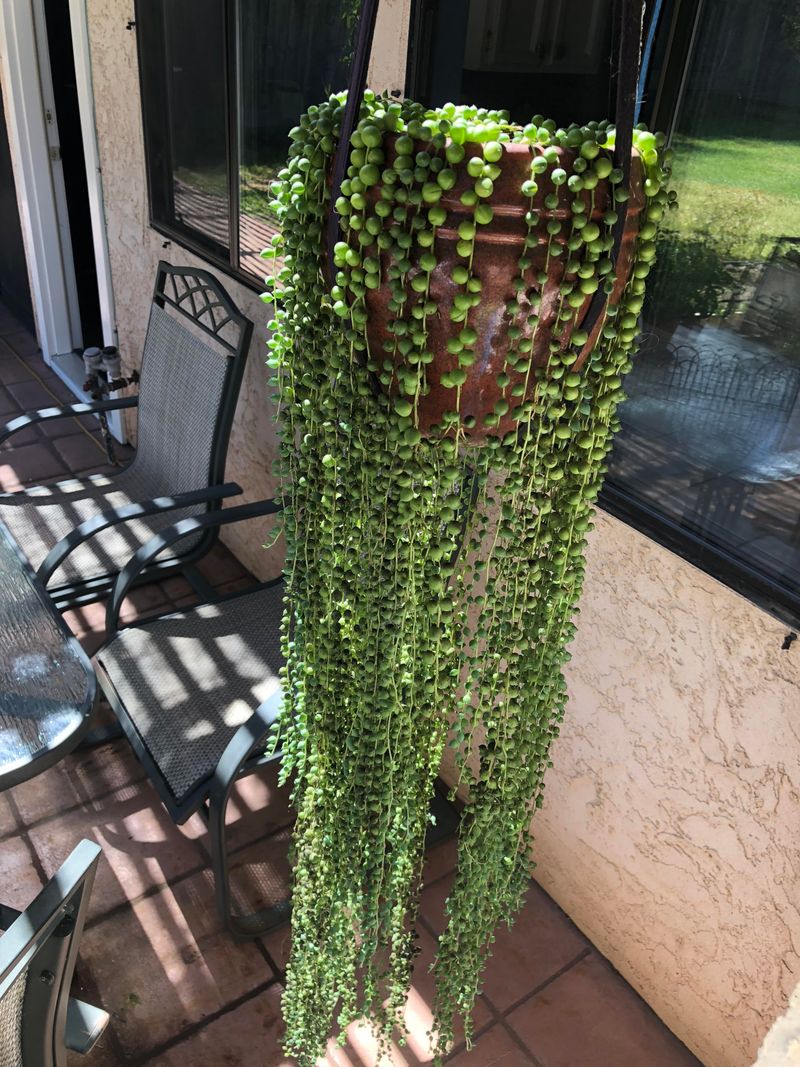
Sculptural interest in hanging containers takes center stage with string of pearls. This unusual succulent features perfectly round, bead-like leaves strung along trailing stems that can cascade several feet from hanging pots.
The architectural quality brings modern sophistication to California patios while requiring minimal water, a perfect combination for drought-conscious container gardening.
Many gardeners destroy string of pearls through kindness, specifically overwatering. This South African native evolved in arid conditions and stores water in those spherical leaves, meaning it needs far less frequent watering than typical hanging plants.
Coastal patios should provide bright indirect light or morning sun, while inland locations need protection from intense afternoon sun that can scorch the delicate beads.
Plant in cactus-specific potting mix that drains immediately after watering. Water thoroughly when soil is completely dry, then wait until it dries again, this might mean watering every two weeks rather than twice weekly.
The most common mistake is treating it like a tropical hanging plant with constant moisture. String of pearls occasionally produces small white flowers with a pleasant cinnamon scent.
This distinctive succulent demonstrates that California patio style can be both water-wise and strikingly beautiful.
9. Boston Fern (Nephrolepis exaltata)
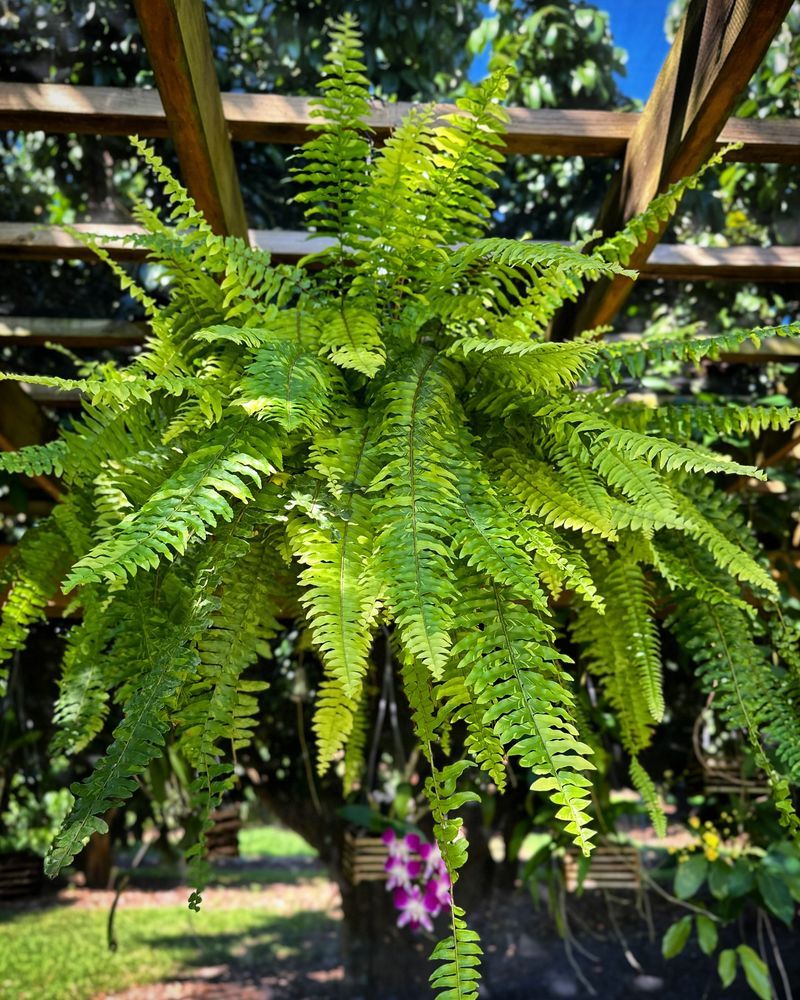
Lush greenery without flowers creates a calming presence on California patios, and Boston ferns deliver that peaceful aesthetic beautifully. These classic hanging plants produce gracefully arching fronds that create a full, dramatic cascade of rich green foliage.
While they’re not native to our Mediterranean climate, coastal California’s moderate temperatures and morning fog create surprisingly good conditions for these humidity-loving plants.
The challenge with Boston ferns in California is understanding they need consistent moisture and protection from hot, dry air. Coastal gardeners have the easiest time, placing ferns in bright shade where they receive morning light and afternoon protection.
Inland patios require more careful placement in deep shade with regular misting during heat waves, or these ferns quickly turn brown and crispy.
Use moisture-retentive potting soil and water when the top inch feels dry, this might mean daily watering during warm weather. Never let ferns completely dry out, as recovery is difficult once fronds brown.
The biggest mistake is placing Boston ferns in sunny locations or forgetting about them during hot spells. Feed monthly during the growing season with diluted fertilizer.
These ferns prove that with proper placement and attention, even humidity-lovers can thrive on California patios.