8 Garden Vegetables That Aren’t Worth Growing From Seed In Pennsylvania
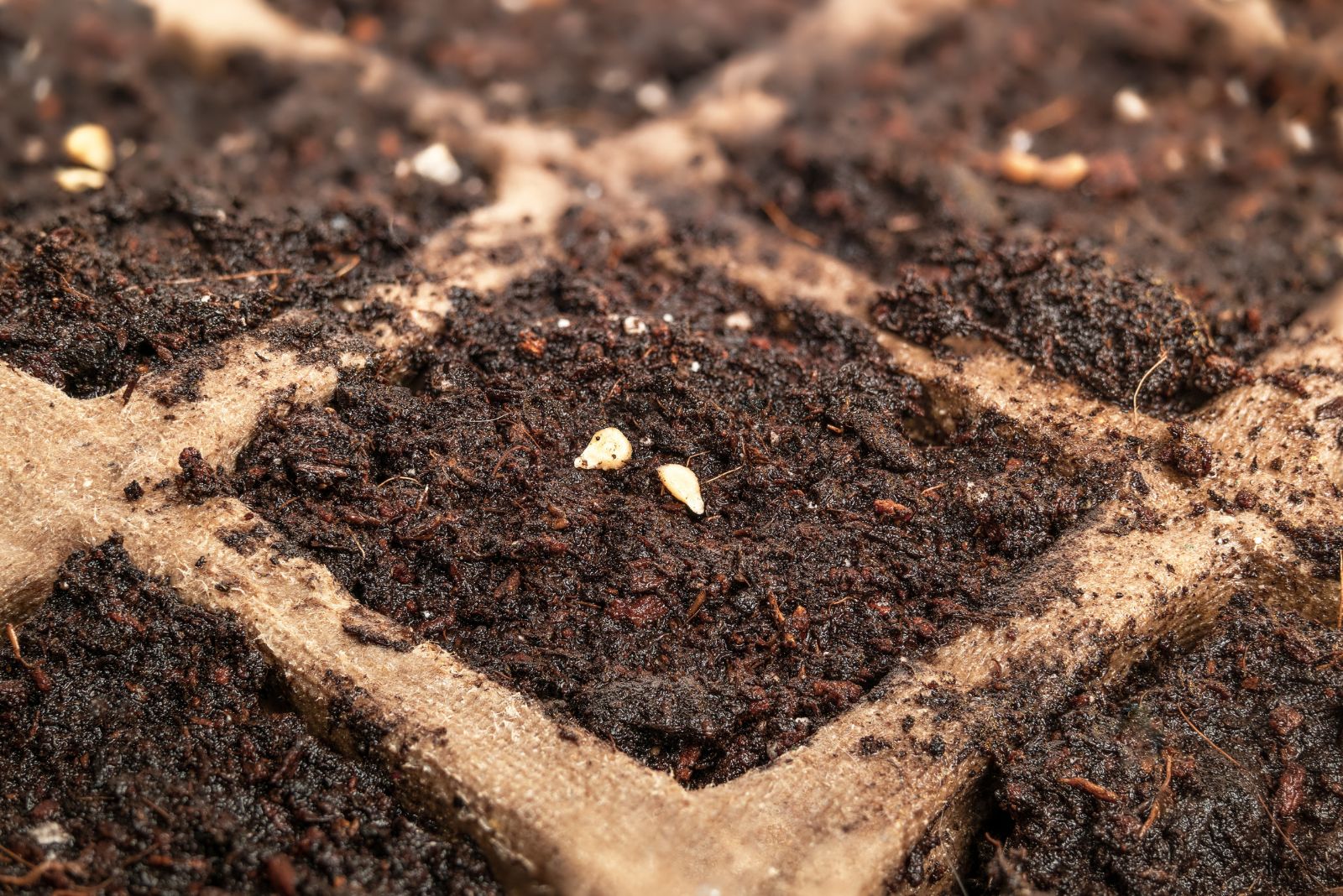
Thinking about starting every vegetable from seed this season? It sounds rewarding, but in Pennsylvania some crops can be more trouble than they are worth when grown this way.
Slow germination, short growing windows, and unpredictable spring weather can make certain vegetables frustrating for home gardeners. By the time seedlings are ready, the season may already be moving too fast.
In some cases, buying young plants saves time, effort, and disappointment while still giving you a great harvest. This does not mean seed starting is bad.
It simply means choosing wisely can make gardening smoother and more enjoyable. Knowing which vegetables are harder to grow from seed helps you focus on crops that truly succeed in local conditions.
With the right approach, you can avoid common setbacks and spend more time enjoying healthy plants, fresh flavors, and a productive garden throughout the Pennsylvania growing season.
1. Tomatoes
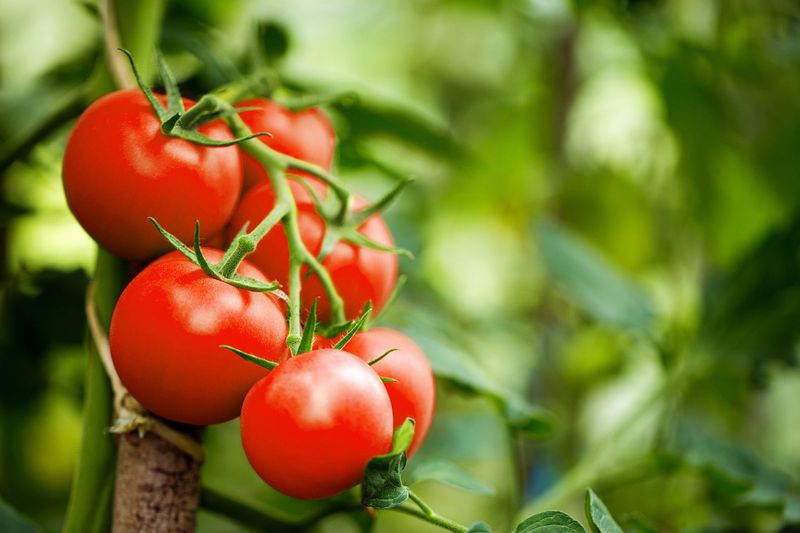
Tomato transplants are everywhere in Pennsylvania come spring, and there’s a good reason why most gardeners skip the seed-starting process.
Growing tomatoes from seed requires starting them indoors about six to eight weeks before the last frost, which means setting up grow lights, heat mats, and dealing with leggy seedlings that need constant attention.
The time investment alone makes this impractical for most home gardeners. You’ll need to harden off the seedlings gradually, moving them outside for longer periods each day so they don’t go into shock when finally transplanted.
This process takes another week or two of careful monitoring. Local garden centers across Pennsylvania offer dozens of tomato varieties at very reasonable prices, usually between two and five dollars per plant.
These transplants are already sturdy, well-established, and ready to go straight into your garden after the last frost date.
They’ve been professionally grown under ideal conditions with proper fertilization and pest management.
Starting tomatoes from seed only makes sense if you’re after rare heirloom varieties that aren’t available locally. Otherwise, you’re spending weeks of effort and resources to save maybe a dollar or two per plant.
Pennsylvania’s growing season is long enough for transplants to produce abundantly, so there’s really no advantage to starting from seed unless you’re a serious tomato collector.
2. Peppers
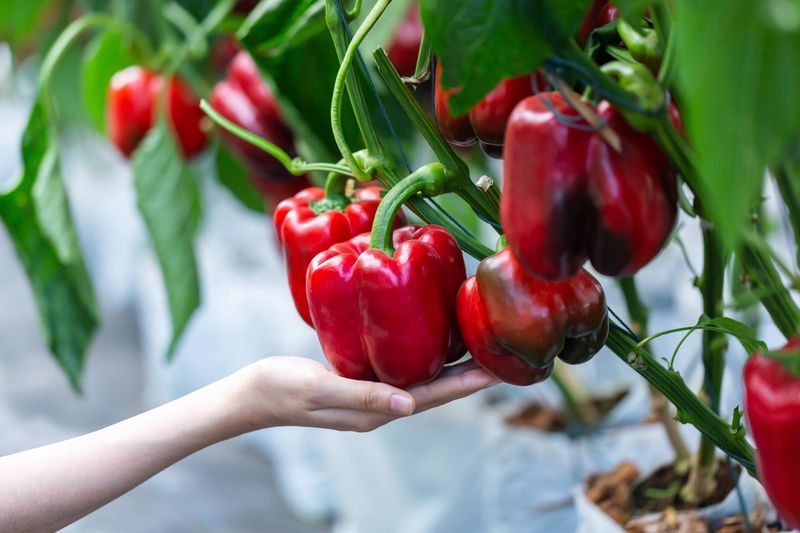
Peppers demand even more patience than tomatoes, making them one of the worst vegetables to start from seed in Pennsylvania.
These heat-loving plants need to be started indoors ten to twelve weeks before transplanting, which means beginning in late winter when daylight is scarce and heating costs are high.
Pepper seeds are notoriously slow and finicky germinators. They require consistent soil temperatures between seventy and eighty degrees Fahrenheit, which means you’ll need a heat mat running constantly for weeks.
Even under perfect conditions, germination can take two to three weeks, and some seeds simply won’t sprout at all.
Once they finally emerge, pepper seedlings grow incredibly slowly compared to other vegetables. They’re prone to damping off, a fungal disease that can wipe out your entire tray overnight if conditions aren’t perfect.
Your Pennsylvania Garden Changes Every Week. Your Plan Should Too.
Gardening in Pennsylvania changes quickly throughout the season. Every Friday you’ll receive a simple weekly plan showing exactly what to plant, prune, fertilize, harvest, and protect so you never miss the right timing.
You’ll need to maintain precise watering schedules, provide adequate air circulation, and keep them under strong lights for months.
Garden centers throughout Pennsylvania stock both sweet bell peppers and hot pepper varieties at affordable prices each spring. These professionally grown transplants are already several months old, stocky, and sometimes even showing their first flower buds.
For three or four dollars per plant, you’re saving yourself months of work and the risk of total failure that comes with seed starting.
3. Eggplant
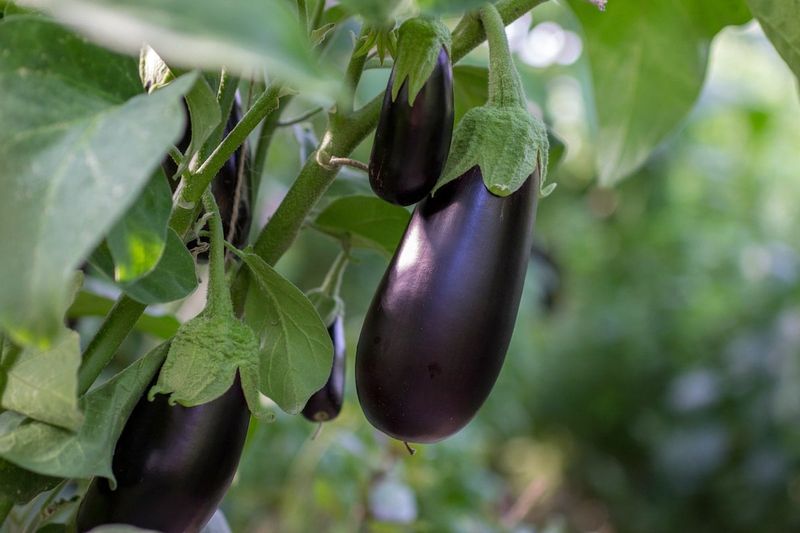
Eggplants are incredibly fussy about temperature and take forever to reach transplant size from seed. Pennsylvania gardeners who attempt starting eggplant indoors quickly discover why this Mediterranean vegetable challenges even experienced seed starters.
These plants need eight to ten weeks of indoor growing time before they’re ready for the garden. During that entire period, they require constant warmth, never tolerating temperatures below sixty degrees.
Any cold drafts or temperature fluctuations will stunt their growth permanently, leaving you with weak plants that never recover.
Eggplant seedlings are also magnets for aphids and whiteflies when grown indoors. Managing pest problems on indoor seedlings requires vigilant monitoring and often organic pesticides that aren’t pleasant to use inside your home.
The plants are sensitive to overwatering yet equally intolerant of drying out completely.
Most Pennsylvania garden centers carry several eggplant varieties including traditional purple globe types and interesting Asian varieties. At around three to five dollars per plant, buying transplants eliminates months of hassle.
These nursery-grown plants have been hardened off properly and are ready to handle Pennsylvania’s outdoor conditions immediately after the danger of frost passes in mid to late May across most of the state.
4. Broccoli
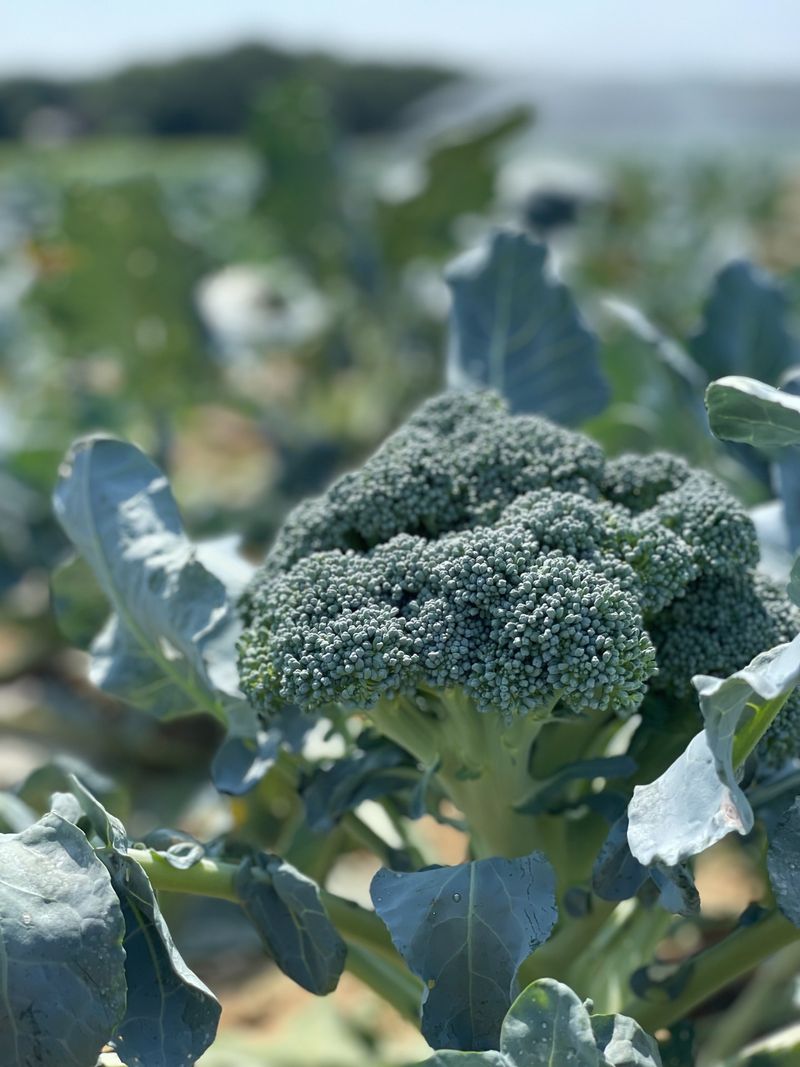
Broccoli presents a different challenge for Pennsylvania gardeners considering seed starting. While this cool-season crop doesn’t require the extended indoor time that heat-lovers need, the timing makes it impractical for most home growers to start from seed.
Spring broccoli needs to be started indoors in late winter, then transplanted outside several weeks before the last frost. This narrow window means you’re gambling with Pennsylvania’s unpredictable spring weather.
Start too early and your seedlings get too large indoors, becoming root-bound and stressed. Start too late and they won’t mature before summer heat causes them to bolt and turn bitter.
Fall broccoli is equally tricky since you need to start seeds in the heat of summer, which broccoli seedlings absolutely hate.
Keeping seed trays cool enough for proper germination during July and August in Pennsylvania requires air conditioning or a cool basement setup. The seedlings often struggle and become weak in summer heat.
Local nurseries sell broccoli transplants in both spring and late summer, perfectly timed for Pennsylvania’s two growing windows. These transplants are already hardened to outdoor conditions and sized appropriately for immediate planting.
For a dollar or two per plant, you’re getting professionally timed starts without the guesswork of seed starting during challenging weather conditions.
5. Cauliflower
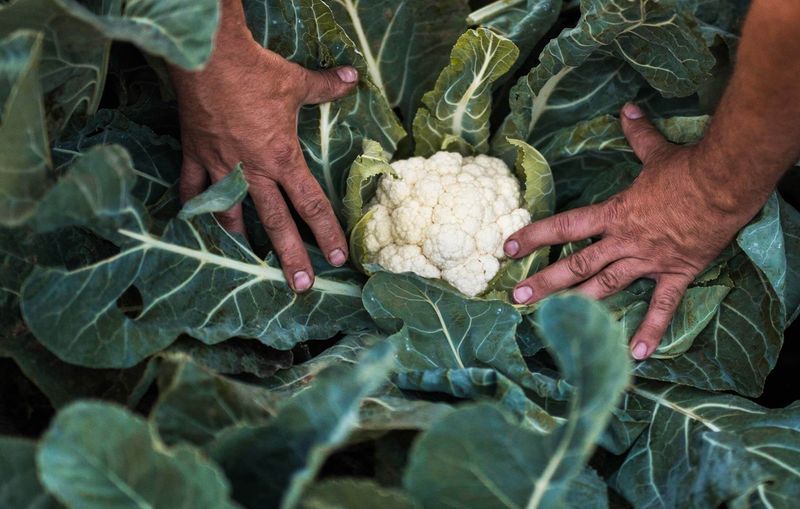
Cauliflower might be the most temperamental vegetable you could attempt growing from seed in Pennsylvania.
This crop demands absolute perfection in growing conditions and timing, making it frustrating even for experienced gardeners who start their own seeds. The plants need a long, cool growing period without any stress whatsoever.
Any interruption in their growth from transplanting shock, temperature swings, or watering issues causes them to form tiny, unmarketable heads or skip heading entirely. This phenomenon called buttoning means all your effort results in worthless plants.
Starting cauliflower from seed requires the same tricky timing as broccoli, but cauliflower is far less forgiving of mistakes.
The seedlings are sensitive to root disturbance, so you need to start them in individual cells rather than flats, taking up valuable space under your grow lights. They also require consistent fertilization throughout the seedling stage.
Pennsylvania garden centers understand cauliflower’s fussiness and grow transplants under carefully controlled conditions. These plants are available in spring and again in late summer for fall planting.
Buying transplants for two to three dollars each eliminates the risk of buttoning and gives you plants that have been properly hardened off for outdoor conditions across Pennsylvania’s varied climate zones from Erie to Philadelphia.
6. Brussels Sprouts
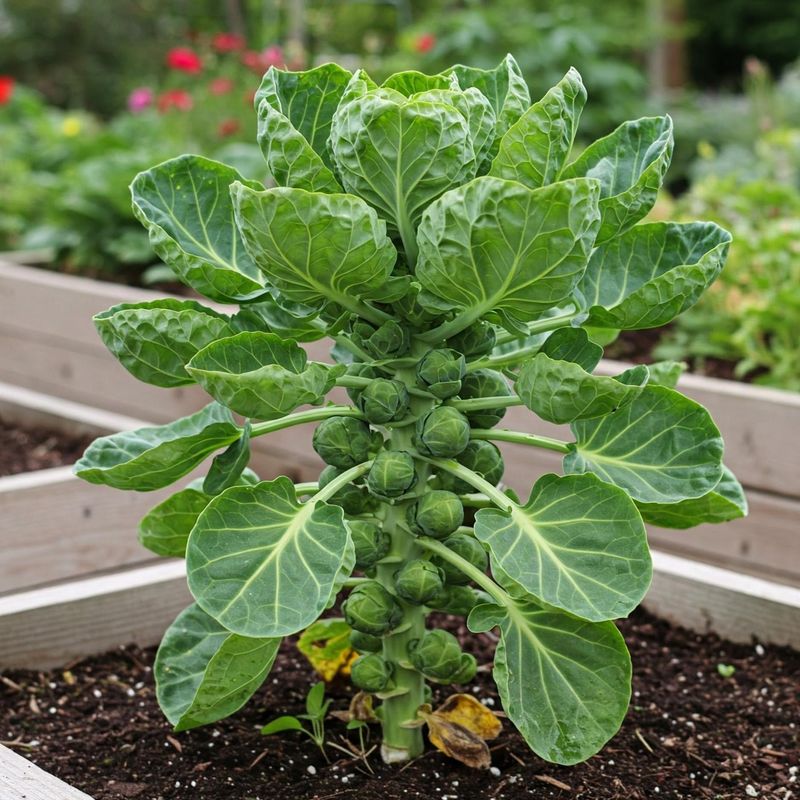
Brussels sprouts take an exceptionally long time to mature, making them a poor choice for seed starting in Pennsylvania gardens. From seed to harvest, these plants need one hundred to one hundred ten days, which is a significant chunk of the growing season.
Starting them indoors means dedicating space under grow lights for four to six weeks before transplanting. The seedlings grow slowly and require consistent care throughout this period.
Since Brussels sprouts are a fall crop in Pennsylvania, you’re starting seeds during late spring or early summer when you’d rather be enjoying your garden than tending indoor seedlings.
These plants also take up considerable garden space for months before producing anything edible. Each plant needs about two feet of spacing in all directions, and they grow into substantial three-foot-tall plants.
Starting from seed means occupying this space even longer while waiting for those tiny seeds to develop into mature plants.
Nurseries throughout Pennsylvania sell Brussels sprouts transplants in late summer, perfectly timed for fall harvest. These transplants are already several inches tall and will size up quickly in the cooling temperatures of September and October.
At around three dollars per plant, you’re saving months of growing time and getting plants that will mature before Pennsylvania’s hard freezes arrive in November or December, depending on your specific location.
7. Cabbage
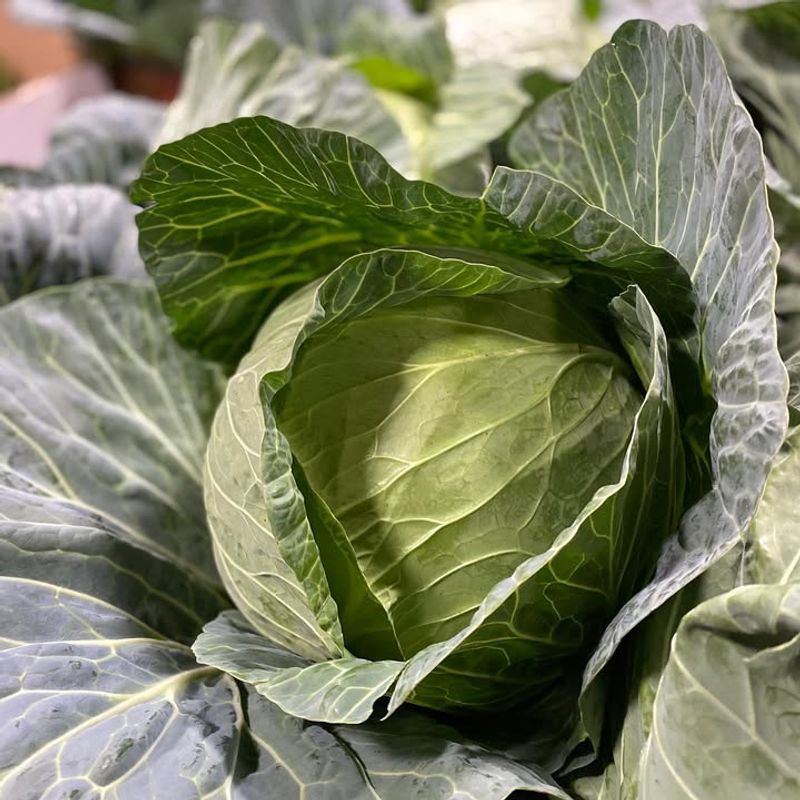
Cabbage grows reasonably well from seed, but the economics and timing make transplants a smarter choice for Pennsylvania gardeners. While cabbage seeds germinate reliably and seedlings grow at a moderate pace, the space and time investment rarely pays off.
Both spring and fall cabbage plantings require starting seeds at inconvenient times. Spring cabbage needs indoor starting in late winter, competing for space with tomatoes, peppers, and other warm-season crops.
Fall cabbage requires summer seed starting when outdoor gardening keeps you busy and indoor space is limited.
Cabbage transplants are incredibly inexpensive at Pennsylvania garden centers, often sold in six-packs for just a few dollars. These plants are already hardened off and sized perfectly for transplanting. They establish quickly and begin forming heads within weeks of planting.
Starting your own cabbage from seed might save you fifty cents per plant at most. For that minimal savings, you’re committing to weeks of indoor care, hardening off, and the risk that something goes wrong during the process.
Pennsylvania’s spring weather can be unpredictable, and having flexible transplant timing by purchasing starts means you can wait for ideal conditions rather than being locked into a schedule dictated by seedlings that are ready whether the weather cooperates or not.
8. Celery
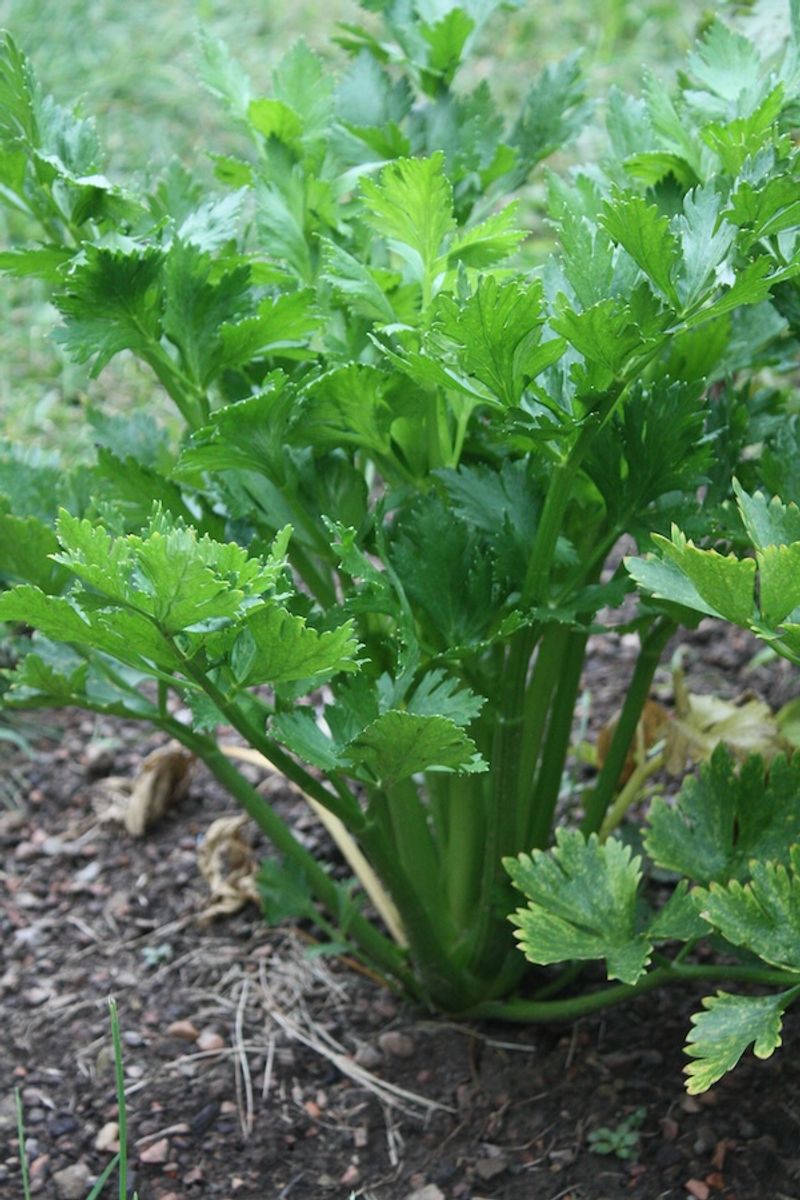
Celery ranks among the most difficult vegetables to grow from seed, requiring specialized knowledge and equipment that most Pennsylvania home gardeners simply don’t have. The seeds are tiny, slow to germinate, and the resulting seedlings grow at an agonizingly slow pace.
These seeds need light to germinate, so they can’t be covered with soil like most vegetables.
They also require consistent moisture on the soil surface for two to three weeks before sprouting, which is tricky to maintain without the seeds washing away or developing mold. Temperature must stay between sixty and seventy degrees throughout this period.
Once sprouted, celery seedlings are incredibly fragile and small. They need ten to twelve weeks of indoor growing time before reaching transplant size, making them one of the longest commitments for seed starting.
The plants require consistent fertilization, perfect watering, and strong light throughout this extended period.
Celery also needs a very long growing season with consistent moisture and cool temperatures, making it challenging in Pennsylvania’s climate regardless of how you start it. Garden centers sell celery transplants for just a couple dollars per plant.
These professionally grown starts eliminate months of difficult seedling care and give you plants that are already established and ready to begin their long journey to harvest in Pennsylvania’s variable growing conditions.