10 Must Visit Botanical Gardens And Public Green Spaces In North Carolina
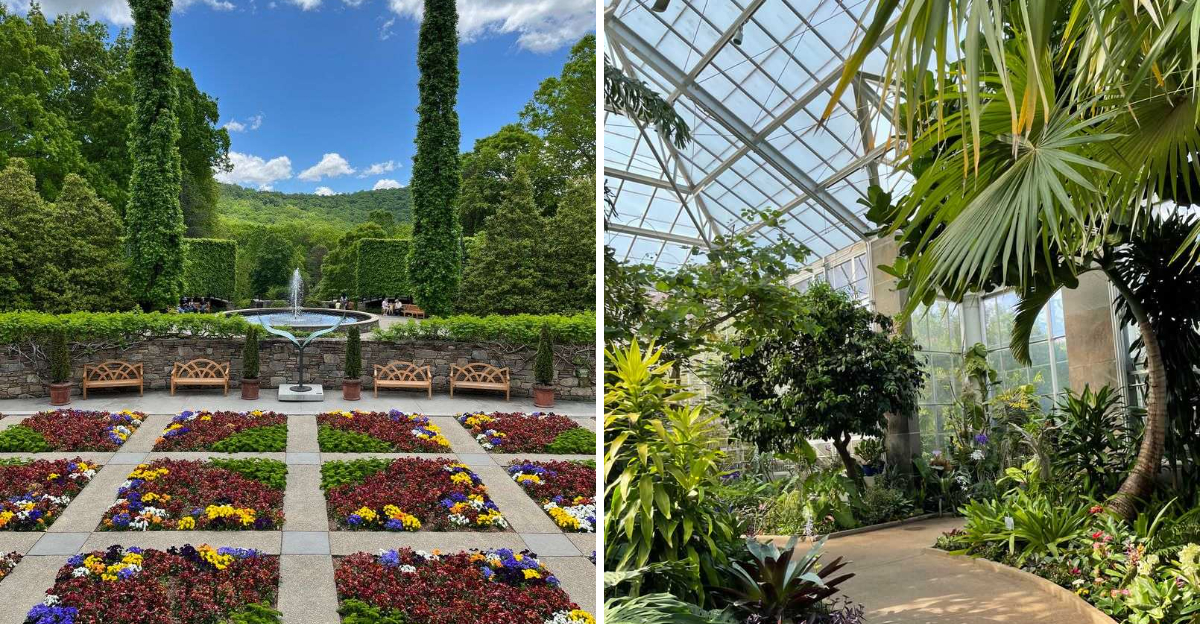
North Carolina shows its best side in its gardens and open green spaces. Across the state, landscapes shift from cool mountain settings to warm coastal environments, and each region grows something different.
These public gardens and preserved spaces give visitors a chance to experience that variety up close, with carefully designed plant collections, quiet walking paths, and scenery that changes with the seasons.
Some feel refined and educational, while others feel wild and deeply connected to the natural environment.
Many of these destinations highlight native plants and sustainable gardening practices, offering ideas that visitors can bring back to their own yards.
Along the way, you will find peaceful corners, colorful seasonal displays, and thoughtfully maintained landscapes that invite you to slow down and look closer. Every location offers its own atmosphere, shaped by climate, elevation, and local plant life.
Together, these ten spots capture the beauty, diversity, and calm that make North Carolina’s green spaces so memorable year round.
1. Sarah P. Duke Gardens
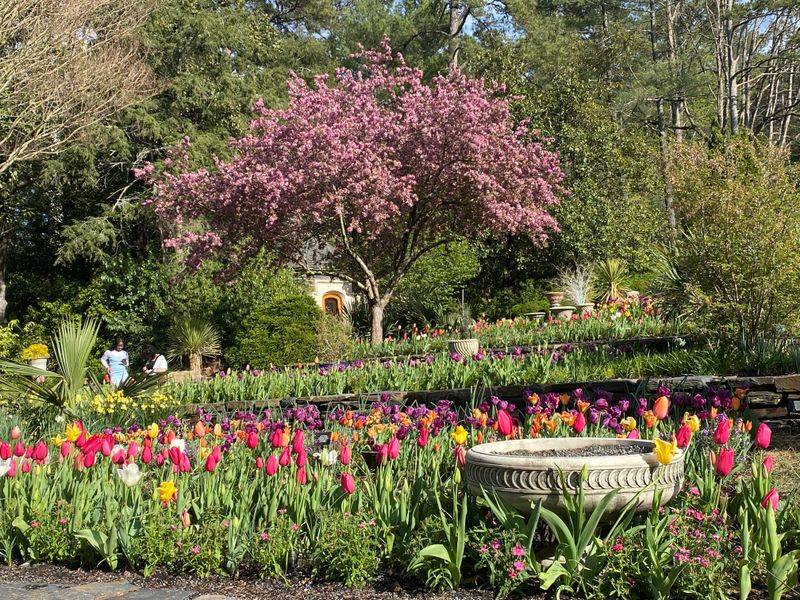
Located at 2000 Lewis St in Durham, this remarkable 55-acre garden features thoughtfully designed landscapes throughout. The Piedmont climate provides ideal conditions for a wide variety of plant collections that transform beautifully with the changing seasons.
Visitors can explore everything from elegant formal terraces to peaceful, natural woodland trails across the grounds.
The garden demonstrates how plants adapt to North Carolina’s humid summers and mild winters beautifully. Shade-tolerant species thrive beneath mature tree canopies while sun-loving perennials flourish in open spaces.
Water features add cooling effects and attract local wildlife, creating dynamic ecosystems within the garden grounds.
Themed sections showcase different horticultural approaches, from Asian-inspired plantings to native woodland gardens. Each area teaches valuable lessons about plant selection, soil management, and seasonal interest for home gardeners.
The historic terraces display formal design principles that work exceptionally well in southeastern conditions.
Spring brings spectacular flowering displays with bulbs, azaleas, and flowering trees creating colorful layers. Summer features tropical-looking plants that tolerate heat and humidity remarkably well.
Fall transforms the landscape with changing foliage colors, while winter reveals interesting bark textures and evergreen structures that maintain garden beauty year-round.
2. North Carolina Botanical Garden
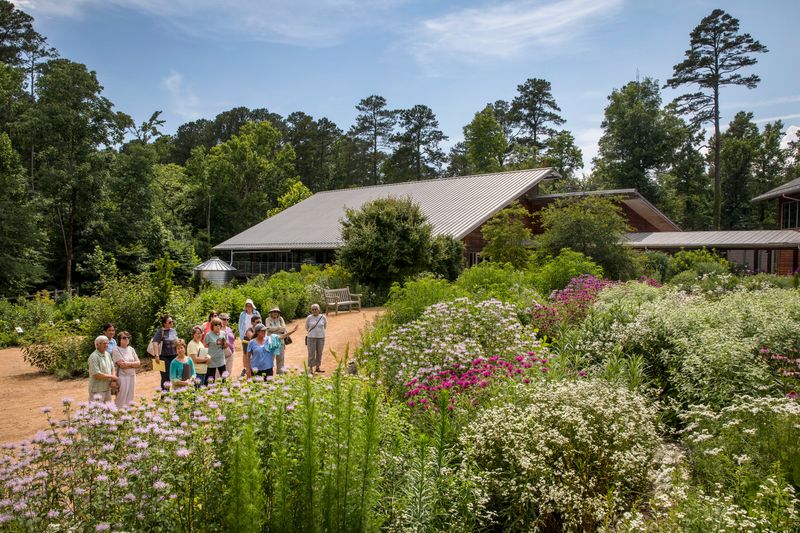
This garden is devoted to native plant conservation, highlighting how regionally adapted species can create sustainable, low-maintenance landscapes that support local ecosystems.
Through engaging, year-round programs, visitors gain a deeper understanding of ecological restoration and the importance of protecting natural habitats.
Native plants from the southeastern United States thrive here with minimal watering, fertilizing, or pest control, reflecting how well they are suited to the local environment.
Because these species evolved alongside native wildlife, they offer essential food and shelter for birds, butterflies, and beneficial insects.
Located in Chapel Hill at 100 Old Mason Farm Rd, the garden shows that landscapes can be both visually appealing and rich in biodiversity while promoting long-term environmental health.
Habitat restoration projects show how degraded areas can recover through thoughtful plant selection and management. Visitors observe different stages of restoration, from newly planted areas to established native communities.
Your North Carolina Garden Changes Every Week. Your Plan Should Too.
Gardening in North Carolina changes quickly throughout the season. Every Friday you’ll receive a simple weekly plan showing exactly what to plant, prune, fertilize, harvest, and protect so you never miss the right timing.
These demonstrations inspire homeowners to incorporate native plants into their own landscapes for environmental benefits.
The collection includes plants suited to various conditions found across North Carolina’s diverse regions. Woodland wildflowers, wetland species, and drought-tolerant natives all find appropriate homes within the garden’s microclimates.
Seasonal changes reveal different native plant communities, with spring wildflowers giving way to summer bloomers and fall seed heads that feed overwintering birds beautifully.
3. Daniel Stowe Botanical Garden
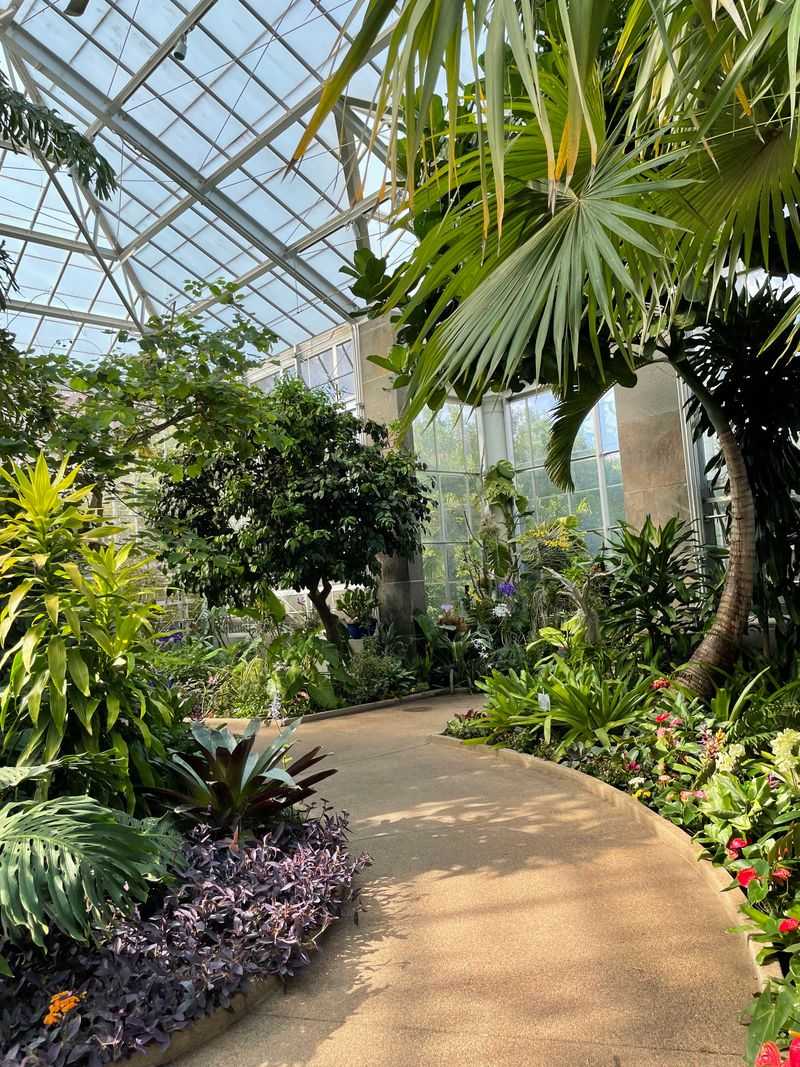
This garden impresses visitors with its formal design and strong focus on horticultural excellence. A tropical conservatory offers year-round displays of exotic plants, creating a striking contrast with the changing seasonal plantings outdoors.
The carefully structured landscapes show how formal garden principles can be successfully adapted to the warm growing conditions of the Southeast, at its location in Belmont on 6500 S New Hope Rd.
The conservatory houses plants from tropical regions worldwide, creating an educational experience about global plant diversity. Temperature-controlled environments allow species that wouldn’t survive outdoors to flourish indoors year-round.
Visitors enjoy lush greenery even during winter months when outdoor gardens rest between seasons.
Formal garden beds feature carefully planned color schemes that change with planting seasons. Spring bulb displays transition into summer annuals, followed by fall chrysanthemums and ornamental cabbage arrangements.
The precision and artistry involved in these plantings inspire home gardeners to experiment with seasonal color in their own spaces.
Water features and fountains add movement and sound throughout the formal garden areas. These elements cool the air during hot summer months while providing visual interest year-round.
The garden demonstrates how ornamental horticulture combines art and science to create stunning outdoor spaces that perform well in North Carolina’s Piedmont climate conditions consistently.
4. JC Raulston Arboretum

Found at Ruby McSwain Education Center, 4415 Beryl Rd in Raleigh, this arboretum serves research and education purposes. The collection includes thousands of plant species, many tested for their performance in southeastern growing conditions.
Heat-tolerant ornamentals and rare landscape specimens provide valuable information for gardeners and landscape professionals across the region.
Research programs evaluate new plant introductions for disease resistance, drought tolerance, and overall garden performance. This work helps identify superior varieties that thrive in North Carolina’s challenging climate conditions.
Home gardeners benefit from these trials by selecting proven plants for their own landscapes confidently.
The diverse collection showcases plants from around the world that adapt well to local conditions. Visitors discover unexpected species that perform beautifully in southeastern gardens despite originating from distant climates.
This expanded plant palette offers exciting possibilities beyond traditional southern garden plants commonly found in nurseries.
Seasonal interest remains strong throughout the year thanks to careful plant selection and placement strategies. Winter gardens feature plants with interesting bark, evergreen foliage, and architectural structure that maintain beauty during dormant months.
The arboretum demonstrates that climate-adapted landscaping creates year-round visual appeal while reducing maintenance requirements and environmental impact through thoughtful species selection.
5. The North Carolina Arboretum
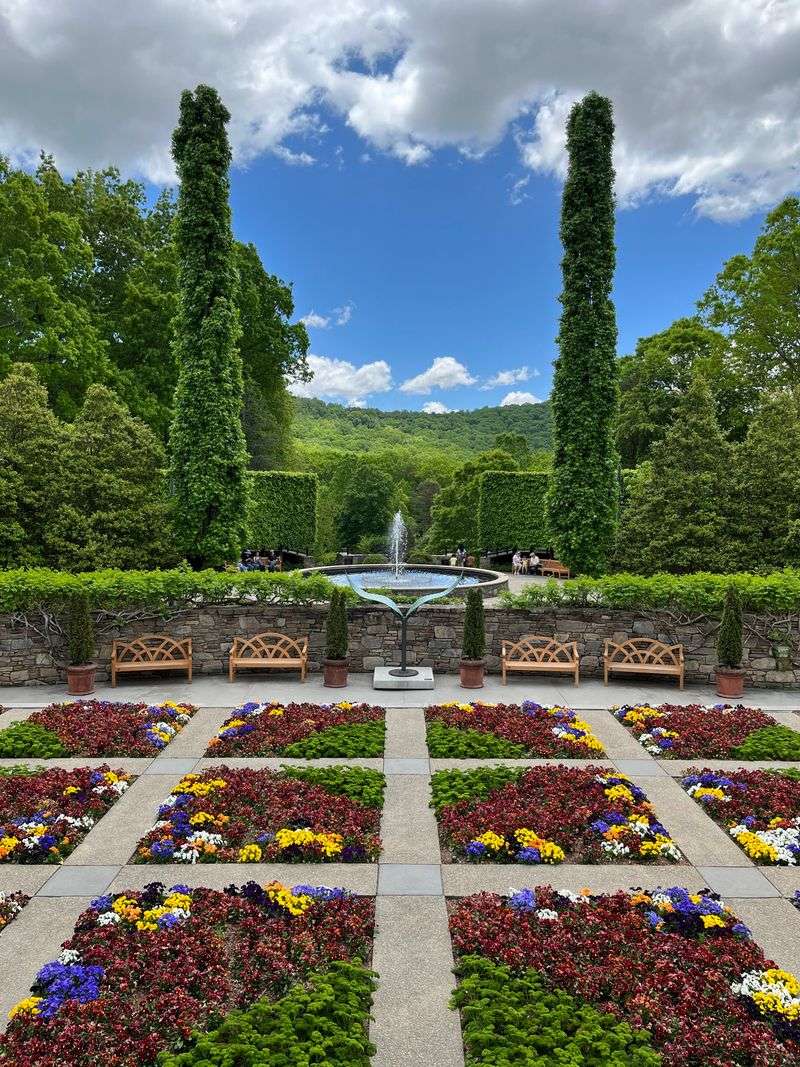
This arboretum celebrates the rich diversity of mountain plant communities, shaped by higher elevation and abundant rainfall that create growing conditions unlike those in other parts of North Carolina.
Native Appalachian plants flourish here, illustrating how elevation influences plant selection and garden design across mountain landscapes.
Located in Asheville at 20 Frederick Law Olmsted Way, the arboretum highlights the unique character and resilience of plants adapted to highland environments.
Forest ecosystems dominate the landscape, with understory plants adapted to dappled shade and cool temperatures. Rhododendrons, native azaleas, and mountain laurels create spectacular spring displays beneath towering hardwood trees.
These native species require minimal care once established in appropriate conditions with proper soil preparation.
The arboretum’s trails wind through different forest types, from oak-hickory communities to mixed cove forests. Each ecosystem supports distinct plant communities adapted to specific moisture, light, and soil conditions.
Visitors learn to recognize these natural patterns and apply similar principles in their own mountain garden settings.
Cooler temperatures extend spring blooming periods and create comfortable summer conditions for both plants and visitors. Fall foliage displays rival any location in the Southeast as native trees transform mountainsides into colorful tapestries.
Winter reveals the architectural beauty of bare branches against mountain backdrops, while evergreen species provide year-round structure and wildlife habitat throughout the changing seasons consistently.
6. Asheville Botanical Garden
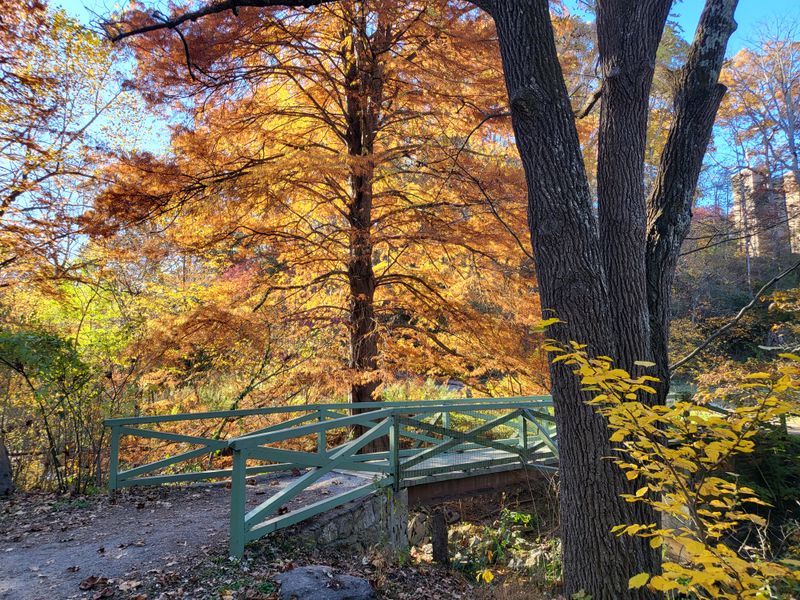
Located at 151 WT Weaver Blvd in Asheville, this garden focuses exclusively on native Appalachian flora. Woodland habitats showcase shade-loving plants that flourish beneath tree canopies in western North Carolina’s mountain environment.
Ecological planting practices demonstrate how gardens can support regional biodiversity while creating beautiful, sustainable landscapes simultaneously.
The garden preserves and displays plant species native to the Southern Appalachian region specifically. Visitors encounter wildflowers, ferns, and shrubs that might otherwise go unnoticed in natural forest settings.
Educational signage helps identify species and explains their ecological roles within mountain ecosystems comprehensively.
Shade-tolerant species dominate the collection, adapted to forest understory conditions where filtered light creates unique growing environments. These plants offer excellent options for homeowners with wooded properties seeking appropriate landscape plants.
Many native woodland species require less maintenance than traditional garden plants once established in suitable conditions.
Seasonal changes bring continuous interest as different species bloom, fruit, and change foliage colors throughout the year. Spring ephemerals emerge before tree leaves fully expand, capturing early season sunlight efficiently.
Summer brings subtle blooms adapted to shade conditions, while fall showcases colorful berries that attract migrating birds seeking food sources before winter arrives in mountain regions.
7. UNC Charlotte Botanical Gardens
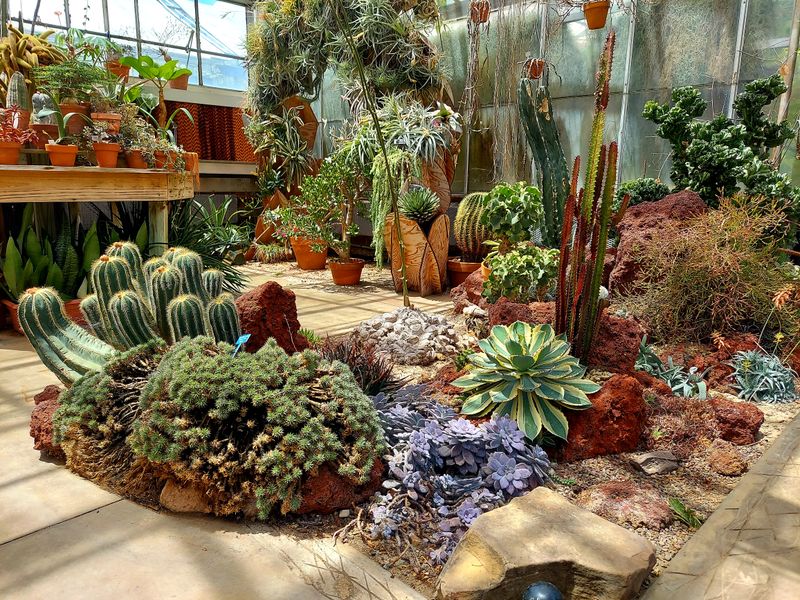
This university garden brings together education and plant diversity in a welcoming, hands-on setting. Its greenhouse collections protect tropical species that would not survive North Carolina winters outdoors, allowing them to thrive year-round.
Within these carefully managed environments, students and visitors can explore plants from a range of climate zones while learning about their growing needs and natural adaptations, at the garden’s location in Charlotte on 9090 Craver Rd.
Outdoor landscapes demonstrate plant selection appropriate for the Piedmont region’s warm summers and mild winters. The garden serves as a living laboratory where students study plant biology, ecology, and horticultural practices.
Public visitors benefit from this educational mission through well-labeled collections and informative programs throughout the year.
Tropical displays in greenhouse spaces create year-round interest regardless of outdoor weather conditions. Orchids, bromeliads, and other exotic species thrive in temperature-controlled environments with appropriate humidity levels.
These collections inspire gardeners to experiment with houseplants and conservatory gardening in their own homes successfully.
The botanical garden emphasizes plant adaptation to southeastern climate conditions through careful species selection and placement. Visitors observe how plants from various origins perform in local conditions when properly sited.
This practical information helps home gardeners make informed choices about plant selection, reducing maintenance requirements and increasing success rates with new plantings in residential landscapes throughout the Charlotte metropolitan area consistently.
8. Greensboro Arboretum
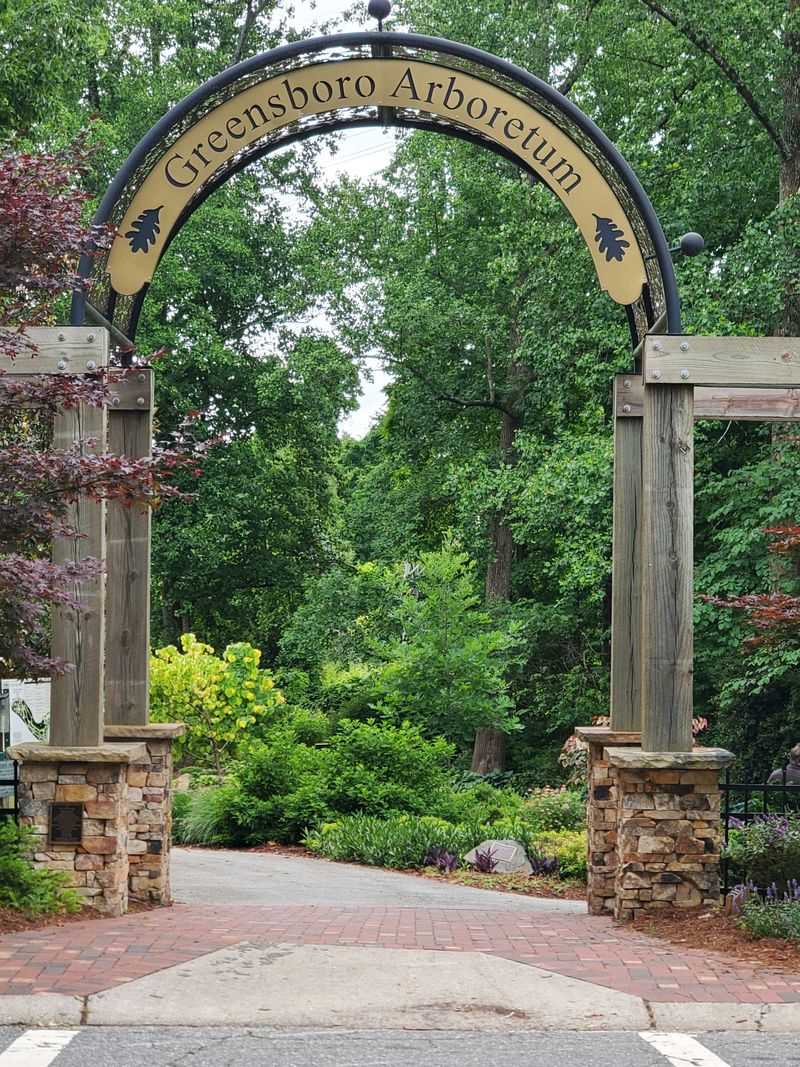
Found at 3299 Starmount Dr in Greensboro, this arboretum showcases practical landscape plants for the region. Ornamental trees, shrubs, and flowering perennials demonstrate what performs well in North Carolina’s Piedmont soil and climate conditions.
The collection provides inspiration and education for homeowners planning their own landscape improvements with proven plant selections.
Tree collections feature species that tolerate urban conditions while providing shade, seasonal interest, and wildlife value. Visitors compare different varieties side by side, observing growth habits, bark characteristics, and foliage qualities directly.
This hands-on learning helps gardeners select appropriate trees for specific landscape situations and site conditions confidently.
Seasonal plant interest changes throughout the year as different species bloom, fruit, and display foliage colors. Spring flowering trees and shrubs create spectacular displays, followed by summer perennials that tolerate heat and humidity.
Fall brings colorful foliage transformations while winter reveals interesting bark textures and plant structures that maintain landscape appeal.
The arboretum demonstrates climate-appropriate landscape design principles that reduce water consumption, minimize maintenance requirements, and support local ecosystems.
Plants adapted to Piedmont conditions require less irrigation, fertilization, and pest management than poorly suited species.
These sustainable practices create beautiful landscapes while reducing environmental impact and ongoing care demands for busy homeowners throughout the Greensboro area effectively.
9. Airlie Gardens
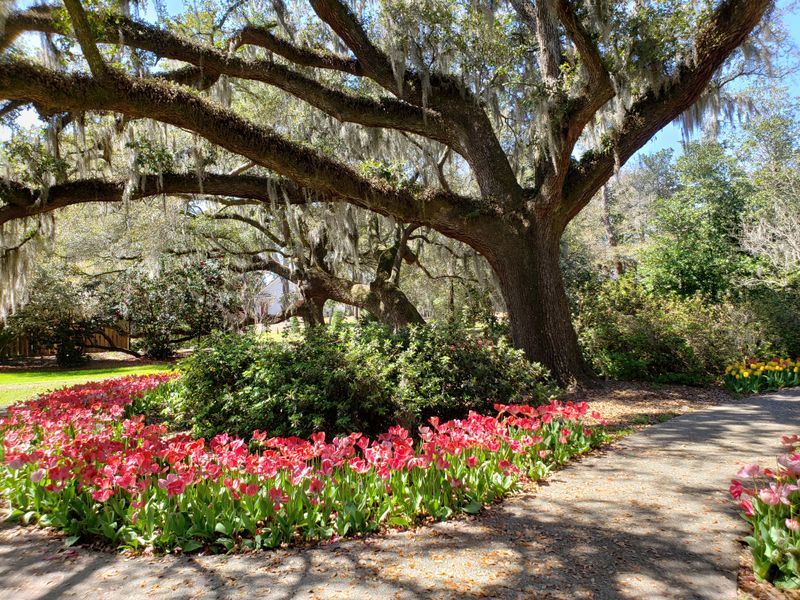
Located at 300 Airlie Rd in Wilmington, this historic garden showcases coastal plant adaptations beautifully. Massive live oaks draped with Spanish moss create iconic southern landscapes that thrive in humid coastal conditions.
Sandy soils and salt-influenced environments require specific plant selections that tolerate these challenging growing conditions successfully.
Coastal plant species demonstrate remarkable adaptations to wind, salt spray, and sandy soil conditions. These tough plants create beautiful landscapes while withstanding environmental stresses that would destroy less adapted species.
Gardeners in coastal regions learn valuable lessons about plant selection and landscape design for challenging oceanfront properties.
The garden’s live oaks represent centuries of growth, providing shade, wildlife habitat, and historic character. These magnificent trees anchor the landscape while supporting entire ecosystems in their branches and beneath their canopies.
Their presence demonstrates how long-lived trees create lasting legacy landscapes that improve with age.
Humidity levels remain high year-round in coastal North Carolina, influencing plant selection and garden management strategies. Species that tolerate or thrive in humid conditions perform best, while those prone to fungal diseases struggle.
The garden showcases plants that handle coastal humidity beautifully, offering inspiration for homeowners creating sustainable, low-maintenance landscapes in eastern North Carolina’s unique coastal environment throughout all seasons.
10. Reynolda Gardens
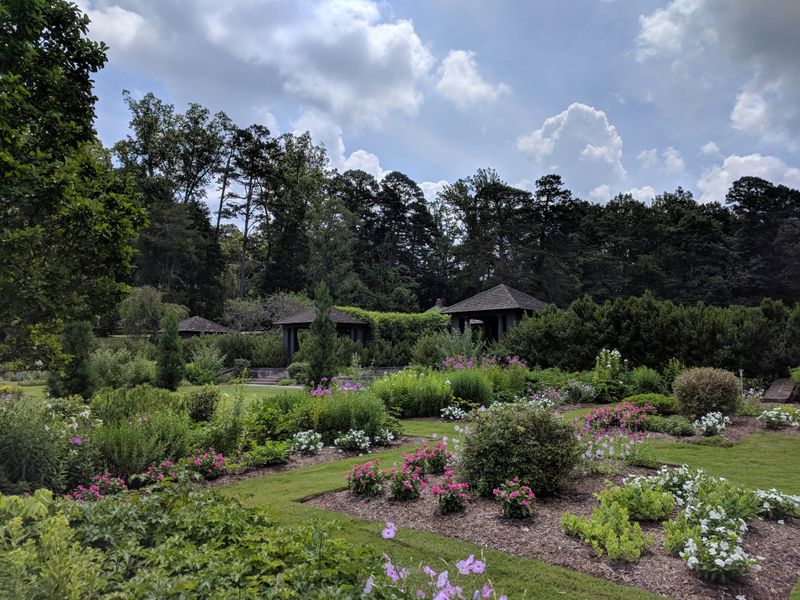
This historic garden preserves traditional Southern design principles, with formal landscapes and heritage plantings that reflect early 20th-century garden style shaped by the Piedmont climate.
Seasonal displays highlight how thoughtful plant selection can create year-round interest, even in regions with moderate winters and warm growing seasons, at its location in Winston-Salem on 100 Reynolda Village Way.
The garden’s historical significance provides insight into landscape design evolution in the Southeast. Original design elements remain intact while incorporating modern horticultural practices that improve plant health and sustainability.
This blend of tradition and innovation creates landscapes that honor history while meeting contemporary environmental standards.
Formal garden structures include defined beds, geometric layouts, and architectural features that organize plant collections. These design principles create order and visual interest while showcasing individual plant specimens effectively.
Home gardeners adapt these concepts to smaller residential properties, creating structured landscapes with formal appeal.
Plant choices reflect species that perform reliably in Piedmont conditions with moderate winters and warm, humid summers. Traditional southern garden plants mix with newer introductions that offer improved disease resistance and extended bloom periods.
Seasonal planting strategies ensure continuous color and interest, from spring bulbs through summer perennials to fall foliage displays that maintain garden beauty throughout the growing season in Winston-Salem’s favorable climate conditions consistently.