9 North Carolina Plants To Prune This February And 5 You Should Not Touch
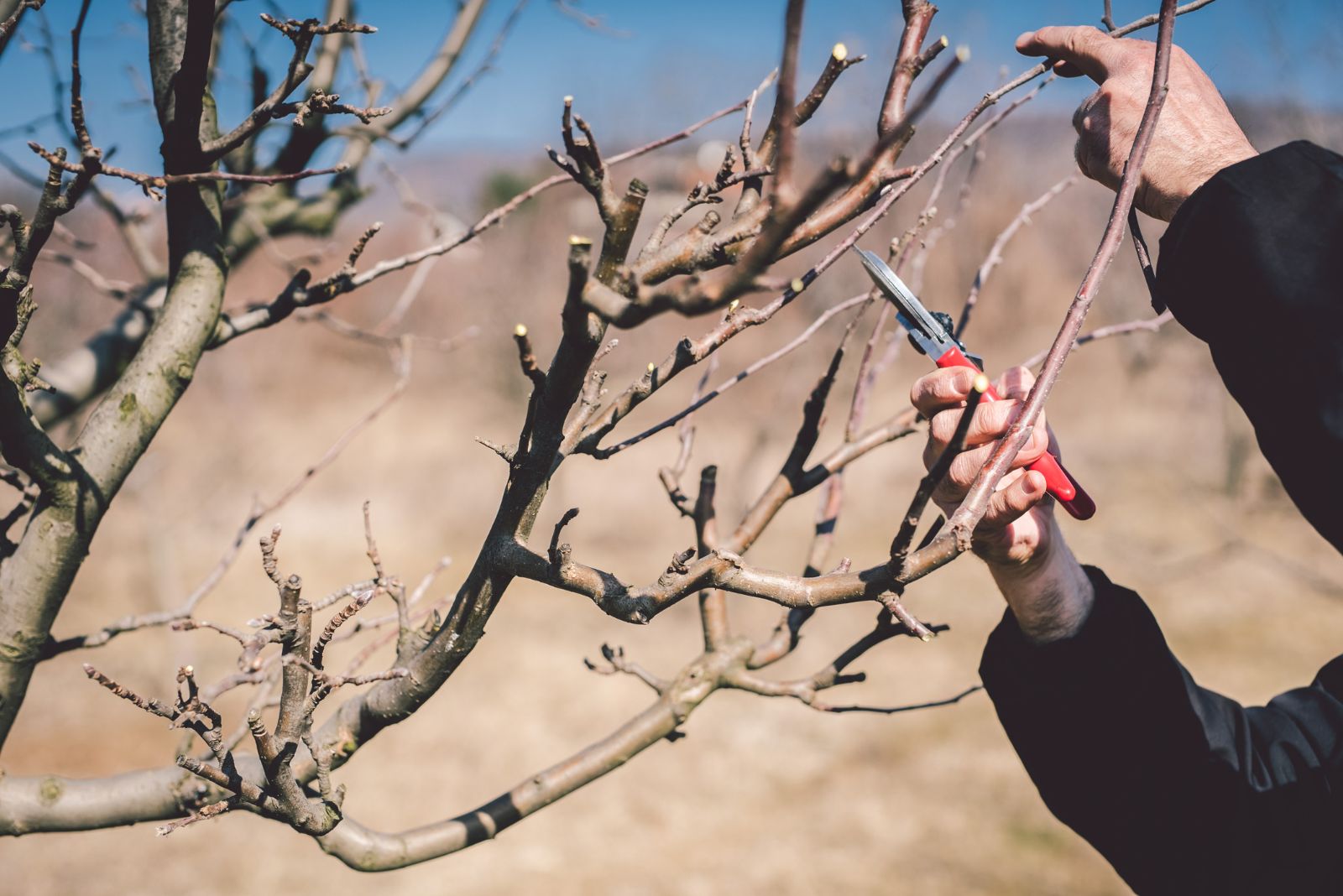
February pruning can shape how your entire garden performs this year. Late winter is a turning point across North Carolina.
Many plants are still dormant, which makes this one of the safest times to prune without stressing new growth.
Done correctly, pruning now encourages stronger structure, healthier blooms, and better air flow once the growing season begins. Done at the wrong time, it can remove flower buds, invite disease, or slow growth for months.
Gardeners often use this window to trim certain trees, shrubs, and hardy plants that benefit from a clean start before spring.
Removing dead or damaged wood helps plants direct energy where it matters most, while careful shaping improves long term health and appearance.
At the same time, some plants should be left alone in February because pruning too early can reduce flowering or expose tender growth to cold snaps.
Knowing what to prune and what to leave untouched makes late winter gardening far more effective and far less risky.
1. Crape Myrtle (Lagerstroemia Indica)
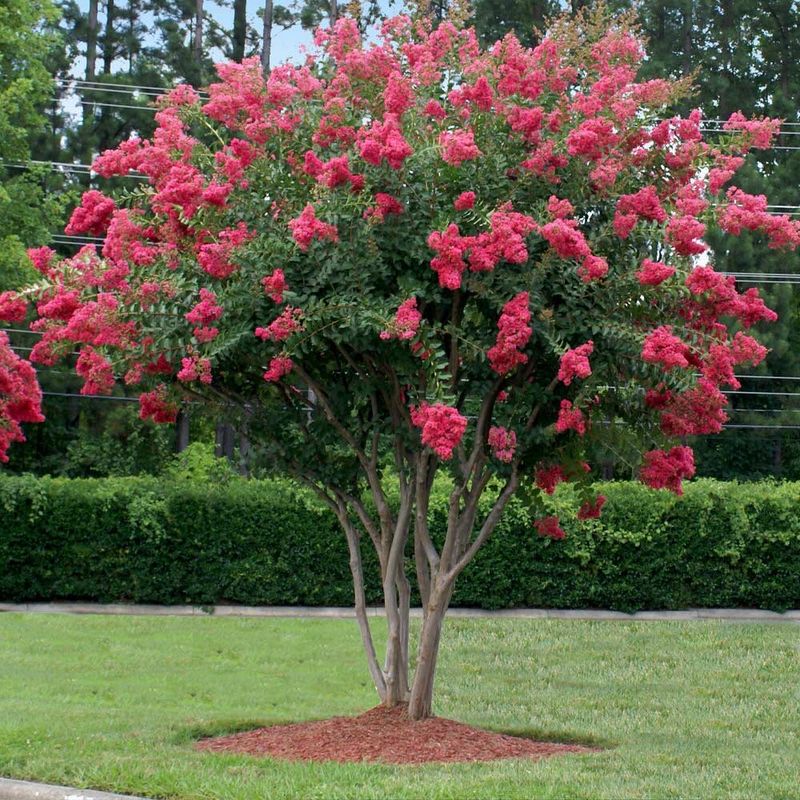
Crape myrtles respond beautifully to late winter pruning when handled correctly. February offers the ideal timing before new growth emerges across North Carolina.
These beloved southern trees bloom on wood produced during the current growing season. Proper technique matters more than aggressive cutting. Remove crossing branches that rub together and create wounds.
Take out weak or spindly growth that won’t support flowers well. Focus on opening up the center for better air circulation.
Many gardeners make the mistake of topping these trees severely. This practice creates ugly knobs and weak regrowth that flops over when blooming.
Instead, make selective cuts just above outward-facing buds. Remove branches completely at their origin point rather than leaving stubs.
Shape your crape myrtle to highlight its natural form. The smooth, exfoliating bark is a winter feature worth showcasing.
Thinning cuts preserve the graceful branching pattern while encouraging robust spring growth. Your patience with proper technique will reward you with stronger blooms and a healthier tree structure that lasts for years.
2. Roses (Repeat-Blooming Bush Roses)
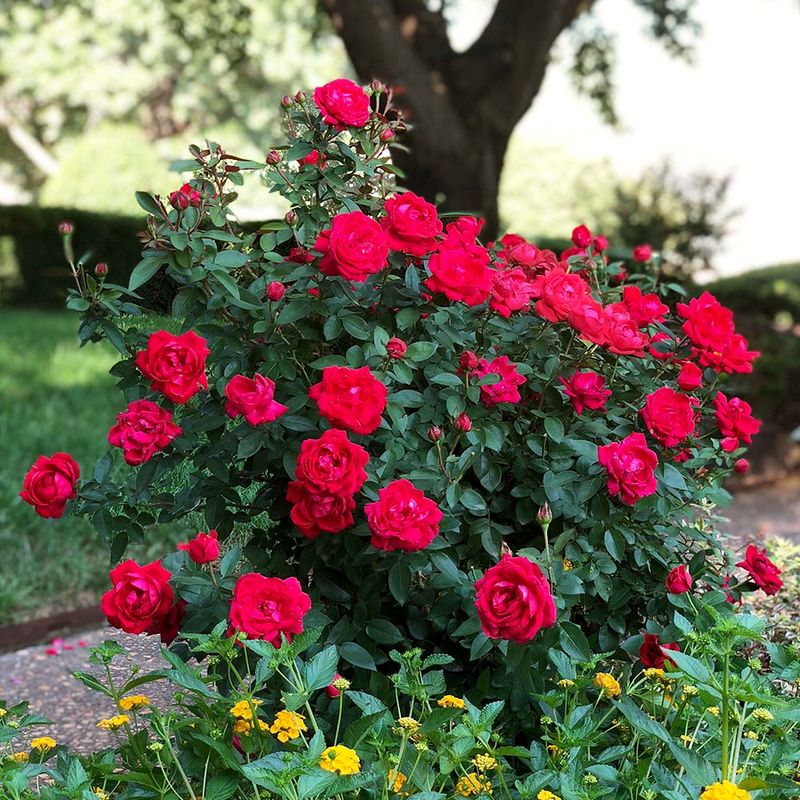
Your repeat-blooming roses need attention before spring arrives in full force. Late winter pruning sets the stage for vigorous growth and abundant flowers throughout the season.
February works perfectly across North Carolina’s varied climate zones. Start by identifying canes that look weak or damaged from winter weather. These won’t produce quality blooms and just drain energy from the plant.
Remove them completely at the base using sharp, clean pruners. Look for canes thinner than a pencil as candidates for removal.
Healthy canes should be cut back to outward-facing buds at varying heights. This creates a vase shape that allows sunlight to reach the center.
Make cuts at a 45-degree angle about a quarter inch above the bud. The slant helps water run off rather than pooling at the cut.
Timing matters because you want to prune while plants remain mostly dormant. Watch for swelling buds as your signal that spring approaches.
Getting this work done in February means your roses can direct all their energy into producing strong new growth rather than maintaining unnecessary wood.
Your North Carolina Garden Changes Every Week. Your Plan Should Too.
Gardening in North Carolina changes quickly throughout the season. Every Friday you’ll receive a simple weekly plan showing exactly what to plant, prune, fertilize, harvest, and protect so you never miss the right timing.
3. American Beautyberry (Callicarpa Americana)
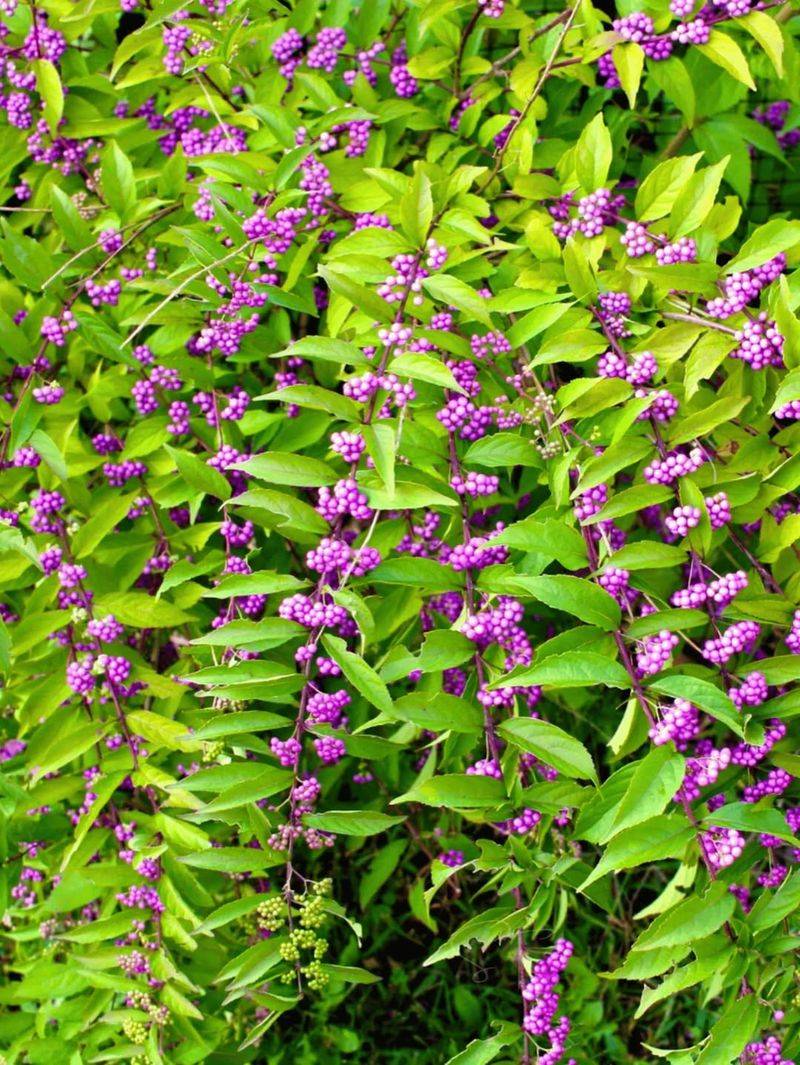
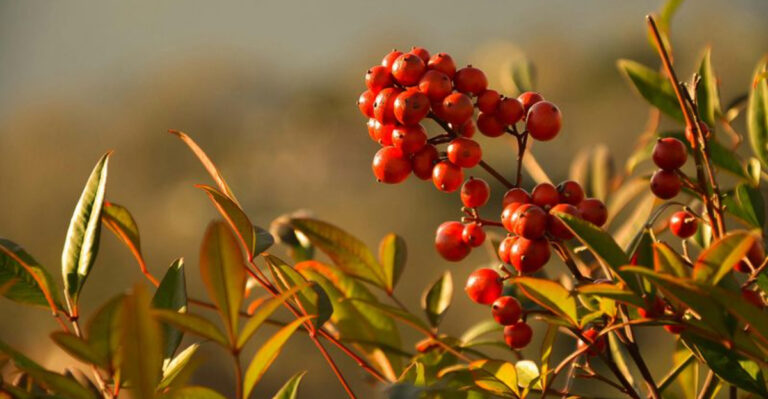
This southeastern native shrub offers spectacular purple berries in fall, but February pruning helps ensure the show continues. Beautyberry produces flowers and subsequent berries on wood grown during the current season.
Cutting back now encourages fresh, vigorous shoots. You can be fairly aggressive with this resilient plant. Many gardeners cut stems back to within 12 inches of the ground.
This might seem drastic, but beautyberry responds with enthusiastic regrowth. The new shoots will be stronger and produce more flower clusters.
Some prefer a lighter approach, removing only about a third of the plant height. Either method works well depending on your landscape goals.
Heavier pruning creates a more compact plant with denser berry production. Lighter pruning maintains a larger shrub form.
The timing aligns perfectly with the plant’s natural cycle. New growth emerges in spring and quickly develops into flowering branches.
Those flowers become the brilliant purple berry clusters that wildlife adores. By handling pruning tasks now, you give the plant maximum time to develop robust new wood before flowering begins in summer.
4. Fruit Trees (Apple And Pear – Dormant Pruning)
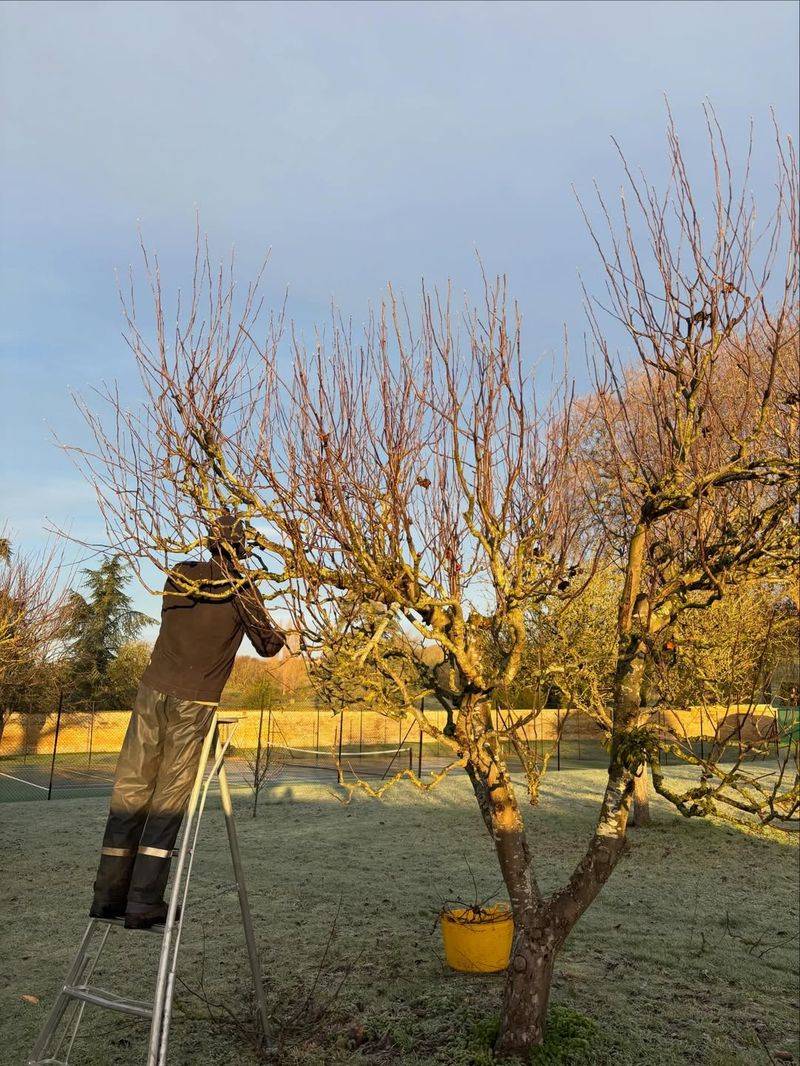
Fruit trees require thoughtful pruning to produce quality harvests year after year. February offers the perfect window for apples and pears across North Carolina.
Dormant pruning shapes the tree and improves fruit production without stressing the plant. Begin by removing branches that cross through the center or rub against each other. These create wounds that invite disease and pests.
Next, take out shoots growing straight up or straight down. These rarely produce good fruit and waste the tree’s energy.
Opening the canopy to sunlight and air circulation is crucial. Fruit needs sunlight to ripen properly and develop good flavor.
Air movement reduces fungal disease problems that plague fruit trees. Aim for a vase shape with an open center on most apple varieties.
Make cuts just outside the branch collar where branches meet the trunk or larger limbs. This allows proper healing without leaving stubs.
Remove no more than about 25 percent of the canopy in a single year. Spreading major pruning over multiple years reduces stress.
Your February work now means better fruit quality, easier harvesting, and healthier trees for many seasons ahead.
5. Smooth Hydrangea (Hydrangea Arborescens)
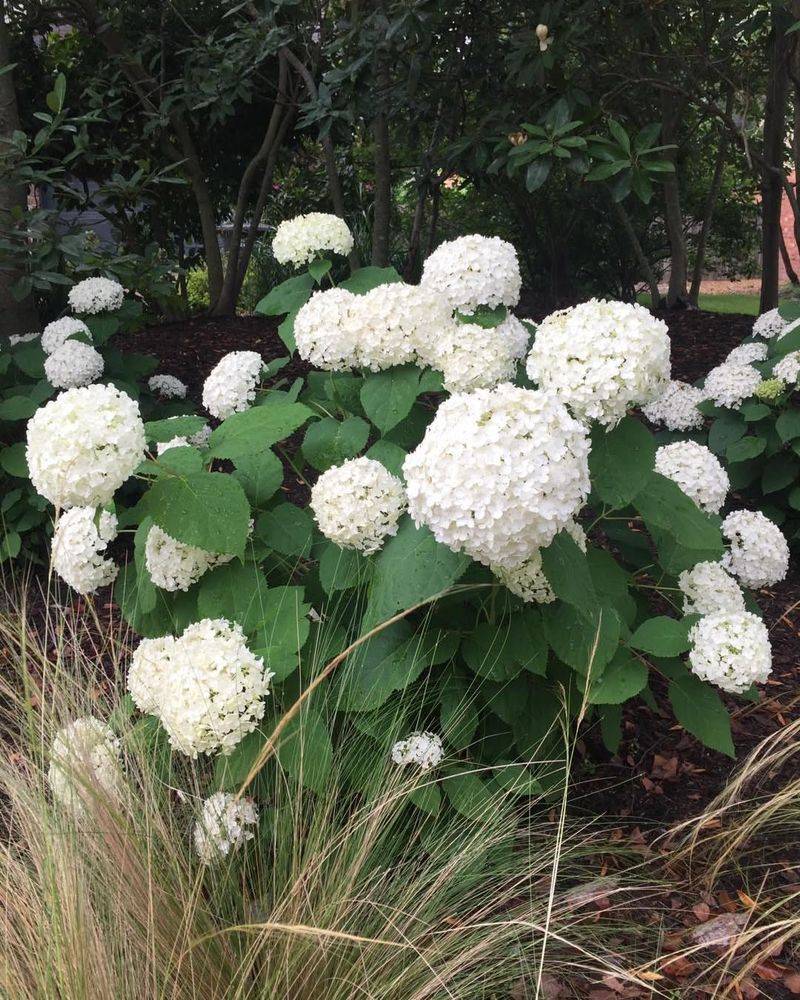
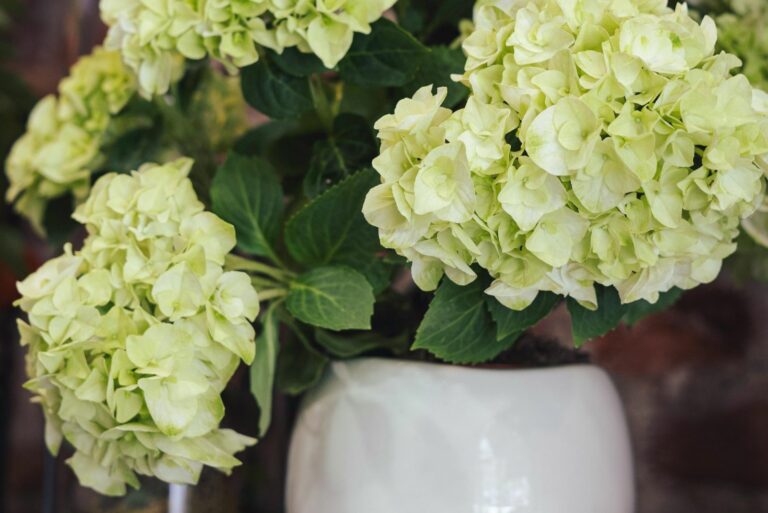
Smooth hydrangeas differ significantly from their bigleaf cousins in pruning requirements. These North American natives bloom on new wood produced each spring.
February pruning won’t sacrifice a single flower because those buds haven’t formed yet. Many smooth hydrangea varieties benefit from hard pruning annually. Popular cultivars like Annabelle produce massive white flower heads on fresh growth.
Cutting stems back to 12 to 18 inches from the ground encourages sturdy new branches. These support the heavy blooms better than old, woody stems.
Some gardeners prefer leaving more height for a larger shrub presence. Removing only the top third works fine too.
The key is understanding that wherever you cut, new flowering shoots will emerge below. This flexibility makes smooth hydrangea forgiving for less experienced pruners.
Late winter timing prevents accidental removal of developing buds. The plant remains dormant in February across most of North Carolina.
You can clearly see the plant’s structure without foliage blocking your view. This clarity helps you make better decisions about which stems to keep and which to remove for improved shape and vigor.
6. Butterfly Bush (Buddleja Davidii)
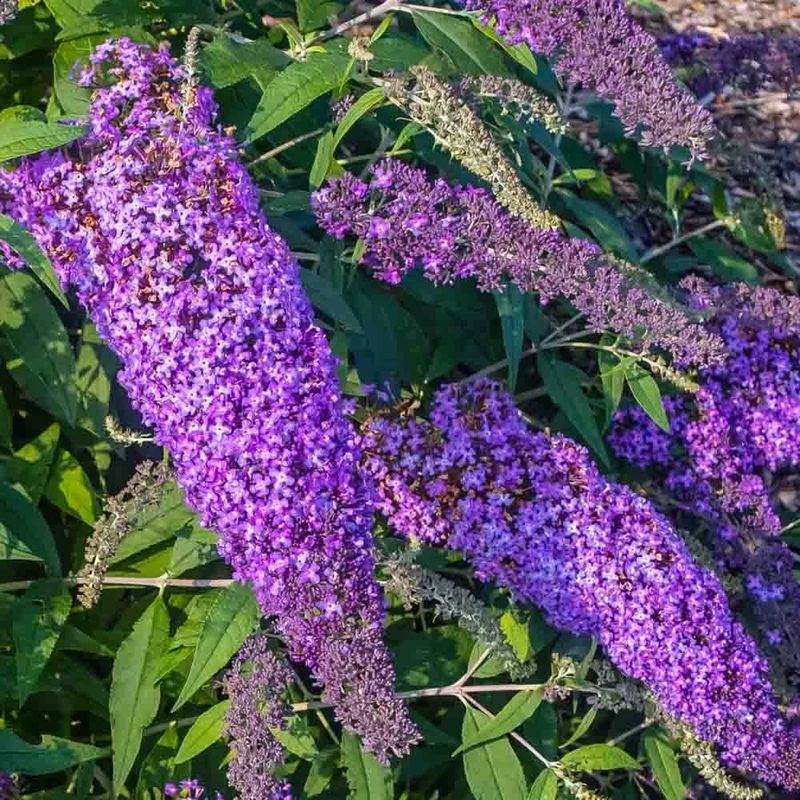
Butterfly bushes attract pollinators all summer long, but they need February attention to perform their best. These fast-growing shrubs bloom on current-season wood.
Pruning now promotes strong new shoots that will be covered in fragrant flower spikes. Hard pruning works exceptionally well for butterfly bush. Cut stems back to about 12 inches from the ground.
This seems severe, but these vigorous plants quickly produce fresh growth. The new shoots grow rapidly and begin flowering by midsummer.
Without regular pruning, butterfly bushes become leggy and top-heavy. Flowers appear only at branch tips, leaving an unattractive bare base.
Annual hard pruning keeps plants compact and flowering from top to bottom. The improvement in appearance and bloom quantity is dramatic.
February timing takes advantage of the plant’s dormant period. You can work without worrying about tender new growth.
Make cuts just above a set of buds on each stem. Clean, sharp pruners prevent ragged cuts that invite problems.
Within weeks of warmer weather, fresh green shoots will emerge and grow rapidly toward their summer flowering display.
7. Blueberry (Established Bushes)
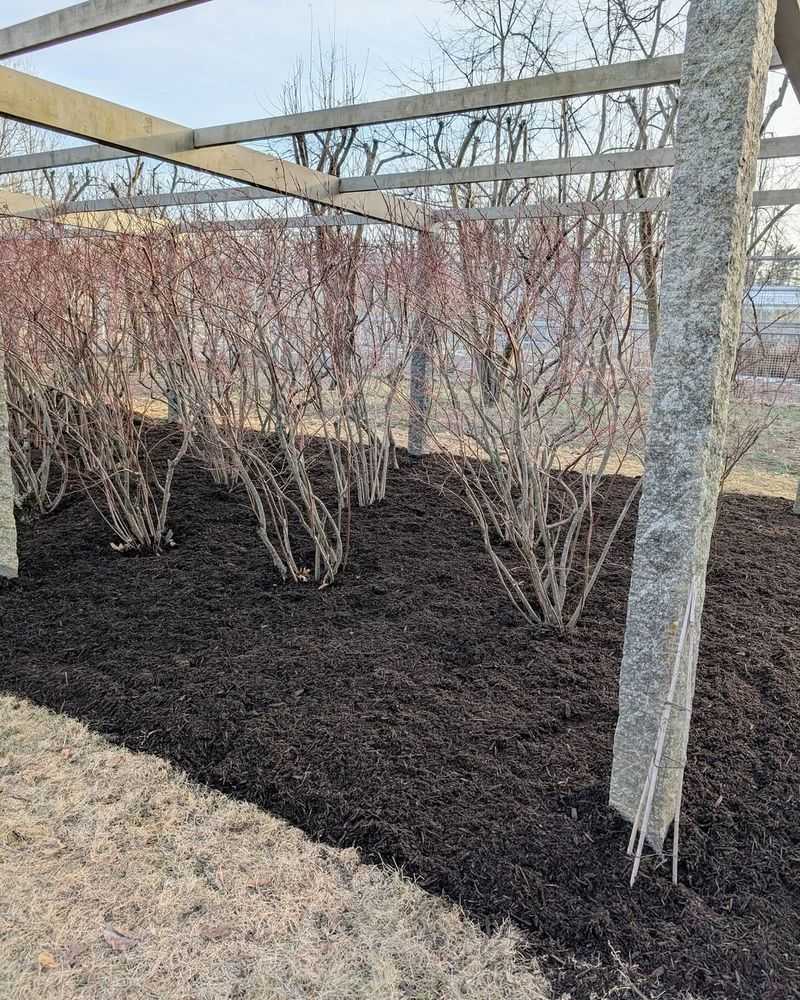
Established blueberry bushes produce better with regular late winter pruning. February timing works perfectly before buds begin swelling across North Carolina.
Removing older canes redirects energy into productive younger wood that bears larger, sweeter berries.
Look for canes older than about six years. These often appear gray or black and produce smaller fruit on weak growth.
Remove them completely at ground level. This makes room for vigorous younger canes that fruit more abundantly.
Thin out weak or spindly growth regardless of age. Blueberries fruit best on sturdy canes from previous seasons.
Remove any branches damaged by winter weather or rubbing against other canes. Keep the bush’s center relatively open for good air circulation.
Most established bushes should have eight to twelve productive canes of varying ages. This rotation system ensures consistent harvests.
Younger canes are growing and developing while mature ones produce heavily. The oldest canes get removed before they decline significantly.
Your February pruning establishes this cycle. The result is larger berries, easier picking, and bushes that remain productive for decades rather than declining after just a few years of heavy fruiting.
8. Abelia
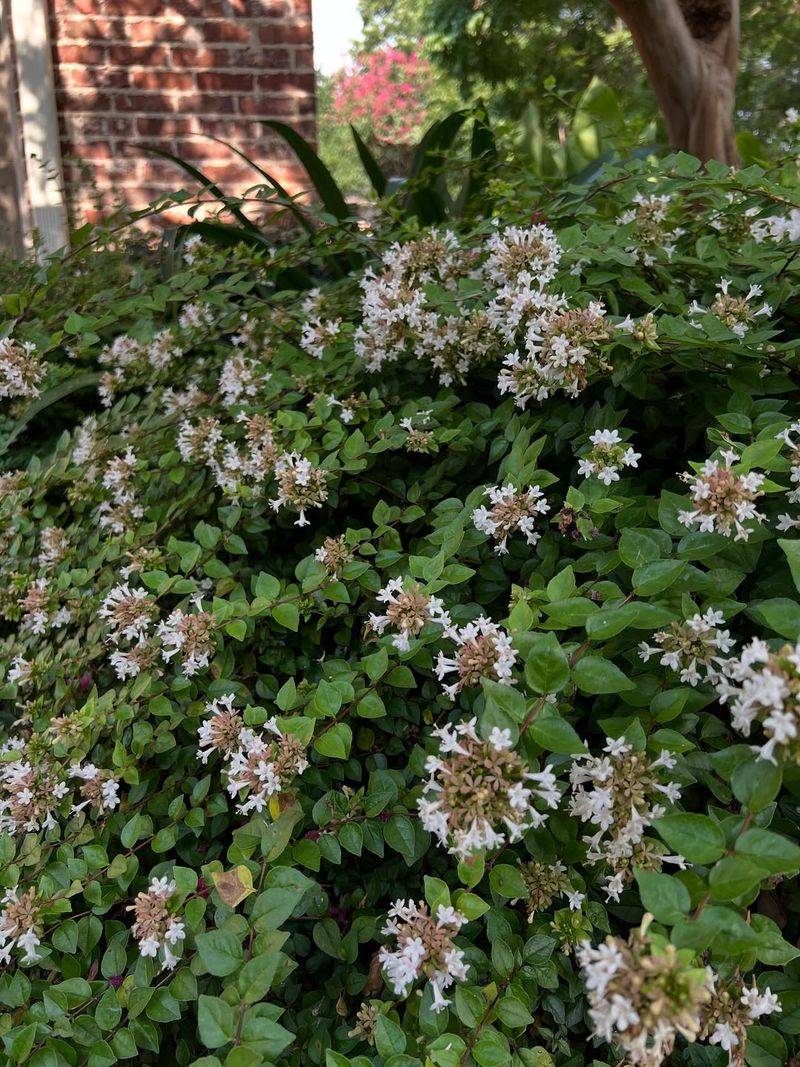
Abelia shrubs tolerate late winter pruning remarkably well while maintaining their graceful form. These versatile plants bloom on new growth produced during the current season.
February pruning encourages fresh shoots that will flower throughout summer and into fall. Size control is often the main reason for pruning abelia. These shrubs can become quite large if left unpruned.
Reduce height and width by cutting branches back to outward-facing buds. This maintains the plant’s naturally arching habit while keeping it in bounds.
Selective thinning improves the overall appearance. Remove some of the oldest stems completely at ground level.
This rejuvenates the shrub by encouraging new basal growth. The result is a fuller plant with better branching from the bottom up.
Abelia’s semi-evergreen nature in North Carolina means some foliage may remain through winter. Don’t let this deter you from pruning now.
The plant will quickly replace any removed leaves with fresh growth. Light to moderate pruning maintains flowering while controlling size.
The shrub responds with improved branching and abundant tubular flowers that attract hummingbirds and butterflies throughout the growing season ahead.
9. Glossy Privet (Landscape Shrub Management)
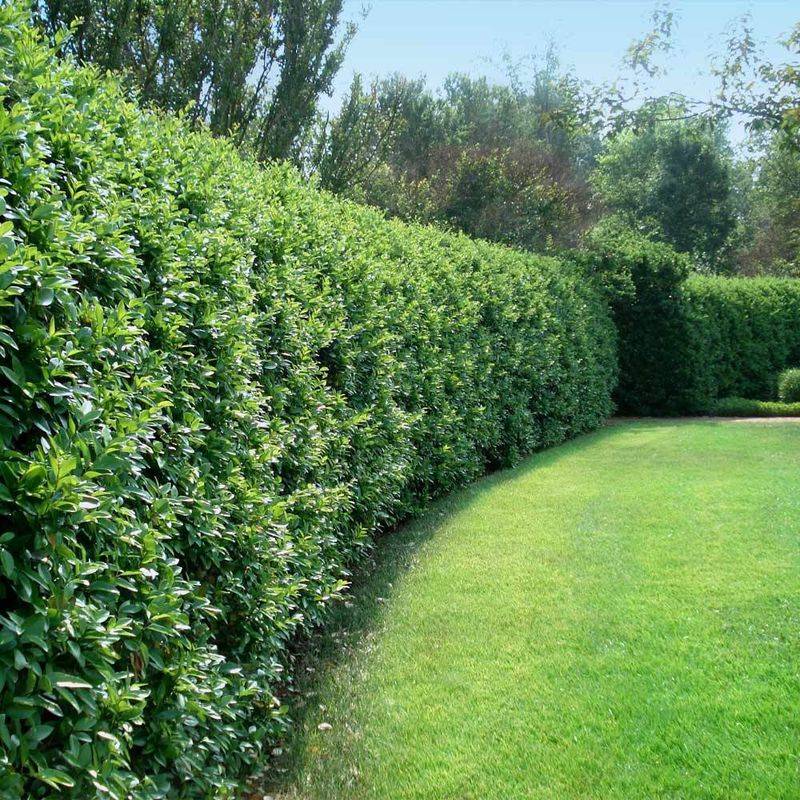
Glossy privet serves many landscape roles, from hedges to specimen shrubs. February pruning helps maintain desired size and shape before spring growth accelerates.
These vigorous plants respond well to pruning and quickly fill in any gaps. Hedges benefit from shaping now while you can clearly see the structure. Trim sides slightly narrower at the top than the bottom.
This allows sunlight to reach lower branches and prevents bare spots at the base. Make cuts just above leaf nodes for the best regrowth.
Specimen shrubs may need thinning rather than shearing. Remove some interior branches to open up the plant.
This improves air circulation and reduces disease pressure. Take out any branches that cross or grow toward the center.
Privet grows enthusiastically once warm weather arrives. Pruning in February gives you a head start on controlling that growth.
The plant remains dormant or semi-dormant, making it less stressful to prune now. Clean cuts heal quickly as growth resumes.
Your work now means a neater appearance and less frequent pruning needed during the growing season when you’d rather enjoy your garden than constantly trim overgrown shrubs.
10. Bigleaf Hydrangea (Hydrangea Macrophylla)
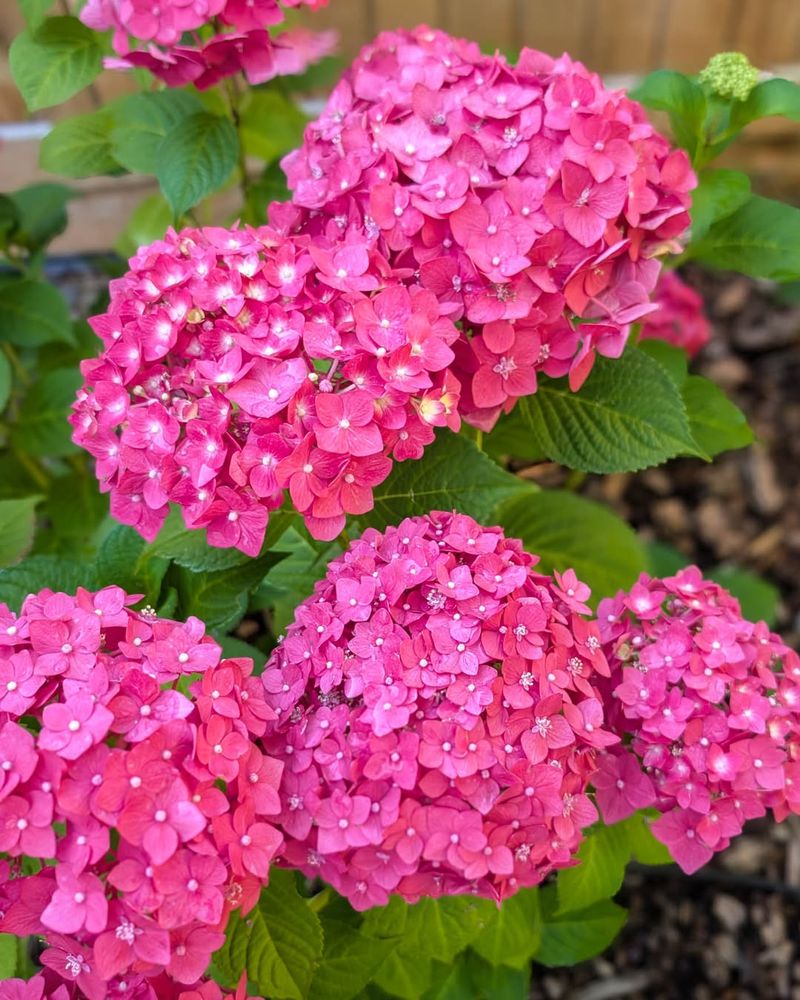
Bigleaf hydrangeas demand different treatment than their smooth cousins. These popular shrubs bloom on old wood formed during the previous growing season.
Those spectacular flower buds are already set and waiting on the stems right now in February. Pruning in late winter removes the very buds you’ve been waiting months to see bloom. Each cut eliminates potential flowers for the upcoming season.
Many gardeners make this mistake and wonder why their hydrangea refuses to bloom. The answer lies in improper timing.
If you must prune for size or shape, wait until immediately after flowering finishes. This gives the plant the rest of the growing season to form next year’s flower buds.
Remove only what’s necessary because even summer pruning can reduce the following year’s display.
Some bigleaf varieties bloom on both old and new wood, offering more flexibility. However, most traditional cultivars rely exclusively on old wood.
Your best approach in February is simple: leave these shrubs completely alone. Resist the urge to tidy up or reshape.
Any branches that look truly damaged can be removed carefully, but otherwise, hands off until after the spring flower show concludes.
11. Azalea (Spring-Blooming Types)
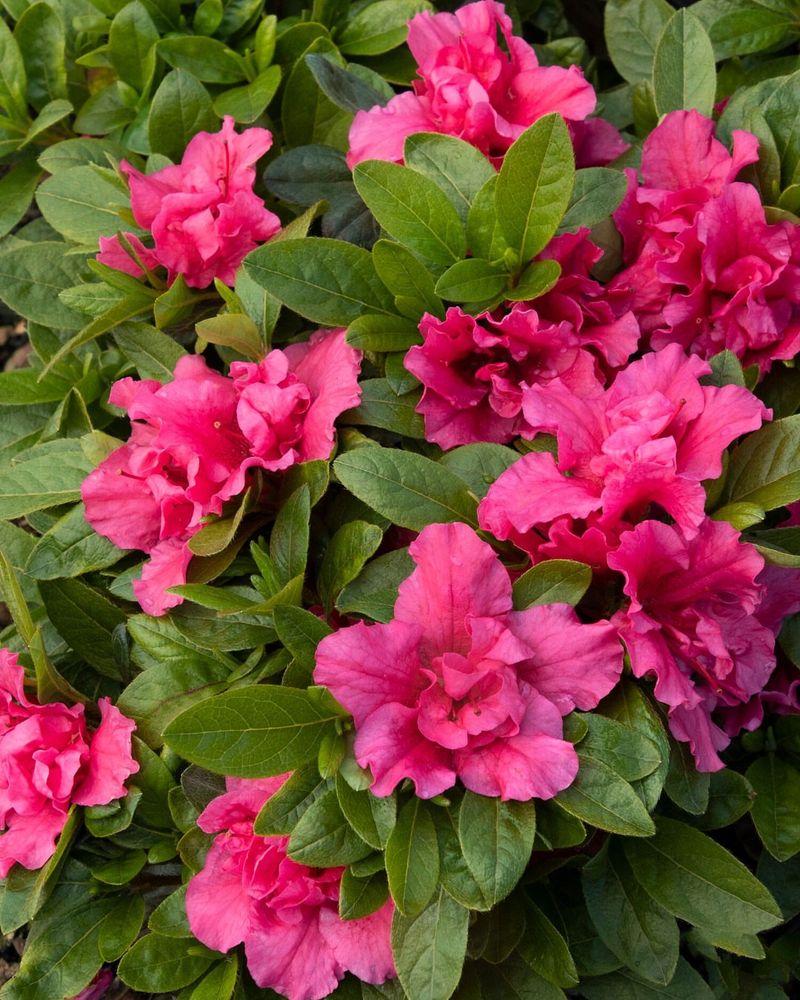
Spring-blooming azaleas put on one of the garden’s most anticipated shows each year. Those flower buds formed last summer and have been patiently waiting through winter.
February pruning would sacrifice much of that spectacular display you’ve been anticipating. Each branch tip carries clusters of developing buds. These will burst into color within weeks as temperatures warm.
Cutting them away now means cutting away the flowers. The disappointment of a sparse bloom season isn’t worth any shaping benefits.
Azaleas bloom on old wood produced during the previous growing season. The plant needs time after flowering to grow new shoots and set buds for the following year.
Pruning immediately after flowers fade allows this cycle to continue uninterrupted. You get to enjoy the blooms and still shape the plant.
If branches are damaged or diseased, careful selective removal is acceptable even now. Focus only on problem areas rather than overall shaping.
Most azaleas maintain attractive forms with minimal pruning anyway. Your February restraint will be rewarded with the vibrant spring color show these shrubs are famous for providing across North Carolina landscapes each year.
12. Camellia (Spring-Blooming Varieties)
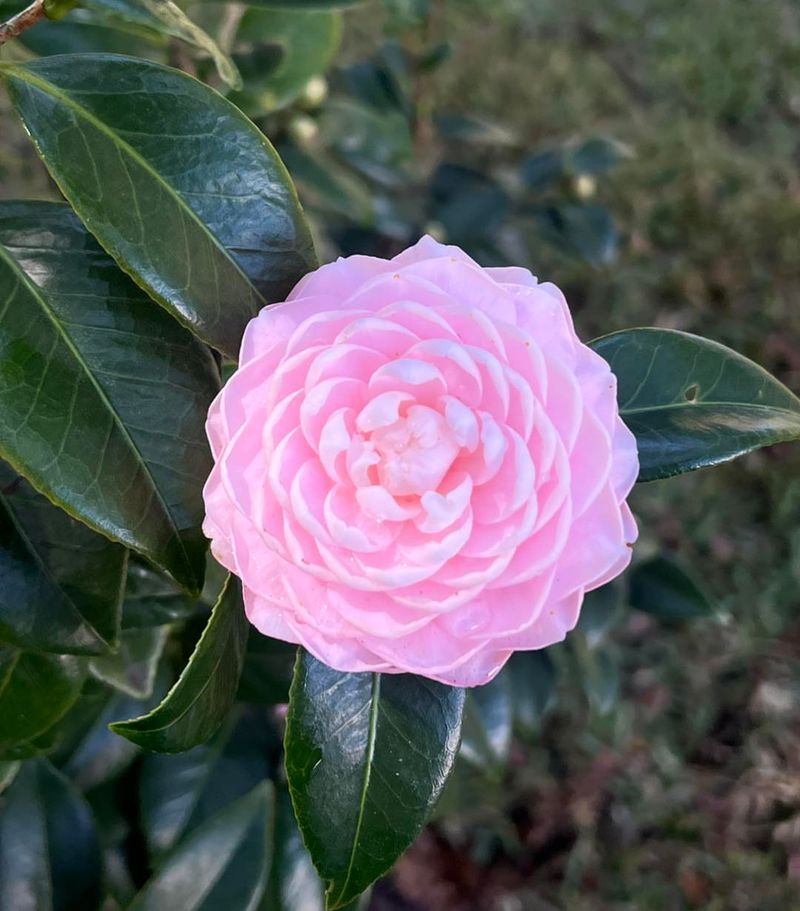
Camellias bring elegance to winter and early spring gardens with their exquisite flowers. Spring-blooming varieties carry developing buds right now in February.
Some may already be showing color or even opening. Pruning would eliminate much of this season’s floral display. These shrubs set flower buds during the previous growing season. The buds develop slowly through fall and winter.
By February, they’re nearly ready to unfold into those gorgeous blooms. Each pruning cut potentially removes dozens of flowers.
Camellias generally require minimal pruning for good health and appearance. Their natural form is attractive without much intervention.
If shaping becomes necessary, the time to act is right after flowering concludes. This allows maximum time for new growth before next year’s bud formation begins.
Remove only branches that are clearly damaged or rubbing against others. Even this minimal pruning should be done carefully to preserve as many flower buds as possible.
The reward for your patience is the stunning display of perfect blooms that make camellias such treasured landscape plants. Wait a few more weeks to enjoy the flowers, then assess whether any pruning is truly necessary once the show ends.
13. Dogwood (Cornus Florida)
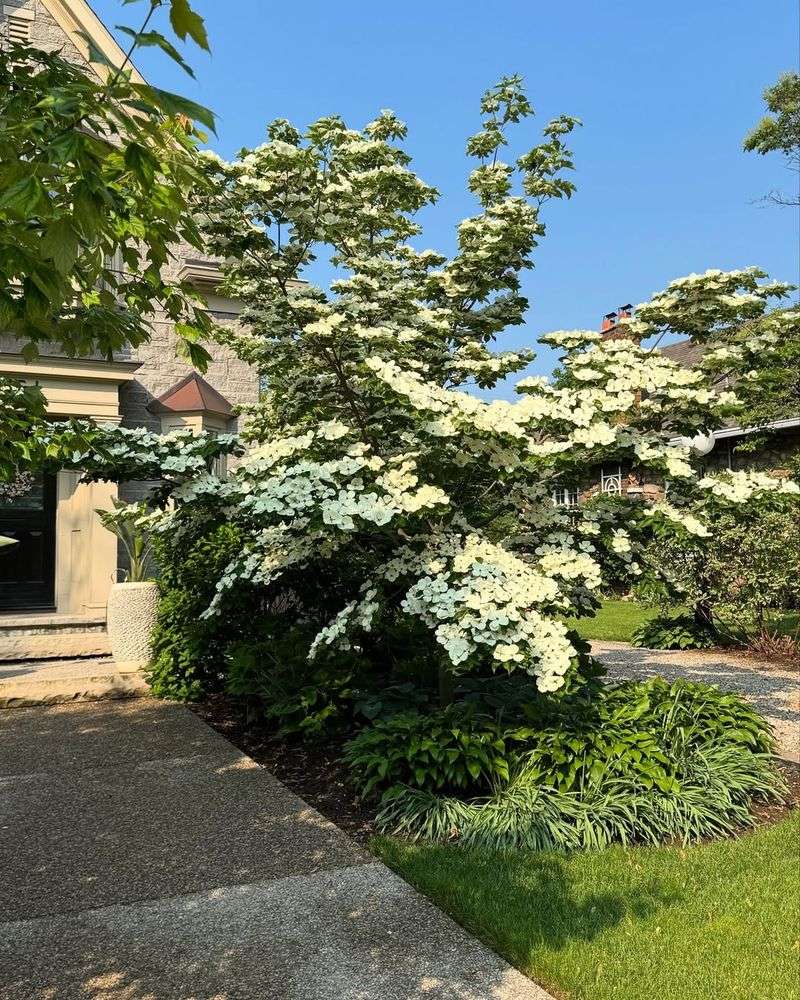
Dogwoods are beloved native trees that grace North Carolina landscapes with spring flowers and fall color. Late winter presents a problematic time for pruning these sensitive trees.
Sap begins flowing heavily as temperatures fluctuate, and pruning cuts can weep excessively. This sap flow doesn’t necessarily harm the tree, but it indicates stress during a vulnerable transition period. The tree is mobilizing resources for spring growth.
Wounds created now take longer to heal properly. The risk of introducing disease through fresh cuts increases.
Dogwoods are also susceptible to several serious diseases. Pruning during dormancy when spores are present can introduce pathogens through fresh wounds.
Waiting until the tree leafs out fully reduces this risk significantly. Late spring or early summer pruning is much safer.
If you notice broken or damaged branches, those can be carefully removed regardless of season. Otherwise, leave your dogwood alone in February.
These trees naturally develop attractive forms with minimal intervention anyway. The iconic spring flower display depends on buds formed the previous year.
Your restraint now protects both the tree’s health and the beautiful blooms that make dogwoods such cherished landscape specimens throughout the region.
14. Redbud (Cercis Canadensis)
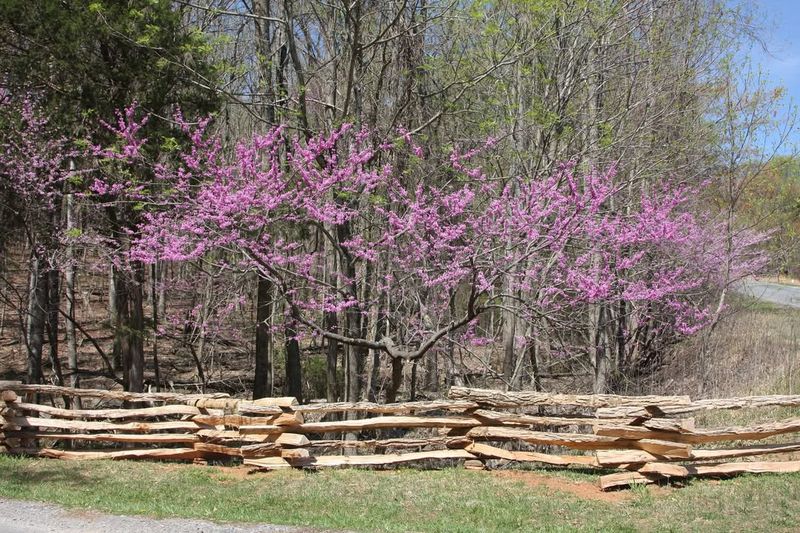
Redbuds announce spring’s arrival with brilliant purple-pink flowers covering bare branches. This native tree blooms directly on old wood, including the trunk and main branches.
Those flower buds are already formed and waiting along the stems in February. Pruning now removes the upcoming floral display that makes redbud so special. The tree’s unique flowering habit means blossoms appear on wood of all ages.
Even small cuts can eliminate numerous flower clusters. The loss is particularly noticeable given how the entire tree becomes covered in blooms.
Redbuds naturally develop attractive branching patterns with minimal pruning. They rarely need corrective work unless damaged by storms.
The graceful, spreading form looks best when allowed to develop naturally. Over-pruning can ruin the characteristic shape.
If pruning becomes necessary for structural reasons, wait until after flowering concludes. This preserves the spring display while still allowing time for wound healing before summer heat arrives.
Remove only problem branches rather than attempting overall shaping. Your patience through February will be rewarded when the tree transforms into a cloud of color, providing one of spring’s most anticipated garden moments across North Carolina each year.