10 Crops North Carolina Gardeners Prune For Better Harvests
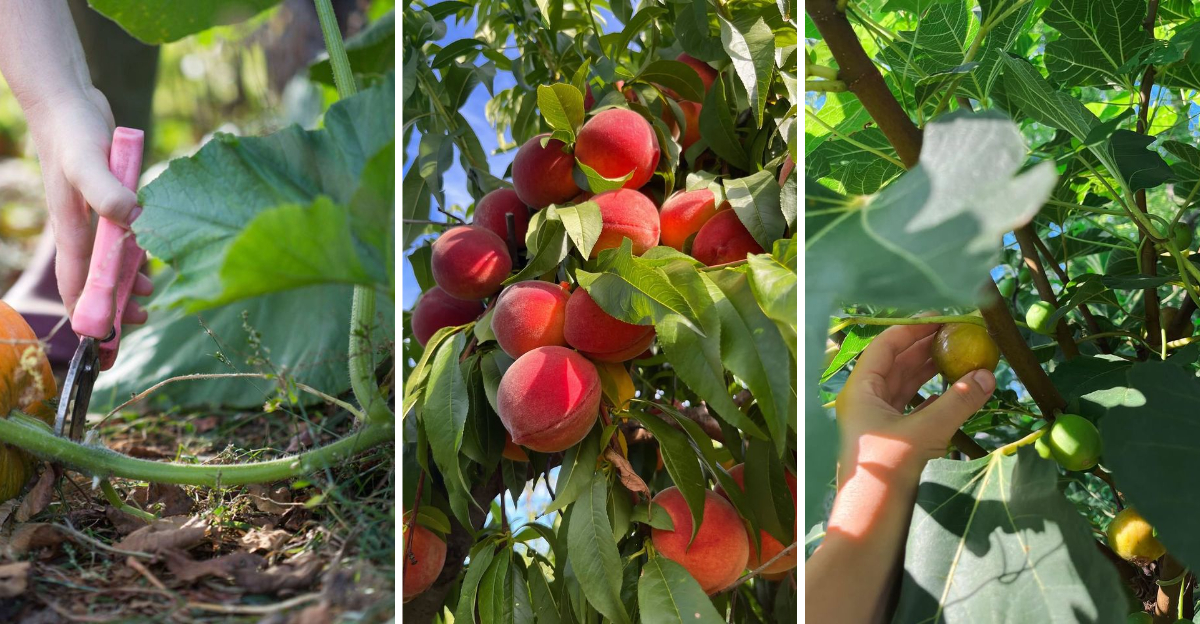
A better harvest often starts with what you remove, not what you grow. Across North Carolina, experienced gardeners know pruning is not just for trees and shrubs.
Many food crops respond surprisingly well to careful trimming, producing stronger growth, better airflow, and more energy directed toward fruit and yield.
When done at the right time, pruning helps plants stay manageable while encouraging healthier, more productive harvests.
Some crops benefit from removing excess shoots, while others produce more when lower growth or damaged leaves are cleared away. The goal is not to cut aggressively, but to guide the plant so nutrients and sunlight reach the parts that matter most.
In a climate known for heat and humidity, proper pruning also helps reduce disease and keeps plants growing steadily through the season.
Understanding which crops respond well to pruning can make a noticeable difference, turning an average harvest into a far more productive and rewarding one.
1. Tomato
Indeterminate tomatoes grow like enthusiastic vines that never know when to stop. Without regular attention, these plants become tangled jungles of leaves with disappointing fruit production.
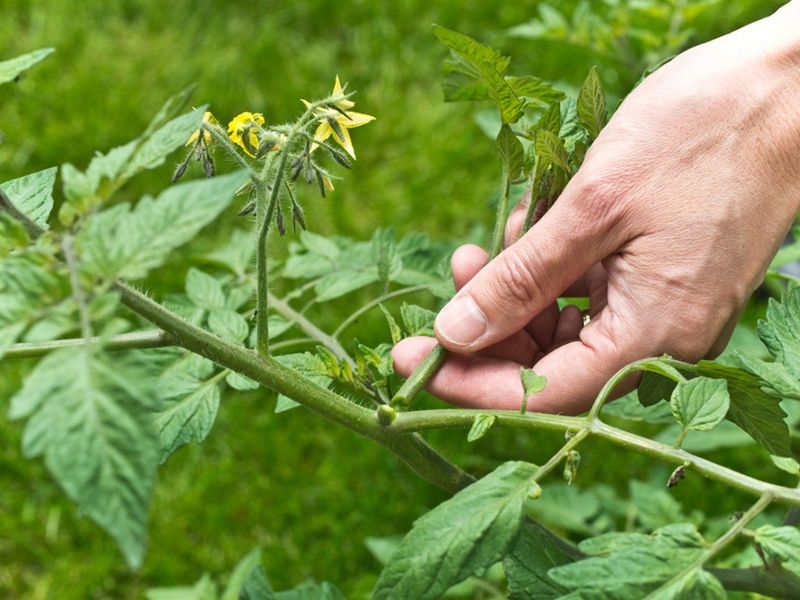
Removing those pesky suckers makes all the difference in your summer harvest. Suckers appear in the joint where a leaf branch meets the main stem. They steal valuable nutrients that should go toward ripening delicious tomatoes.
Pinching them off when they’re small takes just seconds and prevents unnecessary competition within the plant.
Better airflow comes naturally when you thin out excess growth. This circulation reduces humidity around leaves and stems, making your plants less attractive to fungal diseases common in our humid southeastern summers.
Your tomatoes will thank you with healthier foliage that lasts longer into the season. Light reaches deeper into the plant canopy after pruning, helping lower fruit clusters ripen evenly.
You’ll notice bigger tomatoes with richer flavor when the plant isn’t spreading resources too thin. Managing vertical growth also makes staking easier and harvesting more convenient.
Start pruning when plants reach about twelve inches tall. Focus on removing suckers below the first fruit cluster and any that crowd the interior.
This simple practice transforms sprawling chaos into productive, manageable plants that reward your efforts with baskets full of beautiful tomatoes all season long.
2. Pepper
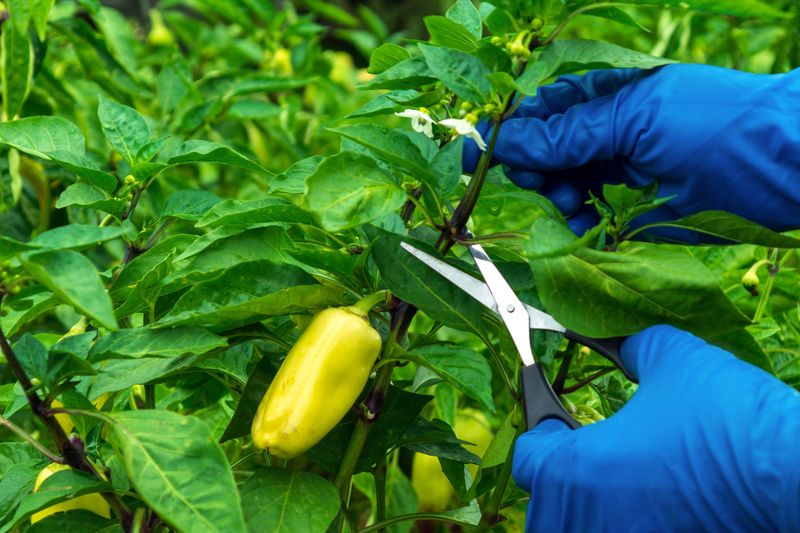
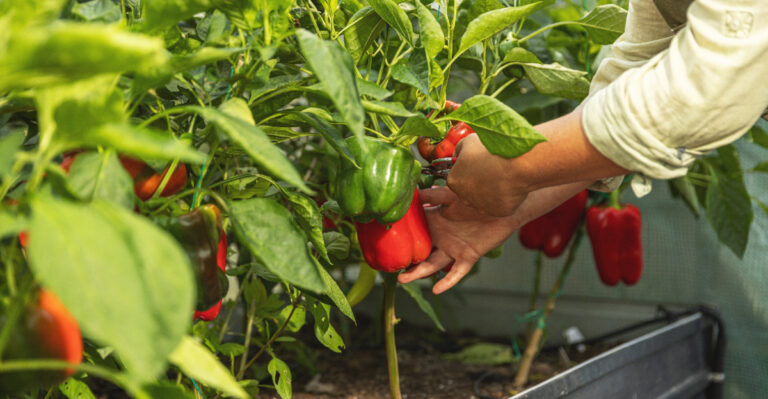
Pepper plants often surprise gardeners with their resilience and productivity. Strategic pruning takes these already reliable producers and pushes them toward excellence. The key lies in knowing when and where to make your cuts for maximum benefit.
Early in the season, some pepper plants develop weak or spindly growth that won’t contribute much to your harvest.
Removing these feeble stems redirects energy toward stronger branches that can support heavy fruit loads. You’re essentially helping the plant make smart decisions about resource allocation.
Crowded interior stems create humid pockets where disease organisms love to settle. Opening up the center allows breezes to flow through, drying moisture quickly after rain or morning dew.
This ventilation proves especially valuable during North Carolina’s steamy summer months when fungal problems can spread rapidly.
Your North Carolina Garden Changes Every Week. Your Plan Should Too.
Gardening in North Carolina changes quickly throughout the season. Every Friday you’ll receive a simple weekly plan showing exactly what to plant, prune, fertilize, harvest, and protect so you never miss the right timing.
Fruit set improves when plants focus on fewer, stronger stems. Each pepper develops fuller and ripens more uniformly when it receives adequate nutrients and sunlight. You’ll harvest fewer but significantly better peppers that make every dish more flavorful.
Wait until plants establish themselves with several sets of true leaves before pruning. Remove only the weakest growth and any branches rubbing against each other.
Light-handed intervention works best with peppers since aggressive pruning can stress plants unnecessarily. Your gentle guidance helps create sturdy, productive plants that deliver consistent harvests throughout the growing season.
3. Cucumber
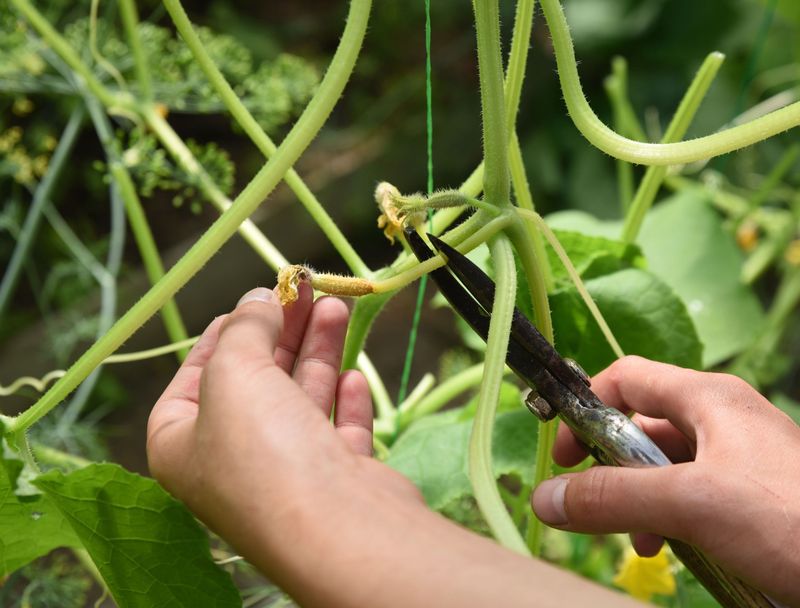
Vining cucumbers possess an impressive ability to cover ground quickly. That vigorous growth becomes problematic when plants turn into impenetrable tangles of stems and leaves.
Thoughtful pruning transforms wild vines into organized, productive plants that make harvesting a pleasure rather than a treasure hunt.
Lateral shoots sprout constantly from the main vine, creating dense foliage that blocks airflow. This crowding invites powdery mildew and other fungal issues that thrive in humid conditions.
Removing excess laterals opens pathways for air to circulate freely, keeping leaves dry and healthy. Fruit development improves dramatically when vines aren’t overwhelmed with unnecessary growth.
Each cucumber receives more nutrients and develops straighter, more uniform shapes. You’ll notice fewer misshapen or bitter fruits when plants can concentrate resources appropriately.
Managing vine density also makes pest monitoring much easier. Cucumber beetles and other troublemakers hide in dense foliage, making early detection nearly impossible. Pruned plants let you spot problems quickly before they escalate into serious infestations.
Begin pruning once vines start climbing or spreading vigorously. Focus on removing laterals that crowd the main stem or grow in awkward directions. Leave enough foliage to protect developing fruits from sun scorch while maintaining good air circulation.
Regular weekly inspections help you stay ahead of excessive growth. This balanced approach yields abundant harvests of crisp, delicious cucumbers that taste like summer itself throughout the warm months.
4. Squash
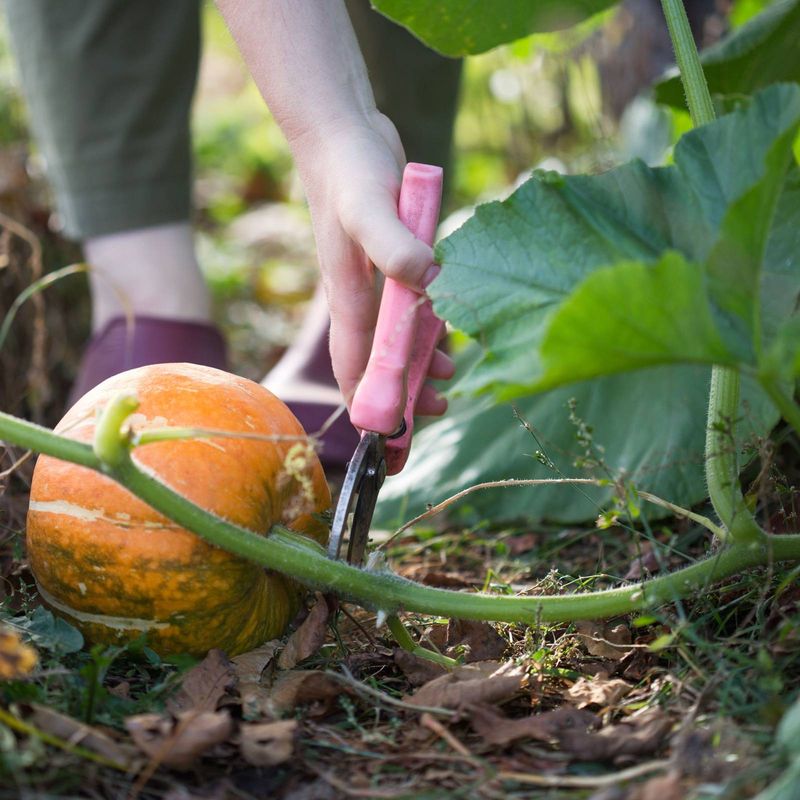
Squash plants grow with astonishing speed once warm weather arrives. Those massive leaves and sprawling vines can quickly dominate entire garden beds.
While this vigorous growth seems impressive, it often comes at the expense of fruit production and plant health.
Non-productive growth saps energy that should fuel developing squash. Older leaves on the outer edges often contribute little photosynthesis while still demanding water and nutrients.
Removing these resource hogs helps redirect the plant’s focus toward creating and maturing fruits.
Dense foliage creates the perfect environment for squash vine borers and bacterial wilt. These problems spread faster in crowded conditions where humidity stays high and airflow remains minimal.
Selective pruning disrupts this favorable environment, making your plants less vulnerable to common squash ailments.
Fruit size and quality improve when plants aren’t supporting excessive vegetative growth. Each squash develops fuller and ripens more evenly with adequate resource allocation. You’ll harvest heavier, better-formed vegetables that store longer after picking.
Wait until plants set several fruits before beginning your pruning program. Remove older outer leaves first, especially those touching the ground or showing signs of disease. Trim back excessive vine tips that extend beyond your desired growing area.
Always leave enough healthy foliage to support photosynthesis and protect developing fruits from intense sunlight. This measured approach keeps plants productive and manageable throughout the entire growing season.
5. Blueberry
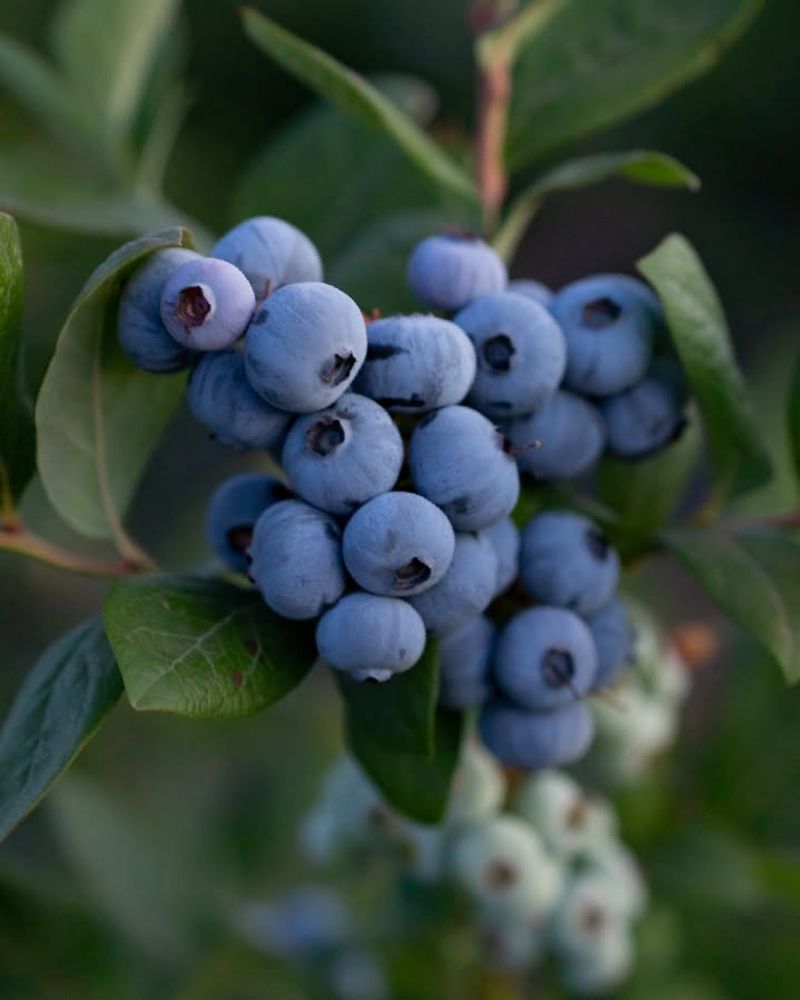
Mature blueberry bushes reward patient gardeners with years of delicious harvests. However, these productive plants need regular pruning to maintain their vigor and fruit quality.
Understanding blueberry growth habits makes pruning less intimidating and more effective. Older canes gradually lose their productivity after several years of fruiting. These veterans produce smaller berries and fewer flower buds compared to younger canes.
Removing the oldest wood each year makes room for vigorous new growth that will carry future harvests. North Carolina’s naturally acidic soils provide ideal conditions for blueberries, but proper pruning maximizes this advantage.
Opening up the bush center allows sunlight to penetrate deeply, encouraging flower bud formation on interior branches. Better light distribution means more berries ripening across the entire plant rather than just the outer edges.
Cane renewal keeps bushes youthful and productive for decades. Each year, new shoots emerge from the base, ready to become the next generation of fruiting wood.
By consistently removing the oldest canes, you maintain a balanced age structure that ensures reliable harvests year after year.
Late winter represents the perfect pruning window when bushes remain dormant. Remove canes older than six years, cutting them close to ground level. Thin out weak or crossing branches that clutter the center.
Leave eight to twelve strong canes of varying ages for optimal production. This annual maintenance ritual keeps your blueberry bushes healthy, manageable, and incredibly productive throughout their long lifespan.
6. Apple Tree
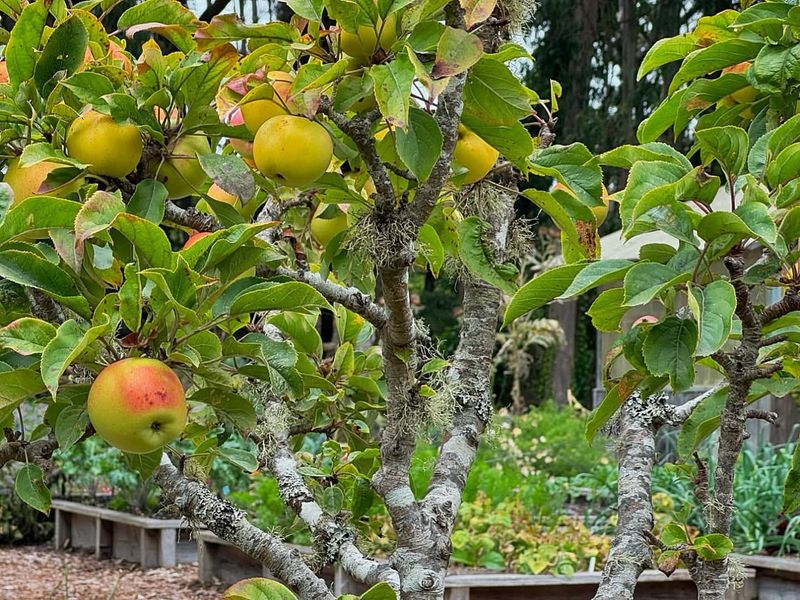
Apple trees growing in North Carolina face unique challenges balancing heat tolerance with fruit production.
Dormant season pruning addresses these challenges while shaping trees for years of reliable harvests. The right cuts made at the right time set the stage for healthy growth and abundant apples.
Canopy structure determines how effectively your tree uses available sunlight. Dense, crowded branches shade interior wood, preventing flower bud formation where you need it most.
Opening up the canopy allows light to reach all levels, encouraging fruiting throughout the tree rather than just on outer tips. Airflow becomes crucial during our humid growing season when fungal diseases threaten apple crops.
Well-spaced branches dry quickly after rain, reducing infection opportunities for common problems like apple scab and fire blight. Your pruning efforts create an environment where disease struggles to gain a foothold.
Fruit quality improves dramatically on properly pruned trees. Each apple receives adequate sunlight for developing rich color and complex flavor. Branches stay strong enough to support heavy crops without breaking under the weight of ripening fruit.
Late winter before buds swell offers the ideal pruning window. Remove crossing branches, water sprouts, and any wood growing toward the tree’s center. Focus on creating an open vase or central leader shape depending on your variety.
Thin out excess fruiting spurs to prevent overcrowding. These careful interventions reward you with beautiful trees that produce crisp, flavorful apples season after season.
7. Peach Tree
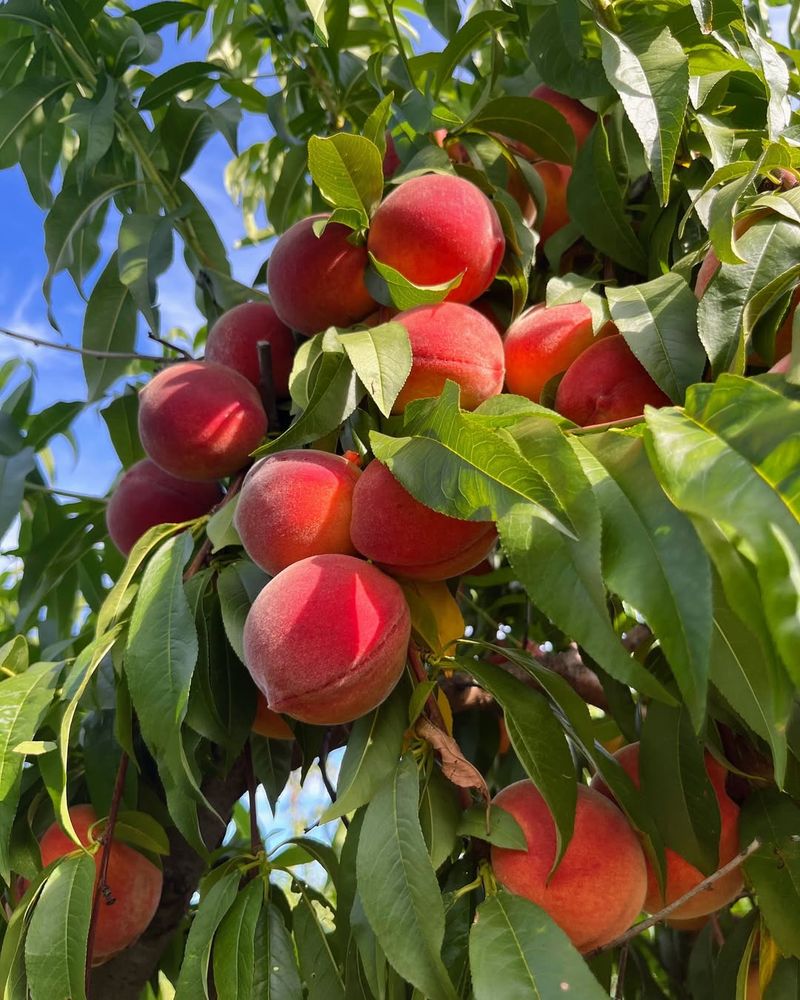
Peach trees thrive in North Carolina’s climate, producing incredibly sweet fruit when given proper care.
Annual pruning stands as the most important task for maintaining productive peach trees. These fast-growing beauties demand regular attention to channel their energy into quality fruit production.
Open center pruning creates the signature vase shape that peach trees need. This structure allows sunlight to bathe every branch, ensuring even ripening across all fruit.
Without this exposure, interior peaches remain small and poorly colored while outer fruits overripen. Strong fruiting wood develops from proper pruning practices.
Peaches produce best on one-year-old wood, so maintaining a steady supply of new growth becomes essential. Removing older branches that have fruited for several seasons encourages vigorous shoots that will carry next year’s crop.
Fruit size depends heavily on adequate thinning and pruning. Trees naturally set more fruit than they can properly mature, leading to small, disappointing peaches.
Strategic pruning reduces the total fruit load to a manageable level where each peach can develop full size and sweetness.
Late winter dormancy provides your pruning opportunity before sap begins flowing. Remove about forty percent of last year’s growth, focusing on maintaining the open center shape. Cut back vigorous upright shoots and thin out crowded areas.
Leave plenty of one-year-old lateral branches for fruiting. This aggressive approach might seem drastic, but peaches respond enthusiastically with spectacular harvests of large, juicy fruits that capture summer’s essence in every bite.
8. Grapevine
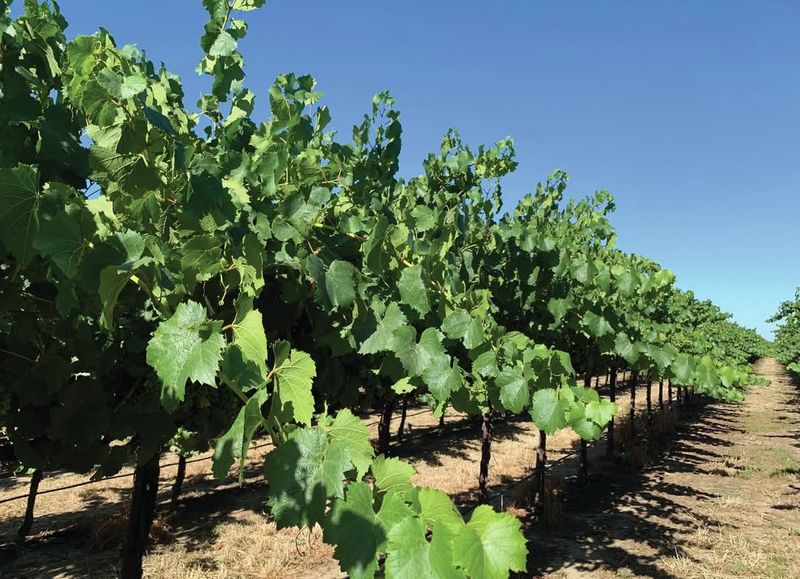
Growing grapes successfully requires understanding their unique growth patterns. Grapevines possess incredible vigor, capable of producing massive amounts of vegetative growth each season.
Without disciplined pruning, this energy goes into leaves and stems rather than delicious grape clusters.
Seasonal pruning controls this natural exuberance while directing resources toward fruit production. Removing excess growth forces vines to concentrate nutrients into fewer, more productive buds.
You’re essentially making strategic decisions about where the vine should invest its considerable energy reserves.
Airflow between grape clusters prevents many common disease problems. Botrytis bunch rot and powdery mildew thrive in stagnant, humid conditions around dense foliage.
Proper pruning spaces clusters appropriately and removes leaf canopy that traps moisture, creating conditions where grapes stay healthy and ripen beautifully.
Fruiting spur development depends on consistent annual pruning. Grapes produce on one-year-old wood growing from two-year-old canes, making cane selection critical.
Understanding this pattern helps you identify which wood to keep and which to remove for optimal production. Dormant season offers the best pruning window when vines rest completely.
Remove ninety percent of last season’s growth, keeping only selected canes with appropriate bud counts for your training system. This severe pruning shocks newcomers but represents standard practice for quality grape production.
Thin out tangled growth and maintain your chosen training structure. These dramatic annual cuts reward you with balanced vines that produce abundant clusters of sweet, flavorful grapes perfect for fresh eating or winemaking adventures.
9. Blackberry
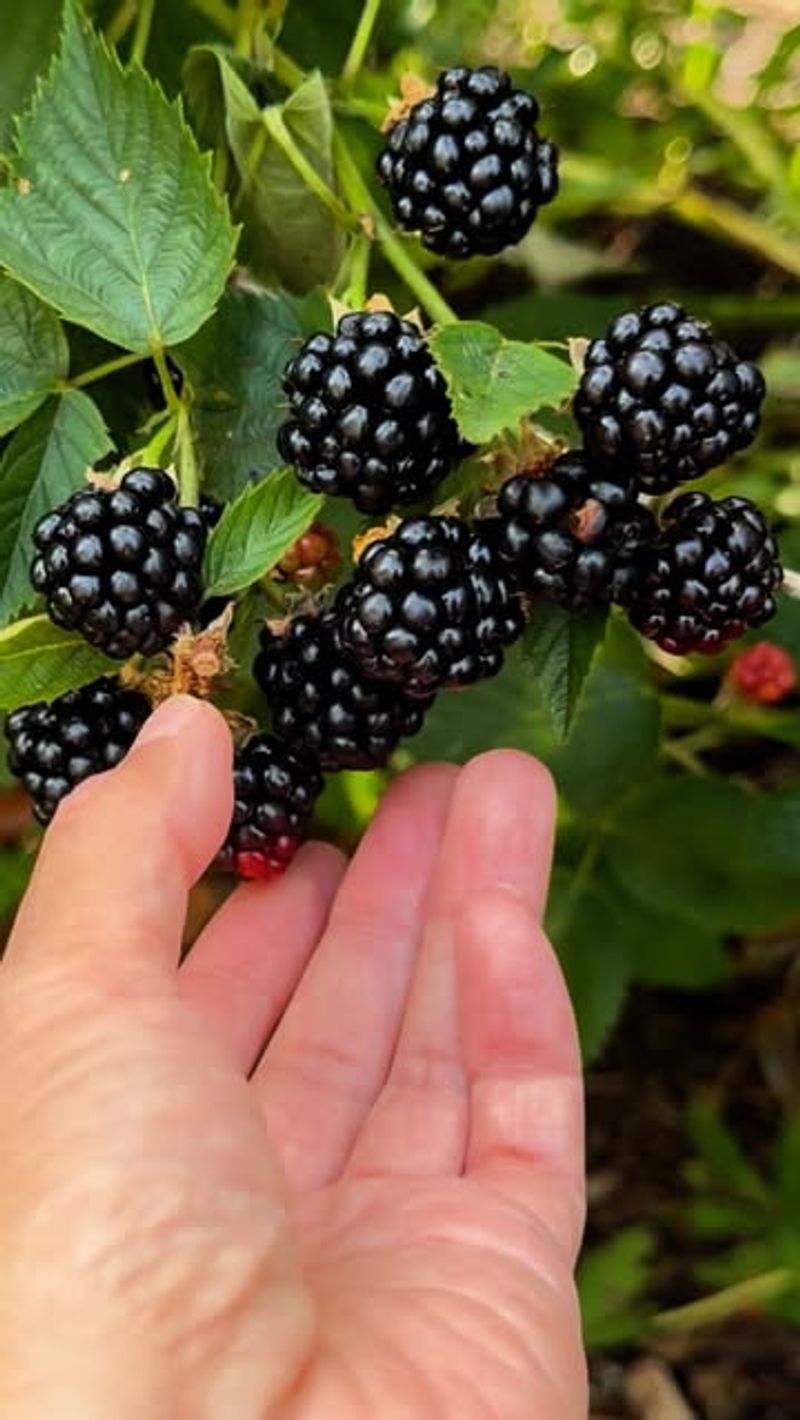
Blackberry patches can become impenetrable thickets without regular maintenance. Understanding their biennial fruiting cycle makes pruning straightforward and highly effective.
Floricane-fruiting types follow a predictable pattern that smart pruning exploits for maximum berry production.
First-year canes, called primocanes, grow vegetatively without producing fruit. These green canes focus entirely on building strength and storing energy for next season. Second-year canes, called floricanes, produce flowers and berries before completing their life cycle.
Removing spent floricanes immediately after harvest prevents disease carryover and pest problems. These finished canes serve no further purpose and only crowd out productive new growth.
Cutting them to ground level opens space and resources for developing primocanes that will fruit next year.
Plant structure improves dramatically when you eliminate the tangle of old and new canes. This clarity makes harvesting easier and more enjoyable when berries ripen. You can actually reach fruit without getting scratched by thorny canes hiding in the mess.
Summer after harvest provides the ideal time for removing old floricanes. Cut finished canes completely to ground level using sharp loppers. Leave all new primocanes intact unless you need to thin extremely dense patches.
Tie remaining canes to support wires or stakes for organized growth. This simple annual practice keeps your blackberry patch productive, manageable, and accessible.
You’ll enjoy years of abundant harvests featuring plump, sweet berries that taste infinitely better than anything from the grocery store.
10. Fig
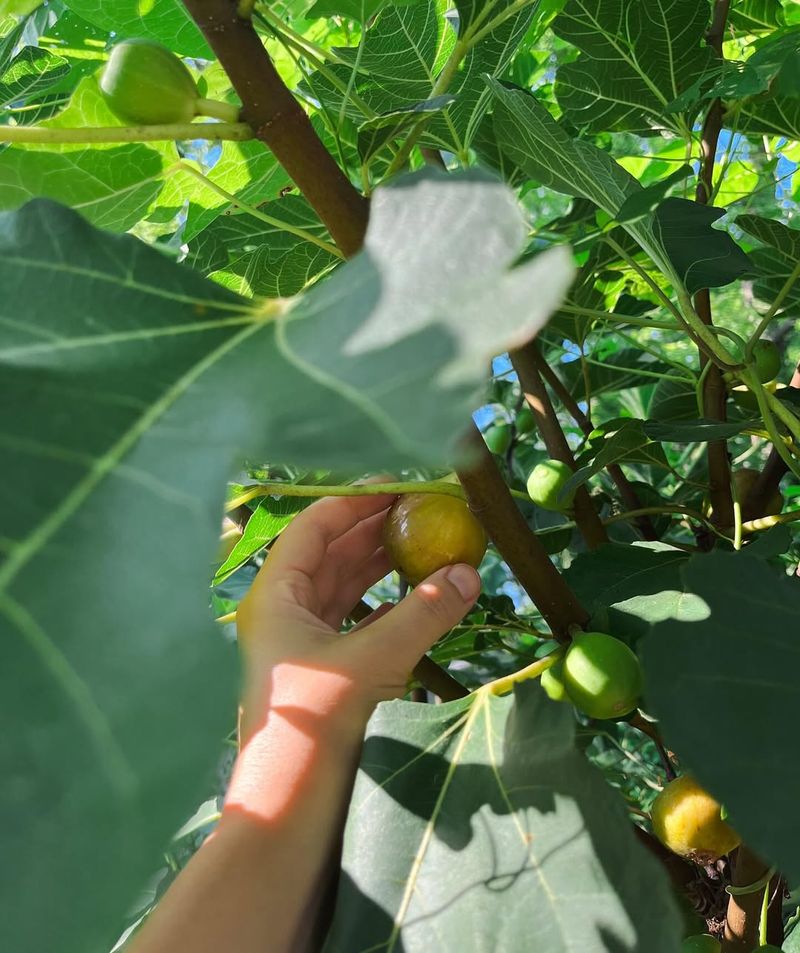
Fig trees adapt beautifully to North Carolina’s climate, producing sweet fruit with minimal fuss. These Mediterranean natives appreciate our warm summers and tolerate occasional winter cold.
Light structural pruning keeps them productive while maintaining a size that fits backyard spaces. Airflow through the canopy becomes essential during humid southeastern summers.
Crowded branches trap moisture against bark and leaves, inviting fungal problems that can reduce fruit quality. Selective thinning allows breezes to circulate freely, keeping foliage dry and healthy throughout the growing season.
Sunlight penetration determines how well figs ripen across the entire tree. Dense outer growth often shades interior branches where fruit develops poorly.
Opening strategic windows in the canopy lets light reach deeper, ensuring even ripening and full sweetness in every fig.
Manageable size makes harvesting easier and tree care more practical. Figs can grow quite large if left unpruned, making fruit collection difficult and attracting birds to unreachable top branches.
Controlling height and spread keeps your harvest accessible while maintaining attractive proportions.
Late winter dormancy offers the gentlest pruning window for established figs. Remove crossing branches and any wood growing toward the tree’s center. Thin out excess shoots to prevent overcrowding.
Limit height by cutting back tall leaders to outward-facing buds. Avoid heavy pruning since figs fruit on new growth and previous season’s wood.
This restrained approach maintains productivity while shaping trees that fit beautifully into southern landscapes, rewarding you with abundant harvests of honey-sweet figs that taste like sunshine.