Why California Gardeners Are Switching To These 7 Drought-Smart Plants
California gardens are getting a thoughtful makeover, and water wise plants are becoming increasingly popular.
With hotter summers and changing watering practices, many gardeners look for beauty that grows well with less irrigation.
Drought-tolerant choices can offer color, texture, and strong visual appeal while using less water. Imagine silvery foliage glowing in the sun, vibrant blooms that handle dry periods well, and a yard that stays lively with less maintenance.
These resilient yet attractive plants can help conserve water, reduce upkeep, and often support pollinators. Instead of water-demanding landscapes, many gardeners are turning toward more efficient planting styles.
Curious which plants are gaining attention and why they suit California conditions so well?
It may be time to rethink your planting approach and explore how a cooler-looking, lower-water garden can still provide year-round interest in modern, eco-conscious outdoor spaces.
1. Lavender
Walking through a California garden spring or summer, you might notice how many traditional plants look stressed and dry.
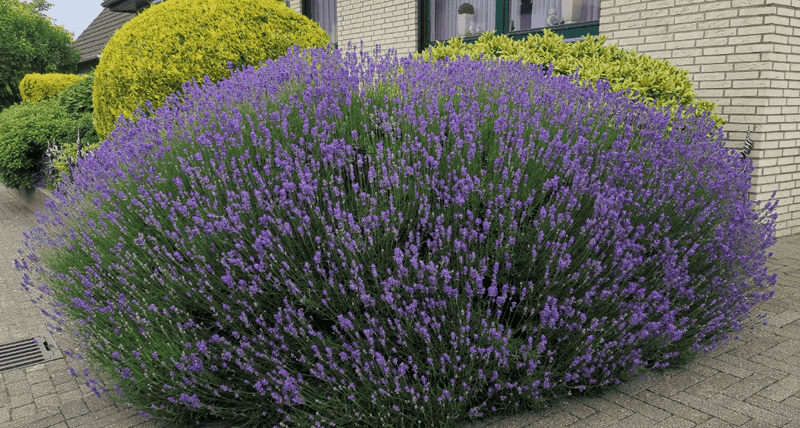
Water restrictions during drought cycles often push homeowners to rethink their landscape choices, and that’s where lavender becomes a strong water-wise option.
This Mediterranean native develops relatively deep root systems that help it access moisture more efficiently than shallow-rooted plants.
Once established after the first year, lavender can survive with minimal supplemental watering in some California regions, though inland areas may still require occasional deep watering during extended heat.
Many gardeners make the mistake of overwatering lavender, which can lead to root rot and plant decline. The key is well-draining soil and infrequent irrigation.
Sandy or gravelly soil works well, and adding compost to heavy clay can improve drainage. Lavender grows best in full sun and tolerates lean soil that would challenge many ornamentals.
It attracts bees and butterflies, and is often avoided by deer and rabbits. The fragrant blooms can be used as cut flowers, and the silvery foliage adds year-round structure to drought-tolerant landscapes.
Plant lavender in spring or fall, spacing plants 24 to 36 inches apart. Prune lightly after flowering to maintain shape.
Avoid excessive fertilizing, which may encourage weak growth. Many varieties handle California’s dry summers well, making lavender a dependable choice for water-wise gardens across much of the state.
2. Salvia
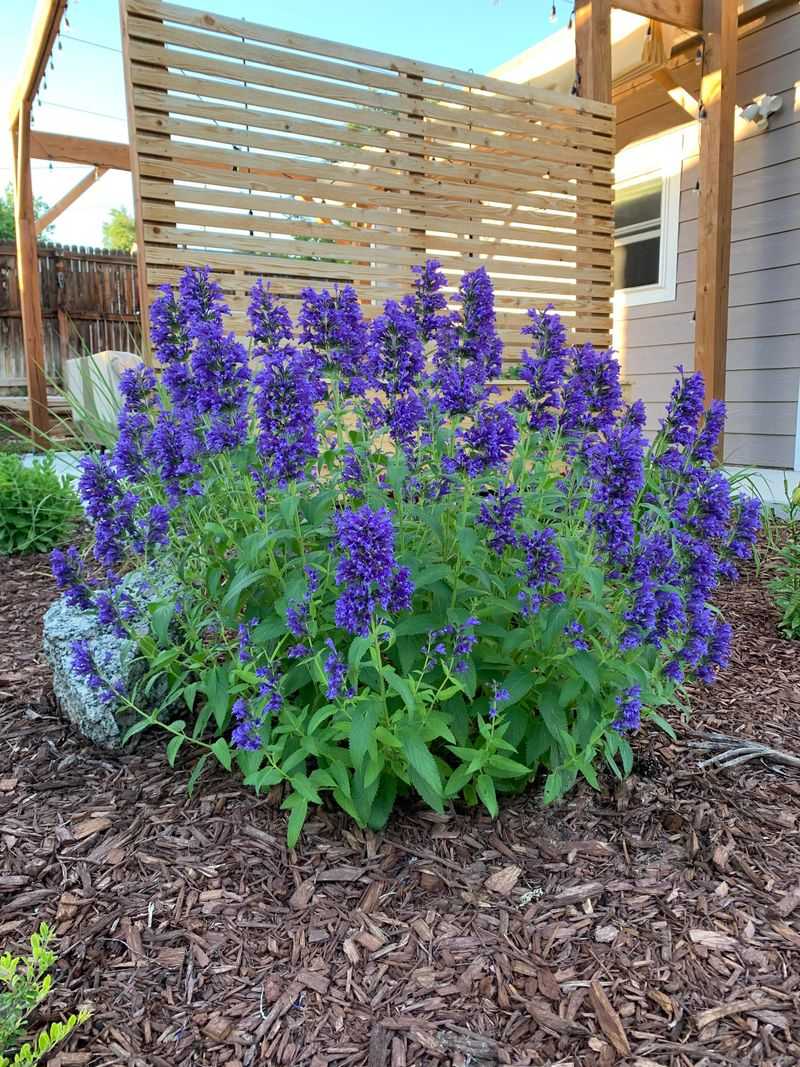
Hummingbirds darting through your garden signal something special is blooming. Salvia species have become essential in many California landscapes because they combine colorful flowers with strong drought tolerance.
These plants belong to the mint family and share that group’s resilience and adaptability. California native salvias like white sage and black sage evolved in dry conditions and are well suited to our climate.
Once established, many can survive with little supplemental watering, though some benefit from occasional deep watering in very dry inland areas. Non-native species from similar Mediterranean climates also perform well with moderate irrigation.
Root depth contributes to salvia’s durability, helping plants access moisture below the surface. After the first growing season, watering can often be reduced significantly, especially for native varieties.
Full sun encourages the best flowering, though some species tolerate partial shade in hotter regions. Salvias can grow in rocky, sandy, or moderately heavy soil if drainage is adequate.
Your California Garden Changes Every Week. Your Plan Should Too.
Gardening in California changes quickly throughout the season. Every Friday you’ll receive a simple weekly plan showing exactly what to plant, prune, fertilize, harvest, and protect so you never miss the right timing.
Their tubular flowers attract hummingbirds and butterflies, providing long seasonal color. Plant container-grown salvias in fall for strong establishment.
Space according to mature size, which varies by species. Light pruning after flowering can promote fuller growth.
Avoid heavy fertilizing and prolonged wet soil. Some salvias may reseed in suitable conditions, gradually expanding over time.
3. Agave
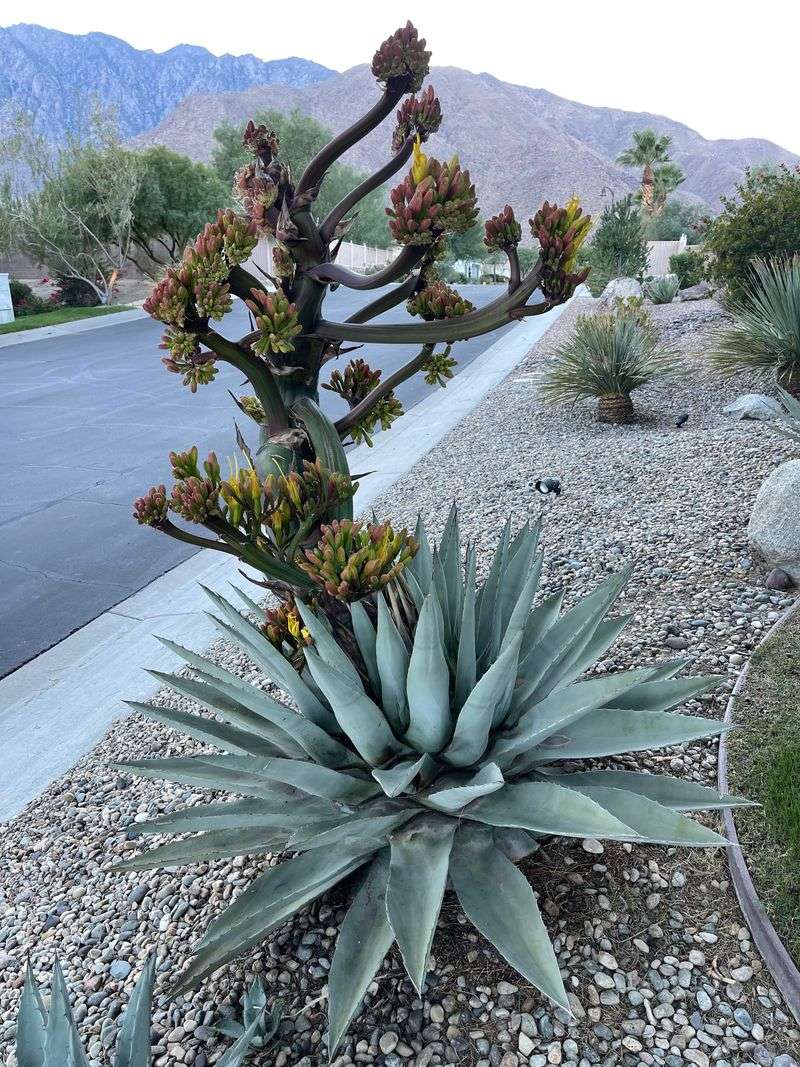
Architectural impact matters when designing water-wise landscapes, and agave delivers bold structure with very low water needs. These succulents store moisture in their thick leaves, allowing them to tolerate long dry periods once established.
Native to arid regions of the Americas, agaves evolved to handle drought and intense sun. Their shallow but spreading root systems can absorb available moisture efficiently, helping the plants rely on stored water during dry stretches.
This adaptation suits California’s long, dry summers well. A common mistake is planting agave in heavy clay or poorly draining soil, where excess moisture can lead to root problems.
Agaves prefer fast-draining soil, full sun, and good drainage, and often perform best on slopes or in raised planting areas.
Varieties range from compact forms to large statement plants, all offering year-round interest with sculptural rosettes and foliage in shades from blue-gray to green and variegated.
Maintenance is minimal, usually limited to removing older leaves as needed. Plant agaves in spring or early fall, keeping the crown slightly above soil level.
Water occasionally during establishment, then reduce watering significantly. Avoid excessive fertilizing.
Place plants away from walkways, as some species have sharp leaf tips. Many agaves are long-lived, making them dependable drought-tolerant choices for California gardens.
4. California Fuchsia
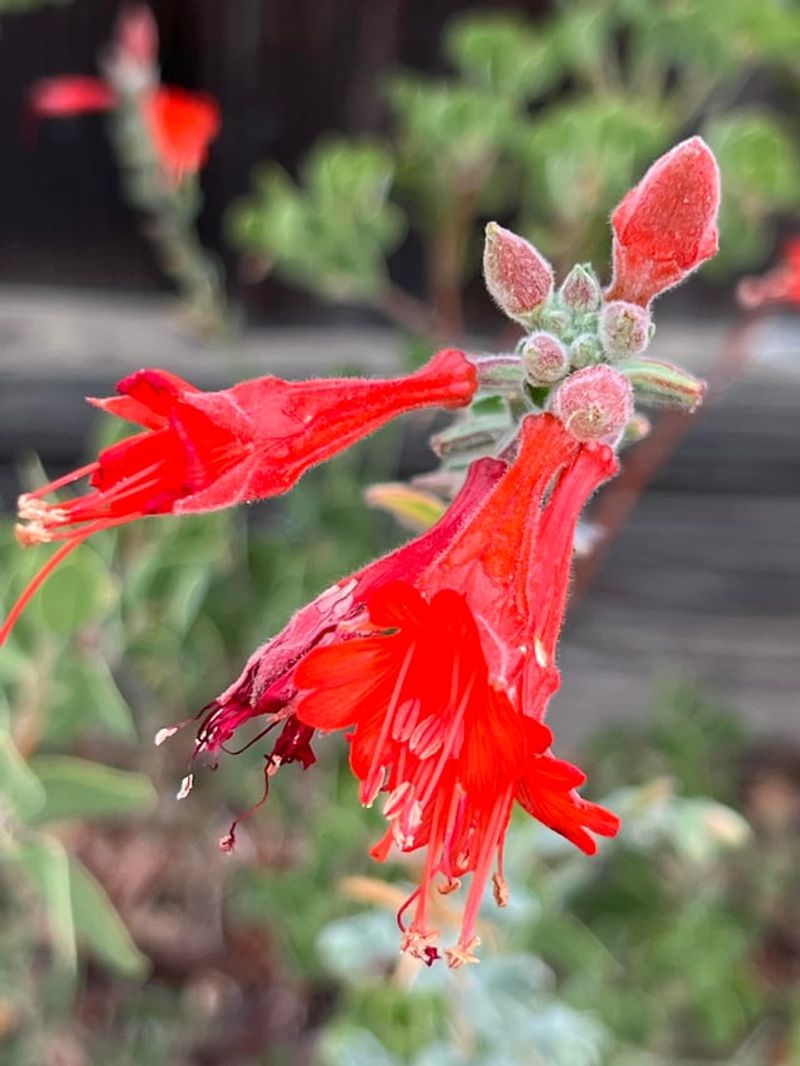
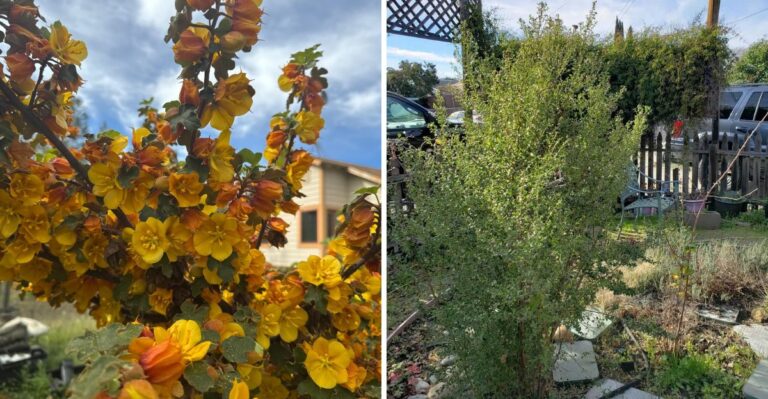
Late summer can leave California gardens short on color as many plants slow their blooming. California fuchsia helps fill that gap, producing bright orange-red flowers from late summer into fall when landscapes need renewed interest.
This native plant is well adapted to our climate and handles dry conditions with relatively low water needs once established. Also known as hummingbird trumpet or Zauschneria, California fuchsia spreads through underground rhizomes that gradually form colonies.
These roots help the plant access deeper moisture, allowing reliable blooming even during dry periods with minimal supplemental watering.
Some gardeners worry about spreading, but growth is usually moderate in low-water conditions and easier to manage with proper spacing.
Its spreading habit can help stabilize soil on slopes while filling open areas naturally. Full sun encourages the most abundant flowering, though partial shade may be helpful in very hot inland areas.
California fuchsia tolerates rocky, sandy, or lean soil if drainage is good. The tubular blooms are highly attractive to hummingbirds, especially during late-season migration.
Plant in fall from containers or divisions, spacing 18 to 24 inches apart for a spreading effect. Water during the first season to establish roots, then reduce watering significantly.
Cutting plants back after flowering can encourage fresh growth the following season. This perennial returns each year, offering dependable late-season color with modest water needs.
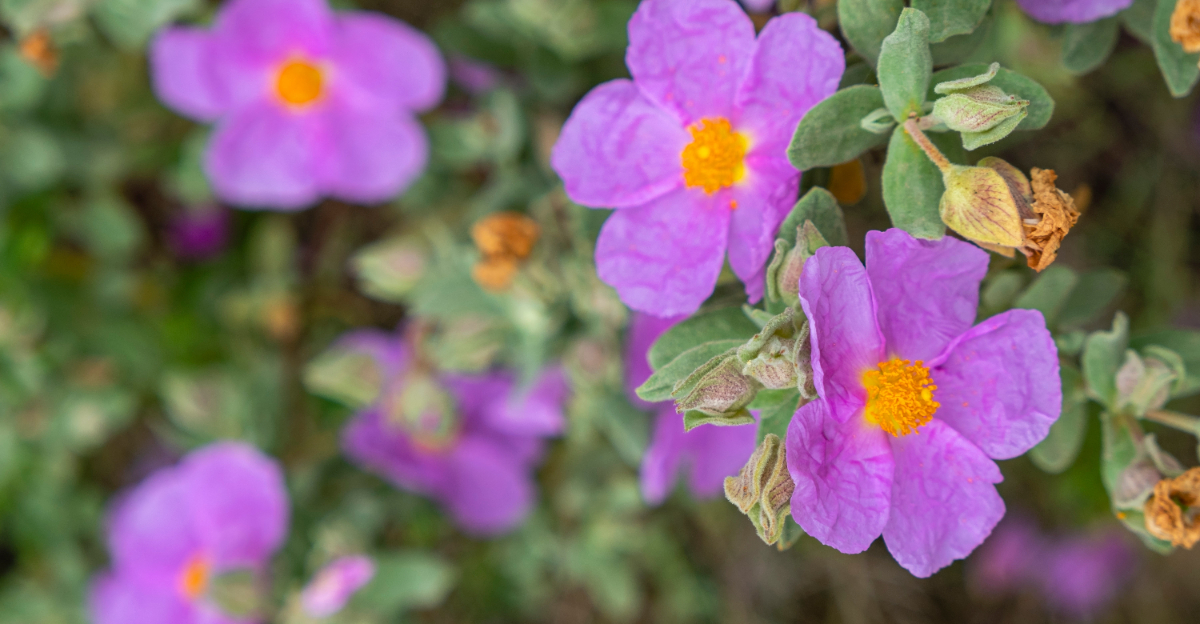
5. Rockrose
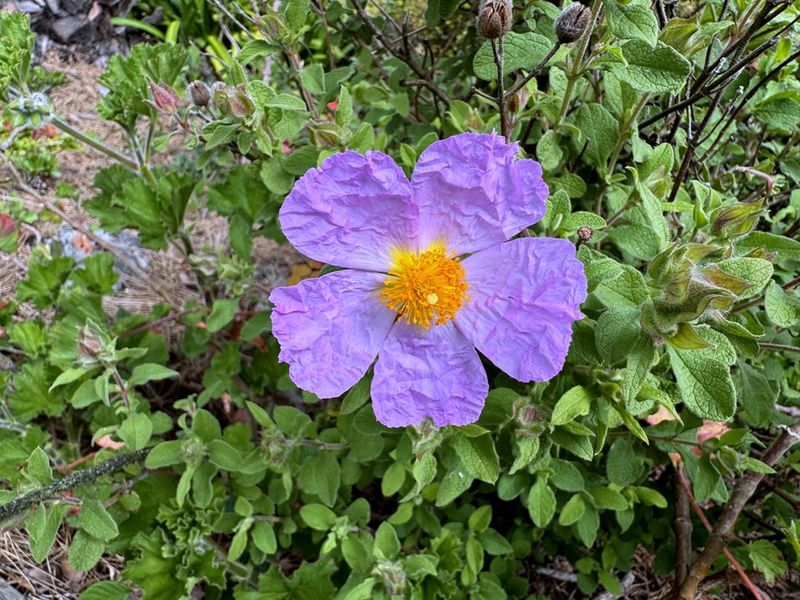
Watching plants struggle during water restrictions can feel discouraging. Rockrose offers a reliable option that performs well with low water, producing many delicate flowers each spring while requiring minimal irrigation once established.
This Mediterranean native is well suited to conditions similar to much of California’s climate. Rockrose develops strong root systems that help anchor plants and access deeper soil moisture.
Its evergreen foliage has a slightly resinous coating that helps reduce water loss. These traits allow established plants to survive with little supplemental watering in many regions, especially where rainfall is sufficient.
Excess moisture, rather than drought, is a common cause of decline, so good drainage and infrequent watering are important. Plant on slopes, raised areas, or improved clay soil to encourage proper drainage.
After establishment, watering can often be reduced significantly, particularly in milder coastal climates. Rockrose grows best in full sun and tolerates heat, wind, salt exposure, and lean soil.
The papery flowers appear in white, pink, or magenta during spring, while evergreen foliage provides year-round structure and helps stabilize soil. Plant in fall for strong root development, spacing based on mature size.
Light pruning after flowering helps maintain shape, and heavy fertilizing is rarely needed. Rockrose is long-lived and well suited to water-wise California landscapes.
6. Kangaroo Paw
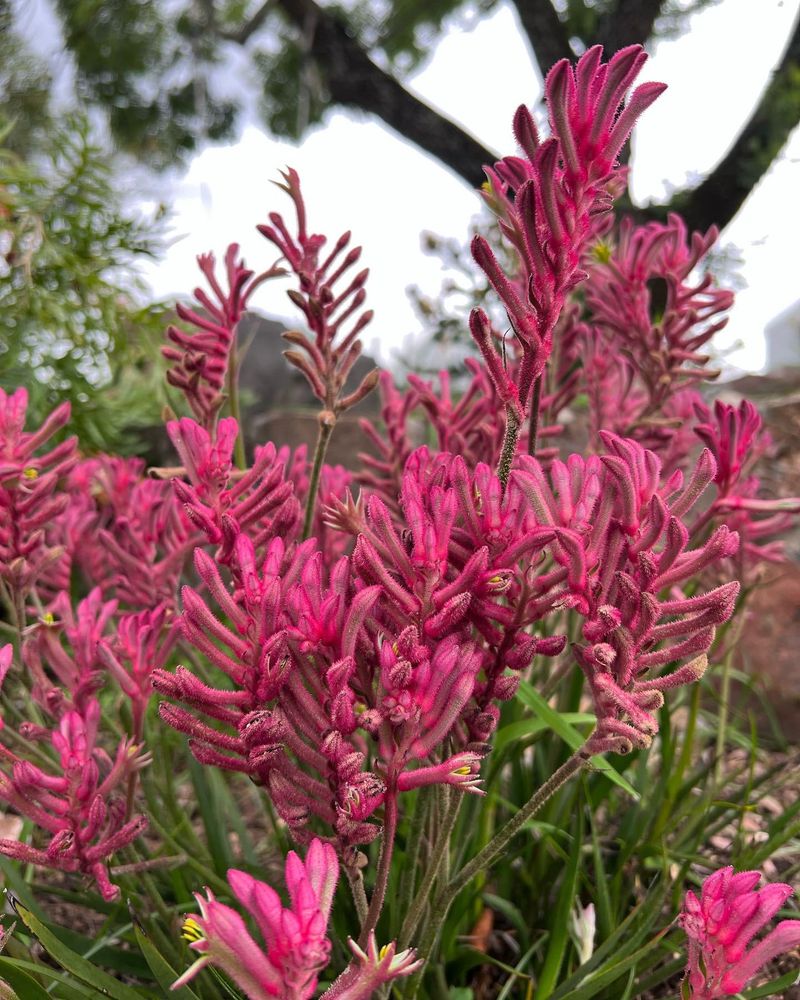
Unique flowers catch attention and start conversations, and kangaroo paw certainly stands out with its fuzzy blooms shaped like small paws.
This Australian native adapts well to California’s Mediterranean climate, offering long-lasting flowers and good drought tolerance once established.
Kangaroo paw grows from thick rhizomes that store water and nutrients below ground. The strap-like foliage often remains evergreen in mild climates, while flower stalks appear from spring into fall depending on the variety and conditions.
After establishment, plants generally need only occasional deep watering during extended dry periods. A common mistake is planting kangaroo paw in heavy clay or poorly draining soil, where excess moisture can cause root problems.
These plants prefer well-draining soil and full sun, though some inland areas benefit from light afternoon shade during extreme heat. The flowers can last for weeks and are often used as cut flowers.
Their bright colors and tubular shape attract hummingbirds and add vertical interest to water-wise landscapes. Plant kangaroo paw in spring from containers, spacing about 18 to 24 inches apart.
Water during the establishment period, then reduce watering significantly. Remove spent flower stalks near the base, and divide clumps every few years to maintain vigor.
Apply light mulch while keeping it away from the crown. With proper drainage and moderate watering, kangaroo paw can provide years of distinctive beauty in California gardens.
7. Sedum
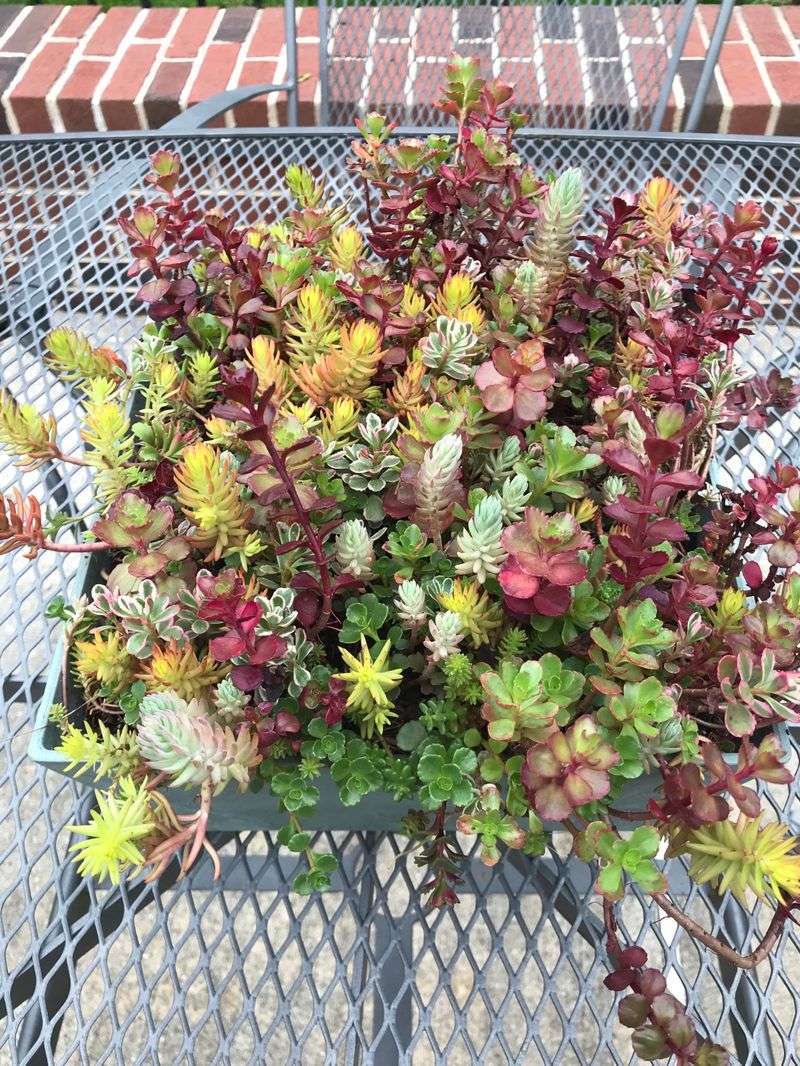
Groundcover choices play an important role in water-wise landscapes. Sedum offers low-growing coverage while using far less water than many traditional groundcovers.
These succulents store moisture in their fleshy leaves, helping them tolerate dry periods with minimal irrigation once established. Sedum varieties range from small creeping types suited to rock gardens to upright forms that can reach around 18 inches tall.
Most share strong drought tolerance due to spreading roots and water-storing foliage. After establishment, many sedums can survive with little supplemental watering in some California regions, though very hot inland or desert areas may require occasional moisture.
A common challenge is overwatering, which can lead to root problems or fungal issues. Sedum prefers well-draining soil, full sun, and infrequent irrigation, and it tolerates rocky, sandy, or lean soil conditions.
Both coastal and inland gardens can support sedum when drainage is good. The flowers attract bees and butterflies, while dense growth can help reduce weeds and stabilize soil on slopes.
Some varieties show seasonal color changes, adding year-round interest. Plant sedum in spring or fall, spacing according to growth habit.
Water during the first season to establish roots, then reduce watering significantly. Fertilizer is rarely necessary.
Dividing clumps occasionally can refresh growth, and many sedums gradually spread to fill open areas. With minimal care and modest water needs, sedum provides dependable drought-tolerant groundcover across much of California.