Celebrate Oregon Truffles This February And Learn How To Forage Them
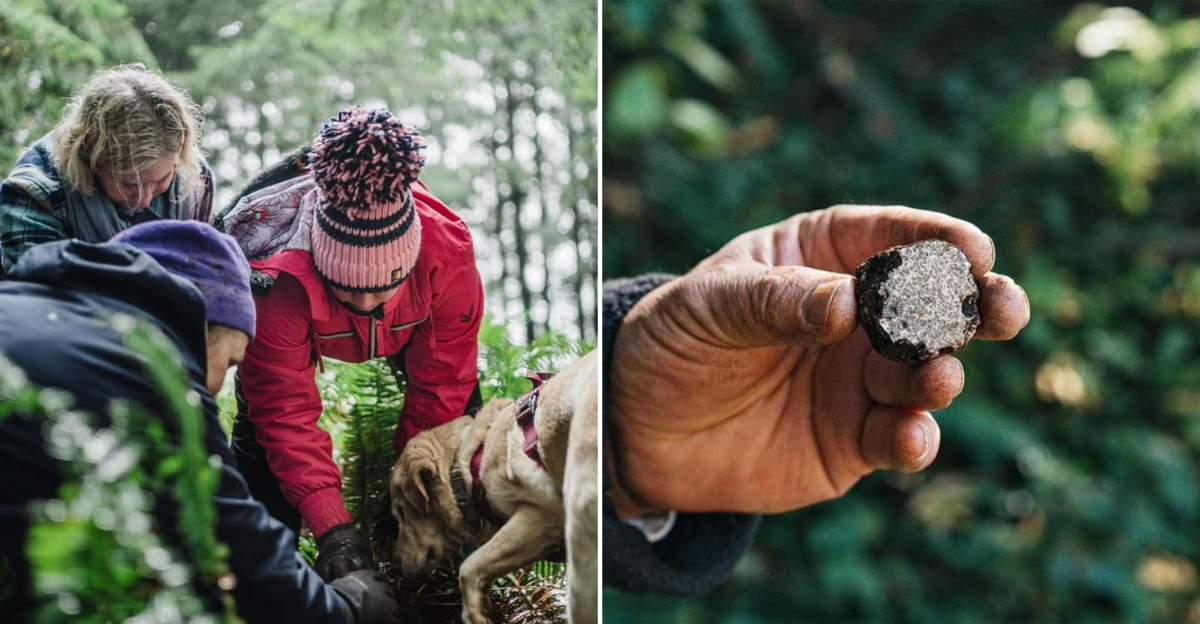
February in Oregon often carries the scent of rain, pine needles, and the promise of hidden treasures beneath the forest floor.
Truffle season reaches its peak, and food lovers across the state gather to celebrate these earthy, aromatic fungi with festivals, tastings, and guided woodland hunts.
Unlike imported varieties, Oregon truffles grow naturally in regional forests, where trained dogs and experienced foragers help locate them.
The experience feels part treasure hunt, part nature walk, and always memorable.
Picture crisp winter air, muddy boots, and the rich aroma of fresh truffles collected along the trail. Beginners can take part with some basic guidance, respect for the environment, and a willingness to explore.
Curious to sample the flavors of the forest and enjoy one of Oregon’s seasonal traditions? Dress warmly, head into the woods, and discover what might be waiting just beneath the soil during truffle season.
1. Why February Is Truffle Season
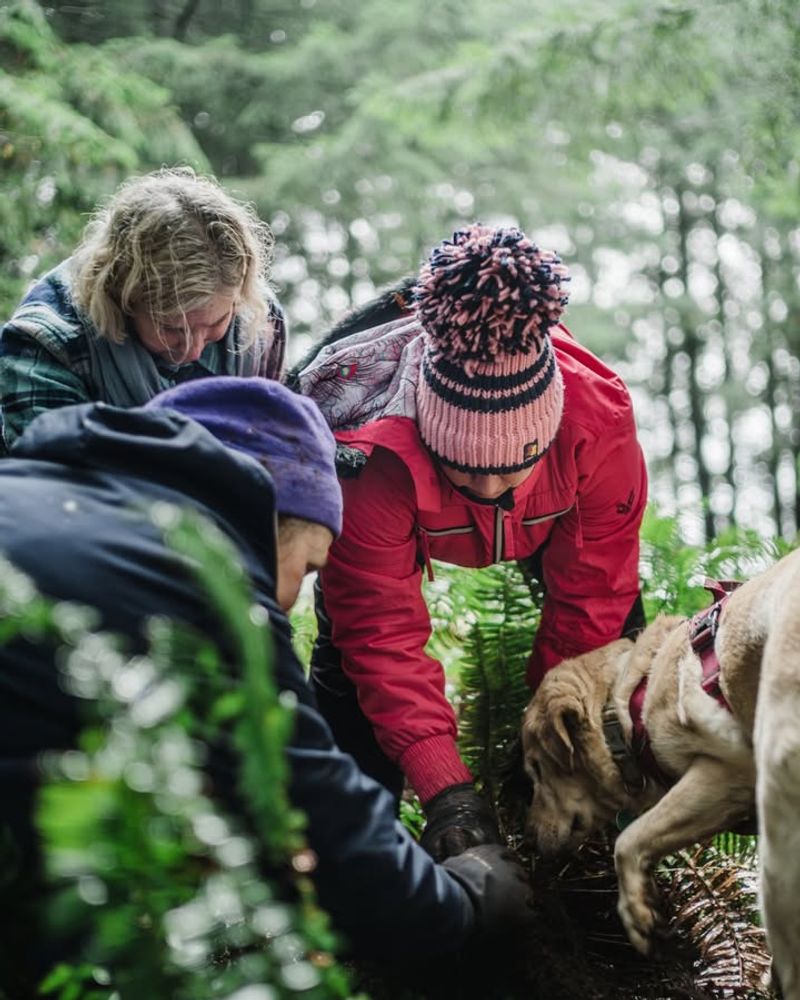
Cold rain drips from towering firs, and the forest floor smells rich and damp. These conditions often coincide with the period when many Oregon truffles develop their strongest aroma and flavor.
Winter’s chill and steady moisture help underground fungi mature, and February is often considered a prime time when several truffle species reach peak ripeness.
Oregon’s native truffles, including the well-known Oregon black and Oregon white truffles, follow a seasonal cycle influenced by rainfall and temperature.
Unlike many mushrooms that appear quickly after warm rain, truffles grow slowly beneath the soil through the winter months. They form symbiotic relationships with tree roots, especially Douglas-fir, and generally require consistent soil moisture to develop.
You might wonder why foragers head into cold, muddy forests during the wettest part of the year. The answer often comes down to aroma.
Mature truffles release distinctive scents that can range from earthy and nutty to slightly garlicky or fruity, signaling readiness to experienced hunters.
Timing is important, since harvesting too early can mean less-developed flavor, while waiting too long may miss the period of best quality.
February frequently offers a favorable balance of cool temperatures and moisture that many truffle hunters watch for each season.
2. Where Oregon Truffles Hide
Stand quietly in an old-growth Douglas-fir grove, and you may be standing above truffles. These fungi tend to favor specific ecosystems, and Oregon’s coastal and Cascade forests often provide suitable conditions.
Truffles grow underground, forming close partnerships with tree roots in a mutually beneficial exchange of nutrients.
Douglas-fir forests are commonly associated with truffle habitat in Oregon, though they may also occur near hemlock, true fir, and occasionally oak.
Trees usually need to be mature enough to support established root systems, often around 15 to 20 years old, though this can vary. Younger plantations may produce fewer truffles, while forests with mixed ages and relatively undisturbed soil can be more favorable.
Look for areas with well-drained soil that remains moist without becoming waterlogged. Truffles often develop within the upper soil layer, frequently near the dripline of trees where fine roots are active.
Your Oregon Garden Changes Every Week. Your Plan Should Too.
Gardening in Oregon changes quickly throughout the season. Every Friday you’ll receive a simple weekly plan showing exactly what to plant, prune, fertilize, harvest, and protect so you never miss the right timing.
Moss, decaying wood, and natural forest litter help create the layered environment they prefer. Some public forests managed by agencies such as the U.S.
Forest Service and Bureau of Land Management may allow truffle foraging with permits, while private land requires permission.
Always review local regulations before foraging, and remember that productive areas are often discovered through observation and repeated visits rather than widely shared locations.
3. The Forest Clues To Watch
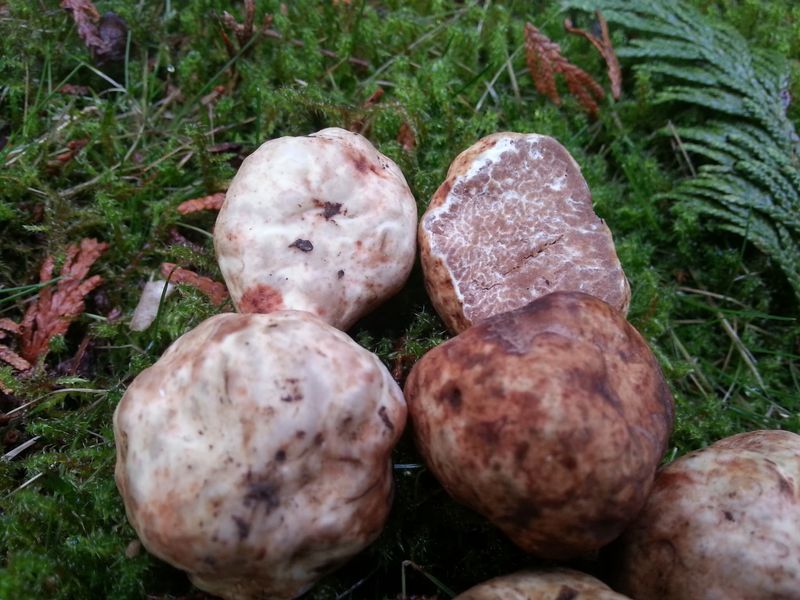
Truffles do not reveal themselves with visible caps or stems like many mushrooms. Instead, they offer subtle signs that take practice to notice.
One possible clue comes from wildlife. Small patches of disturbed soil near tree bases can sometimes indicate that squirrels, chipmunks, or other animals have been digging for underground fungi, including truffles.
Another sign may involve scent. On calm, damp days, a faint earthy or slightly garlicky aroma may occasionally be noticeable near the forest floor, especially when truffles are mature and closer to the surface.
Some foragers carefully check around tree roots, relying partly on scent to guide their search. Soil conditions can also play a role.
Areas with loose, organic-rich soil may be more favorable than heavily compacted or rocky ground, as truffles develop best where moisture and air reach the upper soil layers. Forest litter built up over time can create suitable conditions for underground fungi.
Observing overall forest health may also help. Areas with less disturbance and stable soil conditions often support more consistent fungal growth than heavily disturbed sites.
Quiet forest sections with moss, ferns, and soft ground can sometimes indicate environments where truffles are more likely to develop.
4. How To Forage The Right Way
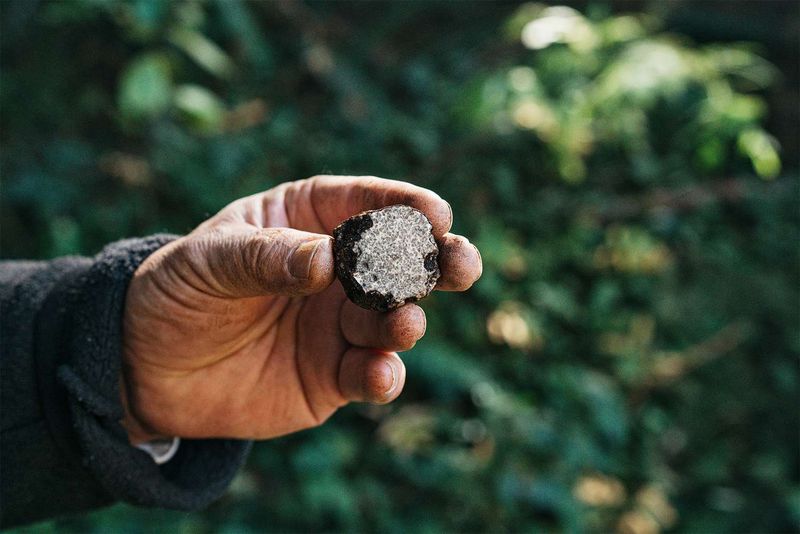
Patience and care are key to successful truffle foraging. Unlike harvesting mushrooms, finding truffles involves gentle digging and attention to avoid disturbing the delicate underground networks.
Begin by selecting a promising area near mature Douglas-fir roots, then use a small hand rake or tool to carefully loosen the upper layer of soil. Work slowly, feeling for firmness that might suggest something beneath the surface.
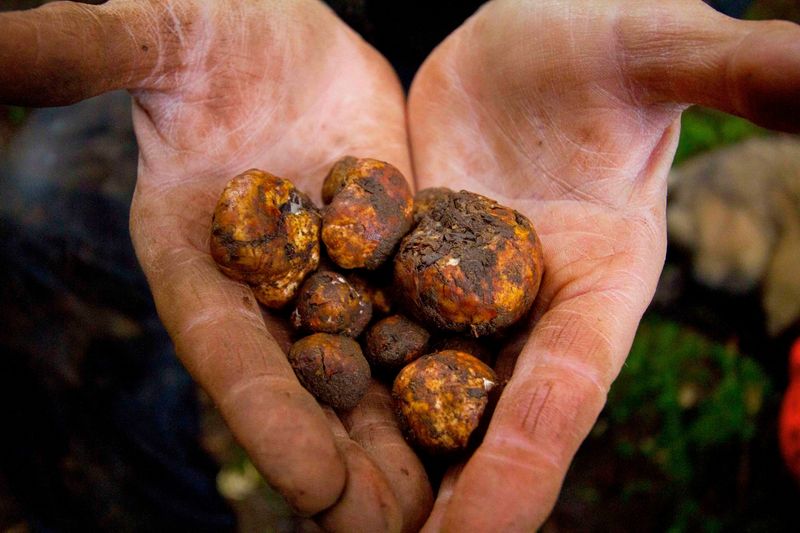
If you encounter a solid object, gently brush away the soil with your fingers to see what it is. Mature truffles often feel firm and smooth, and their aroma may become more noticeable once uncovered.
If you find one, others may sometimes be nearby, as truffles can occur in small groups. After searching, refill any holes whether or not truffles are found.
Leaving exposed roots or open pits can disturb the surrounding soil and fungal networks. Gently replace the soil and scatter leaves or moss to help restore the natural surface.
Harvest responsibly by taking only what you plan to use. Many foragers choose to leave some truffles behind so spores can continue to spread and future growth is supported.
This careful approach helps protect Oregon’s forest ecosystems and sustain truffle foraging traditions over time.
5. Tools Every Truffle Hunter Needs
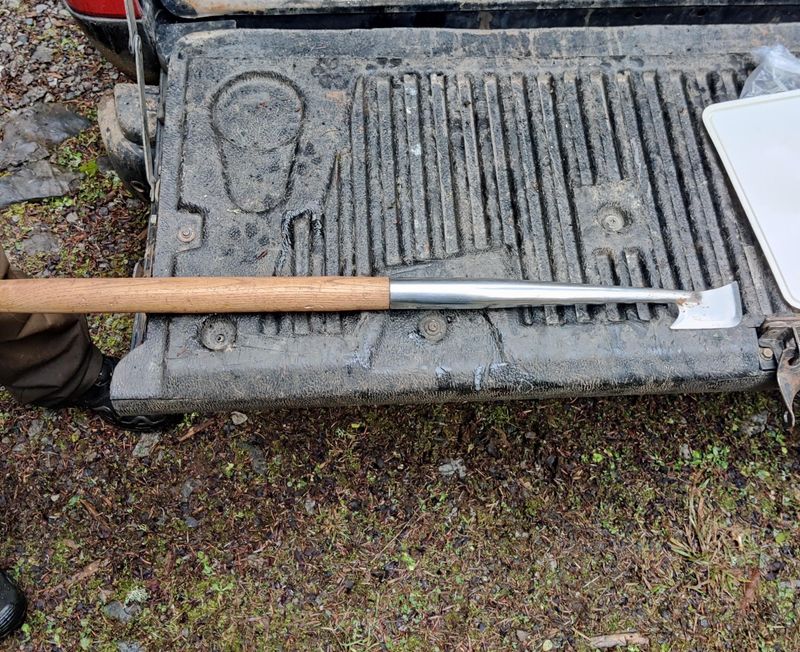
You do not need specialized or expensive gear to begin truffle hunting, though a few simple tools can make the process easier and more enjoyable. A small hand rake or cultivator is useful for gently loosening soil while minimizing disturbance to roots.
Choose one with short, sturdy tines that can work through forest litter and reach into the upper soil layer. A soft brush can help remove loose dirt from truffles in the field without damaging their surface.
Freshly unearthed truffles often carry soil, and gentle brushing can reveal their appearance and scent more clearly. Some foragers carry a small spray bottle of water for lightly cleaning muddy finds.
A breathable bag or basket is helpful for storing truffles, since sealed plastic bags can trap moisture and shorten freshness. Keeping truffles cushioned and separated may help prevent bruising during the hike out.
Gloves can protect hands from cold, wet soil and rough roots, and waterproof options are often useful during Oregon’s rainy winter season. Wearing layered clothing, including rain protection and sturdy footwear, can improve comfort during longer outings.
Some foragers also keep notes or mark locations to remember productive areas, as certain spots may yield truffles again in future seasons.
6. Staying Safe And Legal
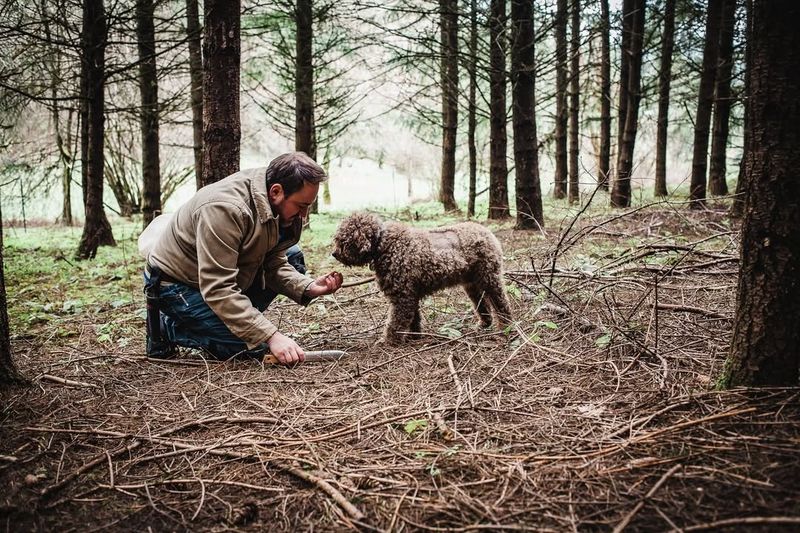
Before heading into the forest, it is wise to check regulations for the area you plan to visit. Many public lands in Oregon allow truffle foraging, though some may require permits or limit harvesting in certain locations.
Official sources such as the U.S. Forest Service and Bureau of Land Management websites usually provide current details about permits, seasonal considerations, and local guidelines.
Private land generally requires permission from the landowner before foraging. Respecting property boundaries helps maintain positive relationships and avoids potential legal issues.
When uncertain, asking first is often appreciated, and some landowners may allow access if approached respectfully. Preparing for Oregon’s changeable February weather can also improve safety and comfort.
Conditions may shift between rain, fog, and cold temperatures, so layered clothing and rain protection are often helpful. Letting someone know your plans and expected return time is a good precaution, especially in remote areas.
Be mindful of slippery logs, uneven ground, and steep terrain, since foraging often involves looking down while walking. Carrying a basic first-aid kit, water, and snacks can support a safer outing.
Wildlife encounters are usually uncommon, but staying aware of your surroundings and making light noise while walking can help avoid surprising animals and maintain a respectful distance.
7. From Forest Floor To Kitchen
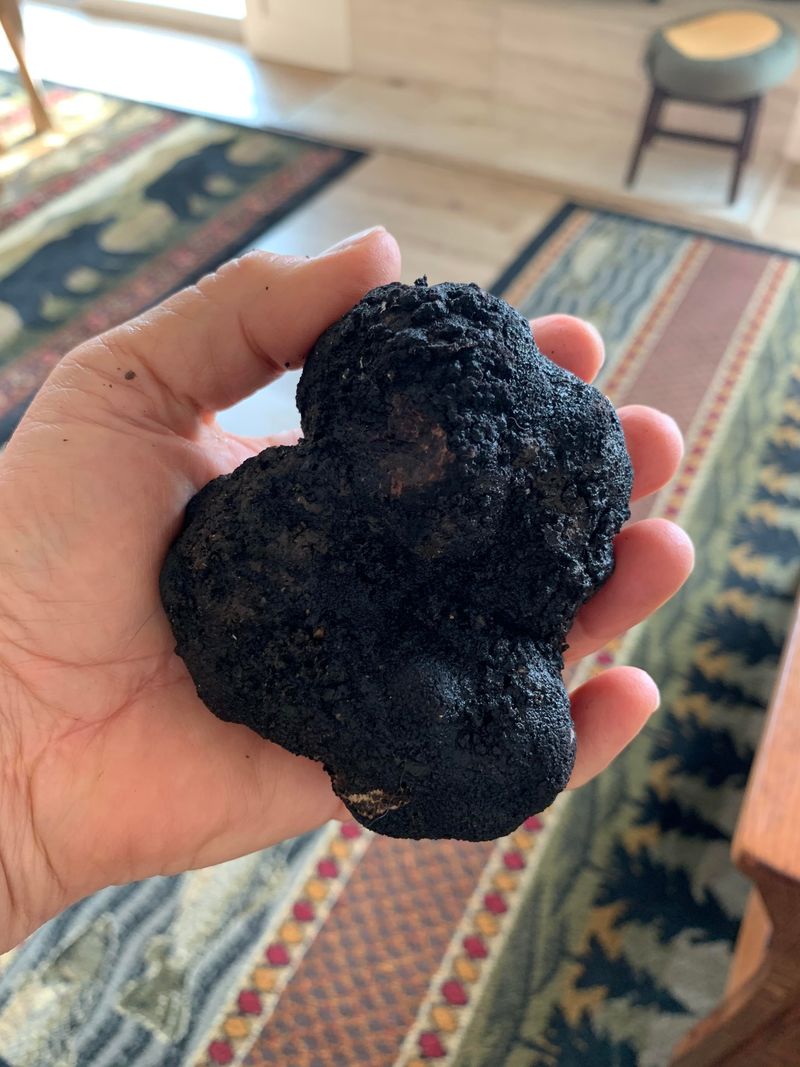
Once you have successfully foraged truffles, the real reward often continues in the kitchen. Fresh truffles have a relatively short shelf life, so using them within a few days usually preserves their best aroma.
Store them wrapped in paper towels inside a breathable container in the refrigerator, replacing the paper regularly to help manage moisture. Cleaning truffles requires a gentle approach.
Brush away loose soil with a soft brush, and if needed, rinse briefly under cool water, then dry them promptly. Extended exposure to water may reduce aroma and shorten storage life.
Oregon truffles are often enjoyed with simple preparation. Thin shavings over pasta, risotto, or eggs allow their earthy scent to complement familiar dishes.
Their aroma can also infuse butter, oil, or cream, making preparations like truffle butter a popular option. High heat can lessen some of the delicate aroma, so truffles are often added near the end of cooking or used fresh.
Even small amounts can noticeably enhance a dish. Sharing foraged truffles with others can turn a quiet forest outing into a memorable culinary experience, connecting seasonal foraging with regional food traditions of the Pacific Northwest.