15 Weeds That Trouble Oregon Gardens And How To Control Them
Weeds never send an invitation, yet they often appear quickly, compete for nutrients, crowd plants, and test many Oregon gardeners’ patience. With rich soil and steady rain, unwanted plants can grow just as readily as flowers and vegetables.
Some spread through creeping roots, others release large numbers of seeds, and a few can be difficult to remove completely.
The good news is you can manage them without turning your garden into a constant struggle.
A few smart habits, good timing, and simple control methods can help keep beds neat and productive. Picture healthier plants, clearer borders, and more time enjoying your garden instead of pulling persistent weeds.
Ready to identify common troublemakers and slow their spread before they dominate?
Grab your gloves and a bit of determination, because a more manageable, lower-stress garden is well within reach, and your plants can respond with stronger growth and better blooms.
1. Dandelion
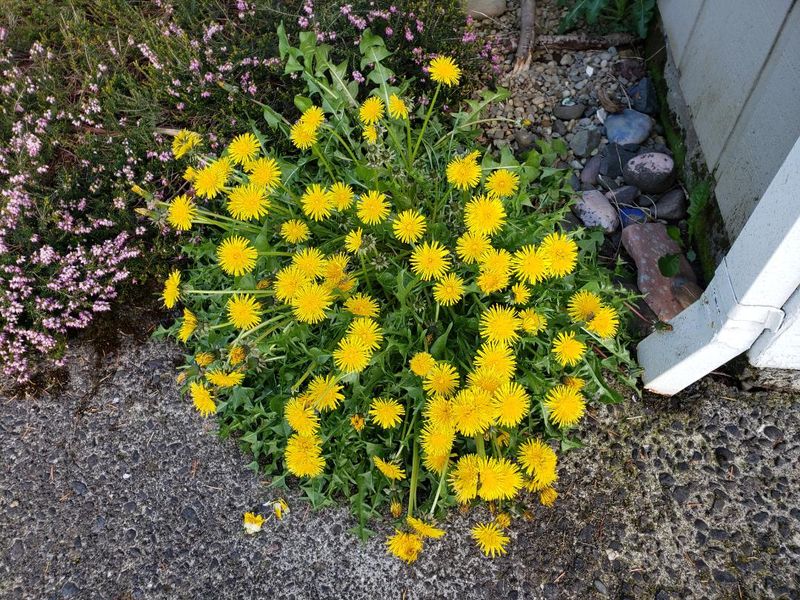
You walk across your lawn in early spring and notice those cheerful yellow blooms appearing here and there. Within days, they begin turning into white puffballs that release seeds when the wind catches them.
Dandelions grow deep taproots that can reach well into Oregon’s soil, which often makes them difficult to remove completely. They tend to thrive in compacted or thin lawns where grass struggles, and cool, wet spring weather can favor their spread.
Hand-pulling is often easiest when the soil is moist after rain, but removing as much of the taproot as possible helps reduce regrowth. A dandelion digger can provide better leverage to loosen the root.
Mowing regularly before plants form seed heads may help limit further spread. Encouraging thick, healthy turf through proper fertilizing and aeration can help grass compete more effectively.
For larger infestations, selective treatments are sometimes used, while smaller patches can often be managed with manual removal.
2. Plantain (Plantago major)
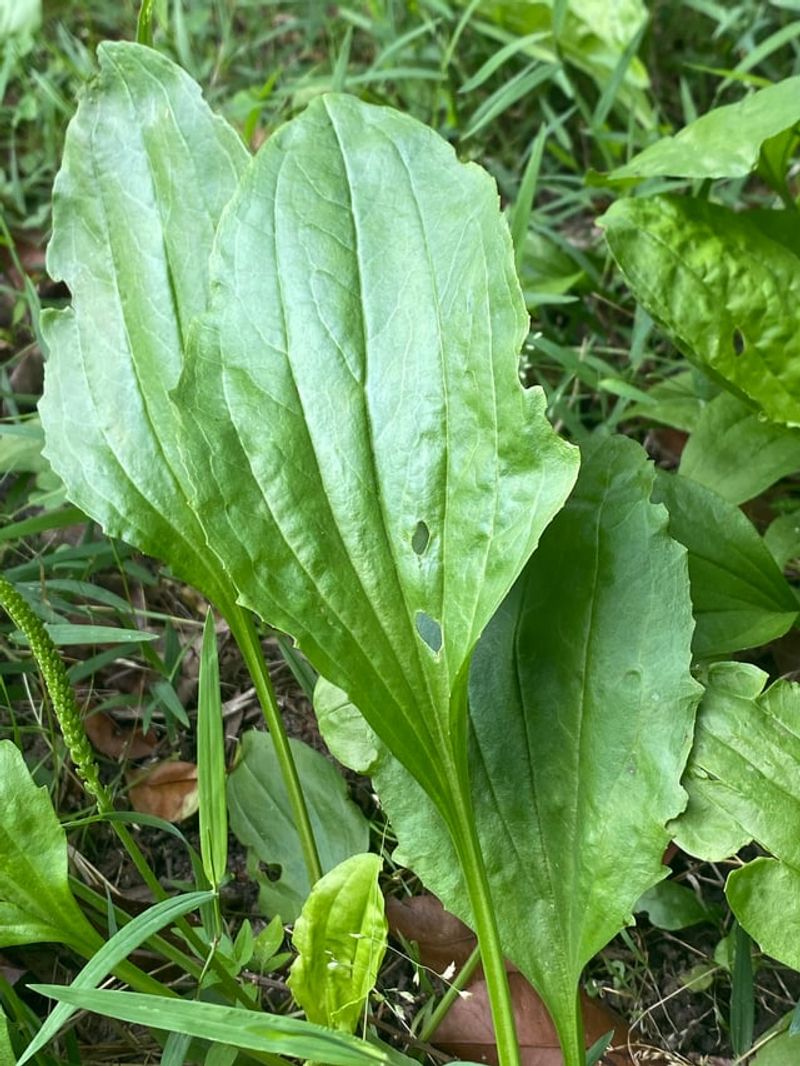
Those broad, ribbed leaves forming flat rosettes in your lawn or along garden paths become easy to recognize once you know what to look for. The leaves grow close to the ground, which often allows them to slip beneath mower blades.
Broadleaf plantain commonly appears in compacted soil and high-traffic areas where grass becomes thin.
In many Oregon landscapes, frequent foot traffic and heavier soils can create favorable conditions for this plant to establish and spread by producing numerous small seeds on tall, slender stalks.
Digging out individual plants can be effective in garden beds, especially when soil is soft after rain. In lawns, improving aeration and reducing compaction may help grass fill in bare areas where plantain tends to grow.
Adding mulch to garden beds and pathways can limit seed germination in exposed soil. Some gardeners also collect young plantain leaves for culinary or traditional uses, turning a common weed into a potential resource during the growing season.
3. Creeping Buttercup
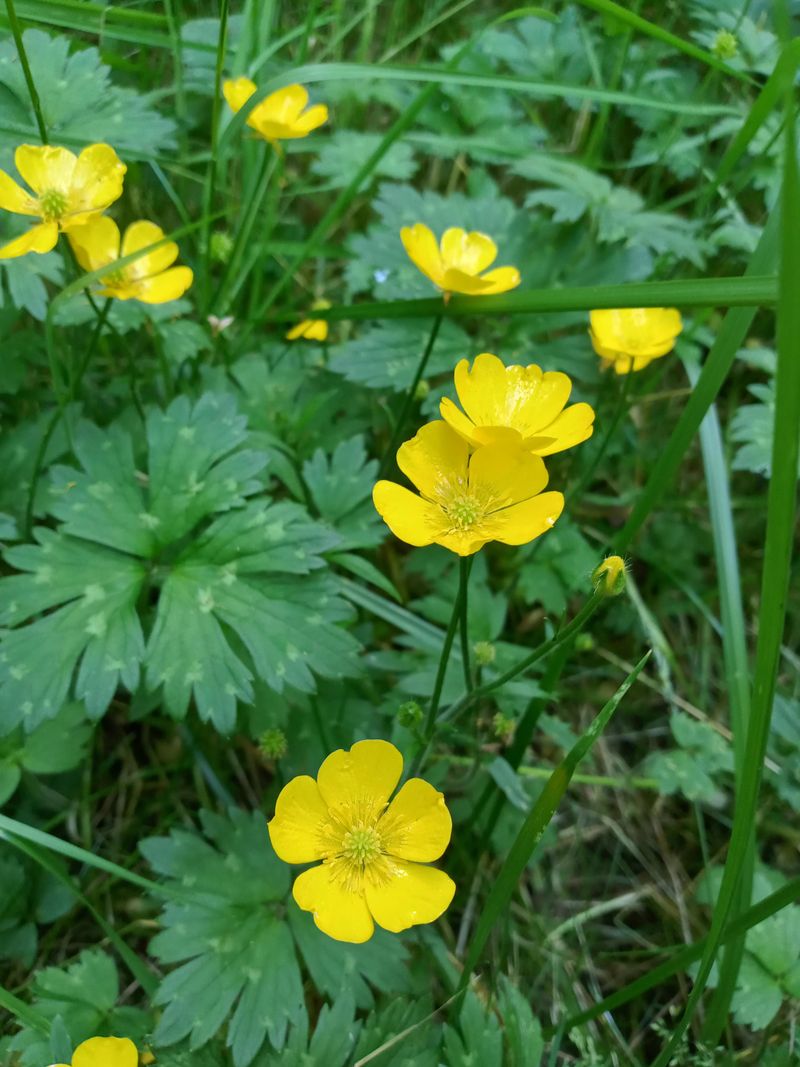
Shiny yellow flowers can look cheerful, but in gardens they sometimes indicate a spreading problem. This plant produces runners that root at nodes, forming mats that may crowd other plants.
Your Oregon Garden Changes Every Week. Your Plan Should Too.
Gardening in Oregon changes quickly throughout the season. Every Friday you’ll receive a simple weekly plan showing exactly what to plant, prune, fertilize, harvest, and protect so you never miss the right timing.
Moist areas of your yard tend to favor creeping buttercup, and Oregon’s rainy climate can support its growth. It spreads both by seeds and by creeping stolons that establish in open soil.
Improving drainage can make areas less favorable for this weed. Hand-pulling can work for small patches, though removing as much of the runners and roots as possible helps reduce regrowth.
Mulching in garden beds can suppress new shoots, while overseeding bare spots and maintaining healthy soil conditions can limit opportunities for buttercup to take hold.
Regular monitoring helps detect new patches early, making management more manageable before the plant becomes denser.
4. Oxalis (Wood Sorrel)
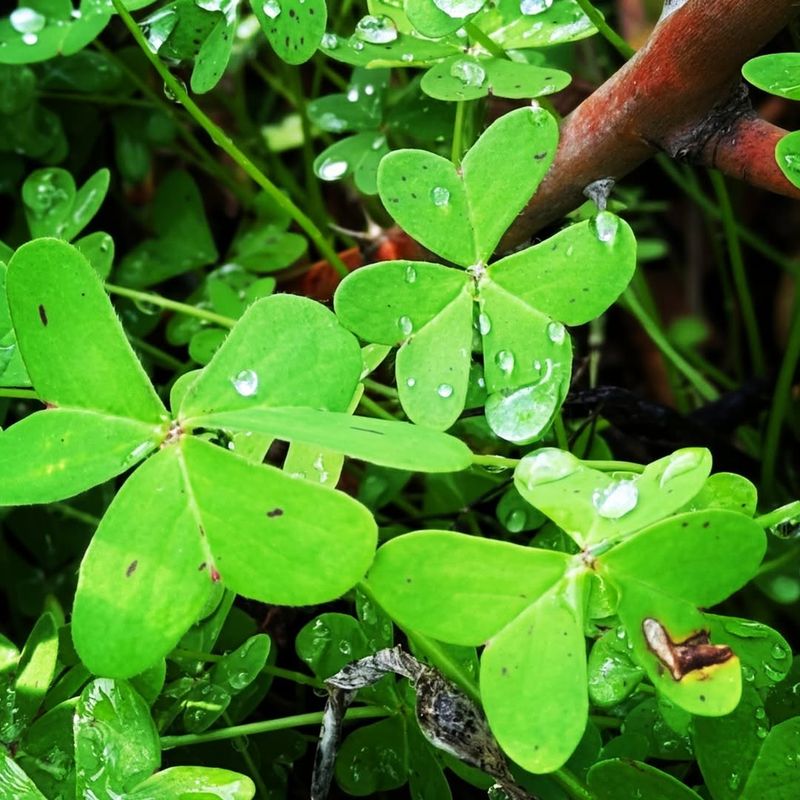
At first glance, this delicate-looking plant might be mistaken for clover with its three heart-shaped leaflets. Look closer, and you may notice small yellow or pink flowers and how it can spread through garden beds with persistence.
Oxalis produces tiny seed capsules that can release seeds a short distance when touched. It also develops small underground bulblets that can survive cultivation and regrow after visible plants are removed.
Hand-pulling before flowering helps limit seed spread, though these bulblets make full removal challenging. Mulching around desirable plants can suppress some new shoots, although some may still emerge in spring.
Regular weeding throughout the season can gradually reduce populations. Avoid tilling infested areas, since this may break up bulblets and contribute to their spread.
Consistent, careful management tends to be more effective than aggressive cultivation for controlling this adaptable weed in Oregon gardens.
5. Crabgrass
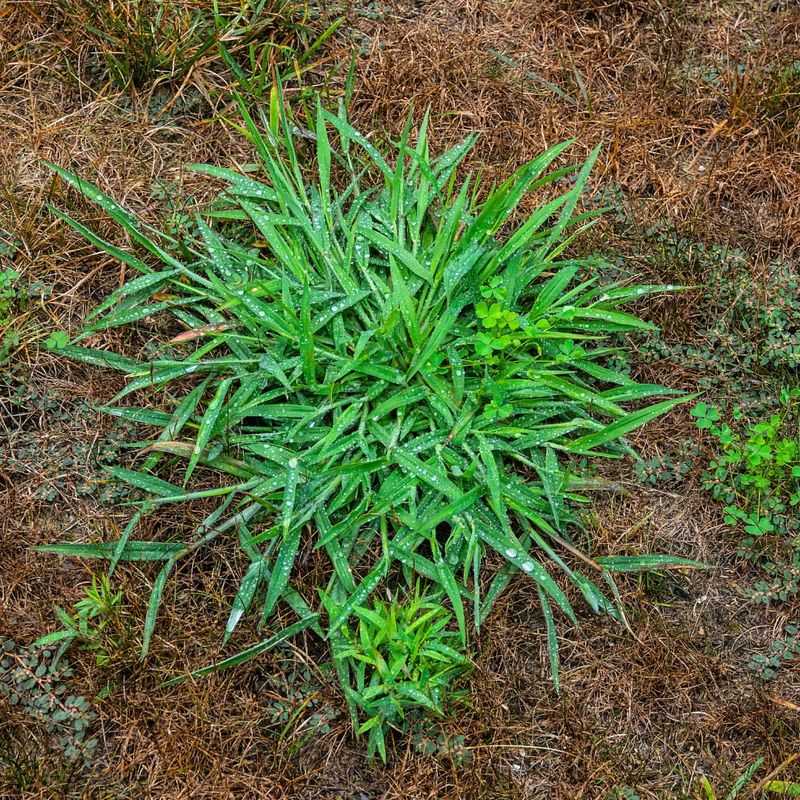
Summer heat often encourages this light-green intruder to appear, spreading in a circular pattern across lawns. The wide, flat stems grow outward from a central point, forming patches that can look noticeably different from surrounding turf grass.
Crabgrass tends to establish in thin or stressed lawns where bare soil receives plenty of sunlight and warmth. Each plant produces many seeds that can survive through Oregon’s wet winter, then germinate as soil temperatures rise in late spring and early summer.
Prevention generally works better than trying to control it after establishment. Maintaining thick, healthy turf with proper mowing height and consistent care can help shade out crabgrass seedlings before they take hold.
Pre-emergent treatments applied in early spring may reduce germination, although timing is important. Hand-pulling small patches can also be effective early in the season.
Avoid excessive watering during hot periods, since overly wet or stressed areas can favor crabgrass while placing additional stress on the cool-season grasses common in Oregon lawns.
6. Spotted Spurge
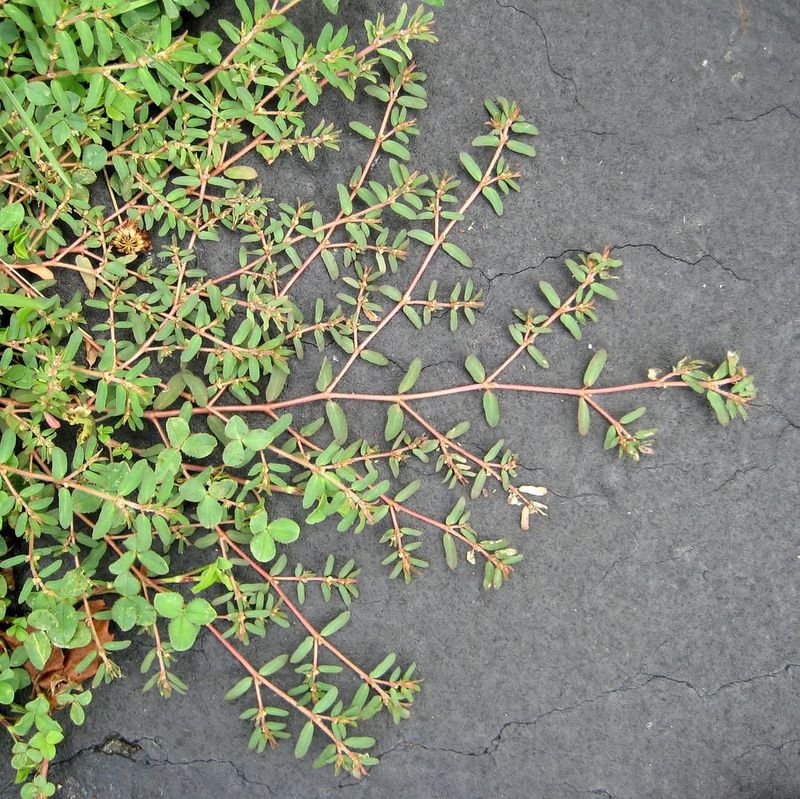
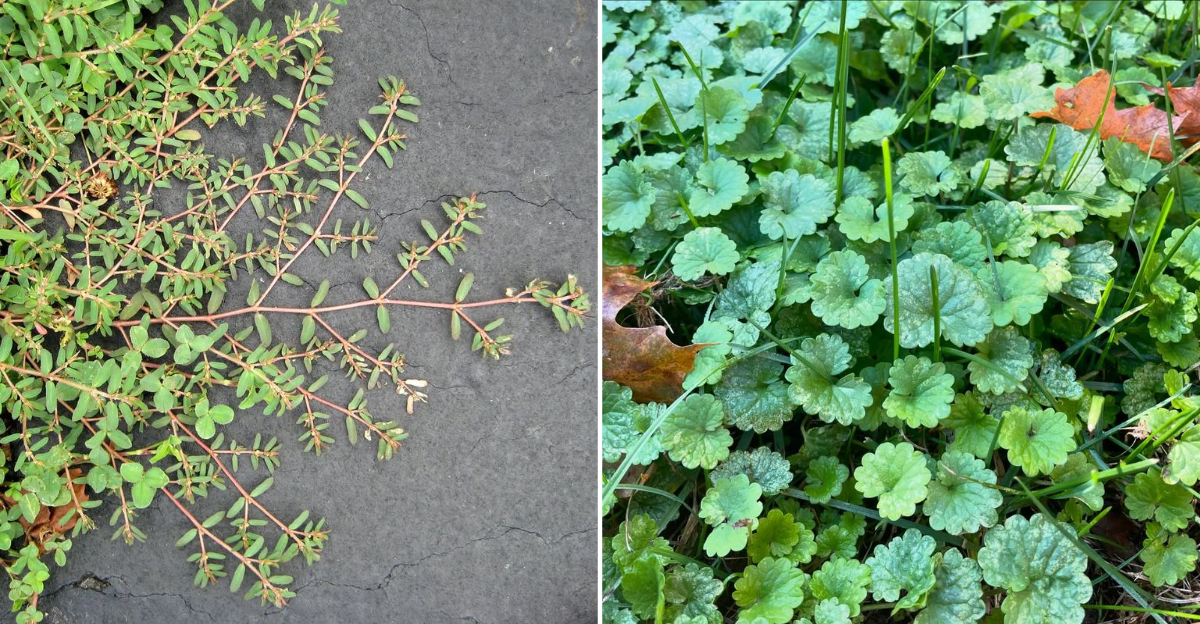
Low-growing mats with small, oval leaves often marked by purple spots can appear across driveways, sidewalks, and thin areas of lawns. This summer annual grows close to the ground, sometimes allowing mowers to pass over it without disturbing the plants.
Spotted spurge tends to emerge in hot, dry conditions, becoming more noticeable during Oregon’s summer months. It produces milky sap when broken and spreads through prolific seed production, with individual plants capable of producing many seeds over the season.
Hand-pulling can be effective for small infestations, particularly early in summer before plants mature and set seed. Gloves are recommended, as the sap can irritate some people’s skin.
Mulching garden beds may help reduce seed germination in exposed soil. On pavement cracks and hard surfaces, removing plants before flowering can help limit future growth.
Maintaining dense turf through proper lawn care may also reduce opportunities for this weed to establish. Regular monitoring and early removal can prevent small patches from becoming more widespread and difficult to manage in garden areas.
7. Bindweed (Field Morning Glory)
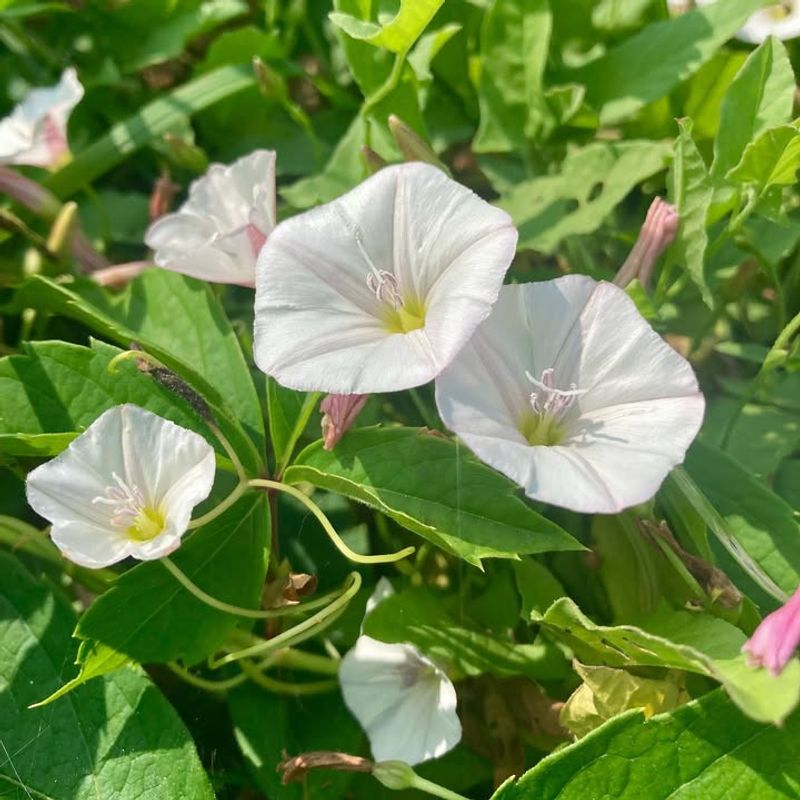
Those white trumpet-shaped flowers climbing through shrubs and perennials can hide one of the more persistent weeds gardeners encounter. The vining stems wrap around nearby plants, and underground roots can spread widely in garden beds.
Bindweed develops deep, brittle roots that can break when pulled, and any fragments left behind may regrow. Oregon’s growing season provides ample time for this perennial to establish extensive root systems that may extend several feet into the soil.
Regular removal of above-ground growth over time can gradually reduce root reserves, though it usually takes consistent effort across multiple seasons. Pulling or cutting vines as soon as they appear helps limit photosynthesis and slows the energy supply to the roots.
Tilling infested areas can sometimes fragment roots, which may increase regrowth. Mulching and maintaining dense plantings can help suppress new shoots.
Some gardeners also use cardboard barriers under mulch to limit spread, but effective control generally requires repeated attention and persistence throughout the growing season.
8. Canada Thistle
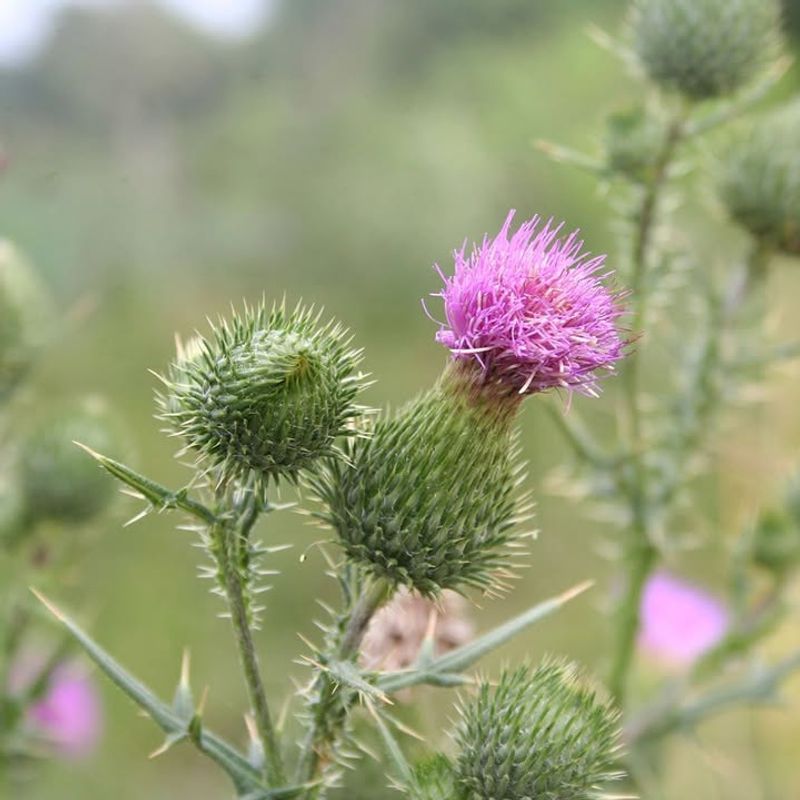
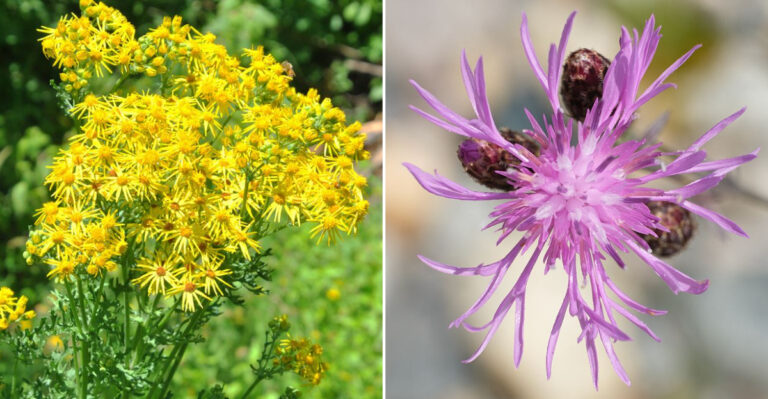
Clusters of purple-pink flowers on spiny stems appear in patches throughout gardens and lawns. Despite the name, this perennial can spread aggressively through extensive root systems that may send up new shoots several feet from the original plant.
Canada thistle develops horizontal roots that allow isolated plants to expand into dense patches. Both male and female plants exist, and female plants produce fluffy seeds that can drift on wind currents during summer months in Oregon.
Cutting or mowing before flowering can help reduce seed dispersal, but established plants may continue to regrow from their roots.
Repeated removal of above-ground growth over multiple seasons can gradually weaken the root system, although complete control often requires sustained effort.
Digging roots may work for small areas but becomes impractical for larger infestations. Maintaining healthy, competitive plantings can help slow the spread, and some gardeners use carefully applied herbicides for more severe patches.
Regular monitoring allows you to catch new shoots early, limiting the potential for extensive root development in your yard.
9. Bull Thistle
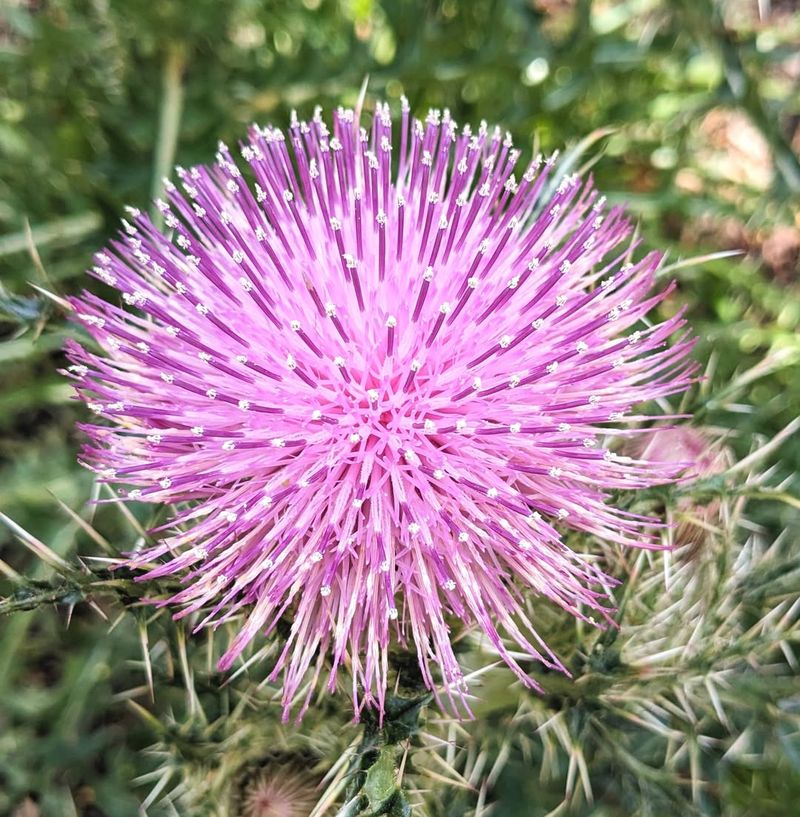
A tall plant covered in sharp spines can be hard to miss in a garden. Its large purple flower heads are striking, but this biennial weed can take up space that vegetables and flowers need to grow.
Bull thistle begins as a low rosette of spiny leaves in its first year, then sends up tall flowering stems in the second year. Each flower head produces numerous fluffy seeds that can disperse with summer breezes in Oregon gardens.
Cutting plants before flowering can help reduce seed spread and is usually easier than digging out the large taproot. Gloves and long sleeves are recommended when handling this prickly plant.
First-year rosettes are typically easier to remove than second-year flowering plants with more developed roots. Regular monitoring allows you to remove rosettes before they reach flowering size.
Mulching garden beds can help limit seed germination in bare soil. Unlike some other thistle species, bull thistle does not typically spread from root fragments, so removing individual plants can effectively reduce their presence in the garden.
10. Chickweed
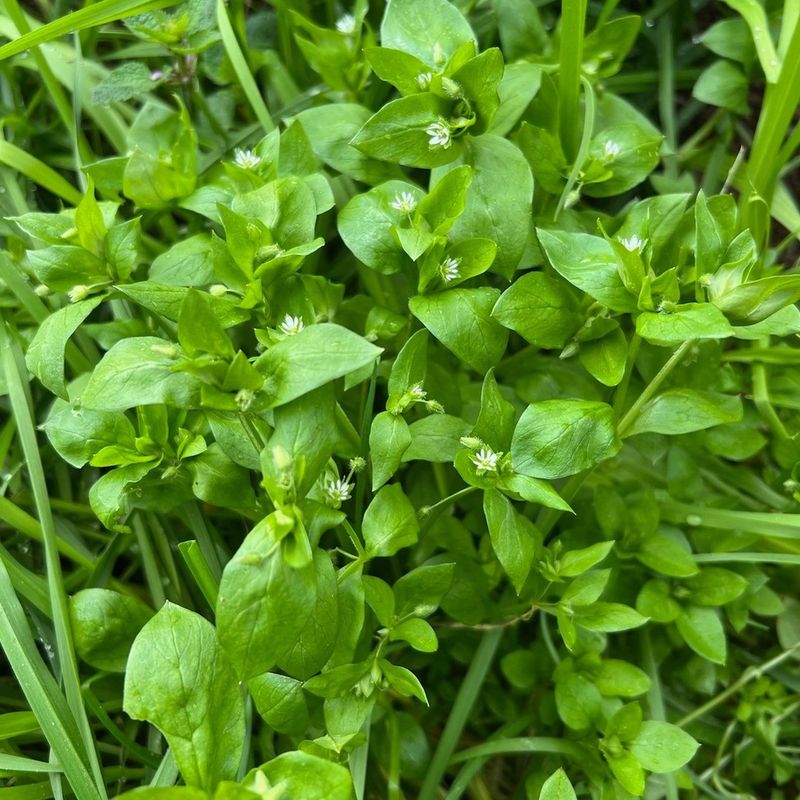
A bright green carpet can appear across garden beds during Oregon’s cool, wet months. The small, opposite leaves and tiny white flowers form dense mats that may compete with young seedlings and early spring vegetables.
Chickweed tends to grow well under the conditions typical of Oregon winters: cool temperatures, ample moisture, and shorter days.
It often remains active while many other plants are dormant, giving it a competitive edge in garden beds and lawns from fall through spring.
Hand-pulling can be effective since the roots are shallow and plants often come up easily from moist soil.
Regular removal helps prevent this annual from setting seed, which occurs quickly once flowering begins, and individual plants can produce many seeds during the season.
Adding mulch to beds after removing chickweed may help limit new germination. Its presence can also indicate fertile, well-watered soil suitable for other plants.
Some gardeners harvest young chickweed for salads, enjoying its mild flavor while managing the spread of this common weed.
11. Ground Ivy (Creeping Charlie)
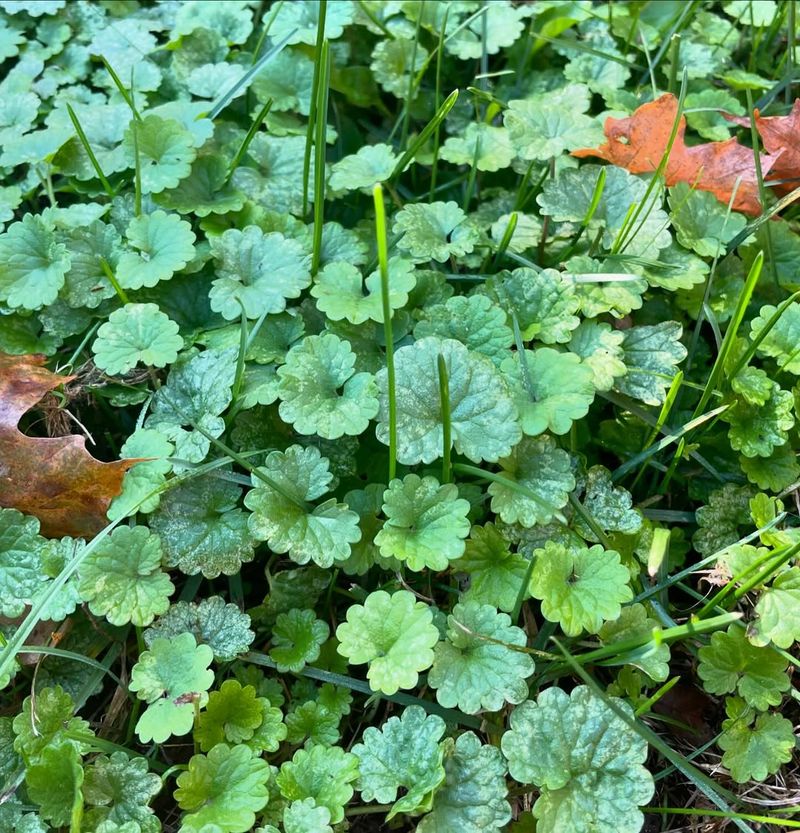
Round, scalloped leaves with a noticeable minty scent when crushed can spread through shaded areas of the yard.
This creeping perennial forms mats that may crowd grass and other groundcovers, particularly where turf is thin or struggling under trees.
Ground ivy grows well in moist, shaded conditions, which Oregon often provides. It spreads through creeping stems that root at nodes, forming interconnected mats that persist through winter and expand in spring.
Small purple flowers appear in spring, though the plant tends to spread more through its stems than by seed.
Hand-pulling can help control small patches, but it can be labor-intensive for larger infestations since fragments left behind may regrow.
Increasing sunlight by pruning overhanging branches can help grass compete more effectively against this shade-tolerant plant. Regular removal before stems form extensive root networks can help keep populations in check.
Some gardeners choose to tolerate ground ivy in deep shade where grass struggles, using it as a low-maintenance groundcover alternative. In lawns, maintaining healthy turf through proper care can reduce the likelihood of invasion from surrounding beds.
12. Horsetail (Equisetum arvense)
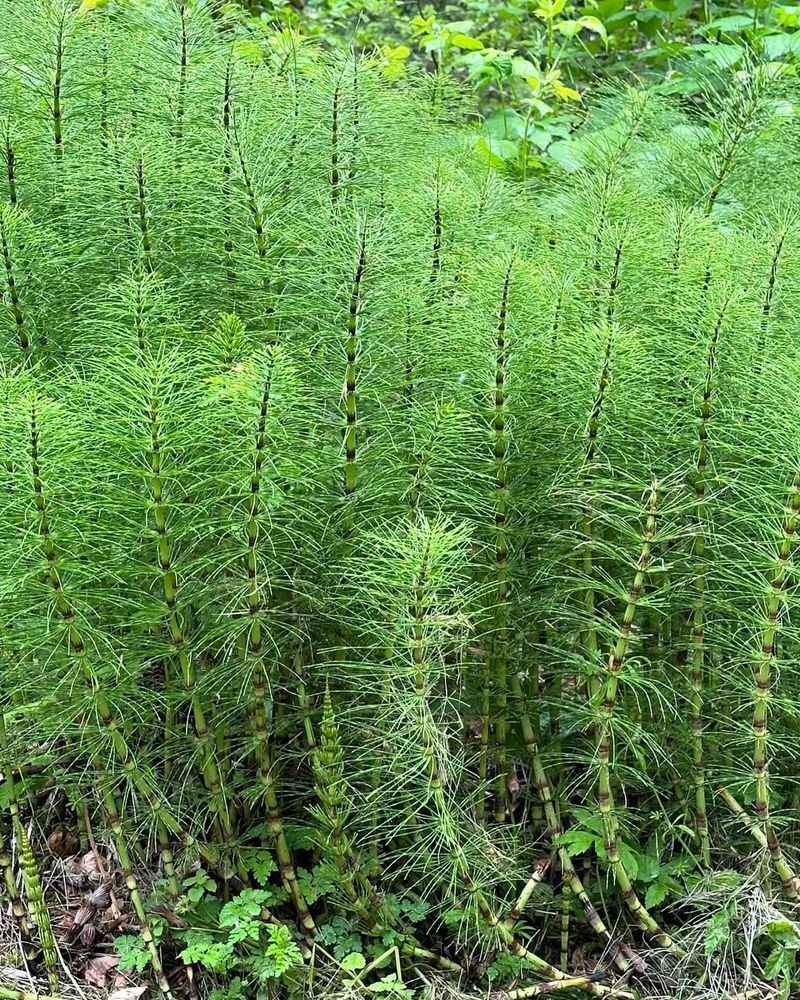
Primitive-looking green stems with jointed sections and whorled branches emerge in wet areas of the garden, resembling small prehistoric plants.
Horsetail spreads through deep rhizomes that can extend several feet underground, making it a persistent and sometimes difficult weed to manage.
It grows well in poorly drained, acidic soils, and Oregon’s wet climate and naturally acidic soils can create favorable conditions. The underground rhizomes often survive cultivation and can produce new shoots from deeper in the soil where digging may be challenging.
Improving drainage can help reduce its establishment, and raising soil pH with lime over time may make conditions less favorable, though multiple applications are typically needed.
Repeated removal of above-ground growth over several seasons can gradually reduce rhizome energy, though complete elimination is often difficult.
Consistently cutting shoots prevents photosynthesis and slowly depletes stored resources.
Some gardeners install barriers to contain horsetail to specific areas, while others manage it by tolerating small patches in wet corners and maintaining good drainage elsewhere as a practical long-term approach in Oregon gardens.
13. Lambsquarters
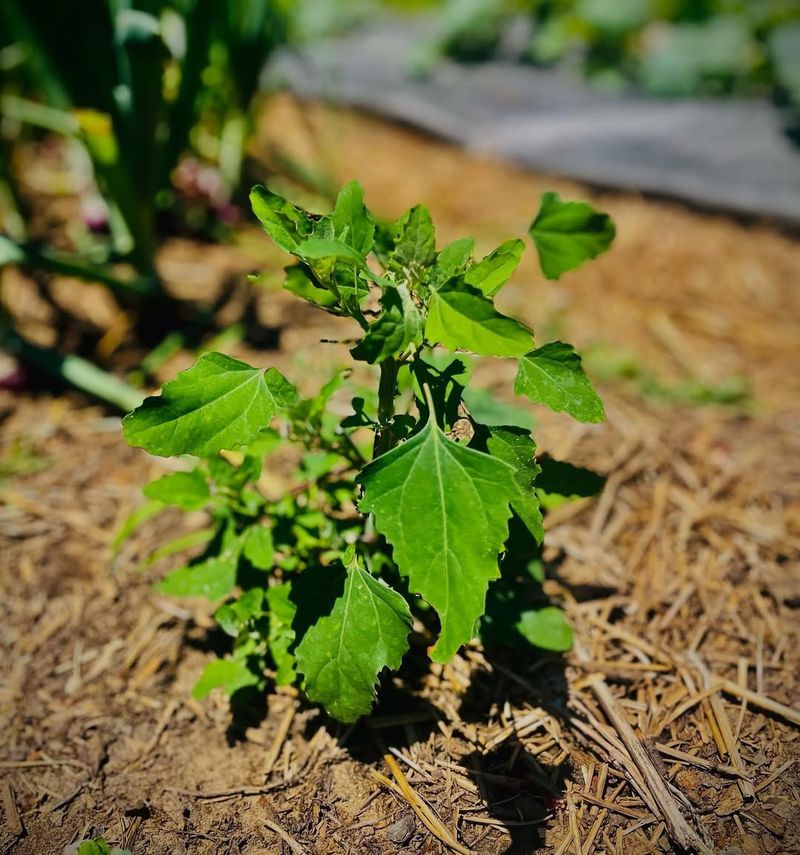
A dusty white coating on diamond-shaped leaves can catch your eye in the vegetable garden. This fast-growing annual can grow quickly during summer, sometimes reaching several feet tall and competing with tomatoes, squash, or other crops.
Lambsquarters produces many seeds that can persist in soil for several years, and Oregon’s fertile garden soil combined with regular watering can favor rapid growth.
The distinctive white, mealy coating on young leaves makes identification easier once you know what to look for.
Hand-pulling before flowering can help prevent seed production and is generally straightforward, as roots tend to remain relatively shallow and young plants lift easily from cultivated soil. Its presence often signals nitrogen-rich conditions in garden beds.
Regular cultivation and mulching can help reduce seedling emergence throughout the growing season. Some gardeners also harvest young lambsquarters leaves for cooking, using this nutritious plant as a supplemental green while managing its spread.
Removing plants before they produce seed can help limit future populations in the garden.
14. Hairy Bittercress
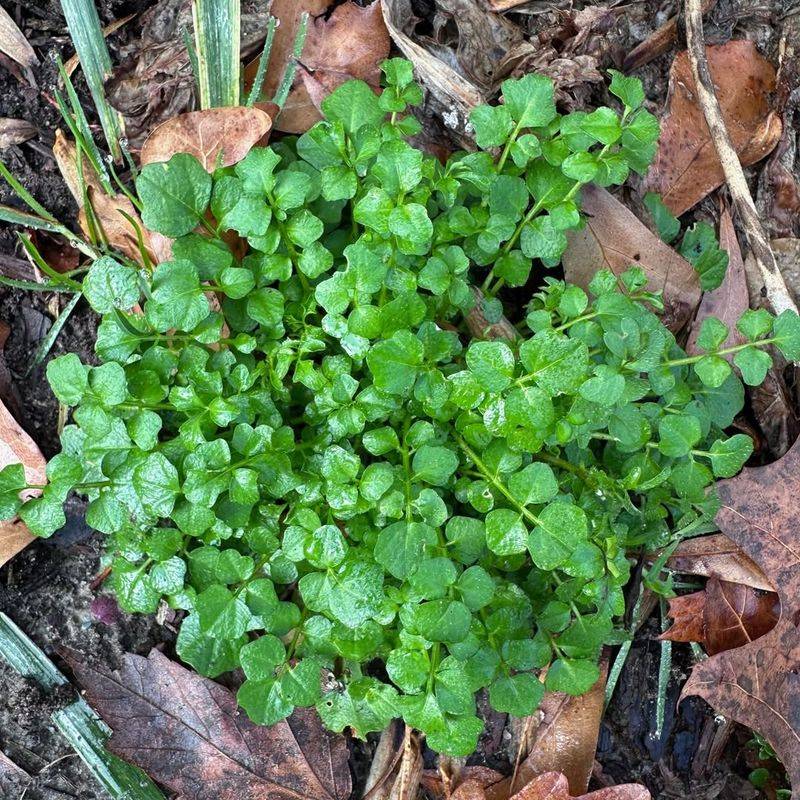
Tiny white flowers on thin stems appear in garden beds during late winter and early spring. Soon after, these flowers develop seed pods that can release seeds several feet away when disturbed by hands or tools.
Hairy bittercress completes its life cycle relatively quickly during Oregon’s cool, wet season. Plants often germinate in fall, grow through winter, flower in early spring, and set seed before summer heat arrives.
Under favorable conditions, multiple generations may occur in a single year. Removing plants before flowering helps limit seed dispersal, and this shallow-rooted annual generally pulls easily from moist soil.
Regular weeding in late winter allows gardeners to catch plants before they reach reproductive maturity, and care around mature plants can reduce accidental seed release. Applying mulch after removal can help reduce germination from seeds already present in the soil.
This weed often indicates disturbed, fertile soil, and small populations can increase if left unmanaged over the growing season.
15. Annual Bluegrass (Poa annua)
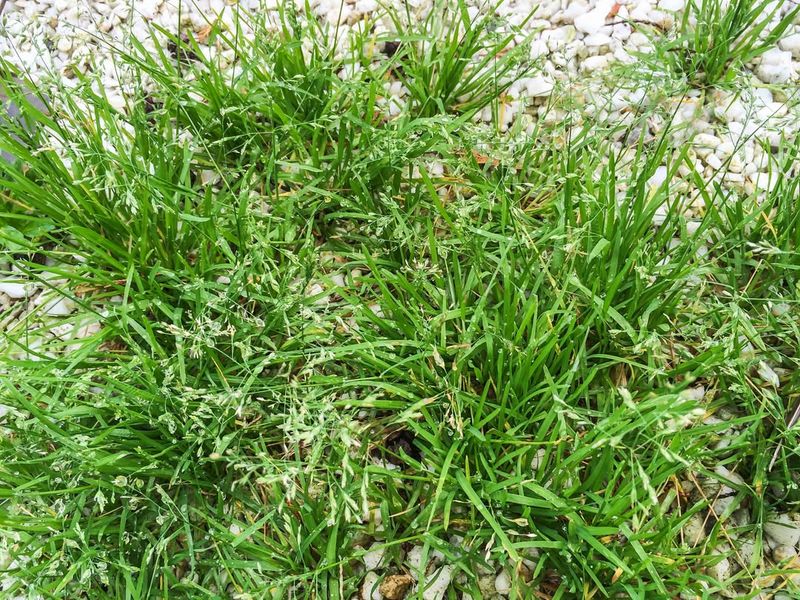
Light green patches with a slightly different texture may appear in lawns during fall and winter. The grass often has fine-textured, boat-shaped leaves and can produce whitish seed heads even with regular mowing, which can make the lawn look uneven.
Annual bluegrass typically germinates during Oregon’s cool, wet fall conditions, which can favor this opportunistic grass over some desirable turf species. It often appears in compacted, over-watered, or thin lawns where stronger grasses struggle to compete.
This annual generally dies back during summer heat and dry periods, sometimes leaving bare patches that can be colonized by other weeds.
Improving overall lawn health through proper fertilization, aeration, and balanced watering can help turf grasses compete more effectively with bluegrass seedlings.
Avoiding excessive fall watering and fertilization reduces conditions favorable to germination, while maintaining proper mowing height helps shade out new seedlings.
Pre-emergent herbicides applied in early fall may limit seed germination, though timing and follow-up applications are important.
Overseeding bare spots with quality turf can help maintain coverage where annual bluegrass naturally declines in summer.