Traditional Moon Planting Tips Pennsylvania Gardeners Still Swear By
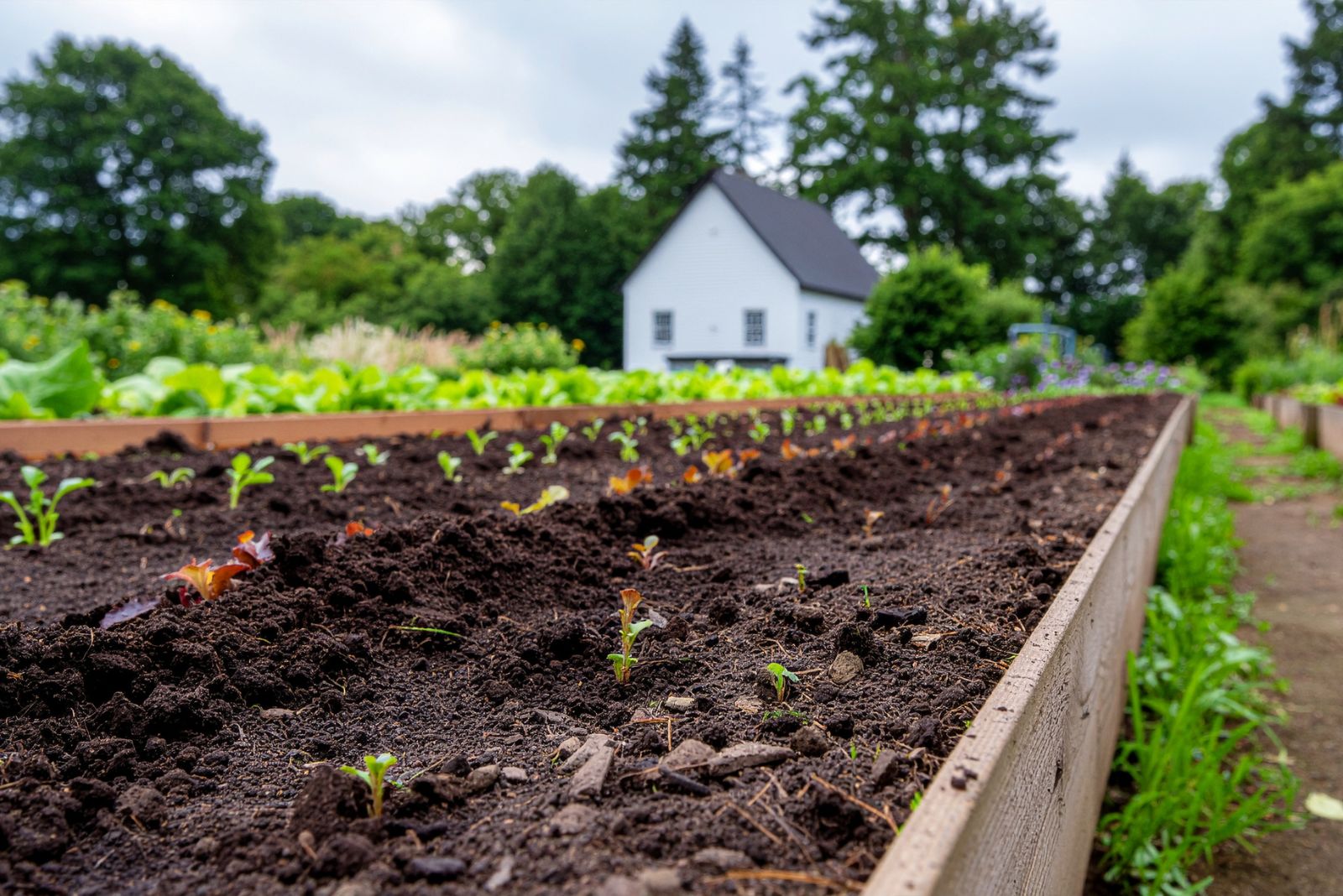
Pennsylvania gardeners have passed down moon planting wisdom through generations, and many still rely on these time-tested methods today.
The idea behind lunar gardening is simple: the moon’s gravitational pull affects moisture in the soil just like it influences ocean tides.
When you align your planting schedule with moon phases, you can work with nature’s rhythms instead of against them.
This traditional approach has helped countless Pennsylvania gardeners grow healthier vegetables, stronger roots, and more abundant harvests across the state’s varied climate zones.
1. The New Moon Phase: Preparing For Growth
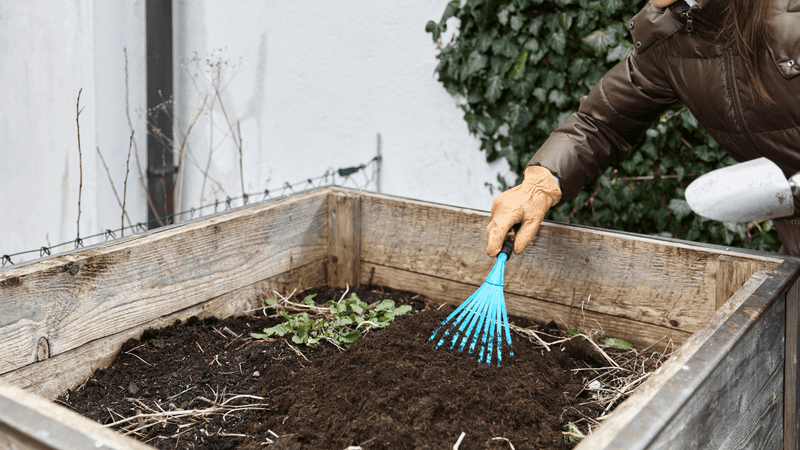
Getting your garden ready during the new moon sets the stage for everything that follows. This phase marks the beginning of the lunar cycle when the moon appears dark in the night sky.
Pennsylvania gardeners use this time to prepare beds, start seeds indoors, and get organized for the growing season ahead.
The new moon period creates perfect conditions for germination because moisture begins rising in the soil. Seeds planted now can take advantage of increasing light as the moon grows fuller.
Many gardeners across Pennsylvania start their leafy greens like lettuce and spinach during this phase.
Indoor seed starting works especially well during the new moon. Herbs such as basil, parsley, and cilantro respond beautifully when started in trays or small pots. Early spring flowers like pansies and snapdragons also benefit from new moon planting.
Pennsylvania’s unpredictable spring weather makes timing crucial. The new moon gives you a two to three day window to work with each month.
Use this time to turn your soil, add compost, and check that your garden beds drain properly after winter.
Traditional gardeners believe the new moon energy helps plants establish strong foundations. While you wait for warmer soil temperatures, focus on planning your layout and gathering supplies.
Keep a simple calendar marking new moon dates alongside your last frost predictions for your specific Pennsylvania region. This combination helps you make smart decisions about when to actually put plants in the ground outdoors.
2. Waxing Moon: Best Time For Above-Ground Crops
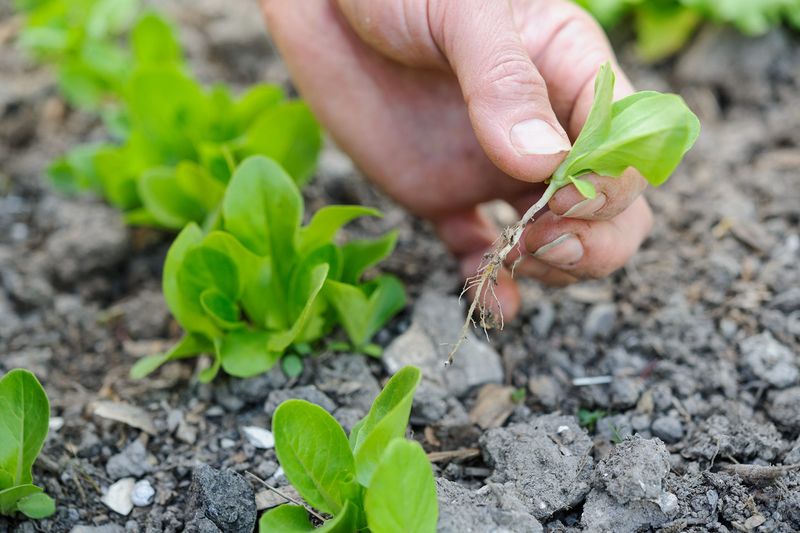
Above-ground vegetables thrive when planted during the waxing moon period between new and full.
Light increases each night as the moon grows fuller, and this upward energy encourages strong leaf and stem development. Pennsylvania gardeners have long trusted this phase for their most productive crops.
Lettuce, spinach, and other leafy greens planted during the waxing moon tend to grow faster and more vigorously. The increasing moonlight seems to boost photosynthesis and overall plant energy.
Peas planted during this phase often climb their supports more eagerly and produce heavier yields.
Annual flowers also respond well to waxing moon planting. Marigolds, zinnias, and cosmos establish themselves quickly when transplanted during this two-week window. Herbs like basil and dill benefit from the upward growing energy too.
Timing matters especially in Pennsylvania because of regional frost date differences. Northern counties might not have safe planting conditions until mid-May, while southern areas can often start in late April.
Check your local last frost date and count backward to find the waxing moon phase that falls after that safe date.
Your Pennsylvania Garden Changes Every Week. Your Plan Should Too.
Gardening in Pennsylvania changes quickly throughout the season. Every Friday you’ll receive a simple weekly plan showing exactly what to plant, prune, fertilize, harvest, and protect so you never miss the right timing.
Transplanting seedlings works particularly well during the waxing moon. Plants started indoors during the new moon can move outside now.
The increasing light helps them adjust to their new environment and recover from transplant stress more quickly.
Many experienced Pennsylvania gardeners swear their vegetables grow noticeably stronger when they follow this lunar timing pattern throughout the growing season.
3. Full Moon: Optimal For Planting High-Growth Crops
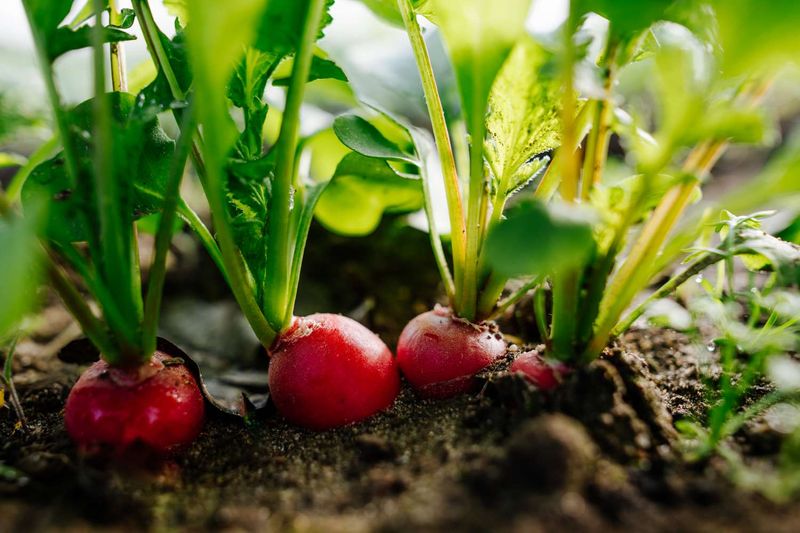
Maximum lunar energy arrives during the full moon, making it an ideal time for crops that grow quickly and need vigorous starts. The peak of the lunar cycle brings the strongest gravitational pull and brightest nighttime light.
Pennsylvania gardeners use this concentrated energy for vegetables that need a powerful boost.
Radishes planted during the full moon often mature faster than those planted at other times.
These quick-growing roots seem to respond to the intense lunar energy with rapid development. Kale and other hardy greens also establish strong stems when planted during this phase.
Early spring annuals like calendula and sweet alyssum benefit from full moon planting energy. The bright moonlight helps these flowers develop sturdy stems that support heavy blooms later.
Many Pennsylvania gardeners notice their full moon plantings stand up better to spring winds and sudden temperature drops.
Soil conditions matter just as much as moon phases though. Even during a full moon, cold or waterlogged soil will prevent good growth.
Check that your Pennsylvania garden soil has warmed to at least 50 degrees for most vegetables and drains well after spring rains.
The full moon window lasts only a day or two, so timing can be tricky. If weather conditions are poor during the actual full moon, planting one or two days before or after still captures much of the beneficial energy.
Experienced gardeners in Pennsylvania often prepare their beds ahead of time so they can plant quickly when the full moon arrives with good weather.
4. Waning Moon: Ideal For Root Crops
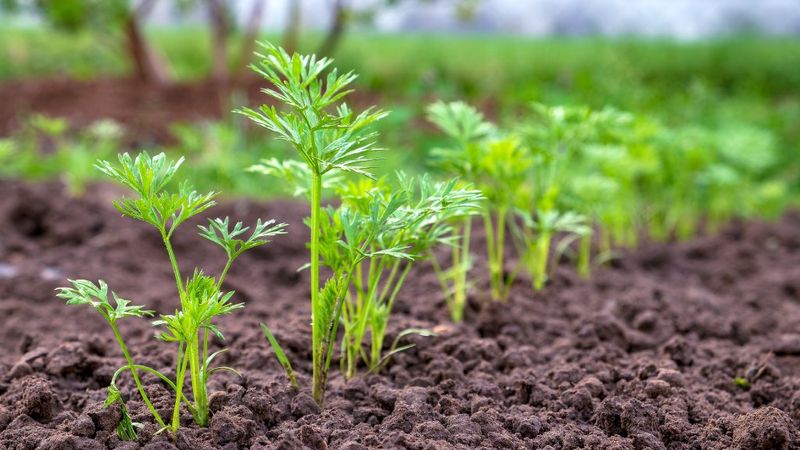
Root vegetables develop their best underground growth when planted during the waning moon between full and new. As moonlight decreases each night, energy moves downward into the soil.
This natural rhythm encourages plants to focus on developing strong, healthy roots rather than top growth.
Carrots planted during the waning moon often grow straighter and develop better flavor. The downward energy helps them push deep into Pennsylvania soil. Beets and turnips also form fuller, rounder roots when timing aligns with this lunar phase.
Onions and garlic benefit tremendously from waning moon planting. These crops need excellent root systems to support their bulb development later in the season.
Many Pennsylvania gardeners plant their onion sets and garlic cloves exclusively during this phase and report noticeably larger harvests.
Potatoes respond especially well to waning moon timing. Whether you plant seed potatoes in early spring or later for a fall crop, the decreasing moonlight helps tubers form and multiply underground.
Pennsylvania’s varied regions all see good potato results with this method. Soil temperature and moisture still take priority over moon phases.
Wait until your Pennsylvania soil reaches at least 45 degrees for root crops even if the waning moon arrives earlier.
Combine lunar timing with practical growing conditions for best results. Keep notes about which root crops you plant during different moon phases so you can compare harvest sizes and quality at the end of the season.
5. Regional Considerations For Pennsylvania Gardeners
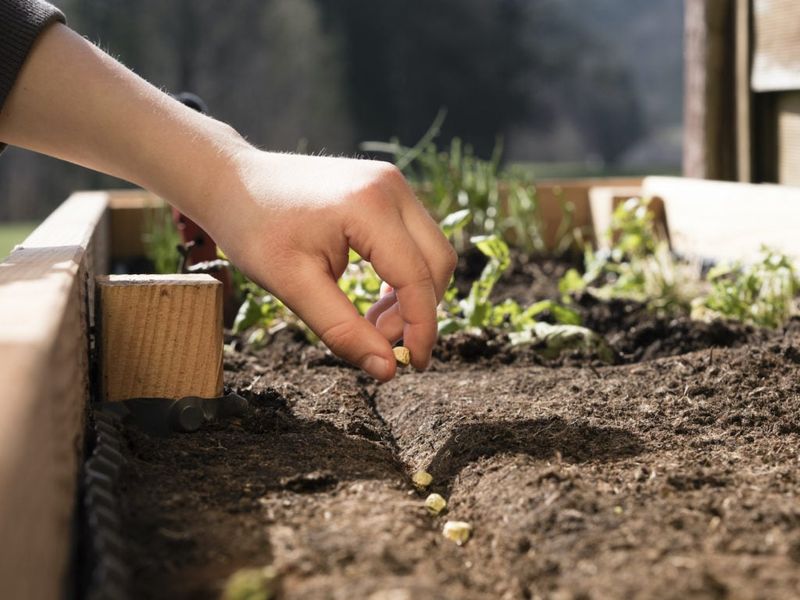
Pennsylvania stretches across multiple growing zones, which means moon planting timing varies significantly across the state.
Northern counties face colder soil and later safe planting dates compared to southern regions. Understanding your specific area helps you apply moon planting methods effectively.
Northern Pennsylvania gardeners often cannot plant outdoors until mid to late May regardless of moon phases. Soil temperatures stay too cold for most vegetables until then.
Use earlier new and waxing moons for indoor seed starting, then wait for later lunar cycles to transplant outside safely.
Central Pennsylvania offers more flexibility with moderate spring conditions. Gardeners in counties around Harrisburg and State College can usually begin outdoor planting in early to mid-May.
This timing allows you to catch favorable moon phases while soil conditions cooperate. Southern Pennsylvania near the Maryland border enjoys the earliest planting opportunities.
Warmer soil temperatures arrive in late April, giving gardeners more chances to align planting with optimal moon phases. Even here though, unexpected late frosts can occur, so watch weather forecasts carefully.
Elevation also affects timing within each region. Valley gardens warm faster than hillside plots even in the same county.
A garden at higher elevation might need an extra week or two before soil is ready. Combine moon phase awareness with a good soil thermometer and knowledge of your property’s specific microclimate.
Pennsylvania’s diverse landscape requires gardeners to adapt traditional moon planting wisdom to their particular location rather than following a one-size-fits-all calendar.
6. Planning Your Moon-Based Planting Calendar
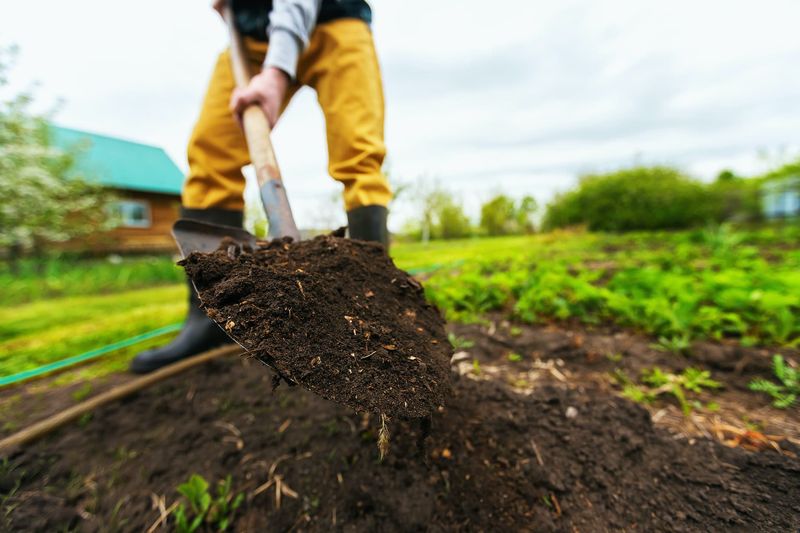
Creating a personalized moon planting calendar helps you organize the entire growing season efficiently. Start by marking new and full moon dates for April through September on a basic calendar.
Then add your area’s average last spring frost date and first fall frost date as reference points.
Seed starting indoors should align with new moons that fall six to eight weeks before your safe outdoor planting date. For most Pennsylvania regions, this means starting seeds during February and March new moons.
Write specific crops next to each new moon date based on their germination time requirements.
Schedule transplanting during waxing moons that occur after your last frost date. Mark which above-ground crops you plan to move outside during each waxing phase. Leave some flexibility since weather might not cooperate with every ideal moon phase.
Direct sowing of root crops should happen during waning moons when soil temperature permits.
Pennsylvania soil typically reaches good temperatures for carrots and beets during May waning moons. Potatoes can often go in during April waning moons in southern counties.
Keep your calendar simple and practical rather than rigid. If perfect moon timing conflicts with terrible weather or your work schedule, choose the next best option.
Many Pennsylvania gardeners find success by aiming for correct moon phases about 75 percent of the time rather than stressing over every single planting. Combine lunar awareness with attention to soil temperature, proper sun exposure, and frost safety.
This balanced approach yields better results than following moon phases alone while ignoring basic growing conditions.
7. Combining Lunar Wisdom With Modern Garden Science

Moon planting traditions work best when combined with current horticultural knowledge rather than used in isolation. Soil temperature, sunlight requirements, and proper spacing all matter just as much as lunar timing.
Pennsylvania gardeners who blend old wisdom with modern understanding typically see the most impressive results.
Use a soil thermometer alongside your moon calendar to make smart planting decisions. Even during a perfect waxing moon, lettuce seeds will not germinate in 40-degree soil.
Wait until temperatures reach at least 45 degrees before direct sowing cool-season crops regardless of moon phase.
Water management remains crucial no matter when you plant. Seeds started during the new moon still need consistent moisture to germinate properly.
Transplants moved during the waxing moon require regular watering until their roots establish. Moon phases do not replace fundamental plant care.
Pest and disease prevention should not be ignored in favor of lunar timing. Healthy plants come from good soil preparation, adequate spacing, and proper variety selection for Pennsylvania conditions.
Moon planting gives you an extra advantage but cannot overcome poor garden practices. Many successful Pennsylvania gardeners treat moon planting as one tool among many in their gardening approach.
They follow lunar phases when convenient but do not stress if life gets busy during an ideal planting window.
The next favorable moon phase arrives in just a few weeks. Keep detailed records comparing moon-timed plantings with randomly timed ones to see what differences you notice in your specific garden conditions and climate zone.