If You Ever See This Bug In Your Ohio Yard, Do Not Touch It
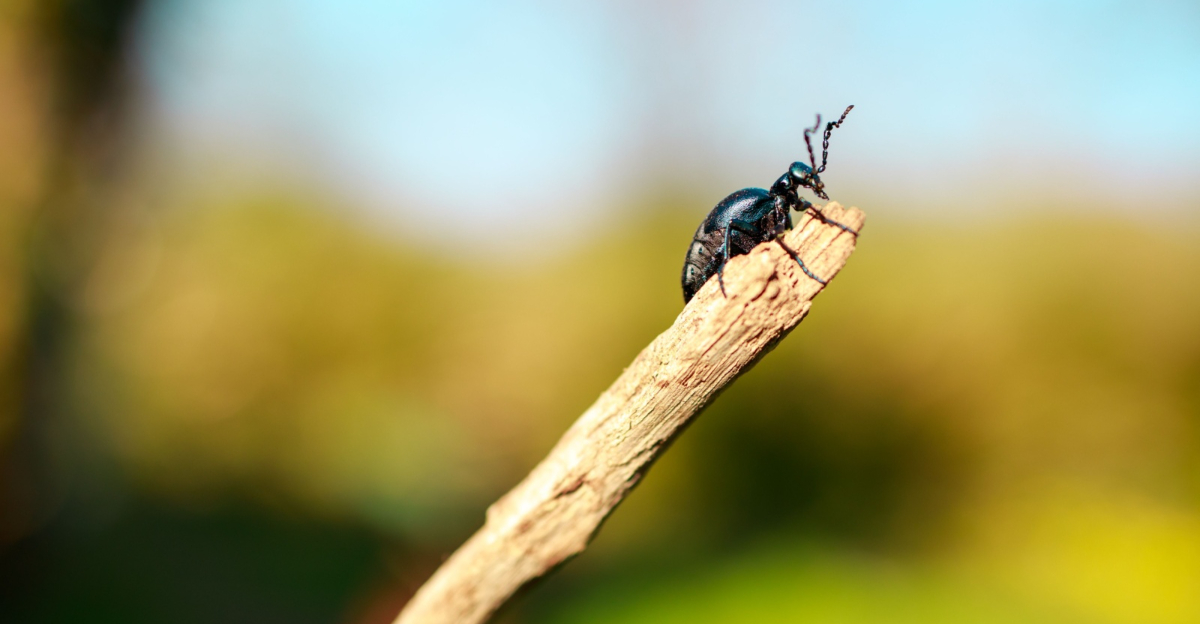
A tiny insect in your yard can leave behind a painful reminder long after it disappears. Each summer, people working in gardens and flower beds suddenly notice burning skin, redness, and blisters that were not there earlier in the day.
The contact often goes unnoticed at first. Hours later, irritation builds, skin swells, and fluid filled blisters begin to form.
Many assume it came from a plant, a chemical, or a simple scratch, yet the real cause was much smaller and easy to miss.
Children, pet owners, and anyone handling plants with bare hands face the highest risk during peak summer months. Most cases stay mild, but the discomfort can last for days and sometimes requires medical care.
A simple habit of avoiding direct contact with unknown insects prevents most incidents. In many Ohio yards, the culprit behind these sudden blistering reactions turns out to be the blister beetle.
1. Meet The Black And Margined Blister Beetle
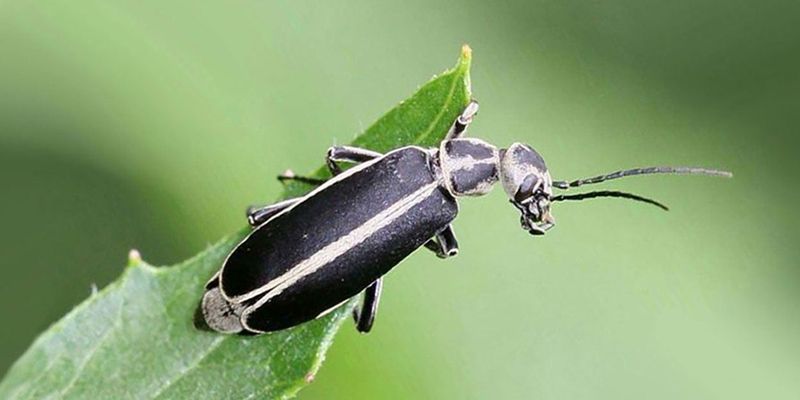
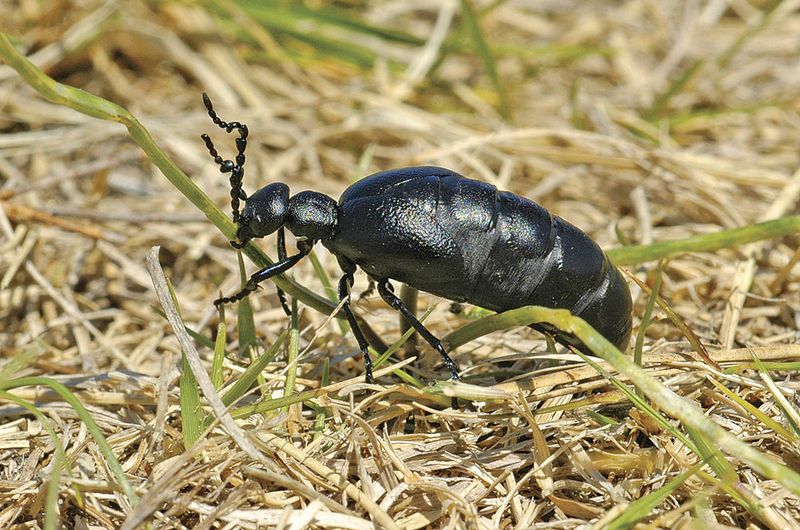
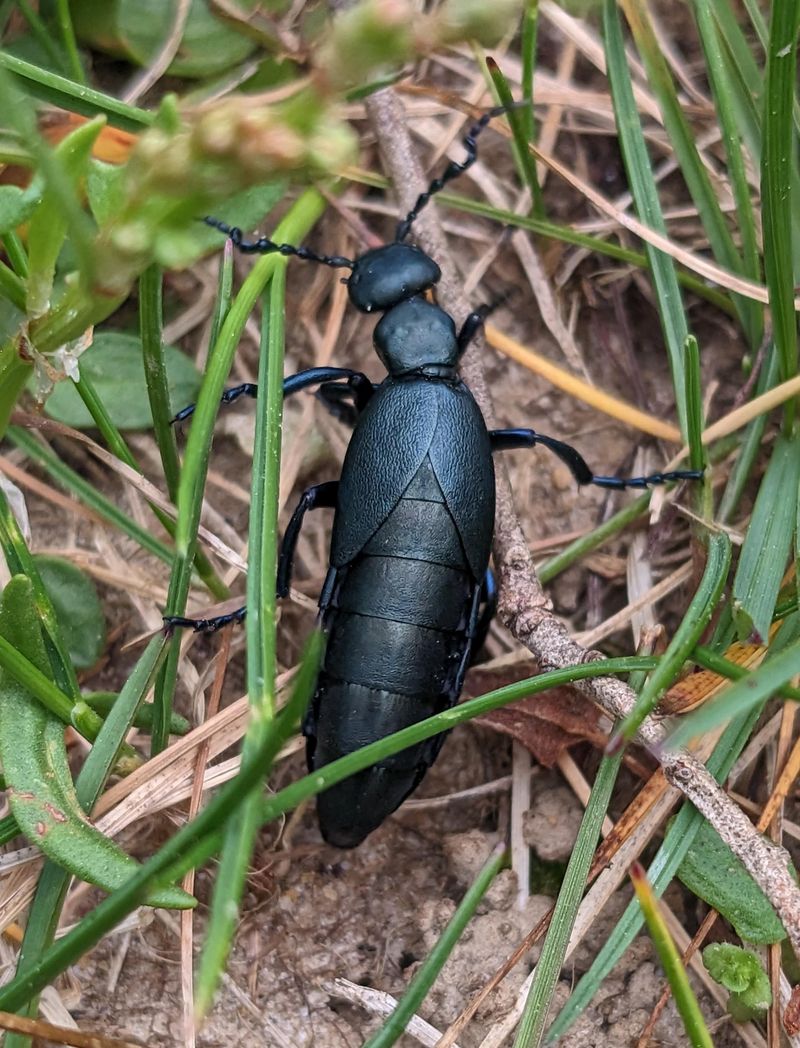
Black Blister Beetles measure about half an inch to three-quarters of an inch long. Their bodies are slender and cylindrical, covered in a dark gray to black coloring that sometimes appears slightly dusty or matte.
These beetles have soft, flexible wing covers unlike the hard shells of many other beetles.
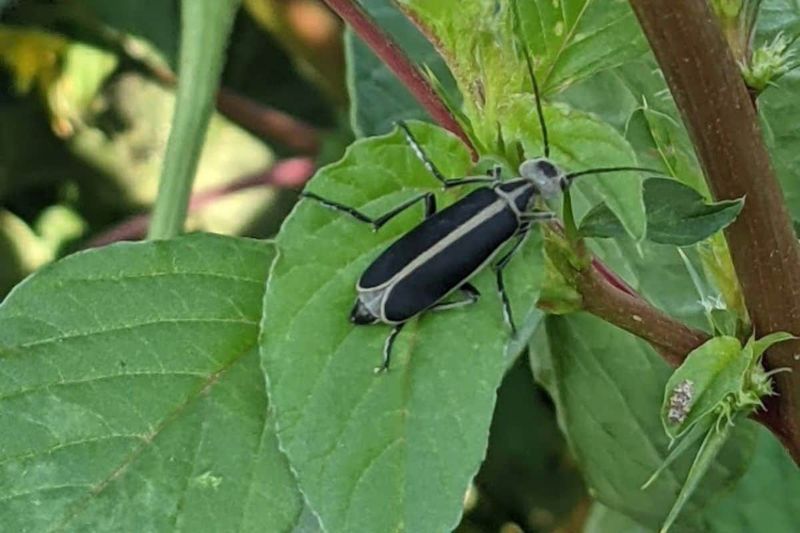
Margined Blister Beetles look similar but feature a distinctive gray or tan stripe running along the outer edges of their wing covers. Both species have narrow heads that appear smaller than their thorax, giving them an unusual appearance compared to typical garden beetles.
Their legs are long and slender, and they move with a deliberate, almost clumsy gait.
Ohio residents typically encounter these beetles from mid-June through September when populations peak. They congregate in gardens, particularly around flowering plants and vegetable crops.
Blister beetles often appear in groups rather than alone, which makes infestations more noticeable.
Both species feed on plant foliage and pollen, showing particular interest in tomatoes, potatoes, beans, and various flowering ornamentals. Their feeding habits can damage crops, but the real concern for Ohio homeowners is the chemical weapon these insects carry inside their bodies.
2. Never Touch This Highly Toxic Yard Insect
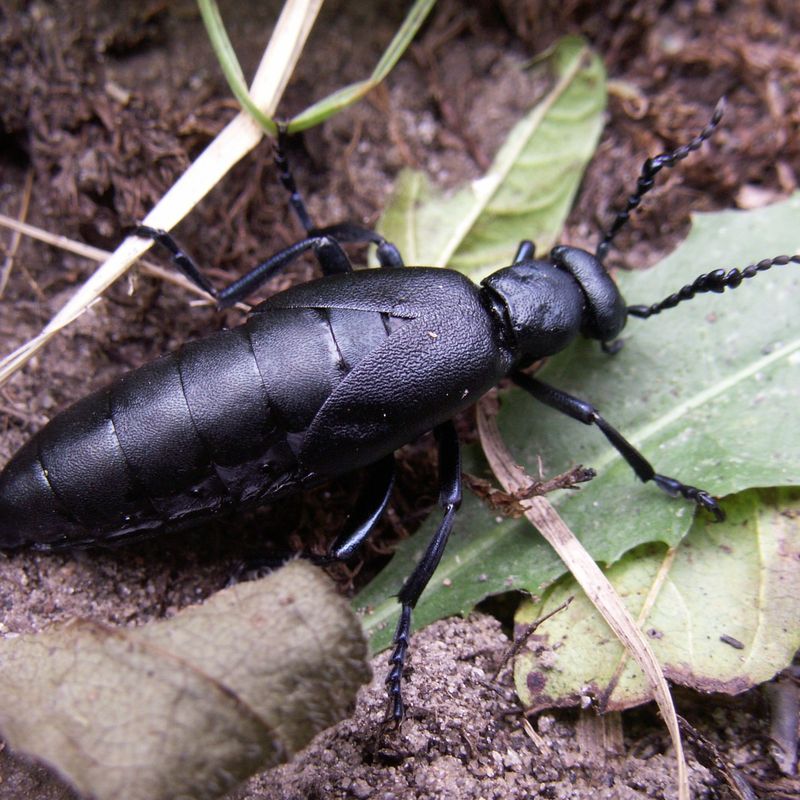
Blister beetles defend themselves with a toxic compound called cantharidin, a strong blister-causing chemical defense found in blister beetles. When threatened or crushed, these beetles release this chemical through a process called reflex bleeding.
The substance oozes from their leg joints as a yellowish fluid.
You do not need to crush a blister beetle to experience its effects. Blistering usually occurs when the beetle is crushed against the skin, though sensitive individuals may react to smaller exposures.
The chemical can penetrate the skin, but symptoms usually appear several hours after contact rather than immediately.
Many Ohio gardeners have learned about blister beetles the hard way, after casually swatting one away or picking it off a tomato plant with bare hands. The initial contact might feel like nothing at all.
Some people report a slight tingling or warm sensation, while others notice no immediate symptoms.
Your Ohio Garden Changes Every Week. Your Plan Should Too.
Gardening in Ohio changes quickly throughout the season. Every Friday you’ll receive a simple weekly plan showing exactly what to plant, prune, fertilize, harvest, and protect so you never miss the right timing.
Children are particularly vulnerable because they often pick up interesting-looking bugs without hesitation. Pets that chew or ingest blister beetles may experience irritation, though serious poisoning in household pets is uncommon.
The toxin can irritate skin and mucous membranes in mammals, though severity varies widely by species and level of exposure.
3. Contact Can Cause Skin Blisters In Some Cases
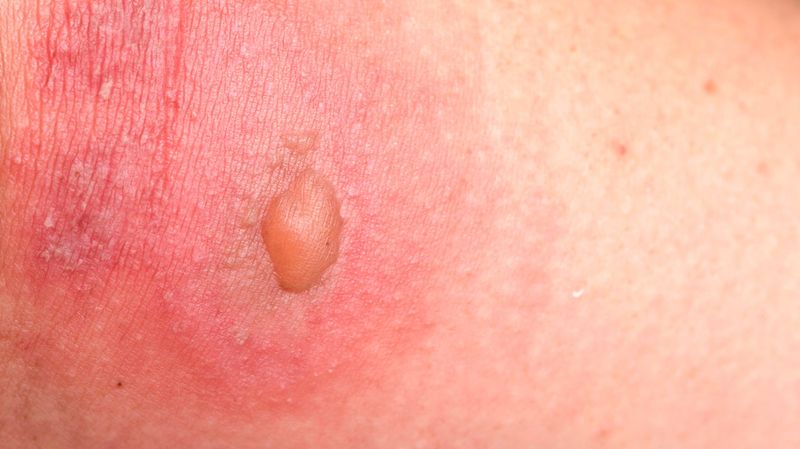
Cantharidin exposure typically produces symptoms usually within several hours, often 6 to 24 hours after contact. The affected skin area begins to redden and feel tender to the touch.
Most people describe a burning or stinging sensation that gradually intensifies as the chemical reaction progresses through the skin layers.
Fluid-filled blisters then develop at the contact site, ranging from small bumps to large, painful welts several inches across. In stronger exposures, blisters may resemble burn-type blisters and can be uncomfortable, though many cases are mild.
The surrounding skin often becomes inflamed and swollen, adding to the discomfort.
The severity of the reaction depends on several factors including the amount of toxin transferred, how long it remained on the skin, and individual sensitivity. Some Ohio residents develop just a few small blisters, while others experience extensive blistering across large areas.
Sweating or rubbing the affected area before washing can spread the toxin further.
Blisters typically take one to two weeks to heal completely. During this time, the area remains sensitive and vulnerable to infection if the blisters rupture.
Scarring is uncommon but can occur if blisters become infected or are repeatedly irritated. Medical treatment focuses on managing pain and preventing secondary infections rather than neutralizing the toxin itself.
4. The Hidden Toxin That Makes This Beetle Dangerous
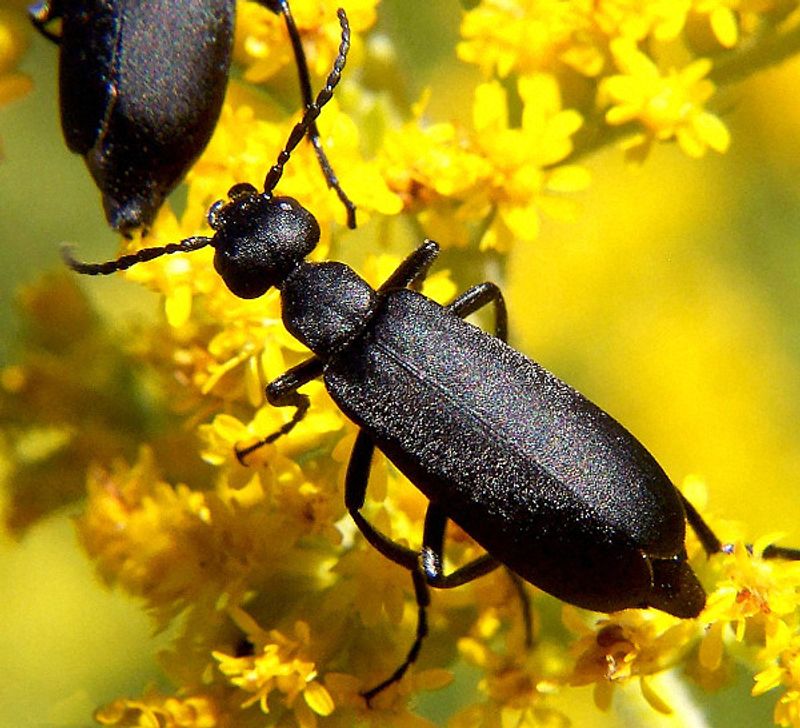
Cantharidin serves as the blister beetle’s primary defense mechanism against predators. Birds, lizards, and other insect-eating animals quickly learn to avoid these beetles after one painful encounter.
The chemical is so effective that many species have evolved to mimic blister beetles’ appearance for protection.
This toxin is stable and persistent, remaining active for extended periods even after the beetle has been crushed. Dried beetles in hay can remain toxic for long periods and pose a known risk to livestock, especially horses.
Washing exposed skin promptly with soap and water helps reduce irritation after contact.
Historically, cantharidin was used medicinally to remove warts and treat certain skin conditions, but only in extremely diluted forms under medical supervision. In concentrated amounts from beetle contact, it causes nothing but harm.
The chemical works by damaging cell membranes and triggering inflammation responses in mammalian tissue.
Ohio State University Extension entomologists have documented numerous cases of cantharidin poisoning in the state, both from direct contact and from contaminated animal feed. Livestock, particularly horses, are extremely sensitive to this toxin.
Even small amounts ingested through contaminated hay can cause serious internal damage. This makes blister beetle management important not just for human safety but for agricultural operations across Ohio.
5. Spot The Warning Signs In Your Ohio Yard
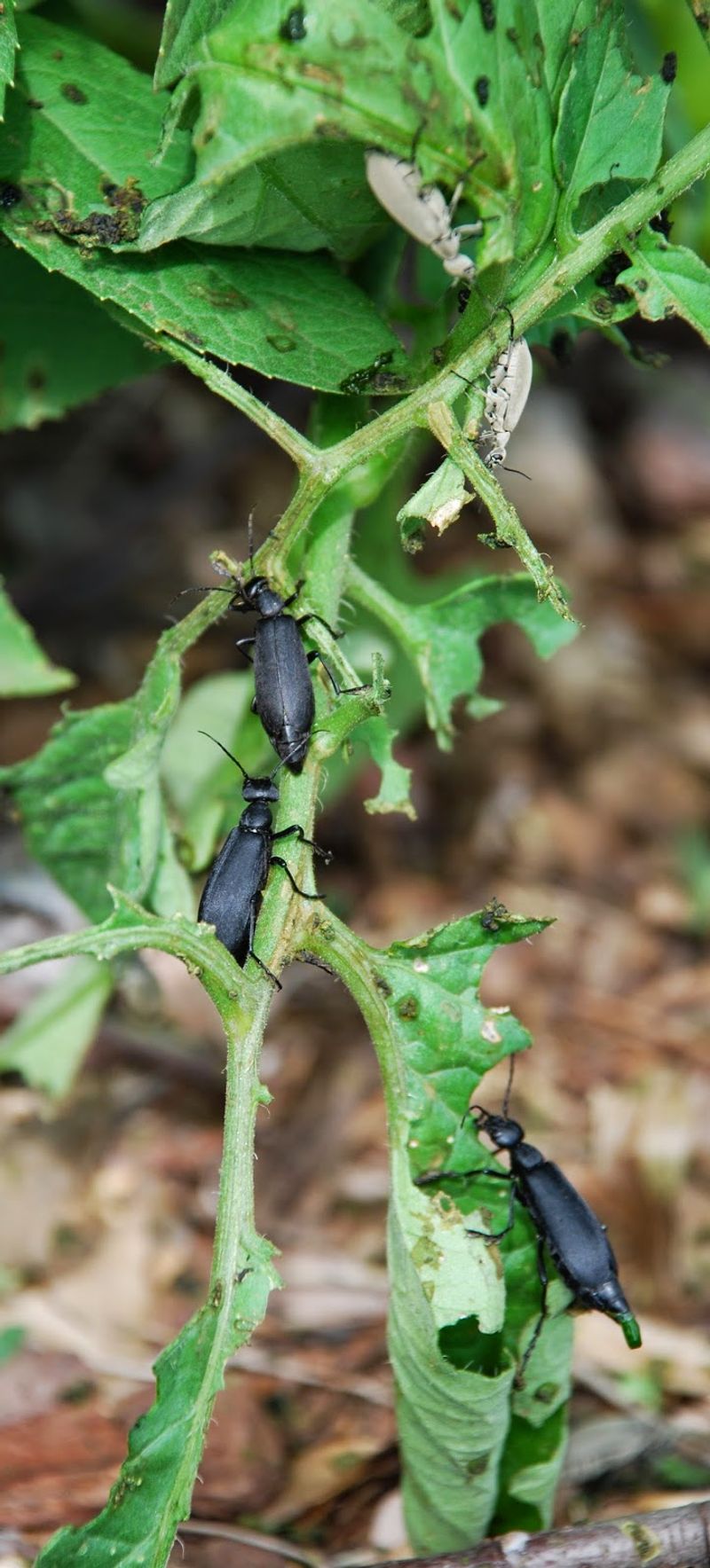
Blister beetles typically arrive in Ohio gardens during the warmest months when flowering plants are at their peak. Watch for sudden appearance of multiple beetles on the same plant, as they tend to aggregate in feeding groups.
Their presence becomes most obvious on sunny afternoons when they are most active.
Check your tomato plants regularly, as these are favorite targets. Look for beetles clustered on flowers, leaves, and developing fruit.
Potato plants, beans, and flowering ornamentals like zinnias and marigolds also attract these insects. They often concentrate their feeding on just a few plants while ignoring others nearby.
Visible leaf damage provides another clue. Blister beetles chew irregular holes in foliage and consume flower petals and pollen.
Unlike some pests that feed from leaf undersides, blister beetles work openly on top surfaces. You might notice skeletonized leaves where only the veins remain.
Early morning inspections work best for spotting these beetles before they become highly active. They move slowly when temperatures are cooler, making identification easier.
Bring binoculars or take photos from a safe distance if you are unsure about identification. Never attempt to handle suspected blister beetles for closer examination.
Their distinctive elongated shape and soft wing covers help distinguish them from harder-bodied beetles that pose no threat.
6. Protect Children, Pets, And Livestock Now
Children need clear, age-appropriate warnings about blister beetles. Explain that these bugs are not safe to touch, even though they might look interesting.
Teach kids to alert an adult immediately if they spot beetles that match the description. Make this a firm household rule, just like not touching hot stoves or electrical outlets.
Supervise young children during outdoor play in areas where blister beetles might be present. Garden areas, flower beds, and vegetable patches require extra vigilance during peak beetle season.
Consider temporarily restricting access to heavily infested areas until the beetles can be safely removed.
Dogs and cats that spend time outdoors face exposure risks too. Pets that mouth or chew insects are particularly vulnerable to oral and digestive tract irritation.
Watch for excessive drooling, pawing at the mouth, or vomiting after outdoor time during beetle season. Contact your veterinarian immediately if you suspect your pet has encountered a blister beetle.
Ohio livestock owners must be especially cautious. Horses are extraordinarily sensitive to cantharidin, and contaminated hay represents a serious threat.
Just a few beetles accidentally baled into hay can produce toxic doses when consumed. Inspect hay carefully before feeding, and source from suppliers who actively manage blister beetle populations in their fields.
Cattle and sheep are less sensitive but can still experience problems from significant exposure.
7. Remove Blister Beetles Without Direct Contact
Never attempt to remove blister beetles with bare hands. Always wear protective gloves, preferably thick rubber or leather gloves to reduce the chance of skin contact.
Long sleeves and pants provide additional protection against accidental contact if beetles fall or are knocked onto your clothing.
Knock beetles into a container of soapy water using a stick, garden tool, or strong spray from a hose. The soap breaks the water’s surface tension, causing beetles to sink and drown quickly.
This method works well for small infestations and allows you to remove beetles without touching them or using chemicals.
For larger infestations, consider using a handheld vacuum with a disposable bag or removable canister. Vacuum beetles directly off plants, then immediately seal the bag or submerge the canister contents in soapy water.
Dispose of the sealed bag in your outdoor trash, not inside your home where beetles might escape.
Insecticidal treatments are available but should be used carefully, especially on food crops. Some insecticides labeled for blister beetles may help, but physical removal and avoiding direct contact are usually sufficient for home gardens.
Apply treatments in the evening when beneficial pollinators are less active. Always follow label directions precisely, paying attention to pre-harvest intervals for vegetable crops.
Spot treatments targeting affected plants work better than broad applications across your entire yard.
8. Act Fast Before A Full Infestation Takes Hold
Blister beetles sometimes appear in groups during mid-summer, though large infestations in home gardens are uncommon. This behavior relates to their lifecycle and feeding patterns.
Adult beetles emerge from soil in mid-summer and immediately seek out flowering plants and vegetable crops. Once a few beetles locate a good food source, others quickly follow.
Early intervention prevents small beetle groups from becoming major infestations. Check your plants daily during peak season, which runs from late June through August in most Ohio locations.
A handful of beetles removed today prevents dozens or hundreds from establishing themselves tomorrow. Their life cycle occurs mostly underground, and population levels vary year to year.
Document beetle activity in your yard by keeping simple notes about when and where you spot them. This information helps you anticipate future appearances and target your prevention efforts.
Many Ohio gardeners notice that blister beetles return to the same plant varieties year after year, making targeted monitoring more efficient.
Coordinate with neighbors if possible, especially in suburban areas where yards connect. Blister beetles easily move between properties, so community-wide awareness and management produces better results than individual efforts alone.
Share identification tips and removal strategies with nearby residents. Reducing beetle populations across your neighborhood benefits everyone and helps protect children and pets throughout your community during outdoor activities.
Most encounters with blister beetles cause mild skin irritation rather than severe injury, but avoiding direct handling is recommended.