Why Michigan Homeowners Are Planting Boxwood Near Their Front Doors
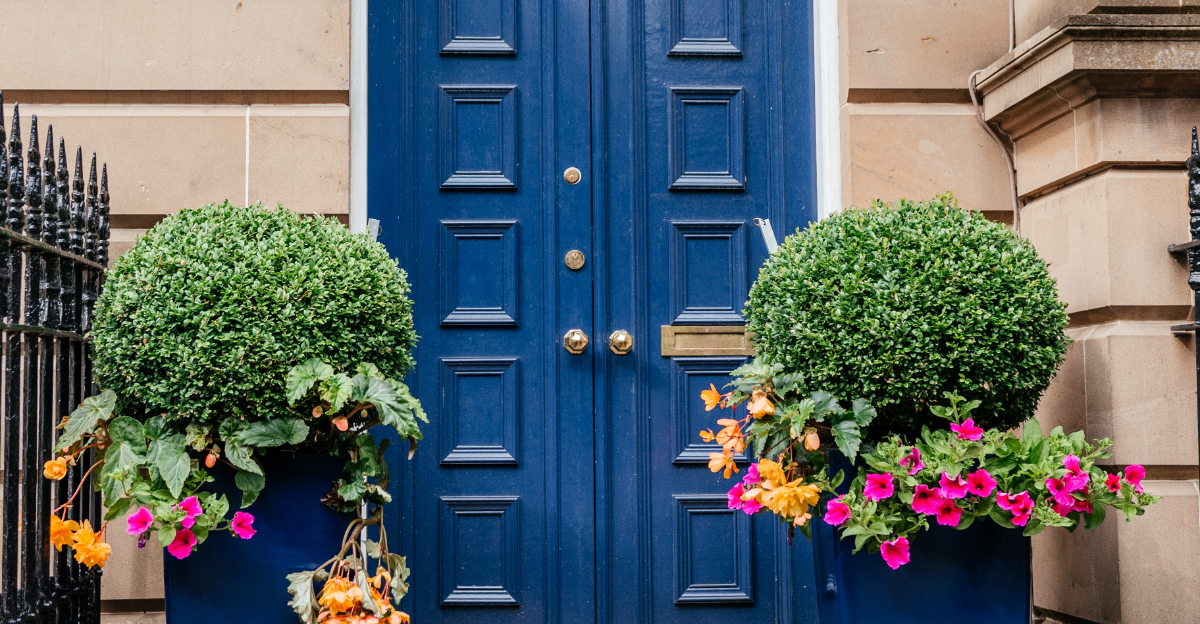
First impressions start before anyone knocks. Across Michigan, more homeowners are choosing boxwood to frame their entrances, and the appeal goes beyond simple curb appeal.
These evergreen shrubs keep their rich green color through changing seasons, giving the front of the home a clean, structured look even in the middle of winter. The result feels welcoming, polished, and easy to maintain year round.
Boxwood also fits well with Michigan’s climate when placed correctly. It handles cold weather better than many decorative shrubs, and its dense growth provides subtle protection from wind near entryways.
Many homeowners like how easily it can be shaped, whether kept natural or trimmed into a more formal style. Once established, it asks for very little attention.
For many, planting boxwood near the front door is about simplicity, structure, and a landscape that stays neat and inviting through every season.
Evergreen Structure Provides Year-Round Entryway Interest
Winter in Michigan strips most plants down to bare branches. Your entryway can look empty and uninviting for months at a time.
Boxwood keeps its rich green leaves through every season, giving your front door a polished appearance even when everything else looks dormant.
The dense foliage creates visual weight near your entrance. This matters because balance and structure make homes feel more welcoming.
While other shrubs lose their leaves and disappear into the background, boxwood stands proud and green against snowy landscapes.
Homeowners appreciate not having to stare at bare twigs all winter long. The consistent color lifts spirits during gray Michigan days. Your guests notice the effort you put into your landscape when they see thriving greenery in February.
Evergreen plants work harder for you than deciduous ones. They provide value twelve months a year instead of just during growing season.
Boxwood delivers that reliability without demanding special winter protection or complicated care routines that eat up your weekends.
Compact Growth Fits Entryway Spaces
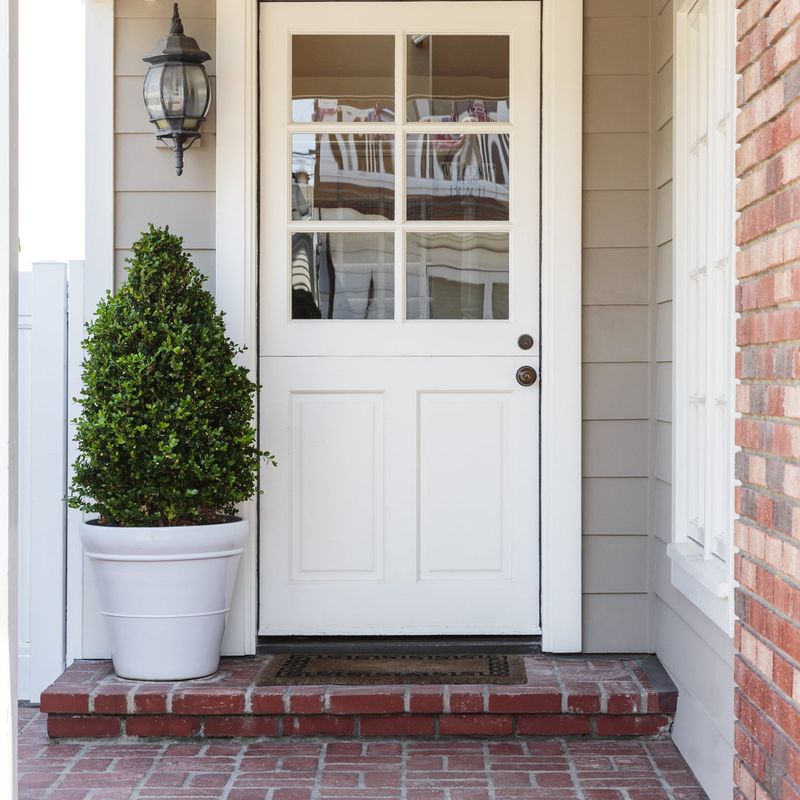
Most front door areas offer limited planting space. Sidewalks, driveways, and foundation walls leave narrow strips for landscaping.
Boxwood varieties grow slowly and stay manageable, making them perfect for these tight spots where larger shrubs would quickly become problems.
Many cultivars reach just two to four feet at maturity. This predictable size means you can plan your landscape with confidence. You will not wake up five years later to find overgrown shrubs blocking your windows or crowding your walkway.
The controlled growth habit saves you from constant pruning battles. While fast-growing shrubs demand attention every few weeks, boxwood lets you relax. A trim once or twice per season keeps them looking sharp without becoming a major project.
Small spaces near doorways need plants that respect boundaries. Boxwood roots stay relatively contained and do not aggressively spread into surrounding areas.
This polite behavior makes them ideal neighbors for walkways, foundation plantings, and other landscape features that need to coexist peacefully in limited square footage around your entrance.
Tolerates Regular Shaping And Maintenance
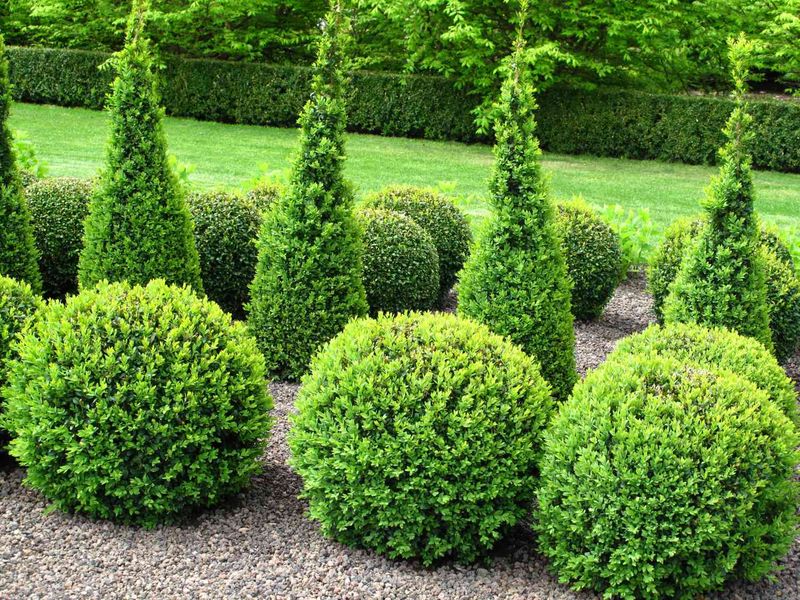
Creating the exact look you want takes flexibility from your plants. Boxwood responds beautifully to pruning, allowing you to sculpt specific shapes that match your home’s style.
Your Michigan Garden Changes Every Week. Your Plan Should Too.
Gardening in Michigan changes quickly throughout the season. Every Friday you’ll receive a simple weekly plan showing exactly what to plant, prune, fertilize, harvest, and protect so you never miss the right timing.
Whether you prefer rounded mounds, crisp rectangles, or traditional spheres, these shrubs cooperate with your vision.
The dense branching pattern fills in quickly after trimming. This means your mistakes or experimental cuts grow out without leaving permanent bare spots.
New gardeners gain confidence working with forgiving plants that bounce back from less-than-perfect pruning attempts.
Regular light trimming actually encourages fuller growth. Each cut stimulates new branches to form, creating even thicker foliage over time.
Your boxwood becomes more attractive with proper maintenance rather than suffering from it like some temperamental species do.
Formal landscapes depend on plants that hold their shape. Boxwood maintains crisp lines and defined edges better than most alternatives.
The fine-textured foliage creates smooth surfaces that look professionally maintained even when you handle the pruning yourself with basic tools and weekend afternoon effort.
Cold-Hardy Cultivars Survive Michigan Winters
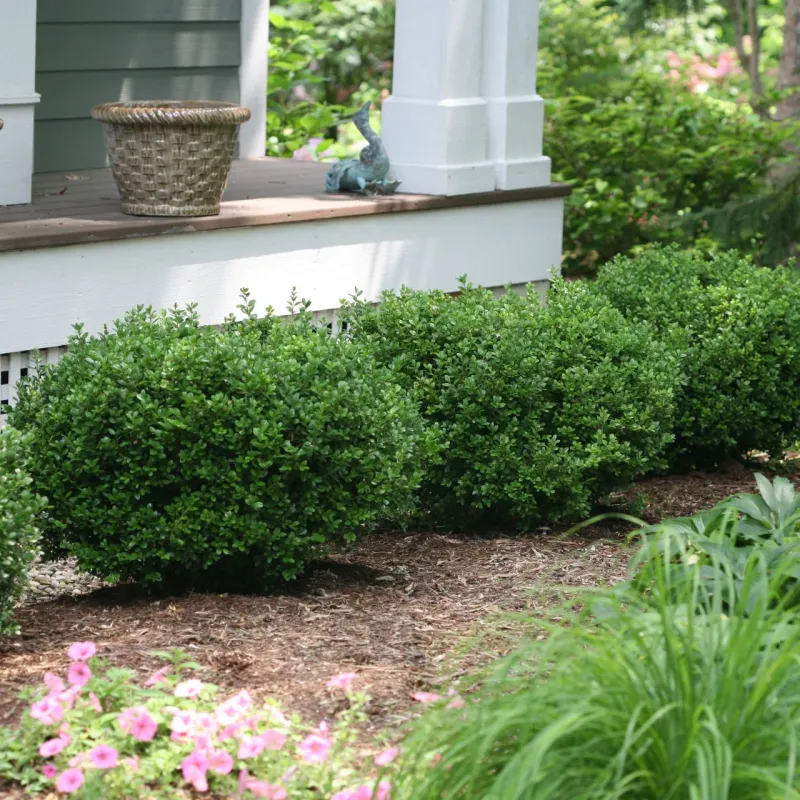
Not all boxwood varieties handle Michigan’s harsh winters equally well. Older cultivars sometimes suffer winterburn or branch dieback when temperatures plummet.
Modern breeding programs have changed this situation dramatically by developing varieties specifically selected for cold tolerance.
Green Velvet boxwood thrives in zone 4 conditions. This cultivar maintains its color through brutal cold snaps that damage lesser varieties.
Green Mountain offers similar toughness with a slightly different growth habit, giving homeowners options that match their specific landscape needs.
These improved varieties eliminate the gambling aspect of boxwood planting. You can invest in quality plants knowing they will survive February’s worst moods. The peace of mind matters when you are spending money and effort on permanent landscape features.
Winter survival depends on more than just genetics. Proper siting helps even hardy varieties perform their best.
Placing boxwood where they receive some winter sun but avoid harsh winds gives them the best chance. The right cultivar in the right spot creates a winning combination that lasts for decades.
Provides Wind Buffer Near Entryways
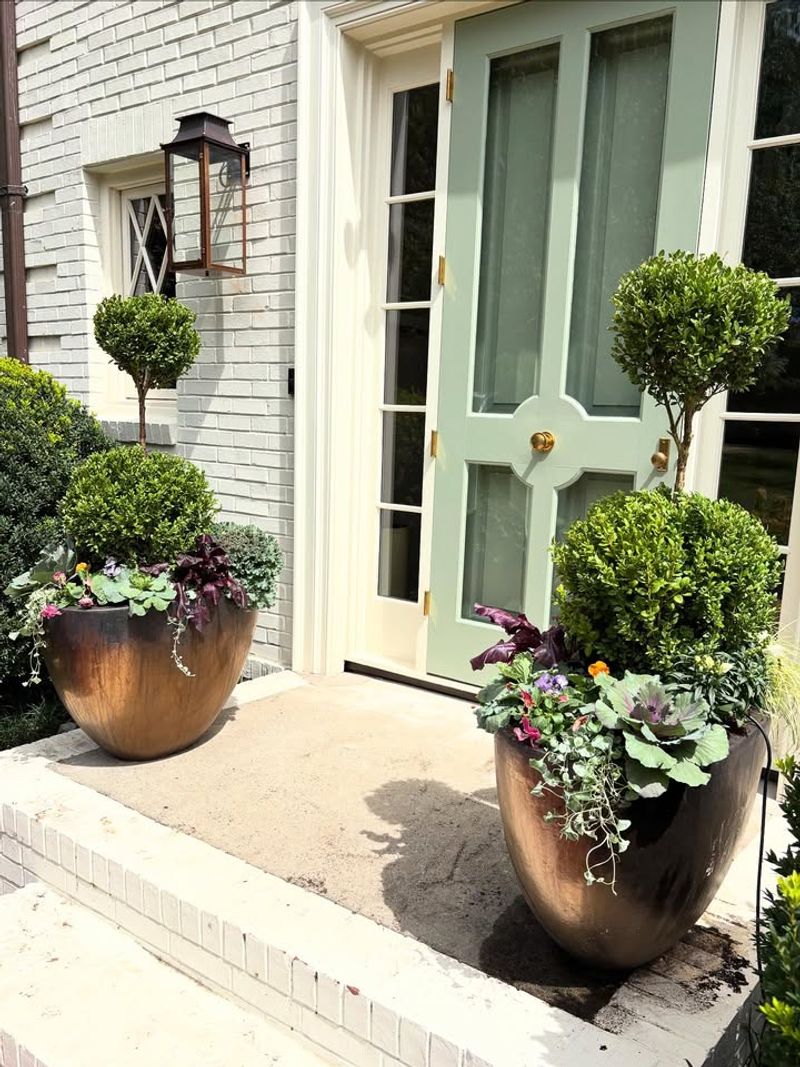
Michigan winds cut right through you during winter months. Your front entrance often catches the worst of it, creating uncomfortable blasts every time someone opens the door.
Strategic boxwood placement reduces this problem by disrupting wind patterns at ground level where it matters most.
The dense evergreen foliage acts like a living wall. Air currents hit the shrubs and lose momentum before reaching your doorway. This creates a noticeably calmer microclimate in the immediate area where people walk and gather.
Even modest plantings make a difference. A pair of boxwood flanking your entrance provides more wind protection than bare foundation walls.
The improvement becomes obvious on blustery days when you feel less wind chill while fumbling with keys or greeting visitors.
Wind protection benefits extend beyond human comfort. Reduced air movement around your entrance means less heat loss through the door. Your heating system works a bit less hard when landscaping helps block cold drafts.
The energy savings add up over a long Michigan winter, making boxwood an investment that pays ongoing dividends.
Works Well In Foundation Plantings
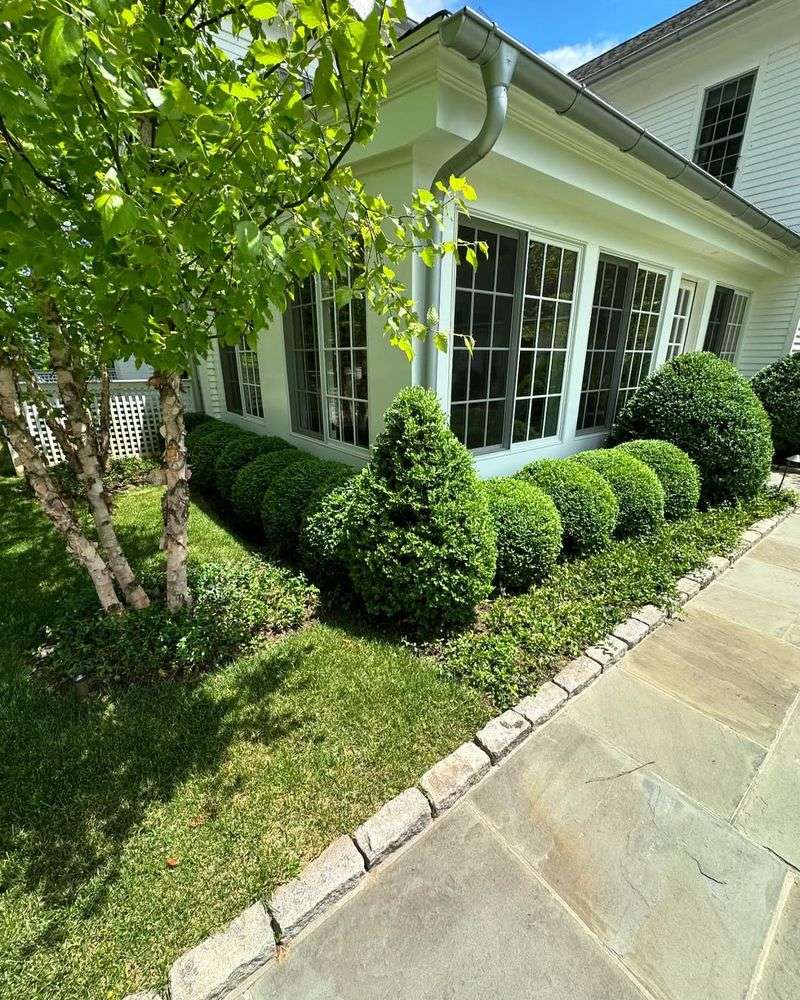
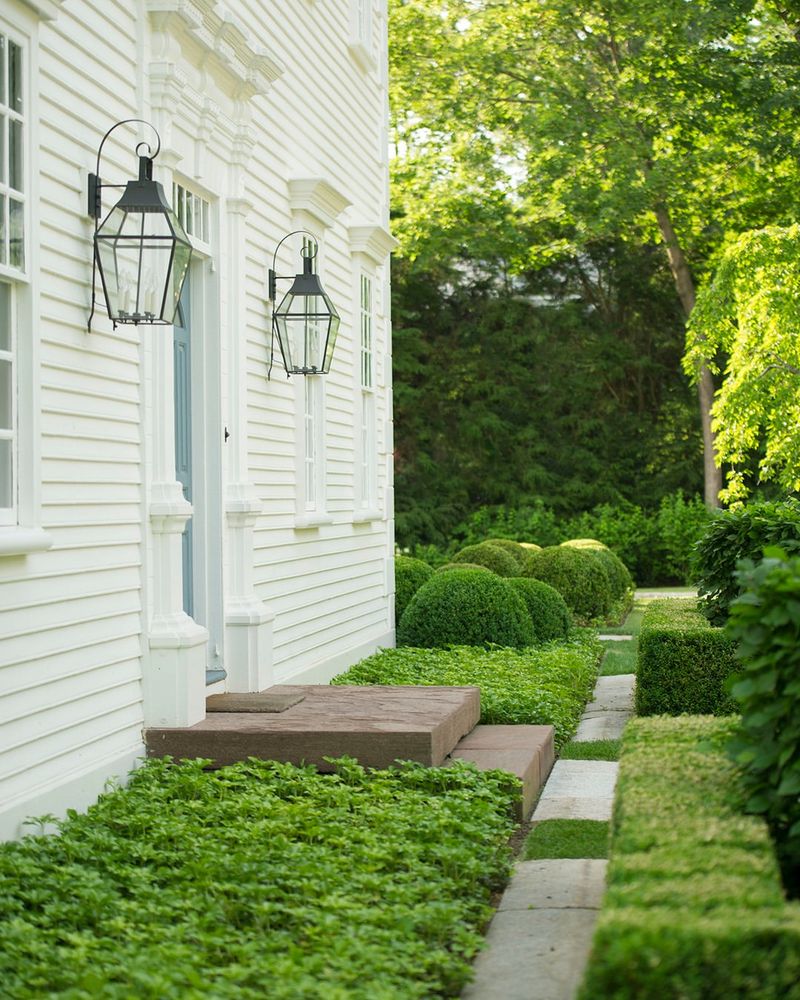
Foundation plantings connect your home to the surrounding landscape. This transition zone needs plants that look intentional and polished rather than random or wild.
Boxwood has filled this role for generations because its formal appearance naturally complements architectural lines and building materials.
The shrubs soften hard edges without hiding important features. Foundation walls, windows, and doorways remain visible while gaining a frame of living greenery.
This balance creates visual interest that feels planned and purposeful rather than accidentally overgrown.
Uniform growth habits simplify foundation design. When you plant multiple boxwood, they develop at similar rates and maintain consistent appearance. This predictability helps you create symmetrical arrangements or repeated patterns that tie your landscape together with professional-looking results.
Foundation areas present unique growing conditions. Reflected heat from walls, limited soil depth, and altered drainage challenge many plants.
Boxwood adapts to these quirks better than most alternatives, establishing successfully in spots where other shrubs struggle.
The reliability makes them a smart choice for this visible and important landscape zone that sets the tone for your entire property.
Tolerates Partial Shade Near Buildings
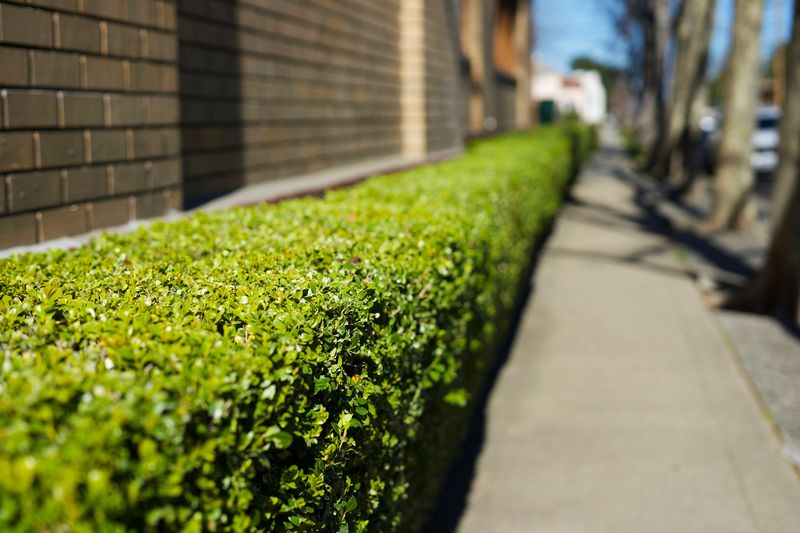
Buildings cast shadows that limit sunlight in nearby planting areas. Many shrubs demand full sun and struggle in these shaded zones.
Boxwood actually prefers some shade protection, making it perfectly suited for the light conditions found near most front entrances and foundation walls.
The adaptability to varying light levels gives you planting flexibility. North-facing entrances that never see direct sun can still support healthy boxwood.
East or west exposures that receive partial sun work equally well, eliminating the need to match specific plants to exact light measurements.
Too much intense sun can actually stress boxwood during summer. The partial shade near buildings provides natural protection from scorching afternoon rays. Your plants stay healthier with less intervention because the location itself creates ideal growing conditions.
Shade tolerance becomes especially valuable in established landscapes. Mature trees or neighboring structures often limit available sunlight around older homes.
Boxwood thrives where sun-loving alternatives would languish, giving you attractive options even when your site presents challenging light conditions that rule out other popular landscape shrubs.
Low Annual Maintenance Compared To Many Shrubs
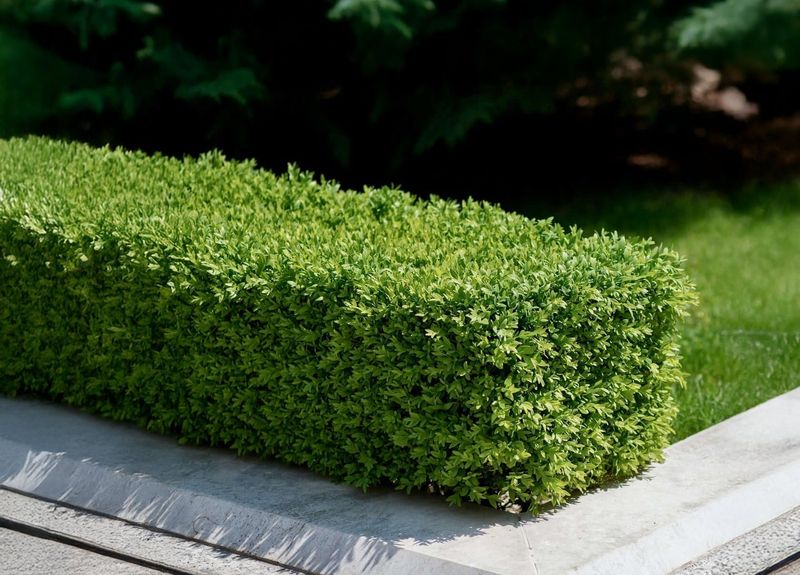
Busy homeowners need landscapes that look great without consuming every weekend. Boxwood delivers exactly this combination once the plants establish themselves.
The first year or two requires regular watering, but mature specimens become remarkably self-sufficient and undemanding.
Annual maintenance boils down to simple tasks. A light pruning in late spring shapes the plants and encourages dense growth. Occasional watering during extended dry spells keeps them happy.
Beyond these basics, boxwood mostly takes care of itself without constant fussing or complicated care schedules.
Compare this to high-maintenance alternatives that demand frequent attention. Some shrubs need multiple pruning sessions, special fertilizers, pest treatments, or winter protection.
Boxwood skips most of these headaches, giving you more time to enjoy your landscape instead of constantly working on it.
The long lifespan adds to the value proposition. Properly sited boxwood can thrive for decades with minimal intervention. You make the effort once during planting and then reap benefits for years.
This efficiency appeals to homeowners who want attractive results without adopting gardening as a part-time job that dominates their free time.
Deer Tend To Avoid Boxwood
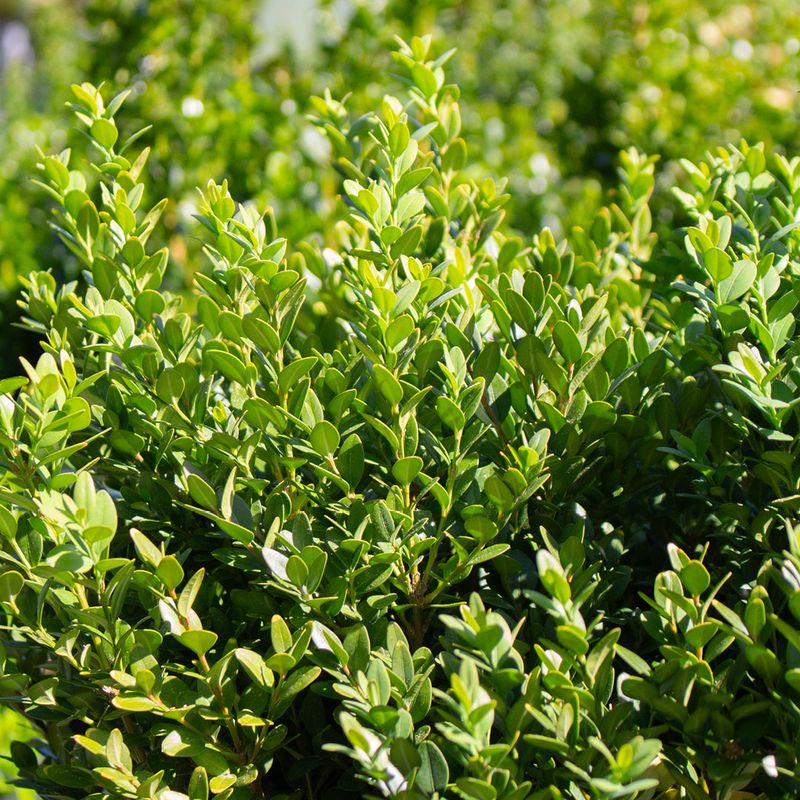
Deer pressure frustrates Michigan homeowners who watch their landscape investments get devoured overnight.
These persistent browsers munch through many popular shrubs, leaving ragged stubs where attractive plants once grew. Boxwood offers relief because deer generally find the foliage unappetizing and move on to more palatable options.
The leaves contain compounds that taste bitter to deer. While no plant is completely deer-proof, boxwood ranks high on the resistant list. Your front entrance plantings stand a much better chance of surviving intact when you choose species that deer naturally avoid.
This resistance becomes especially valuable near doorways. You want these visible areas looking their best since guests see them first. Replacing chewed shrubs repeatedly gets expensive and discouraging.
Boxwood lets you maintain consistent appearance without constantly replacing damaged plants.
Deer browsing patterns vary by location and season. Desperate animals will eat almost anything during harsh winters when food runs scarce. However, boxwood typically gets nibbled only as a last resort after preferred plants disappear.
This relative safety makes them a smart choice for areas where deer activity threatens other landscape options and limits your planting possibilities.
Creates Formal And Symmetrical Entry Design
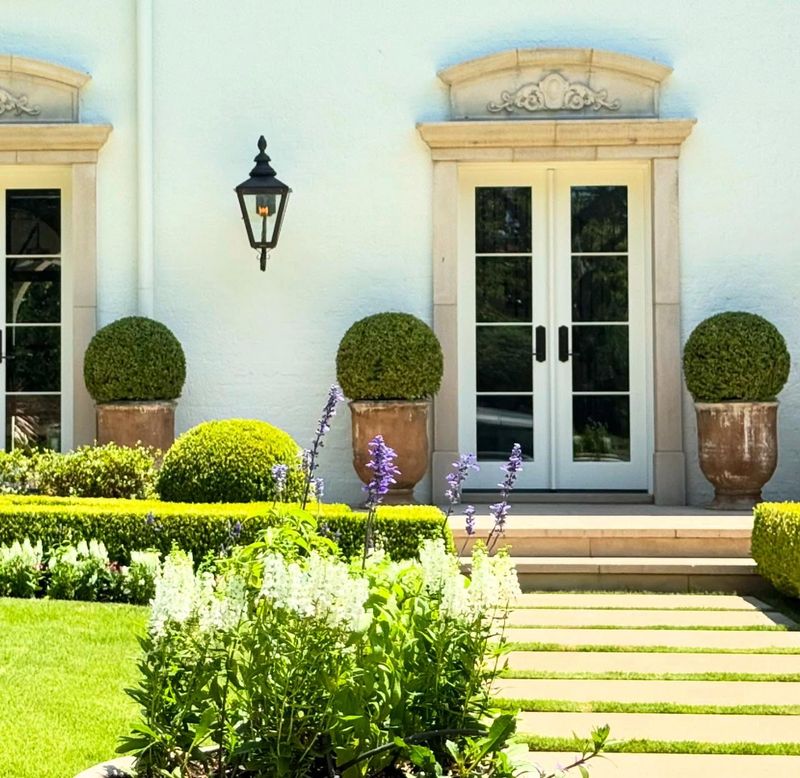
Symmetry creates instant visual appeal around entrances. The human eye naturally appreciates balanced arrangements that feel orderly and intentional.
Boxwood excels at forming these symmetrical designs because multiple plants grow uniformly and can be shaped to match each other precisely.
Traditional landscape design relies heavily on paired plantings. Two identical boxwood flanking your door create a welcoming frame that draws visitors toward the entrance.
This classic approach never goes out of style because the balanced composition feels inherently pleasing and appropriate for residential settings.
The fine texture and dense growth allow crisp geometric shapes. Spheres, cones, and rectangular forms emerge clearly from careful pruning.
These defined shapes contribute to the formal appearance that elevates your home’s curb appeal and creates a polished first impression.
Formal design does not mean stuffy or outdated. Modern interpretations use boxwood in clean, minimalist arrangements that feel contemporary. The versatility lets you adapt the plants to various architectural styles, from colonial to craftsman to modern farmhouse.
Consistent form and reliable performance make boxwood the foundation plant for structured landscapes that stand the test of time.