10 Self-Seeding Plants Ohio Gardeners Plant Once And Enjoy For Years
Last spring you probably stepped into your yard, looked at bare beds, and felt that familiar thought creeping in. Here we go again.
More plants to buy, more holes to dig, more money and time just to rebuild what winter erased.
But what if I told you there are plants that return on their own, scatter their seeds, and quietly fill your garden year after year without constant replanting.
In that moment, the garden stops feeling like a chore and starts feeling alive. Self seeding plants change how a garden grows, turning one good season into many.
They settle in, survive Ohio winters, and come back stronger with time. Pollinators find them, birds use their seeds, and empty spaces slowly fill with life.
Plant them once, give them space, and watch your garden begin to renew itself naturally with less work and more reward.
1. Black-Eyed Susan Brightens Ohio Gardens Year After Year
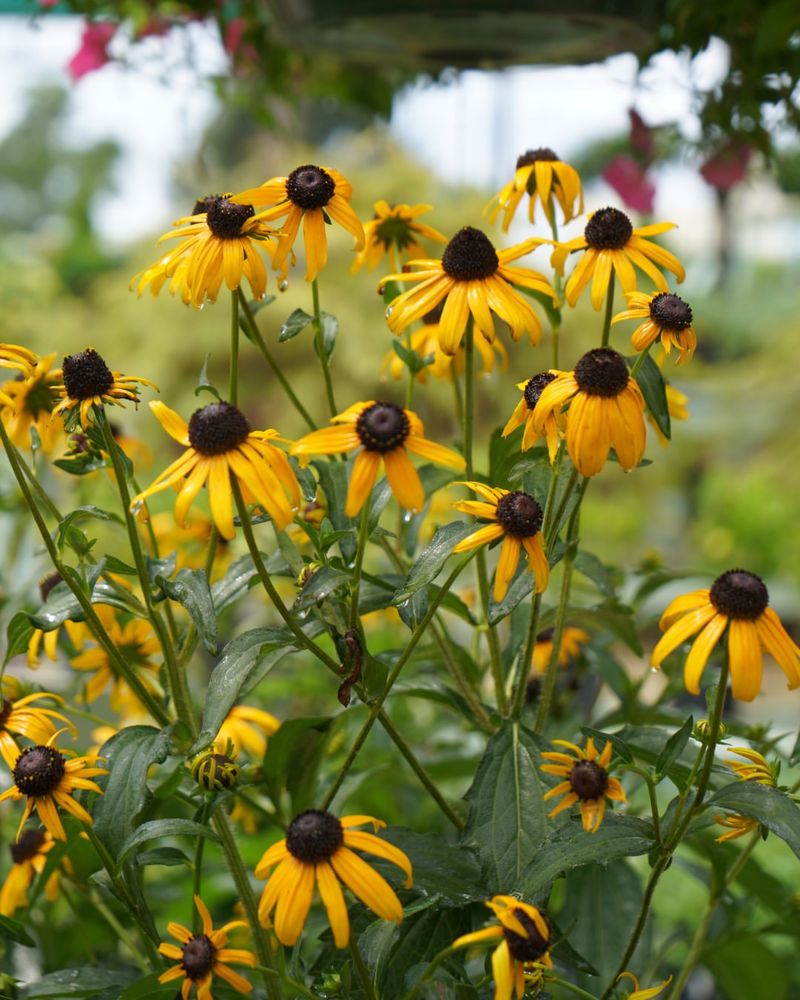
Golden petals surrounding chocolate-brown centers make Black-Eyed Susans one of Ohio’s most recognizable wildflowers. Rudbeckia hirta grows naturally across the state, thriving in full sun and average soil without any special treatment.
Once established, these blooms can produce many seeds, some of which may germinate the following spring depending on soil conditions.
Butterflies and bees visit these flowers constantly from June through September, making your garden a pollinator haven. The sturdy stems stand up to Ohio’s summer storms and rarely need staking.
Songbirds appreciate the seed heads left standing through winter, providing natural food when resources are scarce.
Plant them in sunny borders, meadow gardens, or along fences where they can naturalize freely. They tolerate clay soil and occasional drought once their roots grow deep.
Deadheading extends blooming but prevents self-seeding, so leave some flowers to mature if you want volunteers.
New seedlings often appear in spring, filling gaps and creating a carefree display. You might need to thin overcrowded areas, but that’s easily done by pulling extras while they’re young.
Black-Eyed Susans work beautifully with ornamental grasses and other prairie natives, creating low-maintenance combinations that look better each year.
2. Purple Coneflower Returns Reliably With Pollinator Power
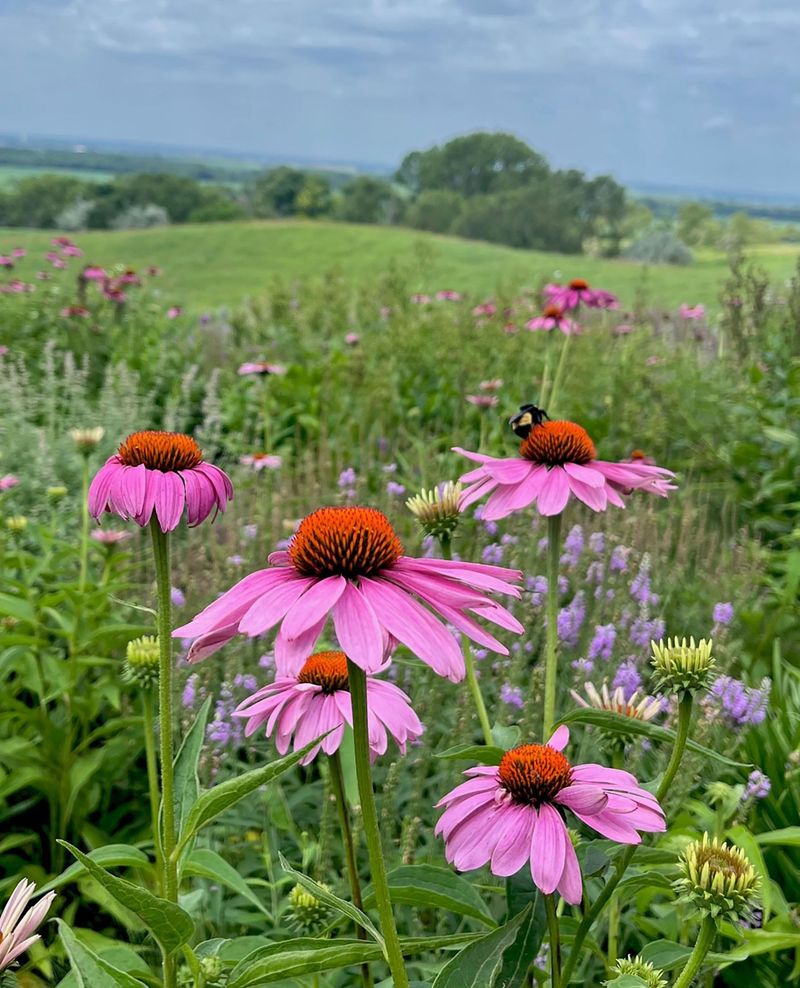
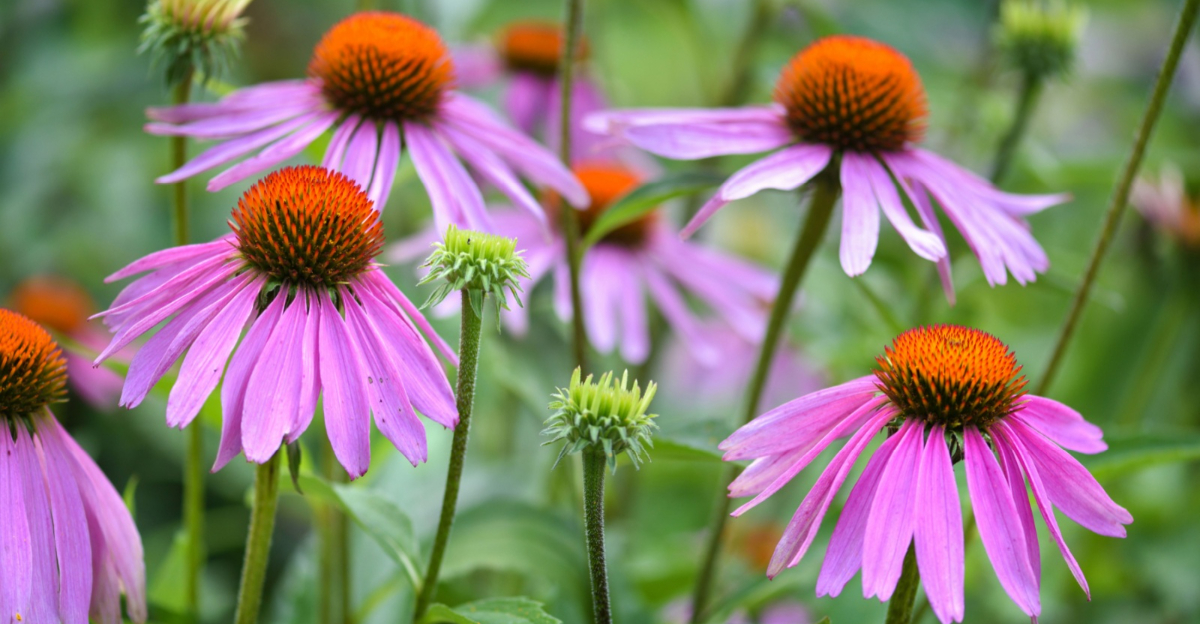
Echinacea purpurea stands as a garden workhorse that comes back stronger each season. Native to Ohio prairies, these tough perennials produce distinctive flowers with drooping pink-purple petals surrounding prominent orange cones.
Goldfinches flock to mature seed heads, performing acrobatic feeding displays throughout fall and winter.
The plants self-seed generously in sunny spots with well-drained soil, creating natural-looking groupings without becoming invasive. Seedlings often appear several feet from parent plants, carried by birds or scattered by wind.
Young plants bloom in their second year, quickly adding to your garden’s floral abundance.
Purple Coneflowers handle Ohio’s clay soil better than many perennials, though they appreciate some organic matter mixed in at planting. They rarely suffer from disease and deer usually leave them alone.
The long bloom period from July through September provides consistent nectar for butterflies, bees, and hummingbirds.
Allow some flower heads to mature completely rather than deadheading everything, giving seeds time to ripen and drop. The architectural seed cones add winter interest while feeding wildlife.
Your Ohio Garden Changes Every Week. Your Plan Should Too.
Gardening in Ohio changes quickly throughout the season. Every Friday you’ll receive a simple weekly plan showing exactly what to plant, prune, fertilize, harvest, and protect so you never miss the right timing.
Divide established clumps every few years if they become crowded, but volunteers typically provide all the new plants you need for expanding your display.
3. Lanceleaf Coreopsis Spreads Sunshine Across The Garden
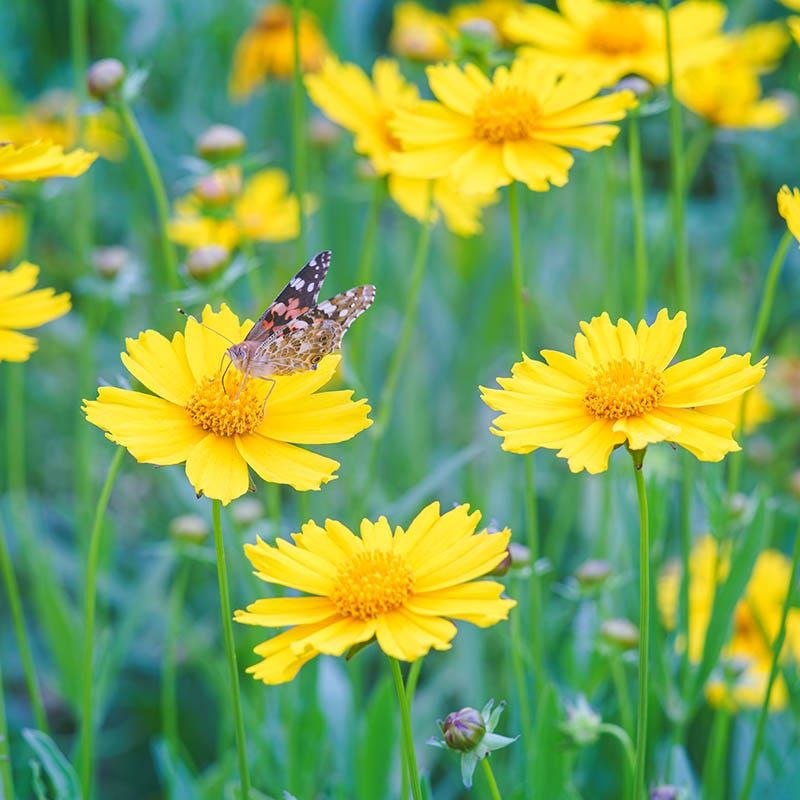
Waves of sunny yellow flowers appear on Coreopsis lanceolata from late spring through summer, lighting up Ohio gardens with cheerful color. This native perennial produces abundant seeds that germinate readily, slowly expanding clumps over time.
The narrow leaves stay low while flower stems reach up to two feet, creating an airy, naturalistic effect.
Lanceleaf Coreopsis tolerates poor soil and drought better than most flowering perennials, making it ideal for challenging spots. Sandy or gravelly areas where other plants struggle become perfect homes for this adaptable native.
Butterflies visit constantly, and the extended bloom season keeps them coming back.
Seeds drop close to parent plants, gradually widening clumps and filling gaps between other perennials. You can also collect ripe seeds easily and scatter them wherever you want new plants.
Germination happens quickly in spring when soil warms, and seedlings grow fast enough to bloom their first year.
Shearing plants back after the first flush of flowers encourages reblooming and prevents excessive self-seeding if you want more control. However, letting some seeds mature ensures future generations.
The plant’s carefree nature and long-lasting flowers make it perfect for cottage gardens, meadows, and mixed borders throughout Ohio.
4. Wild Columbine Reseeds Gracefully In Shaded Spaces
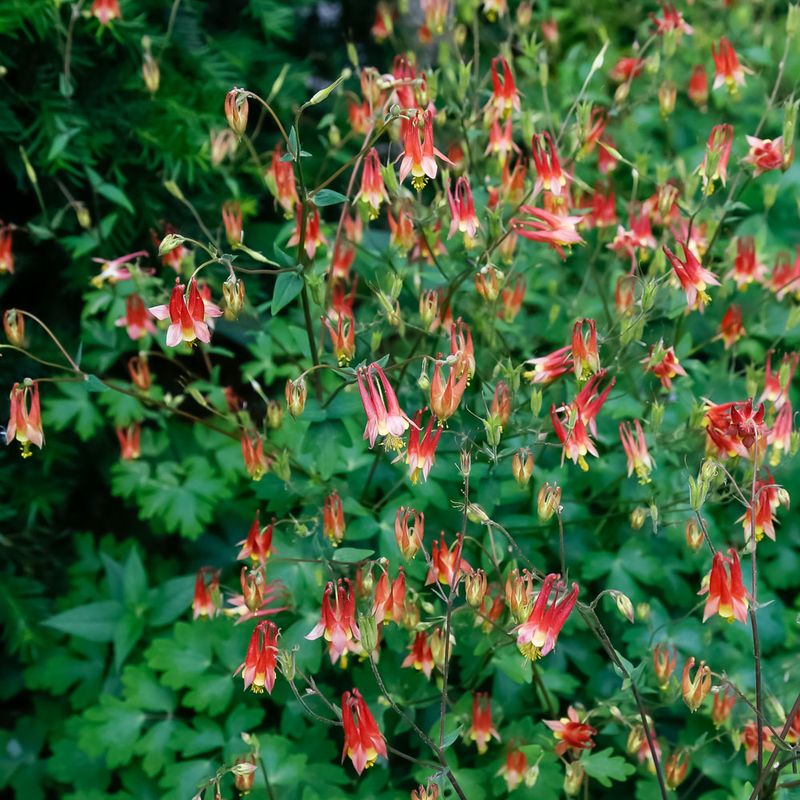
Delicate red and yellow blooms dangle like tiny lanterns from Aquilegia canadensis, bringing hummingbirds to shaded Ohio gardens. This woodland native thrives in part shade to full shade, filling spaces under trees where most flowering plants fail.
The distinctive spurred flowers appear in April and May, providing early nectar when pollinators need it most.
Wild Columbine self-seeds enthusiastically in woodland settings, appearing in crevices, along paths, and between rocks with charming spontaneity. The ferny foliage remains attractive after flowering, forming neat mounds that complement hostas and ferns.
Seeds ripen quickly and scatter nearby, creating naturalistic drifts over time.
Plant it once in humus-rich soil with good drainage, and it establishes permanent populations that require zero maintenance. Seedlings pop up in spring, growing quickly to blooming size.
The plant’s ability to seed into gravel paths and stone walls adds cottage garden charm to shaded areas.
Ruby-throated hummingbirds visit these flowers obsessively during spring migration, making your shade garden an important refueling stop. Bumblebees also work the blooms efficiently.
The plant goes dormant by midsummer in dry conditions but reappears reliably each spring. Allow seedpods to mature and split open naturally for best self-seeding results in your Ohio landscape.
5. Common Milkweed Comes Back And Supports Wildlife
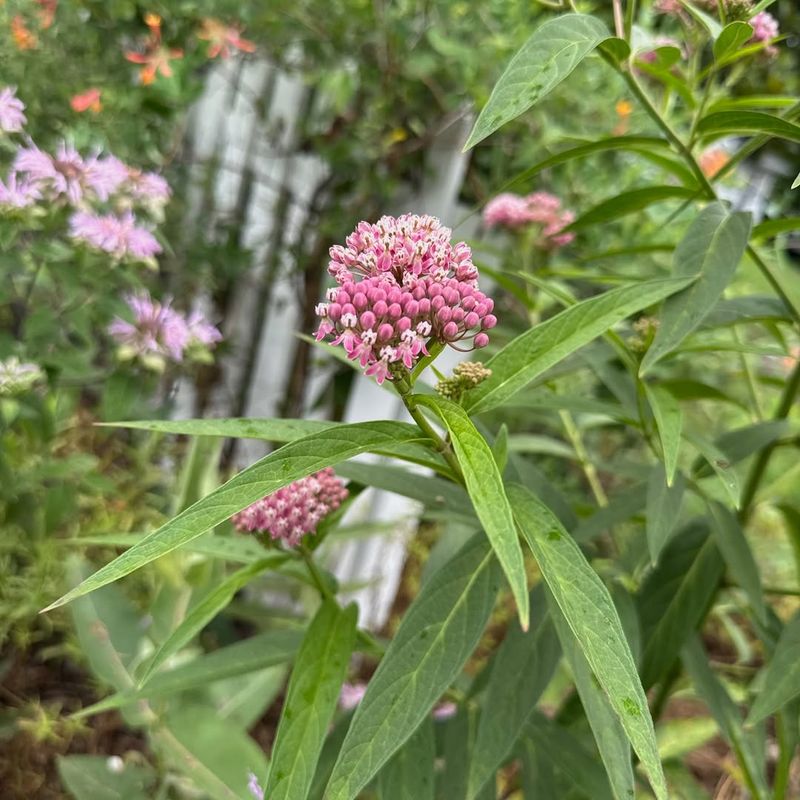
Asclepias syriaca provides essential habitat for monarch butterflies while creating self-sustaining colonies in sunny Ohio gardens. The fragrant pink flower clusters attract numerous pollinators from June through August, buzzing with activity on warm days.
Monarch caterpillars feed exclusively on milkweed leaves, making this plant critical for their survival.
Once established, Common Milkweed spreads primarily through underground rhizomes and also by seed, which can make it vigorous in smaller garden spaces. The plant’s natural spreading habit fills large areas over several years, best suited for meadow gardens or larger spaces where spreading is welcome.
Seeds germinate readily in disturbed soil, creating new plants wherever fluffy seedpods release their cargo.
Give this vigorous native plenty of room in full sun and average soil. It grows four to six feet tall with substantial presence, so place it where spreading won’t cause problems.
The plant tolerates clay soil and drought, typical conditions in many Ohio yards.
Seed pods split open in fall, releasing hundreds of seeds that float on autumn breezes. Collecting pods before they open lets you control distribution, planting seeds exactly where you want new colonies.
Goldfinches use the silky floss for nest building, adding another wildlife benefit. The plant’s ability to regenerate from roots means it returns faithfully each spring, expanding your butterfly habitat year after year.
6. Butterfly Weed Thrives In Dry Sunny Ohio Soil
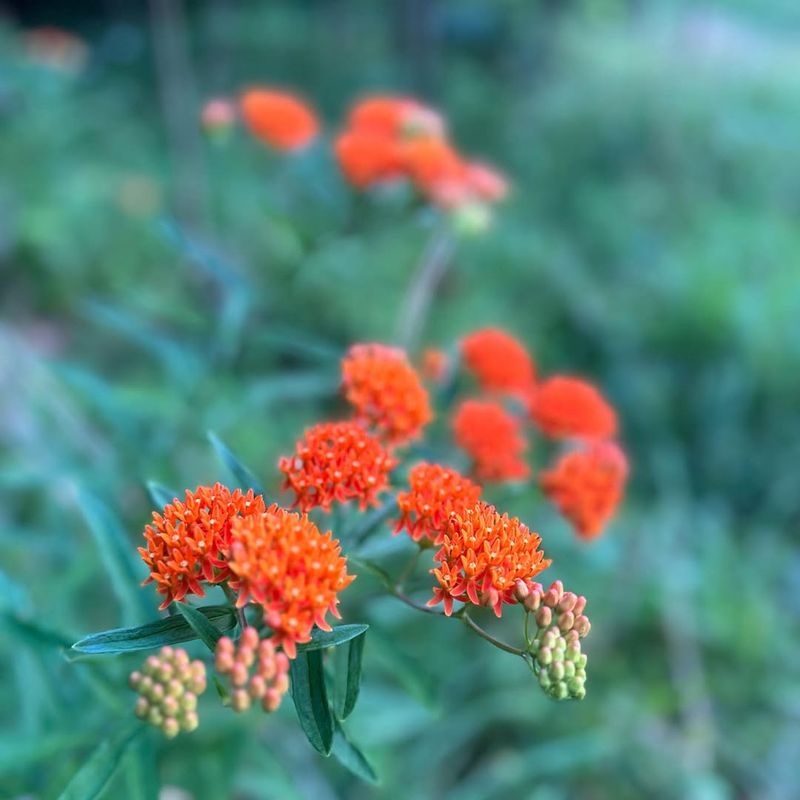
Brilliant orange flower clusters make Asclepias tuberosa impossible to miss in summer gardens. This milkweed cousin loves hot, dry conditions and sandy or gravelly soil where other plants struggle.
Native throughout Ohio, it produces abundant seeds in distinctive upright pods that split to release parachute-equipped seeds in fall.
Butterflies mob these flowers from July through September, with monarchs, swallowtails, and fritillaries competing for nectar. The plant’s deep taproot makes it extremely drought-tolerant once established, surviving Ohio’s driest summers without supplemental water.
Unlike Common Milkweed, Butterfly Weed stays compact and doesn’t spread aggressively through roots.
Self-seeding may occur, though it can be slow or inconsistent in some gardens. Seeds need cold stratification to germinate, so they overwinter naturally and sprout in spring warmth.
Seedlings grow slowly their first year, developing strong roots before producing flowers in year two.
Plant Butterfly Weed in full sun with excellent drainage for best results. Clay soil amended with sand or gravel works well, mimicking the lean conditions it prefers.
The plant rarely needs division and resents root disturbance, so let volunteers establish where they choose. Leaving dried stems standing through winter provides visual interest and protects seeds until spring.
Your initial planting gradually expands into colorful colonies that support countless butterflies.
7. Wild Bergamot Fills Gardens With Color And Bees
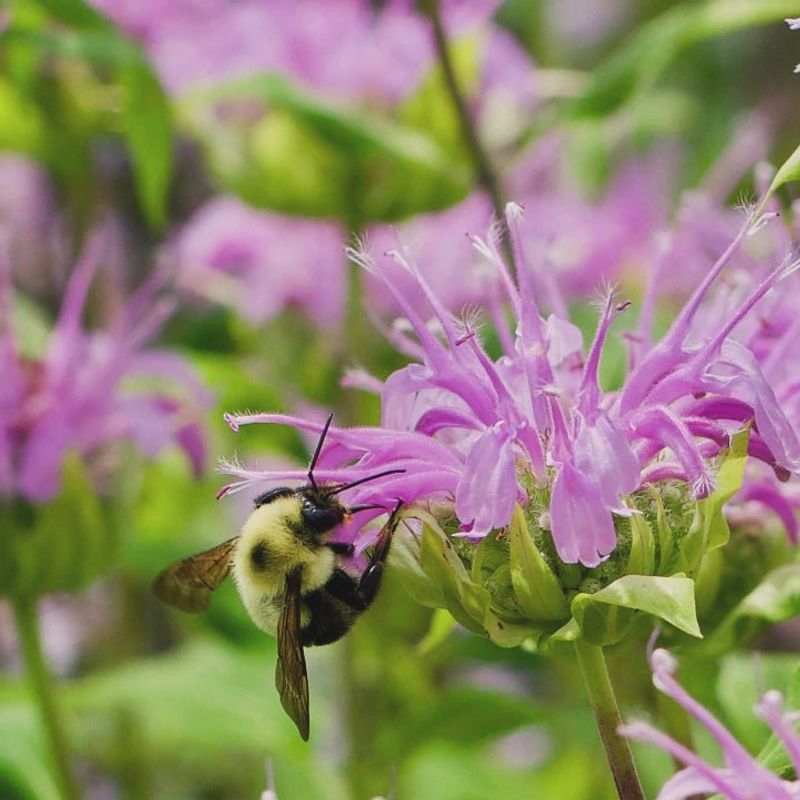
Fragrant lavender-pink blooms cover Monarda fistulosa from July through August, creating a magnet for bees and butterflies. This Ohio native perennial releases minty fragrance when leaves are brushed, adding sensory appeal to gardens.
The distinctive shaggy flowers sit atop sturdy stems that reach three to four feet, creating substantial presence in sunny borders.
Wild Bergamot self-seeds readily in well-drained soil and full sun, with seedlings appearing around parent plants each spring. The plant also spreads slowly through shallow rhizomes, forming expanding clumps over time.
Seeds drop from dried flower heads throughout winter, germinating when conditions warm.
Bumblebees especially love these flowers, working them tirelessly for nectar and pollen. Hummingbirds visit regularly, and the plant’s long bloom period provides consistent resources.
Wild Bergamot tolerates clay soil and handles Ohio’s humidity better than many garden varieties, though powdery mildew can still occur in humid conditions.
Let flower heads stand after blooming to allow seeds to mature and scatter naturally. The architectural dried stems add winter interest while providing seeds for birds.
Thin overcrowded seedlings in spring, transplanting extras to new locations or sharing with neighbors. The plant’s combination of beauty, fragrance, and pollinator value makes it indispensable in low-maintenance Ohio gardens.
Volunteers fill gaps and create naturalistic drifts that look better each season.
8. Ohio Spiderwort Reseeds And Expands Naturally
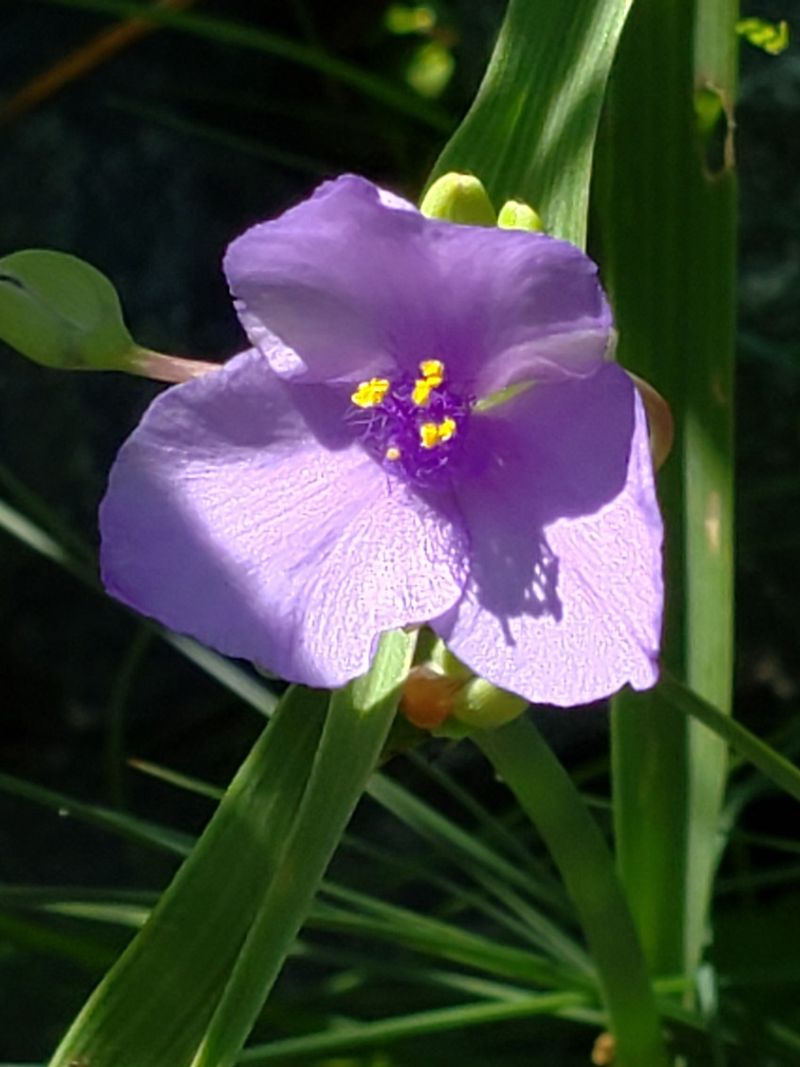
Three-petaled blue flowers open each morning on Tradescantia ohiensis, creating a charming display that lasts from May through July. This Ohio native perennial produces grass-like foliage that forms attractive clumps in partial to full sun.
Individual flowers last just one day, but plants produce so many buds that fresh blooms appear continuously for weeks.
Spiderwort may self-seed lightly in suitable conditions, though it more commonly spreads by gradual clump expansion. The plant also spreads through its fibrous roots, gradually expanding clumps without becoming aggressive.
Seeds drop from small capsules that form after flowers fade, scattering close to parent plants.
Native bees visit these flowers enthusiastically in morning hours when blooms are open. The foliage remains presentable through summer, especially in locations with consistent moisture.
Spiderwort tolerates clay soil and adapts to various light conditions, from bright shade to full sun.
Cutting plants back after flowering prevents excessive self-seeding and encourages fresh foliage growth. However, allowing some seeds to mature ensures new plants for expanding your display.
Volunteers appear reliably around established clumps, filling spaces naturally. The plant’s adaptability makes it useful for difficult spots where soil stays damp or drainage is poor.
Ohio Spiderwort works beautifully in woodland edges, rain gardens, and informal borders throughout the state.
9. Partridge Pea Reseeds Effortlessly Every Season
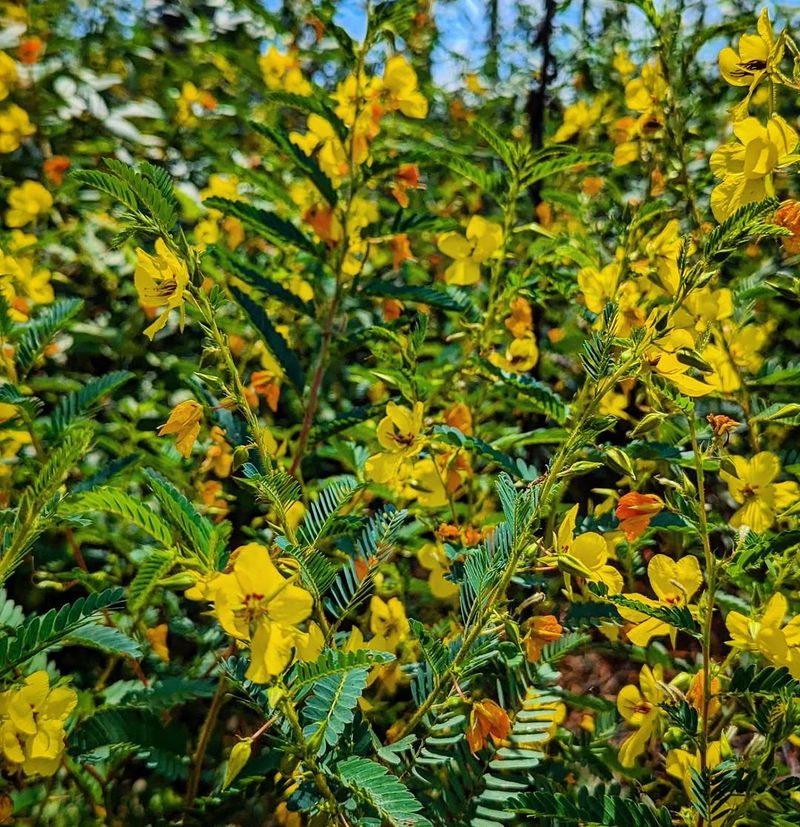
Cheerful yellow flowers with red centers appear on Chamaecrista fasciculata throughout summer, attracting native bees and butterflies. This native annual grows quickly from seed, reaching two to three feet tall with ferny compound leaves.
Each plant produces numerous flowers followed by abundant seed pods that snap open when ripe, scattering seeds several feet away.
Partridge Pea self-seeds so reliably that one planting creates permanent populations in sunny, well-drained locations. Seeds germinate in spring when soil warms, and plants grow rapidly to flowering size.
The annual life cycle means plants complete their growth in one season, but seeds ensure continuous presence year after year.
Bumblebees collect pollen from these flowers in a fascinating behavior, vibrating their bodies to shake pollen loose. Sulfur butterflies and other species visit regularly for nectar.
Game birds and songbirds eat the nutritious seeds, adding wildlife value.
Plant Partridge Pea in full sun with lean to average soil for best results. It thrives in sandy or gravelly conditions and handles drought well once established.
The plant fixes nitrogen through root nodules, actually improving soil for neighboring plants. Allow seed pods to mature and scatter naturally, ensuring next year’s display.
Volunteers appear reliably without any effort, creating naturalistic drifts that change slightly each season while maintaining continuous presence in your Ohio garden.
10. Golden Alexanders Welcome Spring And Return Each Year
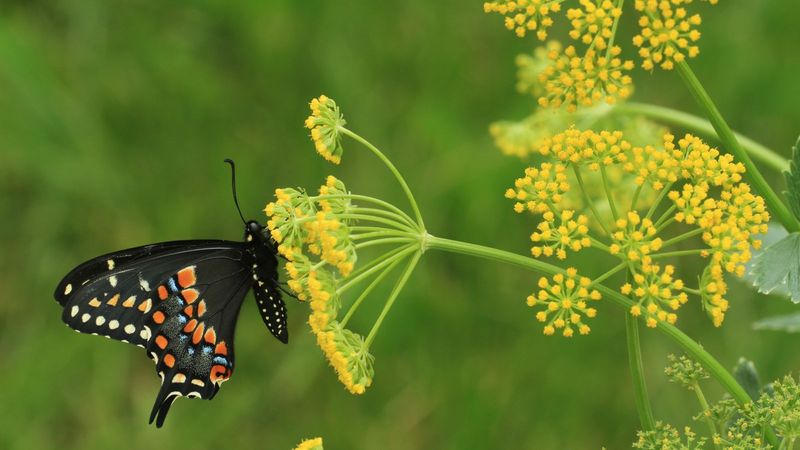
Bright yellow flower clusters announce spring’s arrival on Zizia aurea, one of Ohio’s earliest native bloomers. This perennial produces flat-topped umbels of tiny golden flowers in April and May, providing crucial nectar when few other plants are flowering.
The glossy divided leaves remain attractive through summer, creating neat mounds that complement other perennials.
Golden Alexanders self-seeds moderately in moist to average soil and partial shade to full sun. Seeds ripen in small dry fruits that drop close to parent plants, sometimes forming small naturalized patches over time.
Seedlings establish easily in spring, growing into blooming-size plants within two years.
Black swallowtail butterflies lay eggs on the foliage, making this plant an important host for caterpillars. Native bees visit flowers enthusiastically during the critical early season period.
The plant tolerates clay soil and adapts to various moisture levels, from rain garden edges to drier borders.
Plant Golden Alexanders in locations with morning sun and afternoon shade for best performance in Ohio gardens. It pairs beautifully with spring ephemerals and early bulbs, extending seasonal interest.
Allow seed heads to mature naturally rather than cutting plants back immediately after flowering. Volunteers appear around established plants, gradually filling spaces with golden spring color.
The plant’s reliable return and early bloom time make it invaluable for supporting pollinators when they need resources most.
Beware that self-seeding varies depending on soil disturbance, mulch, weather, and competition from other plants. Some species may spread aggressively, while others reseed lightly or inconsistently.