When And How Michigan Gardeners Prune Hellebores For Best Results
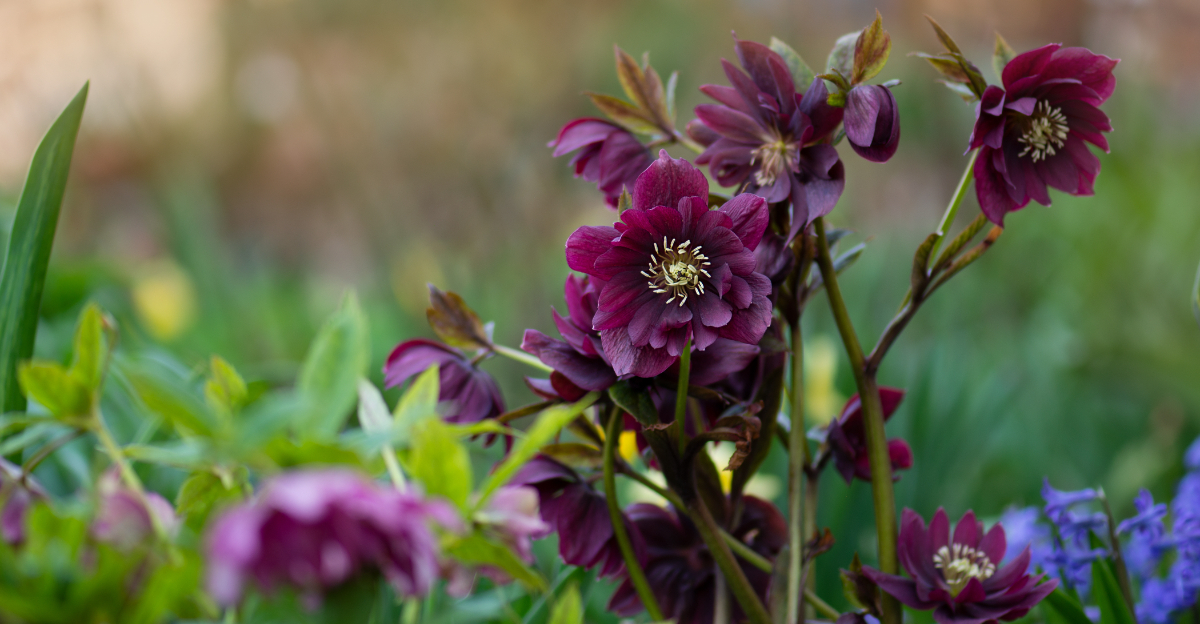
Hellebores are often the first flowers to wake up while winter is still fading. Across Michigan, gardeners rely on these early bloomers to bring life back into the garden when little else is growing.
Their flowers push through cold soil, sometimes even through late snow, which makes proper pruning important for both appearance and plant health as the season begins.
Most gardeners focus on removing last year’s worn or damaged leaves in late winter, just before new growth fully emerges. Clearing old foliage improves airflow, reduces the chance of disease, and allows fresh flowers to stand out without obstruction.
The process is gentle rather than heavy, since the goal is to tidy the plant and support healthy new growth, not to reshape it completely. Timing matters, especially with Michigan’s unpredictable late cold spells.
With careful pruning, hellebores stay cleaner, bloom more clearly, and return each year looking stronger and more vibrant.
Prune Old Leaves In Late Winter Before New Growth Appears
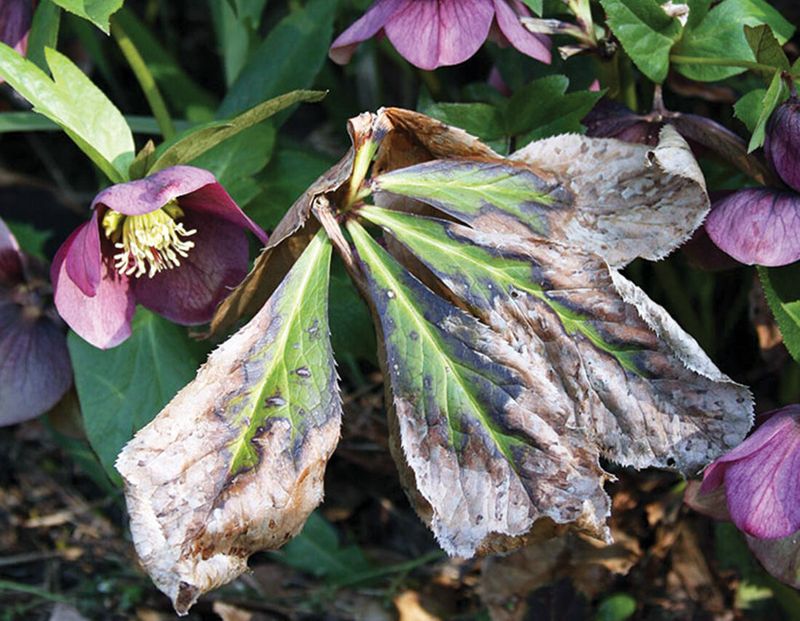
Late winter marks the perfect moment to refresh your hellebores and prepare them for their spring show. As February turns to March in Michigan, old foliage begins looking worn and tattered from months of snow and ice.
This timing lets you clear away last year’s growth right before fresh shoots push through the soil.
Removing aged leaves serves multiple purposes beyond just appearance. Better air circulation around the plant base helps prevent fungal problems that thrive in damp spring conditions.
You also get a clearer view of those gorgeous nodding blooms that would otherwise hide beneath a canopy of old foliage.
Watch for signs that pruning time has arrived. Look for small green shoots poking up from the crown or flower buds starting to swell.
These signals mean your plant is waking up and ready for its annual haircut. Extension experts suggest this approach because it protects emerging growth while removing potential disease harbors.
The old leaves have done their job feeding the plant through winter. Now they can go, making room for the spectacular floral display ahead.
Your hellebores will reward this careful attention with better blooms and healthier growth throughout the coming season.
Avoid Cutting New Flower Stems
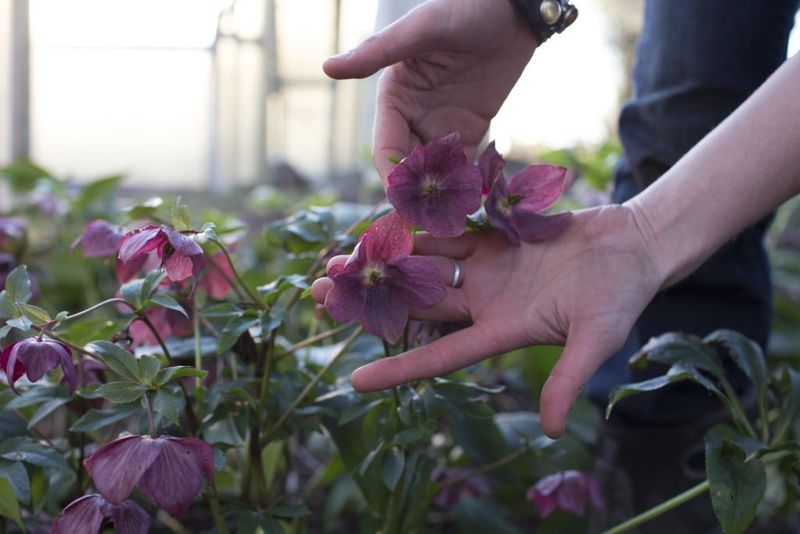
Flower stems deserve your protection during any pruning session. Unlike some perennials that bloom on new wood, hellebores produce their flowers on growth that formed the previous season.
Each stem carries the potential for weeks of beautiful blooms that brighten those gray late-winter days.
Learning to tell flower stems from leaf stalks takes just a moment of observation. Flower stems emerge directly from the crown and carry buds or blooms at their tips.
They often have a slightly different color and texture than foliage stems, appearing smoother and sometimes tinged with pink or burgundy.
Many gardeners make the mistake of cutting everything back at once. This enthusiastic approach can remove all the flowers your plant worked so hard to produce.
Take your time identifying what needs removal and what should stay put. The blooming cycle depends entirely on these stems remaining intact. Each one represents months of energy storage and development within the plant.
Your Michigan Garden Changes Every Week. Your Plan Should Too.
Gardening in Michigan changes quickly throughout the season. Every Friday you’ll receive a simple weekly plan showing exactly what to plant, prune, fertilize, harvest, and protect so you never miss the right timing.
Cutting them means sacrificing the current year’s floral show and potentially weakening your hellebore’s vigor for seasons to come.
Handle these precious stems with care, working around them as you remove old foliage, and you’ll enjoy the full spectacular display nature intended.
Remove Damaged Or Diseased Foliage Promptly
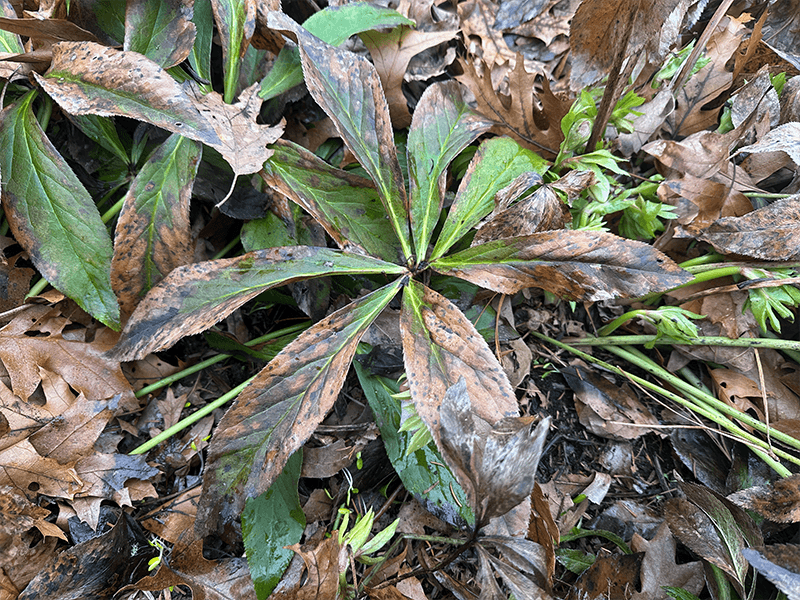
Spotting trouble early keeps your hellebores thriving through Michigan’s unpredictable spring weather.
Damaged or diseased leaves stand out with brown spots, black patches, or wilted appearance that differs from normal seasonal aging. These problem leaves need prompt removal regardless of the calendar.
Fungal issues love the cool, moist conditions that define Michigan springs. Rain, melting snow, and morning dew create perfect environments for leaf spot and other diseases to spread.
Removing affected foliage interrupts this cycle before problems multiply across your entire plant.
Check your hellebores regularly throughout the growing season, not just during the main pruning window. A quick inspection every couple weeks helps you catch issues while they’re still minor.
Pull away mulch occasionally to examine the crown area where moisture tends to collect. The benefits extend beyond disease control. Better airflow around healthy leaves means they dry faster after rain or irrigation.
This simple improvement dramatically reduces the chance of new infections taking hold. Your plant can focus energy on producing gorgeous blooms rather than fighting off pathogens.
Clean, healthy foliage also photosynthesizes more efficiently, building stronger roots and more robust growth for future seasons in your garden.
Use Clean, Sharp Pruning Tools
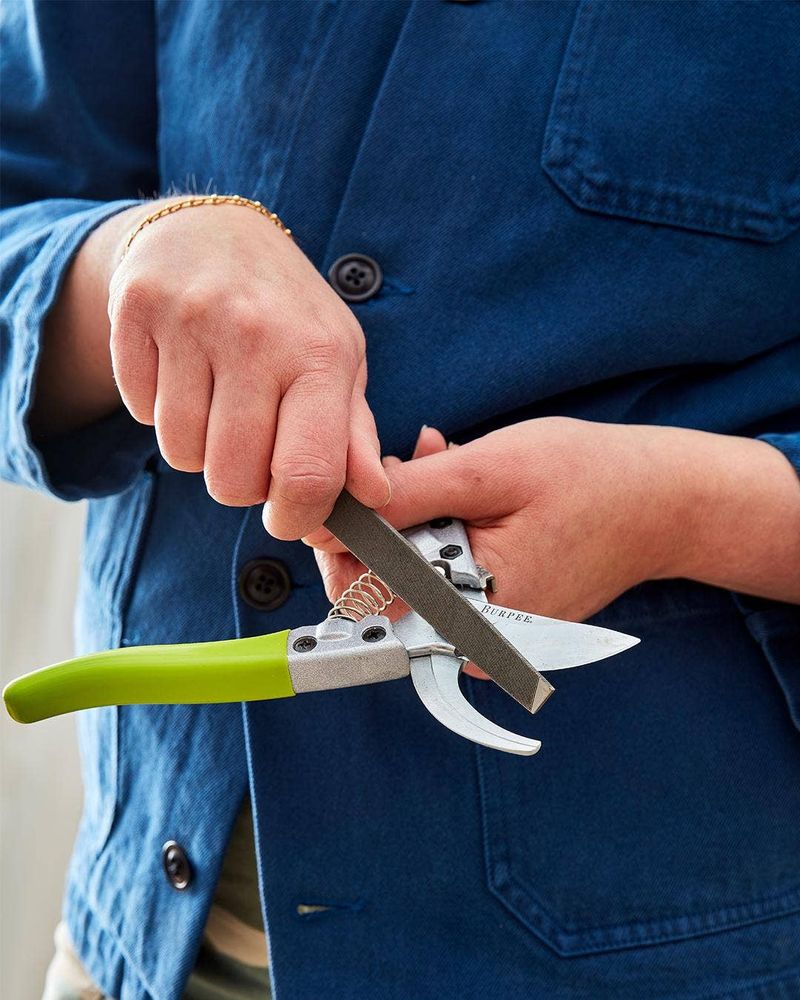
Your pruning tools carry responsibility for plant health just as much as your technique does. Sharp blades make clean cuts that heal quickly, while dull edges crush and tear plant tissue.
This damage creates larger wounds that take longer to seal and invite infection. Sanitation between plants prevents accidentally spreading problems throughout your garden.
A quick wipe with rubbing alcohol or a diluted bleach solution takes seconds but saves headaches later. This practice matters especially when you’ve just removed diseased material from one plant.
Tool maintenance doesn’t require much effort or expense. A simple sharpening stone keeps blades keen, and a small bottle of isopropyl alcohol fits easily in your garden caddy.
Many gardeners keep disinfectant wipes handy for quick cleanups between cuts. Cool, damp Michigan conditions make disease prevention particularly important. Pathogens that might struggle in hot, dry climates thrive in our spring weather.
Every precaution you take reduces risk and protects your investment in beautiful plants. Quality tools also make the work easier and more enjoyable, encouraging you to keep up with regular maintenance.
Well-maintained equipment lasts for years, making it a smart choice for both your budget and your garden’s wellbeing.
Prune Close To The Base Of Old Leaves
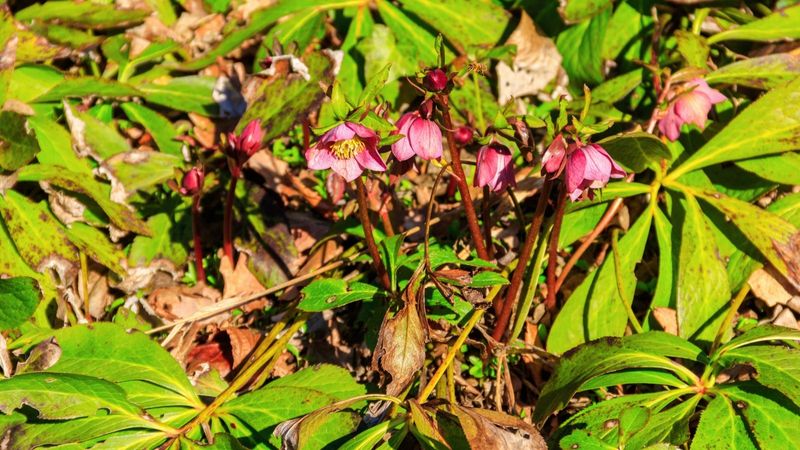
Precision matters when removing old hellebore foliage. Cutting close to the crown eliminates unsightly stubs while protecting the growth points where new leaves and flowers emerge.
This technique requires a steady hand and good light to see what you’re doing. Position your shears carefully before each cut. Angle the blades to remove the entire leaf stem without gouging into the crown tissue.
A slight outward angle often works best, following the natural growth pattern of the plant. Stubs left behind serve no purpose and often turn brown and mushy. They can harbor moisture and become entry points for rot or disease.
Taking the extra moment to cut cleanly at the base prevents these problems from developing.
New shoots need your protection during this process. They’re tender and easily damaged, so work slowly and deliberately.
Good lighting helps immensely, especially since pruning happens during those short late-winter days. Some gardeners prefer morning work when natural light is best.
The crown itself should never be cut or damaged. This central growing point contains all the buds for future growth and flowers.
Treat it with respect, working around it rather than through it, and your hellebore will respond with vigorous new growth and abundant blooms season after season.
Late Winter Pruning Improves Flower Visibility
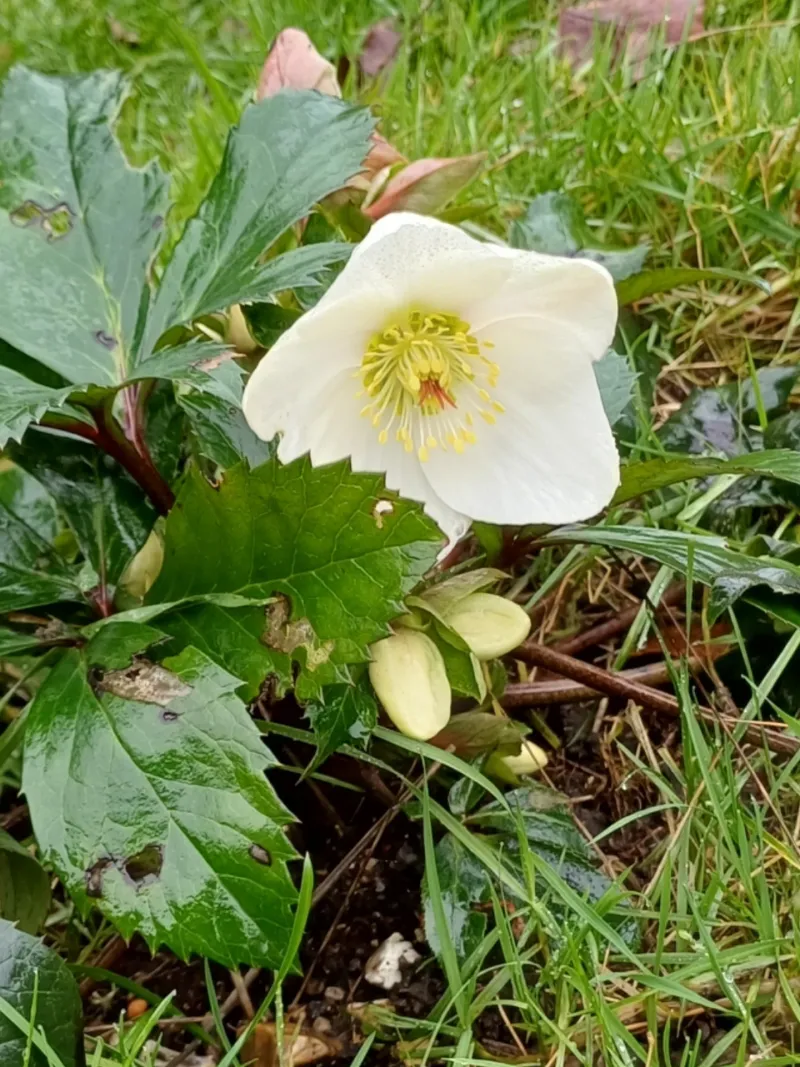
Hellebore flowers deserve center stage in your late-winter garden. These nodding beauties often hide beneath their own foliage when left unpruned, robbing you of the full visual impact.
Clearing away old leaves transforms a cluttered plant into a showstopper. The blooms appear early, sometimes pushing through snow in warmer Michigan winters.
Their subtle colors and elegant forms provide much-needed cheer when the landscape still looks dormant. Making them visible maximizes this precious early-season interest.
Timing your pruning right means the flowers emerge into an unobstructed space. You can appreciate every blossom from above rather than having to lift leaves to peek underneath.
This visibility also helps pollinators find the flowers more easily. Photography enthusiasts particularly appreciate clean presentation. Those stunning close-ups of hellebore blooms require removing visual clutter around the flowers.
Even casual gardeners enjoy the improved appearance when viewing from windows or walking past the bed.
The effort invested in late-winter pruning pays dividends for weeks as flowers continue opening. Each new bloom gets its moment to shine without competition from ratty old foliage.
Your garden gains impact and beauty precisely when you need it most, bridging the gap between winter’s end and spring’s full arrival with grace and color.
Avoid Heavy Pruning During Active Growth
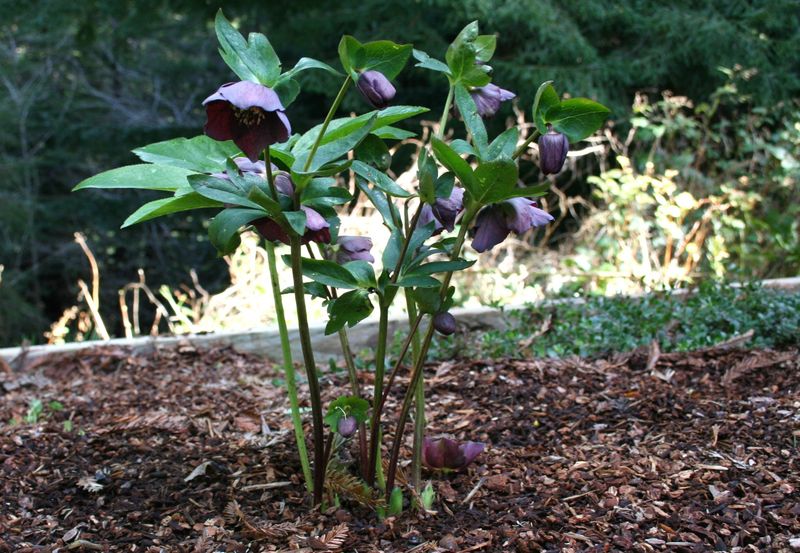
Once your hellebores hit their growth stride, step back and let them work. Active growth periods require all that fresh foliage to fuel the plant’s systems.
Heavy pruning during this time creates stress and can significantly weaken overall performance.
Photosynthesis happens in those green leaves, converting sunlight into energy the plant stores for next year’s blooms. Removing too much foliage is like unplugging a battery charger before it finishes.
The plant struggles to build the reserves it needs for winter survival and spring flowering. Selective removal of problem leaves remains acceptable during the growing season. A damaged or diseased leaf here and there won’t harm the plant.
Just resist the urge to do major cleanup work once new growth has fully expanded. Michigan’s growing season is relatively short compared to warmer regions.
Our hellebores need every possible day of active photosynthesis to prepare for the long, cold winter ahead. Respecting this need means better plant health and more reliable blooming year after year.
Think of summer and fall as hands-off time for hellebore maintenance. Focus your pruning energy on that crucial late-winter window instead.
This approach aligns with the plant’s natural cycle and supports its long-term vigor in your garden. Patience during active growth translates directly into better results when pruning season returns.
Mulch After Pruning To Protect The Crown
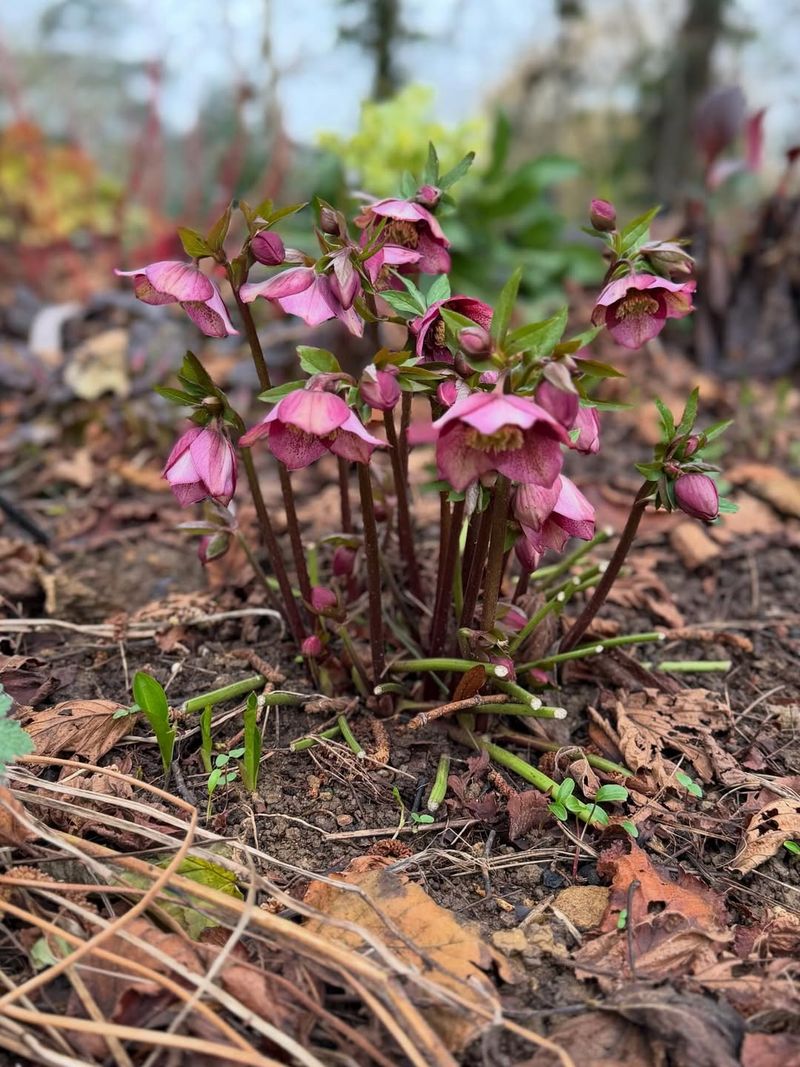
Mulching completes the pruning process and sets your hellebores up for success. A light layer of organic material helps regulate soil temperature during those wild late-winter temperature swings Michigan is famous for.
This protection matters greatly for plant health and performance. Freeze-thaw cycles can heave plants right out of the ground, exposing roots to damaging cold and drying winds. Mulch acts as insulation, moderating these extreme fluctuations.
It keeps soil temperatures more stable, protecting the crown and root system from stress. Choose materials that allow water and air movement while providing protection. Shredded leaves, compost, or fine bark mulch work well.
Avoid heavy, matted materials that can trap excess moisture against the crown and encourage rot.
Application technique matters as much as material choice. Pull mulch back slightly from direct contact with the plant crown.
This small gap allows air circulation while still providing the temperature regulation benefits. Aim for a layer about two inches deep around the plant.
Moisture retention represents another mulch benefit during late winter and early spring. As the ground thaws and dries, mulch helps maintain consistent soil moisture without waterlogging.
Your hellebores appreciate this balanced environment as they push out new growth and prepare to bloom beautifully in the weeks ahead.
Remove Spent Flower Stems After Bloom
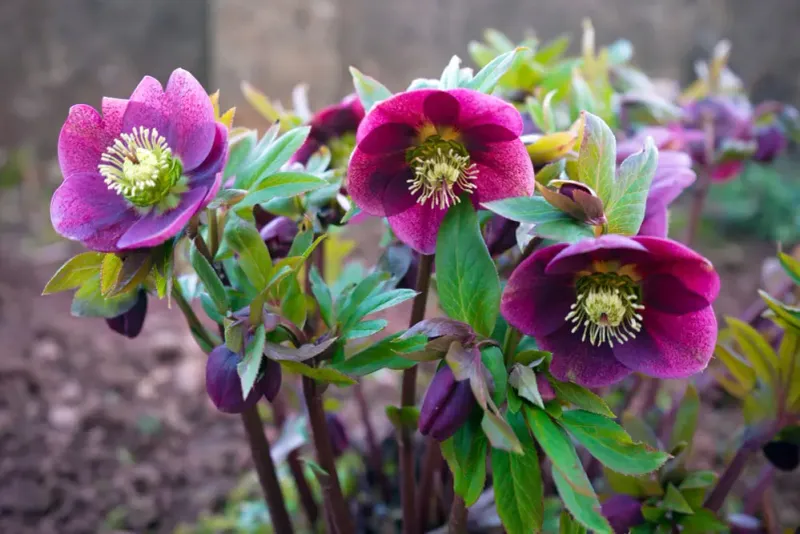
Post-bloom cleanup keeps your hellebores looking tidy and directs their energy wisely. Once flowers fade and turn brown, they’ve served their purpose.
Removing these spent stems improves appearance and helps the plant focus on building strength for next year.
Timing this task is flexible and forgiving. Some gardeners remove stems immediately after flowering ends, while others wait until early summer.
Either approach works fine, so choose what fits your schedule and garden maintenance routine. The process is straightforward and quick. Follow each flower stem down to where it meets the crown and make a clean cut.
These stems come away easily and don’t require the careful navigation needed during late-winter pruning around emerging growth.
Energy redirection represents the main benefit of this practice. Without spent flowers to support, your hellebore can channel resources into developing robust foliage and strong roots.
This investment pays off when next year’s flower buds form in late summer and fall. Some gardeners leave a few spent stems if they want seeds to develop. Hellebores self-sow readily in favorable conditions, creating new plants over time.
If you prefer a tidier look or want to prevent spreading, remove all old stems. Either choice works well depending on your garden goals and personal preferences for maintenance and propagation.
Hellebores Require Minimal Annual Pruning
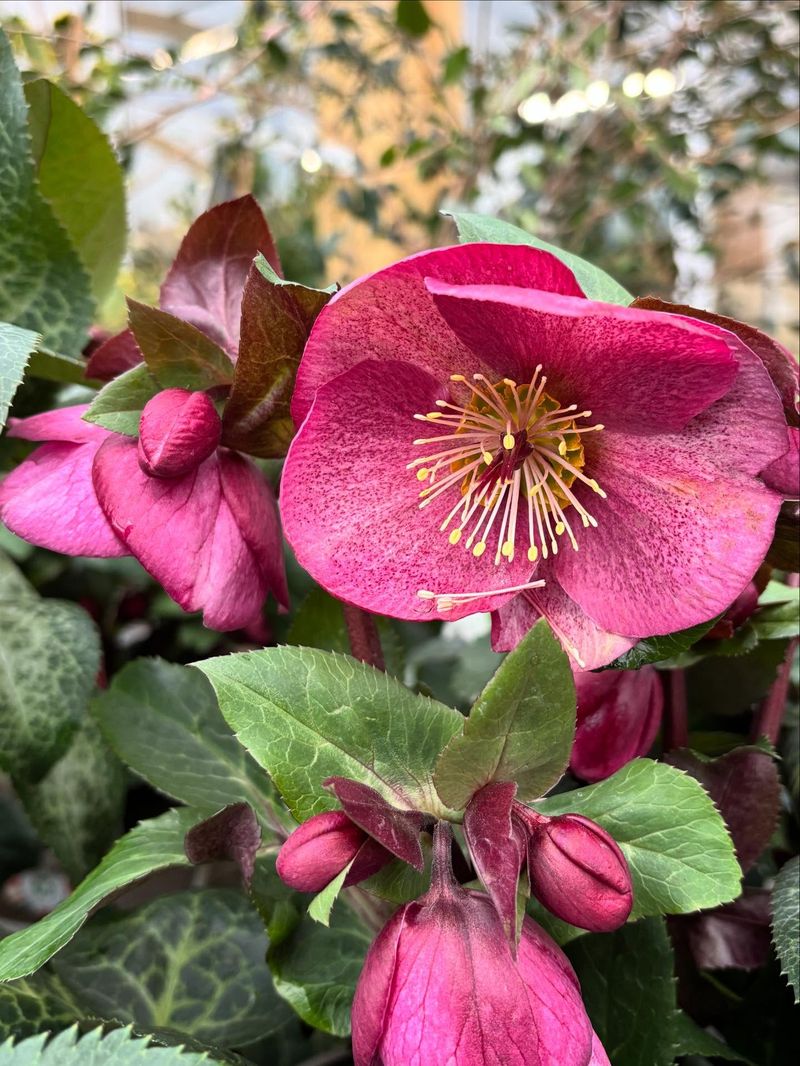
Hellebores earn their reputation as low-maintenance garden stars. Unlike fussy perennials that demand constant attention, these reliable performers need just one main pruning session annually.
This simplicity makes them perfect for busy gardeners who want maximum impact with minimum effort.
The basic care routine involves removing old foliage in late winter and perhaps tidying spent flowers after bloom. That’s essentially it for most gardeners.
No complicated schedules, no frequent interventions, just simple seasonal maintenance that takes maybe thirty minutes per plant each year.
This ease of care extends beyond pruning to overall plant management. Hellebores tolerate a wide range of conditions, resist most pests, and handle Michigan winters without protection or special treatment.
They just keep performing year after year with minimal input from you. For gardeners building sustainable, manageable landscapes, hellebores represent an ideal choice.
They deliver early-season color and attractive foliage without demanding the time and attention that many other plants require. This reliability matters especially as gardens mature and maintenance time becomes more precious.
The low-maintenance nature doesn’t mean low impact. These plants provide months of interest and beauty while asking very little in return.
One annual pruning session keeps them healthy and attractive, making hellebores a smart investment for any Michigan garden seeking beauty without burden or endless weekend chores.