Here’s The Reason Hydrangeas Turn Blue In Oregon Gardens
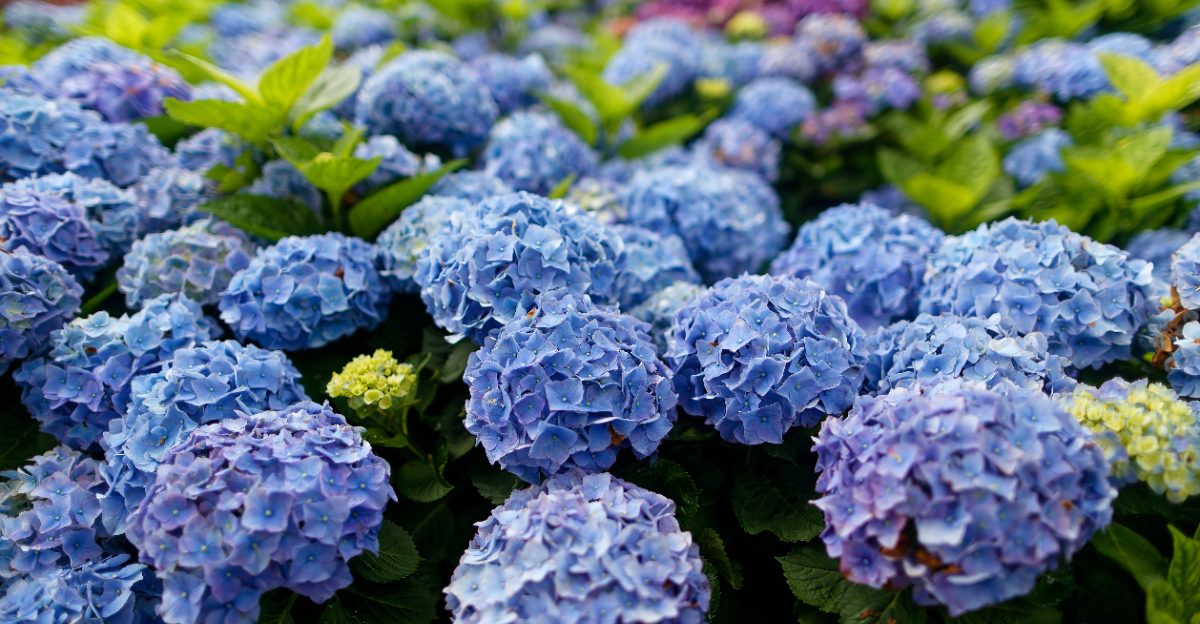
Ever wondered why some hydrangeas in Oregon gardens burst into dreamy blues while others blush pink or purple? Step into a yard full of these blooms, and it feels like each plant has its own secret story.
Even neighbors with the same type of hydrangea can end up with wildly different colors. What’s behind this fascinating variation, and is there a way to guide your own plants toward that perfect shade?
From subtle shifts in soil to the effects of rainfall and garden care, several factors quietly influence each blossom.
By paying attention to these hidden details, gardeners can encourage their hydrangeas to reveal their most enchanting tones and make the yard a little more magical each blooming season.
1. Why Blue Hydrangeas Are Common In Oregon
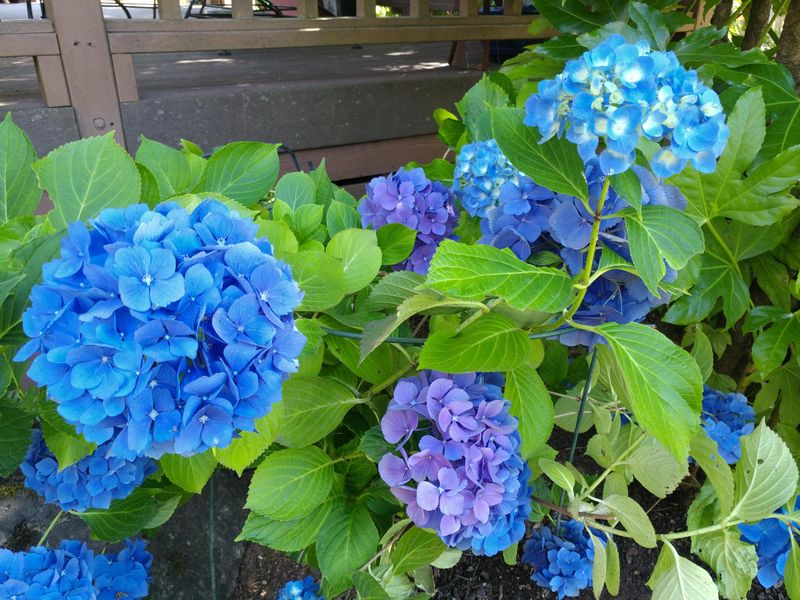
Walk down many streets in Portland, Eugene, or Salem during summer, and you’re likely to notice clusters of hydrangeas in striking shades of blue spilling over fences and filling garden beds.
That prevalence of blue blooms isn’t just chance, Oregon’s soil and climate create conditions that favor these cool tones more often than in many other regions.
The soil in much of the state tends to be slightly acidic, which affects how hydrangeas take up certain nutrients. When aluminum in the soil is more available to the roots, it can influence the flowers to lean toward blue.
Our wet winters and springs help maintain these conditions, keeping nutrients circulating through garden beds and subtly supporting that color shift. That said, not every hydrangea in Oregon will turn blue automatically.
Soil varies from yard to yard, and some properties have more neutral or alkaline conditions that result in pink, purple, or even mixed blooms.
Overall, though, blue is common enough that it often dominates summer gardens, giving Oregon hydrangeas their characteristic coastal charm.
2. The Role Of Soil Acidity
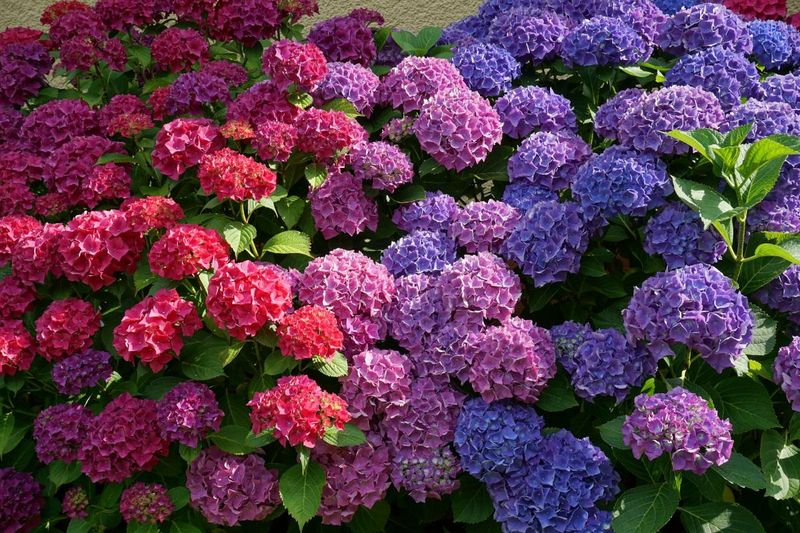
Soil acidity affects more than just whether hydrangeas bloom blue or pink. The pH level influences how nutrients move through the soil, which minerals are available to plant roots, and how plants respond during the growing season.
For hydrangeas in particular, soil pH plays a major role in flower color. When the soil is slightly acidic, generally below about 6.0, aluminum that is normally bound in soil particles becomes more available.
Hydrangea roots can absorb this aluminum along with water and other nutrients. Inside the plant, aluminum interacts with pigments in the petals, encouraging blue tones rather than pink.
In soils that are more neutral or slightly alkaline, with pH above roughly 6.5, aluminum tends to remain tied up in the soil and isn’t taken up by the roots. Without that aluminum, the same hydrangea variety may produce pink or even reddish blooms.
Many Oregon gardens naturally stay on the acidic side, thanks to decomposing organic matter, conifer needles, and rainfall that gradually leaches alkaline minerals.
These conditions help create an environment where blue hydrangeas often flourish year after year, usually without needing frequent soil adjustments.
3. How Aluminum Affects Flower Color
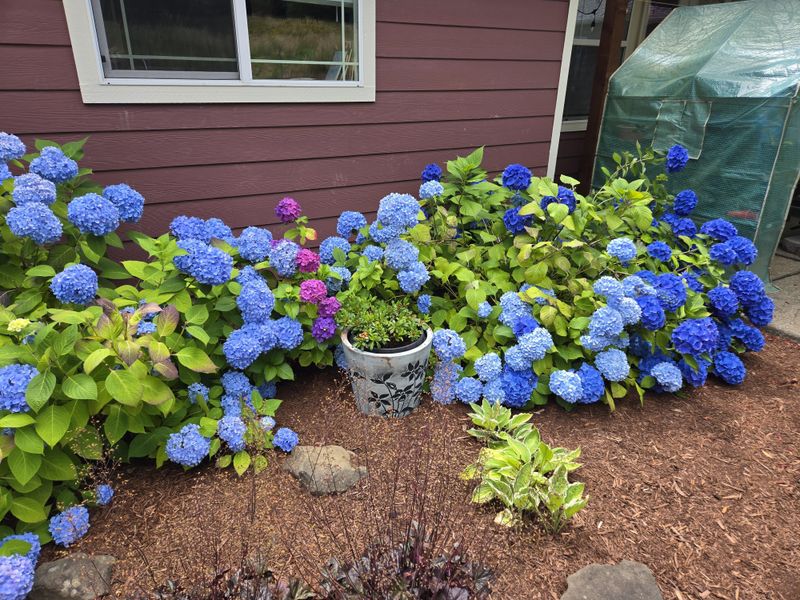
Aluminum might seem like an unlikely player in garden color displays, but it plays a central role in shifting hydrangea blooms from pink to blue. This metal is naturally present in most soils, though it is usually bound to other compounds and unavailable to plants.
Your Oregon Garden Changes Every Week. Your Plan Should Too.
Gardening in Oregon changes quickly throughout the season. Every Friday you’ll receive a simple weekly plan showing exactly what to plant, prune, fertilize, harvest, and protect so you never miss the right timing.
When the soil becomes more acidic, aluminum ions are released into the soil water, where hydrangea roots can take them up.
Inside the plant, aluminum moves through the roots to developing flower buds, where it interacts with pigment molecules called anthocyanins, the same compounds that give berries and autumn leaves their color.
When aluminum binds with these anthocyanins, it alters how the pigments reflect light, often shifting blooms from pink toward blue. The depth of blue depends on the amount of aluminum absorbed; more uptake generally produces richer, more vibrant tones, while smaller amounts create softer blues or purple shades.
Sometimes blooms even show a mix of colors when aluminum availability varies across the root zone.
This process mainly occurs in bigleaf hydrangeas, while white and oakleaf varieties typically do not change color because they lack the specific anthocyanins needed for this transformation.
4. Rainfall And Soil Chemistry
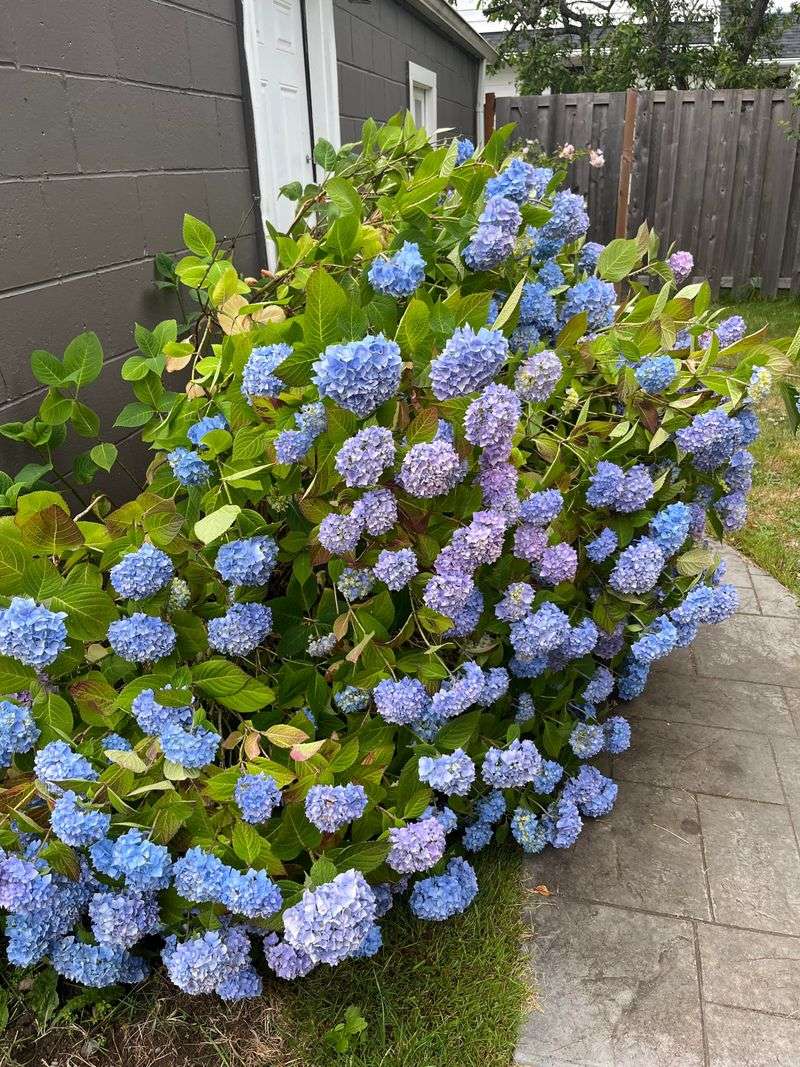
Oregon’s abundant rainfall does more than keep gardens green, it also subtly shapes soil chemistry in ways that can favor blue hydrangea blooms.
Each rain event moves water through the soil, dissolving minerals and gradually leaching some alkaline compounds deeper into the ground.
This natural process can help maintain slightly acidic conditions that encourage blue tones in hydrangea flowers.
Winter rains are particularly helpful, as slow percolation through garden beds during the dormant season carries alkaline minerals away from the root zone, leaving soil refreshed and more favorable for blue blooms by spring.
Summer precipitation contributes as well, keeping soil moist and helping aluminum remain available for plant uptake. In gardens that dry out frequently between waterings, aluminum can temporarily bind back to soil particles, which may influence bloom intensity.
Gardeners who rely heavily on municipal water sometimes notice hydrangeas gradually shift toward pink over several years, since many water sources contain dissolved minerals that slowly raise soil pH and reduce aluminum availability.
Using rainwater for supplemental irrigation can help preserve soil conditions that support blue blooms, while still keeping plants healthy and hydrated throughout the growing season.
5. Why Some Hydrangeas Stay Pink
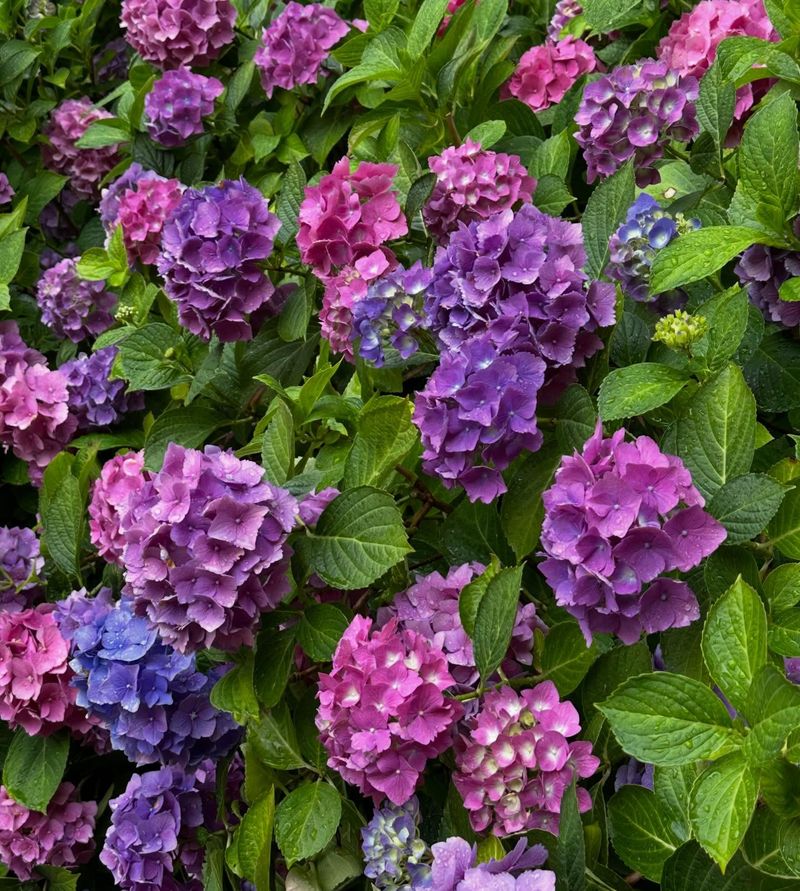
Not every hydrangea in Oregon turns blue, and that’s completely normal. Even in neighborhoods where blue blooms are common, it’s easy to spot pink hydrangeas thriving just down the street.
Several factors can influence why some plants remain pink despite the generally acidic soils found in the region. Soil pH differences across properties play a big role.
While Oregon soils tend to lean acidic, individual yards vary depending on their history, previous amendments, or nearby concrete and limestone features, which can make the soil more neutral or slightly alkaline and reduce aluminum availability.
Even within a single garden, pH can differ between beds, influenced by drainage, prior plantings, or compost additions.
Some gardeners intentionally maintain pink blooms by adding lime or wood ash to specific plants, allowing for color contrast across the landscape.
Container-grown hydrangeas also often stay pink, since commercial potting mixes tend toward neutral pH and lack the natural acidification that occurs in ground-planted beds.
Finally, variety selection matters: some bigleaf hydrangeas have been bred to favor pink tones and are less responsive to acidic soil conditions.
6. How Gardeners Influence Color Naturally
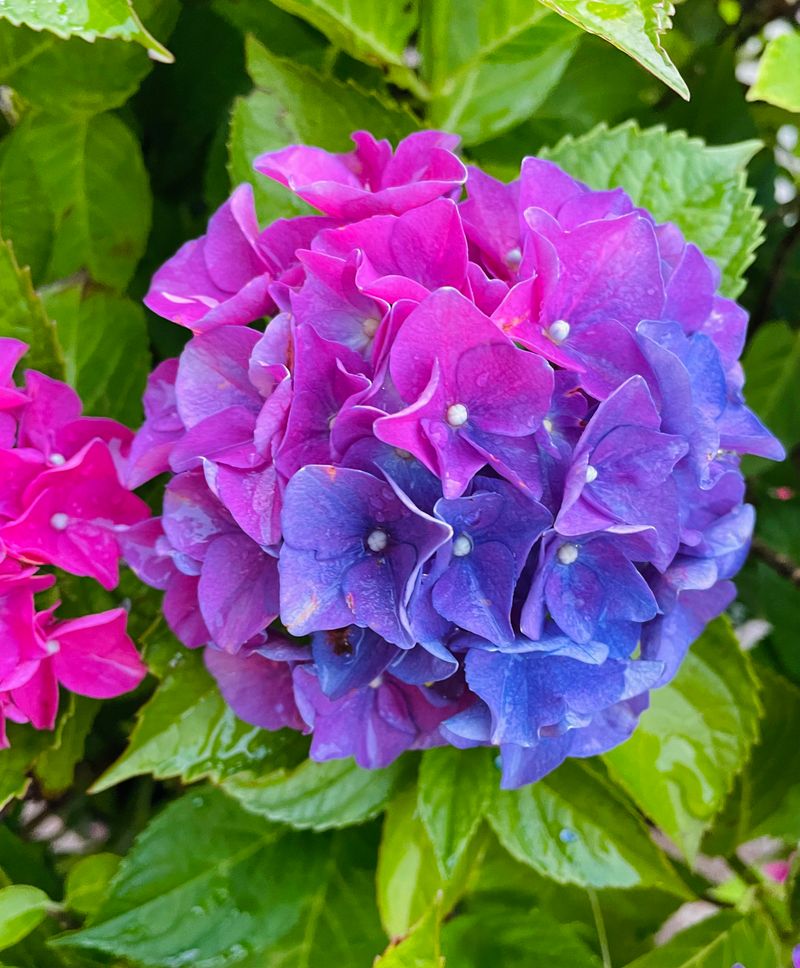
You don’t need harsh chemicals or complicated procedures to influence hydrangea color in your Oregon garden. Simple, natural approaches often work best when you understand the effect you’re aiming for.
Many gardeners find that working with existing soil conditions provides the most reliable and sustainable results over time. Adding organic matter gradually helps maintain slightly acidic soil, which encourages blue blooms.
Compost, aged bark mulch, and decomposed leaf mold all contribute to acidity as they break down, while also improving soil structure and moisture retention.
Spreading a few inches of organic mulch around hydrangeas each spring supports both plant health and subtle color development.
Coffee grounds are another natural option. Slightly acidic, used grounds can be mixed into the soil around plants or added to compost piles.
While they won’t dramatically shift pH on their own, consistent use over several seasons can help reinforce blue tones. Some gardeners also use aluminum sulfate to enhance blue blooms, though careful application is needed to avoid stressing roots.
Overall, gentle, gradual methods usually produce the most authentic and lasting color changes, allowing your hydrangeas to flourish in harmony with your garden’s natural conditions.
7. Soil Testing And What It Reveals
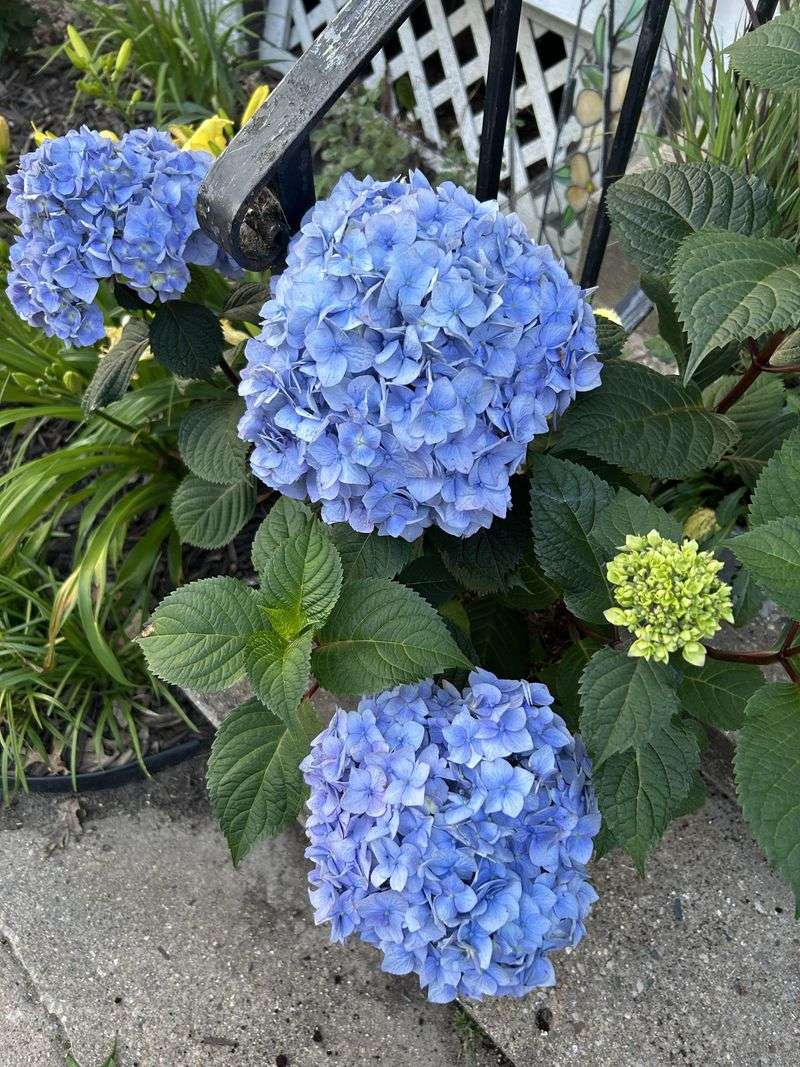
A simple soil test can reveal pH levels, nutrient availability, and other factors that influence plant health and flower color. Oregon State University Extension offices provide affordable testing services, and home testing kits are also available at many garden centers.
Testing is particularly useful when hydrangea color doesn’t match expectations. If you hope for blue blooms but see pink instead, a soil test can indicate whether pH, aluminum availability, or another factor is influencing the flowers.
Sometimes soil pH appears acidic, but aluminum levels are still low, suggesting different approaches than if pH were the main limitation.
Late summer or fall is often the best time to test, after the growing season but before winter rains, providing a clear baseline and time to make any needed adjustments before spring growth.
Repeating tests every two to three years helps track changes over time and guides garden care. Results usually include recommendations for amendments tailored to your goals.
For hydrangeas, knowing both current pH and aluminum availability can help you encourage blue or pink blooms more reliably without guesswork.
8. Care Tips For Healthy Hydrangeas
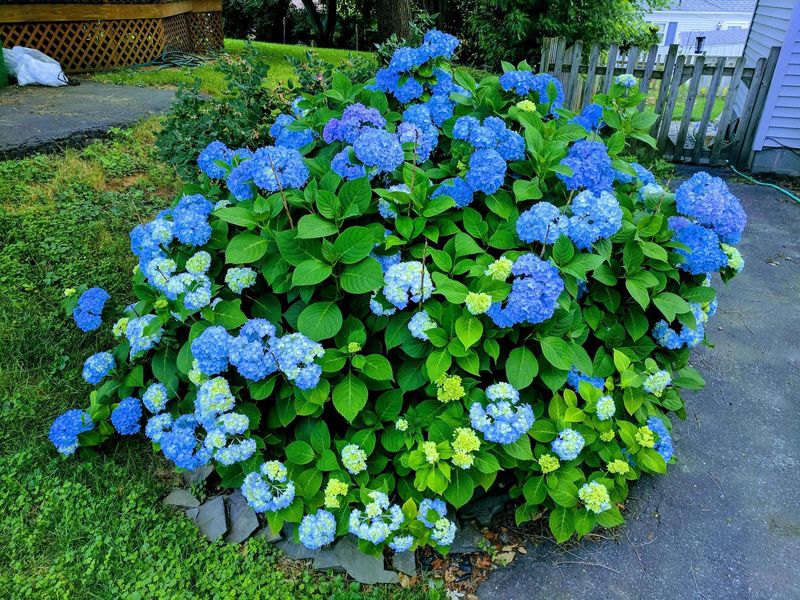
Healthy hydrangeas produce vibrant blooms, regardless of color, which makes basic plant care just as important as soil chemistry. Oregon’s climate generally suits hydrangeas well, but a few thoughtful practices help plants thrive and flower abundantly year after year.
Location matters. Most hydrangeas prefer morning sun with afternoon shade, particularly during hot summer days.
Too much direct sun can stress plants and fade flower colors, while too much shade may reduce bloom production. Dappled light beneath taller trees or on the east side of buildings often works well.
Consistent moisture is also important. Established plants can tolerate brief dry spells, but they tend to perform best with regular watering during summer.
A thick layer of organic mulch helps retain soil moisture, keeps roots cooler in warm weather, and contributes gradually to the slight acidity that favors blue blooms. Pruning needs vary by variety, as many hydrangeas bloom on old wood.
Light shaping after flowering and removing dead stems in late winter is usually sufficient. Over-pruning can remove potential flower buds, leaving mostly foliage.
Fertilizing lightly in early spring encourages growth without overstimulating the plant, which could reduce bloom production or subtly affect flower color by altering soil chemistry.
9. Enjoying The Natural Color Shift
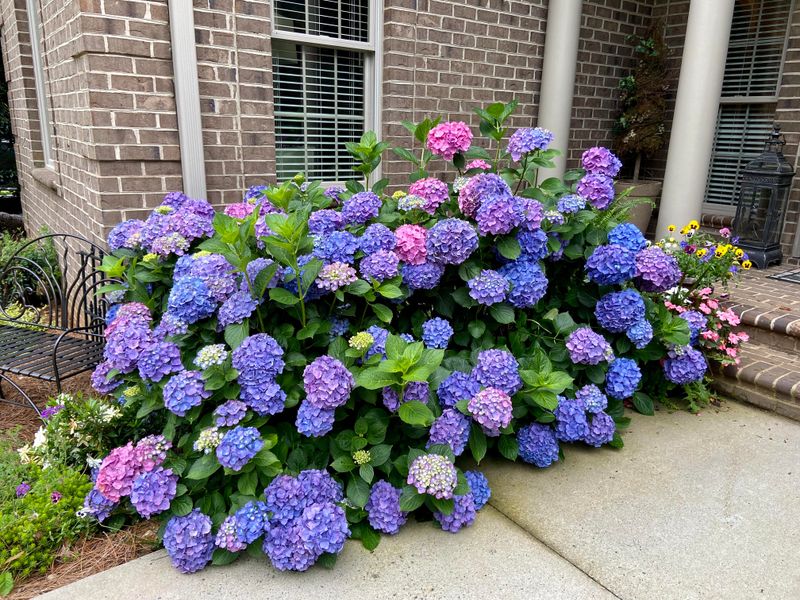
Perhaps the most rewarding approach to hydrangea color involves simply appreciating whatever shades your garden naturally produces.
Oregon’s soil and climate create beautiful bloom colors without requiring constant intervention, and many gardeners find joy in observing how their hydrangeas respond to seasonal changes and evolving garden conditions.
Individual blooms often display multiple colors simultaneously, with blue outer petals and pink centers, or gradual color transitions across a single flower cluster.
These mixed-color displays happen when soil conditions vary slightly across the root zone or when weather patterns affect aluminum availability during bud development.
Rather than viewing this as a problem to fix, consider it evidence of the dynamic chemistry happening beneath your garden’s surface.
Colors also shift as flowers age through the season. Fresh blooms might open bright blue, then gradually fade to purple, mauve, or even greenish tones as summer progresses.
This natural aging process adds depth and interest to the garden, creating constantly changing color combinations that purely pink or purely blue blooms couldn’t achieve.
Some of Oregon’s most memorable gardens feature hydrangeas in various colors scattered throughout the landscape. The contrast between blue and pink plants creates visual interest while reflecting the natural soil variation that makes each garden unique.
Embracing this diversity often produces more authentic and satisfying results than trying to force uniform color across all plants.