Why February Is A Make-Or-Break Month For Arizona Gardens
February is when your Arizona garden starts answering back. Soil warms just enough to work, days stretch longer, and plants begin shifting from rest to growth even if it is not obvious yet.
What you do now shows up fast.
This is the window where pruning, soil prep, and early planting actually pay off. Trees react quickly, cool-season crops take off, and neglected tasks become harder to correct once temperatures climb.
Arizona does not give much grace between winter and heat, so this month carries more weight than it looks.
Gardens handled carefully in February move into spring steady and prepared. Those left untouched often struggle to catch up.
This is not about doing more, but about doing the right things while the timing still works in your favor.
1. Winter Dormancy Breaks Earlier Than The Calendar Suggests
Your Arizona plants are not waiting for March to arrive before they start their spring routines.
Root systems begin moving nutrients upward when soil temperatures hit certain thresholds, and in Arizona, that happens much earlier than traditional gardening guides suggest.
By mid-February, many perennials and shrubs have already started internal processes that will lead to new leaf and flower production.
Ignoring these early signals means missing critical preparation windows. Plants that break dormancy need specific support at specific times.
If you treat February like deep winter, you will be weeks behind when your plants actually need attention. Desert-adapted species and even many non-native ornamentals respond to soil warmth and day length rather than calendar dates.
Observing your specific plants tells you more than any general timeline can. Look for subtle swelling in buds, slight color changes in stems, or the first tiny leaves emerging near the base of perennials.
These signs mean dormancy is ending and your plants are vulnerable to both opportunity and risk. Supporting them now with proper watering and careful monitoring protects the investment they are making in new growth.
Arizona’s microclimates also mean timing varies across the state. Tucson gardens may see activity before Flagstaff, but even within the Phoenix metro area, north-facing versus south-facing slopes can differ by a week or more.
Pay attention to your own garden’s signals rather than relying solely on regional averages, and you will catch that narrow window when intervention helps most.
2. February Pruning Sets The Direction For Spring Growth
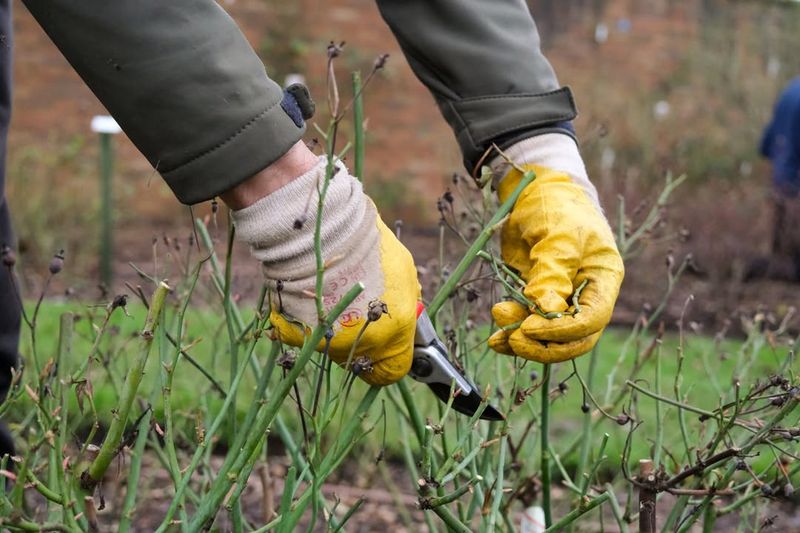
Cutting back plants at the right moment shapes how they grow for the entire season ahead. February offers the last good chance to prune many Arizona fruit trees, roses, and ornamental shrubs before they push out new growth.
Once buds open and leaves emerge, pruning becomes much more stressful for the plant and removes the energy it already invested in those new parts.
Timing matters enormously because plants have already allocated resources based on their existing structure. Prune too late, and you waste the plant’s energy.
Prune too early, and a late cold snap might damage newly exposed cuts. February typically provides that sweet spot in most Arizona locations where the risk of hard freezes drops while plants have not yet fully committed to spring growth.
Your Arizona Garden Changes Every Week. Your Plan Should Too.
Gardening in Arizona changes quickly throughout the season. Every Friday you’ll receive a simple weekly plan showing exactly what to plant, prune, fertilize, harvest, and protect so you never miss the right timing.
Different plants have different needs, so understanding what you are cutting matters as much as when. Fruit trees benefit from opening up their canopy to allow sunlight and air circulation, which reduces disease pressure during the hot months ahead.
Roses need old, weak canes removed so the plant focuses energy on strong new growth that will produce the best blooms. Ornamental shrubs often need shaping to maintain size and encourage branching.
Skipping February pruning does not just mean a messier-looking garden. It can reduce fruit production, increase pest problems, and create weak growth that struggles in Arizona’s intense summer heat.
Taking action now while plants are still mostly dormant minimizes stress and maximizes the benefits of your efforts throughout the growing season.
3. Soil Temperatures Rise Enough To Activate Roots
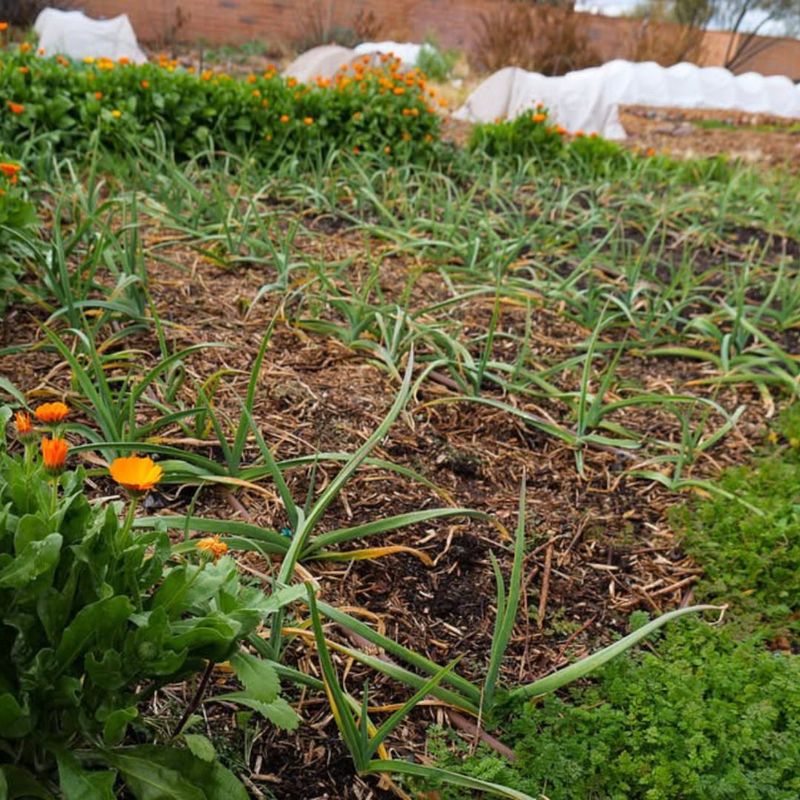
Roots respond to soil temperature more than anything else, and February is when Arizona soil crosses critical thresholds. Most root activity slows dramatically when soil drops below 50 degrees Fahrenheit and accelerates rapidly as it warms past 55 or 60 degrees.
In many Arizona gardens, this transition happens right now, creating a brief period when roots are active but top growth has not yet exploded.
This window is perfect for certain gardening tasks that become much harder later. Transplanting, dividing perennials, and planting bare-root trees all work best when roots can establish without the plant simultaneously trying to support heavy leaf growth.
The soil is warm enough for roots to grow into their new location, but cool enough that water demands remain manageable and stress stays low.
Fertilizing also becomes effective once soil temperatures allow roots to actively take up nutrients. Applying fertilizer when soil is too cold means nutrients just sit there, potentially washing away or becoming unavailable.
Wait for soil warmth, and those same nutrients get pulled into the plant quickly, supporting the growth surge about to happen.
Arizona gardeners can use an inexpensive soil thermometer to know exactly when their specific garden crosses these thresholds. Measure in the morning at root depth, usually four to six inches down, and track temperatures for a few days.
Once you consistently see readings above 55 degrees, you know roots are ready to work, and you can time your planting and feeding efforts for maximum effectiveness.
4. Early Watering Decisions Shape Plant Stress Levels
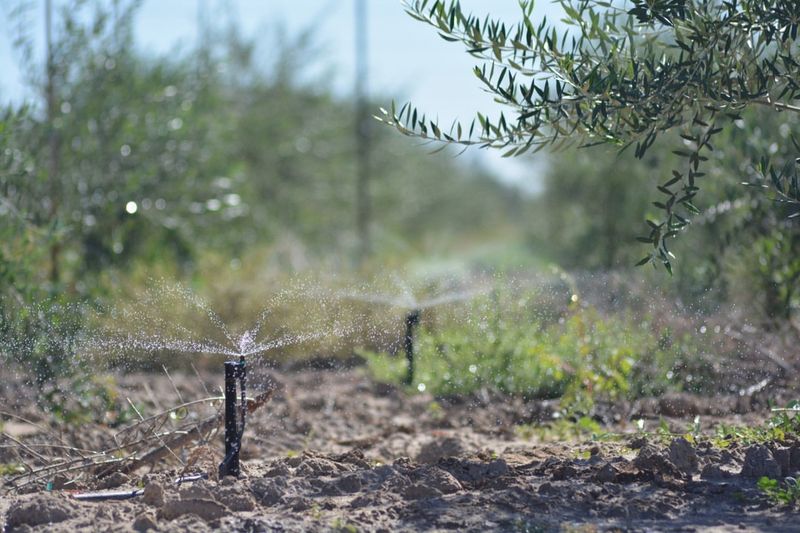
Plants breaking dormancy need water, but how much and how often makes an enormous difference in their resilience later. February watering sets patterns that either prepare plants for summer stress or leave them vulnerable.
Deep, infrequent watering encourages roots to grow downward, searching for moisture and creating a robust system that can handle heat. Frequent shallow watering keeps roots near the surface, where they bake when temperatures soar.
Arizona’s dry air and increasing sunshine mean water needs are climbing even though temperatures might not feel hot yet.
Plants pushing new growth use significantly more water than dormant plants, and that demand increases every week as days lengthen and leaves expand.
Underwatering now stunts growth and stresses plants right when they are most vulnerable. Overwatering causes root problems and encourages weak, rapid growth that cannot handle full sun.
Adjusting irrigation systems in February prevents problems throughout the year. Check emitters and sprinkler heads to ensure they are working correctly after winter.
Gradually increase watering frequency and duration as you see new growth emerging. Monitor soil moisture rather than following a rigid schedule, because weather variability means water needs can change week to week.
Different areas of Arizona require different approaches, and even within your yard, sun exposure and soil type create variations. South-facing beds dry faster than north-facing ones.
Sandy soil drains quickly while clay holds moisture longer. Paying attention to these differences and adjusting your watering accordingly builds plant strength that pays off when summer heat arrives and stress levels peak.
5. Fertilizing Too Soon Weakens Plants Before Frost Risk Ends
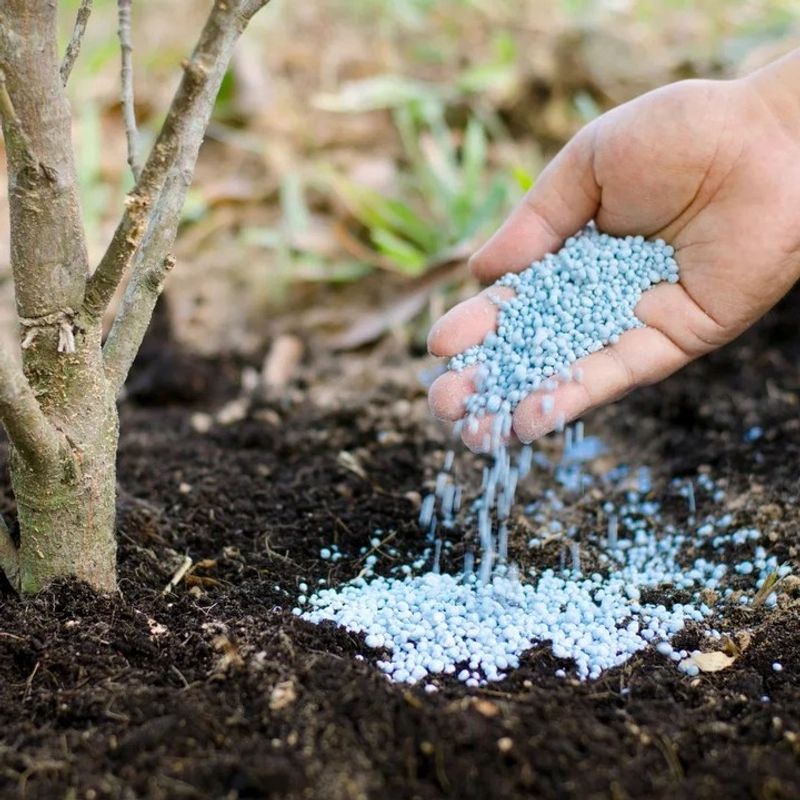
Feeding plants seems like a good way to support new growth, but in Arizona, February fertilizing requires careful judgment. Push plants too hard with nitrogen-rich fertilizers, and they produce tender new growth that a late freeze can severely damage.
Even in low desert areas, occasional cold snaps happen through late February and sometimes into early March, catching overeager gardeners off guard.
Frost-damaged growth does more than look bad. It wastes the plant’s stored energy and resources, forcing it to start over when it could have been building strength.
Damaged tissue also creates entry points for diseases and pests, compounding problems. Conservative fertilizing that waits until frost risk truly passes avoids these setbacks and actually results in stronger plants.
Slow-release fertilizers offer a safer approach for February because they do not flood plants with nutrients all at once. These products break down gradually as soil warms, providing nutrition in sync with the plant’s increasing needs.
If you do fertilize in February, choose formulations designed for slow release and apply them according to package directions rather than trying to boost results with heavier applications.
Understanding your specific Arizona location’s frost patterns helps you make smarter decisions. Phoenix and Tucson gardens typically see their last frost in early to mid-February, while higher elevation areas might face frost risk into March or even April.
Local extension offices provide historical frost date data for your area, giving you a reliable guide for timing fertilizer applications safely while still supporting vigorous spring growth.
6. Weed Growth Starts Quietly Before Spring Looks Active
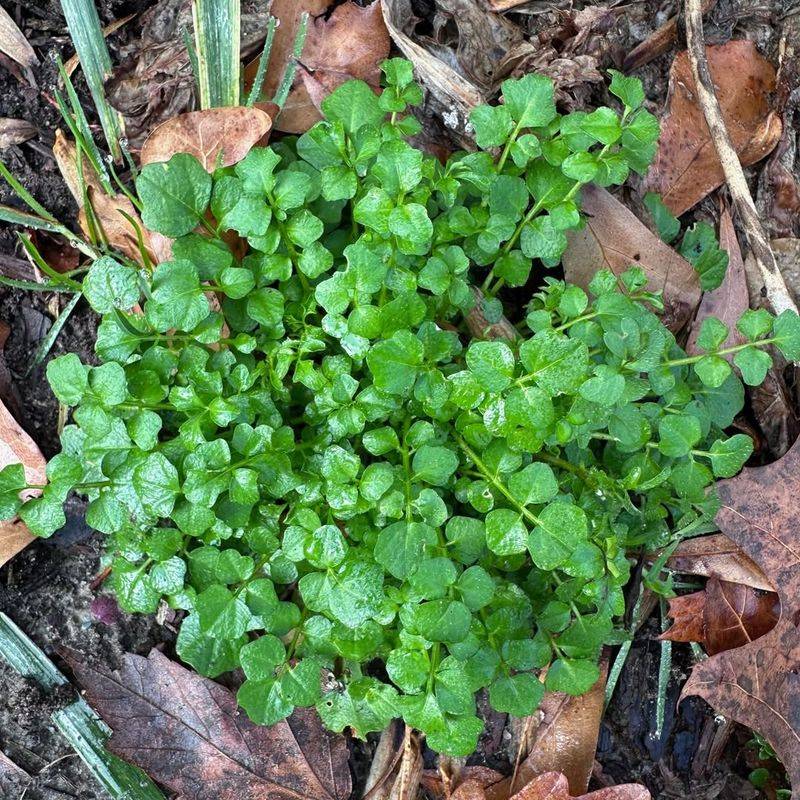
Weeds do not wait for perfect spring weather to get started. Many of Arizona’s most troublesome weeds germinate in late winter when soil temperatures warm just enough to trigger their seeds.
By the time your garden looks fully active in March and April, those weeds already have established root systems and are much harder to remove. February is when you can stop them while they are still small and vulnerable.
Walking your garden weekly to spot and remove tiny weed seedlings takes only minutes but prevents hours of work later. Young weeds pull easily because their roots have not grown deep yet.
Wait a few weeks, and those same weeds require serious digging or chemical intervention. Early removal also prevents weeds from flowering and setting seed, breaking the cycle that creates future weed problems.
Mulching in February provides another layer of weed defense. A fresh layer of mulch blocks light from reaching weed seeds, preventing germination.
It also moderates soil temperature and retains moisture, benefiting your desired plants while making conditions less favorable for weed establishment.
Organic mulches break down over time, so replenishing them in February prepares your garden for the entire growing season.
Arizona’s winter rainfall, when it occurs, triggers major weed germination events. After any significant rain, check your garden within a week to catch the resulting weed flush.
This proactive approach keeps weeds from ever becoming a serious problem and protects your plants from competition for water and nutrients during the critical spring growth period when every resource matters most.
7. Heat Preparation Begins Long Before Temperatures Spike
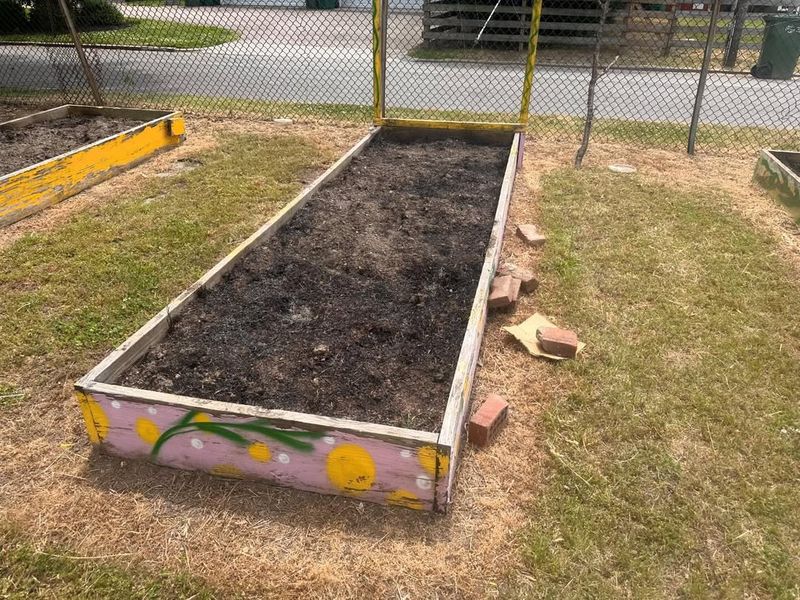
Summer heat feels distant in February, but preparing for it now makes the difference between plants that survive and plants that thrive. Arizona’s intense summer sun and temperatures exceeding 110 degrees challenge even adapted plants.
Building their resilience starts months in advance through practices that strengthen root systems, improve soil quality, and create protective microclimates.
Soil improvement tops the list of February heat-preparation tasks. Adding compost and other organic matter increases soil’s water-holding capacity, meaning plants have access to moisture longer between waterings.
Better soil structure also promotes deeper root growth, which helps plants access cooler, moister soil layers when surface temperatures become extreme. These improvements take time to integrate into your soil, making February the right moment to act.
Planning shade structures and protective measures also belongs on your February agenda. Shade cloth, strategically placed trees or shrubs, and even temporary structures can reduce heat stress dramatically.
Installing these before temperatures climb allows plants to adapt gradually and gives you time to adjust placement and coverage without working in brutal heat yourself.
Selecting and planting heat-tolerant species in February gives them maximum time to establish before summer arrives. Plants with strong root systems and hardened-off foliage handle heat far better than newly planted specimens thrown into the deep end.
Arizona gardeners who think ahead to summer in February create gardens that remain attractive and productive through the toughest months rather than just surviving until fall rescue arrives.