How Vegetables Keep Growing In Arizona’s Extreme Heat
Arizona heat looks brutal, but it does not stop vegetables from growing when the right conditions are in place.
Even during long stretches of extreme temperatures, certain crops keep producing because they are built for desert stress, intense sun, and warm nights.
What feels like a losing battle is often just a mismatch between plants and climate. When vegetables are chosen for heat tolerance and supported the right way, growth does not slow nearly as much as you might expect.
Arizona gardens follow different rules, and once you understand them, summer becomes productive instead of frustrating. Vegetables that thrive here know how to protect their roots, manage moisture, and keep growing when others give up.
Heat does not end the season in Arizona, it reshapes it. When you work with the climate instead of against it, your garden keeps going strong.
1. Heat-Adapted Growth Cycles Slow Plants Without Stopping Them
Plants growing in Arizona’s extreme heat don’t follow the same timeline as vegetables in milder climates. Growth slows down dramatically when temperatures climb above 95 degrees, but it never completely halts.
The plant redirects energy from rapid leaf production to maintaining existing tissue and developing stronger root systems.
This survival strategy means your tomatoes won’t explode with new foliage during July like they did in April. Instead, they focus on keeping what they have alive and functional.
Fruit development continues at a reduced pace, with smaller yields but surprisingly good quality if you manage water correctly.
Phoenix gardeners notice this pattern most clearly with summer squash and cucumbers. These heat-lovers keep producing through 115-degree days, though each fruit takes longer to reach harvest size.
The plant’s metabolism adjusts to protect itself while maintaining enough activity to reproduce.
Temperature fluctuations between day and night also play a role. Even when daytime highs hit extreme levels, cooler evenings around 80-85 degrees give plants recovery time.
This daily reset allows vegetables to process nutrients, repair cellular damage, and prepare for another scorching day.
Understanding this slower pace helps Arizona gardeners set realistic expectations. You won’t see explosive growth, but you will see steady progress that defies what most people think possible in desert heat.
2. Deep Root Systems Access Moisture Long After Surface Soil Dries
Surface soil in Arizona gardens turns bone-dry within hours of watering during peak summer. But six inches down, conditions tell a completely different story.
Vegetables that survive extreme heat have developed root systems that reach far deeper than most gardeners realize, tapping into moisture reserves that remain surprisingly stable.
Tomato roots commonly extend three feet deep in well-prepared Arizona soil. Peppers push down two feet or more.
These extended root zones create a natural insurance policy against surface evaporation that would otherwise leave plants struggling.
Tucson gardeners who build raised beds at least 18 inches deep see dramatically better results than those using shallow containers. The extra depth allows roots to escape the hottest soil layers near the surface.
Temperature differences of 15-20 degrees exist between the top two inches and the bottom of a properly deep bed.
Your Arizona Garden Changes Every Week. Your Plan Should Too.
Gardening in Arizona changes quickly throughout the season. Every Friday you’ll receive a simple weekly plan showing exactly what to plant, prune, fertilize, harvest, and protect so you never miss the right timing.
Watering deeply but less frequently encourages this downward growth. Daily shallow watering trains roots to stay near the surface, where they’re most vulnerable to heat stress.
Soaking the soil thoroughly every few days pushes roots to explore deeper, cooler zones.
Desert-adapted vegetables like Armenian cucumber and tepary beans naturally develop more aggressive root systems than their commercial cousins.
Their genetic programming includes instructions for mining moisture from deeper soil layers, making them particularly well-suited for Arizona conditions.
3. Leaf Structure Reduces Water Loss During Peak Sun
Walk through an Arizona vegetable garden at noon in July and you’ll notice something interesting about the plants that thrive.
Their leaves look different—smaller, thicker, sometimes with a silvery or waxy appearance that reflects sunlight rather than absorbing it.
This isn’t cosmetic. Leaf structure directly determines how much water escapes through tiny pores called stomata.
Plants adapted to extreme heat have evolved leaves with fewer stomata, thicker protective coatings, or reduced surface area. Each modification cuts down on moisture loss during the most brutal hours.
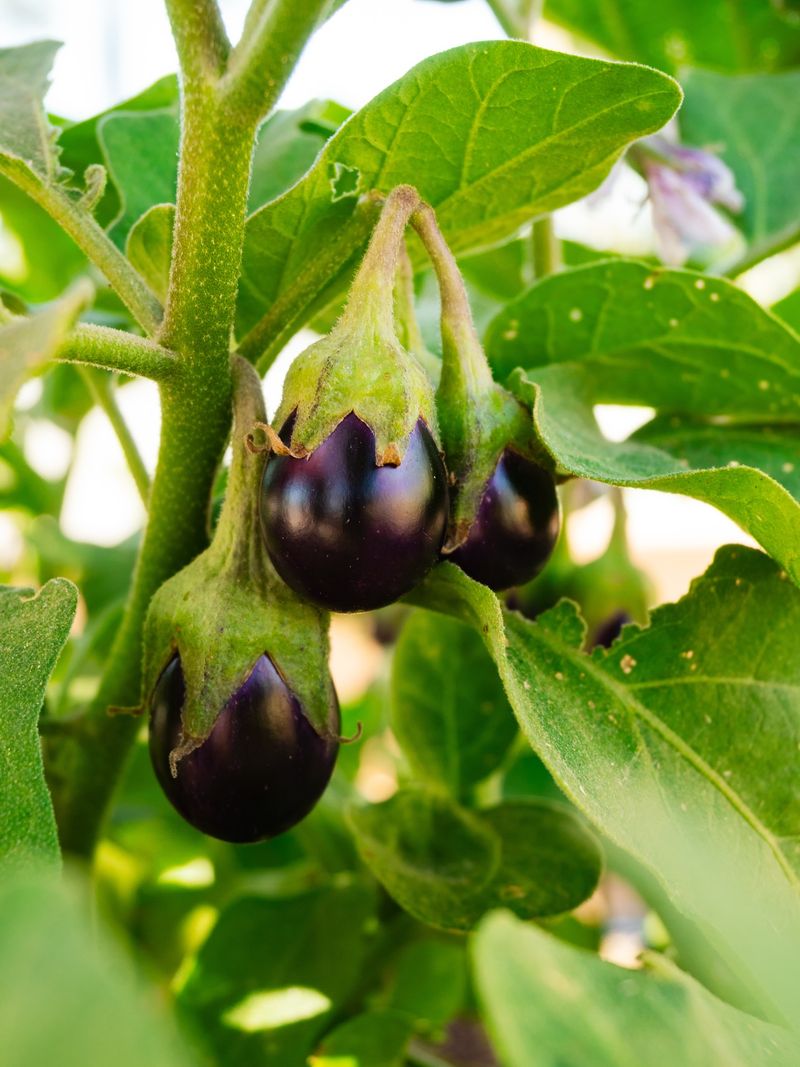
Eggplant leaves in Phoenix gardens often develop a fuzzy texture that creates a thin layer of trapped air. This barrier reduces direct contact between leaf tissue and scorching air, lowering the rate of water evaporation.
The fuzz also reflects some light, preventing leaves from overheating.
Some varieties take minimalism to the extreme. Desert-adapted peppers produce smaller leaves with less total surface area exposed to drying winds.
They sacrifice some photosynthetic capacity but gain crucial water conservation that keeps them alive when larger-leafed varieties would struggle.
Commercial breeding programs now focus on these traits specifically for hot climates. New tomato varieties feature leaves with thicker cuticles and better heat tolerance.
These improvements mean modern gardeners in Arizona have access to vegetables that previous generations couldn’t successfully grow through summer months.
4. Early Morning Growth Avoids Midday Heat Stress
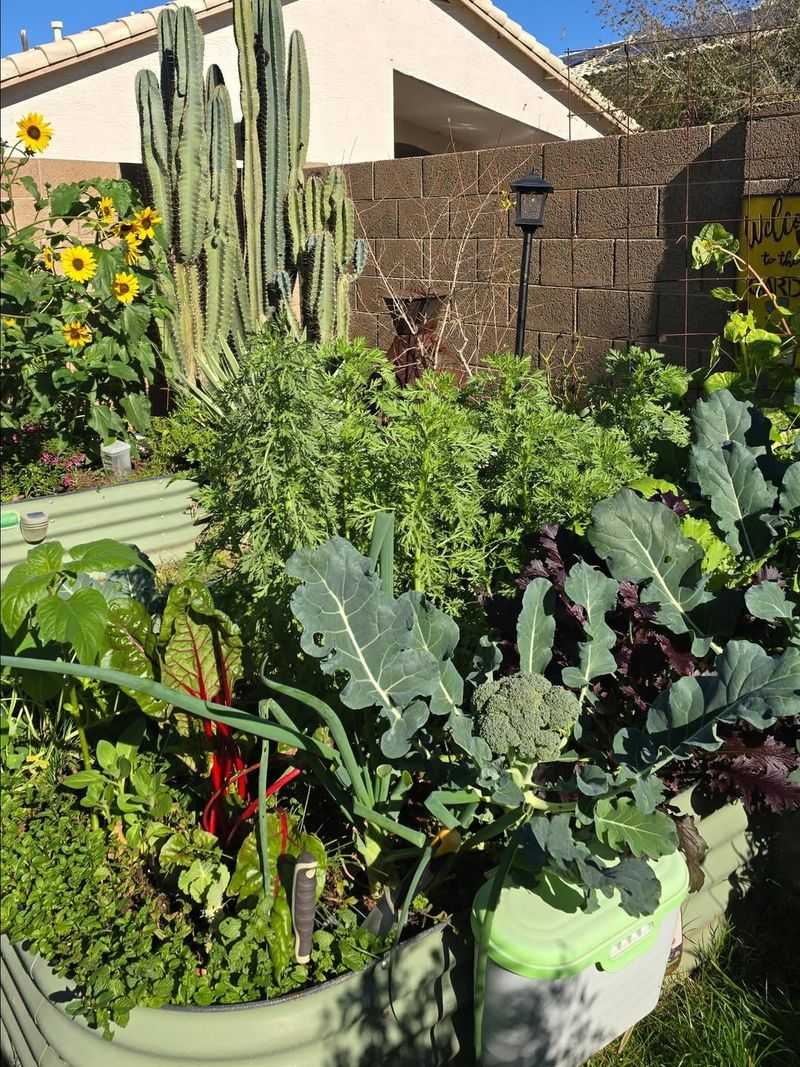
Most active growth in Arizona vegetable gardens happens before 9 AM. During those precious morning hours, temperatures remain relatively moderate, humidity from overnight irrigation lingers, and plants can work without fighting extreme conditions.
This isn’t random timing—it’s strategic adaptation.
Cellular expansion requires plants to take up water and literally inflate their cells. This process works best when temperatures stay below 90 degrees and moisture availability is highest.
Arizona vegetables have learned to concentrate growth activity during this narrow window.
Gardeners in Mesa and Scottsdale who check their plants at dawn often see new leaves partially unfurled, stems slightly elongated, and flowers opening. Return at 2 PM and everything looks locked down, conserving resources until conditions improve.
The contrast reveals how much plants respond to daily temperature cycles.
Photosynthesis also peaks during morning hours. Leaves can process sunlight efficiently without overheating, converting solar energy into sugars that fuel growth.
By noon, many vegetables reduce photosynthetic activity to prevent damage from excessive heat and light intensity.
This pattern explains why morning watering produces better results than evening irrigation in Arizona. Water applied at dawn supports the natural growth period, giving plants maximum resources when they’re most actively growing.
Evening watering arrives too late to support the morning burst of activity.
5. Soil Temperature Matters More Than Air Temperature
Air temperature might hit 115 degrees, but that number tells only part of the story for Arizona vegetables. Soil temperature determines whether roots can function properly, and it often differs dramatically from the air above.
Roots stop absorbing water efficiently when soil temperatures exceed 95 degrees. Above 100 degrees, many vegetables experience root stress that mimics drought even when moisture is present.
The heat literally prevents roots from doing their job, regardless of how much you water.
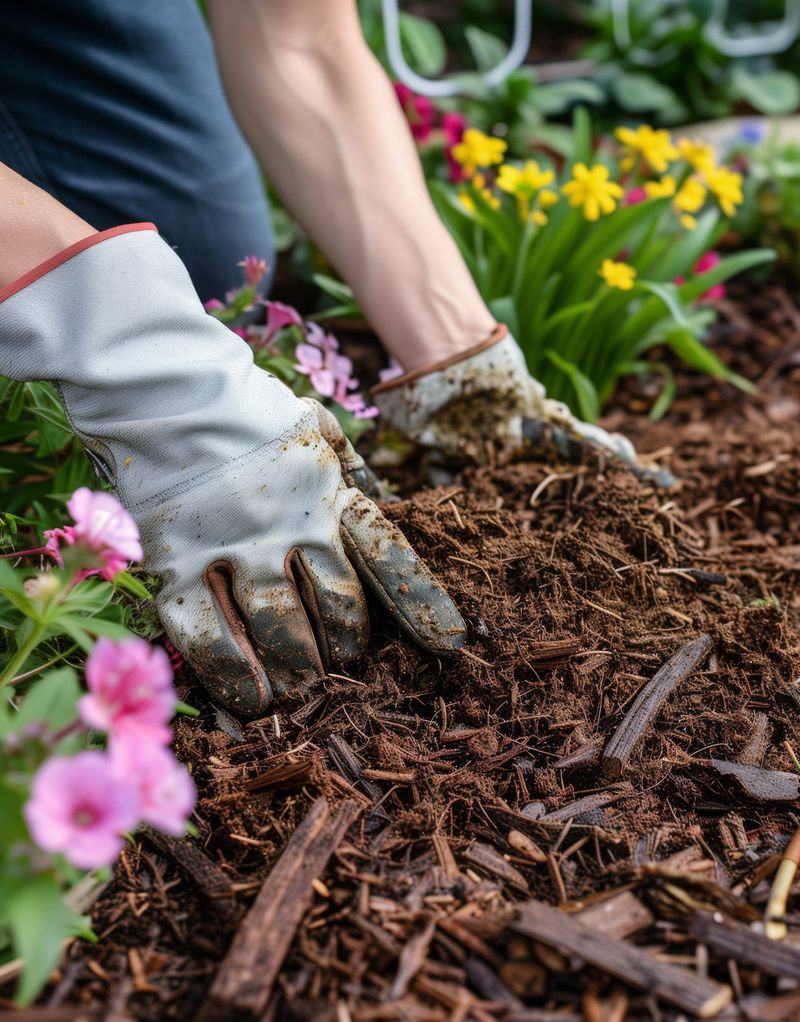
Mulch becomes essential technology in Arizona gardens for this exact reason. A three-inch layer of wood chips, straw, or dried grass clippings can keep soil temperatures 10-15 degrees cooler than bare ground.
That difference means roots continue functioning when they would otherwise shut down.
Yuma and Glendale gardeners who measure soil temperature at different depths discover fascinating patterns. Surface readings might hit 110 degrees while eight inches down stays at 85.
This temperature gradient explains why deeper-rooted vegetables outperform shallow-rooted crops during extreme heat.
Light-colored mulch reflects more heat than dark materials, providing extra cooling benefit. Some Arizona gardeners use reflective materials strategically around heat-sensitive plants.
The goal isn’t just moisture retention—it’s creating a root zone where temperatures stay within the functional range for nutrient and water uptake throughout the hottest months.
6. Shade Patterns Change How Vegetables Use Energy
Full sun means something completely different in Arizona than in Wisconsin or Oregon. Six hours of direct Arizona sun delivers more energy than eight hours in cooler climates.
Vegetables must process this intensity without overloading their systems, and strategic shade makes that possible.
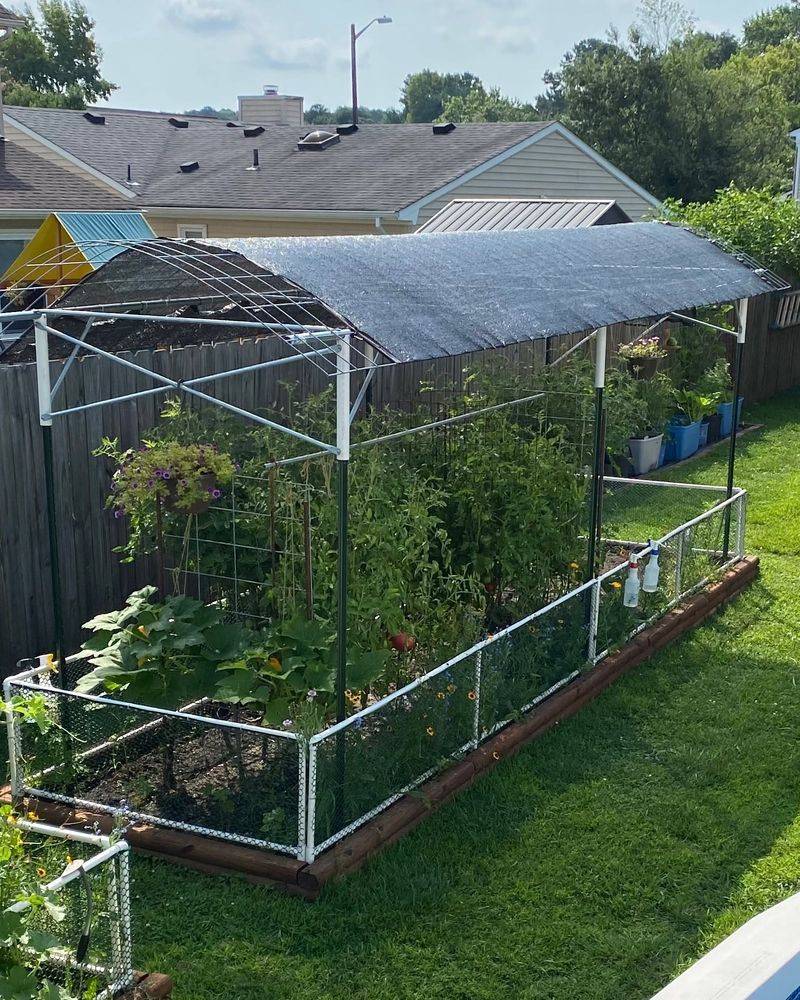
Shade cloth rated at 30-50 percent coverage doesn’t eliminate sunlight—it moderates intensity to levels plants can handle efficiently. Vegetables still receive plenty of light for photosynthesis, but without the damaging excess that causes leaf burn and heat stress.
Think of it as sunglasses for plants.
Natural shade from trees or structures creates dynamic patterns that move throughout the day. Morning sun followed by afternoon shade gives plants optimal conditions for growth and protection during peak heat.
Many Chandler and Gilbert gardens position vegetable beds on the east side of walls or fences to capture this beneficial pattern.
Partial shade also affects how plants allocate energy. With slightly reduced light, vegetables focus more resources on fruit production rather than excessive leaf growth.
Tomatoes grown under light shade often produce better-quality fruit than those in relentless full sun, though total yield might be slightly lower.
The intensity of Arizona sunlight means even sun-loving crops benefit from midday shade. Peppers, eggplant, and melons all perform better with some afternoon protection during June, July, and August when solar radiation reaches peak levels.
7. Consistent Moisture Prevents Heat-Triggered Shutdown
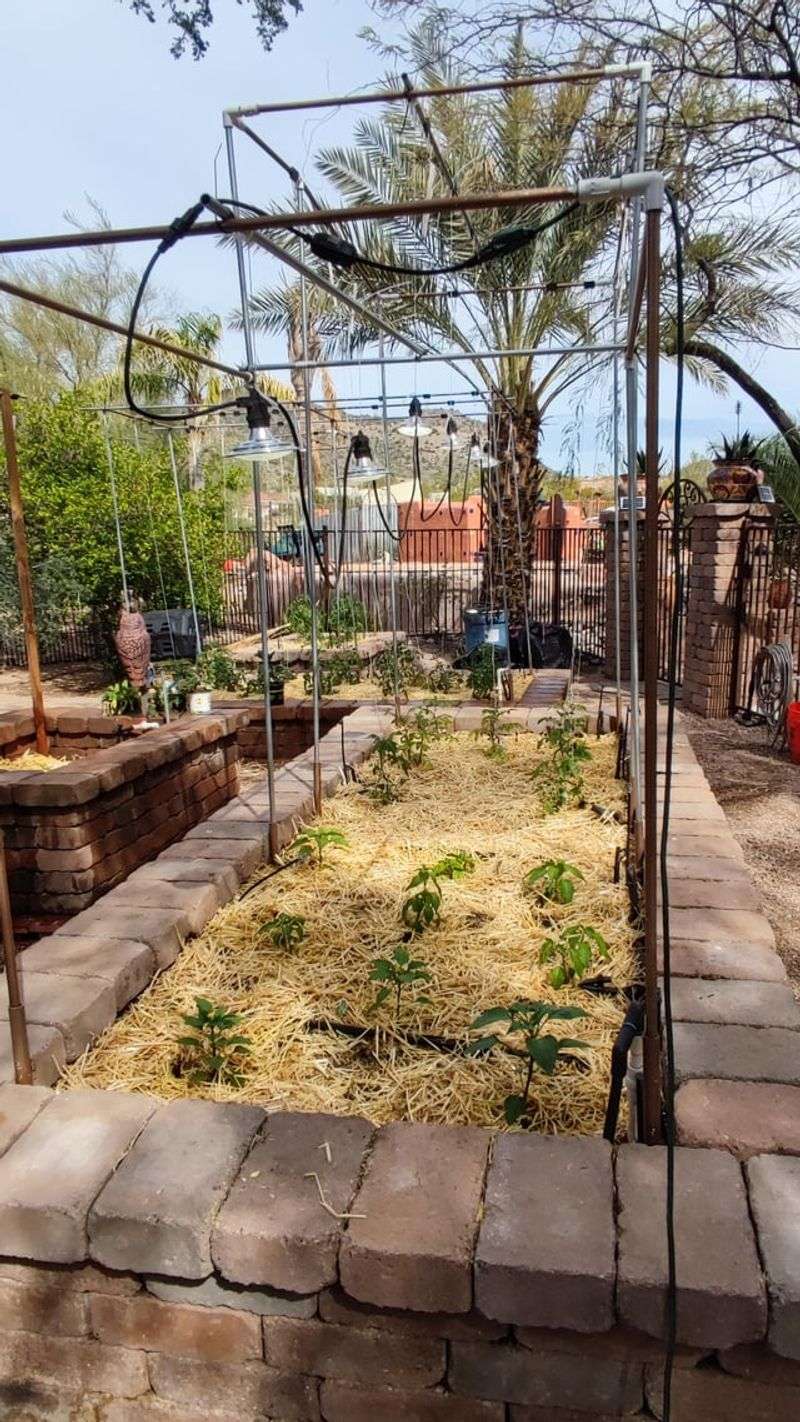
Irregular watering triggers stress responses that shut down growth even when temperatures would otherwise be manageable.
Arizona vegetables need consistent moisture to maintain the cellular functions that keep them alive and productive through extreme heat.
When soil moisture fluctuates dramatically, plants can’t maintain the internal water pressure that keeps cells rigid and functional. Leaves wilt, stomata close permanently rather than temporarily, and growth stops while the plant focuses entirely on survival.
Recovery takes days even after proper watering resumes.
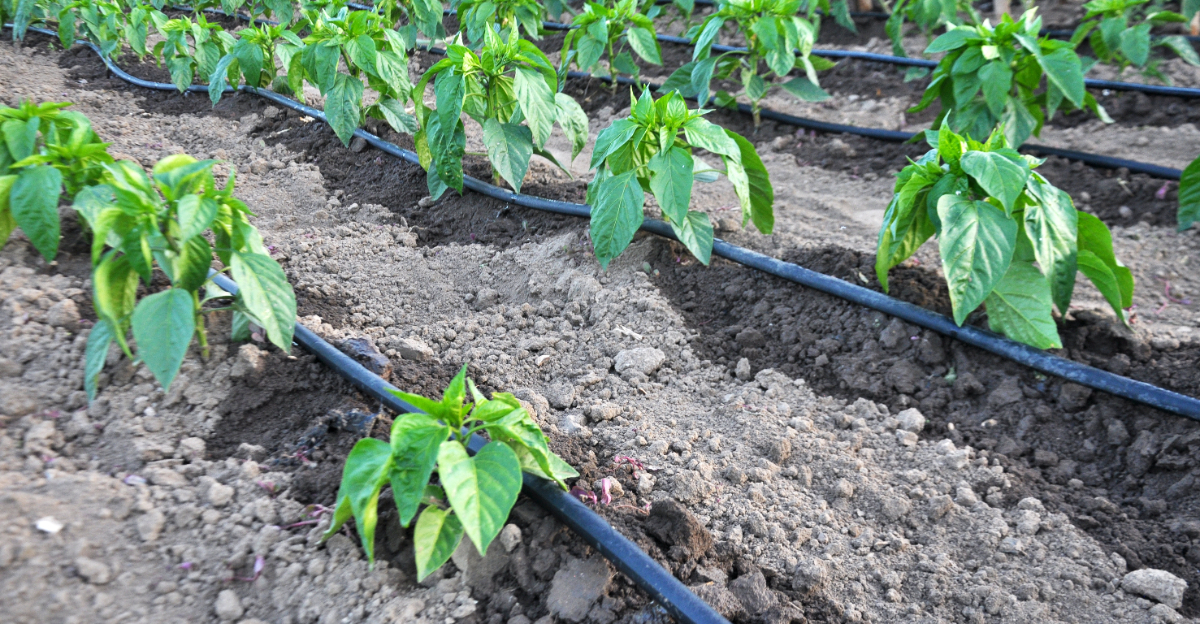
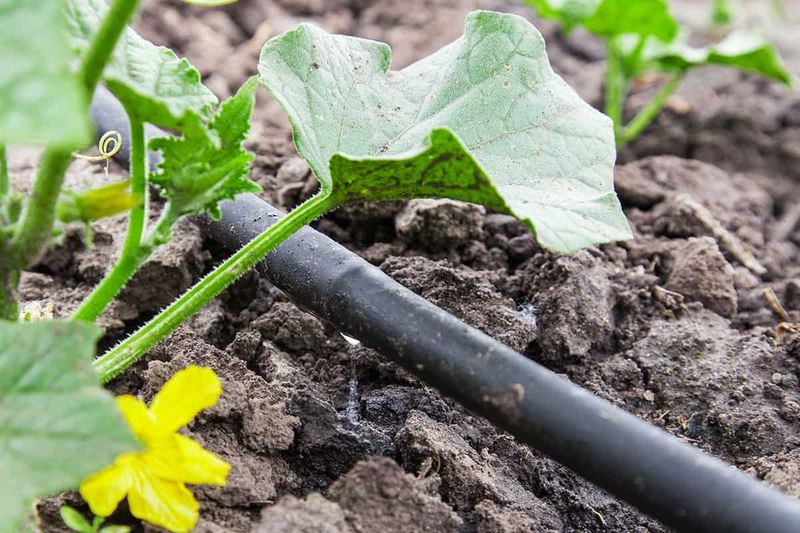
Drip irrigation systems excel in Arizona because they deliver steady moisture directly to root zones. The consistency matters more than the total amount.
Plants receiving smaller, more frequent watering maintain better heat tolerance than those getting occasional deep soaks with long dry periods between.
Tempe and Casa Grande gardeners find that checking soil moisture daily becomes crucial during peak summer. The goal isn’t saturated soil—it’s maintaining consistent dampness at root depth.
A simple finger test six inches down reveals whether your watering schedule matches plant needs.
Container vegetables require even more attention to moisture consistency. Pots heat up faster and dry out quicker than in-ground beds.
Many successful Arizona container gardeners water twice daily during July and August, providing just enough each time to maintain steady moisture without waterlogging roots.
This careful balance keeps vegetables growing steadily despite conditions that would normally halt production.
8. Some Crops Are Genetically Built For Desert Summers
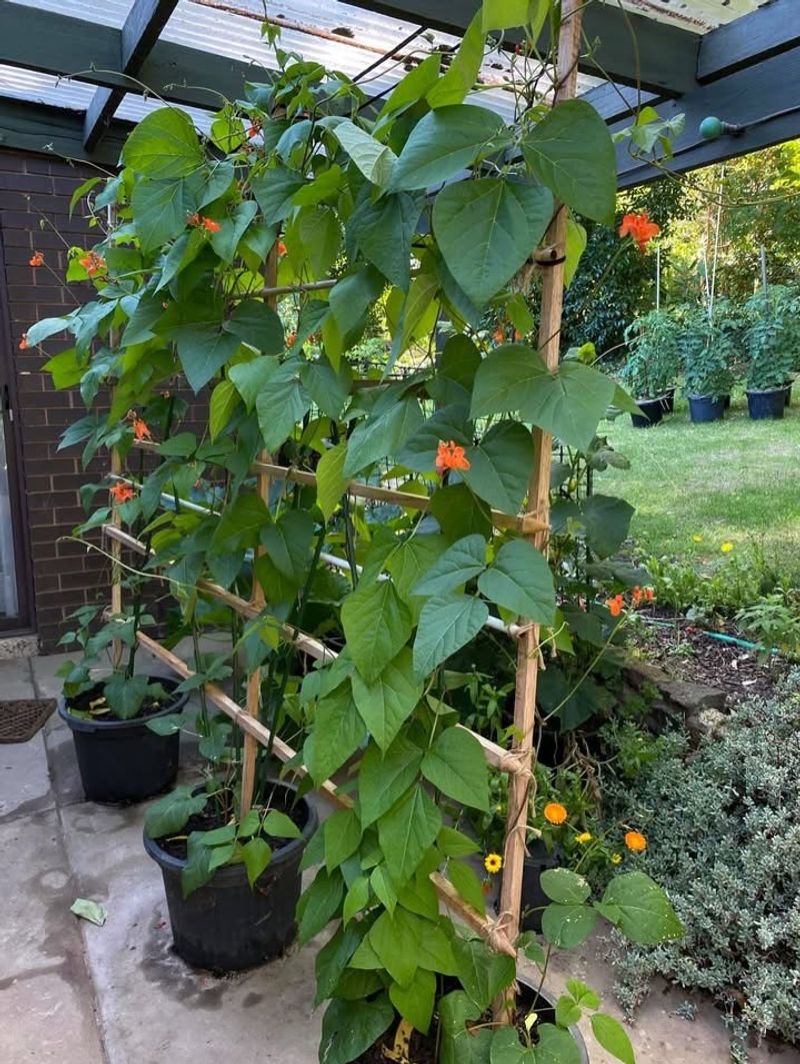
Not all vegetables struggle equally with Arizona heat. Certain crops carry genetic programming specifically designed for hot, arid conditions.
These aren’t modern hybrids—they’re often heritage varieties developed over centuries in similar climates around the world.
Armenian cucumber, despite its name, is actually a melon that thrives in temperatures above 100 degrees. Its leaves stay green and productive when regular cucumbers turn crispy.
The plant’s Middle Eastern origins mean it evolved for exactly the conditions Arizona provides every summer.
Tepary beans, native to the Sonoran Desert, require heat to grow properly. They actually perform poorly in mild climates, preferring temperatures that make conventional beans shut down.
Tucson gardeners who plant teparies in June harvest abundantly in August while other beans have long since finished.
Desert-adapted eggplant varieties from India and Thailand produce heavily through Arizona summers. Their compact growth and smaller fruits suit high temperatures better than large Italian types.
The plants seem to thrive on conditions that stress other vegetables.
Seeking out heat-adapted genetics transforms summer gardening success in Arizona. Rather than fighting to keep cool-climate varieties alive, choosing vegetables bred for desert conditions means working with nature.
These plants don’t just survive Phoenix or Yuma summers—they genuinely thrive, producing harvests that surprise gardeners accustomed to heat being an obstacle rather than an advantage.