10 Orange Flowers That Bring Warm Color To Your Georgia Garden
Orange flowers bring instant warmth to Georgia gardens. They cut through green foliage, brighten beds, and add energy that feels natural in Southern landscapes.
Georgia’s long growing season allows orange blooms to hold their color even as heat builds. Many of these plants keep flowering when softer shades fade, helping gardens stay lively from spring through fall instead of peaking once and flattening out.
A few well-chosen orange flowers can shift the entire feel of a space without overwhelming it. When the right plants are in place, warm color becomes easy, dependable, and long-lasting.
Orange delivers impact in Georgia gardens while staying practical and low stress.
1. Butterfly Weed Produces Bold True Orange Blooms In Full Sun
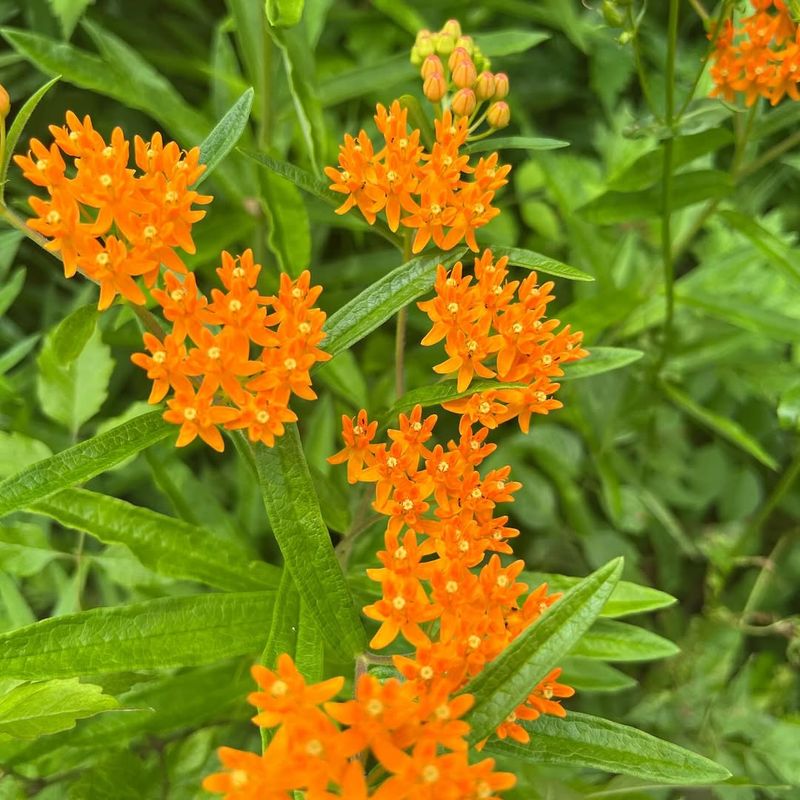
Bright orange clusters appear on sturdy stems from late spring through summer, creating fiery displays that seem to glow in Georgia sunshine.
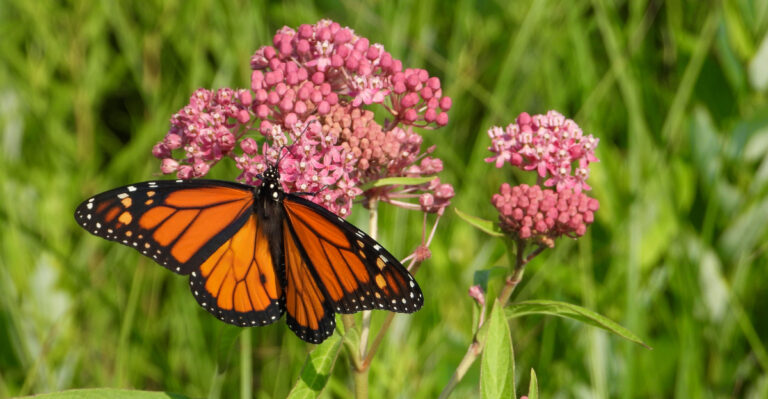
Butterfly weed earns its name honestly, attracting monarch butterflies and other pollinators throughout the growing season.
Native to much of North America, this wildflower adapts perfectly to Georgia’s heat and humidity without demanding constant attention.
Plant it in well-drained soil where water doesn’t collect after storms. Clay-heavy Georgia soil benefits from added sand or compost to improve drainage around the roots.
Once established, this perennial handles drought remarkably well, making it ideal for water-conscious gardeners across the state.
The deep taproot means transplanting mature plants rarely succeeds, so choose your location carefully from the start. Seeds germinate readily when sown directly in fall or early spring.
Expect blooms in the second year as plants build strong root systems.
Pair butterfly weed with purple coneflowers and black-eyed Susans for a pollinator-friendly border that thrives in Georgia summers. The vibrant orange stands out against green lawns and complements brick homes beautifully.
Deer typically leave these plants alone, which solves a common Georgia gardening challenge without extra effort.
2. Mexican Sunflower Thrives In Georgia Heat With Fire-Orange Color
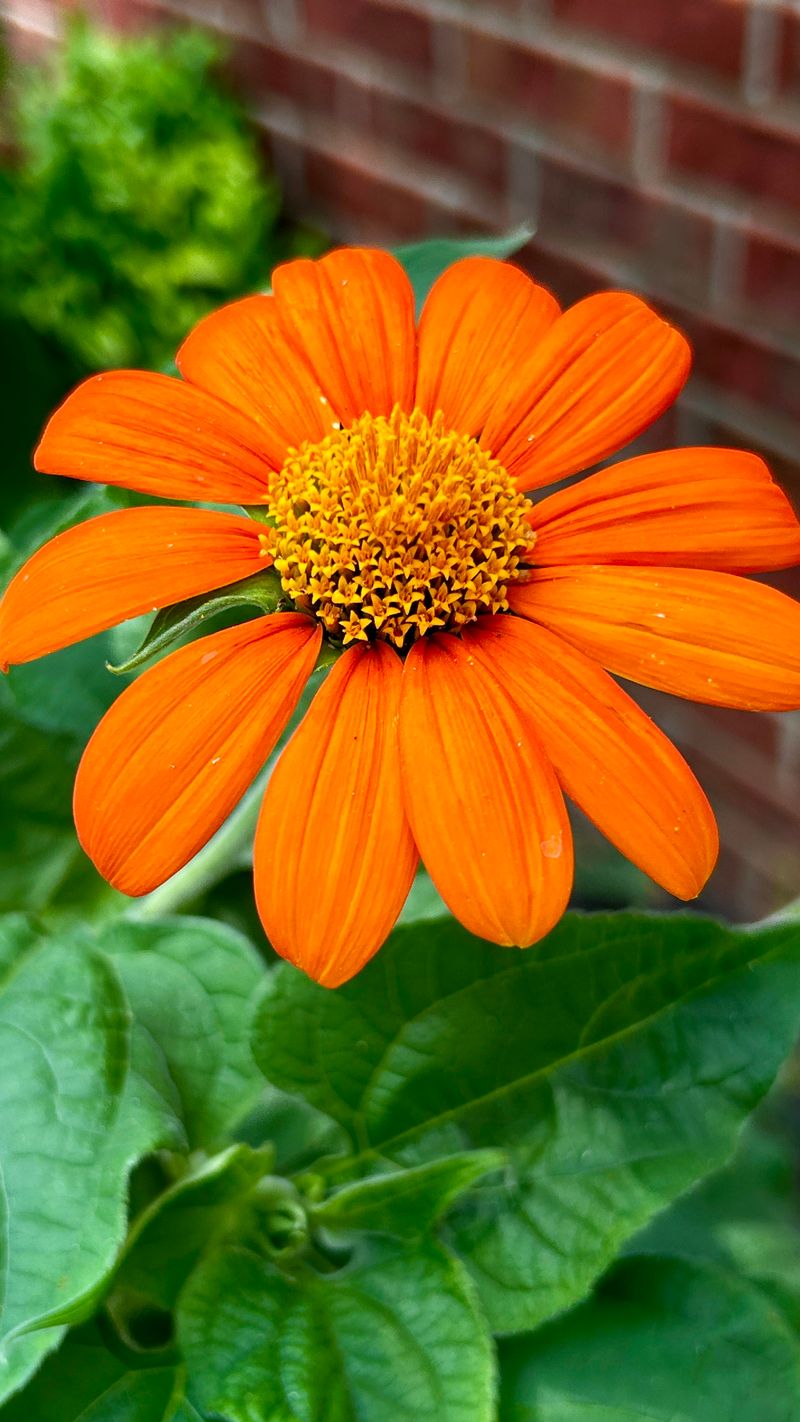
Towering stems reach five to six feet tall by midsummer, covered in brilliant orange-red flowers that butterflies find irresistible. Mexican sunflower laughs at Georgia’s August heat, blooming more profusely as temperatures climb.
The velvety petals hold their color without fading, even during the hottest weeks of the year.
Direct seed after the last frost date, spacing plants about two feet apart to allow for their substantial size. Georgia’s long growing season gives these annuals plenty of time to reach impressive heights.
They grow so quickly you’ll notice visible changes from one week to the next.
Full sun locations work best, though plants tolerate light afternoon shade in southern Georgia. Poor soil doesn’t slow them down much, making them perfect for new garden beds that haven’t been improved yet.
Water during establishment, then let summer rains handle most of their needs.
The sturdy stems create excellent cut flowers that last over a week in arrangements. Deadheading isn’t necessary because new blooms keep appearing regardless.
Plant them along fences or at the back of borders where their height becomes an asset rather than a problem for shorter companions.
Your Georgia Garden Changes Every Week. Your Plan Should Too.
Gardening in Georgia changes quickly throughout the season. Every Friday you’ll receive a simple weekly plan showing exactly what to plant, prune, fertilize, harvest, and protect so you never miss the right timing.
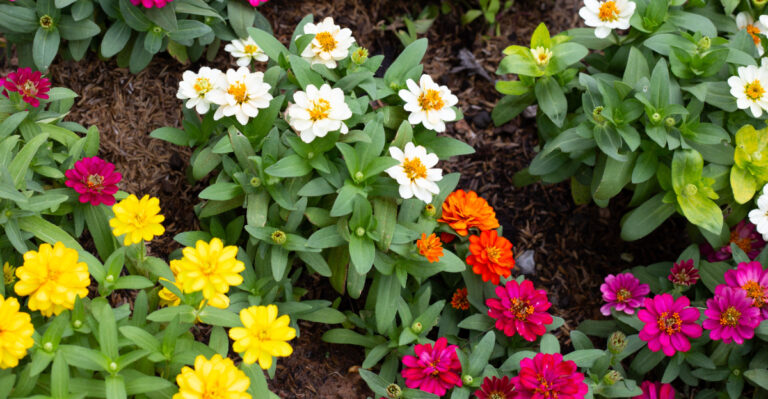
3. Orange Zinnias Bloom Continuously Through Summer Heat
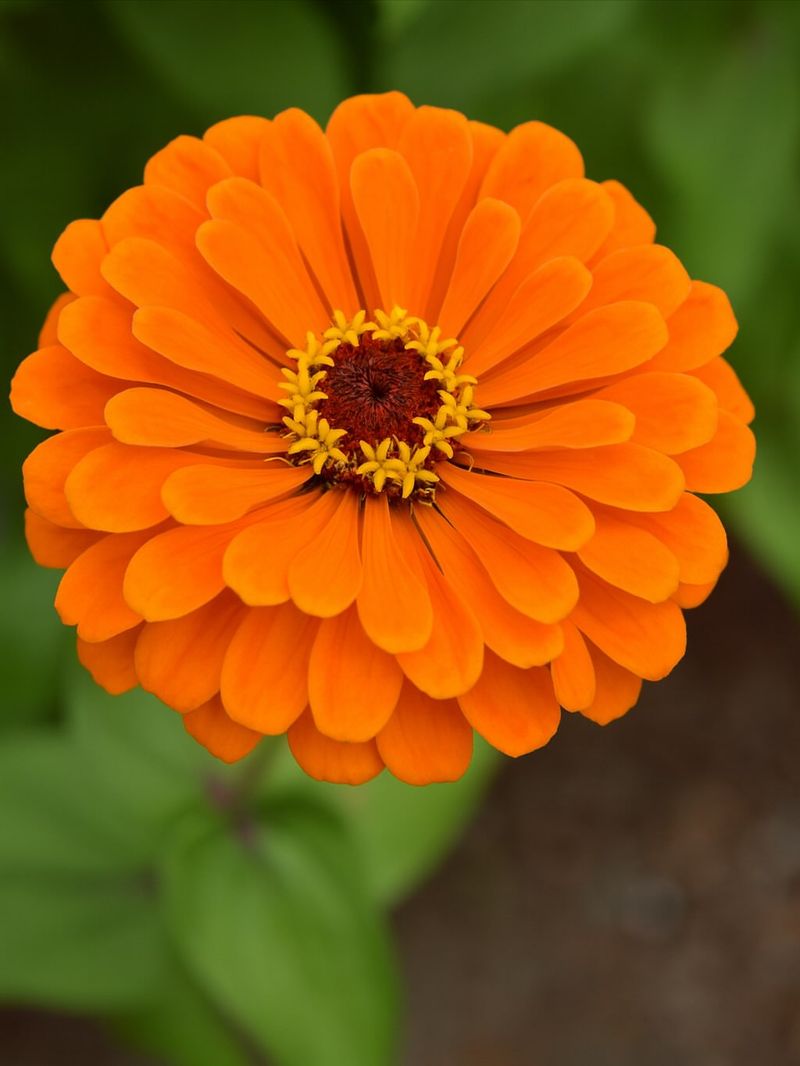
Few flowers deliver more color per square foot than zinnias in shades ranging from soft peach to deep burnt orange. These workhorses bloom from early summer until frost, constantly producing fresh flowers without a break.
Georgia gardeners rely on zinnias because they perform reliably even when other annuals struggle with humidity.
Sow seeds directly in garden beds after soil warms in spring, or start transplants indoors four weeks earlier. Space them according to variety height, with dwarf types needing only eight inches and tall varieties requiring eighteen.
They germinate quickly, often sprouting within five days in warm Georgia soil.
Powdery mildew sometimes appears on lower leaves during humid Georgia summers, but it rarely affects flowering. Choosing mildew-resistant varieties and providing good air circulation helps prevent problems.
Water at the base rather than overhead to keep foliage dry.
Orange zinnias mix beautifully with purple salvia and white vinca for container combinations that shine all season. Cutting flowers for bouquets actually encourages more blooms to form.
The more you harvest, the more the plants produce, making them perfect for gardeners who enjoy fresh arrangements throughout summer and into fall.
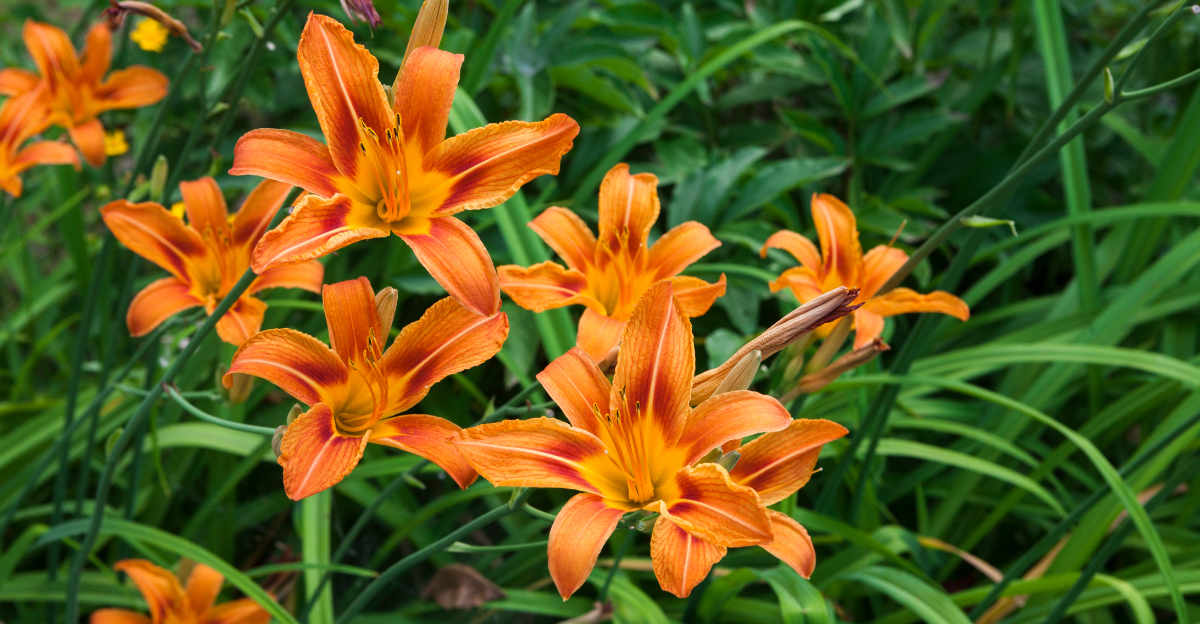
4. Tiger Lily Delivers Classic Deep Orange Flowers Mid-Summer
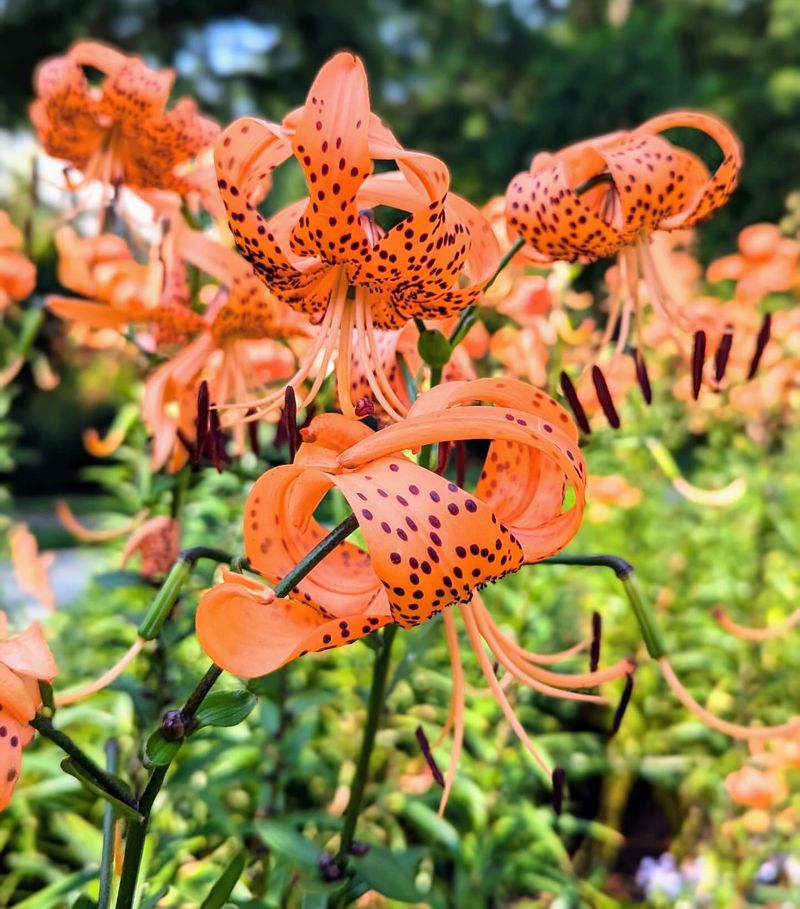
Recurved petals spotted with dark freckles create the unmistakable look that gardeners have loved for generations. Tiger lilies open their flowers in July across most of Georgia, right when many spring bloomers have finished their show.
The deep orange color with black spots stands out dramatically against green foliage and neighboring plants.
Plant bulbs in fall or early spring about six inches deep in locations with good drainage. These lilies tolerate more shade than many orange flowers, making them useful for spots under tall pines or beside sheds.
They multiply over time, forming larger clumps that produce more stems each year.
Georgia’s summer thunderstorms rarely damage the sturdy stems, which can reach four feet tall in favorable conditions. Small black bulbils form where leaves meet stems, dropping to the ground and eventually growing into new plants.
This natural spreading creates informal drifts that look increasingly beautiful as years pass.
Pair tiger lilies with hostas and ferns for a classic shade garden combination that works throughout Georgia. The orange blooms light up darker corners where few other bright colors succeed.
After flowers fade, the foliage remains attractive through fall, contributing texture even without blooms present.
5. Canna Lily Creates Strong Tropical Orange Impact In Warm Weather
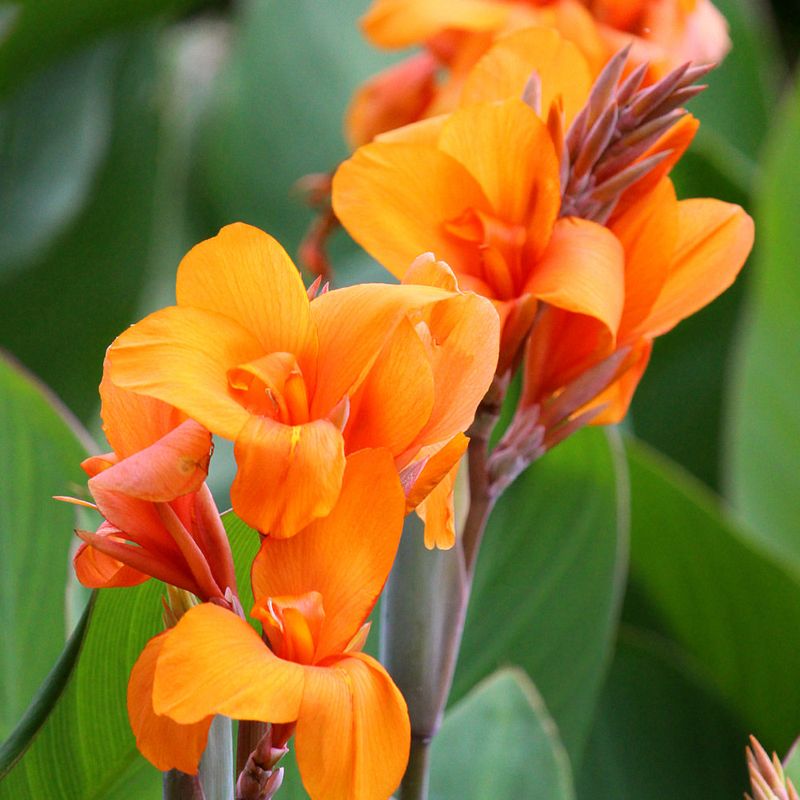
Bold orange blooms emerge from thick stalks surrounded by large, paddle-shaped leaves that create instant tropical atmosphere. Cannas transform ordinary Georgia gardens into exotic retreats, thriving in the heat and humidity that challenges many ornamentals.
The flowers keep coming from early summer through the first frost, providing months of vivid color.
Rhizomes planted after frost danger passes grow rapidly once soil temperatures warm. Space them twelve to eighteen inches apart, planting about four inches deep in enriched soil.
Georgia’s warm nights encourage fast growth, with blooms often appearing within eight weeks of planting.
Regular watering keeps cannas looking their best during dry spells common in Georgia summers. They tolerate wet soil better than most flowering plants, making them suitable for low spots that stay damp.
Fertilize monthly during the growing season to support their vigorous growth and continuous flowering.
The large leaves add architectural interest even before flowers appear, creating dramatic backdrops for lower-growing plants. Remove spent flower stalks to keep plants tidy and encourage more blooms.
In north Georgia, dig rhizomes after frost and store them indoors over winter, while gardeners in southern parts of the state can often leave them in the ground year-round with mulch protection.
6. Orange Daylilies Return Reliably With Solid Color Each Year
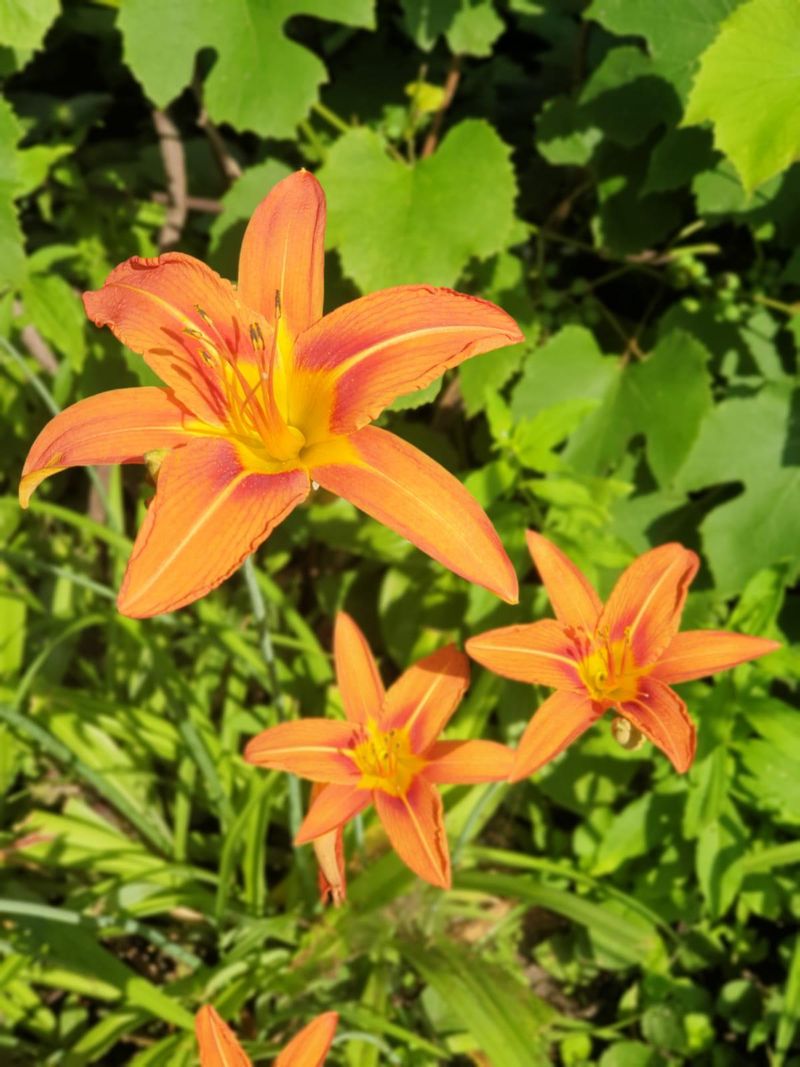
Dependable perennials produce trumpet-shaped orange flowers on arching stems above clumps of grass-like foliage. Each bloom lasts just one day, but established clumps send up so many flower stalks that color remains constant for weeks.
Daylilies adapt to virtually any Georgia location, from coastal areas to mountain counties.
Plant bare-root divisions or container plants spring through fall, spacing them eighteen to twenty-four inches apart. They establish quickly in Georgia’s climate, often blooming the first season after spring planting.
While they tolerate poor soil, adding compost at planting time results in more vigorous growth and heavier flowering.
Different varieties bloom at different times, so selecting early, midseason, and late types extends the orange display from May through September. Older varieties tend to be more heat-tolerant and require less maintenance than some newer hybrids.
They multiply steadily, forming substantial clumps that can be divided every few years.
Orange daylilies work beautifully along driveways, in front of mailboxes, or massed on slopes where mowing is difficult. They compete successfully with tree roots, making them valuable for planting under oaks and maples.
The foliage remains attractive after blooming ends, unlike some perennials that look shabby by late summer across Georgia gardens.
7. Cosmos Sulphureus Stays Naturally Orange Without Color Drift
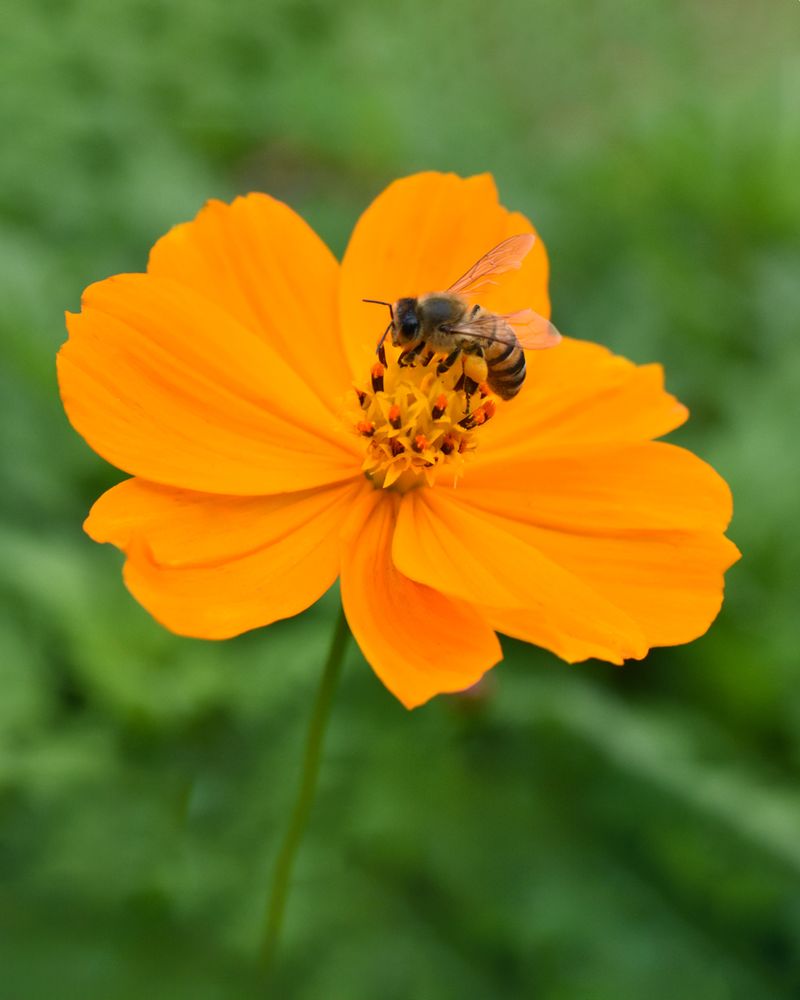
Cheerful single or semi-double flowers in pure orange shades dance on wiry stems above finely cut foliage. Unlike some flowers that fade to yellow or pink, these cosmos maintain their orange color from first bloom until frost.
The airy growth habit softens garden edges and fills spaces between more substantial plants throughout Georgia landscapes.
Scatter seeds in prepared beds after the last frost, barely covering them with soil since light aids germination. They sprout within a week in warm Georgia spring weather.
Thin seedlings to about twelve inches apart, though they tolerate closer spacing if you prefer a fuller look.
These cosmos handle Georgia’s heat without wilting or slowing their bloom production. They actually prefer lean soil over heavily fertilized beds, making them ideal for areas where soil hasn’t been improved.
Too much fertilizer results in more foliage and fewer flowers.
The long bloom period from early summer through fall makes them valuable for consistent color. They self-sow moderately in Georgia gardens, returning each year without becoming invasive.
Butterflies and bees visit the flowers constantly, adding movement and life to plantings. Combine orange cosmos with blue salvia and white sweet alyssum for containers that thrive on Georgia porches and patios through the entire growing season.
8. Calendula Adds Rich Orange Tones During Cooler Growing Months
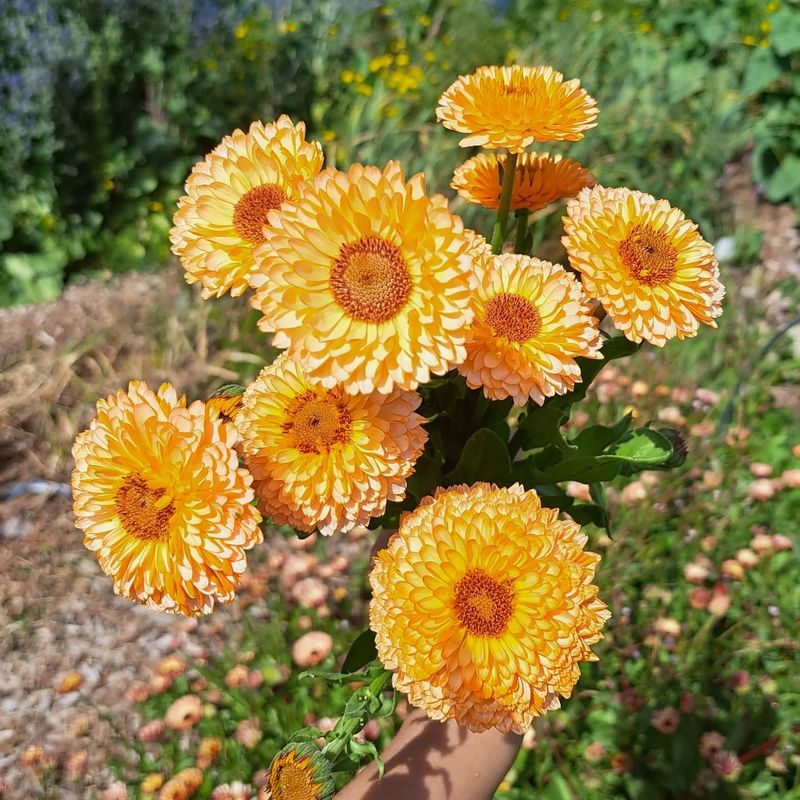
Daisy-like flowers in shades from pale apricot to deep burnt orange bloom enthusiastically during Georgia’s cool seasons. Calendula thrives in spring and fall when many other orange flowers struggle with lower temperatures.
The cheerful blooms open fully on sunny days and close slightly during cloudy weather or at night.
Sow seeds in early fall for winter and spring blooms in southern Georgia, or plant in early spring for cool-season color in northern parts of the state. They germinate readily when temperatures range between fifty and seventy degrees.
Space plants about ten inches apart in beds or containers.
Light frosts don’t damage calendula, and plants often continue blooming through mild Georgia winters in zones 8 and 9. They prefer full sun but tolerate light shade, especially during the transitional seasons.
Regular deadheading extends the flowering period and keeps plants looking tidy.
The edible petals add color to salads and can be dried for winter crafts, giving them uses beyond garden decoration. Calendula self-sows readily in Georgia gardens, popping up in unexpected places the following season.
They make excellent companions for cool-season vegetables, adding bright spots of color between lettuce rows and around cabbage plants in fall and spring kitchen gardens throughout the state.
9. Blanket Flower Holds Intense Orange Shades Even In Tough Conditions
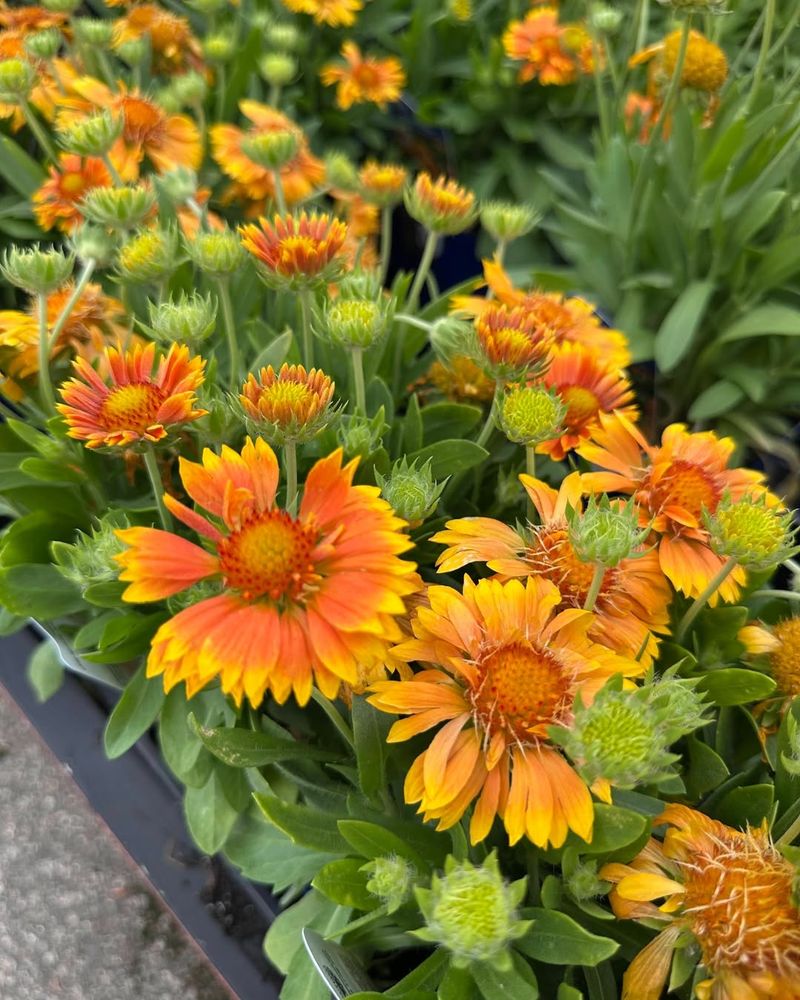
Vibrant flowers combine orange with red and yellow in patterns that resemble traditional Native American blankets. Blanket flowers bloom from late spring through fall across Georgia, handling heat, humidity, and occasional drought without complaint.
The daisy-like blooms attract butterflies while deer typically avoid them, solving two common Georgia gardening concerns simultaneously.
Start with transplants or direct-sow seeds in spring after danger of heavy frost passes. They prefer full sun and well-drained soil but adapt to less-than-ideal conditions better than many perennials.
Sandy Georgia soils suit them perfectly, though they grow successfully in heavier soils with adequate drainage.
Established plants need little supplemental water once roots penetrate deeply into Georgia soil. They actually perform better with occasional dry periods than with constant moisture.
Cutting back plants by one-third in midsummer encourages fresh growth and renewed flowering through fall.
Short varieties work well at the front of borders or in containers, while taller selections fill middle positions in perennial beds. The flowers last well in arrangements, providing fresh cuts throughout their long blooming season.
Blanket flowers reseed moderately, filling in gaps without becoming problematic. Their tolerance for roadside conditions makes them excellent choices for Georgia mailbox plantings and areas near driveways where salt and reflected heat challenge other flowers.
10. Crossvine Covers Vertical Spaces With True Orange Spring Blooms
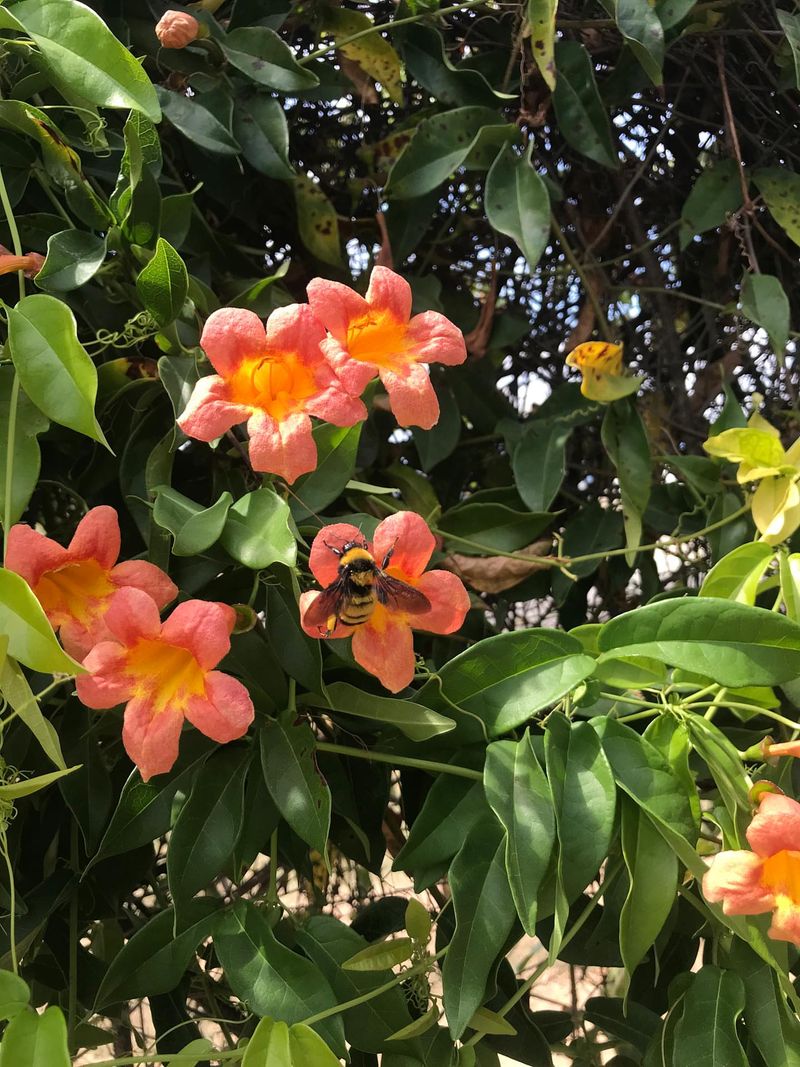
Trumpet-shaped flowers in vibrant orange cover this vigorous vine each spring, creating stunning vertical displays on fences, arbors, and walls.
Crossvine is native to the southeastern United States, making it perfectly adapted to Georgia’s climate and growing conditions.
The semi-evergreen foliage provides year-round interest, with leaves often developing purple tints during winter months.
Plant container-grown vines in spring or fall near sturdy support structures that can handle their vigorous growth. They attach using tendrils and aerial rootlets, climbing quickly once established in Georgia landscapes.
Space plants six to ten feet apart when covering long fences or large areas.
The April and May bloom period arrives earlier than most orange flowers, providing color when gardens are transitioning from spring bulbs to summer annuals. Hummingbirds visit the tubular flowers frequently during their spring migration through Georgia.
After the main flush of bloom, scattered flowers continue appearing sporadically through summer.
Crossvine tolerates both sun and shade, though flowering is heaviest with at least six hours of direct sunlight. It grows well in various Georgia soil types from sandy coastal soils to red clay piedmont conditions.
Prune after flowering to control size and shape, as this vine can reach thirty feet or more in favorable locations. Use it to cover unsightly chain-link fences or create privacy screens that burst with orange color each spring across Georgia properties.